
Drying and sealing are separate stages
Food Dehydrators & Vacuum Sealers
A dehydrator removes moisture through a controlled drying process; a vacuum sealer packages food by removing air from a suitable bag. Choose the stage you need to improve. Tray area, temperature control and bag compatibility matter more than treating both machines as interchangeable food-preservation systems.

Shop the collection
-
Food Dehydrator 9 Tray Beef Jerky Maker Fruit Dryer Black
Regular price $159.90 AUDRegular priceUnit price per$266.99 AUDSale price $159.90 AUDSale -
Commercial Food Dehydrator 6 Trays Stainless Steel Fruit Dryer
Regular price $159.90 AUDRegular priceUnit price per$249.99 AUDSale price $159.90 AUDSale -
Commercial Food Dehydrator
Regular price $277.90 AUDRegular priceUnit price per$412.99 AUDSale price $277.90 AUDSale -
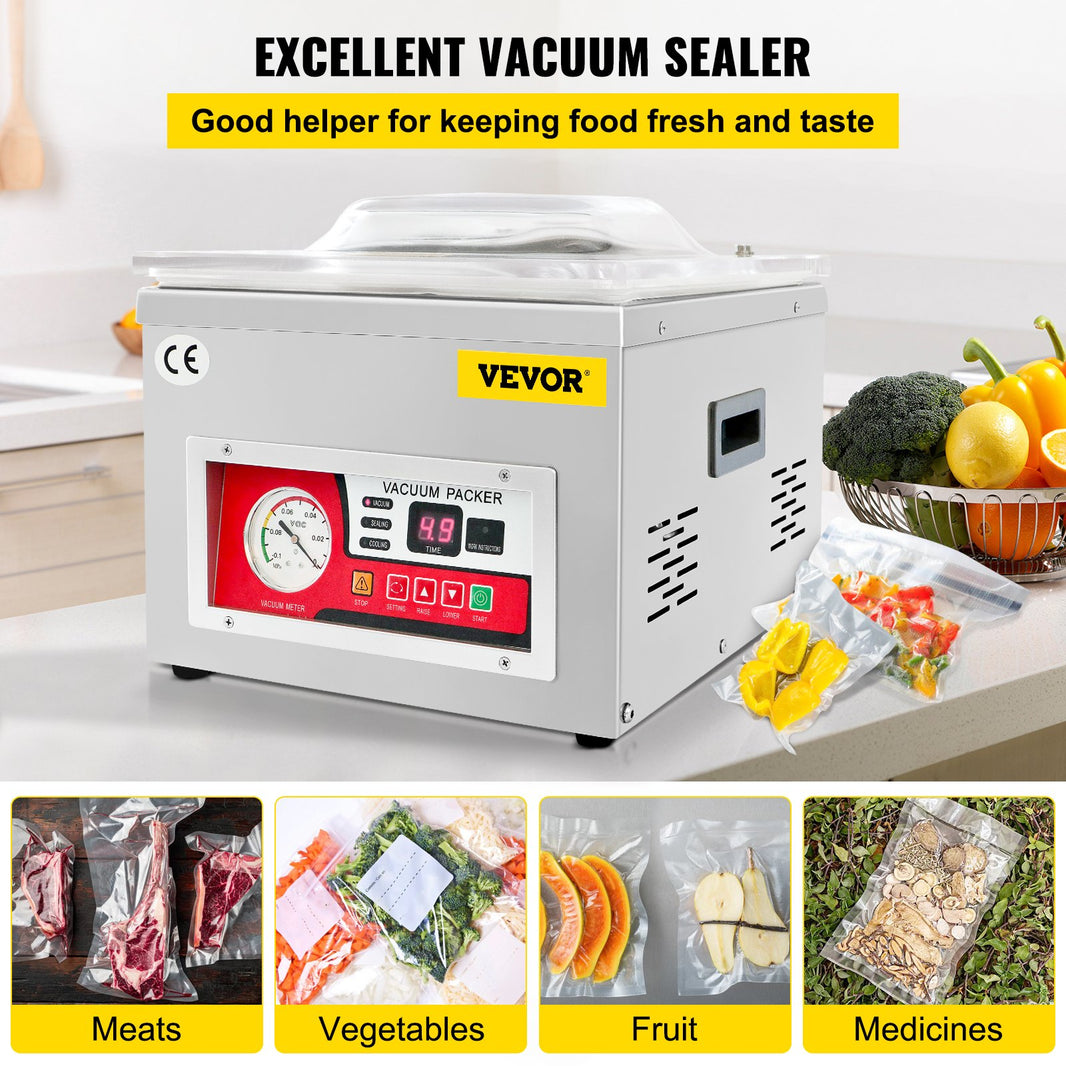
Food Vacuum Sealer Machine with Sealing Cutter 4 Modes & Storage Bags 4 Rolls
Regular price $119.90 AUDRegular priceUnit price per$159.99 AUDSale price $119.90 AUDSale -
DZ-400/2F Automatic Vacuum Sealer Food Vacuum Sealing Packing Machine 220V
Regular price $1,092.90 AUDRegular priceUnit price per$876.90 AUDSale price $1,092.90 AUD -
Cordless Food Vacuum Sealer Machine Dry Wet 30 Bags
Regular price $65.90 AUDRegular priceUnit price per -
28cm x 40cm 100pcs Vacuum Sealer Bags Food Storage
Regular price $57.90 AUDRegular priceUnit price per -
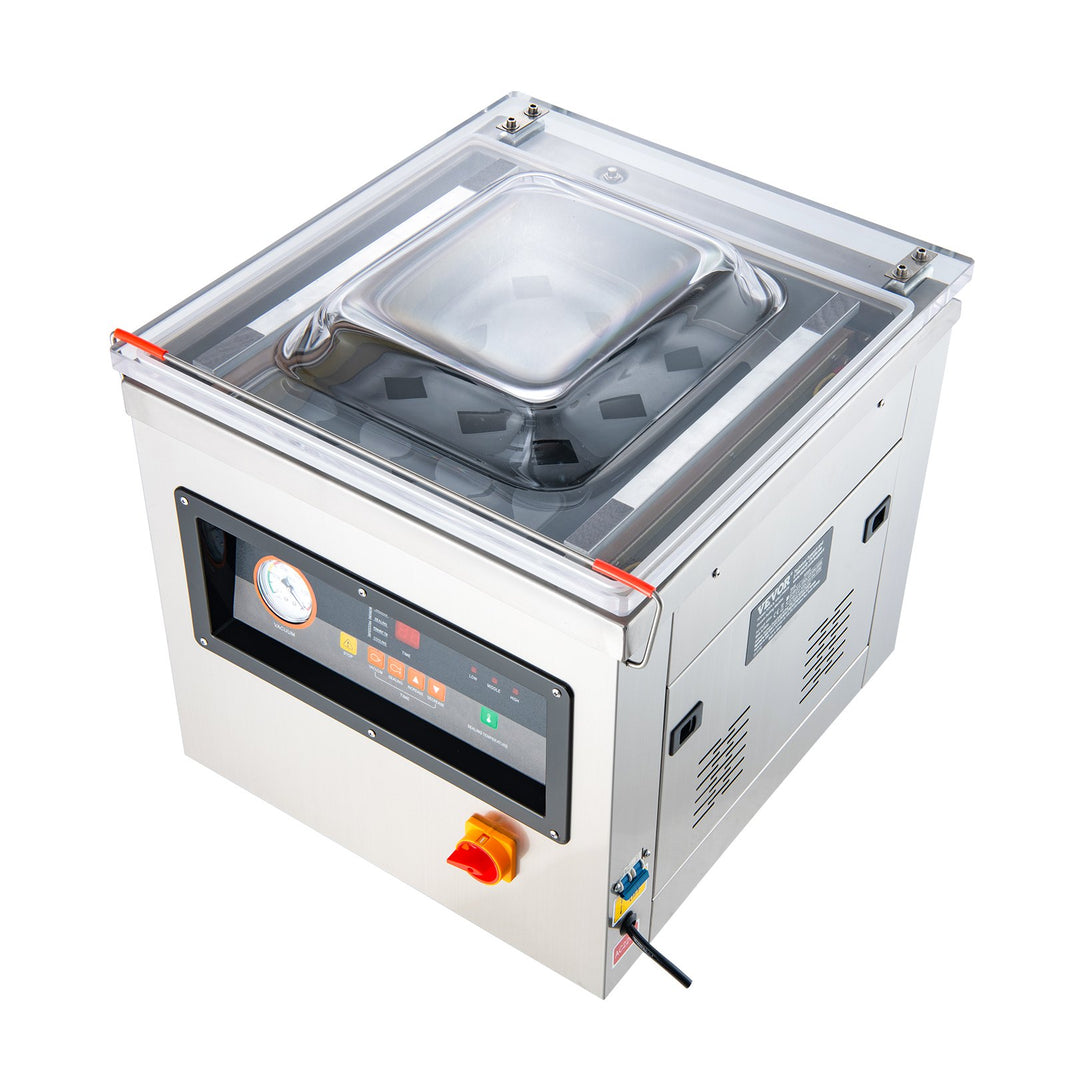
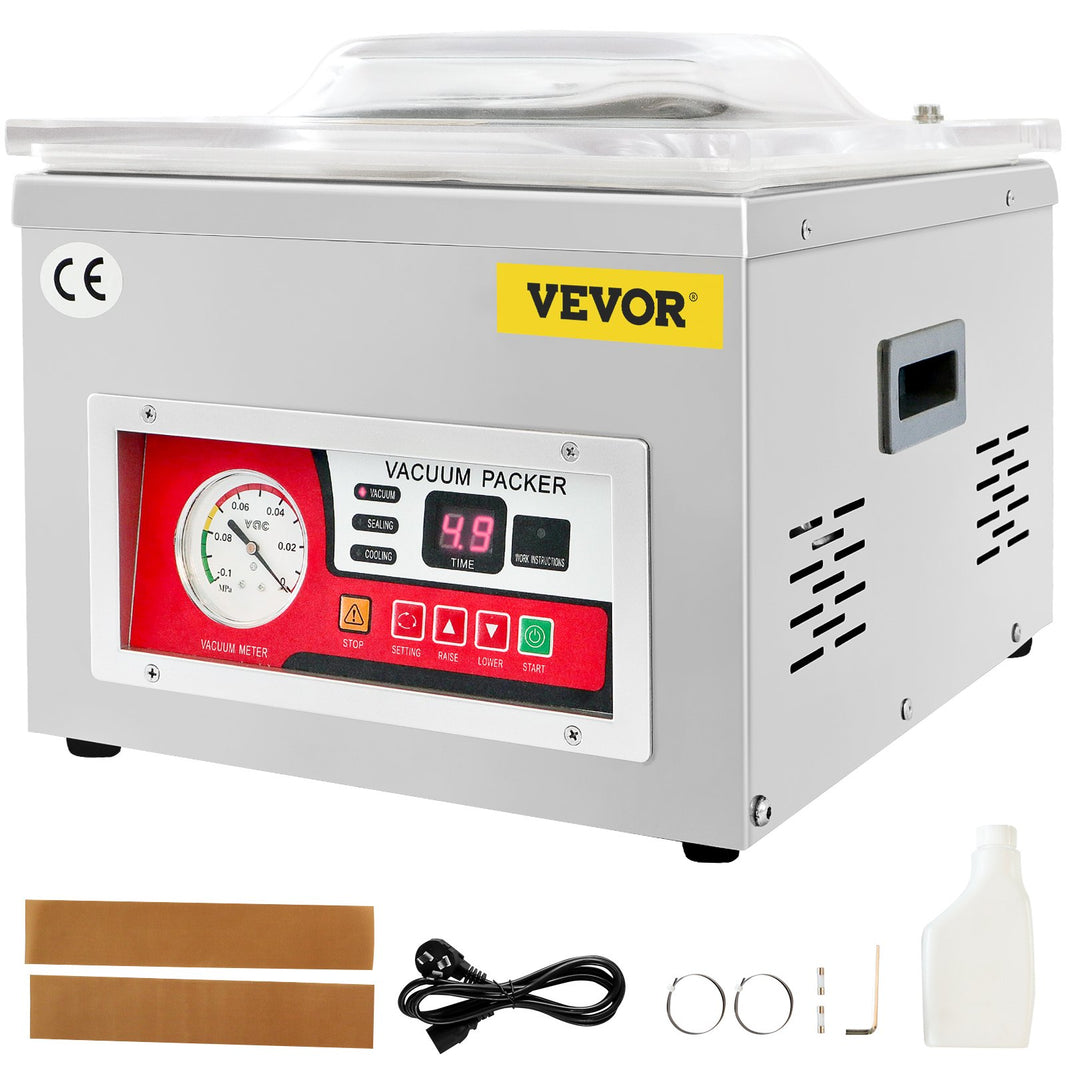
DZ-260C Digital Vacuum Sealer Food Vacuum Sealing Packing Machine 220V
Regular price $627.90 AUDRegular priceUnit price per$503.90 AUDSale price $627.90 AUD -
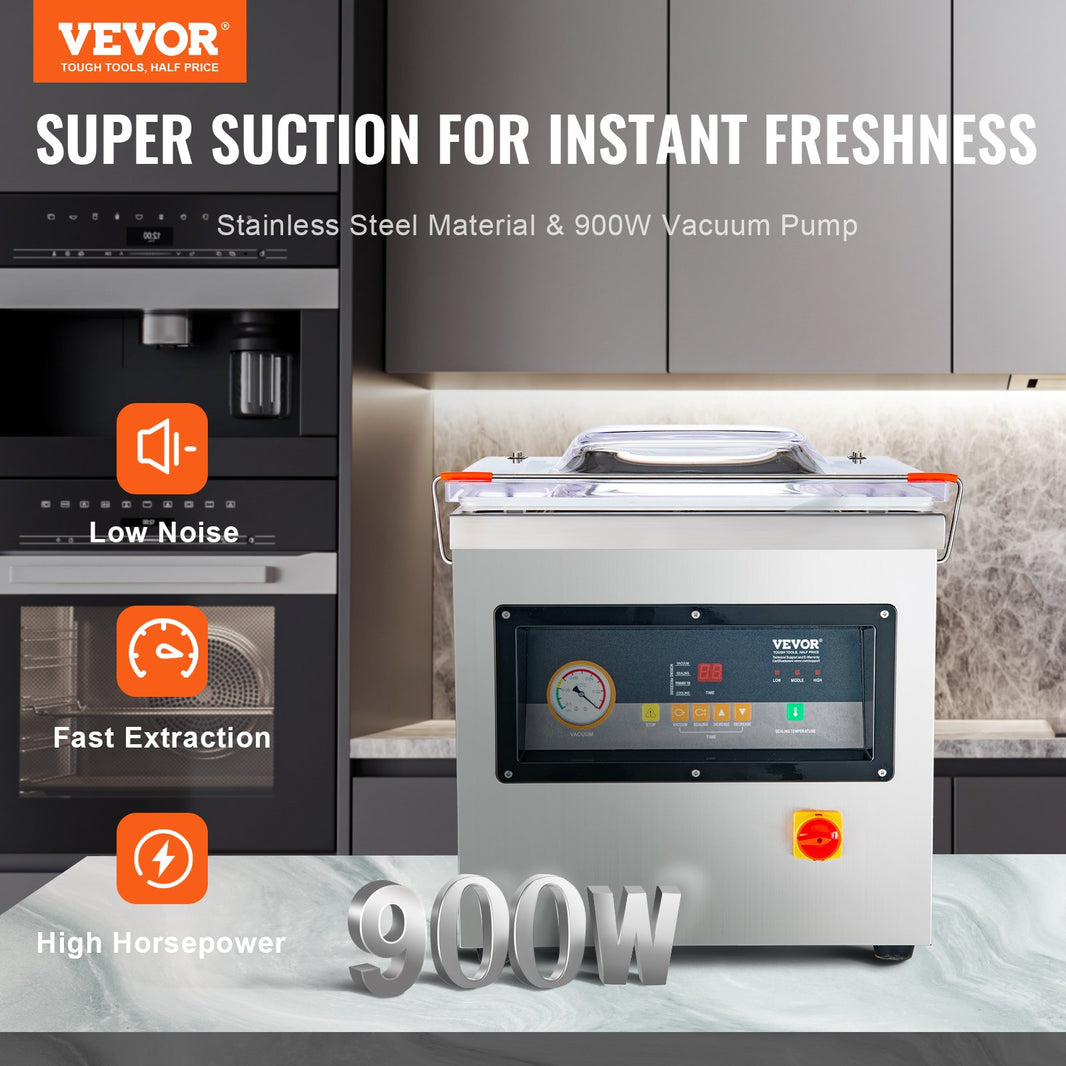
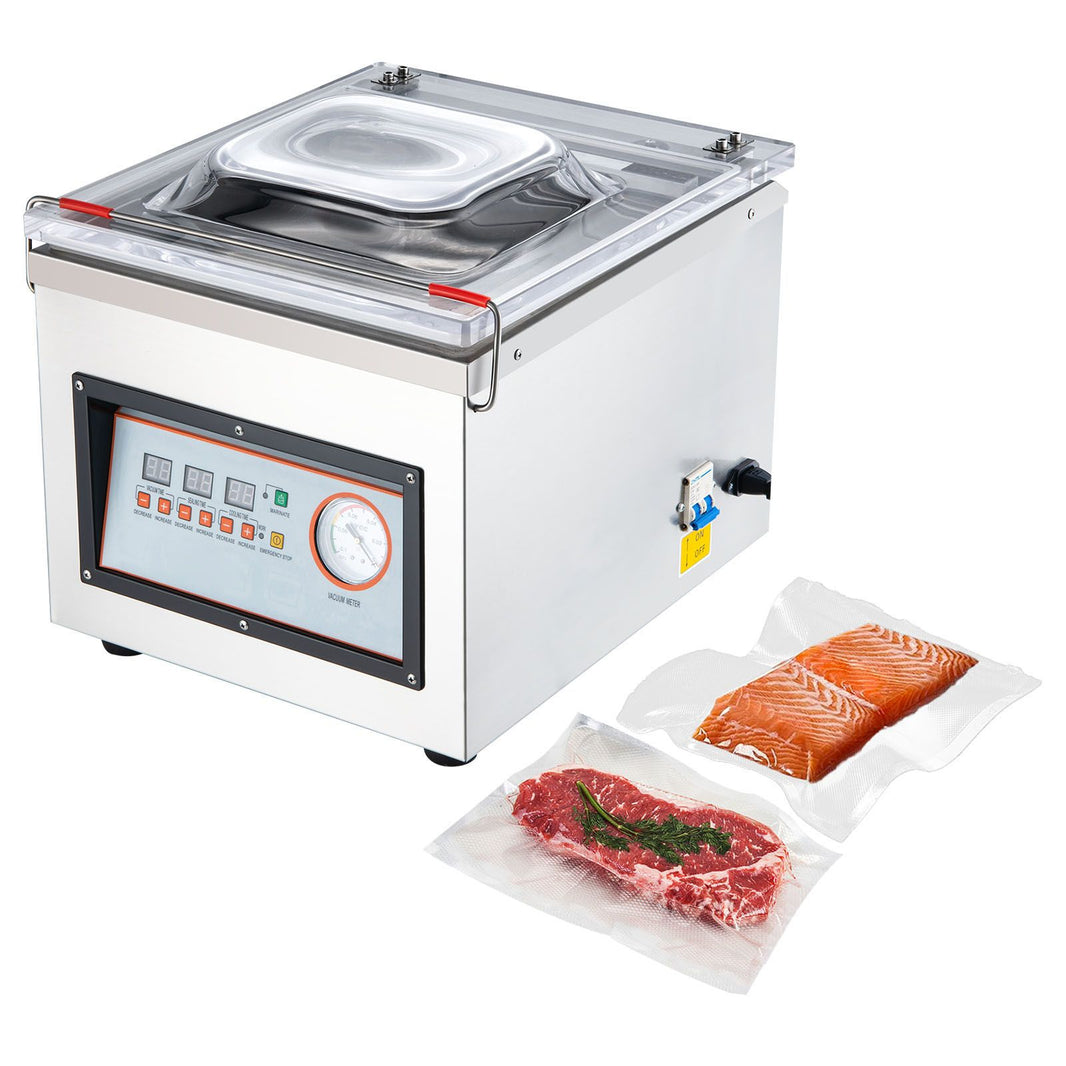
Chamber Vacuum Sealer, 260W Sealing Power, Vacuum Packing Machine for Wet Foods, Meats, Marinades and More, Compact Size with 260 mm Sealing Length, Applied in Home Kitchen and Commercial Use
Regular price $493.90 AUDRegular priceUnit price per$395.90 AUDSale price $493.90 AUD -
Chamber Vacuum Sealer Vacuum Packaging Machine 6.5 cbm/h Pump Rate 220V
Regular price $468.90 AUDRegular priceUnit price per$375.90 AUDSale price $468.90 AUD -
28cm x 50cm 100pcs Vacuum Sealer Bags Food Storage
Regular price $65.90 AUDRegular priceUnit price per -
DZ-400/2E Automatic Extra Deep Vacuum Sealer Food Vacuum Sealing Packing Machine 220V
Regular price $1,366.90 AUDRegular priceUnit price per$1,096.90 AUDSale price $1,366.90 AUD -
Morphy Richards 10-Shelf Food Dehydrator with 10 Preset Programs and Timer
Regular price $306.90 AUDRegular priceUnit price per -
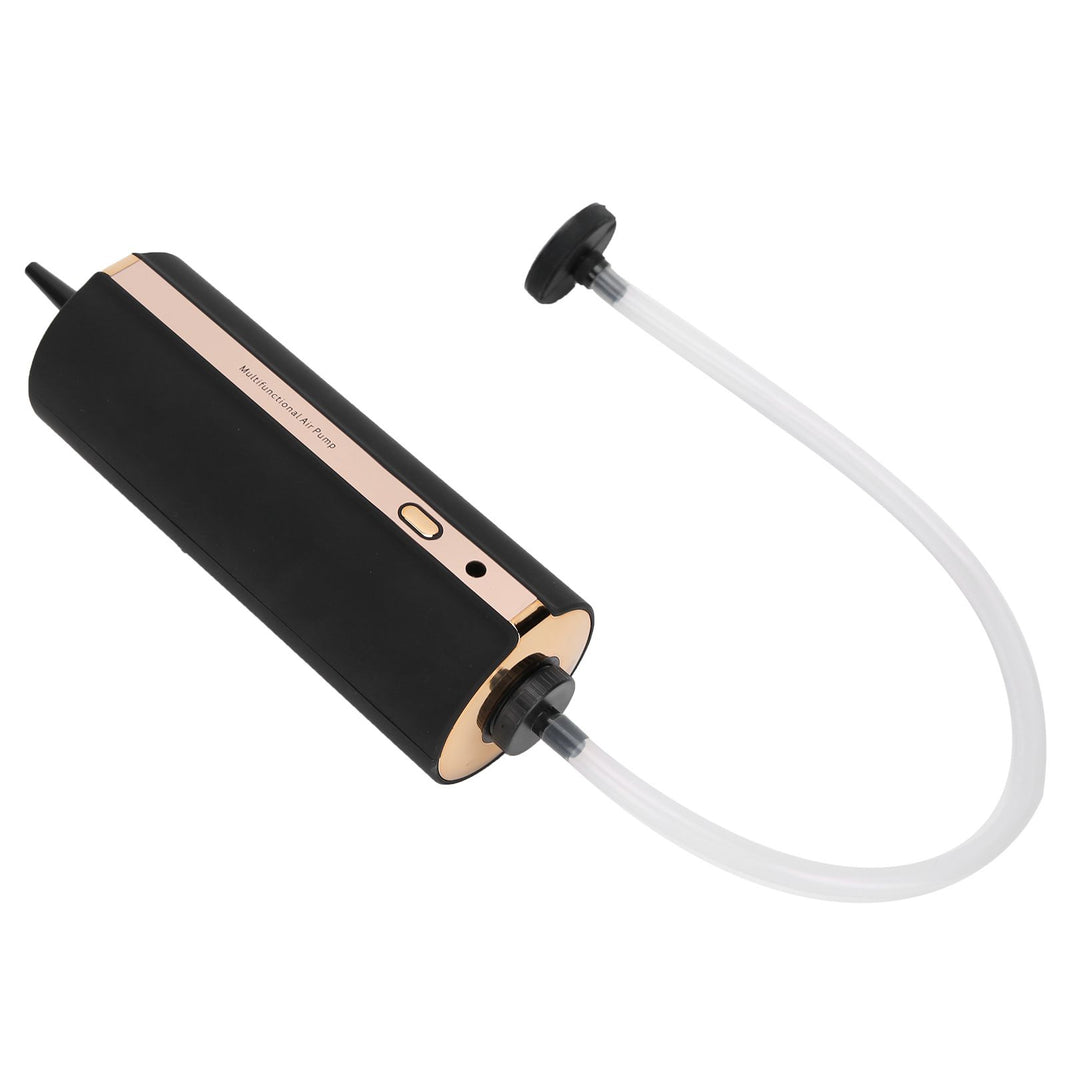
Portable Vacuum Pump Vacuum Sealer Machine Electric Inflator Pump for Travel Home
Regular price $82.90 AUDRegular priceUnit price per$79.99 AUDSale price $82.90 AUD -
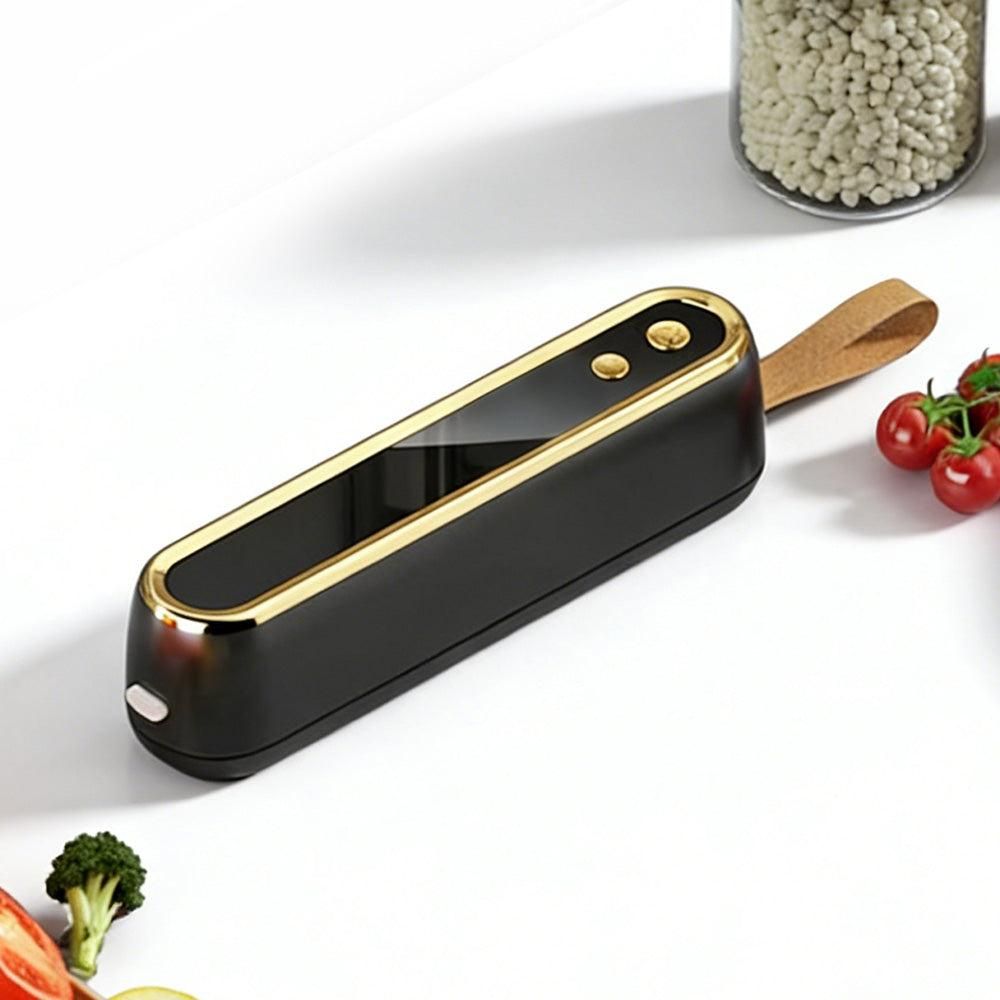
Cordless Portable Mini Vacuum Sealer Machine Black
Regular price $43.90 AUDRegular priceUnit price per$48.11 AUDSale price $43.90 AUDSale -
Automatic Food Vacuum Sealer with Digital Timer, Dual Modes for Freshness Preservation, Compact Design, Includes 20 Vacuum Bags for Kitchen and Outdoor Use
Regular price $78.90 AUDRegular priceUnit price per -
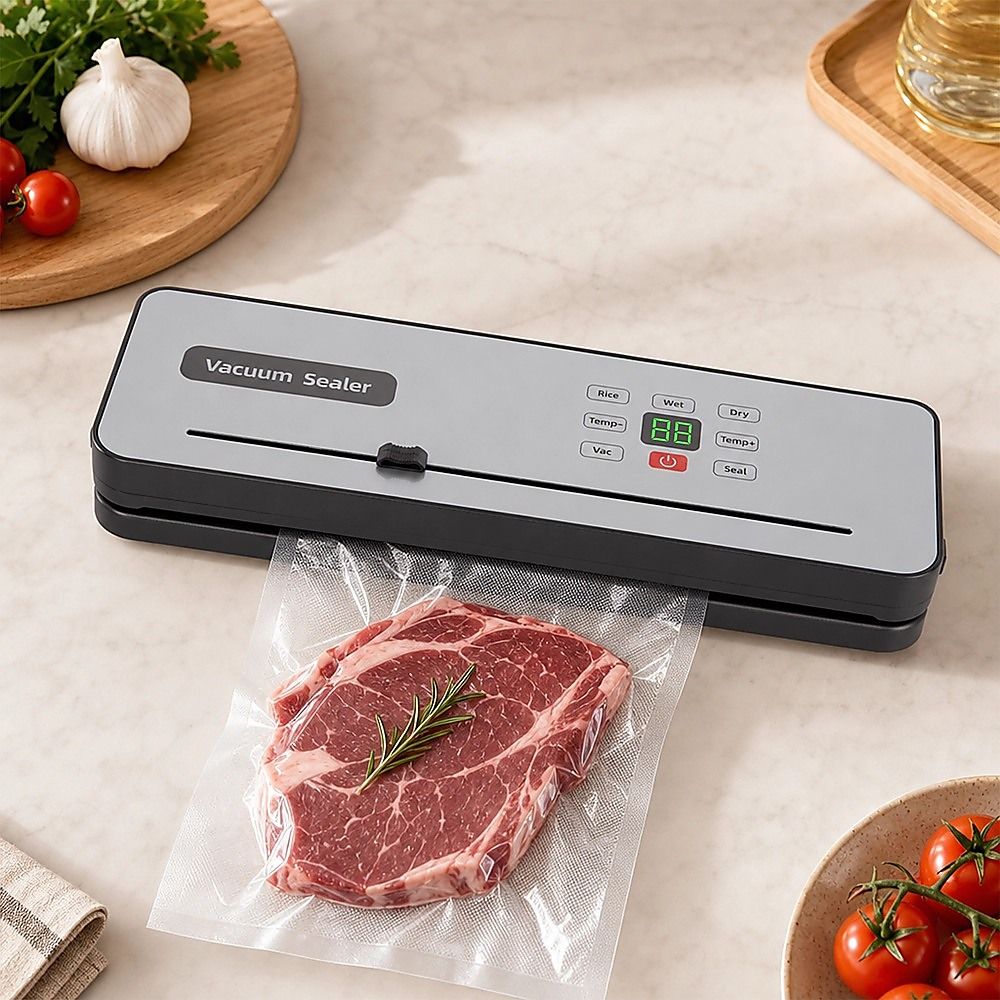
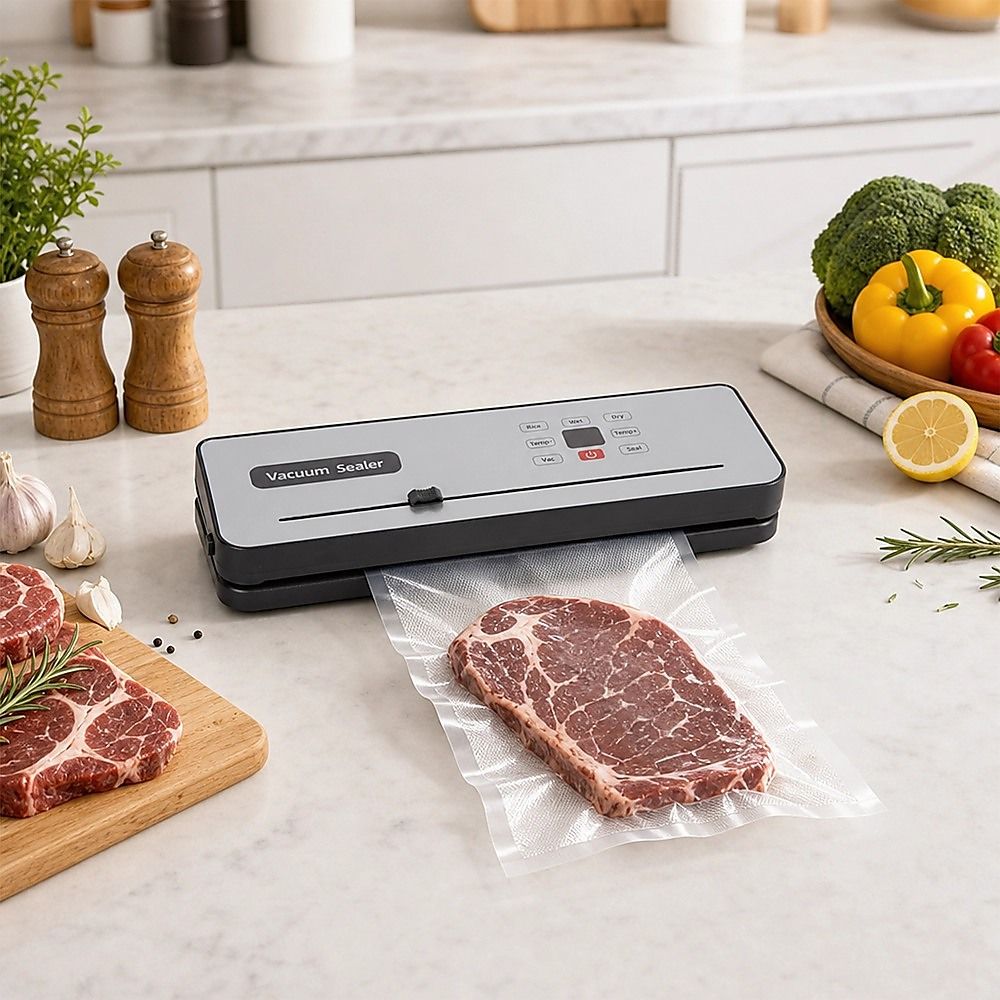
Automatic Vacuum Sealer Machine - Dry and Moist Food Sealing System 300mm Seal Width for Kitchen Food Storage
Regular price $54.90 AUDRegular priceUnit price per$60.00 AUDSale price $54.90 AUDSale -
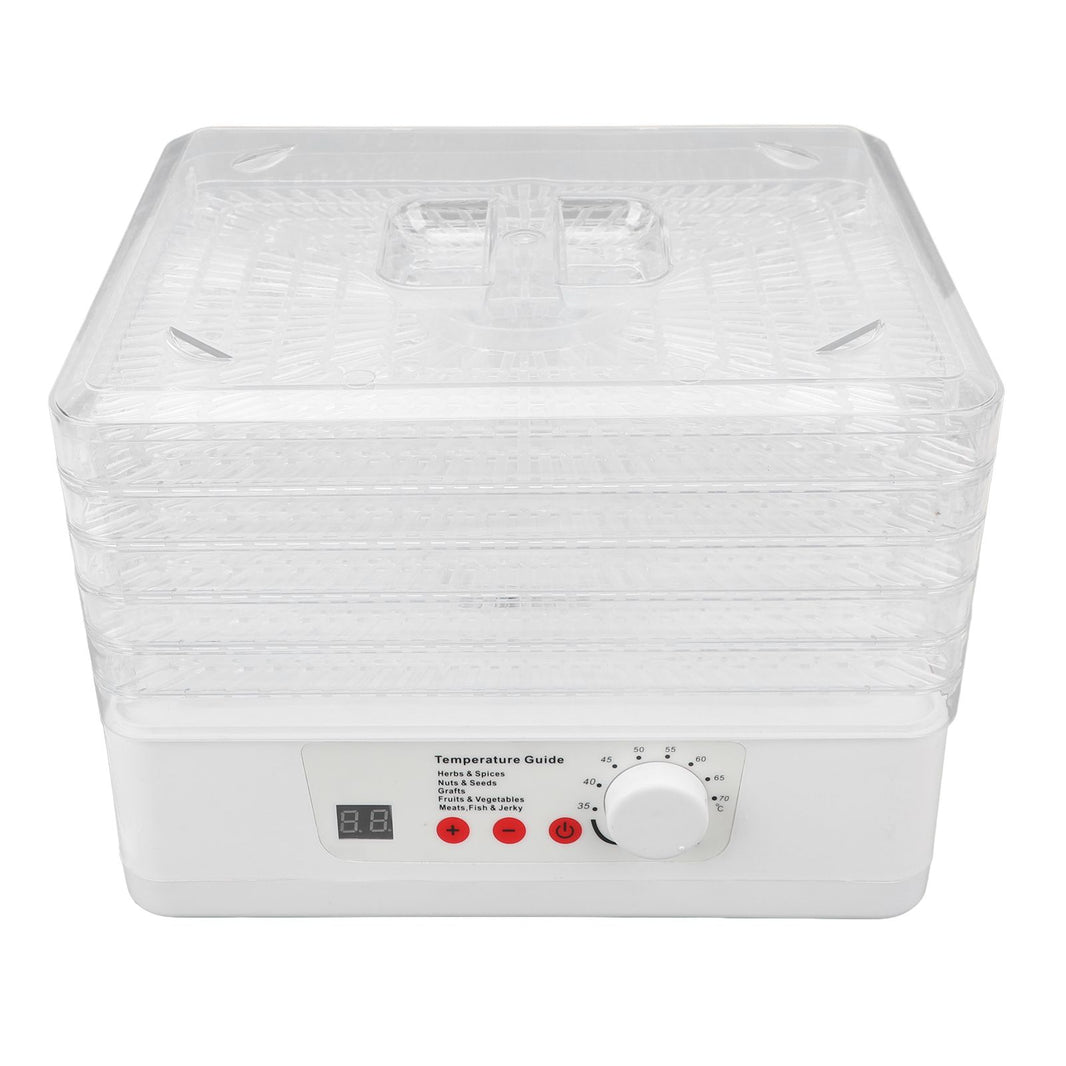
Food Dehydrator Machine Adjustable Temperature 5 Trays Electric Food Dehydrator for Fruit Vegetable Jerky Herbs
Regular price $202.90 AUDRegular priceUnit price per$196.99 AUDSale price $202.90 AUD -
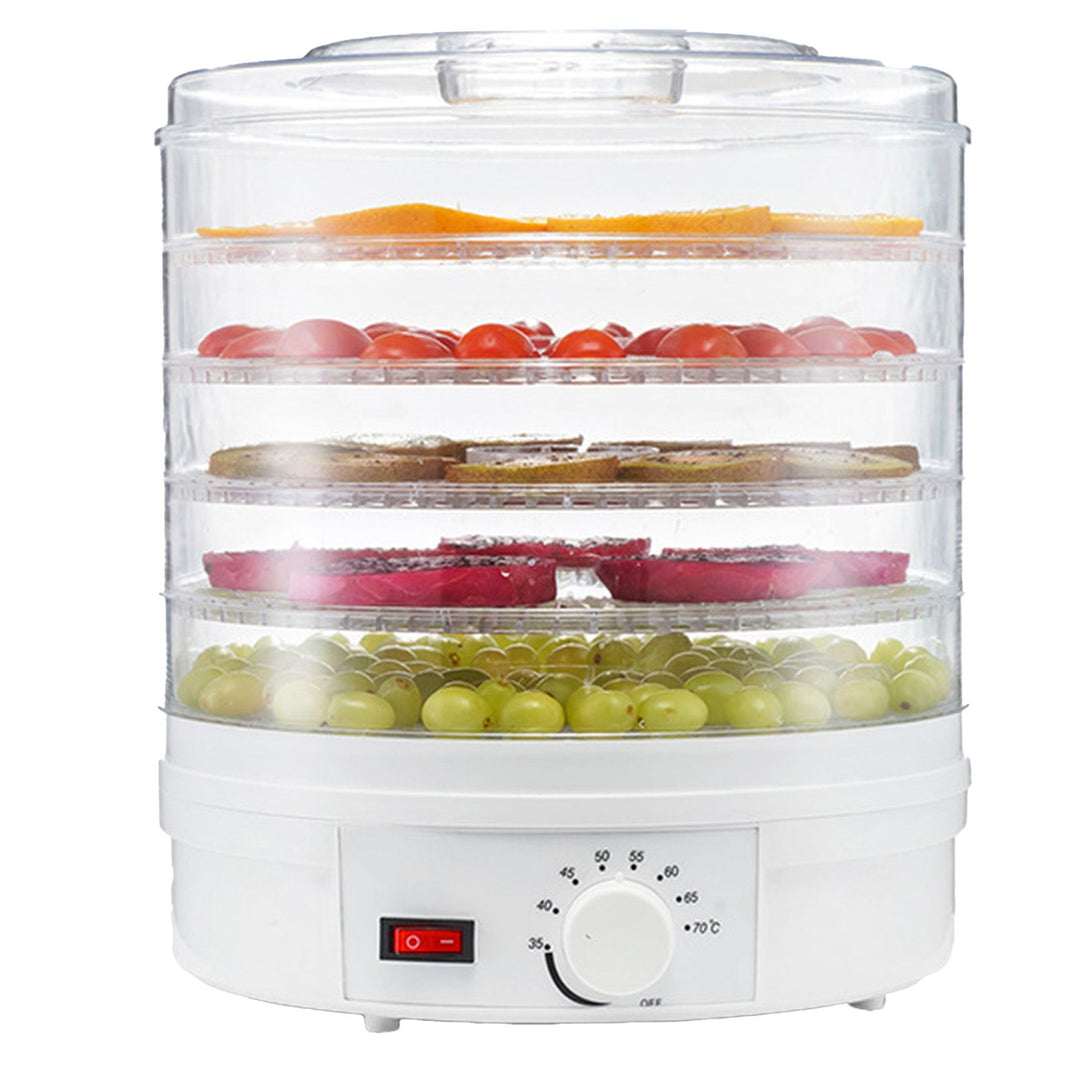
Black 5 Tier Large Capacity Food Dehydrator and Healthy Snack Maker - Electric Fruit Vegetable Meat Jerky Dryer with 35-70℃ Adjustable Temp and All Round Hot Air Fast Dehydration
Regular price $133.90 AUDRegular priceUnit price per$148.00 AUDSale price $133.90 AUDSale -
Food Dehydrator Water Tray Silcone Leak Proof Dehydrator Sheet for Nesco for FD660 Fruit Drying Machine Dark Green
Regular price $25.90 AUDRegular priceUnit price per$24.99 AUDSale price $25.90 AUD -
Food Dehydrator Machine Food Dehydrator for Jerky Small Dehydrated Dryer Machine for Fruits Veggies Transparent
Regular price $245.90 AUDRegular priceUnit price per$237.99 AUDSale price $245.90 AUD -
Food Dehydrator Water Tray Silcone Leak Proof Dehydrator Sheet for Nesco for FD660 Fruit Drying Machine Transparent
Regular price $25.90 AUDRegular priceUnit price per$24.99 AUDSale price $25.90 AUD -
Cordless Portable Mini Vacuum Sealer Machine White
Regular price $43.90 AUDRegular priceUnit price per$48.11 AUDSale price $43.90 AUDSale -
Food Dehydrator Water Tray Silcone Leak Proof Dehydrator Sheet for Nesco for FD660 Fruit Drying Machine Emerald
Regular price $25.90 AUDRegular priceUnit price per$24.99 AUDSale price $25.90 AUD

















Related reading

Compare tray area as well as tray count
A tall stack of small trays may hold less food in a single layer than fewer broad trays. The six-tray Devanti model specifies trays of approximately 30 × 33cm. Think about the footprint of sliced fruit or herbs and the space between pieces, plus whether trays lift out for larger items.
Match controls to a tested process
An adjustable temperature and timer help you follow a suitable recipe, but the displayed setting alone does not prove that food has dried sufficiently. Thickness, loading and moisture content change the process. Use the appliance instructions and a tested method for the particular food rather than assuming one programme works for everything.
Choose bags for the sealer you own
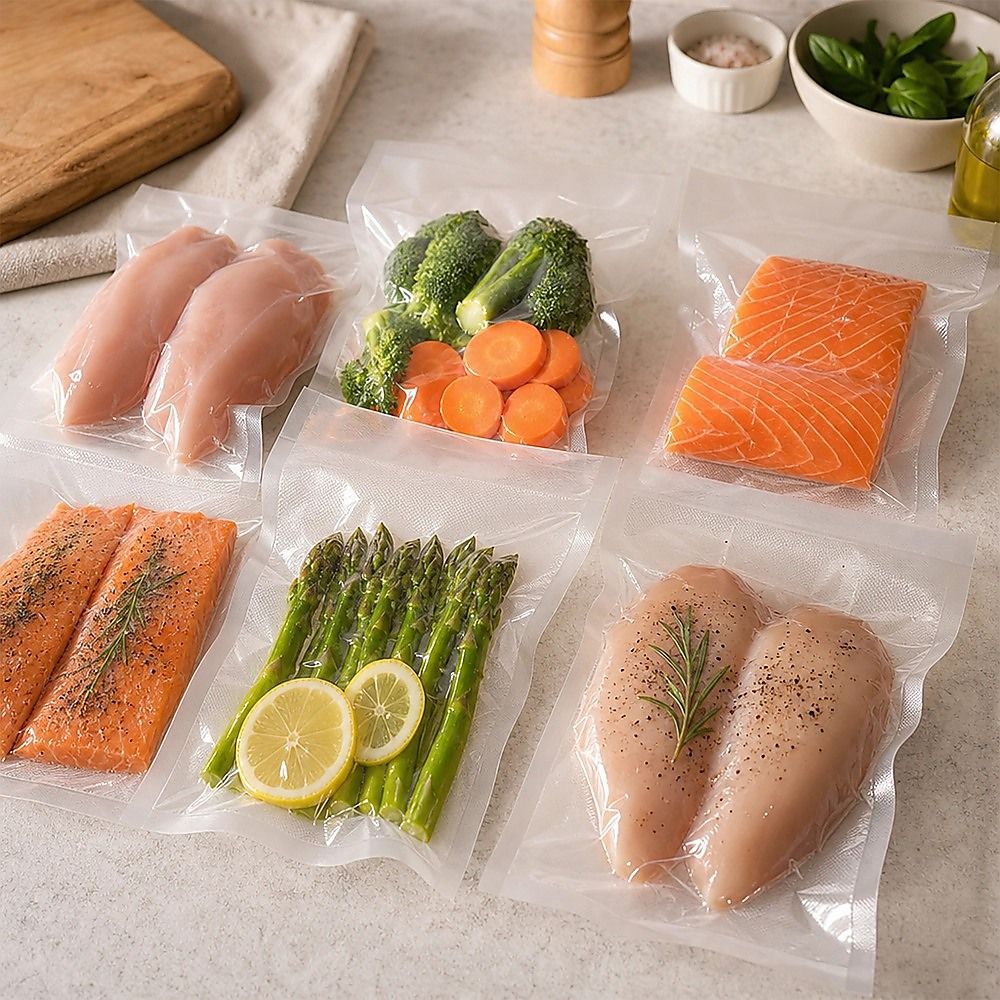
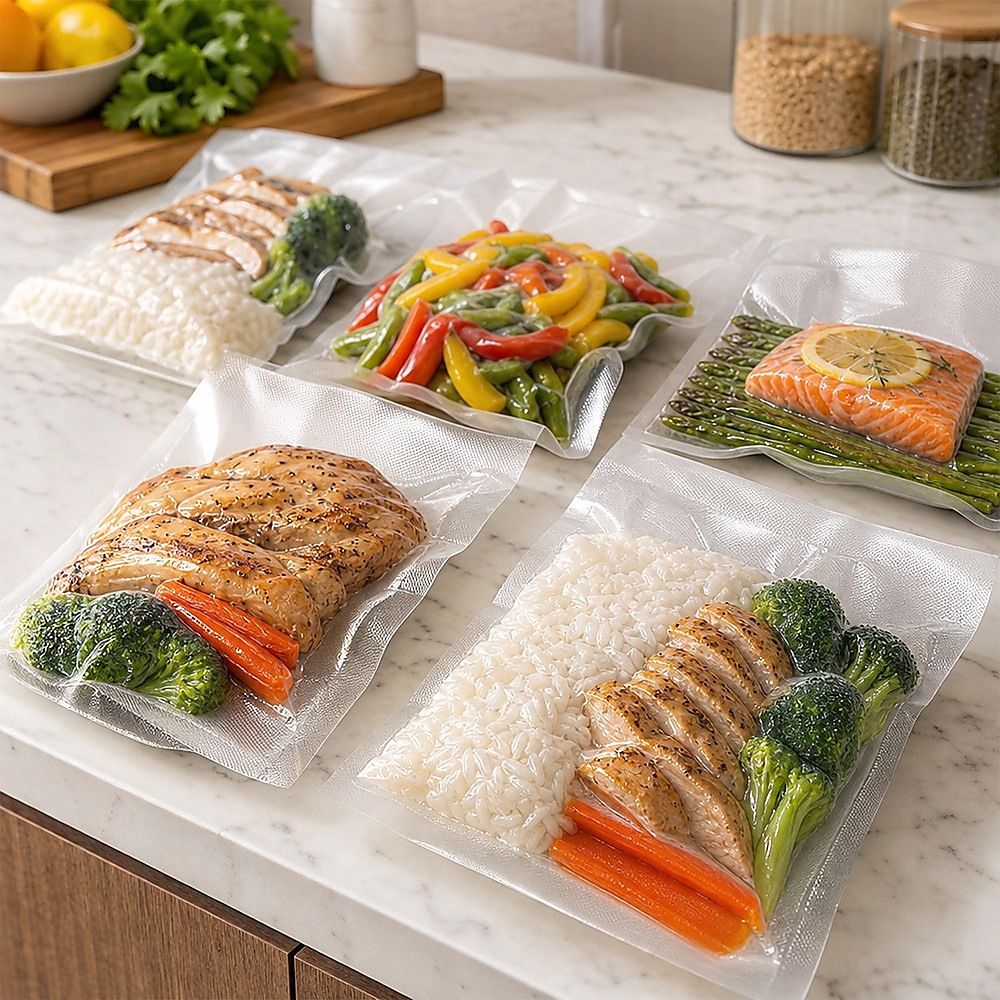
The selection includes sealers and separate rolls or bags. Compare the required bag type, usable sealing width and whether the machine supports the intended dry or moist contents. Vacuum packaging does not replace appropriate refrigeration or safe food handling, and a roll of bags is not a complete sealing machine.
Further reading: Food Standards Australia New Zealand: storing food safely · NSW Food Authority: sous vide food-safety guidance
Further reading: Sunbeam: food dehydrator
Useful answers
Food Dehydrators & Vacuum Sealers FAQs
Is a food dehydrator the same as a vacuum sealer?
No. A dehydrator removes moisture using controlled airflow and heat; a vacuum sealer removes air from a suitable package. One changes the food through drying and the other packages it. Choose the process you need, and do not assume sealing fresh or cooked food makes it suitable for room-temperature storage.
Do more dehydrator trays always mean a larger batch?
Not necessarily. Compare each tray’s usable area and spacing, then consider how the food must be arranged for the chosen drying method. Several narrow trays may offer less room than fewer wider ones. Thick pieces and crowded layers can change drying time, so tray count alone is a poor measure of practical capacity.
Can I use one drying time for fruit, herbs and other foods?
No single time suits every food and thickness. Moisture content, preparation, tray loading and room conditions affect the result. Follow a tested process and the appliance’s instructions, then use the appropriate storage method for that food. A timer finishing does not by itself prove adequate drying or establish a shelf life.