
Farm & Poultry Supplies
Shelter, feed, water and access set the rhythm of a smallholding.
Shop the collection
-
Chicken Coop Cage 3x6x2M Galvanized Steel
Regular price $335.90 AUDRegular priceUnit price per$599.99 AUDSale price $335.90 AUDSale -
Chicken Coop Cage 3x4x2M Galvanized Steel
Regular price $256.90 AUDRegular priceUnit price per$466.99 AUDSale price $256.90 AUDSale -
Big Boyz Sheep Shearing Clippers
Regular price $164.90 AUDRegular priceUnit price per$279.95 AUDSale price $164.90 AUDSale -
Chicken Coop Rabbit Hutch Large House Run Cage 150x60x93cm Wooden Outdoor Bunny
Regular price $209.90 AUDRegular priceUnit price per$349.99 AUDSale price $209.90 AUDSale -
Chicken Coop Cage 3x8x2m Galvanised Steel
Regular price $433.90 AUDRegular priceUnit price per$716.99 AUDSale price $433.90 AUDSale -
Chicken Fence 25M x 125CM Poultry Netting
Regular price $157.90 AUDRegular priceUnit price per$249.99 AUDSale price $157.90 AUDSale -
Solar Fence Energiser, 3 km with 400 m Tape & 25 Insulators
Regular price $177.90 AUDRegular priceUnit price per$266.99 AUDSale price $177.90 AUDSale -
Chicken Coop Rabbit Hutch Large House Run Cage 150x68x96cm Wooden Outdoor Pet Enclosure
Regular price $248.90 AUDRegular priceUnit price per$432.99 AUDSale price $248.90 AUDSale -
Solar Fence Charger Energiser, 8 km, 0.3J, White
Regular price $134.90 AUDRegular priceUnit price per$226.99 AUDSale price $134.90 AUDSale -
Solar Fence Charger Energiser 3km
Regular price $110.90 AUDRegular priceUnit price per$166.99 AUDSale price $110.90 AUDSale -
Chicken Fence 50M x 125CM Poultry Netting
Regular price $264.90 AUDRegular priceUnit price per$416.99 AUDSale price $264.90 AUDSale -
Solar Fence Energiser 5km 0.15J + 2000M Poly Fencing Wire Tape
Regular price $199.90 AUDRegular priceUnit price per$332.99 AUDSale price $199.90 AUDSale -
Solar Fence Charger Energiser 5km
Regular price $119.90 AUDRegular priceUnit price per$182.99 AUDSale price $119.90 AUDSale -
Solar Fence Energiser, 8 km with 400 m Tape & 25 Insulators
Regular price $207.90 AUDRegular priceUnit price per$309.99 AUDSale price $207.90 AUDSale -
Chicken Coop Rabbit Hutch Large House Run Cage 166x120x112cm XL Bunny Wooden
Regular price $262.90 AUDRegular priceUnit price per$382.99 AUDSale price $262.90 AUDSale -
Solar Fence Energiser 8km 0.3J + 2000M Poly Fencing Wire Tape
Regular price $236.90 AUDRegular priceUnit price per$392.99 AUDSale price $236.90 AUDSale -
Polywire Roll Fence Energiser 2000M Stainless Steel Poly Wire
Regular price $96.90 AUDRegular priceUnit price per$149.99 AUDSale price $96.90 AUDSale -
Solar Fence Energiser, 8 km with 500 m Tape & 25 Insulators
Regular price $190.90 AUDRegular priceUnit price per$299.99 AUDSale price $190.90 AUDSale -
Fence Energiser Solar Powered Energizer Charger 3km + 500m Tape
Regular price $194.90 AUDRegular priceUnit price per$266.99 AUDSale price $194.90 AUDSale -

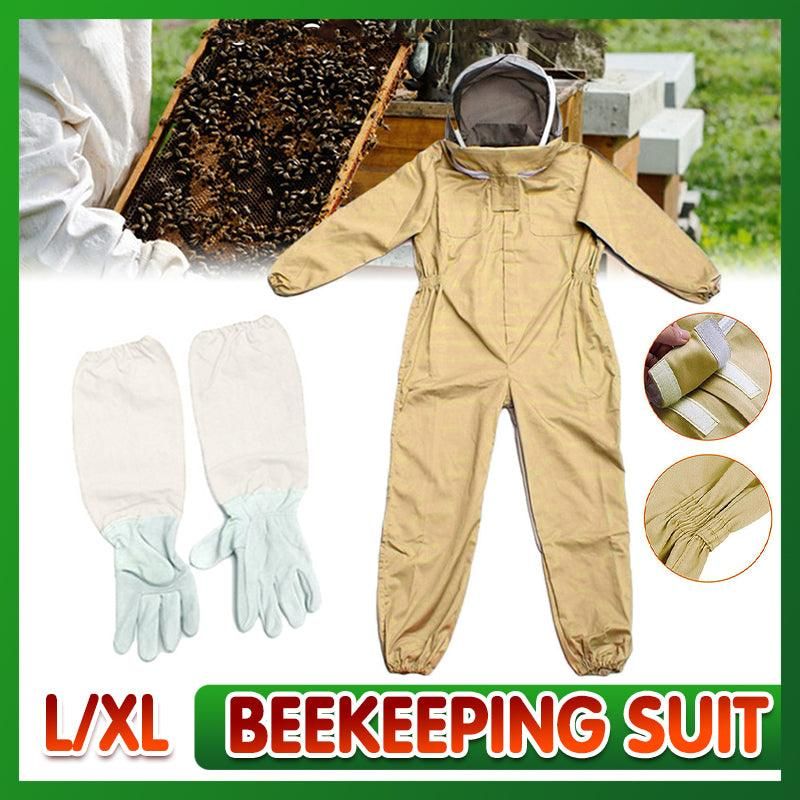
Full Beekeeping Suit Bee Suit Heavy Duty Leather Ventilated Keeping Gloves - XL ��with Gloves��
Regular price $22.90 AUDRegular priceUnit price per$43.70 AUDSale price $22.90 AUDSale -
VaKa Chicken Hen Coop Hutch 3 Hole Inside Outside Roll Away Lay Egg Nesting Box
Regular price $104.90 AUDRegular priceUnit price per$120.00 AUDSale price $104.90 AUDSale -
Chicken Coop Rabbit Hutch Ferret Cage Large - Hen Chook Cat House
Regular price $243.90 AUDRegular priceUnit price per$380.00 AUDSale price $243.90 AUDSale -
Chicken Coop Rabbit Hutch Extra Large Wooden Bunny Cage House - Outdoor
Regular price $337.90 AUDRegular priceUnit price per$566.99 AUDSale price $337.90 AUDSale -
Chicken Coop Cage Run Rabbit Hutch Large Walk-In Hen House Cover 2m x 8m x 2m
Regular price $345.90 AUDRegular priceUnit price per$632.99 AUDSale price $345.90 AUDSale


Related reading


Shelter, feed, water and access set the rhythm of a smallholding. Plan equipment around the animals and the jobs you repeat every day, whether that means tending a backyard flock, preparing for a hatch or maintaining fencing. A useful setup makes inspection and cleaning straightforward as well as keeping essential supplies within reach.
Lay out the jobs before the equipment
Walk through the route you will take to replenish feeders, collect eggs, inspect animals and clean housing. Doors, feed storage and water access should make that round manageable in wet weather as well as on a sunny afternoon.
Separate equipment intended for poultry, bees and livestock. Similar-looking buckets, feeders or enclosures may have different openings, capacities and operating requirements.
Shelter and exercise space do different jobs
A covered coop, open mesh run and nest box are not substitutes for one another. Plan the sheltered resting space and the outdoor area together, including ground condition, shade and secure access. The number of animals a structure can accommodate should not be inferred from its name alone.
A convenient door or a tall frame may help with access, but it does not establish protection against predators. The whole installation, including edges and ground contact, needs to be considered.
Make feeding reliable and inspectable
Choose feeders and drinkers so animals can reach them appropriately and you can see when they need attention. Hopper capacity can reduce refilling, but it does not remove the daily job of checking for blockages, contamination or a missed meal.
Keep a practical fallback for equipment that relies on electricity, batteries or an automatic mechanism. A product’s automation should support regular observation, not replace it.
Match specialised equipment to your experience
Bee equipment, shearing tools, electric fences and incubators require more than assembly. Build an equipment list around the actual task and seek suitable instruction before working with unfamiliar equipment or animals. The same approach applies to replacements: establish the system and connections before choosing an apparently similar part.
Further reading: RSPCA: caring for backyard chickens · Agriculture Victoria: beekeeping for beginners · Agriculture Victoria: managing farm power outages
Useful answers
Farm & Poultry Supplies FAQs
Where should I start when equipping a smallholding?
Walk through a normal care round: collecting feed, supplying water, checking animals, cleaning housing and storing tools. Mark the points that become difficult in rain or with gates open. Choose equipment for those jobs and the actual species, then use the specialist poultry, fencing or hive sections for finer choices.
Does automatic farm equipment mean fewer animal checks?
It can reduce a repetitive task, such as refilling or turning eggs, but it cannot show that every animal is eating, drinking or comfortable. Build checks into the daily round and keep a practical fallback for failed mechanisms or power. Buy for reliability and service access as well as capacity.
Can I share feeders and cleaning equipment between different animals?
Only where the design and care requirements are appropriate. A poultry drinker, livestock bucket and pet bowl have different access and cleaning needs. Separate equipment can also simplify hygiene between animal groups. Plan where used tools are cleaned and dried before they return to feed or housing areas.