
Hand Tools
Hand tools give direct control over fastening, holding and shaping, but the working end must fit the task.
Shop the collection
-
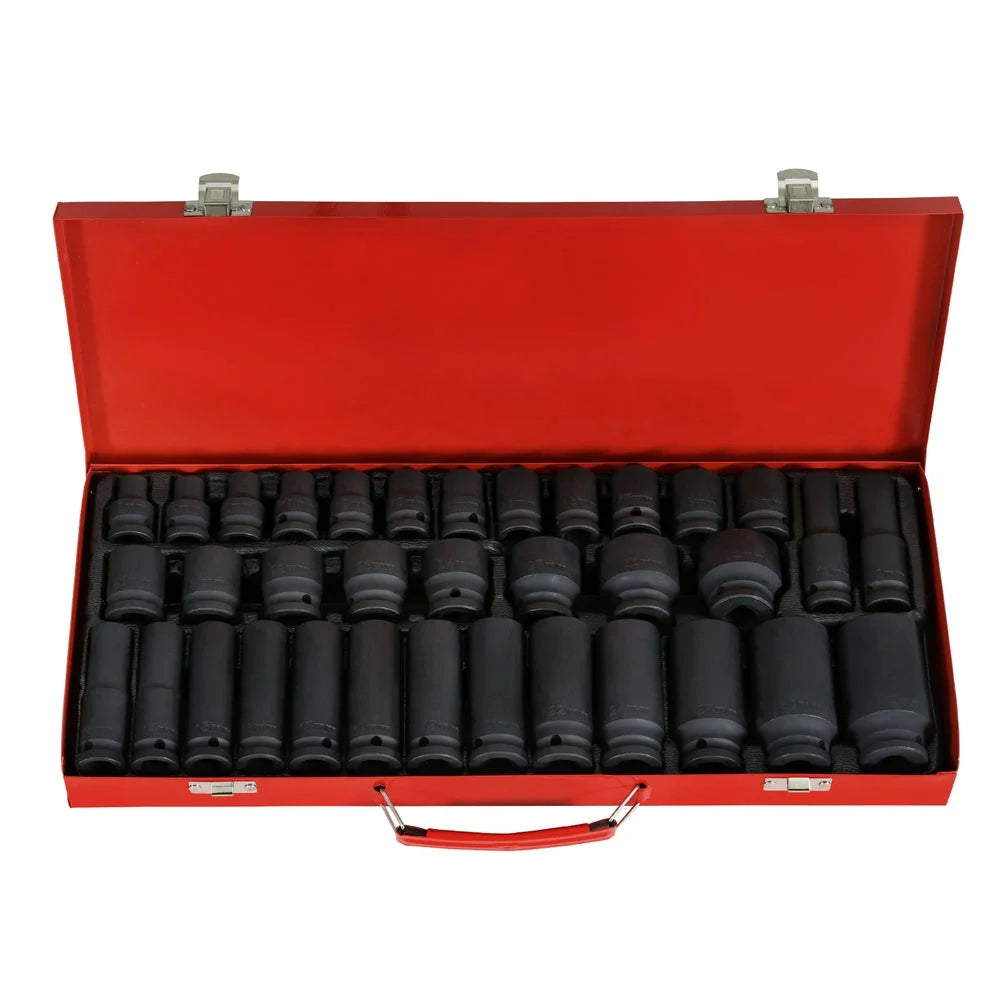
Impact Socket Set 35pcs 1/2" Drive Metric 8-32mm with Case
Regular price $69.90 AUDRegular priceUnit price per$119.99 AUDSale price $69.90 AUDSale -
Tap and Die Set, 116-Piece Include Metric and SAE Size, Bearing Steel Taps and Dies, Essential Threading Tool for Cutting External Internal Threads, with Complete Accessories and Storage Case
Regular price $137.90 AUDRegular priceUnit price per$127.90 AUDSale price $137.90 AUD -
Milling Vice 4"/100mm,Bench Clamp Vice Nodular Cast Iron Material,Clamping Vice Clamping Force 19KN Max, Milling Machine Vice
Regular price $135.90 AUDRegular priceUnit price per$125.90 AUDSale price $135.90 AUD -
Portable Ratchet Screwdriver Tool Kit 40PCS Durable for Home Cycle Repair Use
Regular price $36.90 AUDRegular priceUnit price per$44.21 AUDSale price $36.90 AUDSale -
Wheelie Bin Compactor Manual Press Household Rubbish Trash Recycling Bins
Regular price $67.90 AUDRegular priceUnit price per -
Multi-functional C-type Pliers Strong Manual Grip Round Mouth Clamping Tool - 4inch
Regular price $14.90 AUDRegular priceUnit price per$18.10 AUDSale price $14.90 AUDSale -
Flower Shop Thorn Tools Rose Thorn Strippers Thorn Removing Pliers Thorn Clamps - Coffee
Regular price $25.90 AUDRegular priceUnit price per$30.80 AUDSale price $25.90 AUDSale -
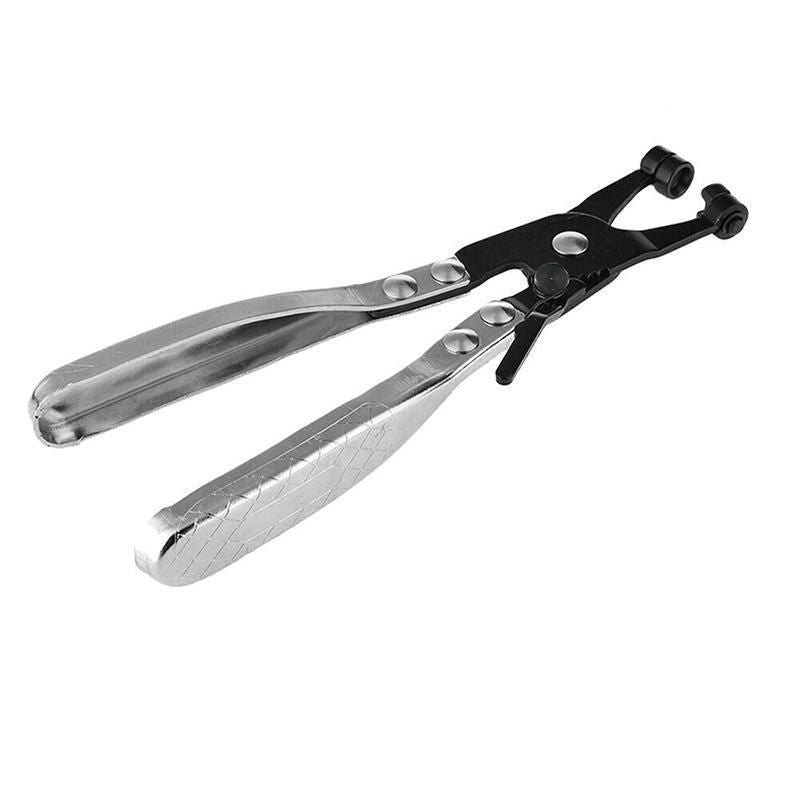
45 Degree Water Pipe Hose Clip Pliers Clamp Swivel Drive Jaw Locking Removal Tool
Regular price $17.90 AUDRegular priceUnit price per$21.09 AUDSale price $17.90 AUDSale -
Corner Window Groove Slot Cleaning Brush Scraper Kitchen Stove Cleaning Tool
Regular price $13.90 AUDRegular priceUnit price per$15.93 AUDSale price $13.90 AUDSale -
Multi-purpose Crate Hammer Nail Lifting Life-saving Pliers Tool Outdoor Camping
Regular price $16.90 AUDRegular priceUnit price per$19.85 AUDSale price $16.90 AUDSale -
53PCS Metric Deep Socket Set 1/4" Drive Wrench with Flexible Extension Bar Tools
Regular price $44.90 AUDRegular priceUnit price per$55.28 AUDSale price $44.90 AUDSale -
1.25-16mm² Wire Crimper Cable Plier Terminal Anderson Plug Lug Crimping Tool
Regular price $31.90 AUDRegular priceUnit price per$38.37 AUDSale price $31.90 AUDSale -
Premium Alloy Capo Quick Change Trigger Clamp For Guitar Banjo Ukulele Mandolin - Yellow
Regular price $33.90 AUDRegular priceUnit price per$40.35 AUDSale price $33.90 AUDSale -
Heavy Duty Wheel Clamp
Regular price $110.90 AUDRegular priceUnit price per -
Yellow 24-Piece Household Tool Set, Complete Home Repair Kit with Tape Measure, Pliers, Screwdrivers, Hammer, and 12 Bits Set
Regular price $41.90 AUDRegular priceUnit price per$80.00 AUDSale price $41.90 AUDSale -
Pink 24-Piece Household Tool Set, Complete Home Repair Kit with Tape Measure, Pliers, Screwdrivers, Hammer, and 12 Bits Set
Regular price $46.90 AUDRegular priceUnit price per$80.00 AUDSale price $46.90 AUDSale -
13-Piece Pink Household Tool Set, Complete Home Repair Kit with Tape Measure, Screwdrivers, Hammer, and Pliers
Regular price $44.90 AUDRegular priceUnit price per$76.00 AUDSale price $44.90 AUDSale -
ELEAD 4-Pieces 6/8/10/12" Water Pump Pliers Slip Groove Joint Grip Wrench Pipe Fitting
Regular price $34.90 AUDRegular priceUnit price per$37.99 AUDSale price $34.90 AUDSale -
ROSSI 45A Plasma Cutter, Non-Touch Pilot ARC for Easy Cuts of Painted or Rusty Metals, DC Inverter Cutting Machine
Regular price $596.90 AUDRegular priceUnit price per -
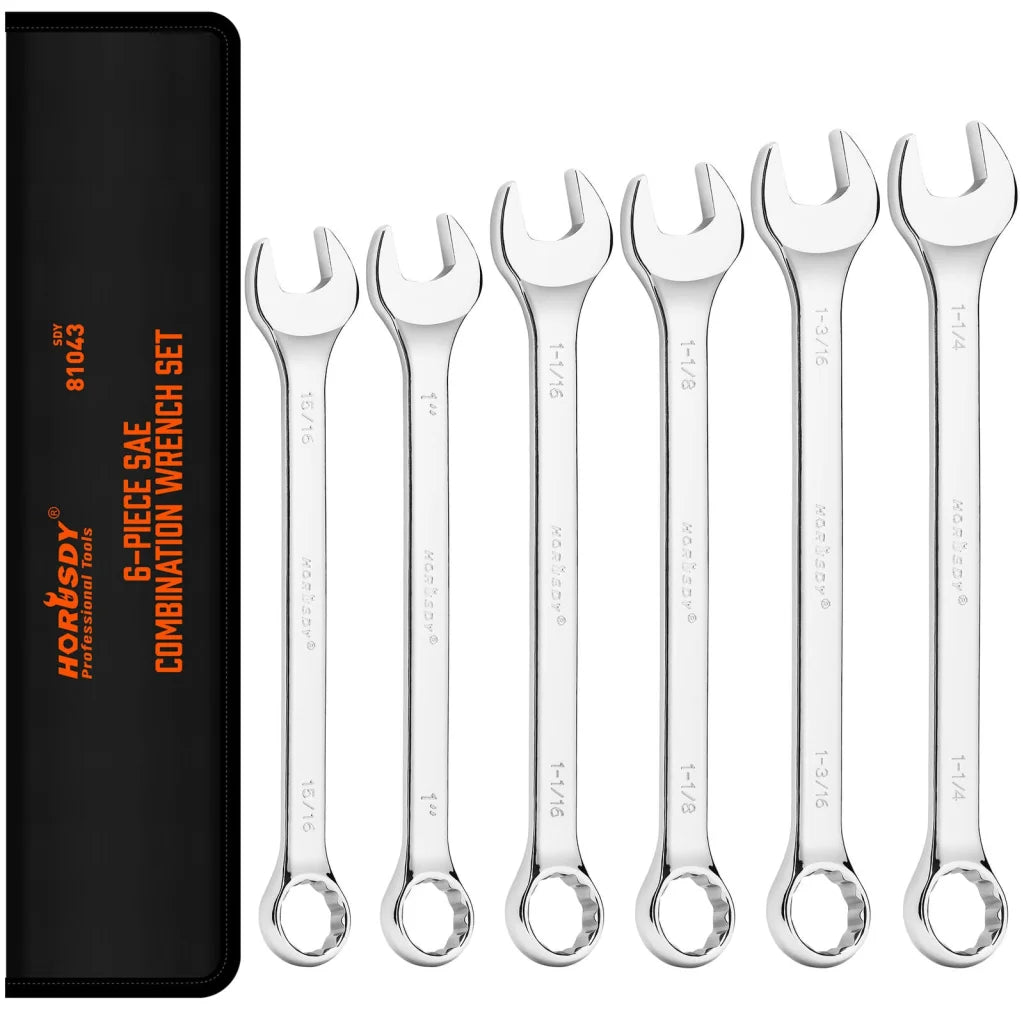
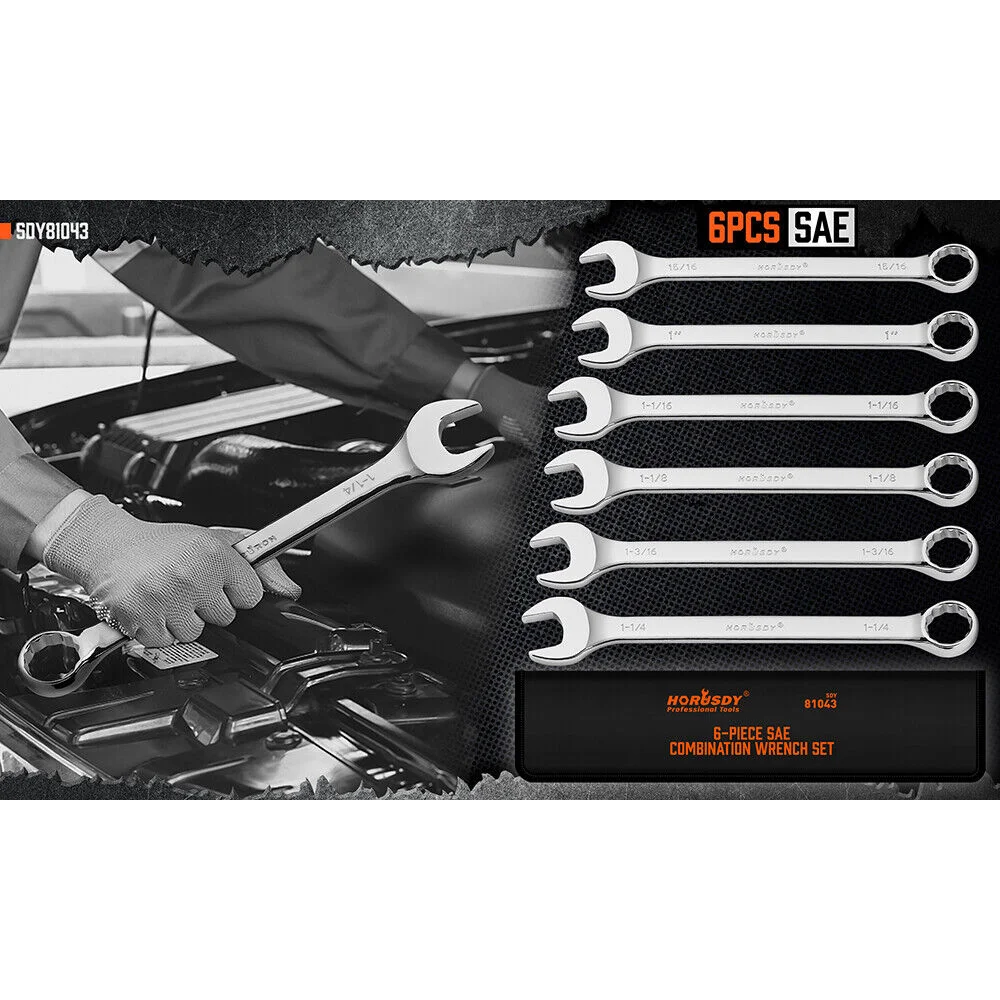
6Pc Extra Big Imperial Combination Spanner - Ring Open Ended Combo Wrench
Regular price $52.90 AUDRegular priceUnit price per$69.00 AUDSale price $52.90 AUDSale -
3Pc Magnetic Pick Up Tool & Swivel Inspection Mirror Telescoping Rod Heavy Duty
Regular price $22.90 AUDRegular priceUnit price per$28.49 AUDSale price $22.90 AUDSale -
3-in-1 Inspection Mirror Set
Regular price $42.90 AUDRegular priceUnit price per$56.95 AUDSale price $42.90 AUDSale -
14 Piece Metric Combination Spanner Set with Roll Bag 8mm to 24mm Heavy Duty
Regular price $37.90 AUDRegular priceUnit price per$45.95 AUDSale price $37.90 AUDSale -
T3 T5 T8 Snap Pliers Tool Kit for Plastic Snaps Fastener Manual Installation Set
Regular price $25.90 AUDRegular priceUnit price per$30.83 AUDSale price $25.90 AUDSale






Related reading

Hand tools give direct control over fastening, holding and shaping, but the working end must fit the task. A combination spanner, socket and clamp solve different access problems. Build a kit around the fasteners and materials you actually use, rather than judging value only by the number of pieces supplied.
Match the tool to the fastener system
Metric and imperial dimensions are different systems, and a close-looking fit can still be the wrong size. Socket drive size is another separate dimension. Identify the fastener and the handle or driver you intend to use, then choose a documented compatible tool rather than relying on an assortment’s total count.
Think about working clearance
A socket needs room around and above the fastener; a spanner has a different access profile and turning arc. Holding tools such as a vise serve another purpose by positioning the workpiece. Consider the space where force will be applied so that the tool can operate as intended without improvised extensions.
Group tools by the job they support
The broad selection includes fastening, clamping and specialised manual equipment. Keep an assembly kit separate from drain, craft or pressing tools that have different applications. A case or roll bag can make missing sizes easier to notice, while a drawer layout helps keep frequently used equipment visible.
Useful answers
Hand Tools questions, answered
What is the difference between socket size and drive size?
Socket size relates to the fastener, while drive size describes the connection to the handle or driver. Both must suit the intended combination. Identify whether the fastener uses metric or imperial dimensions as well; a close-looking fit does not make a different size an appropriate substitute.
When is a spanner more practical than a socket?
Compare the available clearance and turning space. A socket needs room around and above the fastener, while a spanner reaches it differently. Choose a tool that can operate properly in that location rather than relying on improvised extensions or a poorly fitting tool to overcome limited access.
How can I compare hand-tool sets without relying on piece count?
List the sizes and tool types you actually use, including holding equipment such as a suitable clamp or vise where needed. Then compare the set against that list. Storage that makes missing sizes visible can be more useful than extra pieces that do not match your equipment or projects.