
Find a movement you will return to
Cardio Equipment
Walking, rowing and pedalling each need a different kind of setup. Choose cardio equipment around the movement you enjoy, your available floor area and the adjustments that let it fit the user. Think about getting on, getting off and storing the machine as carefully as the console features. This collection also includes specialised equipment whose purpose differs from conventional cardio training.

Choose how you want to move
Explore a familiar movement first, then compare the resistance system and the space each machine requires.


Choose the movement before the monitor
A treadmill suits walking or running within its stated operating range. A rower combines a sliding seat with a pulling movement and usually needs a long clear area. Bikes and cross trainers keep the user in a fixed position but differ in how the pedals, seat and moving handles fit the body. Console programmes are secondary if the basic movement does not suit the user.
Resistance numbers are not a common scale
A setting of eight on one machine is not directly comparable with eight on another. Hydraulic, elastic, magnetic and air systems control the feel differently. On an air-resistance rower, the user’s effort and flywheel response matter as well as any damper setting. Choose according to the mechanism and usable range, not a count of levels alone.
Measure for a person in motion
Check the running deck or seat travel as well as the outer frame. Pedals, handles and the user’s head can move outside the static footprint. Include the manufacturer’s clearance around the machine, especially behind a moving treadmill belt. A folding frame still needs a suitable place for unfolding and securing it before use.
Separate specialist machines from cardio
Vibration platforms and inversion tables are not interchangeable with treadmills, bikes or rowers. Compare them by their specific purpose and restrictions rather than assuming that every item listed here offers the same training experience. Keep young children away from moving exercise equipment and retain all guards and operating instructions.
Guides and product details: Concept2: damper settings and drag factor · ACCC treadmill safety guide · ACCC exercise-bike safety guide · Browse Cardio Equipment
Shop the collection
-
Rowing Machine Rower - Exercise Resistance Home Gym
Regular price $187.90 AUDRegular priceUnit price per$282.99 AUDSale price $187.90 AUDSale -
Inversion Table Gravity Stretcher Inverter Foldable Home Fitness Gym
Regular price $125.90 AUDRegular priceUnit price per$234.99 AUDSale price $125.90 AUDSale -
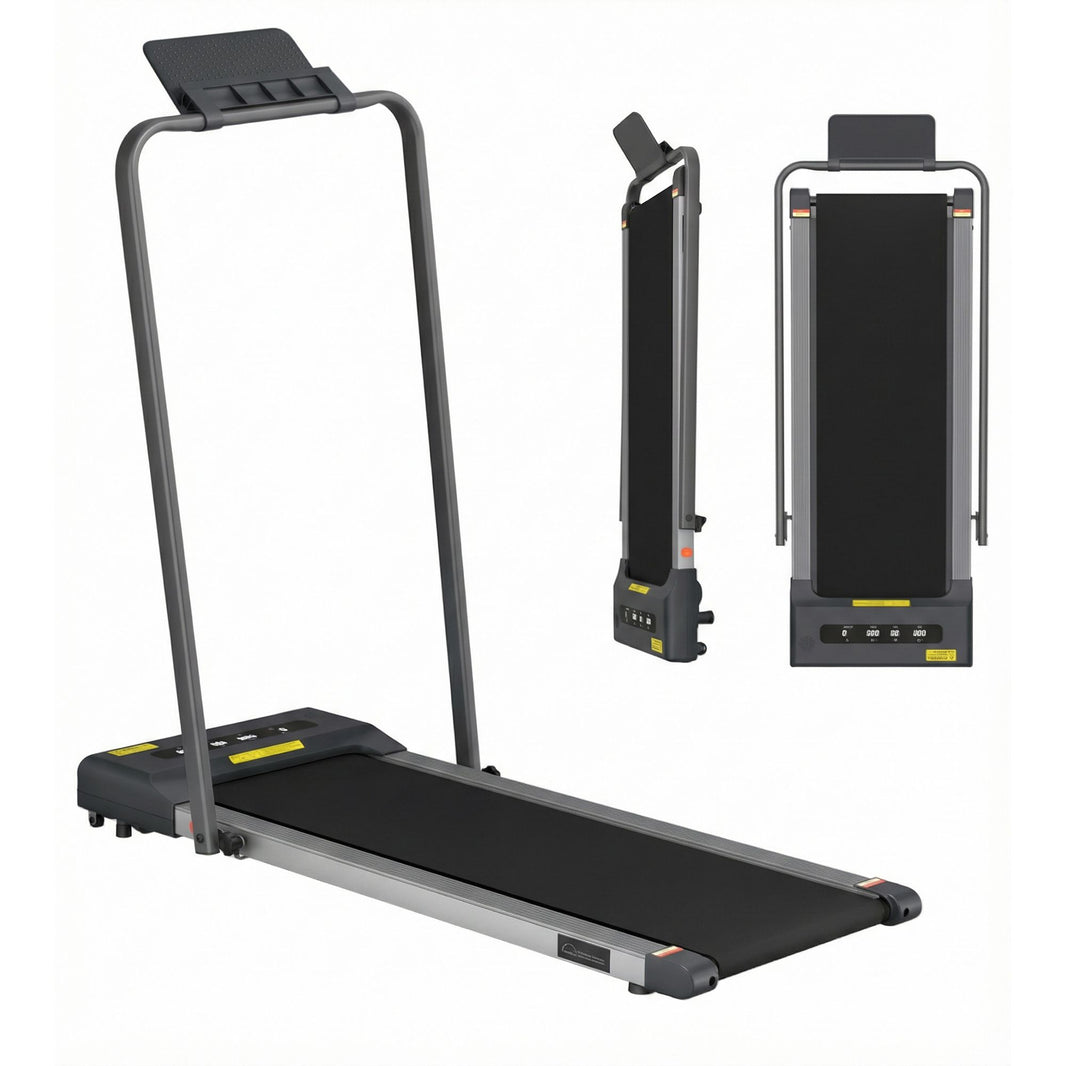
Treadmill, Home Gym Exercise Running Machine
Regular price $229.90 AUDRegular priceUnit price per$599.99 AUDSale price $229.90 AUDSale -
Rowing Machine Hydraulic Resistance Fitness Gym Cardio Exercise Rower
Regular price $135.90 AUDRegular priceUnit price per$199.99 AUDSale price $135.90 AUDSale -
Elliptical Cross Trainer 4in1 Exercise Bike Home Gym Fitness Machine
Regular price $194.90 AUDRegular priceUnit price per$316.99 AUDSale price $194.90 AUDSale -
Elliptical Cross Trainer 5-in-1 Exercise Bike Home Gym Fitness Machine
Regular price $175.90 AUDRegular priceUnit price per$349.99 AUDSale price $175.90 AUDSale -
Elliptical Cross Trainer 6in1 Exercise Bike Home Gym Fitness Machine
Regular price $214.90 AUDRegular priceUnit price per$432.99 AUDSale price $214.90 AUDSale -
Rowing Machine Rower Elastic Rope Resistance Fitness Home Cardio - Black
Regular price $163.90 AUDRegular priceUnit price per$277.99 AUDSale price $163.90 AUDSale -
Rowing Exercise Machine 4-Level
Regular price $202.90 AUDRegular priceUnit price per$292.99 AUDSale price $202.90 AUDSale -
Gravity Inversion Table Foldable Stretcher Inverter Home Gym Fitness
Regular price $131.90 AUDRegular priceUnit price per$247.99 AUDSale price $131.90 AUDSale -
Inversion Table Gravity Stretcher Inverter Foldable Home Fitness Gym
Regular price $124.90 AUDRegular priceUnit price per$232.99 AUDSale price $124.90 AUDSale -
Everfit Treadmill Electric Walking Pad Incline Under Desk Home Gym 380mm Pink
Regular price $169.90 AUDRegular priceUnit price per$399.99 AUDSale price $169.90 AUDSale -
Exercise Bike Magnetic 13KG Flywheel Fitness 150kg Capacity
Regular price $259.90 AUDRegular priceUnit price per$399.99 AUDSale price $259.90 AUDSale -
Treadmill Walking Pad Home Gym Office Fitness 380mm - Black
Regular price $187.90 AUDRegular priceUnit price per$466.99 AUDSale price $187.90 AUDSale -
Recumbent Exercise Bike Magnetic Fitness Cycle Trainer Gym Equipment
Regular price $221.90 AUDRegular priceUnit price per$366.99 AUDSale price $221.90 AUDSale -
Treadmill Home Gym Exercise Machine Fitness Equipment - 360mm
Regular price $249.90 AUDRegular priceUnit price per$566.99 AUDSale price $249.90 AUDSale -
Resistance Rowing Exercise Machine
Regular price $230.90 AUDRegular priceUnit price per$467.99 AUDSale price $230.90 AUDSale -
Vibration Machine Plate Platform, Body Shaper Home Gym, White
Regular price $78.90 AUDRegular priceUnit price per$212.99 AUDSale price $78.90 AUDSale -
LSG Stride M3 Treadmill
Regular price $856.90 AUDRegular priceUnit price per$1,299.00 AUDSale price $856.90 AUDSale -
Everfit Hydraulic Rowing Machine Rower 12 Levels Resistance Exercise Fitness Gym Cardio
Regular price $81.90 AUDRegular priceUnit price per$177.99 AUDSale price $81.90 AUDSale -
Everfit Treadmill Electric Home Gym Fitness Exercise Knob Foldable 450mm Black
Regular price $349.90 AUDRegular priceUnit price per$699.99 AUDSale price $349.90 AUDSale -
Everfit Treadmill Electric Walking Pad with Incline Under Desk Home Gym Pink
Regular price $179.90 AUDRegular priceUnit price per$432.99 AUDSale price $179.90 AUDSale -
Treadmill Walking Pad Home Gym Office Fitness 380mm - Grey
Regular price $177.90 AUDRegular priceUnit price per$466.99 AUDSale price $177.90 AUDSale -
Exercise Bike 10kg Flywheel Fitness Home Gym - 150kg Capacity
Regular price $229.90 AUDRegular priceUnit price per$299.99 AUDSale price $229.90 AUDSale




Related reading


Useful answers
Questions about cardio equipment
How should I choose between a treadmill, rower and exercise bike?
Start with the movement and fit you want to use regularly. Compare walking or running surface on a treadmill, seat travel and handle reach on a rower, and seated adjustments on a bike. Then map each operating area. Console features cannot compensate for a machine that does not fit the user or room.
Can I compare cardio machines by the number of resistance levels?
Level counts are model-specific. Air, magnetic, hydraulic and elastic mechanisms can behave differently, and the same numbered setting does not establish the same load. Compare the actual mechanism, usable adjustments and movement before deciding whether more displayed levels are useful.
Are inversion tables and vibration platforms alternatives to conventional cardio machines?
They are different equipment types with their own mechanisms and restrictions. A tilting table changes body position; a powered platform creates movement beneath the user. Neither should be treated as equivalent to walking, rowing or pedalling simply because it appears near cardio equipment in a broad catalogue.