
Musical Instruments & Accessories
An instrument is easier to use when its supporting equipment fits the player and the practice space.
Shop the collection
-
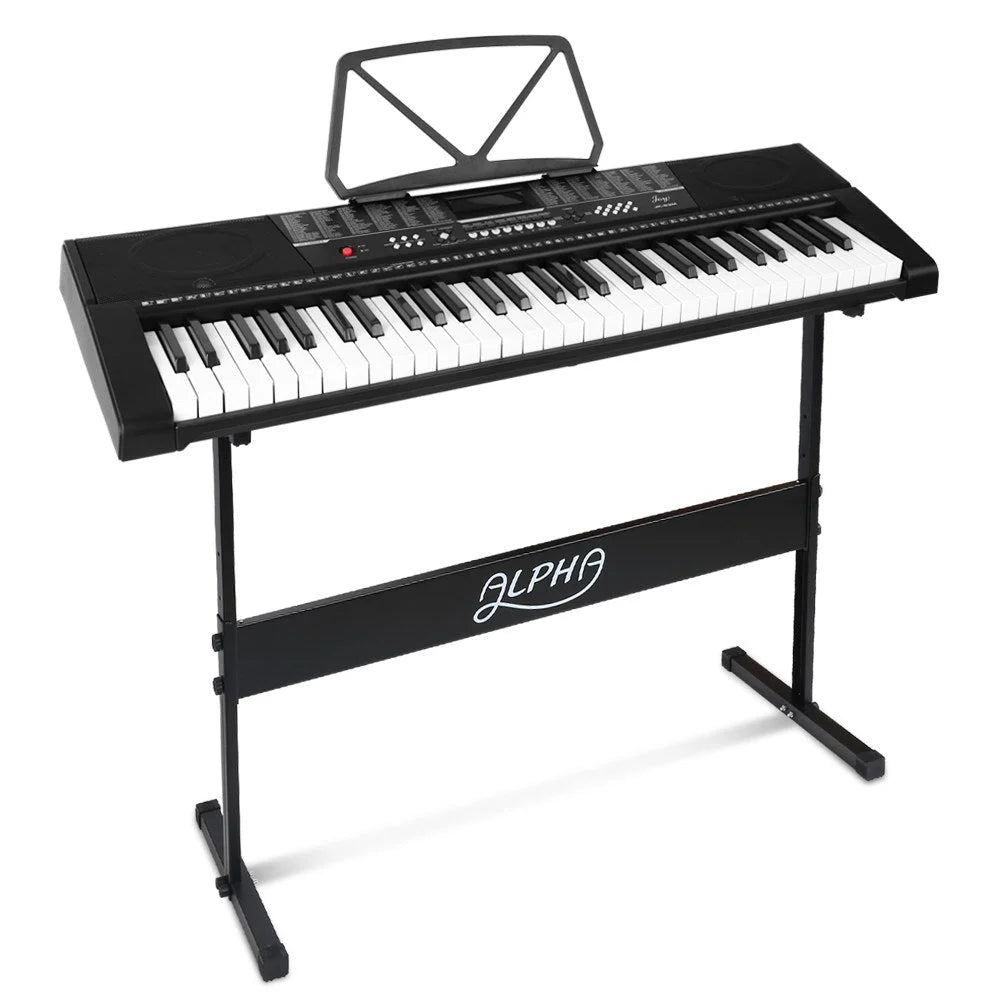
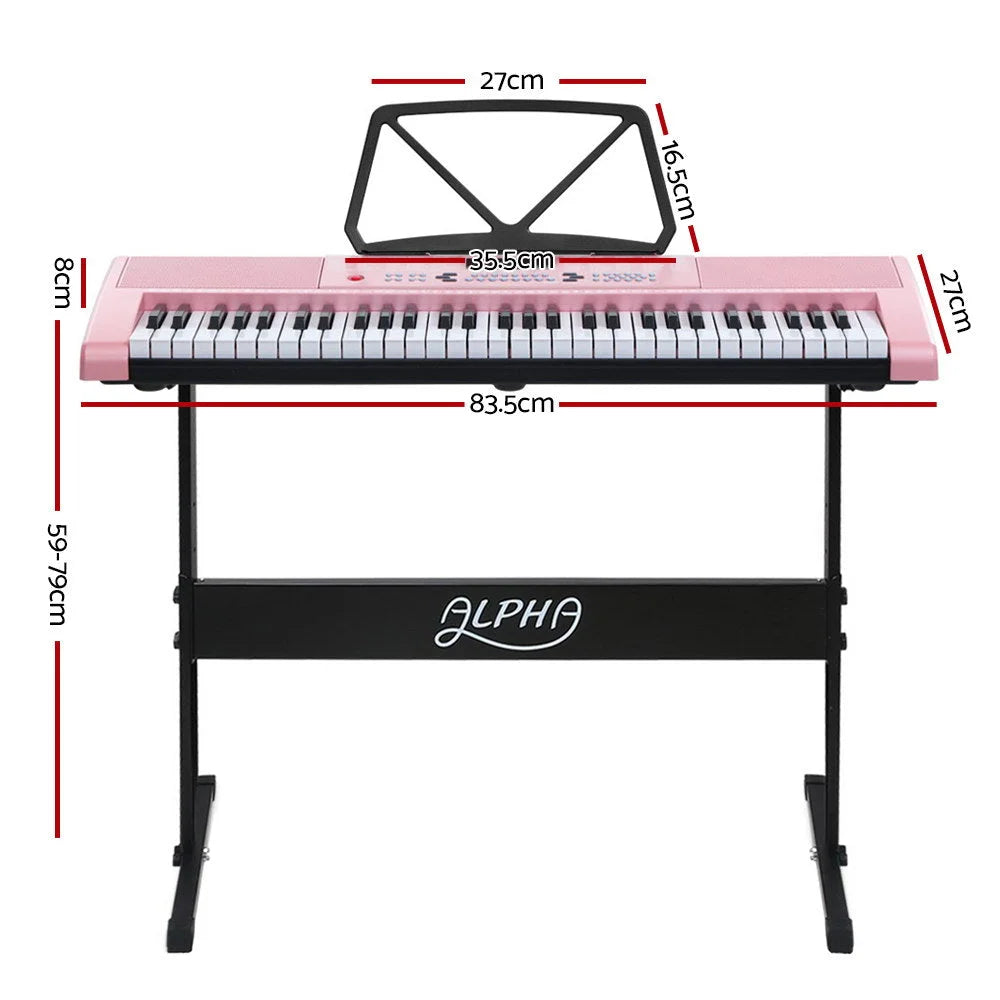
Electronic Piano Keyboard 61 Keys, LED Display, USB Port with Stand
Regular price $127.90 AUDRegular priceUnit price per$216.99 AUDSale price $127.90 AUDSale -
Electronic Piano Keyboard 61-Key Lighted with LED Holder Music Stand
Regular price $115.90 AUDRegular priceUnit price per$166.99 AUDSale price $115.90 AUDSale -
Alpha 61‑Key LED Electronic Piano Keyboard
Regular price $98.90 AUDRegular priceUnit price per$166.99 AUDSale price $98.90 AUDSale -
Electronic Piano Keyboard 88 Keys Digital with Stand Semi Weighted
Regular price $305.90 AUDRegular priceUnit price per$532.99 AUDSale price $305.90 AUDSale -
Electronic Piano Keyboard 88 Keys Foldable Digital with Carry Bag
Regular price $154.90 AUDRegular priceUnit price per$249.99 AUDSale price $154.90 AUDSale -
Electronic Piano Keyboard 61-Key Lighted, LCD Display with Music Stand
Regular price $113.90 AUDRegular priceUnit price per$242.99 AUDSale price $113.90 AUDSale -
Electronic Piano Keyboard 61 Keys Digital with Stand, Stool - Black
Regular price $128.90 AUDRegular priceUnit price per$216.99 AUDSale price $128.90 AUDSale -
Alpha 88 Keys Digital Piano Keyboard with Stand, Stool, Semi-Weighted Keys
Regular price $329.90 AUDRegular priceUnit price per$566.99 AUDSale price $329.90 AUDSale -
Electronic Piano Keyboard 61 Keys LED Silver with Music Stand for Beginners
Regular price $98.90 AUDRegular priceUnit price per$166.99 AUDSale price $98.90 AUDSale -
32 Key Melodica Primary School Students Classroom Practice for Beginners
Regular price $35.90 AUDRegular priceUnit price per$43.32 AUDSale price $35.90 AUDSale -
1PC Buttons Straplocks Bass Replacement Strap Locks Electric Acoustic Guitar - Gold
Regular price $28.90 AUDRegular priceUnit price per$34.48 AUDSale price $28.90 AUDSale -
21 Inch Ukulele Beginner 4 String Small Guitar Easy To Learn Clear Sound Use - Pink
Regular price $42.90 AUDRegular priceUnit price per$51.73 AUDSale price $42.90 AUDSale -
Double Half Moon Tambourine Handheld Musical Percussion Instrument Bell Drum - White
Regular price $40.90 AUDRegular priceUnit price per$49.48 AUDSale price $40.90 AUDSale -


2/3Head Guitar Stand with Height Adjustment Foldable Holder Guitar Stand Bass - Three-vertical type
Regular price $43.90 AUDRegular priceUnit price per$52.04 AUDSale price $43.90 AUDSale -
17-Key Beginner Thumb Piano Portable Instrument for Music Learning and Practice
Regular price $36.90 AUDRegular priceUnit price per$43.69 AUDSale price $36.90 AUDSale -
Portable Foldable Alto Tenor Saxophone Stand Stable Non Slip For Music Practice
Regular price $36.90 AUDRegular priceUnit price per$44.13 AUDSale price $36.90 AUDSale -
Bamboo Guitar Stand Foldable Adjustable Non Slip Multi Instrument A Frame 35cm
Regular price $41.90 AUDRegular priceUnit price per$49.49 AUDSale price $41.90 AUDSale -
Black Adjustable Violin Shoulder Rest for 3/4 and 4/4 Violins - 1 Piece
Regular price $15.90 AUDRegular priceUnit price per$18.47 AUDSale price $15.90 AUDSale -
Solid Wood Veneer Laiya 24-String Harp Basic Model Beginner Music Instrument - Purple Red
Regular price $125.90 AUDRegular priceUnit price per$151.76 AUDSale price $125.90 AUDSale -
Folding Double Guitar Stand Floor Rack Electric Acoustic Bass Gig Holder Mount
Regular price $28.90 AUDRegular priceUnit price per$33.94 AUDSale price $28.90 AUDSale -
Drum Sticks Case Aluminum Alloy Clip Drum Stick Bag Stand Anti-slip Rubber Pad
Regular price $29.90 AUDRegular priceUnit price per$35.45 AUDSale price $29.90 AUDSale -
Folding Digital Piano 88 Key Velocity-Sensitive + Carry Case Pedal
Regular price $276.90 AUDRegular priceUnit price per -
Z-style Keyboard Stand Heavy-Duty Piano Stand Portable
Regular price $104.90 AUDRegular priceUnit price per -
Multifunctional Black Clamp- Cup Holder for Music Stand and Microphone Stand Accessories
Regular price $37.90 AUDRegular priceUnit price per




Related reading

An instrument is easier to use when its supporting equipment fits the player and the practice space. Compare the instrument type, playing format and required accessories together. Keyboards, guitar supports and percussion equipment have different setup needs, while replacement parts should be matched to equipment already owned.
Choose the playing format first
A keyboard's key action, a guitar's size and a percussion setup's layout affect the learning experience. Decorative music items and toy instruments are not substitutes for the equipment required by a lesson. For a learner, use the teacher's recommended format as a starting point.
Check the package as a working system
A stand, pedal, seat, mallets or power supply may be essential to the intended setup. Bundles vary, and a product photograph may show accessories sold separately. Read the itemised contents and resolve conflicting descriptions before assuming the instrument can be used exactly as pictured.
Plan sound, storage and connections
Headphones can support private practice only when the instrument provides a compatible output. Recording and computer connections may have a different purpose again. Leave room to store the instrument safely and keep support hardware away from the route through the room, so practice does not require rebuilding the space each time.
Useful answers
Musical Instruments & Accessories: practical questions
What should I confirm before buying an instrument for lessons?
Ask which instrument type, size or keyboard action the lessons require, then check that the model provides it. Toy instruments and decorative objects are different products. Plan the supporting stand, seating or pedals too, so the equipment can be used in the intended practice position.
Are headphones enough to make any instrument suitable for quiet practice?
Only an instrument with a supported headphone or appropriate audio connection can use them for listening. Acoustic sound and mechanical playing noise are separate considerations. Confirm the output and connection needed instead of assuming that a headphone purchase changes how every instrument produces sound.
How can I avoid buying the wrong music accessory as a replacement?
Use the existing instrument or hardware model and the part’s specific dimensions or interface. A generic music label does not establish that a pedal, support or percussion sleeve will fit. Separate compatibility from appearance, then check what is included with the replacement.