




Outdoor furniture
From compact dining sets to sofas and sun lounges, find furniture for the way you spend time outside.
A table for long lunches. A comfortable seat after work. Shade where you actually sit. Bring your outdoor space together with furniture, shade, cooking, garden features and pool essentials chosen around the way you use it.
A table for long lunches. A comfortable seat after work. Shade where you actually sit. Bring your outdoor space together with furniture, shade, cooking, garden features and pool essentials chosen around the way you use it.
Start with the part of outdoor life you want to enjoy more.
From compact dining sets to sofas and sun lounges, find furniture for the way you spend time outside.
Choose the coverage for your seats and the sun at the time you use them. Leave room for poles, bases and the open canopy.
Create a sheltered gathering space, with clear access between the frame legs and room for the anchoring your shelter needs.
Plan a cooking zone with preparation space nearby and the clearances specified for the equipment you choose.
Choose a focal point for cooler evenings, then plan the surrounding seating, suitable surface and required clearances together.
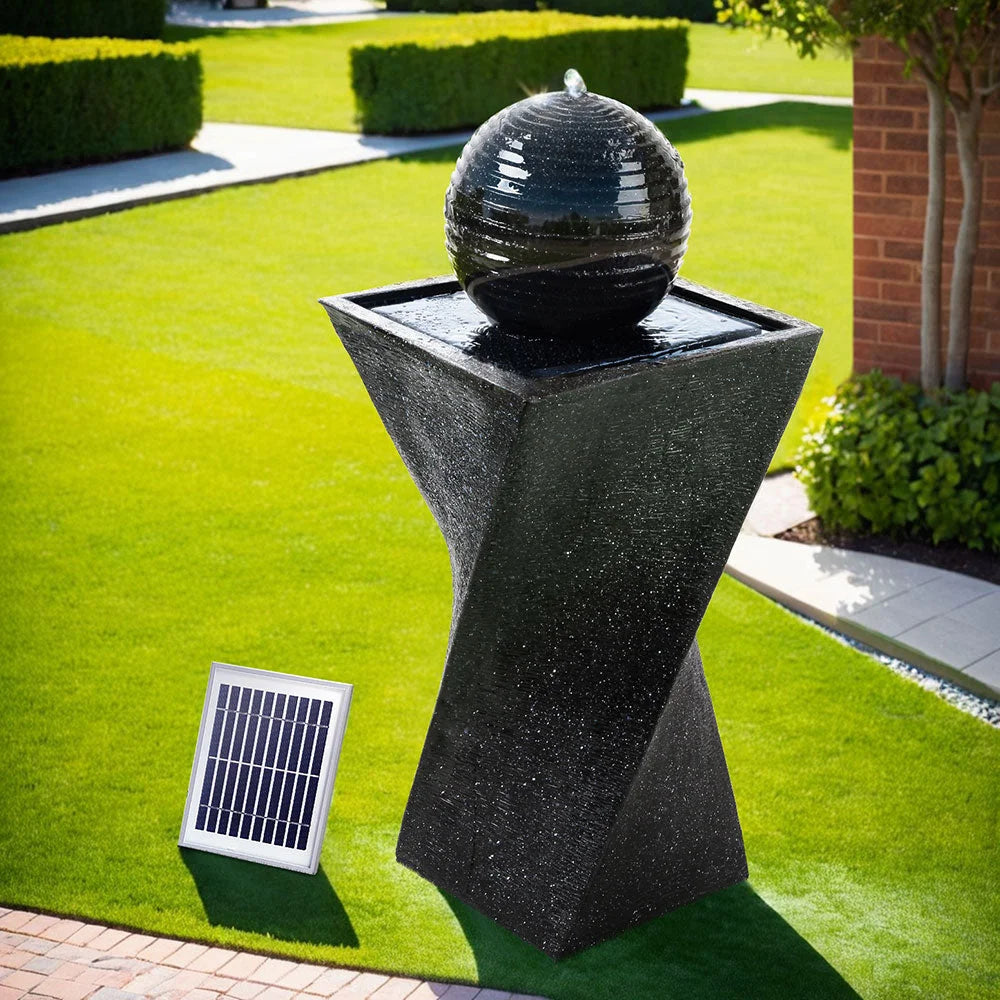
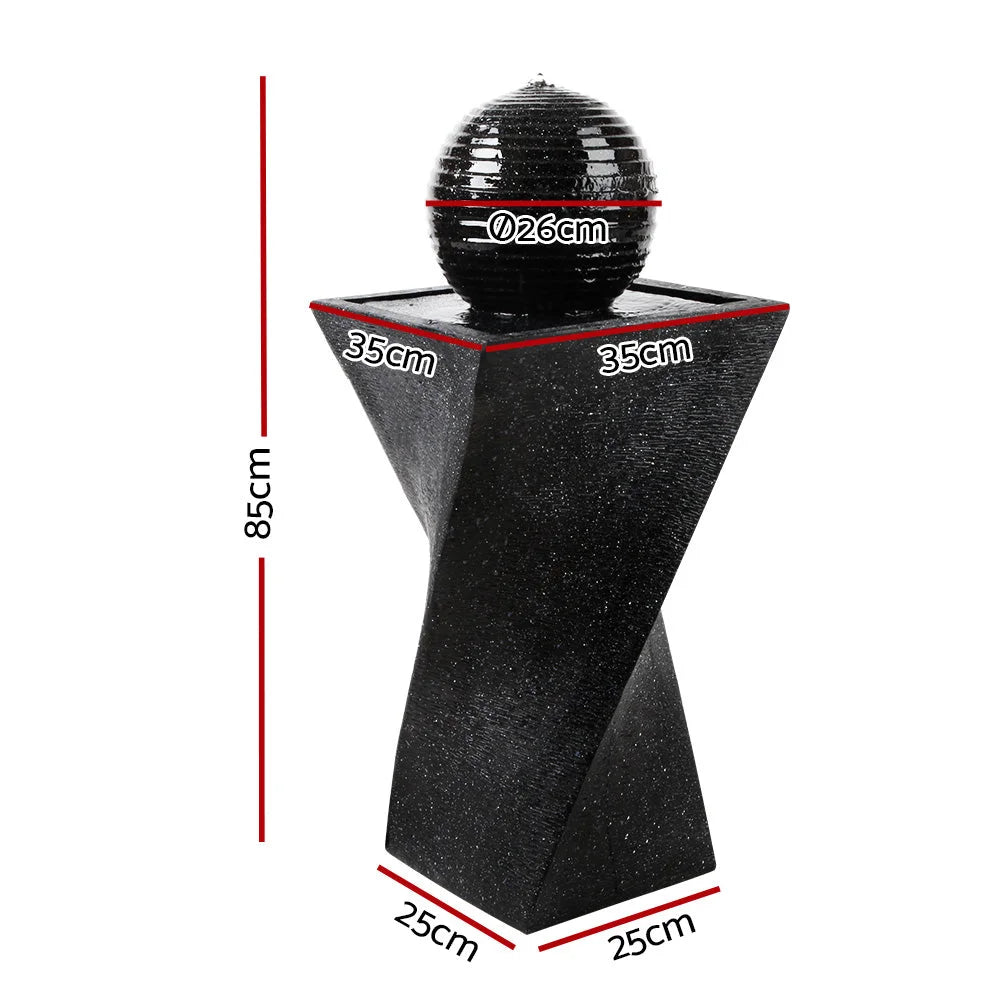
Bring a water feature into the view while keeping the reservoir, pump and power supply accessible for everyday care.
Explore swimming pools, inflatables, covers and accessories for your outdoor setup.
Choose a useful starting point, then build the rest of the space around it.
A dining setting needs space for people as well as furniture. Mark the table, pull the chairs back and keep the route from the kitchen open.
A sofa makes a shared sitting area; separate chairs give you more freedom to change the layout. Keep a table within comfortable reach of each seat.
Notice where the sun falls at the time you use the area. A canopy centred over a table may not cover your seats when the afternoon sun is lower.
An empty patio can look generous until chairs are pulled out and an umbrella is opened. Plan the space in use before choosing the pieces.
Add the door swing, pulled-out chairs and fully opened shade to your sketch. A clear route to the house or gate should remain usable while someone is seated.
A covered patio and an exposed deck put different demands on furniture. Match the material and care routine to that position, including where cushions will go between uses.
Decide where serving pieces, loose cushions and movable accessories will live after use. A simple pack-away routine keeps the area ready for the next meal or quiet hour.
Practical answers for patios, balconies and garden seating areas.
Choose your main activity first. If you mostly eat outside, begin with the dining area; if you relax with a drink, a few comfortable seats may serve you better. Mark the footprint on the ground and test the walking route with chairs pulled out. Several small pieces can use more practical space than one well-chosen setting.
Observe the sun when you normally use the space, rather than only at midday. Include the open canopy, pole and base in your layout, and leave room to operate it. Shade and wind suitability depend on the model and installation; use the specified base or fixing method and follow its operating limits.
Outdoor fabric does not automatically mean a cushion can stay wet or uncovered indefinitely. The cover, seams and filling affect how it handles moisture. Let cushions dry before storing them, and choose a practical sheltered storage spot when their care instructions call for it.
Yes, if the layout shares space sensibly. Start with the activity you use most, then consider furniture that can serve both purposes, such as a comfortable dining chair that also works for a coffee break. Keep access to doors and gates clear rather than filling every corner.
Looking for raised beds, greenhouses or a place to store your garden tools? Explore Gardening for the growing and working side of your garden.