
Water & Irrigation Pumps
Move water from a tank, run an irrigation zone or drain unwanted water with a pump designed for that task. Compare pressure pumps, transfer and submersible pumps, bore pumps, smaller circulation pumps and compatible controls.
Shop the collection
-
Submersible Water Pump 10000L/H
Regular price $110.90 AUDRegular priceUnit price per$232.99 AUDSale price $110.90 AUDSale -
High Flow Water Pump 2in, Black/Red
Regular price $216.90 AUDRegular priceUnit price per$332.99 AUDSale price $216.90 AUDSale -
Submersible Water Pump 1800W
Regular price $128.90 AUDRegular priceUnit price per$216.99 AUDSale price $128.90 AUDSale -
Petrol Water Pump 8HP 3" Garden Irrigation Transfer - Blue
Regular price $169.90 AUDRegular priceUnit price per$299.99 AUDSale price $169.90 AUDSale -
High Flow Water Pump 2in, Black/Red
Regular price $199.90 AUDRegular priceUnit price per$349.99 AUDSale price $199.90 AUDSale -
Auto Peripheral Water Pump Clean Garden Farm Rain Tank Irrigation - QB60 Yellow
Regular price $104.90 AUDRegular priceUnit price per$216.99 AUDSale price $104.90 AUDSale -
High Pressure Garden Water Pump 2000W
Regular price $190.90 AUDRegular priceUnit price per$316.99 AUDSale price $190.90 AUDSale -
Water Pump High Pressure Multi-Stage Copper Motor Garden Farm Irrigation
Regular price $207.90 AUDRegular priceUnit price per$366.99 AUDSale price $207.90 AUDSale -
Garden Water Pump Jet High Pressure Controller Stage Irrigation 4600L/H
Regular price $184.90 AUDRegular priceUnit price per$854.99 AUDSale price $184.90 AUDSale -
High Pressure Garden Water Pump 2000W
Regular price $192.90 AUDRegular priceUnit price per$316.99 AUDSale price $192.90 AUDSale -
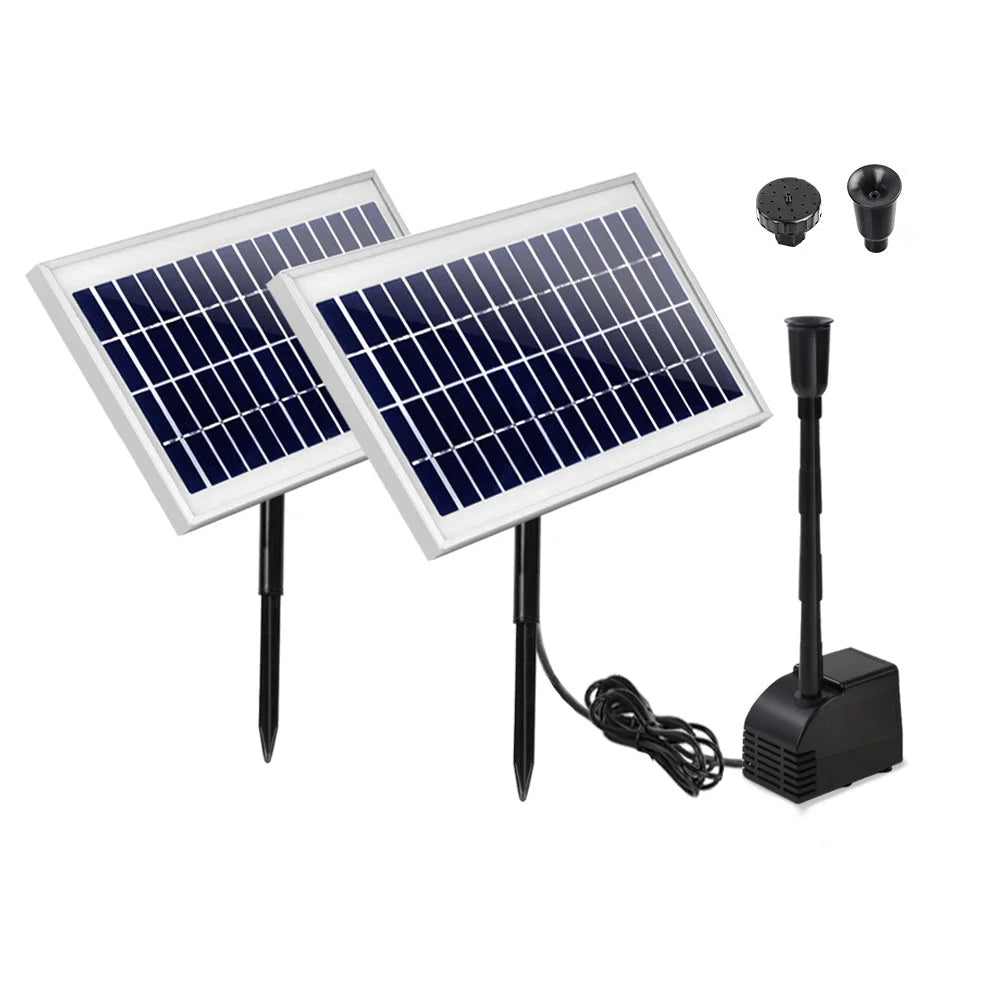
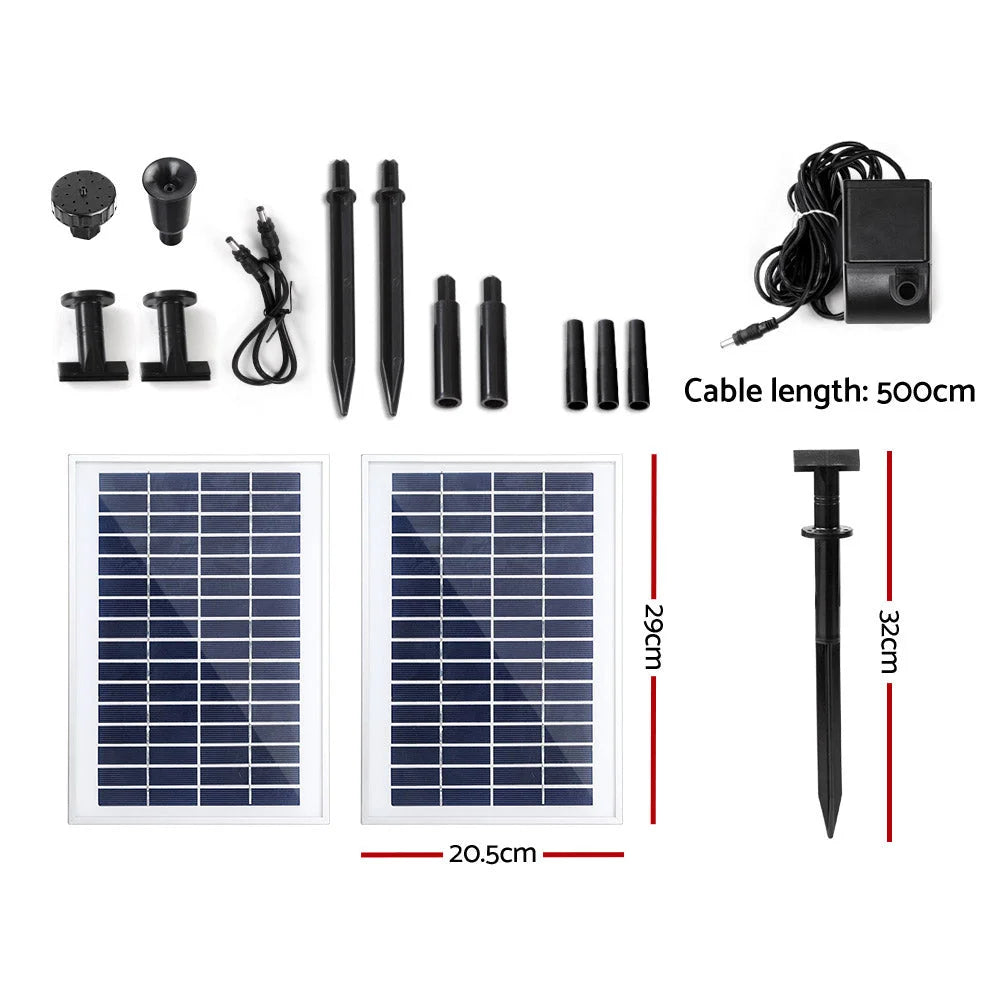
Solar Water Fountain Pump, 110 W, Outdoor Submersible
Regular price $86.90 AUDRegular priceUnit price per$149.99 AUDSale price $86.90 AUDSale -
Water Pump Multi-Stage Pressure Rain Tank Garden Farm House Irrigation 2500W
Regular price $306.90 AUDRegular priceUnit price per$516.99 AUDSale price $306.90 AUDSale -
Water Pump 2500W Multi-Stage Pressure Rain Tank Farm House Irrigation
Regular price $306.90 AUDRegular priceUnit price per$516.99 AUDSale price $306.90 AUDSale -
Water Pressure Pump Multi-Stage Auto Garden House Rain Tank Irrigation
Regular price $219.90 AUDRegular priceUnit price per$532.99 AUDSale price $219.90 AUDSale -
Garden Water Pump 1500W High Pressure with Auto Controller
Regular price $166.90 AUDRegular priceUnit price per$332.99 AUDSale price $166.90 AUDSale -
High‑Pressure Garden Water Pump, 800 W, Auto Controller
Regular price $157.90 AUDRegular priceUnit price per$259.99 AUDSale price $157.90 AUDSale -
Solar Water Fountain Pump Outdoor Submersible, 4FT Lift Height
Regular price $28.90 AUDRegular priceUnit price per$54.99 AUDSale price $28.90 AUDSale -
Solar Powered Water Pump 60W, Pond
Regular price $147.90 AUDRegular priceUnit price per$249.99 AUDSale price $147.90 AUDSale -
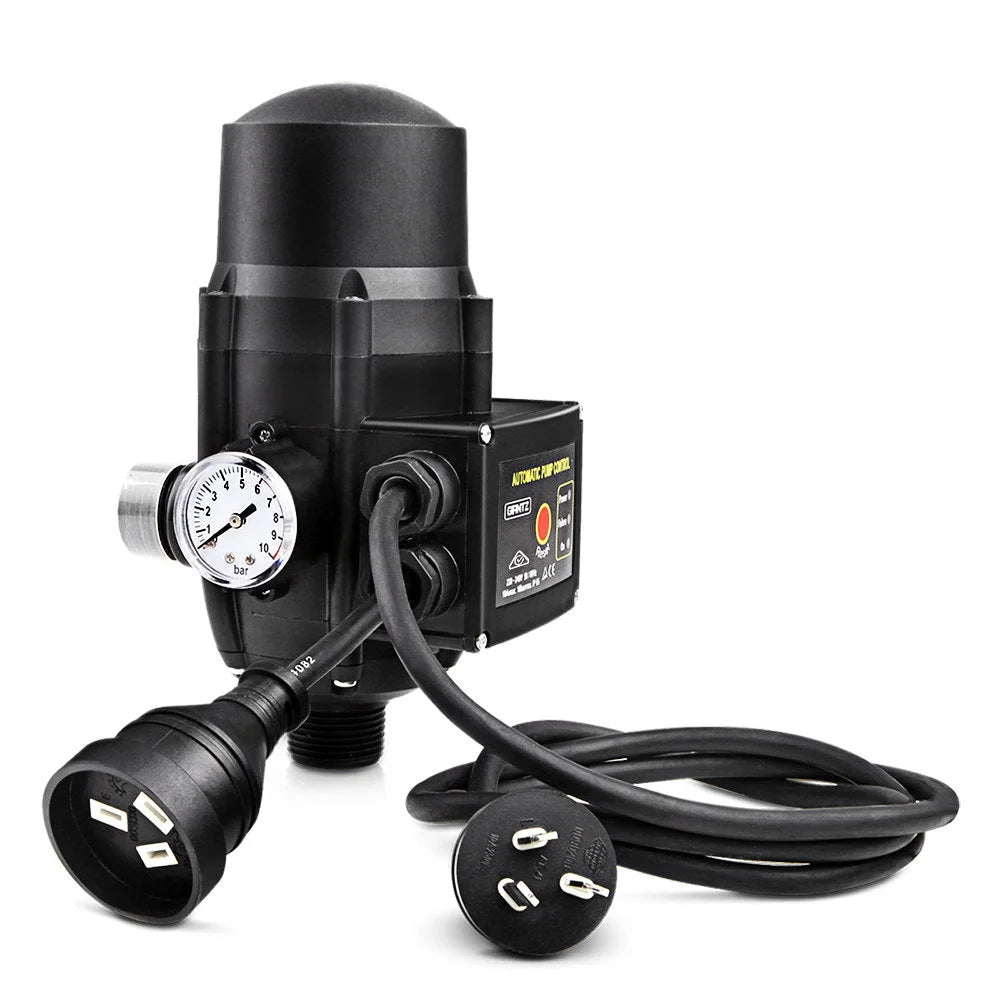
Electronic Water Pump Controller Automatic Adjustable, Black
Regular price $45.90 AUDRegular priceUnit price per$87.99 AUDSale price $45.90 AUDSale -
Submersible Dirty Water Pump 1500W Bore Tank Well Steel Automatic Clean PROTEGE
Regular price $141.90 AUDRegular priceUnit price per -
Peripheral Pump Auto Controller Clean Water Garden Farm Rain Irrigation
Regular price $110.90 AUDRegular priceUnit price per$182.99 AUDSale price $110.90 AUDSale -
Auto Peripheral Pump Clean Water Garden Farm Rain Tank Irrigation QB80
Regular price $125.90 AUDRegular priceUnit price per$249.99 AUDSale price $125.90 AUDSale -
Water Pump Multi-Stage Pressure Rain Tank Garden Farm House Irrigation 2000W Yellow Controller
Regular price $209.90 AUDRegular priceUnit price per$482.99 AUDSale price $209.90 AUDSale -
High‑Pressure Water Pump, Multi‑Stage, Farm Rain Tank, Garden
Regular price $219.90 AUDRegular priceUnit price per$532.99 AUDSale price $219.90 AUDSale






Related reading


Pressure, transfer or drainage: which pump do you need?
A tank pressure pump supplies water to outlets that need pressure, such as a hose or irrigation system. A high-volume transfer pump is intended to move water; a large litres-per-minute headline alone does not mean it can run sprinklers well.
A submersible drainage pump sits in the water it removes. Clean-water and dirty-water versions have different limits on particles. A bore pump has its own installation and operating requirements. Small pond or fountain pumps serve another purpose again: circulating water rather than supplying a whole property.
How much water must arrive at the outlet?
Start with the flow required by the outlets running together, then the pressure they need. For example, three sprinklers requiring 10 L/min each need 30 L/min delivered to that zone. The pump must provide that flow at the required pressure after allowing for height and pipe losses.
Maximum flow and maximum head are separate endpoints, not performance you receive together. A pump described as “100 L/min, 50 m head” does not necessarily deliver 100 L/min at 50 m. Its performance curve shows whether it meets your actual duty point.
Where is the water, and where will the pump sit?
A surface pump above a tank’s water level must draw water up to itself. A long or restrictive suction line can make that harder. The outlet may then need to climb to a garden, travel through pipework and still provide useful pressure.
Write down the lowest expected source-water level, pump position, outlet height and pipe run. That gives a supplier far more useful sizing information than “I need a powerful pump”. A submersible installation avoids the same surface-suction arrangement but still needs adequate delivery performance.
Do you need automatic operation?
For a hose or tap that opens intermittently, a compatible pressure controller can start and stop the pump with demand. A pressure tank may reduce repeated starts in a suitably designed system. Neither is automatically included with a pump-only listing.
For unattended operation, consider what happens if the source runs low. Dry-run protection and float controls are model-specific features. A 12 V diaphragm pump, mains-powered pressure set and petrol transfer pump also need different power and installation arrangements.
Useful answers
Water & Irrigation Pumps: your questions
Can a water pump connect straight to mains water?
Do not assume that it can. Mains boosting, backflow prevention and plumbing connections must comply with local water authority and installation requirements. Have a qualified installer confirm the arrangement before purchase.
Does a dirty-water pump make water safe to drink?
No. “Dirty water” refers to the particles or liquid the pump can handle, not purification. Drinking-water suitability depends on the water source, treatment and appropriately specified components.
Can a pump run on a timer when the tank may empty?
A timer controls when power is supplied; it does not establish that water is available. Use a pump and control arrangement with the required low-water or dry-run protection for the installation.