
Costumes & Dress Up
A costume works best when its silhouette is recognisable and you can still enjoy the event.
Shop the collection
-
Christmas Unisex Adults Kids Novelty Hat Xmas Party Cap Santa Costume Dress Up, Santa Hat (Adults)
Regular price $5.90 AUDRegular priceUnit price per -
ELF SHOES Christmas Costume Elves Latex Dress Up Party Xmas St Patricks Day Boots - Red
Regular price $37.90 AUDRegular priceUnit price per$59.90 AUDSale price $37.90 AUDSale -
LACE FAN Hand Folding Wedding Party Bridal Spanish Costume Accessory - White
Regular price $20.90 AUDRegular priceUnit price per$39.90 AUDSale price $20.90 AUDSale -
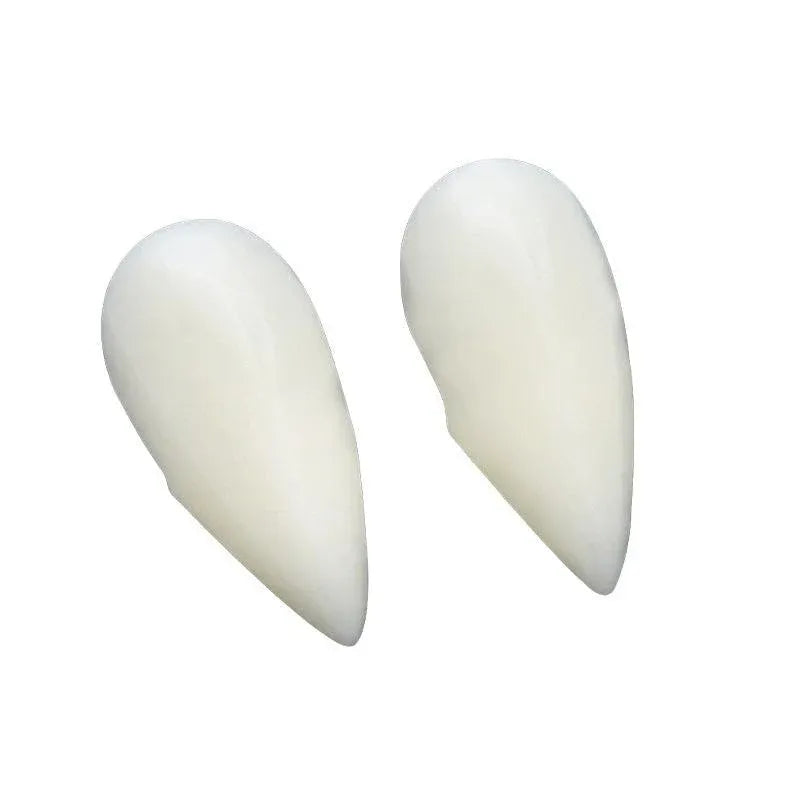

Cosplay Vampire Fangs Fake Teeth for Halloween Costume Party Dress Up 2PCS Prop Set - 19mm-1Piar
Regular price $12.90 AUDRegular priceUnit price per$15.12 AUDSale price $12.90 AUDSale -
Pet Dinosaur Hat Costume Cute Animal Costume Headwear Durable Soft Comfortable
Regular price $29.90 AUDRegular priceUnit price per$35.38 AUDSale price $29.90 AUDSale -
Deluxe Mjolnir Viking Symbol Costume Belt Pouch
Regular price $14.90 AUDRegular priceUnit price per$34.99 AUDSale price $14.90 AUDSale -
1970s Detective Mens Natural Black Afro Costume Wig
Regular price $11.90 AUDRegular priceUnit price per$26.99 AUDSale price $11.90 AUDSale -
Adjustable Stretchy Black Costume Suspenders
Regular price $4.90 AUDRegular priceUnit price per$9.99 AUDSale price $4.90 AUDSale -
Princess Matte Black Metal Masquerade Mask
Regular price $10.90 AUDRegular priceUnit price per$24.99 AUDSale price $10.90 AUDSale -
New Adults Tulle Tutu Skirt Dressup Party Costume Ballet Womens Girls Dance Wear, Burgundy, Kids
Regular price $6.90 AUDRegular priceUnit price per -
KIDS METALLIC CAPE w Collar Costume Childrens Party Halloween Vampire - Orange
Regular price $26.90 AUDRegular priceUnit price per$39.90 AUDSale price $26.90 AUDSale -


New Adults Tulle Tutu Skirt Dressup Party Costume Ballet Womens Girls Dance Wear, Light Purple, Kids
Regular price $6.90 AUDRegular priceUnit price per -
MENS WIG 80s Fancy Dress Mens Party Costume Rock Bogan Accessory Punk 70s - White/Black
Regular price $34.90 AUDRegular priceUnit price per$39.90 AUDSale price $34.90 AUDSale -


New Adults Tulle Tutu Skirt Dressup Party Costume Ballet Womens Girls Dance Wear, Neon Green, Adults
Regular price $6.90 AUDRegular priceUnit price per -
New Adults Tulle Tutu Skirt Dressup Party Costume Ballet Womens Girls Dance Wear, Light Pink, Kids
Regular price $6.90 AUDRegular priceUnit price per -
Stay Up OVER THE KNEE SOCKS Stockings Hosiery Party Costume Stockings - Plain Black
Regular price $21.90 AUDRegular priceUnit price per$39.90 AUDSale price $21.90 AUDSale -
 Sale
Men's costume Judge
Regular price $34.90 AUDRegular priceUnit price per$44.99 AUDSale price $34.90 AUDSale -
New Adults Tulle Tutu Skirt Dressup Party Costume Ballet Womens Girls Dance Wear, Pink, Adults
Regular price $7.90 AUDRegular priceUnit price per -
New Adults Tulle Tutu Skirt Dressup Party Costume Ballet Womens Girls Dance Wear, Blue, Kids
Regular price $6.90 AUDRegular priceUnit price per -
Mens DELUXE AFRO WIG Curly Hair Costume Party Fancy Disco 70s 80s Dress Up - Hot Pink
Regular price $23.90 AUDRegular priceUnit price per$39.90 AUDSale price $23.90 AUDSale -
ANIMAL EYE MASK Head Face Halloween Costume Party Prop Novelty Toy Fancy Dress
Regular price $26.90 AUDRegular priceUnit price per$39.90 AUDSale price $26.90 AUDSale -
DELUXE TURKISH HAT Red Green Fez Tarboosh Dress Up Costume Party Moroccan - Green
Regular price $19.90 AUDRegular priceUnit price per$19.95 AUDSale price $19.90 AUDSale -
Kids Cat In The Hat Thing 2 Long Sleeve Red Top Party Costume Book Week - M (7-9 Years Old)
Regular price $20.90 AUDRegular priceUnit price per$39.90 AUDSale price $20.90 AUDSale -
Stay Up OVER THE KNEE SOCKS Stockings Hosiery Party Costume Stockings - Nurse (White/Red)
Regular price $21.90 AUDRegular priceUnit price per$39.90 AUDSale price $21.90 AUDSale


A costume works best when its silhouette is recognisable and you can still enjoy the event. This range includes full outfits, skirts, vests, gloves, hats and novelty dress-up pieces. Choose between an all-in-one character and an outfit built from accessories, then consider how you will move, sit and keep the look together.
Separate an outfit from an accessory
Product photographs can show several pieces styled together. A tutu, waistcoat or pair of gloves may be the item being sold rather than a complete costume. Decide which pieces you already own and which are essential to make the character recognisable before comparing the total outfit cost.
Fit the activity as well as the wearer
For dancing, look at the movement needed through the shoulders and hips; for a seated party, consider how the outfit folds at the waist. Long hems and oversized shapes need more space around furniture. Use the garment measurements for the selected size rather than treating a familiar clothing label as an exact equivalent.
Keep the finishing details practical
Choose accessories that can be removed for meals or travel without dismantling the whole look. A compact hat or pair of gloves can carry a theme when a full costume is inconvenient. Lay out all components together before the event so closures, layers and footwear can be tried as one outfit.
Further reading: WA Government — Costume and novelty product safety, 27 October 2026
Useful answers
Costume fit and outfit planning
How do I know whether I need a full costume or just accessories?
Start with the feature that makes the character recognisable: the hat, colour, jacket or silhouette. If your own clothing supplies the rest, accessories can complete the look with less to wear and store. Add up the separately supplied pieces before comparing that option with a complete costume.
Should I choose a costume using my usual clothing size?
Use your measurements and the costume’s size chart. Costume cuts can differ from everyday clothing, especially at the waist, shoulders and leg length. Include any layer you will wear underneath, and make sure the outfit allows the sitting, walking or dancing planned for the event.
What makes a costume practical for a dinner party?
Choose a shape that lets you sit close to the table and move your arms without catching glasses or neighbouring guests. Removable gloves, headwear and props make eating easier. Try the full outfit with a chair before the event, including how you will reach fastenings and pockets.