
Portable Power & Solar
How do I plan a portable power setup for the equipment I want to run? A portable power setup has three separate jobs: storing energy, delivering it in the form your devices need and replacing what you use.
Shop the collection
-
Solar Panel Portable Charger 21W - JumpsPower Power Generator Foldable
Regular price $85.90 AUDRegular priceUnit price per$95.00 AUDSale price $85.90 AUDSale -
Adjustable Solar Panel Tilt Mount Brackets Kit – Roof, Ground & Boat Mounting System for Secure Installation
Regular price $55.90 AUDRegular priceUnit price per -
PV Combiner Box, 4 String, Solar Combiner Box with 15A Rated Current Fuse 63A Circuit Breaker Lightning Arrester and Solar Connector, Steel Case for On / Off Grid Solar Panel System, IP65
Regular price $132.90 AUDRegular priceUnit price per$122.90 AUDSale price $132.90 AUD -
Outdoor Solar Power Generator Controller
Regular price $87.90 AUDRegular priceUnit price per$83.35 AUDSale price $87.90 AUD -
8in x 100ft Solar Panel Bird Guard Critter Guard Roll Kit 50pcs Tire Wires
Regular price $36.90 AUDRegular priceUnit price per$33.90 AUDSale price $36.90 AUD -
Hybrid Solar Inverter, 6000W, All in One Pure Sine Wave Power Inverter Charger, 220V AC, with Built-in 120A MPPT Solar Charger Controller, for Off-Grid System Lead Acid Lithium Battery
Regular price $551.90 AUDRegular priceUnit price per$510.90 AUDSale price $551.90 AUD -
500W Wind Turbine Generator, 12V Wind Turbine Kit, 3-Blade Wind Power Generator with Anemometer, MPPT Controller & Adjustable Windward Direction, Suitable for Home, Farm, RVs, Boats
Regular price $232.90 AUDRegular priceUnit price per$215.90 AUDSale price $232.90 AUD -
Solar PV Combiner Box 6 String 15A for Solar Panel System Steel Case IP65
Regular price $157.90 AUDRegular priceUnit price per$145.90 AUDSale price $157.90 AUD -
Hybrid Solar Inverter, 3500W, All in One Pure Sine Wave Power Inverter Charger, 220V AC, with Built-in 100A MPPT Solar Charger Controller, for Off-Grid System Lead Acid Lithium Battery
Regular price $422.90 AUDRegular priceUnit price per$391.90 AUDSale price $422.90 AUD -
2 Set Adjustable Solar Panel Tilt Mount Brackets
Regular price $104.90 AUDRegular priceUnit price per -
PV Combiner Box, 4 String with 15A Rated Current Fuse, 63A Circuit Breaker, Lightning Arreste Connector for On/Off Grid Solar Panel System, IP65
Regular price $116.90 AUDRegular priceUnit price per$107.90 AUDSale price $116.90 AUD -
800W Foldable Solar Panel
Regular price $167.90 AUDRegular priceUnit price per$159.99 AUDSale price $167.90 AUD -
5-20 Pairs PV Connectors Solar Panel 30A Line Plug Socket Male Female IP67 - 5 Pairs
Regular price $16.90 AUDRegular priceUnit price per$20.22 AUDSale price $16.90 AUDSale -
Solar PV Combiner Box 6 String 10A for Solar Panel System Steel Case IP65
Regular price $149.90 AUDRegular priceUnit price per$138.90 AUDSale price $149.90 AUD -
4 Pcs Solar Panel Z-Bracket Mounting Flat Roof Yacht Rv Mount Aluminum Kit Au
Regular price $26.90 AUDRegular priceUnit price per$32.09 AUDSale price $26.90 AUDSale -
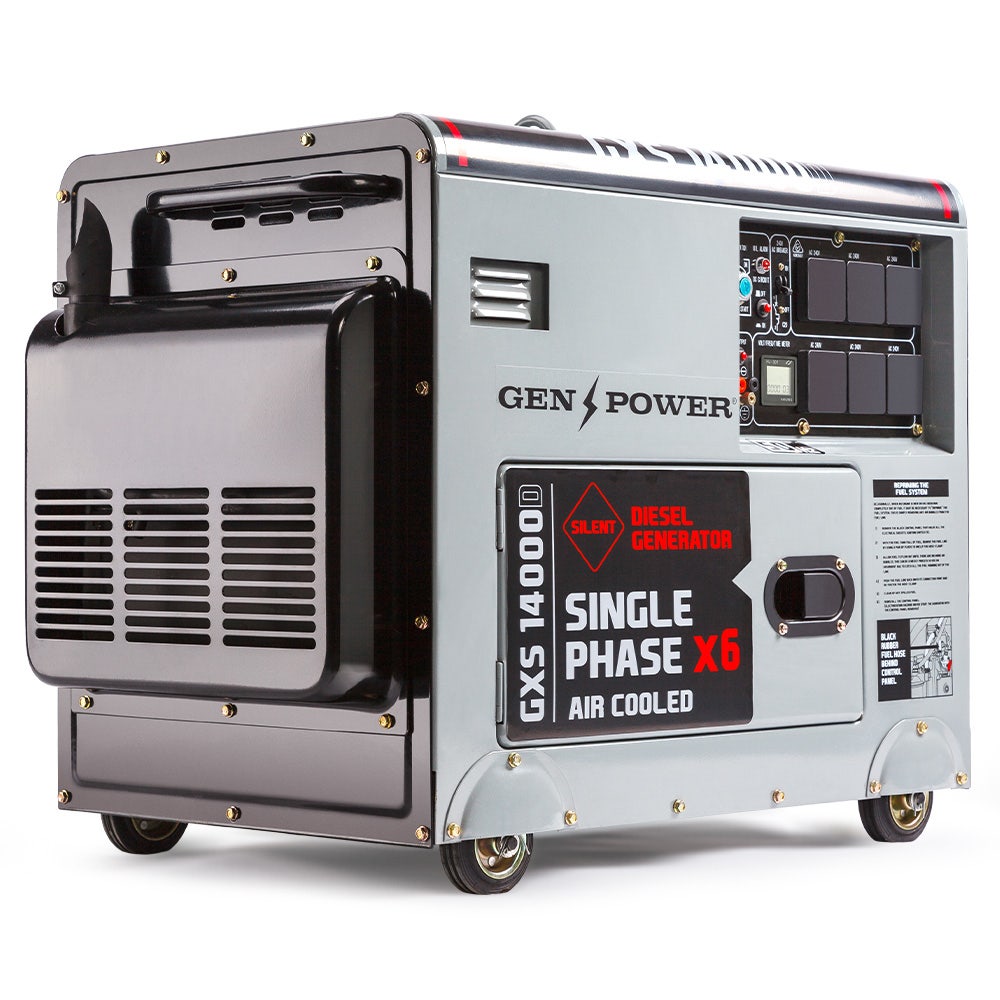
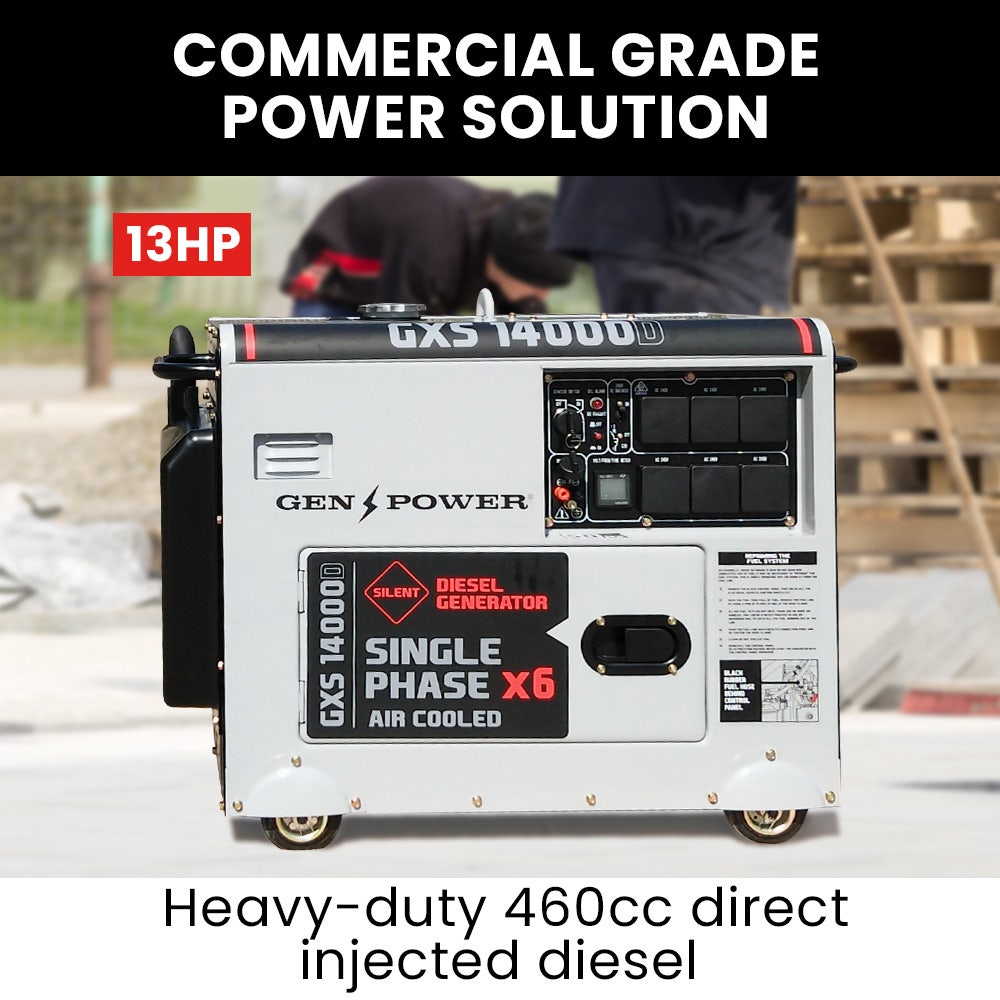
GENPOWER 8.4kW Peak 6kW Rated Commercial Diesel Generator, Electric Key Start, 6 x 15A, Single Phase
Regular price $1,492.90 AUDRegular priceUnit price per -
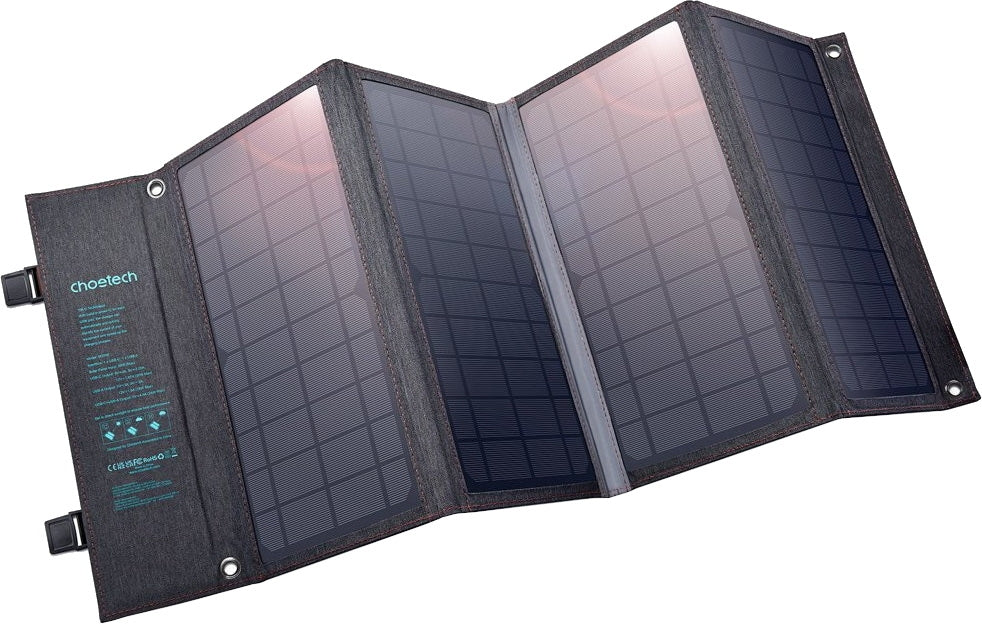

Choetech SC006 Solar Panel Portable Charger 40W 18V USB C Solar Panels Charger with USB C PD 30W
Regular price $136.90 AUDRegular priceUnit price per$177.95 AUDSale price $136.90 AUDSale -
Car Heater 12V 50W Solar Panel Portable Eco Friendly Car Demister Defroster for Pet House
Regular price $74.90 AUDRegular priceUnit price per$83.99 AUDSale price $74.90 AUDSale -
Schumann Wave Resonance Generator, Adjustable Frequency EMF Neutralizer for Meditation, Sleep, Yoga and Relaxation, USB-Powered for Home and Office
Regular price $35.90 AUDRegular priceUnit price per$46.43 AUDSale price $35.90 AUDSale -
Photovoltaic Solar Panel Set Ventilation System Mini Portable USB Cooling Fan 5v 2.5w
Regular price $33.90 AUDRegular priceUnit price per$37.99 AUDSale price $33.90 AUDSale -
100W Solar Panel Kit Monocrystalline Silicon Solar Panel With 10 Inch Aluminum Alloy Fan Stand for Indoor Pet Houses
Regular price $100.90 AUDRegular priceUnit price per$113.99 AUDSale price $100.90 AUDSale -
Monocrystalline Solar Panel Fan 3W 6V Adjustable Angle Solar Exhuast Vent Fan Silent for Chicken Coop Greenhouse
Regular price $32.90 AUDRegular priceUnit price per$36.99 AUDSale price $32.90 AUDSale -
50W Solar Panel Fan Kit Solar Powered Panel with Dual Solar Exhaust Fan for Outside Greenhouse Shed Chicken Coop
Regular price $67.90 AUDRegular priceUnit price per$75.99 AUDSale price $67.90 AUDSale -
3W Solar Panel Fan Kit Solar Panel Exhaust Ventilation Fan Kit for Bathroom Pet House
Regular price $31.90 AUDRegular priceUnit price per$35.99 AUDSale price $31.90 AUDSale


Related reading

How do I plan a portable power setup for the equipment I want to run? A portable power setup has three separate jobs: storing energy, delivering it in the form your devices need and replacing what you use. Batteries, inverters, solar panels and fuel generators do different parts of that work. This selection also includes fixed-system components, such as panel mounts and combiner boxes; these are not ready-to-use camping power kits. Start with the equipment you want to run, then choose compatible components and a realistic charging plan.
What is the difference between watts and watt-hours?
Watts describe the power a device draws at a moment in time. Watt-hours describe an amount of energy. A battery with a large capacity can still have an output too small for a high-power appliance; a powerful inverter does not create additional stored energy.
List the devices, their relevant power requirements and how long you expect to use them. Heating appliances can use a large share of a portable energy budget, while a compressor fridge switches on and off rather than drawing its maximum continuously.
Do I need a battery, inverter, solar panel or generator?
- Battery or power station: stores energy for later use; compare capacity, usable outputs and charging inputs.
- Inverter: converts suitable battery DC into AC; it needs a compatible battery system and installation.
- Solar panel: supplies energy in suitable sunlight, subject to the receiving equipment’s limits.
- Fuel generator: produces power while its engine runs, with outdoor operation, fuel and campsite restrictions to plan around.
When and how will I recharge the power setup?
Think about when the battery will be used and when it can recharge. A panel packed away in the car cannot contribute while you walk, and a shaded campsite may make solar replenishment limited. Compare mains, vehicle and solar charging options without assuming all are supplied or equally fast.
Connector shape alone does not establish compatibility. Voltage, current, polarity and the manufacturer’s approved inputs all matter. Fixed electrical work and system integration require appropriately qualified advice.
What space, ventilation and handling does the complete kit need?
Include the mass and storage space of cables, panels and chargers as well as the battery. Protect equipment from conditions outside its specified use and leave the required ventilation clear.
Fuel generators belong outdoors away from openings and occupied spaces. Battery equipment avoids engine exhaust during use, but still needs handling and charging that follow its own instructions.
Where can I find more guidance and product details? Your Home: battery storage explained · Solar Victoria: selecting solar panels · Victoria Health: generators and carbon monoxide
Useful answers
Portable Power & Solar questions
Work out energy storage, output and recharging as three separate parts of a camping power plan.
How do I start a camping power budget?
List the devices, the energy they use over a day and when you expect to recharge. A constant load can be estimated from watts multiplied by hours, but cycling equipment such as a fridge needs realistic consumption evidence. Compare that energy requirement with usable battery capacity, allowing for losses and a reserve instead of assuming every labelled watt-hour reaches the device.
Why can a large battery still fail to run an appliance?
Stored energy and output capability are different. The appliance may need more continuous power, starting power or a different type of connection than the battery unit supplies. Compare the required outlet and operating limits before estimating runtime; extra capacity does not correct an unsuitable output or connection.
Can I rely on solar charging to replace all the energy used overnight?
Only after comparing a realistic day of solar input with the energy used. Shade, available sun, panel position and the receiving device’s limits affect charging. Build in another permitted charging opportunity or reduce the load if the plan depends on ideal conditions; a panel’s rated output is not an all-day energy guarantee.
Should I buy separate power components or a complete portable station?
Separate batteries, inverters and controllers need a compatible, properly designed system. A complete station can combine some functions, but still has specific output and charging limits. Identify the product type first: brackets, combiner boxes and other fixed-system components in a broad power collection are not ready-to-use camping supplies by themselves.