
Lighting
A reading corner, kitchen bench and garden path need different kinds of light.
Shop the collection
-

 Sale
LED High Bay Light 200W Industrial Workshop Warehouse Gym - Black
Regular price $64.90 AUDRegular priceUnit price per$106.99 AUDSale price $64.90 AUDSale -
 Sale
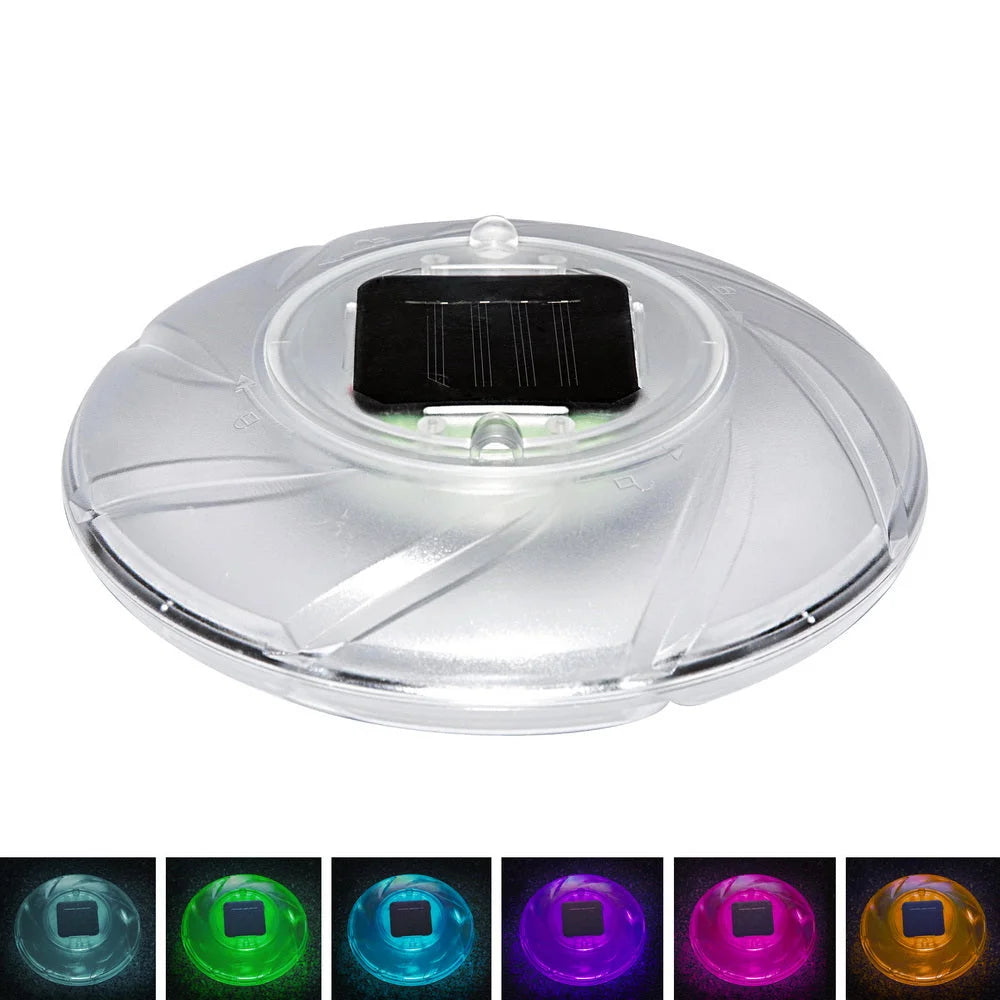
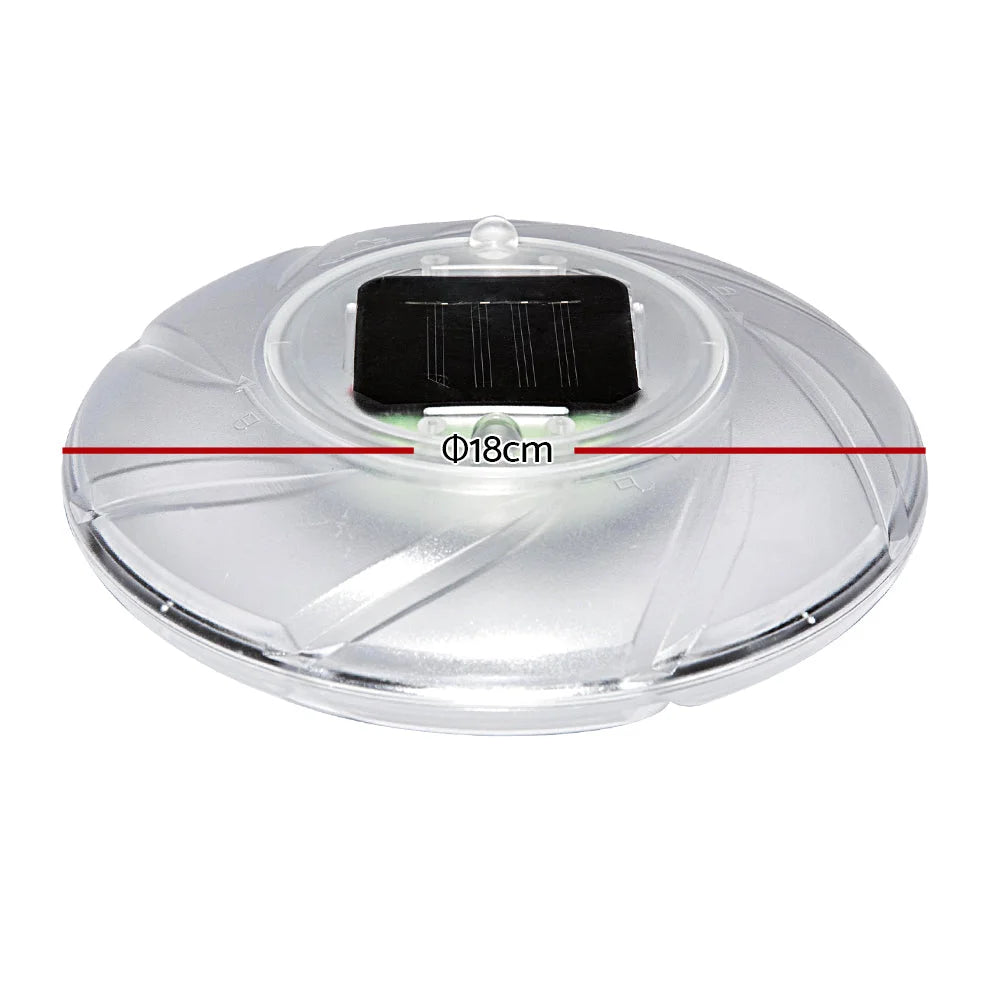
Solar Float Lamp LED Multi-Color for Pool Pools
Regular price $18.90 AUDRegular priceUnit price per$37.99 AUDSale price $18.90 AUDSale -

 Sale
LED High Bay Light 150W Industrial Workshop Warehouse Gym - Black
Regular price $60.90 AUDRegular priceUnit price per$94.99 AUDSale price $60.90 AUDSale -

 Sale
LED Festoon String Lights, 23 m, 20 Bulbs, S14, Wedding/Party/Christmas
Regular price $49.90 AUDRegular priceUnit price per$86.99 AUDSale price $49.90 AUDSale -
 Sale
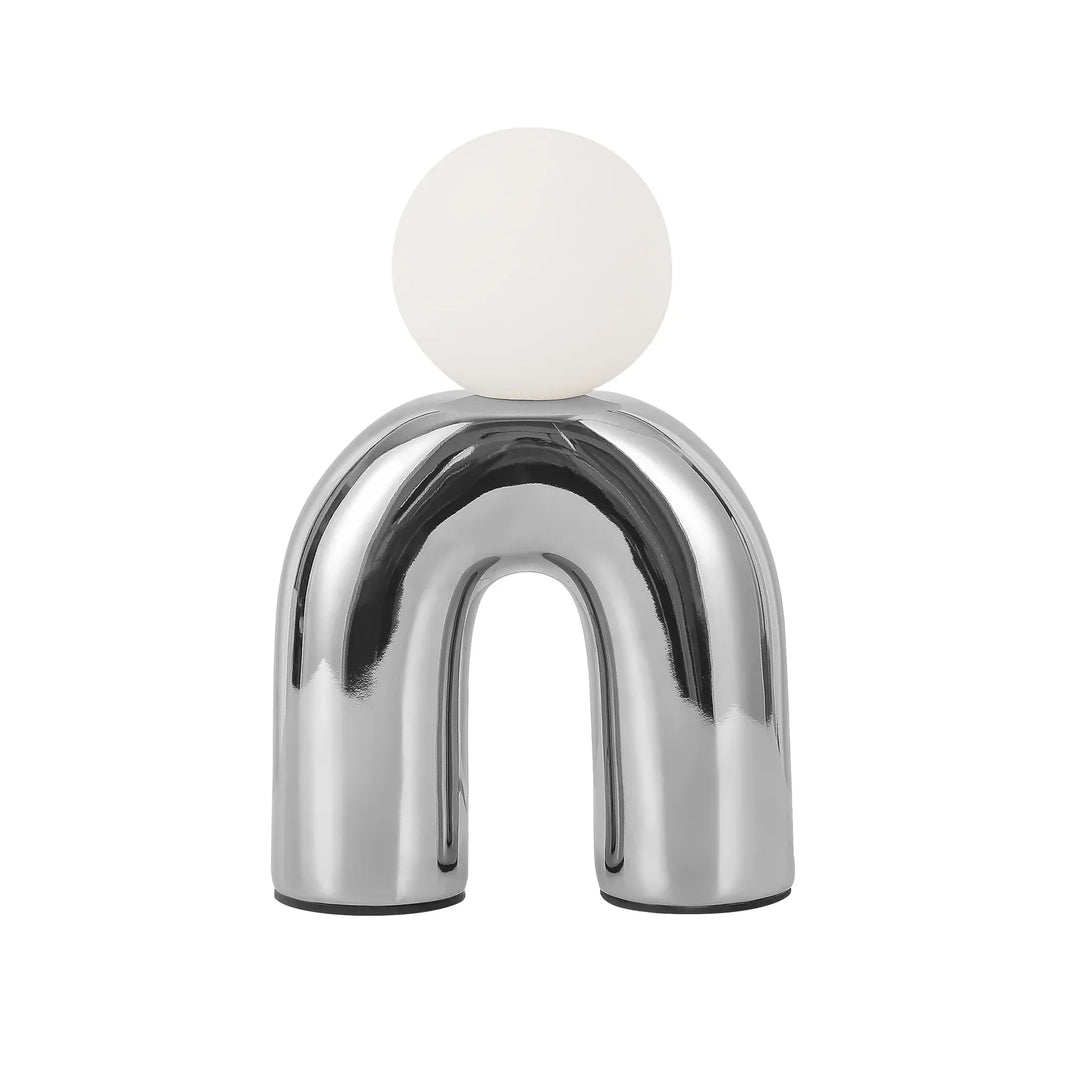
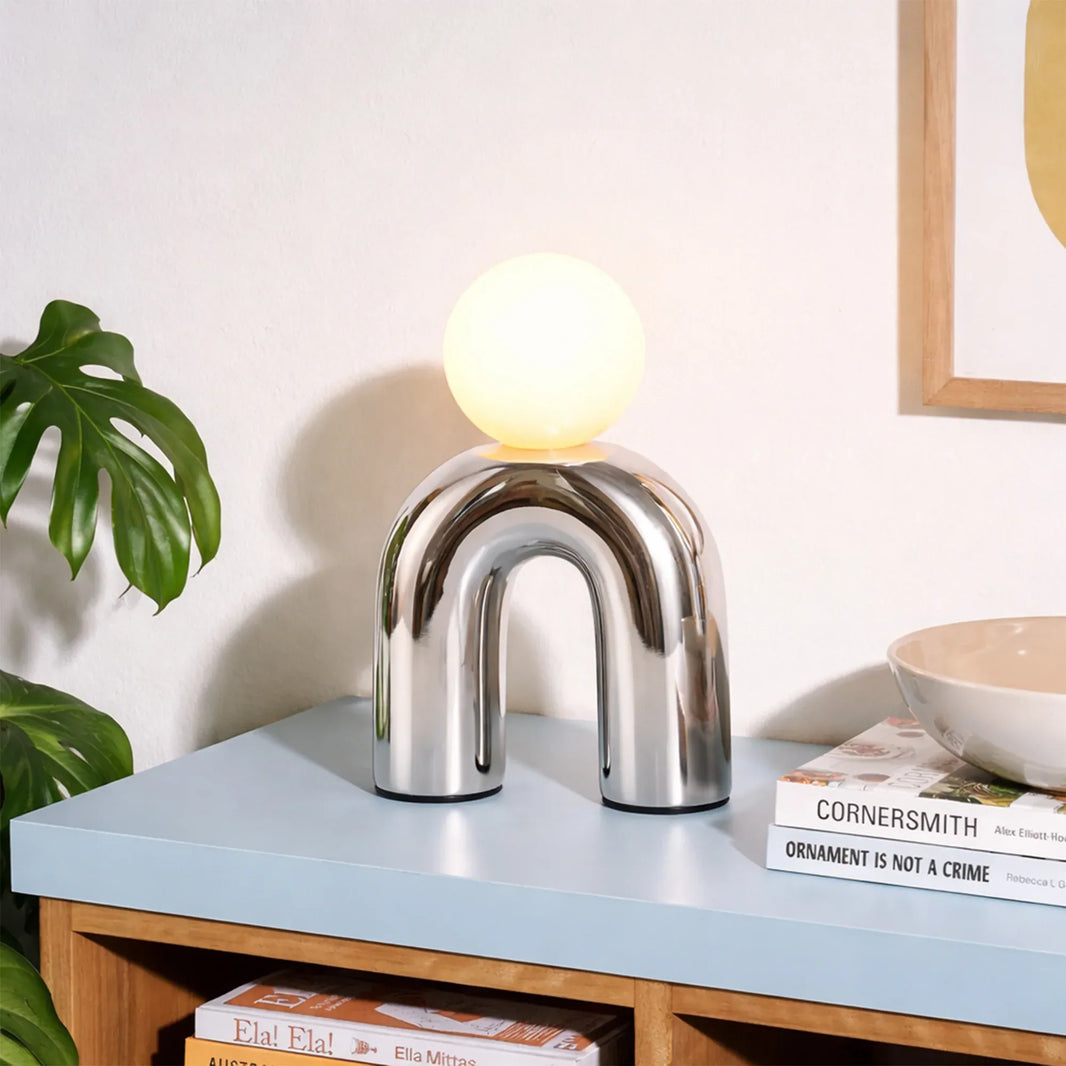
Mila Table Lamp - Chrome
Regular price $40.90 AUDRegular priceUnit price per$46.00 AUDSale price $40.90 AUDSale -
 Sale
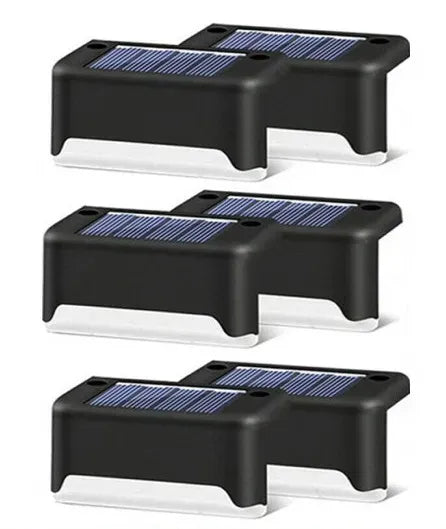
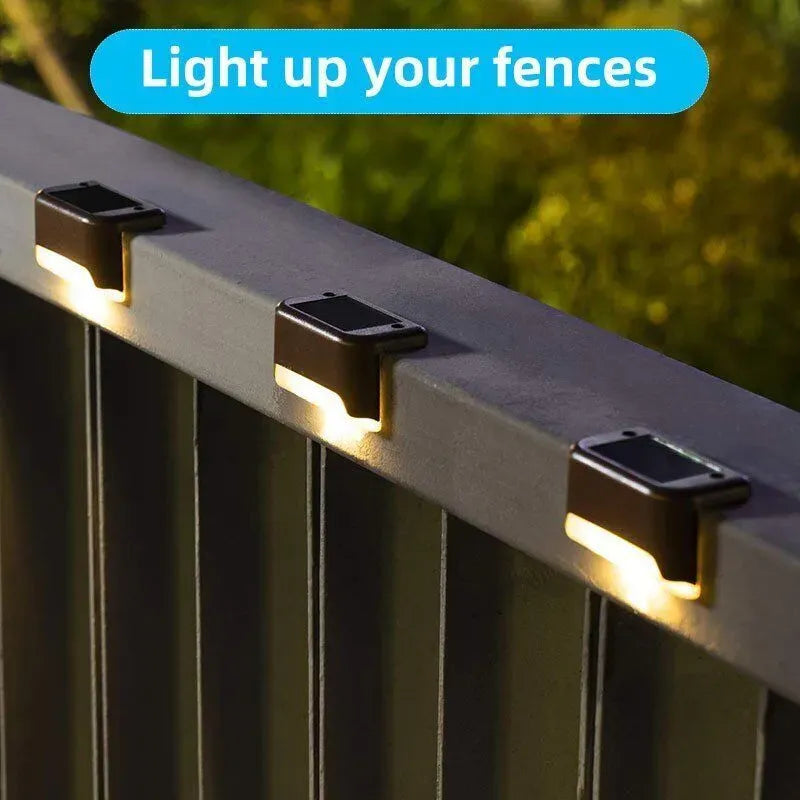
Multicoloured warm Solar LED Deck Lights - Black, 12-Pack, Waterproof Outdoor Lighting for Garden, Patio, Pathway, and Stairs
Regular price $40.90 AUDRegular priceUnit price per$61.95 AUDSale price $40.90 AUDSale -
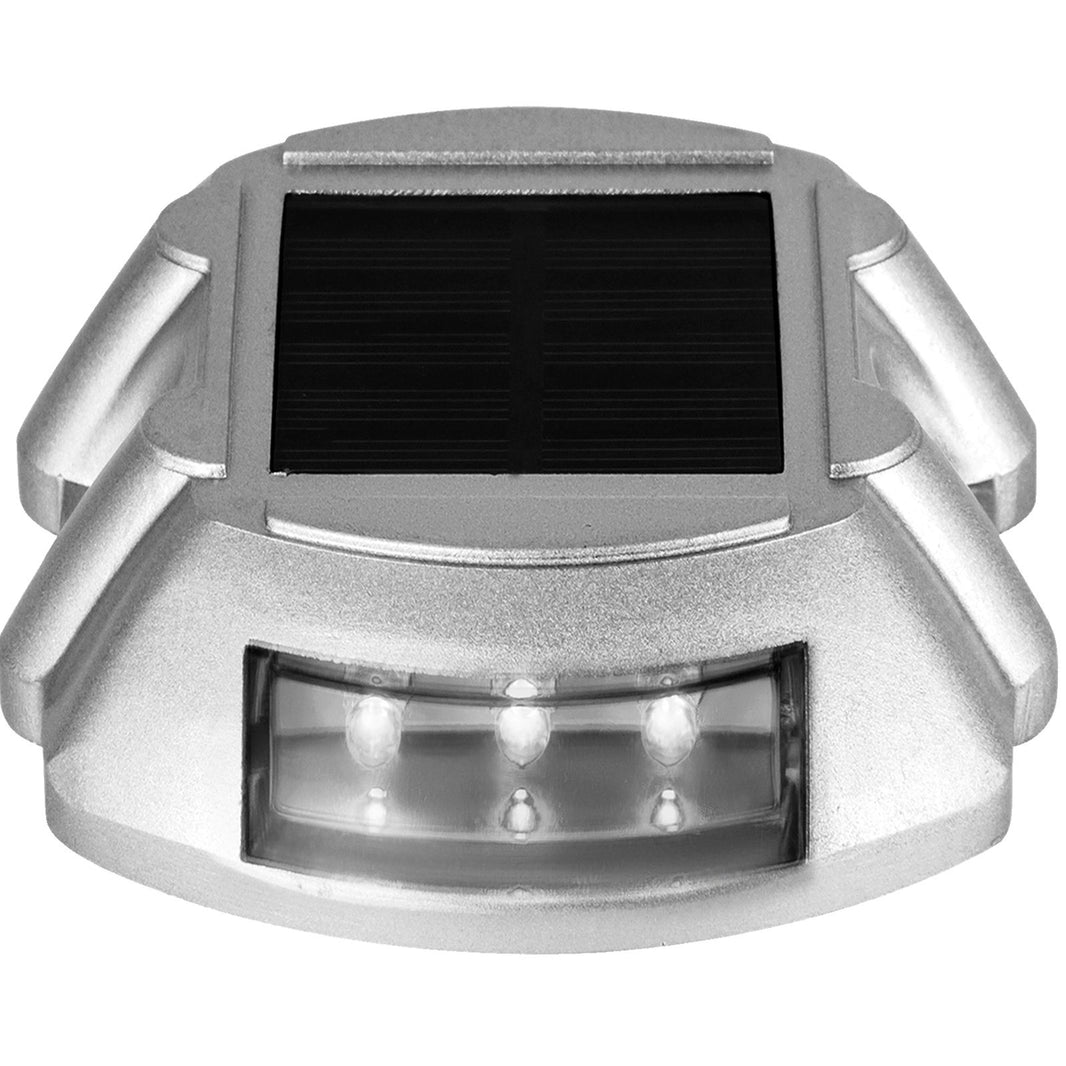
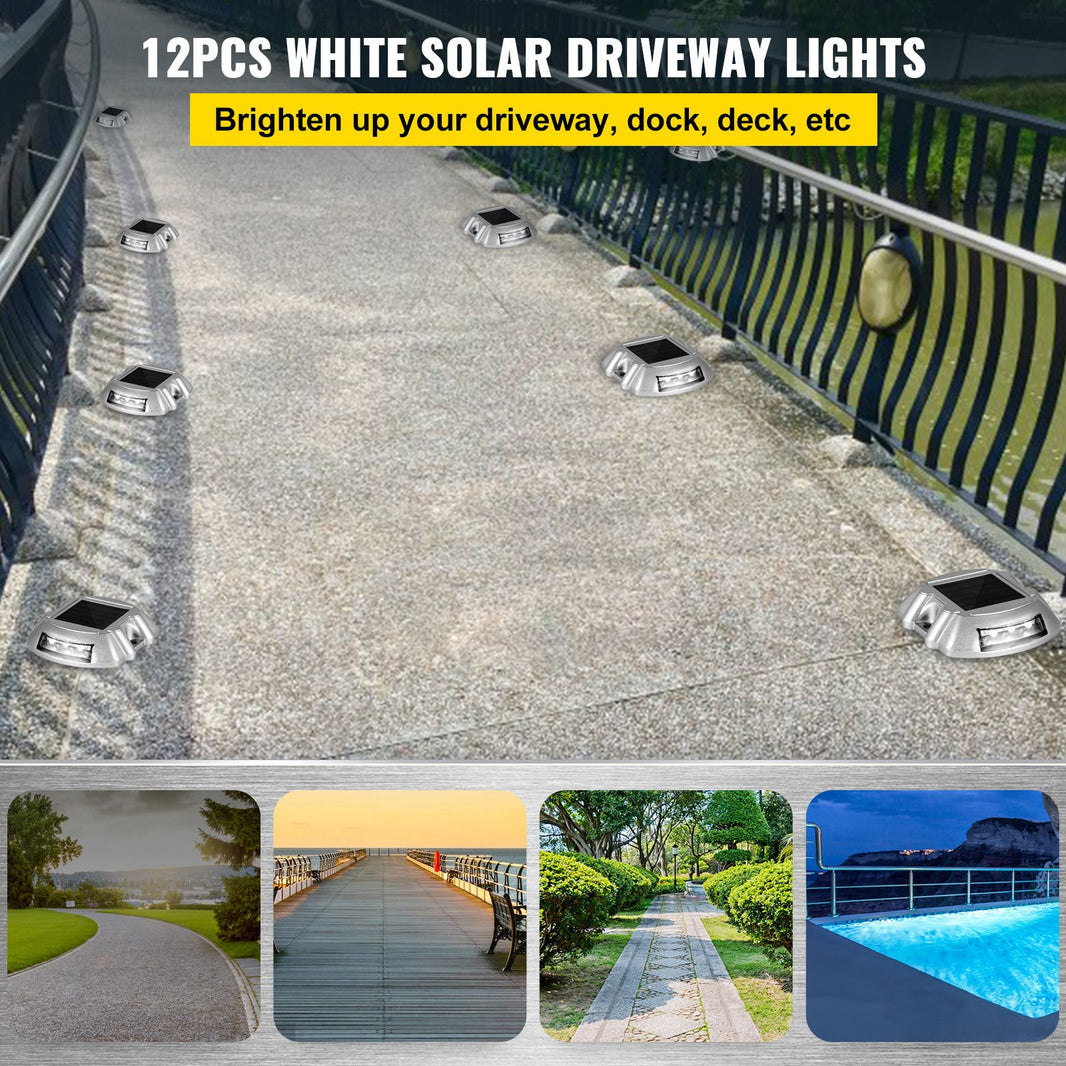
VEVOR Driveway Lights 12-Pack Solar Driveway Lights Bright White with Screws Solar Deck Lights Outdoor Waterproof Wireless Dock Lights 6 LEDs for Path Warning Garden Walkway Sidewalk Steps
Regular price $112.90 AUDRegular priceUnit price per$103.90 AUDSale price $112.90 AUD -

 Sale
White Mushroom LED Table Lamp - Rechargeable, 3-Color Touch Dimmable, USB-C
Regular price $41.90 AUDRegular priceUnit price per$80.00 AUDSale price $41.90 AUDSale -

 Sale
Orange Donut Table Lamp - Rechargeable Touch Control LED
Regular price $43.90 AUDRegular priceUnit price per$104.00 AUDSale price $43.90 AUDSale -

 Sale
Yellow Donut Table Lamp - Rechargeable Touch Control LED
Regular price $43.90 AUDRegular priceUnit price per$104.00 AUDSale price $43.90 AUDSale -
 Sale
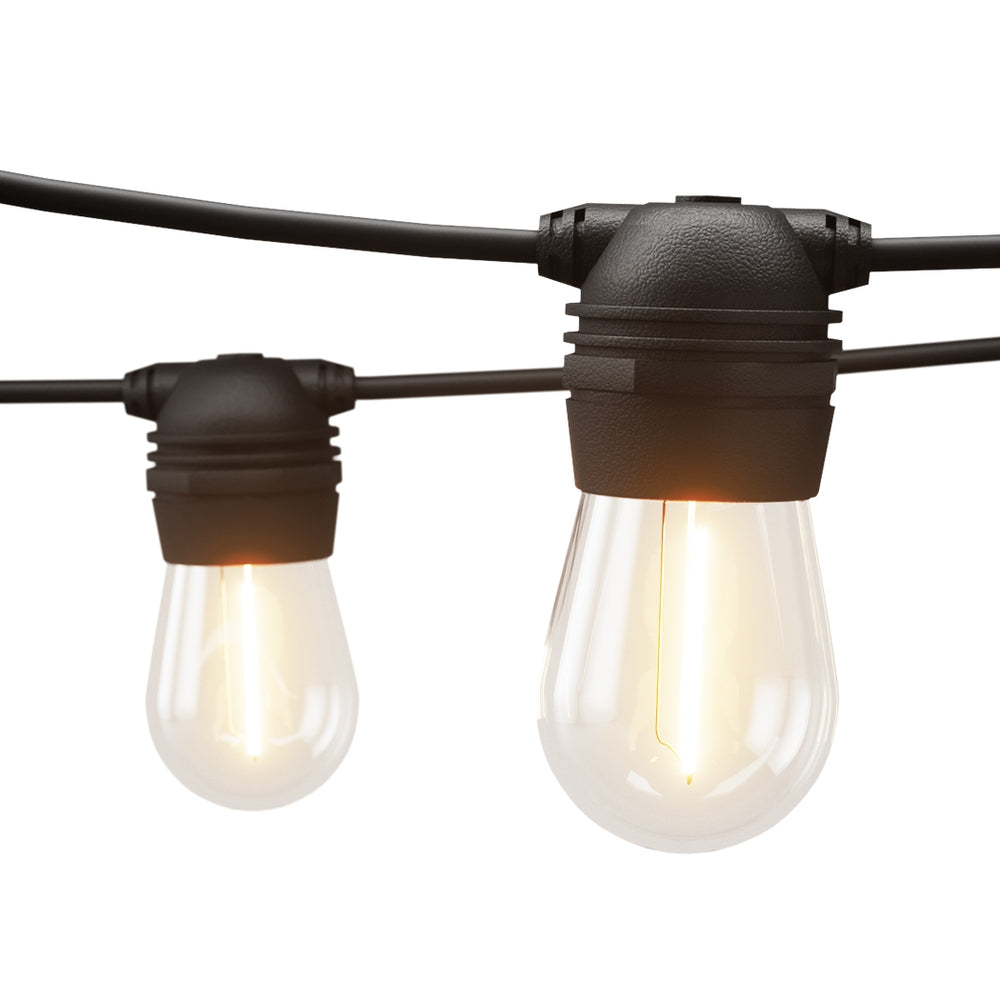
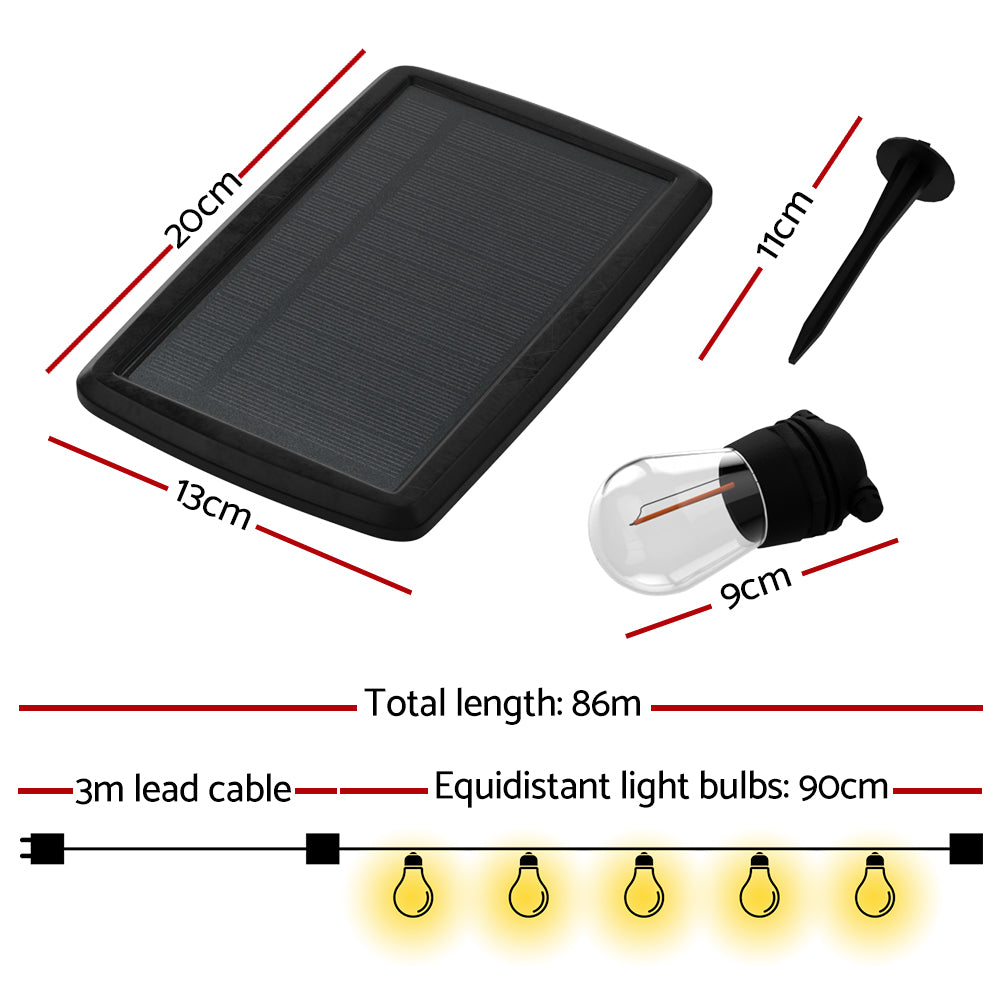
Solar Festoon Lights 86m Outdoor LED String Light Christmas Party
Regular price $192.90 AUDRegular priceUnit price per$332.99 AUDSale price $192.90 AUDSale -

 Sale
Shelf Floor Lamp Vintage Wood Reading Light Storage Organizer Home Office
Regular price $67.90 AUDRegular priceUnit price per$202.99 AUDSale price $67.90 AUDSale -

 Sale
LED Festoon String Lights, 23 m, 20 Bulbs, A19, Wedding/Party/Christmas
Regular price $59.90 AUDRegular priceUnit price per$99.99 AUDSale price $59.90 AUDSale -

 Sale
Lane table lamp white
Regular price $191.90 AUDRegular priceUnit price per$229.00 AUDSale price $191.90 AUDSale -
 Sale
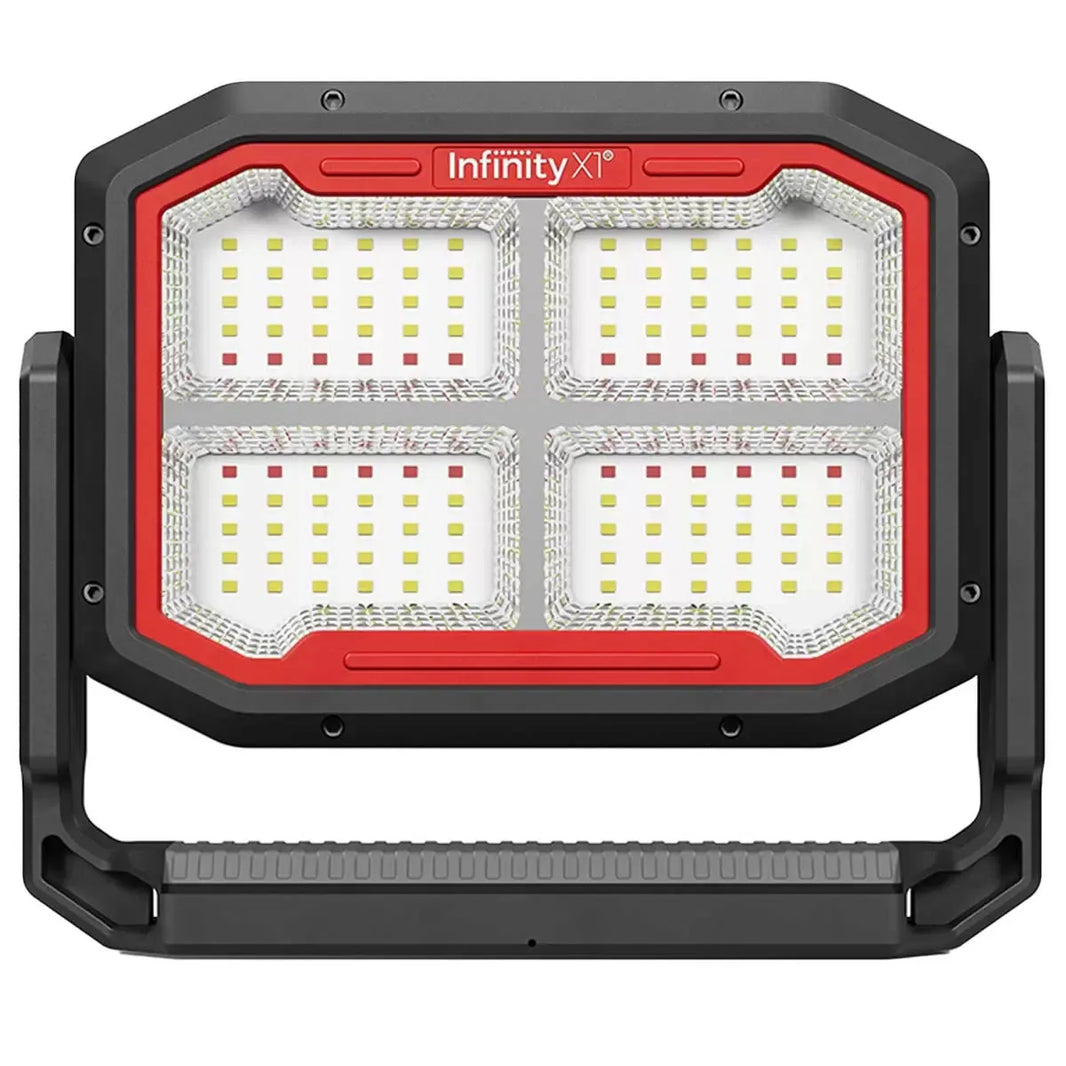
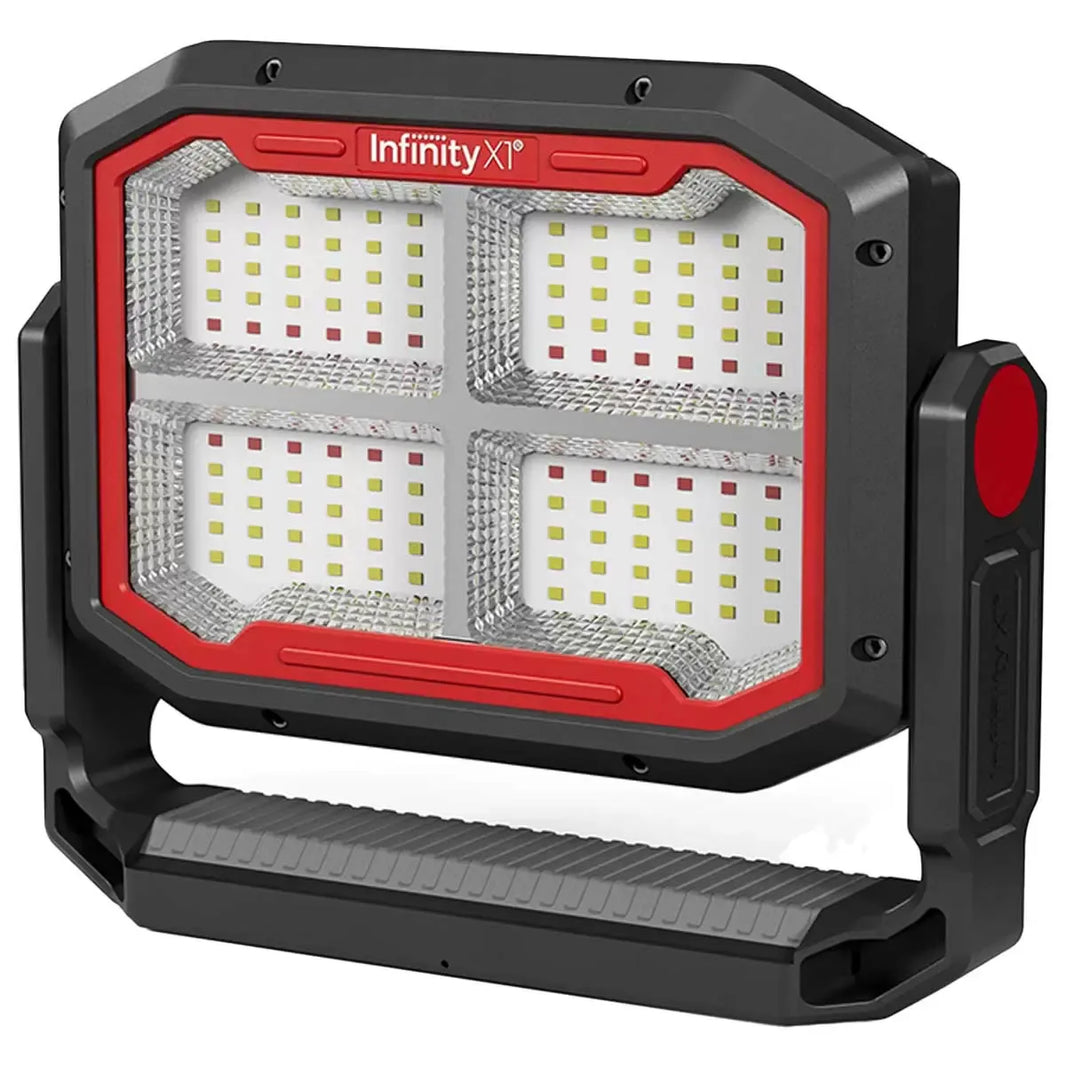
Black Dual Powered Solar Work Light 3000 Lumen with Adjustable Kelvin Settings
Regular price $104.90 AUDRegular priceUnit price per$159.95 AUDSale price $104.90 AUDSale -
 Sale
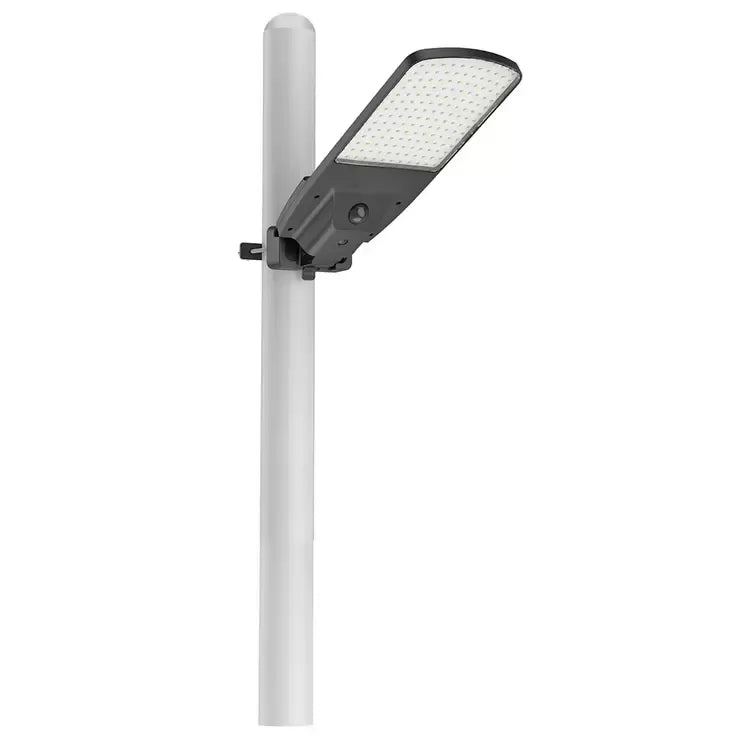
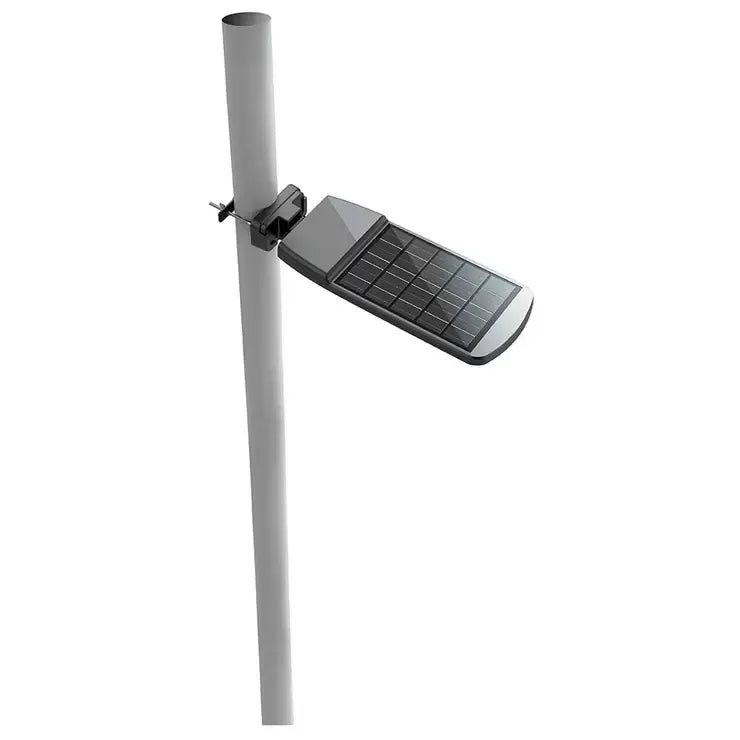
Metal Grey Solar Street Light with 5000 Lumens, Metal Construction, Motion Activated, Solar Rechargeable
Regular price $121.90 AUDRegular priceUnit price per$186.95 AUDSale price $121.90 AUDSale -
 Sale
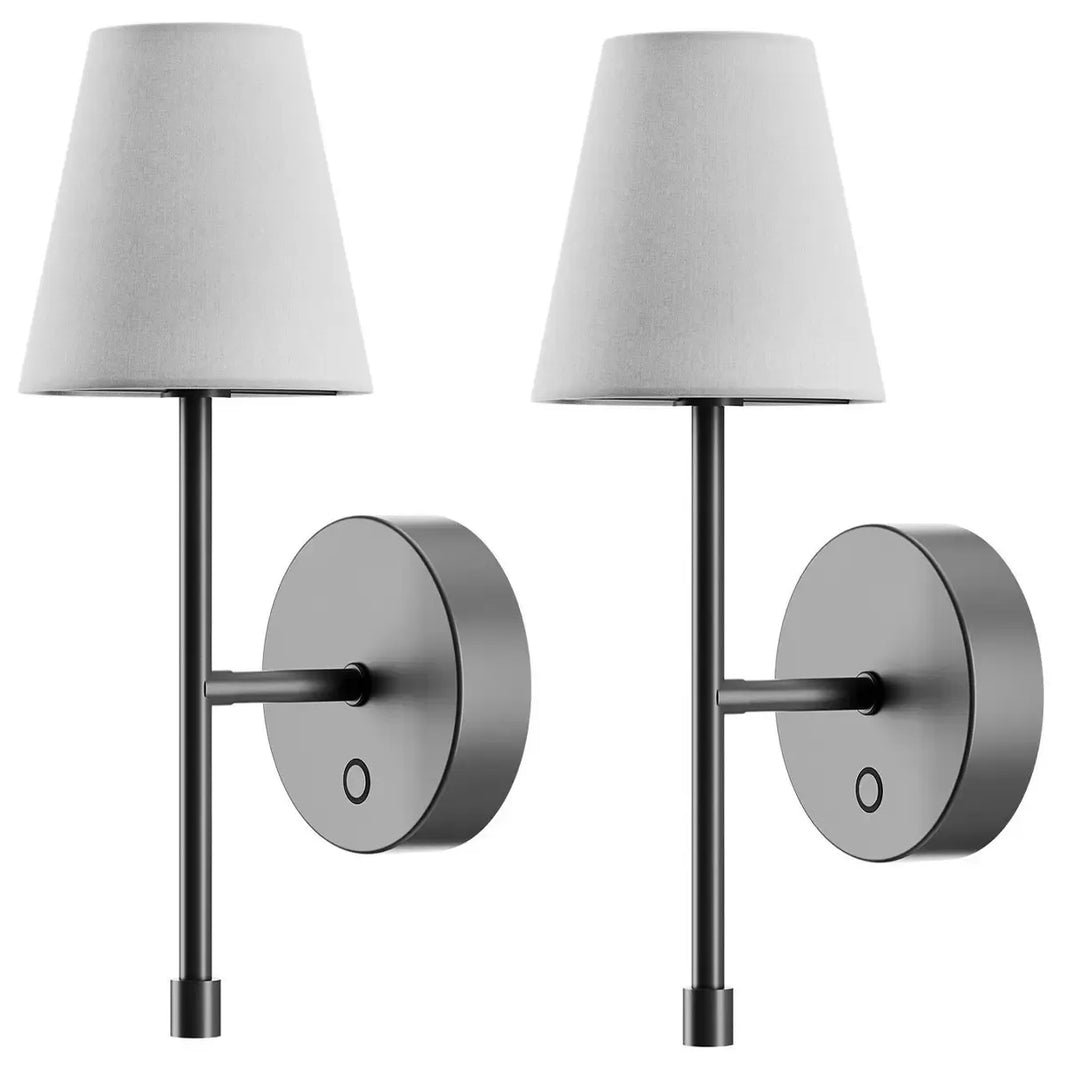
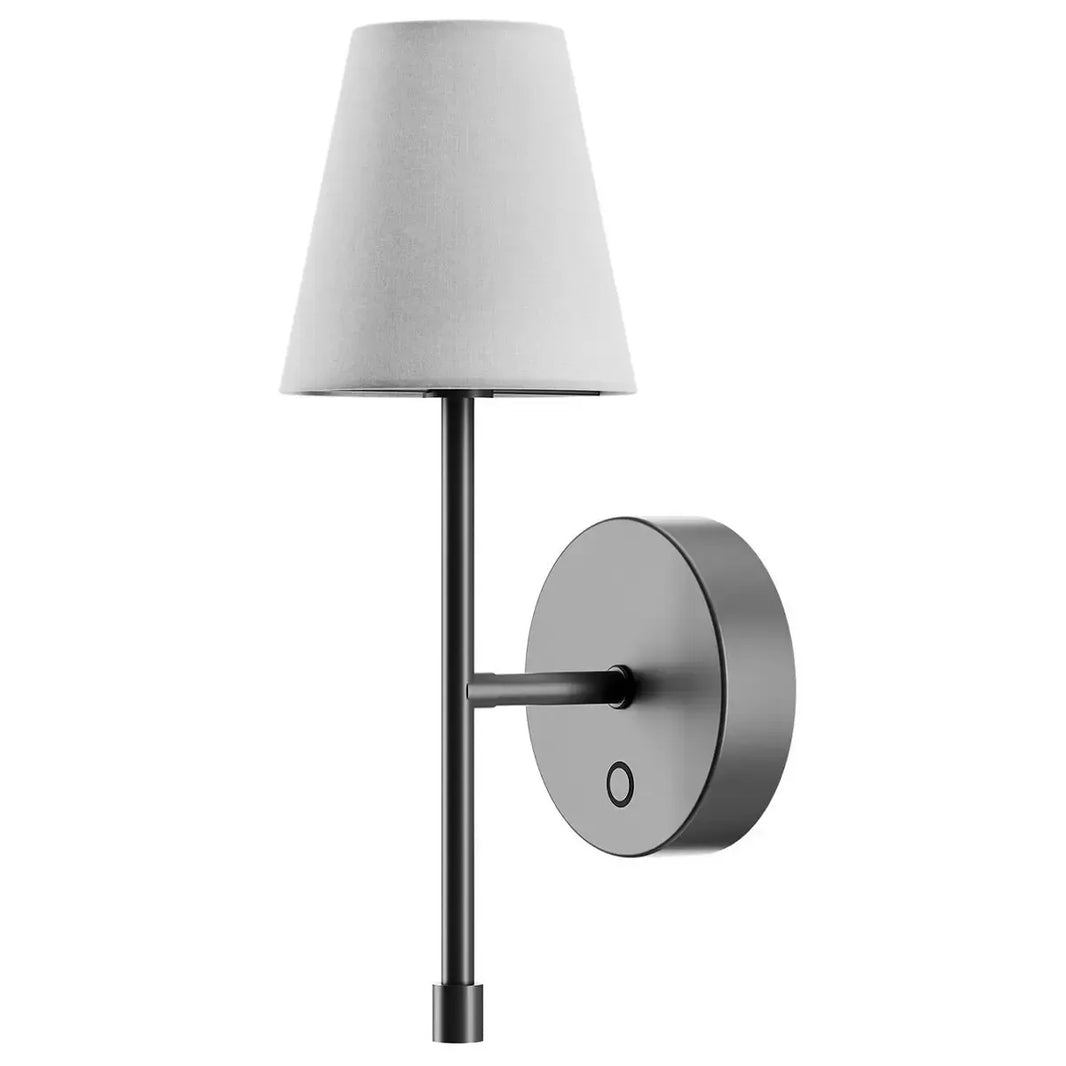
LED Wall Sconce Wireless Light 2-Pack - Black Finish with White Fabric Shade
Regular price $104.90 AUDRegular priceUnit price per$159.95 AUDSale price $104.90 AUDSale -
 Sale
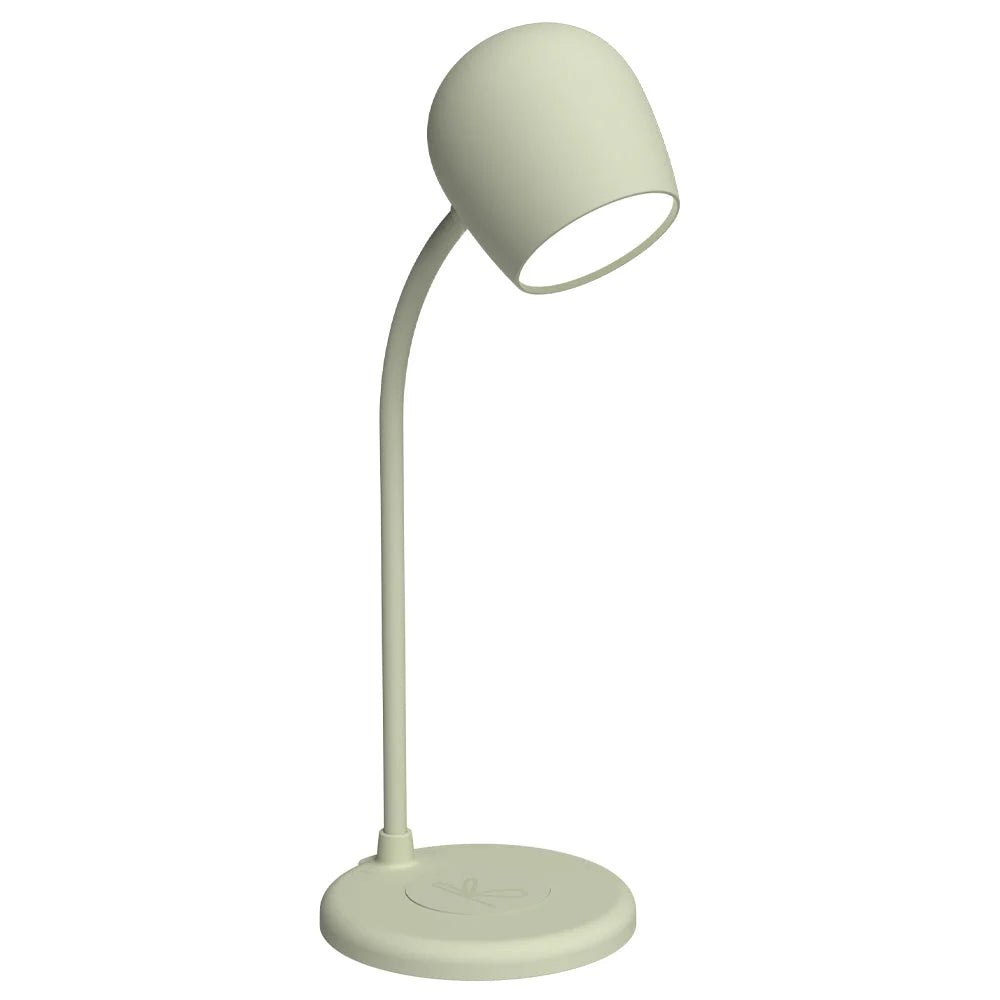
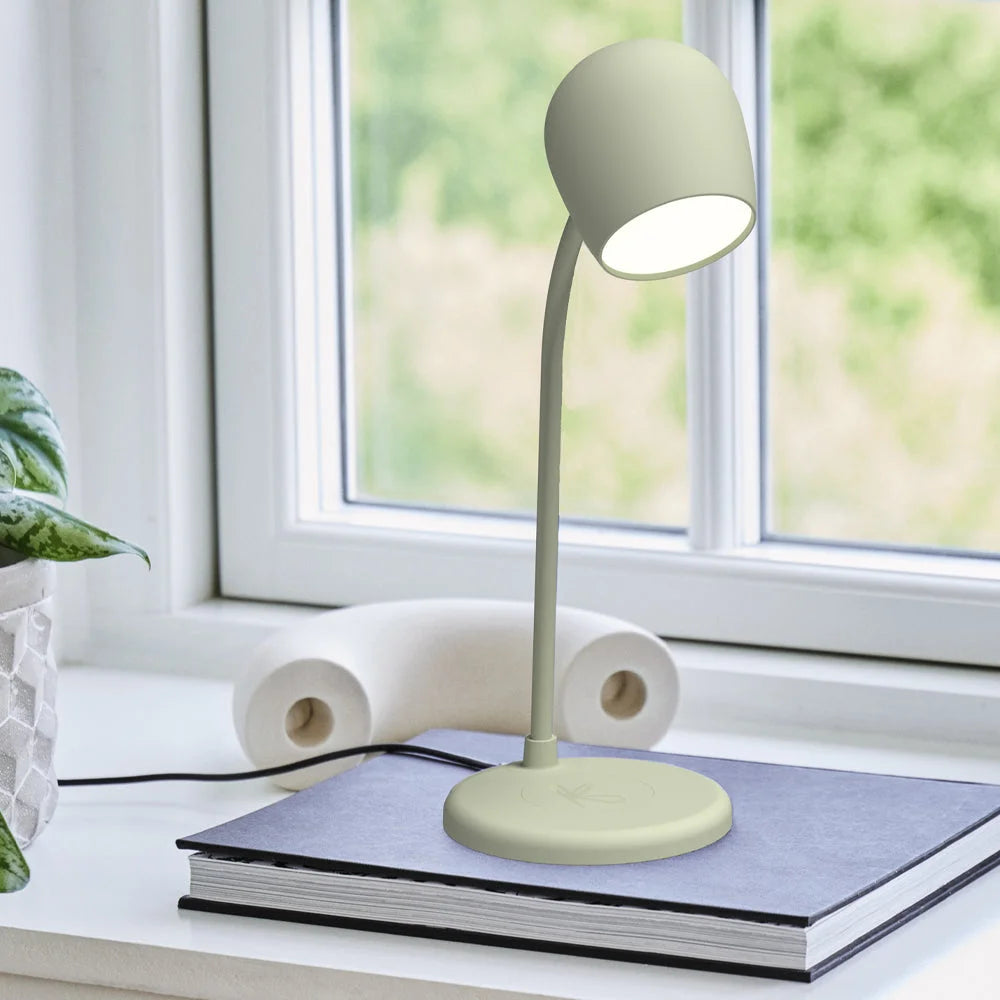
Kreafunk Ellie Lamp W/ Qi Charger And Bluetooth Speaker - Dusty Olive
Regular price $121.90 AUDRegular priceUnit price per$149.95 AUDSale price $121.90 AUDSale -
 Sale
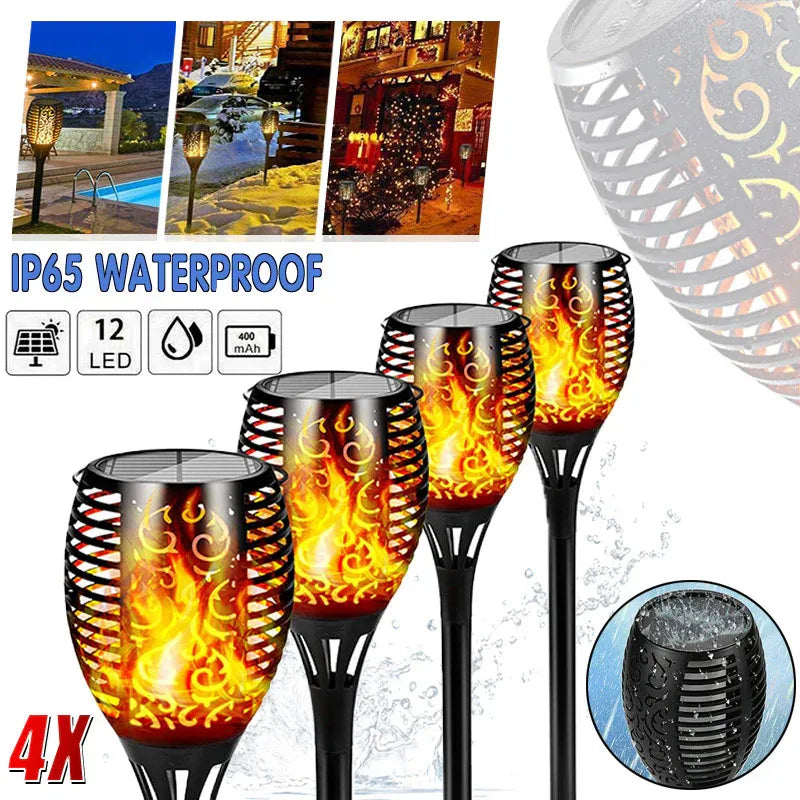
4pcs LED Solar Flickering Flame Torch Lights Outdoor Garden Path Landscape Lamps
Regular price $31.90 AUDRegular priceUnit price per$38.85 AUDSale price $31.90 AUDSale -


Sarantino Ceramic Table Lamp With Striped Pattern In Antique Black
Regular price $63.90 AUDRegular priceUnit price per -
 Sale
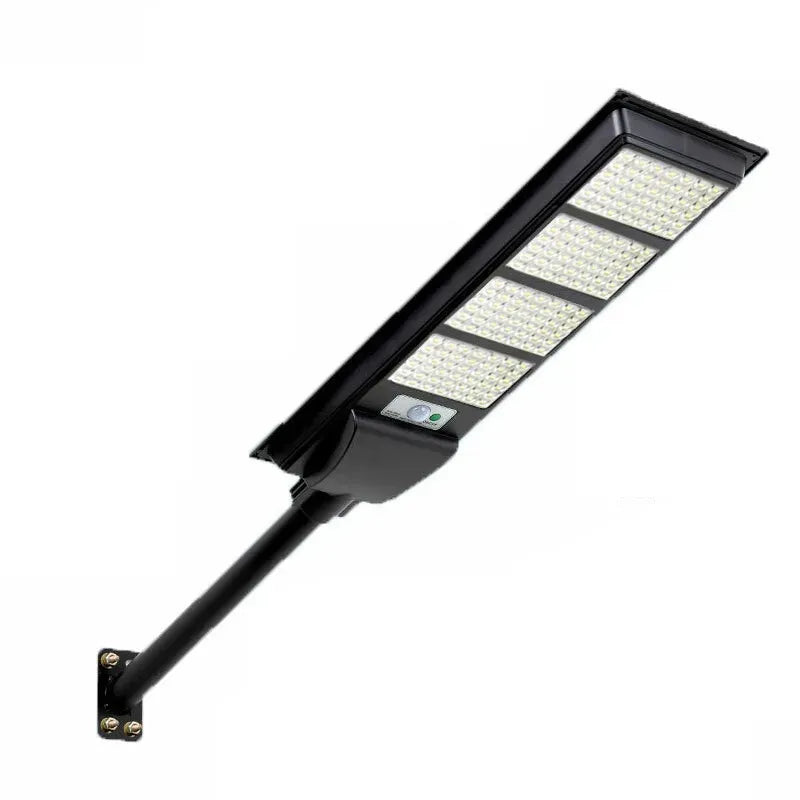
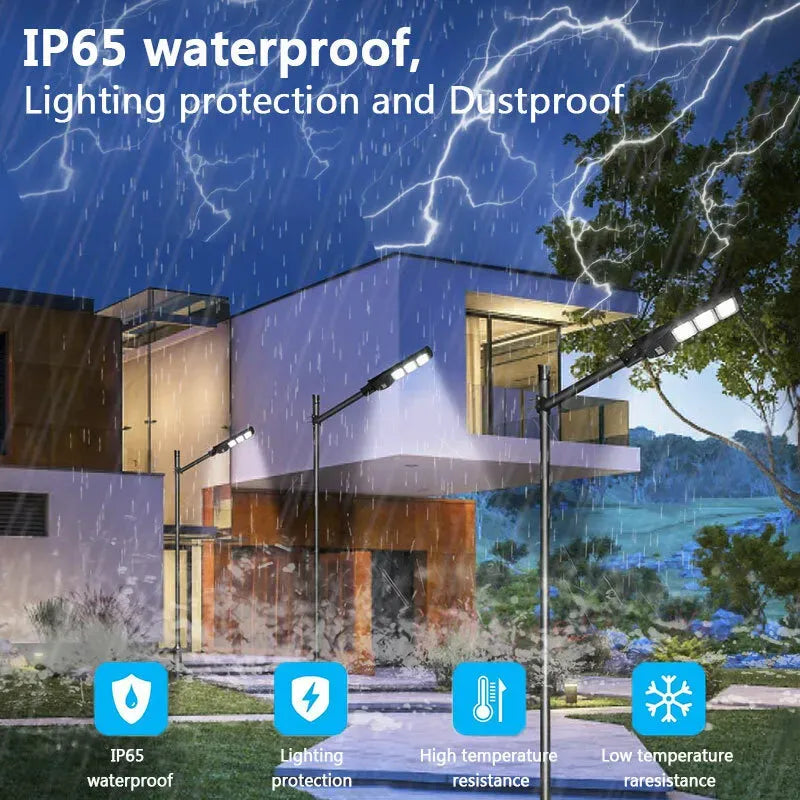
Solar LED Street Light with Radar Sensor, Black, 640W, Outdoor Flood Lamp
Regular price $183.90 AUDRegular priceUnit price per$280.95 AUDSale price $183.90 AUDSale -

 Sale
Curtain Fairy Lights, 300 LEDs, Multicoloured
Regular price $22.70 AUDRegular priceUnit price per$62.70 AUDSale price $22.70 AUDSale -

 Sale
Curtain Fairy Lights, 500 LEDs, Cool White
Regular price $29.70 AUDRegular priceUnit price per$79.70 AUDSale price $29.70 AUDSale -

 Sale
Curtain Fairy Lights, 300 LEDs, Cool White
Regular price $22.70 AUDRegular priceUnit price per$62.70 AUDSale price $22.70 AUDSale


Related reading


A reading corner, kitchen bench and garden path need different kinds of light. Build your plan around those activities before choosing the shape of a fitting. This lighting hub brings together portable lamps, ceiling fittings, outdoor lights and ambient lighting, with separate routes for the practical decisions each type involves.
1. Start with the task and the light direction
A shaded table lamp can create a small pool of light beside a chair; a ceiling fitting spreads light from above; a strip can pick out the edge of shelving. Mark where you read, work and move through the room. Adding light close to the activity can be more useful than making every overhead light brighter.
2. Balance brightness, colour and glare
Compare light output in lumens and the shade of white in kelvin. A visible bulb or exposed LED can feel harsh when it sits directly in your line of sight. Think about the shade, diffuser and position as well as the light source. Use separate controls where you want to change the atmosphere without losing task lighting.
3. Choose the right installation route
Portable lamps need a convenient power or charging point; fixed fittings need installation planning. Have hard-wired electrical work carried out by a licensed electrician. Outdoor positions also need products suited to the particular exposure. Follow the specialist links below to separate decorative light from task light and indoor equipment from outdoor equipment.
Further reading: Energy Rating: choosing the right light bulb · Queensland Electrical Safety Office: electrical work at home
Further reading: https://www.yourhome.gov.au/energy/lighting
Useful answers
Lighting: your questions
Why does a room still feel dark with a bright ceiling light?
The light may be missing the places where you need it. A person, shelf or cupboard can cast a shadow over a reading chair or work surface. Plan a nearby task light for that activity, then use general lighting for movement around the room and a separate decorative light where wanted.
Should every light in one room have the same colour temperature?
Matching the colour temperature of lamps used together can give a more consistent appearance. Separate zones can use different light if that suits their purpose, but consider the view between them: a cool desk lamp beside a warm shaded lamp will create a visible contrast even when their brightness is similar.
Is it better to control all the room lights together?
Separate controls let you leave useful light on while changing the atmosphere elsewhere. For example, the reading lamp can remain on when overhead light is reduced. Decide which lights you want to use independently before choosing fittings, smart controls or dimmers; compatibility depends on the complete lighting arrangement.