
Kids Tables & Chairs
A child-sized table works best when the seat, legroom and activity surface fit together. Compare the set as a whole, including how many children can sit comfortably and where paper, crayons or craft pieces will go.
Shop the collection
-
Kids Table Chair Set 3PC Nordic Desk Activity Study Play for Children - Modern
Regular price $93.90 AUDRegular priceUnit price per$199.99 AUDSale price $93.90 AUDSale -
Kids Recliner Chair PU Leather Sofa Lounge Couch - Pink
Regular price $105.90 AUDRegular priceUnit price per$167.99 AUDSale price $105.90 AUDSale -
Kids Vanity Dressing Table Stool Set Mirror Princess Makeup - White
Regular price $60.90 AUDRegular priceUnit price per$132.99 AUDSale price $60.90 AUDSale -
Kids Desk Chair - Children Office Study Seat with Footrest CILO - Pink
Regular price $130.90 AUDRegular priceUnit price per$199.00 AUDSale price $130.90 AUDSale -
Children's Chair Hand Carved Wooden Train Locomotive Theme
Regular price $33.90 AUDRegular priceUnit price per$60.00 AUDSale price $33.90 AUDSale -
Medium Round Table and 2 Toddler Chairs
Regular price $312.90 AUDRegular priceUnit price per$349.80 AUDSale price $312.90 AUDSale -
Kids Table and Chair Set Wooden Activity Table with Storage Space & Boxes
Regular price $131.90 AUDRegular priceUnit price per$121.90 AUDSale price $131.90 AUD -
3-Piece Kids Table and Chairs Set in White with Storage, 60x60x48cm
Regular price $206.90 AUDRegular priceUnit price per$315.95 AUDSale price $206.90 AUDSale -
Keezi Kids Table and Chair Set, 4 in 1 Wooden Activity Table with Bookcase, Storage Box and Detachable Blackboard, Toddler Table and 2 Chairs Set, Grey
Regular price $99.90 AUDRegular priceUnit price per$199.99 AUDSale price $99.90 AUDSale -
Keezi 3PCS Kids Table and Chairs Set Storage Toys Play Activity Desk
Regular price $92.90 AUDRegular priceUnit price per$166.99 AUDSale price $92.90 AUDSale -
Keezi 2 in 1 Kids Table and Chair Set, Activity Table with Storage Bench and 2 Chairs for Reading, Drawing, Writing, Snack Time & Arts Crafts, 4 PCS Toddler Table and Chair Set, Grey
Regular price $117.90 AUDRegular priceUnit price per$226.99 AUDSale price $117.90 AUDSale -
Keezi Kids Table and Chair Set, 4 in 1 Wooden Activity Table with Bookcase, Storage Box and Detachable Blackboard, Toddler Table and 2 Chairs Set, Natural
Regular price $108.90 AUDRegular priceUnit price per$199.99 AUDSale price $108.90 AUDSale -
Keezi 2 in 1 Kids Table and Chair Set, Activity Table with Storage Bench and 2 Chairs for Reading, Drawing, Writing, Snack Time & Arts Crafts, 4 PCS Toddler Table and Chair Set, Natural
Regular price $124.90 AUDRegular priceUnit price per$226.99 AUDSale price $124.90 AUDSale -
Keezi Kids Travel Tray Car Seat Lap Desk Portable Car Desk Organiser for Car & Airplane Pink
Regular price $45.90 AUDRegular priceUnit price per$82.99 AUDSale price $45.90 AUDSale -
Keezi Kids Travel Tray Car Seat Lap Desk Portable Car Desk Organiser for Car & Airplane Blue
Regular price $40.90 AUDRegular priceUnit price per$82.99 AUDSale price $40.90 AUDSale -
Keezi Kids Travel Tray Car Seat Lap Desk Portable Car Desk Organiser for Car & Airplane Grey
Regular price $42.90 AUDRegular priceUnit price per$82.99 AUDSale price $42.90 AUDSale -
Kids Table Chair Set 3PC Nordic Desk Compact Activity - White
Regular price $160.90 AUDRegular priceUnit price per$256.99 AUDSale price $160.90 AUDSale -
Kid Chair Cushion High Seat Pad Baby Pink
Regular price $51.70 AUDRegular priceUnit price per$76.70 AUDSale price $51.70 AUDSale -
Levede Kids Floor Chair Foam Sofa Replica Single Lazy Recliner Children Couch
Regular price $170.70 AUDRegular priceUnit price per$256.70 AUDSale price $170.70 AUDSale -
Levede Kids Table and Chairs Set 3-in-1 Chalkboard Storage Learning Dining Desk
Regular price $253.70 AUDRegular priceUnit price per$380.70 AUDSale price $253.70 AUDSale -
Bopeep Kids Table and Chairs Set Wooden 3PCS Study Play
Regular price $195.70 AUDRegular priceUnit price per$339.70 AUDSale price $195.70 AUDSale -
Kid Chair Cushion High Seat Pad Baby Black
Regular price $51.70 AUDRegular priceUnit price per$91.70 AUDSale price $51.70 AUDSale -
Kid Chair Cushion High Seat Pad Baby Beige
Regular price $48.70 AUDRegular priceUnit price per$94.70 AUDSale price $48.70 AUDSale -
Keezi Kids Dressing Table Vanity Makeup Chair Set with Mirror Drawers Wooden Legs
Regular price $73.90 AUDRegular priceUnit price per$122.99 AUDSale price $73.90 AUDSale
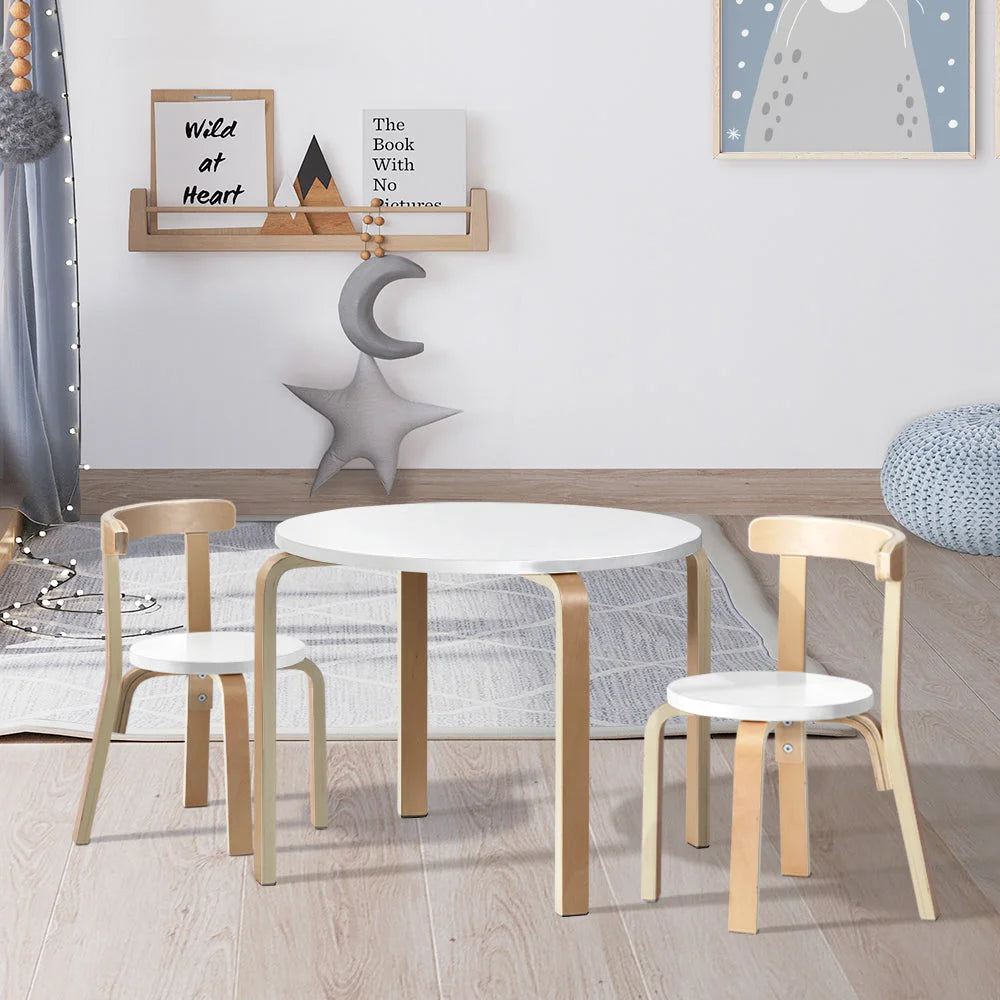




Match the seat to the tabletop
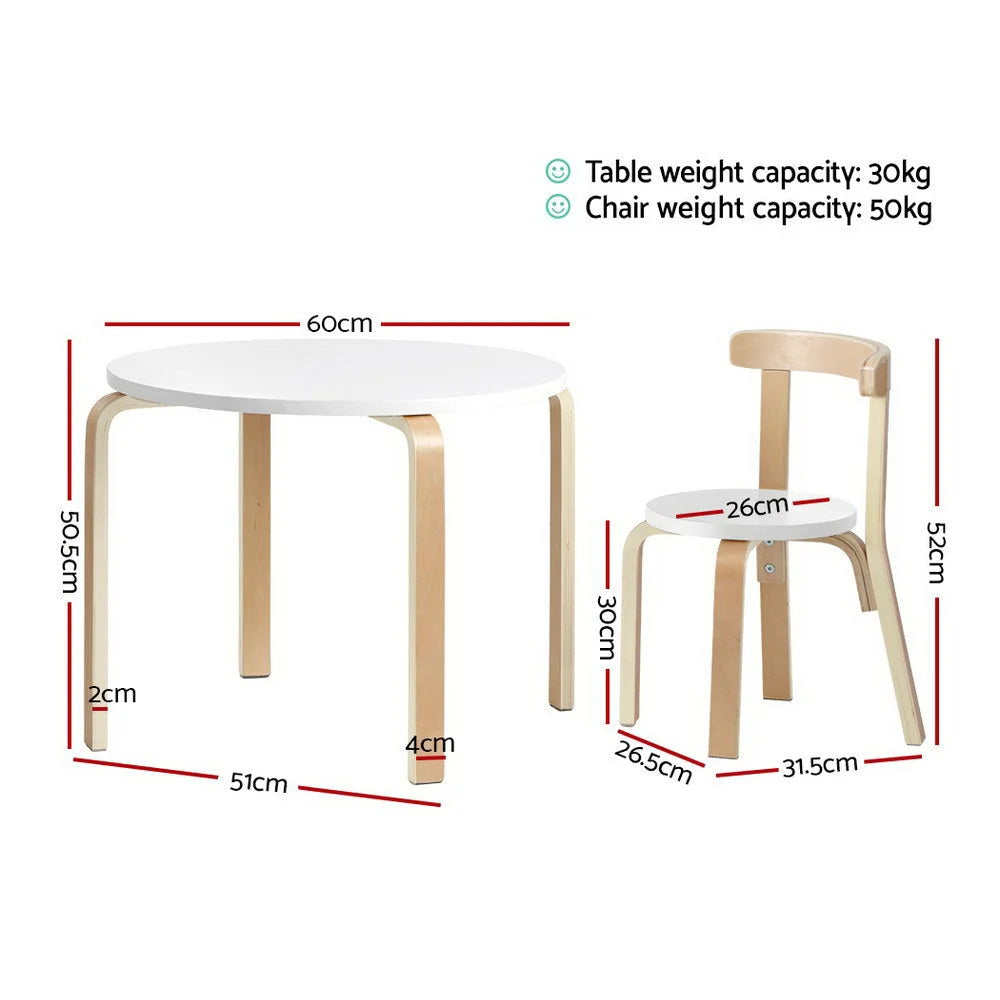
A child should be able to reach the work surface without perching on the chair edge. Check seat height against table height and look beneath the tabletop for aprons or storage bins that reduce knee room. A listed table height alone does not show the usable clearance.
Choose a surface for the activity
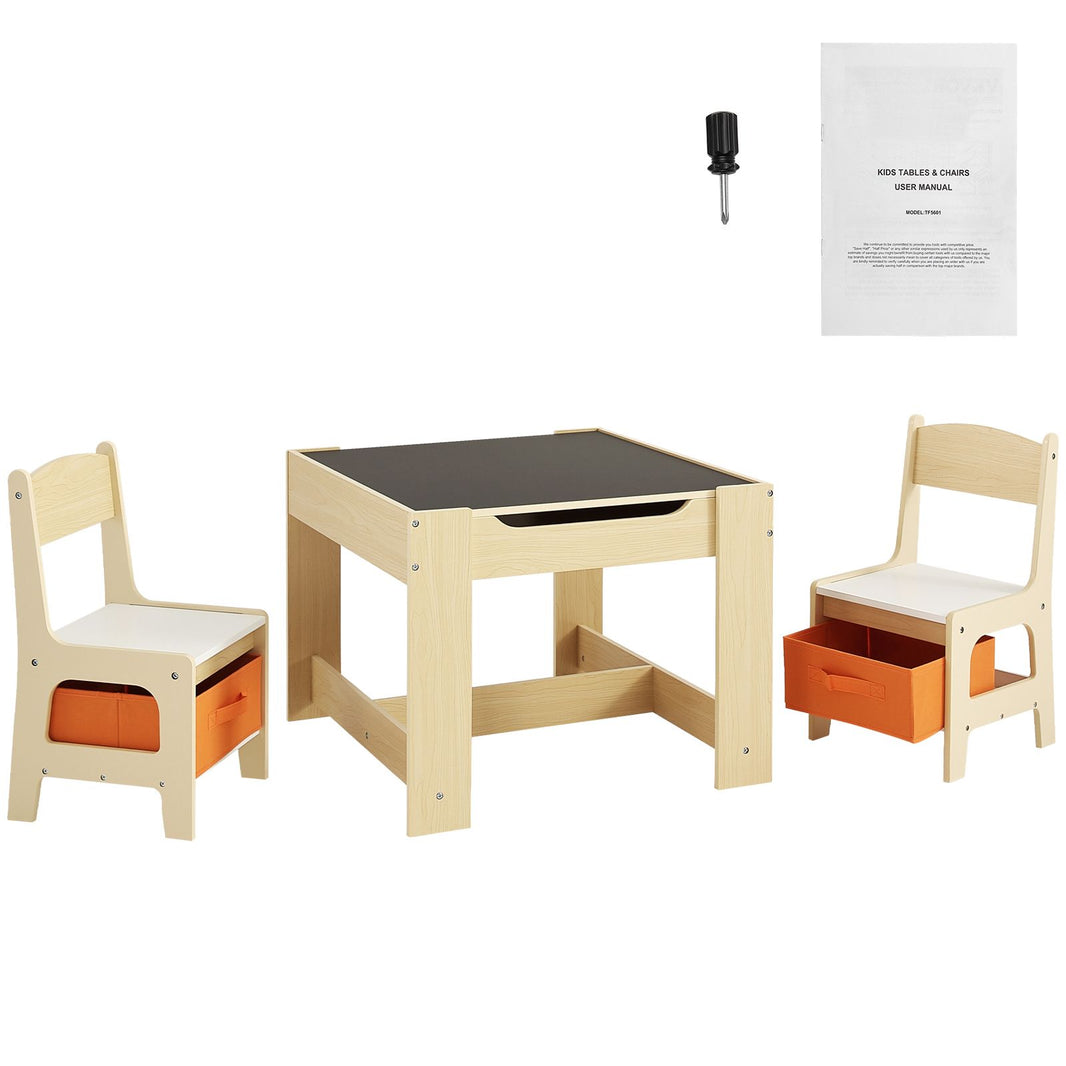
Crafts, building pieces and meals leave different kinds of mess. Consider joins, raised edges and recessed trays: they can help contain supplies but also create corners to clean. A reversible or storage-topped design needs a clear place for loose parts while the surface is changed. Follow the finish’s care instructions rather than assuming every tabletop tolerates water or paint.
Decide whether storage belongs underneath
Built-in boxes keep supplies close but can interrupt legroom or need space to slide out. A plain tabletop with separate storage is easier to rearrange. Recliners and dressing-table sets are different seating activities, so choose the specific furniture format rather than assuming every item is a study set.
Leave space for two activities
For shared use, place two actual colouring books or activity trays on a surface of the planned size. Add the supplies that will sit between them. This simple mock-up shows whether the set has enough usable area or whether a nearby storage caddy would free the tabletop.
Further reading: ACCC — Toppling furniture and televisions guide
Useful answers
Questions about kids tables and chairs
Which measurements matter most when pairing a kids chair with a table?
Compare seat height with the underside of the tabletop, not just the table’s overall height. Rails, drawers and storage trays can take away knee space. Also allow room for the chair to move in and out. The aim is a reachable work surface and usable legroom for the child who will sit there now.
How can I judge whether a kids activity table is big enough for two?
Lay out two colouring books, puzzles or activity trays within the proposed tabletop dimensions. Add the cups, crayons or shared pieces that will sit between them. Check where each child’s elbows and chair will go. A table sold with two chairs may still feel crowded for a particular activity or for larger materials.
Is built-in storage under a kids table worth having?
It can keep materials close, especially if they fit the supplied bins. The trade-off is space for legs and for pulling the storage out. Compare the clearance with the bins both in place and open. A plain table with a separate caddy can be easier to rearrange when the activity uses large sheets or trays.