
Dog Supplies
Plan the small routines that make life with your dog work: heading out, resting at home, play, meals and toilet breaks.
Shop the collection
-
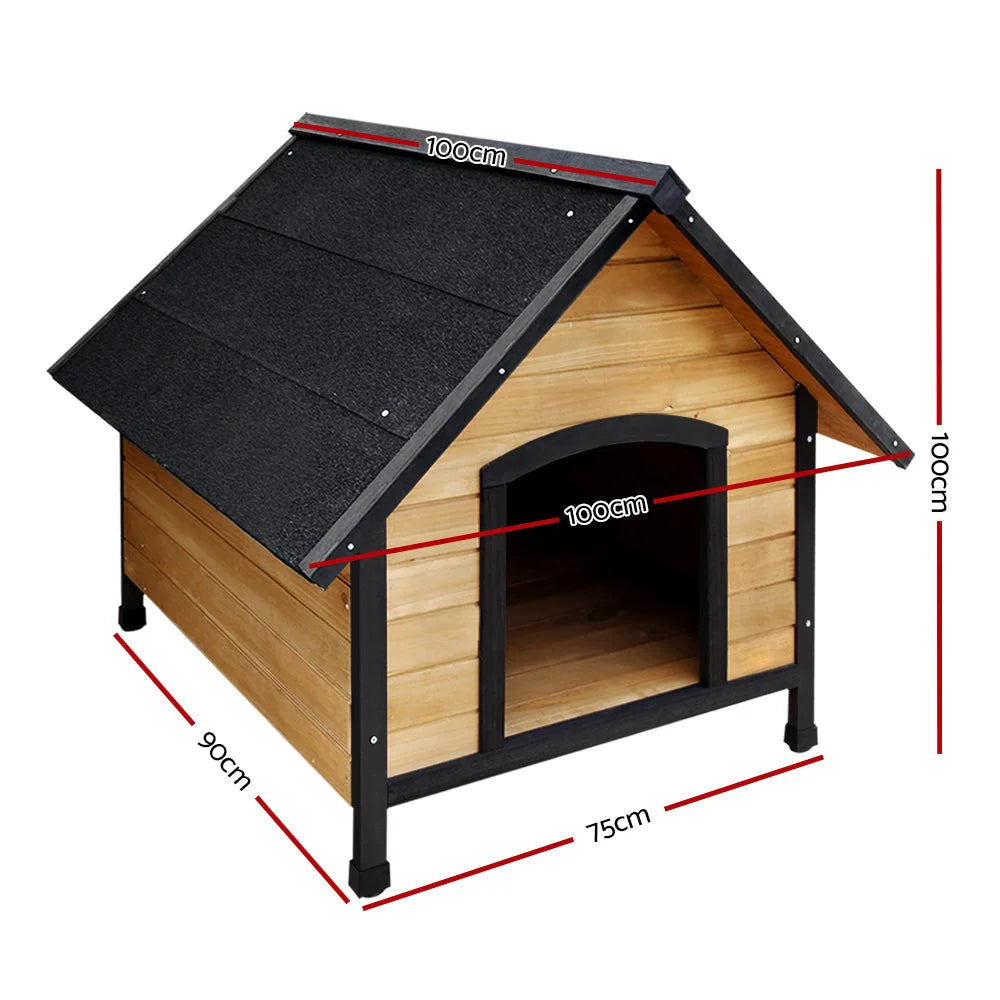
Wooden Pet Kennel (Large)
Regular price $160.90 AUDRegular priceUnit price per$249.99 AUDSale price $160.90 AUDSale -
Wooden Pet Kennel (Medium)
Regular price $110.90 AUDRegular priceUnit price per$159.99 AUDSale price $110.90 AUDSale -
i.Pet Dog Kennel Large House XL Pet Run Cage Puppy Outdoor Enclosure 2Mx4M
Regular price $305.90 AUDRegular priceUnit price per$355.99 AUDSale price $305.90 AUDSale -
Dog Kennel House Large Wooden Outdoor Pet Cabin for Indoor & Outdoor Puppies
Regular price $234.90 AUDRegular priceUnit price per$416.99 AUDSale price $234.90 AUDSale -
Dog Kennel Outdoor Wooden Pet House Puppy Extra Large XL Kennels
Regular price $198.90 AUDRegular priceUnit price per$332.99 AUDSale price $198.90 AUDSale -
36" 8 Panel Pet Dog Playpen Puppy Exercise Cage Enclosure Fence Play Pen
Regular price $56.90 AUDRegular priceUnit price per$145.77 AUDSale price $56.90 AUDSale -
Black Pet Double-Ended Rope + 1.5M Leash - Easy to walk two dogs, tangle-free design
Regular price $29.90 AUDRegular priceUnit price per$56.00 AUDSale price $29.90 AUDSale -
Dog Kennel Extra Large 2.28M Wooden House Bed Outdoor Pet Puppy Cabin Log
Regular price $586.90 AUDRegular priceUnit price per$766.99 AUDSale price $586.90 AUDSale -
Dog Cage Crate Large Puppy Cat Anti-Bite Kennel with Wheels & Tray - Metal
Regular price $166.90 AUDRegular priceUnit price per$261.99 AUDSale price $166.90 AUDSale -
Timber Pet Dog Kennel House Puppy Wooden Cabin with Door - Grey
Regular price $275.90 AUDRegular priceUnit price per$550.00 AUDSale price $275.90 AUDSale -
Dog Kennel House Large Wooden Outdoor Pet Cabin Home for Indoor Puppies
Regular price $166.90 AUDRegular priceUnit price per$266.99 AUDSale price $166.90 AUDSale -
Dog Kennel House Large Wooden Outdoor Pet Cabin for Indoor and Outdoor Use
Regular price $103.90 AUDRegular priceUnit price per$171.99 AUDSale price $103.90 AUDSale -
Wire Dog Cage Foldable Crate Kennel 42in with Tray + Pink Cover Combo
Regular price $114.90 AUDRegular priceUnit price per$229.00 AUDSale price $114.90 AUDSale -
Wire Dog Cage Foldable Crate Kennel 42in with Tray
Regular price $75.90 AUDRegular priceUnit price per$189.00 AUDSale price $75.90 AUDSale -
Wire Dog Cage Crate 42in with Tray + Cushion Mat + Pink Cover Combo
Regular price $119.90 AUDRegular priceUnit price per$239.00 AUDSale price $119.90 AUDSale -
Wire Dog Cage Foldable Crate Kennel 30in with Tray + Pink Cover Combo
Regular price $67.90 AUDRegular priceUnit price per$169.00 AUDSale price $67.90 AUDSale -
Wire Dog Cage Foldable Crate Kennel 36in with Tray + Blue Cover Combo
Regular price $87.90 AUDRegular priceUnit price per$189.00 AUDSale price $87.90 AUDSale -
Wire Dog Cage Foldable Crate Kennel 30in with Tray
Regular price $55.90 AUDRegular priceUnit price per$129.00 AUDSale price $55.90 AUDSale -
Wire Dog Cage Foldable Crate Kennel 30in with Tray + Blue Cover Combo
Regular price $67.90 AUDRegular priceUnit price per$169.00 AUDSale price $67.90 AUDSale -
Wire Dog Cage Foldable Crate Kennel 36in with Tray + Pink Cover Combo
Regular price $87.90 AUDRegular priceUnit price per$189.00 AUDSale price $87.90 AUDSale -
Wire Dog Cage Foldable Crate Kennel 42in with Tray + Cushion Mat Combo
Regular price $100.90 AUDRegular priceUnit price per$199.00 AUDSale price $100.90 AUDSale -
Wire Dog Cage Foldable Crate Kennel 36in with Tray
Regular price $64.90 AUDRegular priceUnit price per$149.00 AUDSale price $64.90 AUDSale -
Pawz Pooper Scooper Rake Kit Long Handle Dog Poop Picker Easy Pickup Outdoor
Regular price $57.70 AUDRegular priceUnit price per$86.70 AUDSale price $57.70 AUDSale -
Pawhub Heavy Duty Dog Cage Black Metal Kennel Indoor Outdoor 3M
Regular price $607.90 AUDRegular priceUnit price per$733.60 AUDSale price $607.90 AUDSale




Related reading


Plan the small routines that make life with your dog work: heading out, resting at home, play, meals and toilet breaks. Choose walking equipment around your dog’s fit and movement, then build a sleeping and care setup that suits your home. Puppies, confident adults and older dogs will not all need the same arrangement.
Build a walking setup that fits
Measure the neck and chest for the particular collar or harness you are considering. The adjustable range, buckle location and strap route matter more than a broad breed label. A well-chosen lead should also feel manageable in your hand, with an appropriate clip for the dog’s size.
Use a separate decision for car travel. A walking harness or lead is not evidence of crash-tested restraint performance. Choose any vehicle restraint for that purpose and follow its installation instructions.
Give rest its own place
Watch how your dog sleeps before choosing a bed. A dog that stretches out needs a different usable surface from one that curls against a bolster. Measure the sleeping area inside raised edges rather than using the outside dimensions alone.
Position the bed where the dog can settle away from constant traffic. If access to a sofa or bed has become difficult, consider the height and footprint of a ramp or steps as a separate choice; a soft surface alone does not make an unsuitable slope comfortable.
Make enrichment part of the routine
Choose toys around the way your dog plays: carrying, chewing, fetching or working for food. A toy that is manageable for a small mouth may be a swallowable object for a larger dog. Replace damaged pieces and supervise a new type until you understand how your dog uses it.
Introduce toilet routines and equipment consistently, using rewards for the behaviour you want. A training pad or indoor toilet provides a place to go; it does not replace observation, regular opportunities and patient practice.
Keep practical care easy to repeat
Put waste bags, a towel and the everyday lead where you leave the house. For beds and clothing, think about washing and drying turnaround so there is a clean spare when needed. Grooming tools should suit coat type, while changes in skin, mobility or toileting need individual attention rather than a new accessory alone.
Further reading: RSPCA: everyday care for dogs · RSPCA: dogs travelling in cars · RSPCA: reward-based dog training
Useful answers
Dog Supplies FAQs
What dog supplies are useful for a new arrival?
Start with a resting place, suitable food and water containers, identification and correctly fitted walking equipment. Add a manageable toilet and clean-up routine, then a few toys for different activities. Choose around the individual dog’s size and habits; a large starter bundle may include items that duplicate jobs or do not fit.
How should I prioritise equipment as a puppy grows?
Recheck body fit and usable space as the puppy changes, particularly collars, harnesses, beds and carriers. An adjustable item is useful only within its stated range and while it allows normal movement. Keep training and supervised play consistent instead of expecting a new accessory to replace a learned routine.
Can one dog toy cover chewing, exercise and enrichment?
Different activities ask different things of a toy. A fetch shape needs to be easy to carry and retrieve, while a chewing object faces sustained wear and a food activity changes feeding. Keep a small varied selection and inspect it regularly, rather than relying on one item to meet every need.