
Pool Cleaning & Equipment
Pool equipment works as a system: pump, filter, pipework and cleaning accessories need compatible capacities and connections.
Shop the collection
-

 Sale
Swimming Pool Water Pump 2000W
Regular price $149.90 AUDRegular priceUnit price per$366.99 AUDSale price $149.90 AUDSale -

 Sale
Swimming Pool Water Pump 1200W
Regular price $95.90 AUDRegular priceUnit price per$249.99 AUDSale price $95.90 AUDSale -

 Sale
Swimming Pool Cleaner Floor Climb Wall Automatic Vacuum with 10M Hose
Regular price $133.90 AUDRegular priceUnit price per$241.99 AUDSale price $133.90 AUDSale -

 Sale
Swimming Pool Hose Cleaner - 10m
Regular price $113.90 AUDRegular priceUnit price per$257.99 AUDSale price $113.90 AUDSale -

 Sale
Pool Filter Pump, 2,006 L/h – Bestway
Regular price $57.70 AUDRegular priceUnit price per$133.70 AUDSale price $57.70 AUDSale -


Swimming Pool Spa Water Pump 2000W Self Priming Filter 33,600L/H
Regular price $284.90 AUDRegular priceUnit price per -
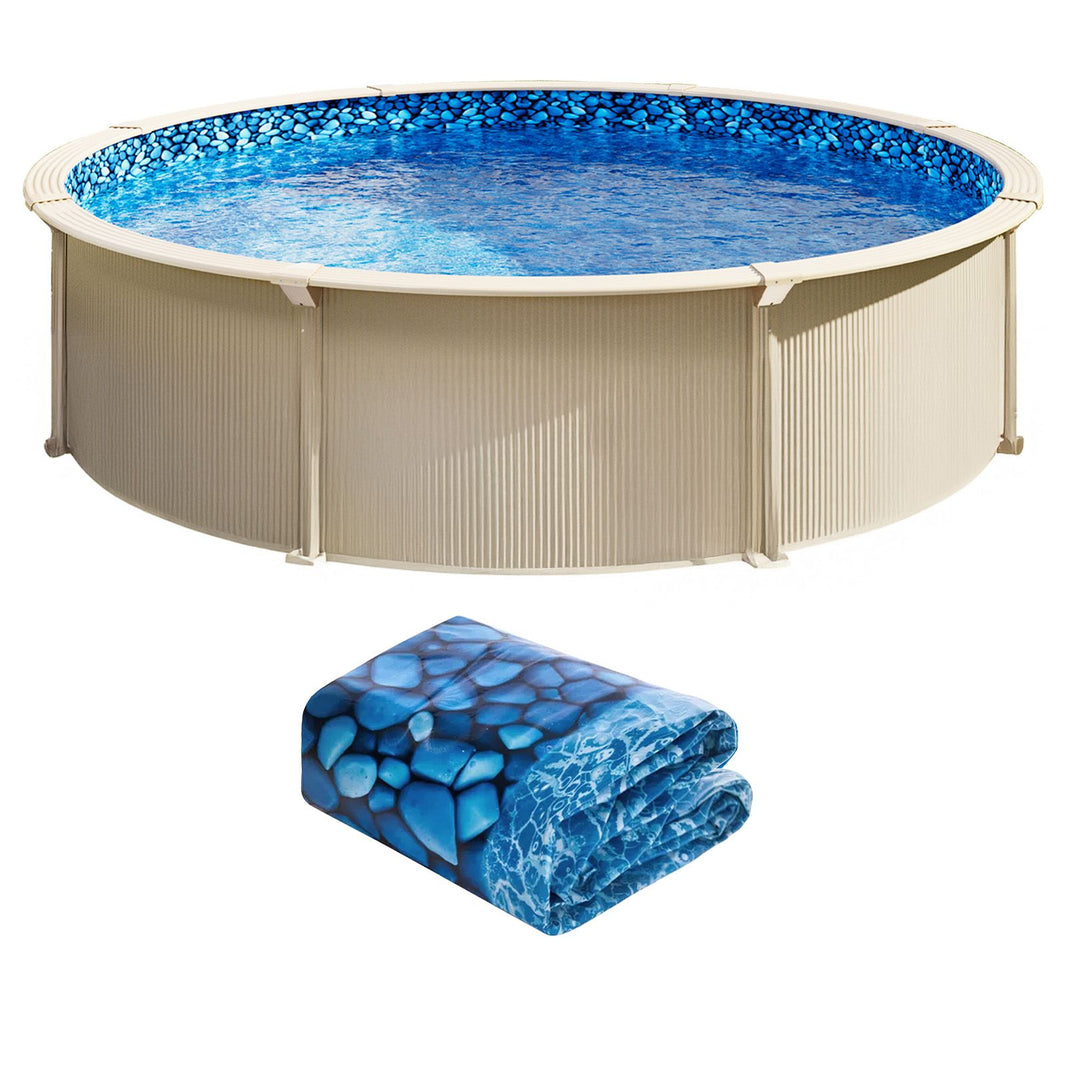
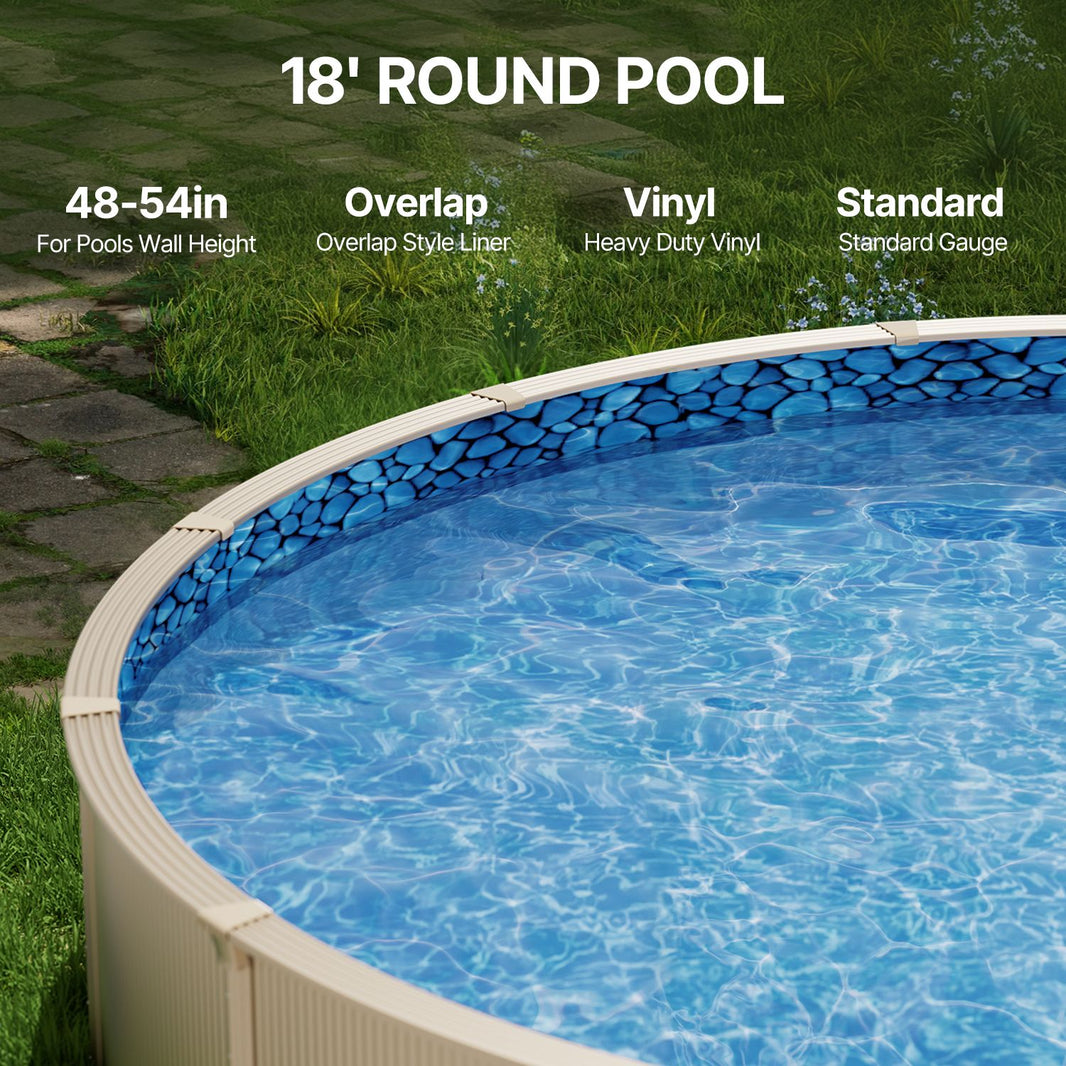
18-ft Round Above Ground Pool Liner, Overlap Pool Liners, Standard Gauge Vinyl, 48-to-54inch Wall Height, Designed for Steel Sided Above-Ground Swimming Pools
Regular price $267.90 AUDRegular priceUnit price per$247.90 AUDSale price $267.90 AUD -
 Sale
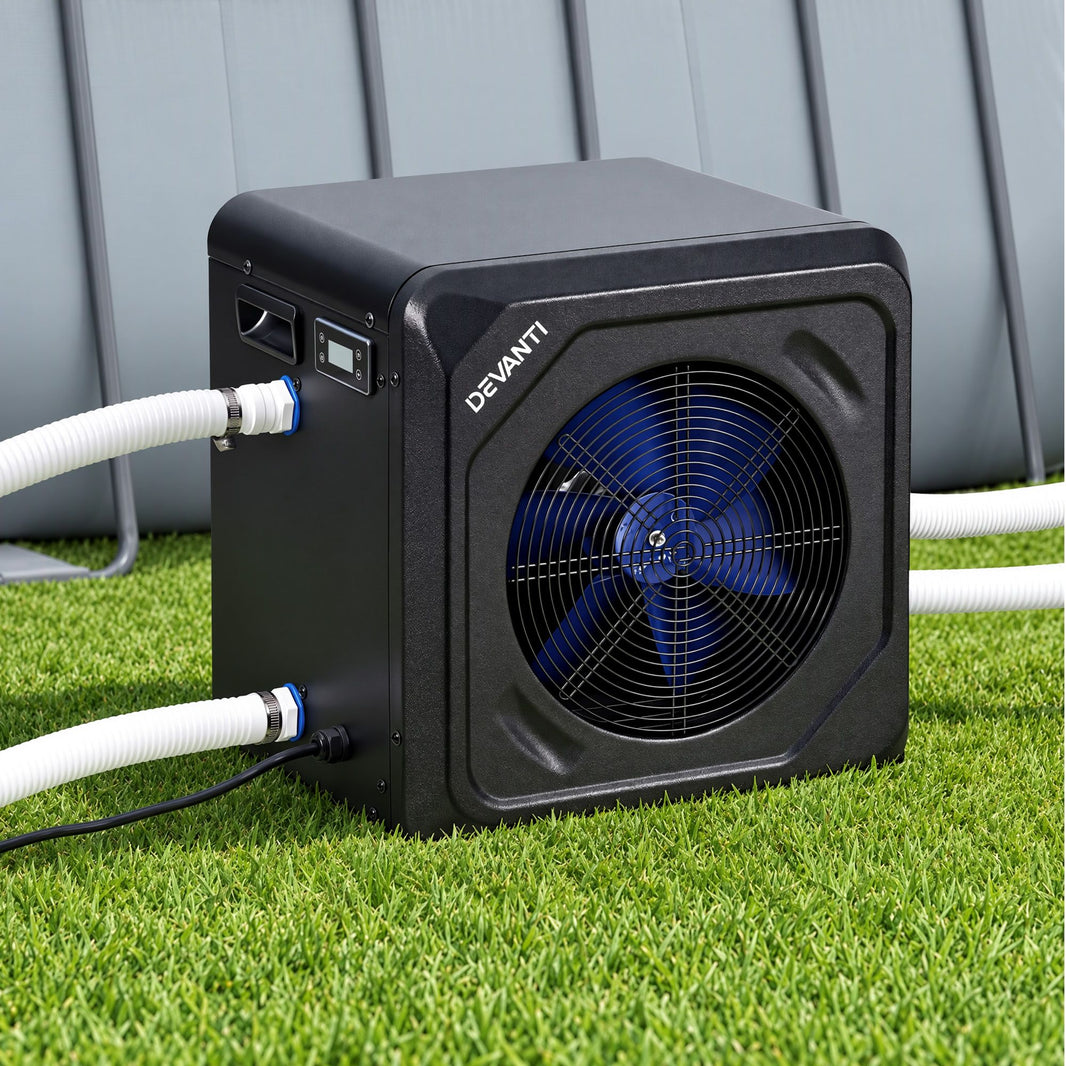
Devanti Pool Heater 5kW Water Temperature Heating Fit Pools up to 20000L
Regular price $699.90 AUDRegular priceUnit price per$1,482.99 AUDSale price $699.90 AUDSale -
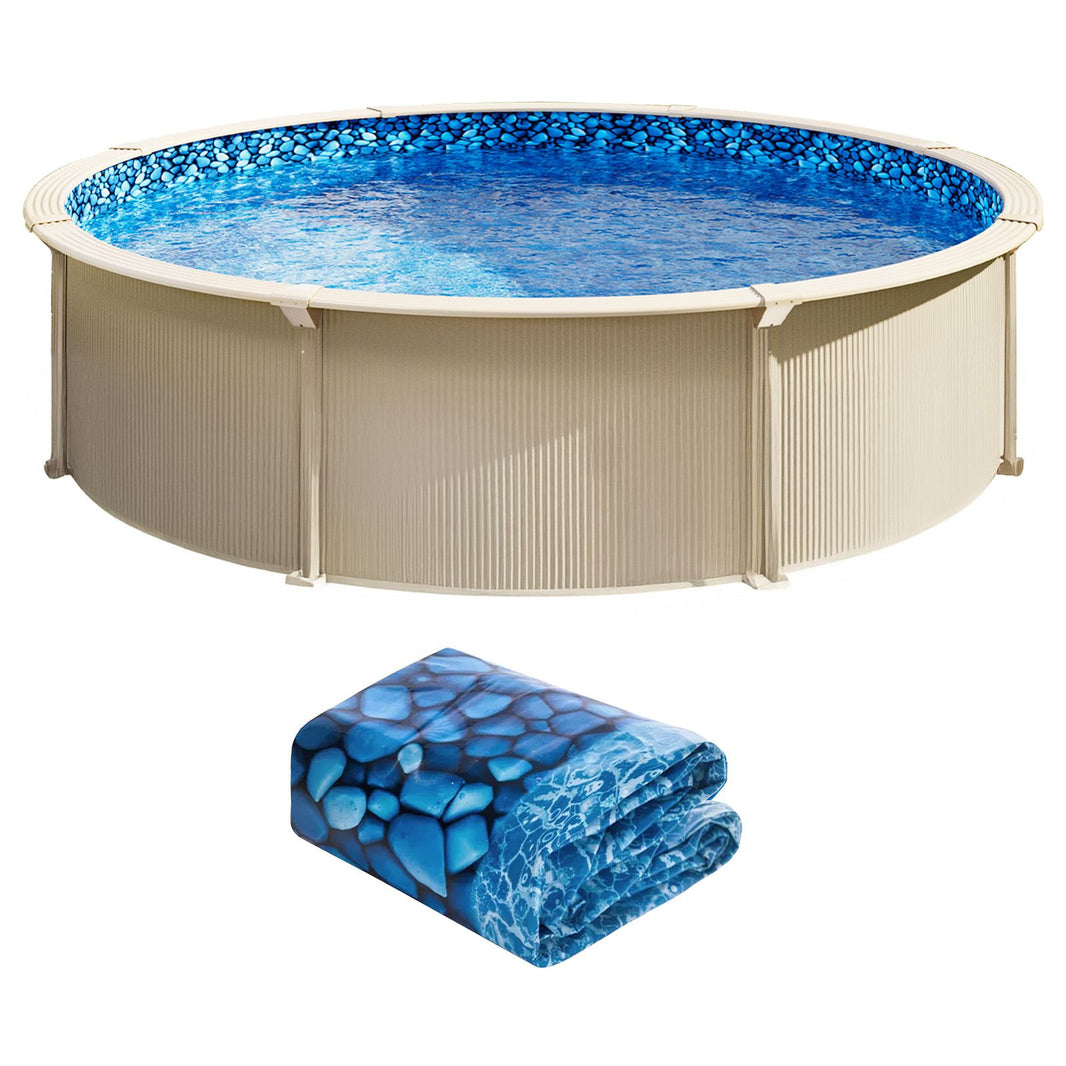

Pool Liner, 33ft Round Pool Liner, Uinbead Style, Durable Vinyl Pool Liner, Standard Gauge, 52in Wall Height, Pool Liner Replacement for Steel Sided Above-Ground Swimming Pools
Regular price $696.90 AUDRegular priceUnit price per$645.90 AUDSale price $696.90 AUD -
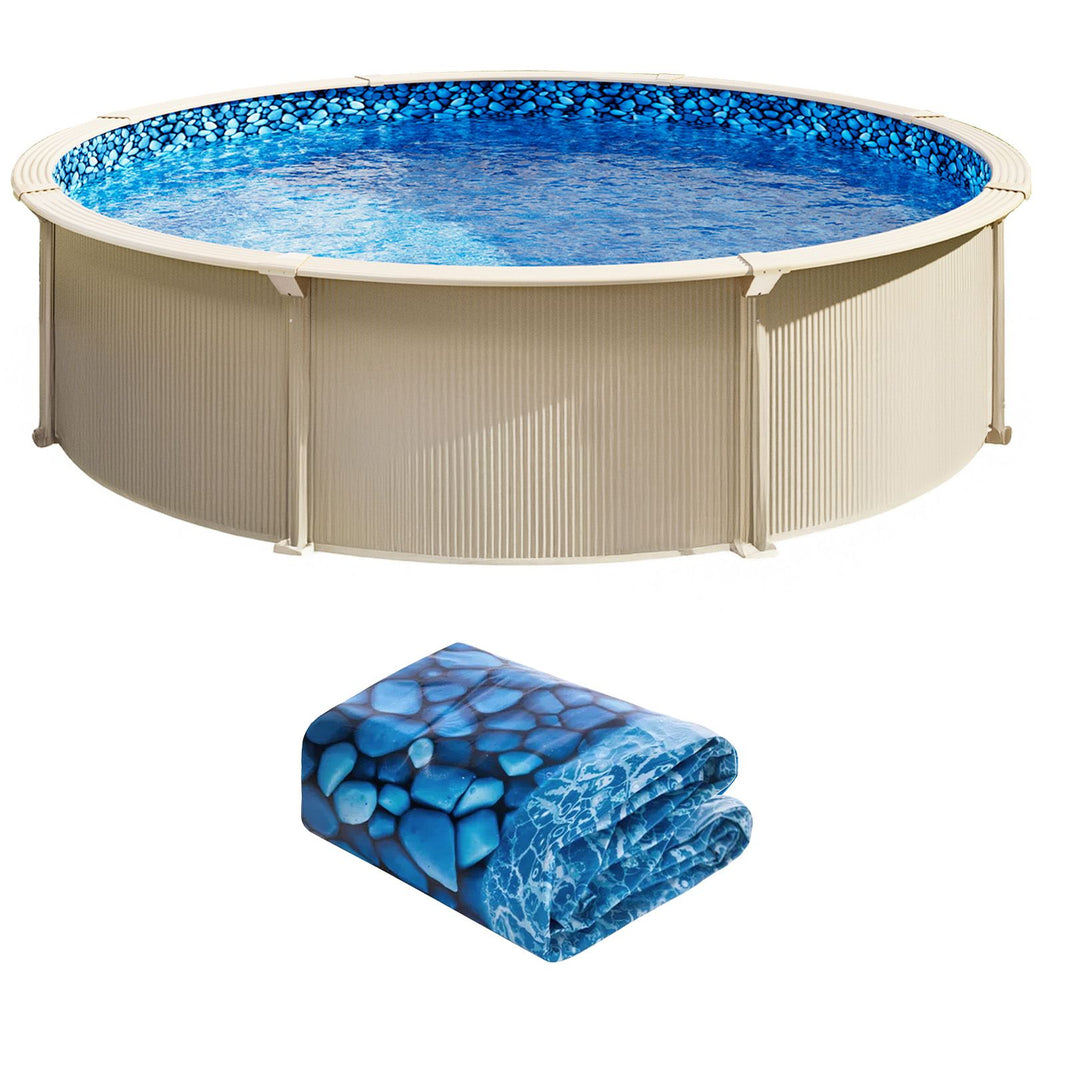
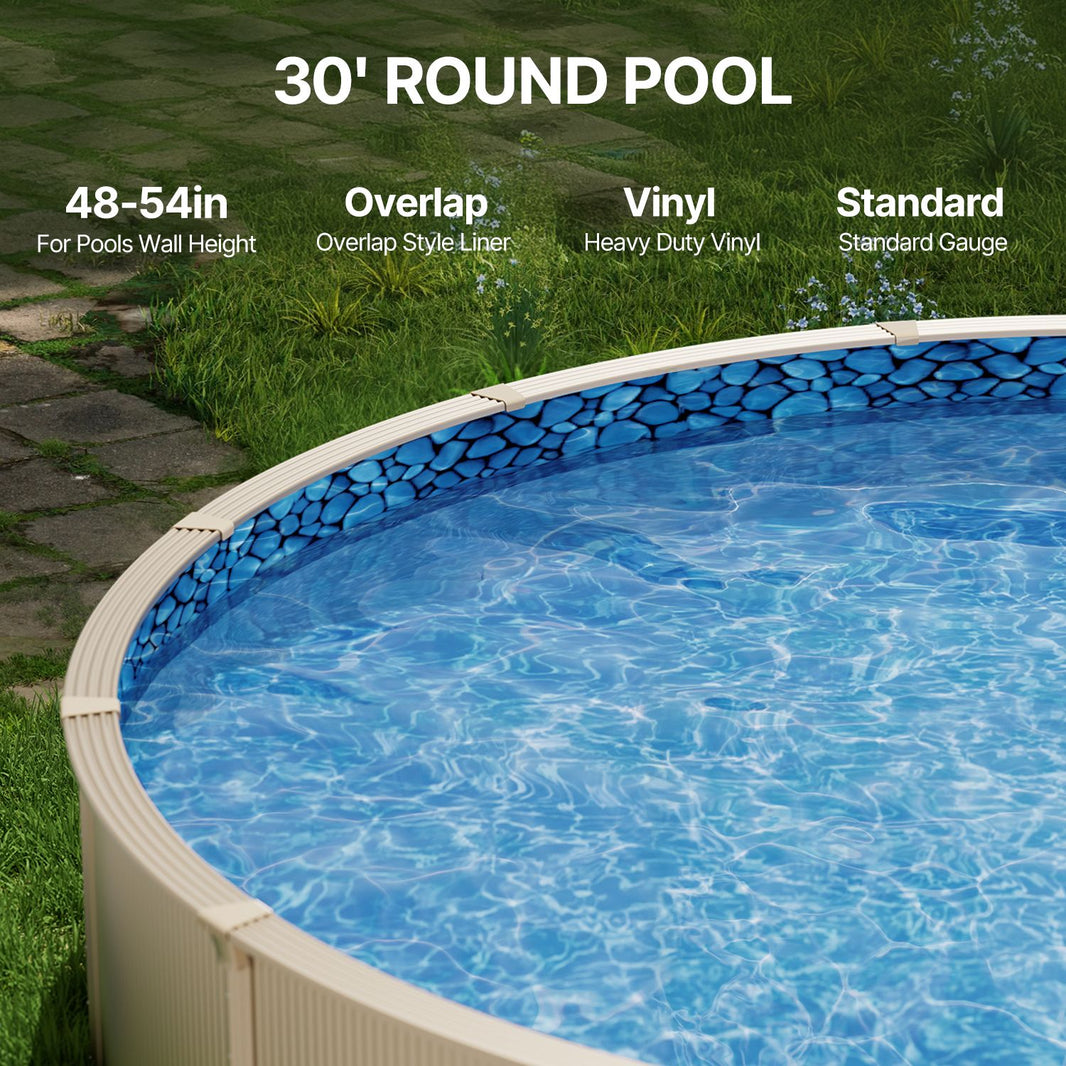
30-ft Round Above Ground Pool Liner, Overlap Pool Liners, Standard Gauge Vinyl, 48-to-54inch Wall Height, Designed for Steel Sided Above-Ground Swimming Pools
Regular price $606.90 AUDRegular priceUnit price per$561.90 AUDSale price $606.90 AUD -
 Sale
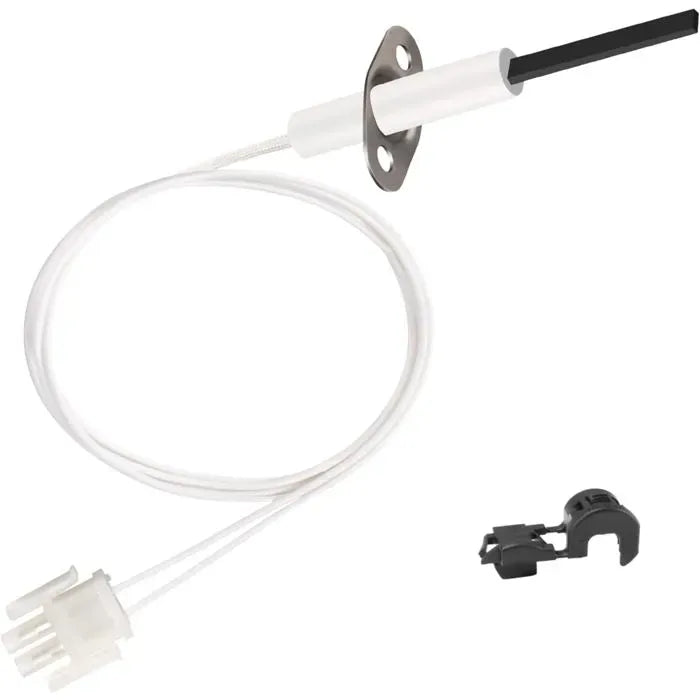
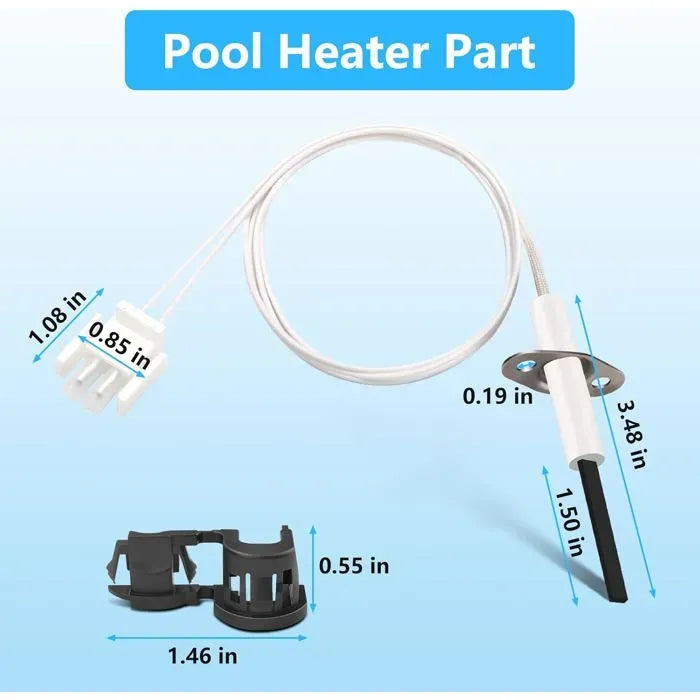
Pool Heater Igniter Kit FDXLIGN1930, Silicon Nitride, for H150-H400 Models
Regular price $60.90 AUDRegular priceUnit price per$92.28 AUDSale price $60.90 AUDSale -
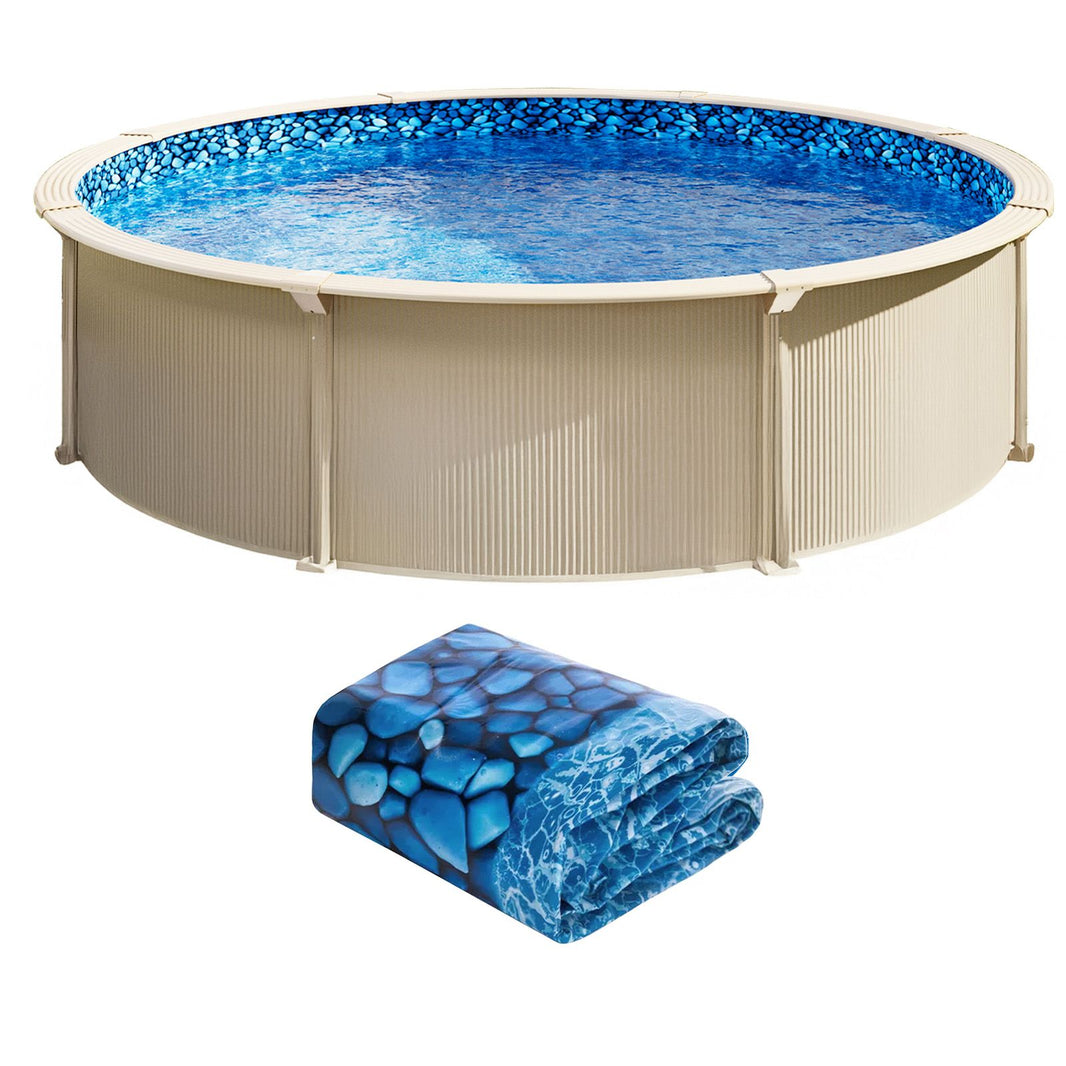

Round Pool Liner 24ft Overlap Style Pool Liner 54in Wall Height
Regular price $432.90 AUDRegular priceUnit price per$400.90 AUDSale price $432.90 AUD -
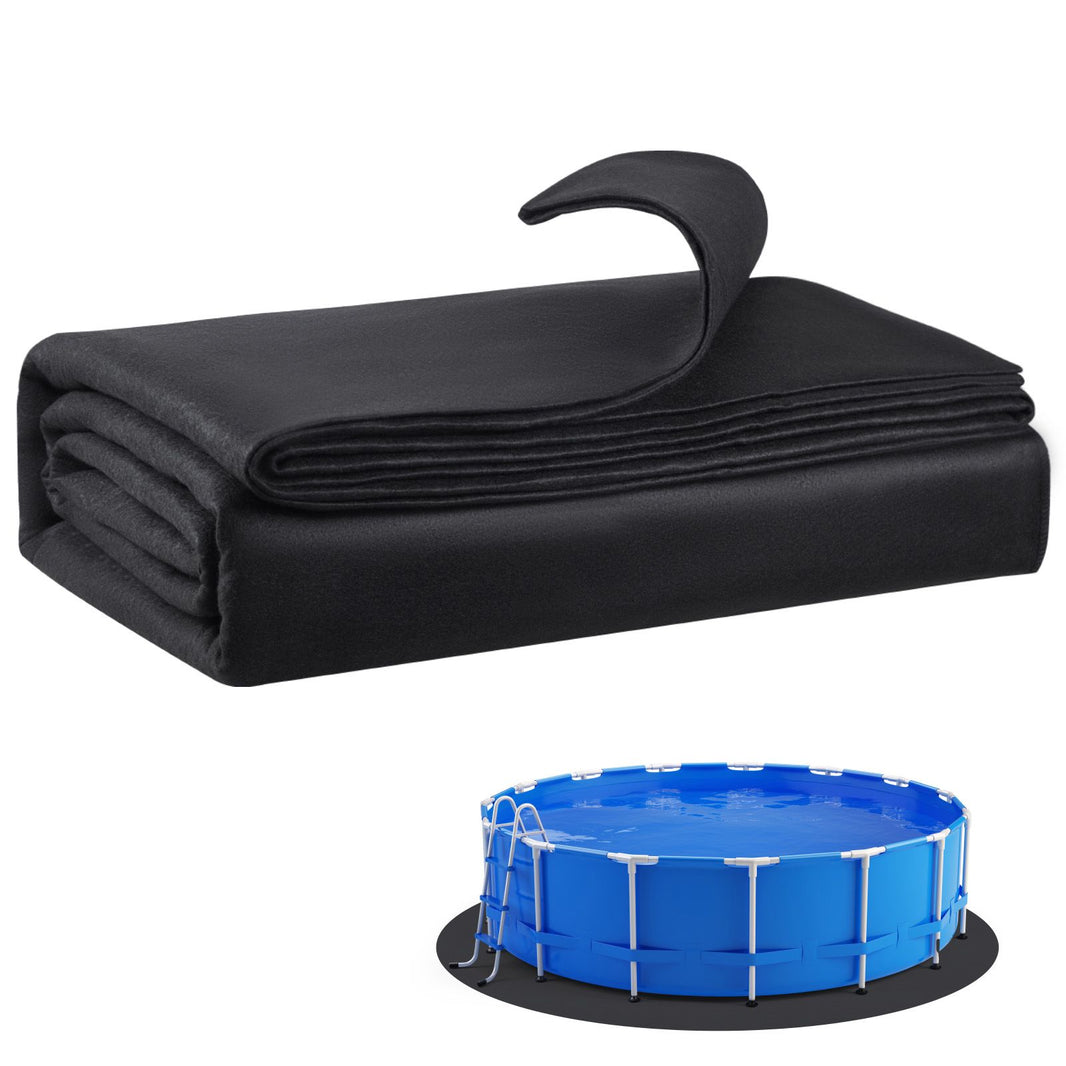
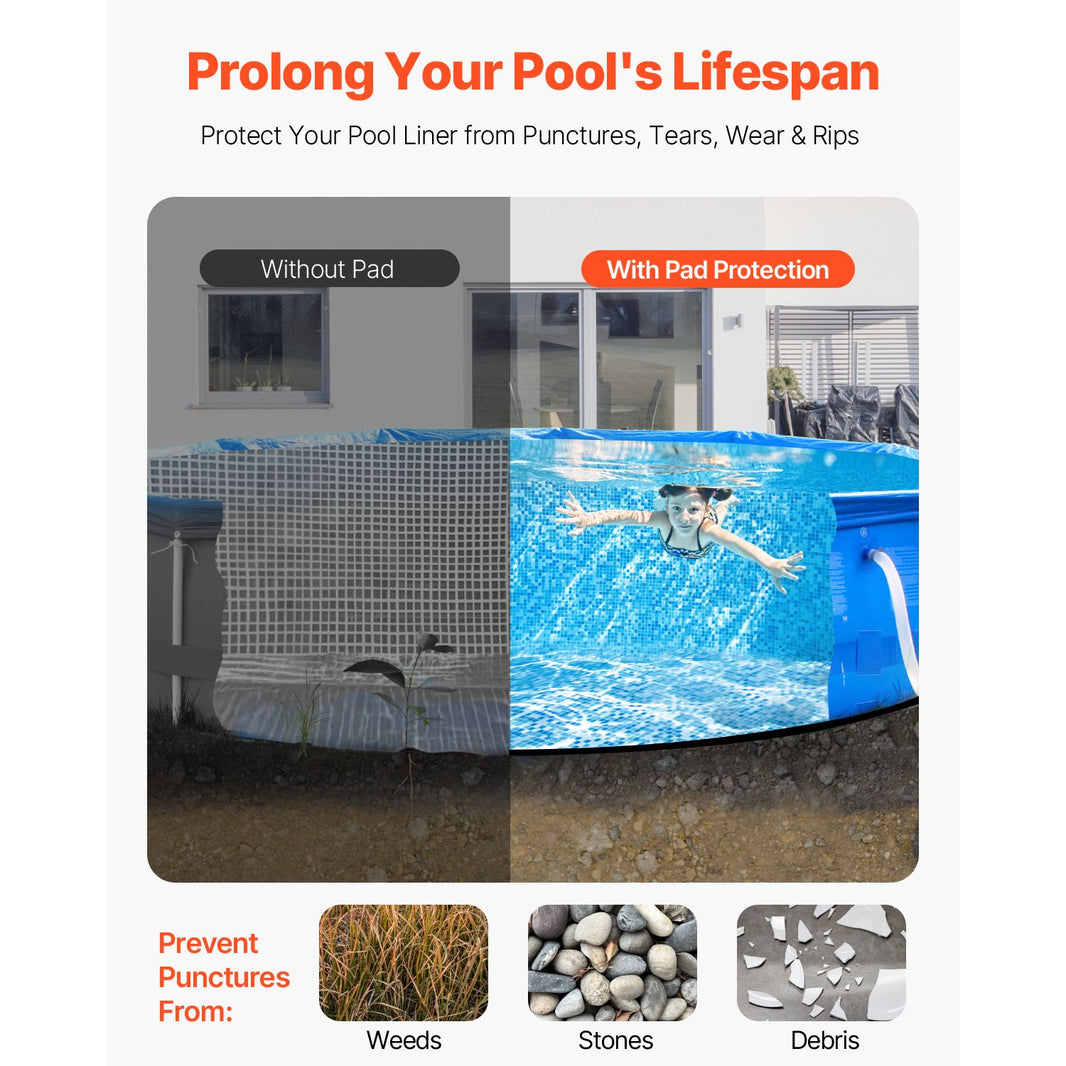
27ft Round Pool Liner Pad, Pool Liner Pad for Above Ground Swimming Pools, Extra-Thick Pool Mat, Prevents Punctures, Recycled Geotextile Material Underlayment Pad, Extend Liner Life
Regular price $121.90 AUDRegular priceUnit price per$112.90 AUDSale price $121.90 AUD -
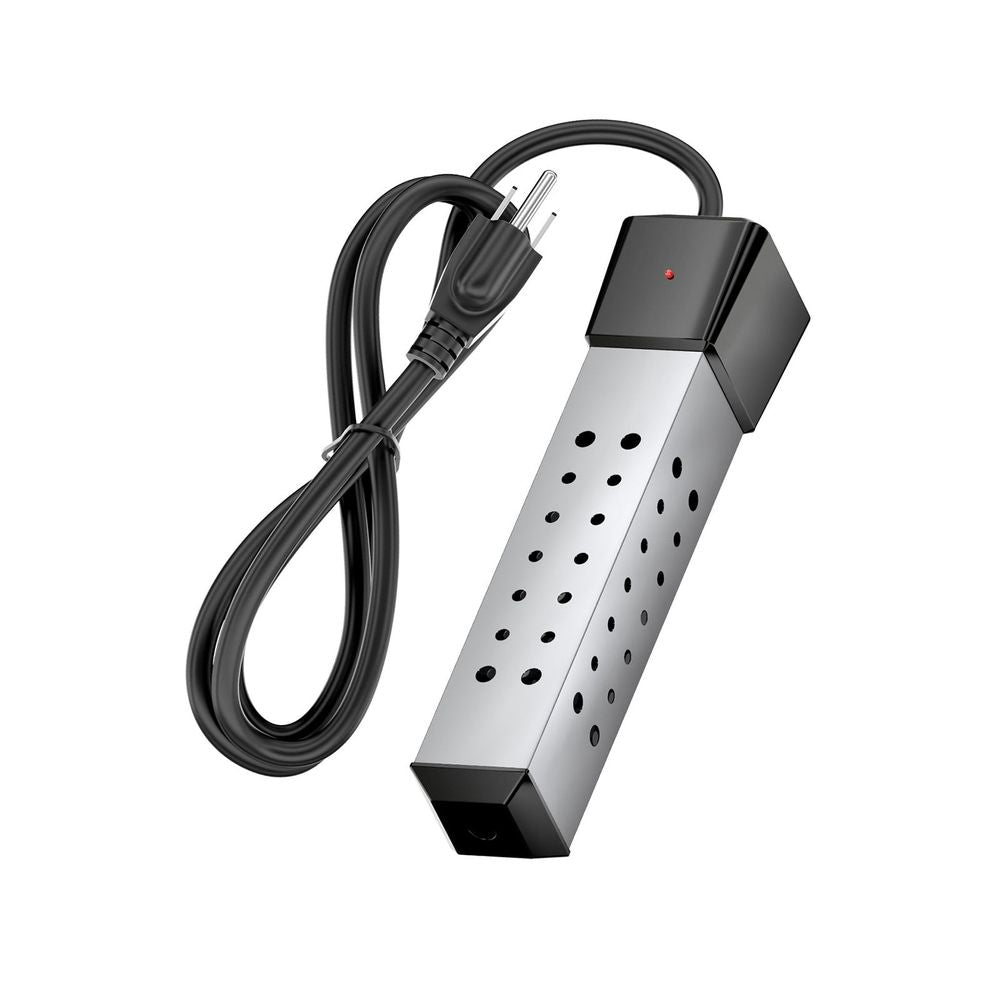
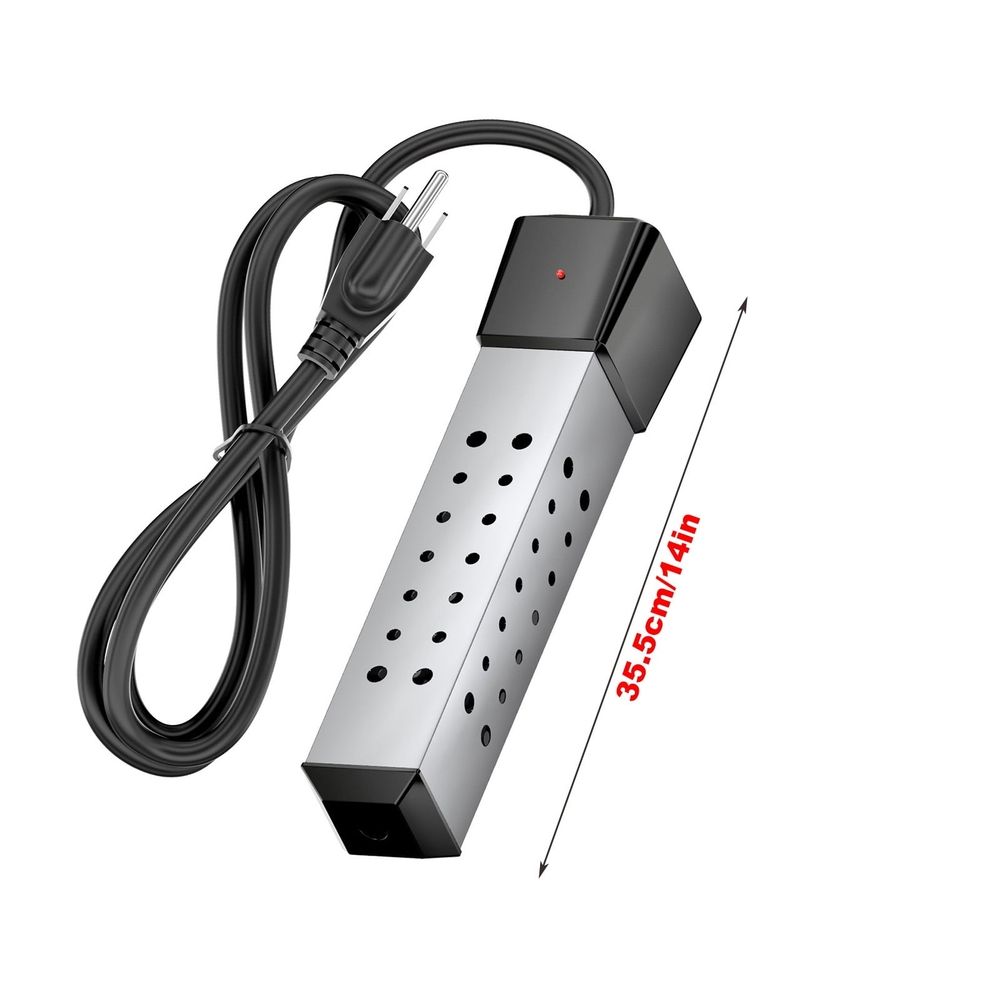
Portable Water Heater for Pool & Tub | High-Power 2000W Fast Heating, Stainless Steel, Overheat Protection, Suitable for Buckets, Basins, Inflatable Pools
Regular price $72.90 AUDRegular priceUnit price per -
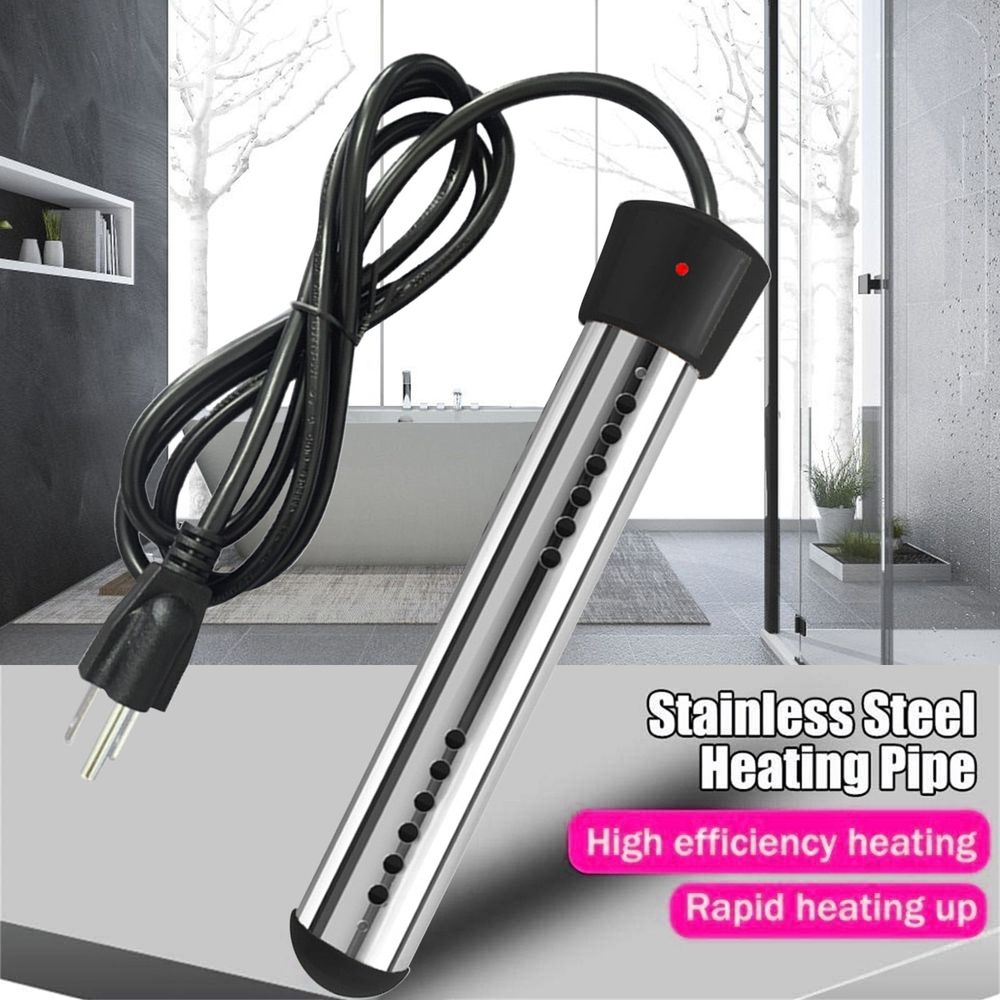
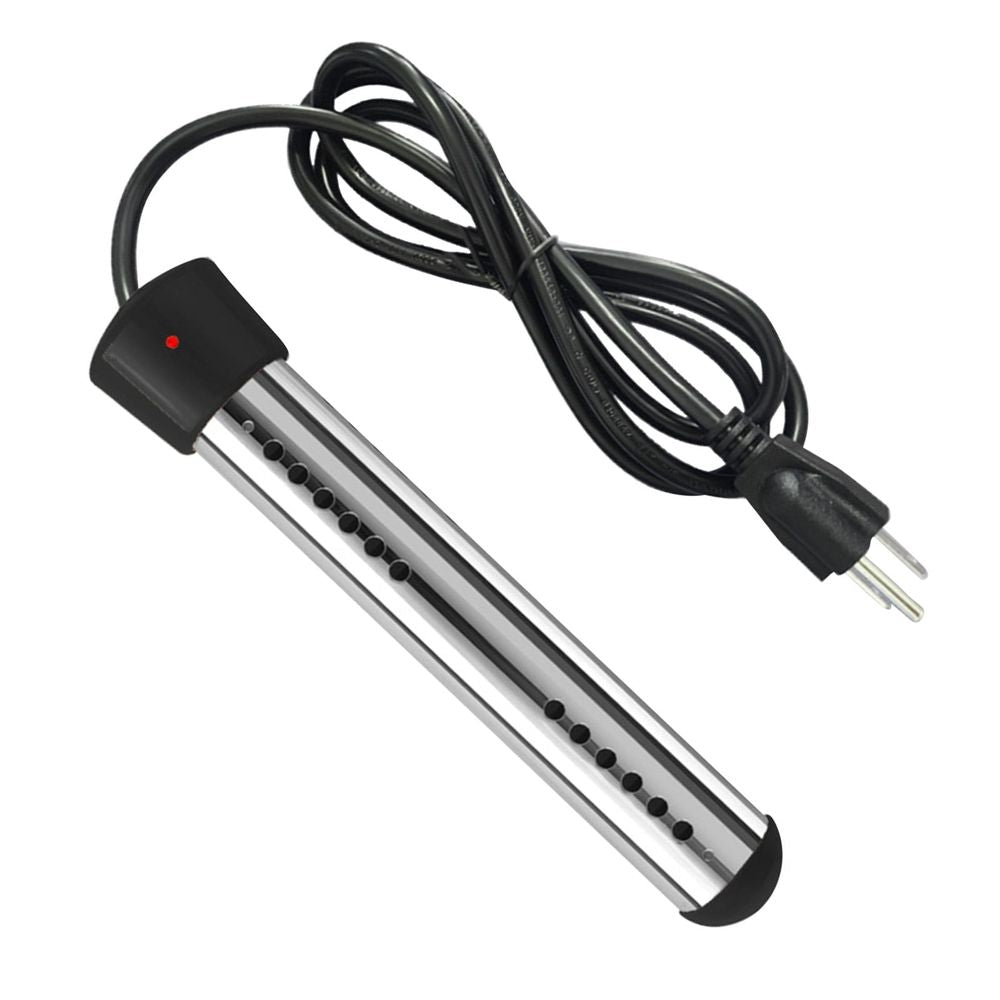
Electric Immersion Water Heater Boiler 2000w Swimming Pool Heater Fast Heating P Shower Nozzle,Black,Iron
Regular price $58.90 AUDRegular priceUnit price per -
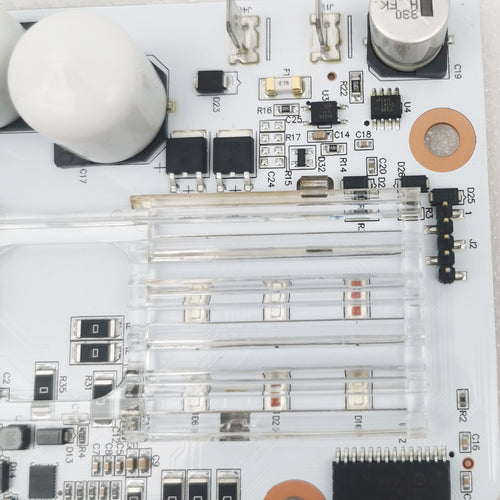 Sale
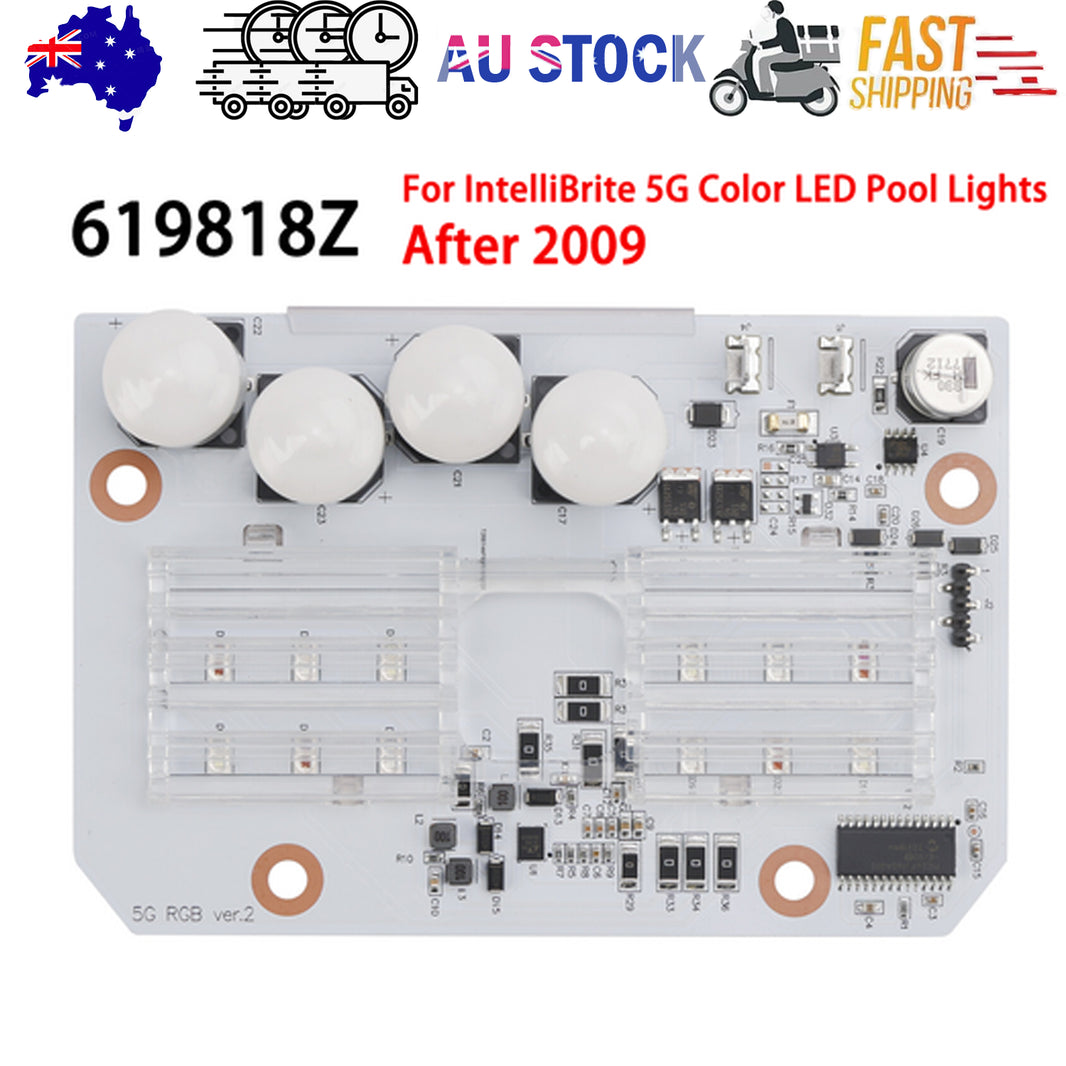
619818Z LED Light Engine Board Kit For IntelliBrite 5G Color LED Pool Light AU
Regular price $124.90 AUDRegular priceUnit price per$252.00 AUDSale price $124.90 AUDSale -
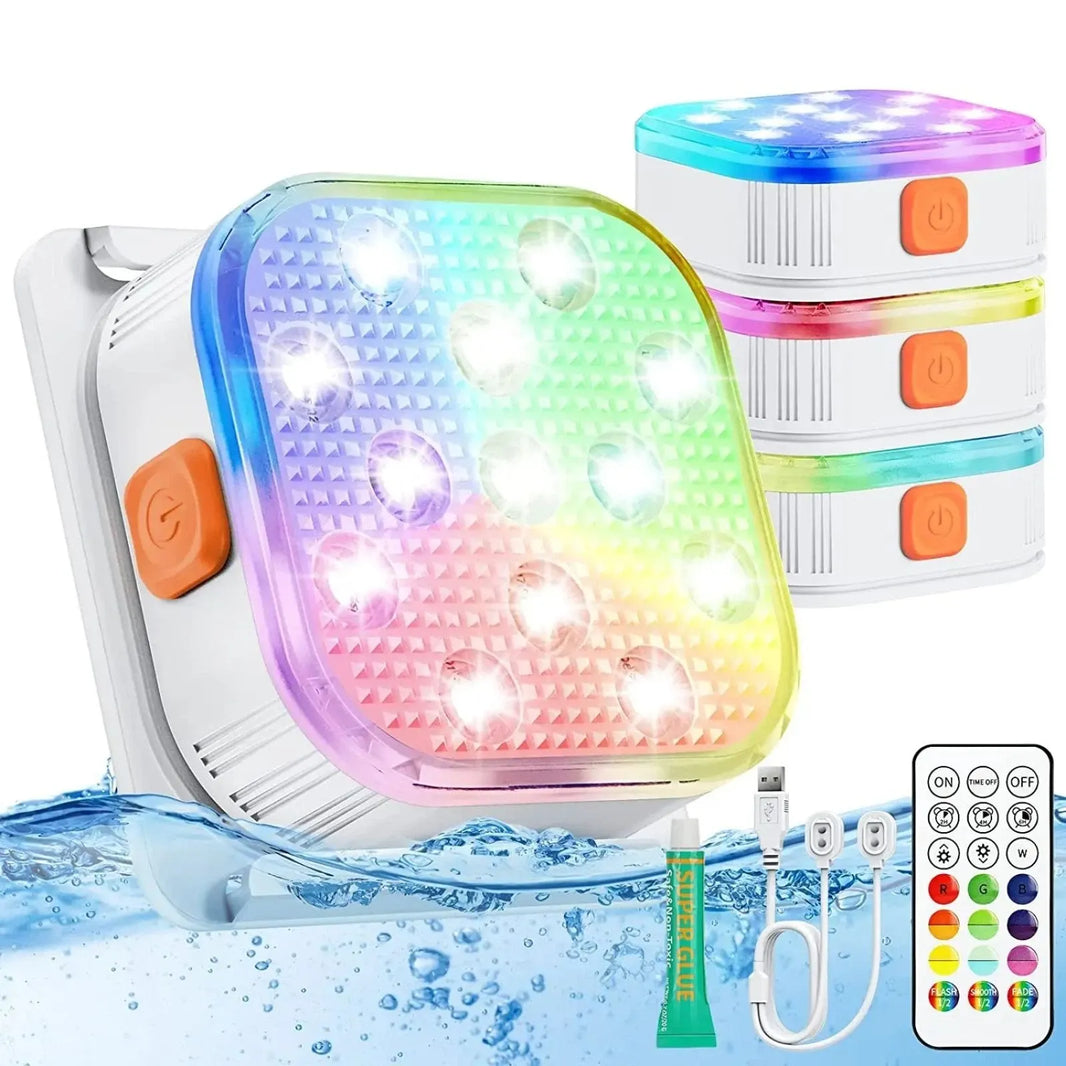
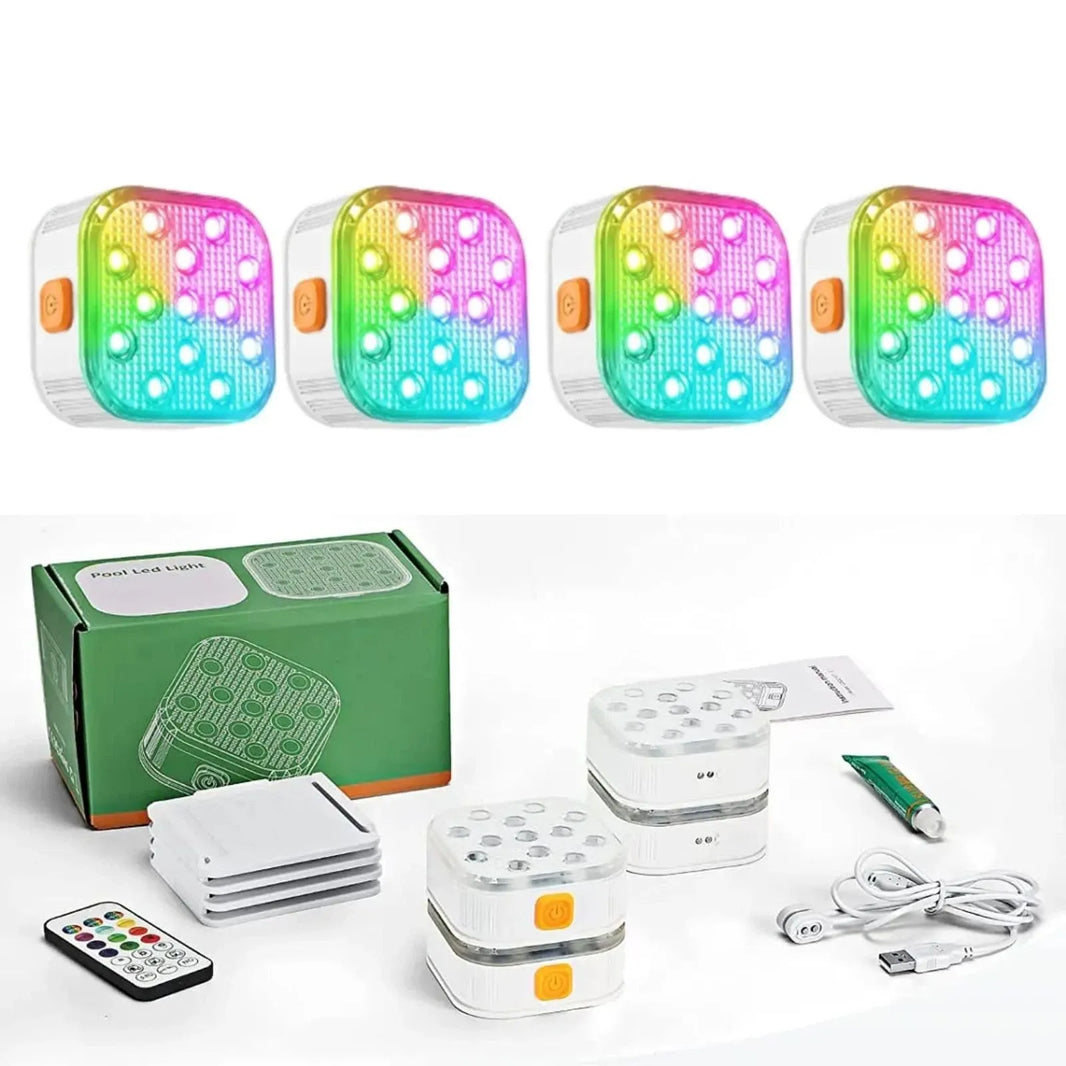 Sale
4Pcs Underwater Lights LED Submersible Pool Light Rechargeable with Remove Panel
Regular price $66.90 AUDRegular priceUnit price per$89.95 AUDSale price $66.90 AUDSale -
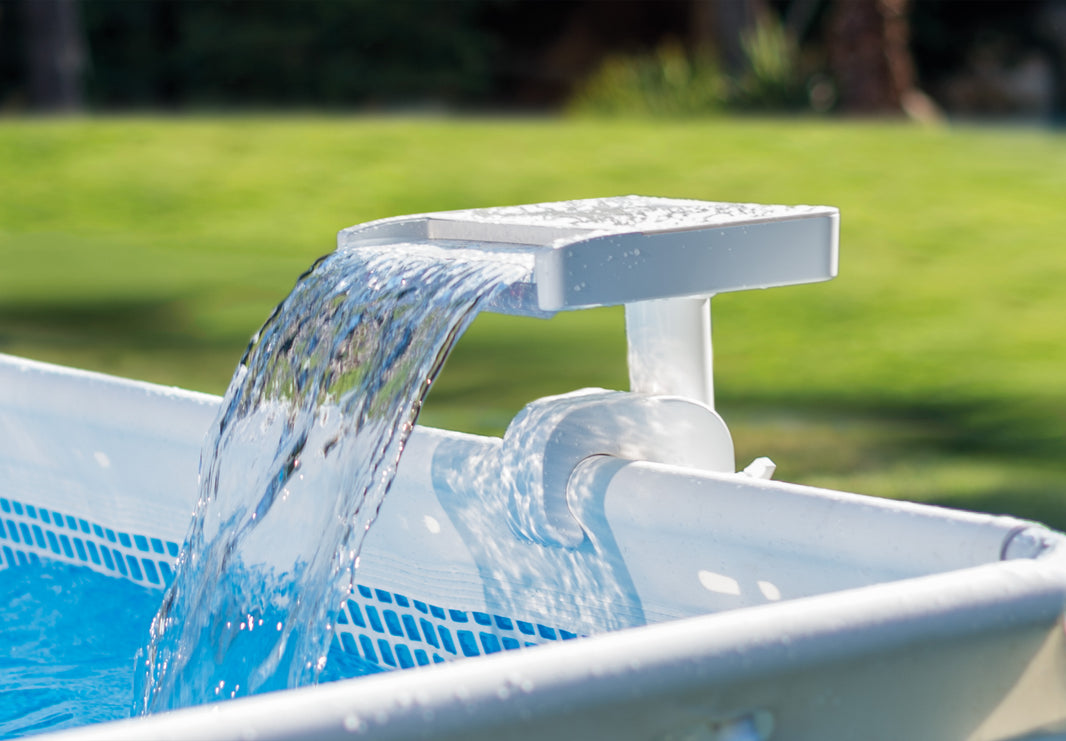
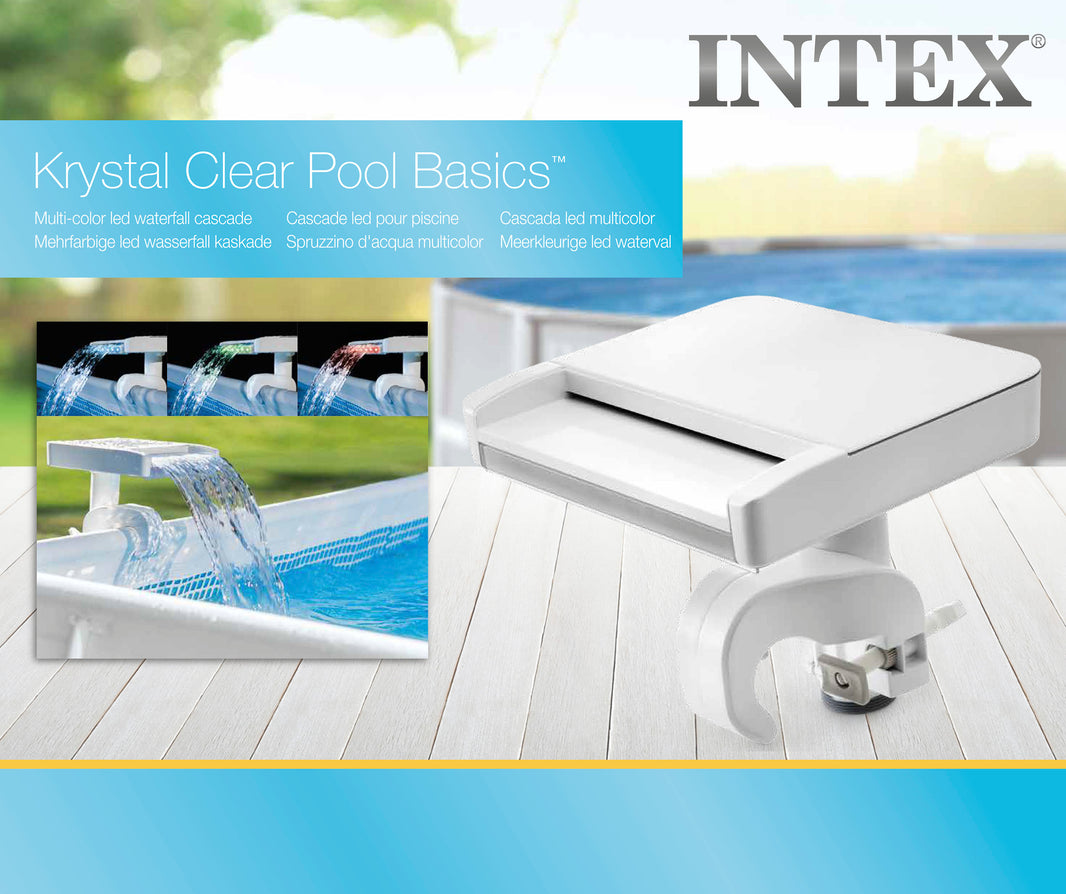 Sale
Intex Multi-Color LED Waterfall Cascade 28090
Regular price $156.90 AUDRegular priceUnit price per$159.00 AUDSale price $156.90 AUDSale -
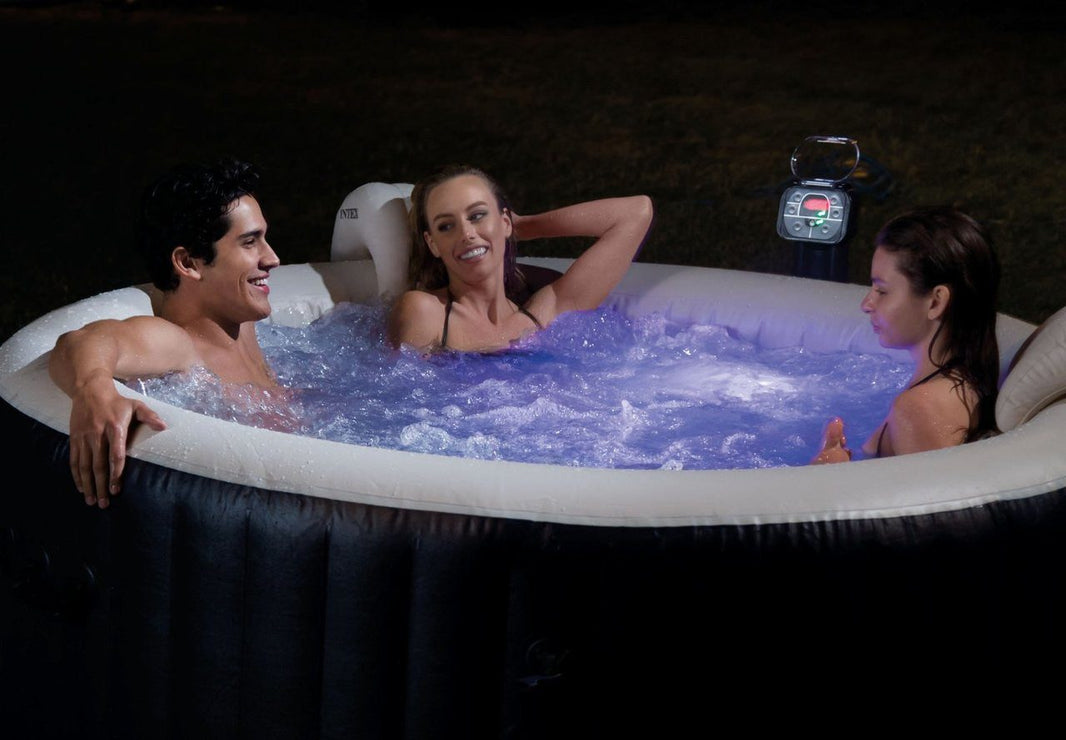
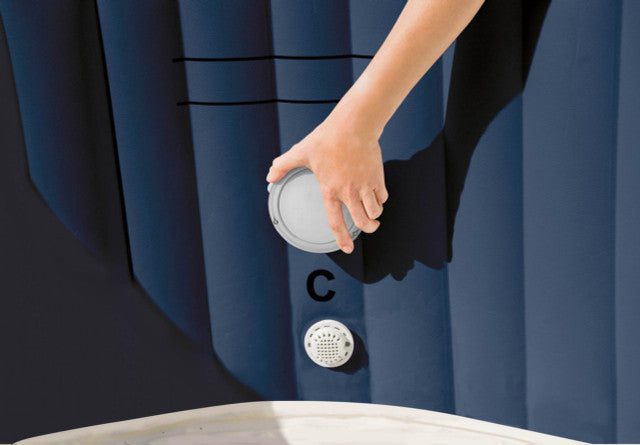 Sale
Intex Pure Spa LED Light for Spa 28503
Regular price $34.90 AUDRegular priceUnit price per$34.95 AUDSale price $34.90 AUDSale -
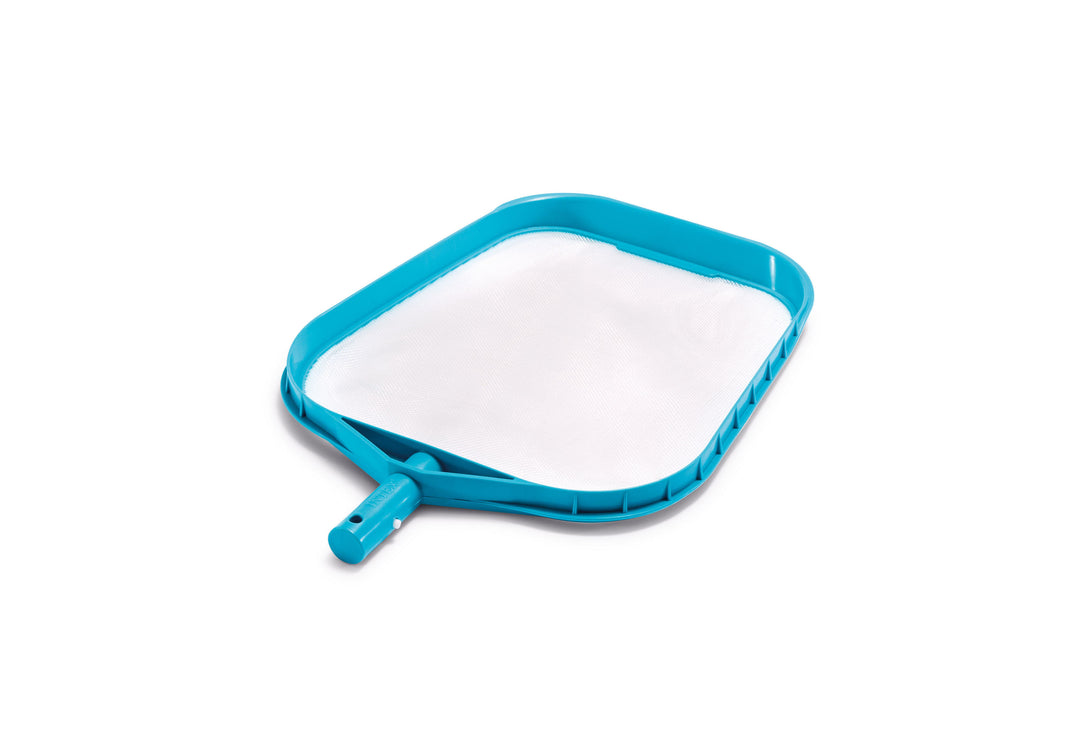
 Sale
Intex Pool Cleaning Leaf Skimmer - 29050
Regular price $14.90 AUDRegular priceUnit price per$14.95 AUDSale price $14.90 AUDSale -
 Sale
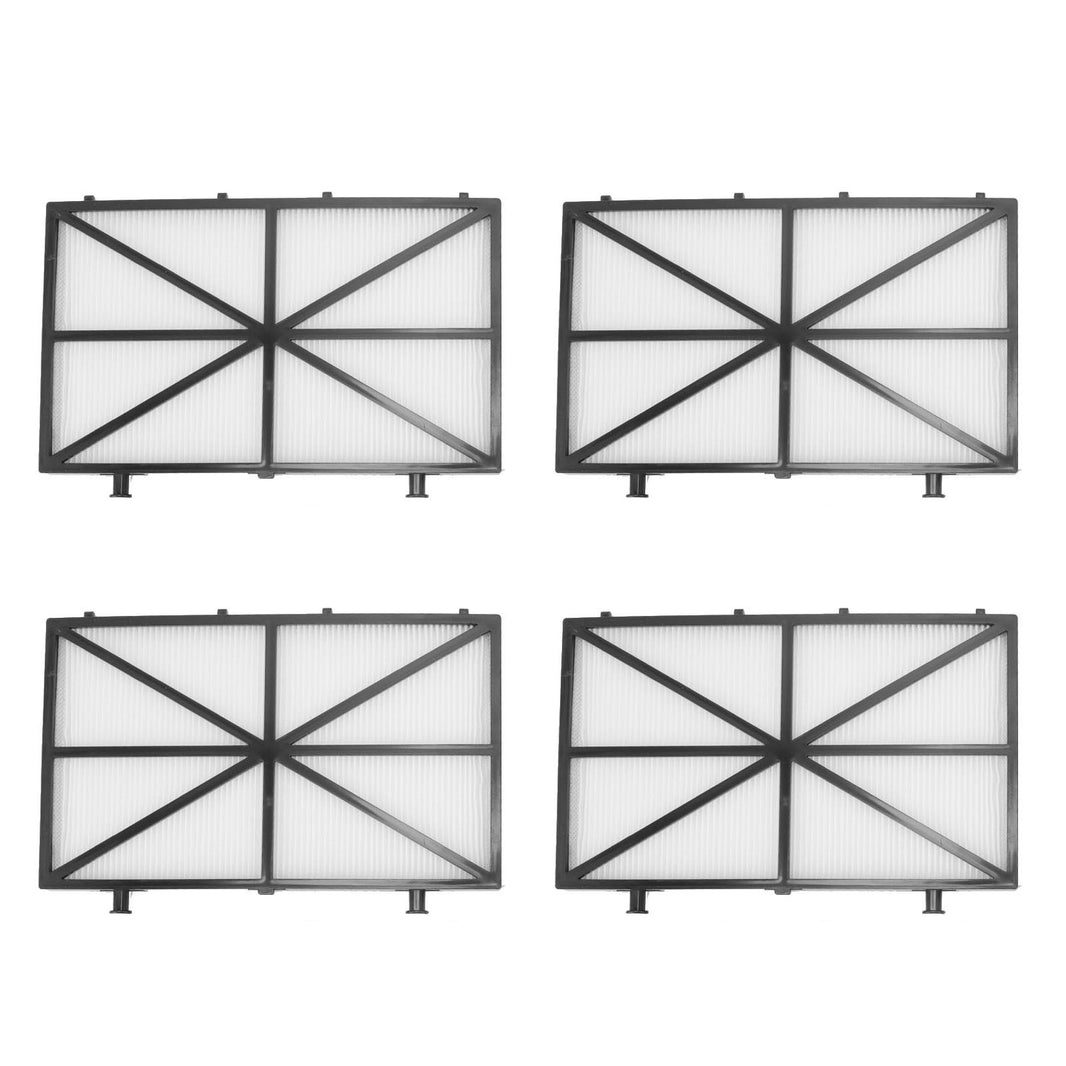
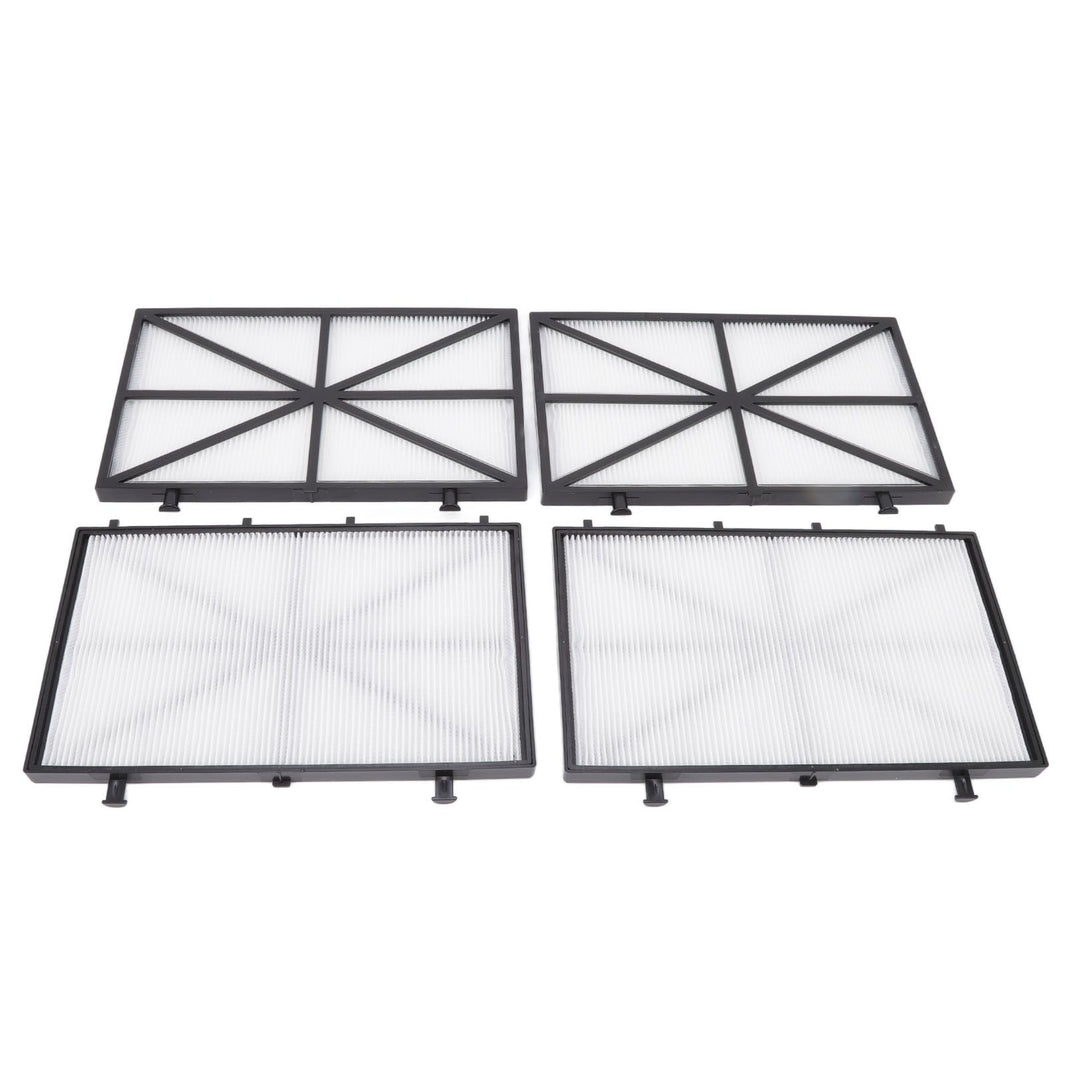
4Pcs Ultra Fine Cartridge Filter Panels Replacement Robotic Pool Cleaner Filter Cartridges for M400 M500 CC Plus Part Number 9991432 R4
Regular price $39.90 AUDRegular priceUnit price per$44.99 AUDSale price $39.90 AUDSale -
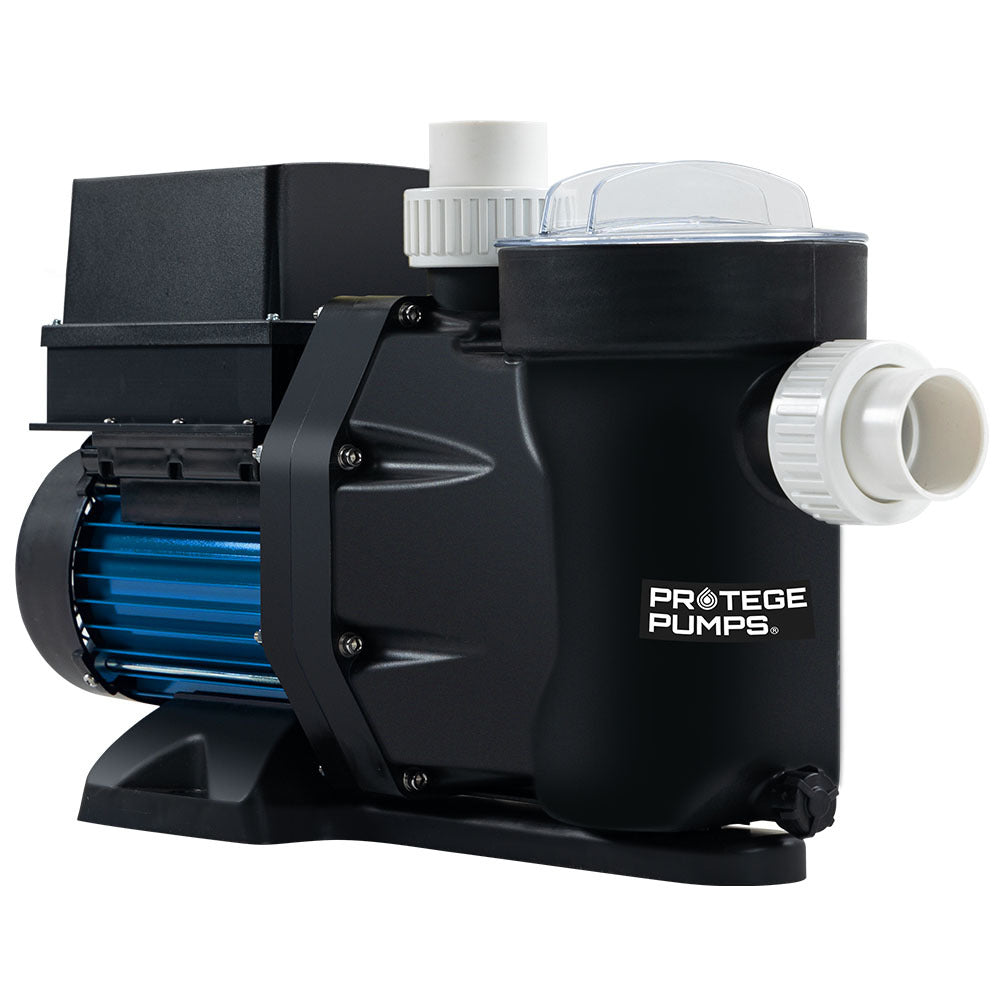
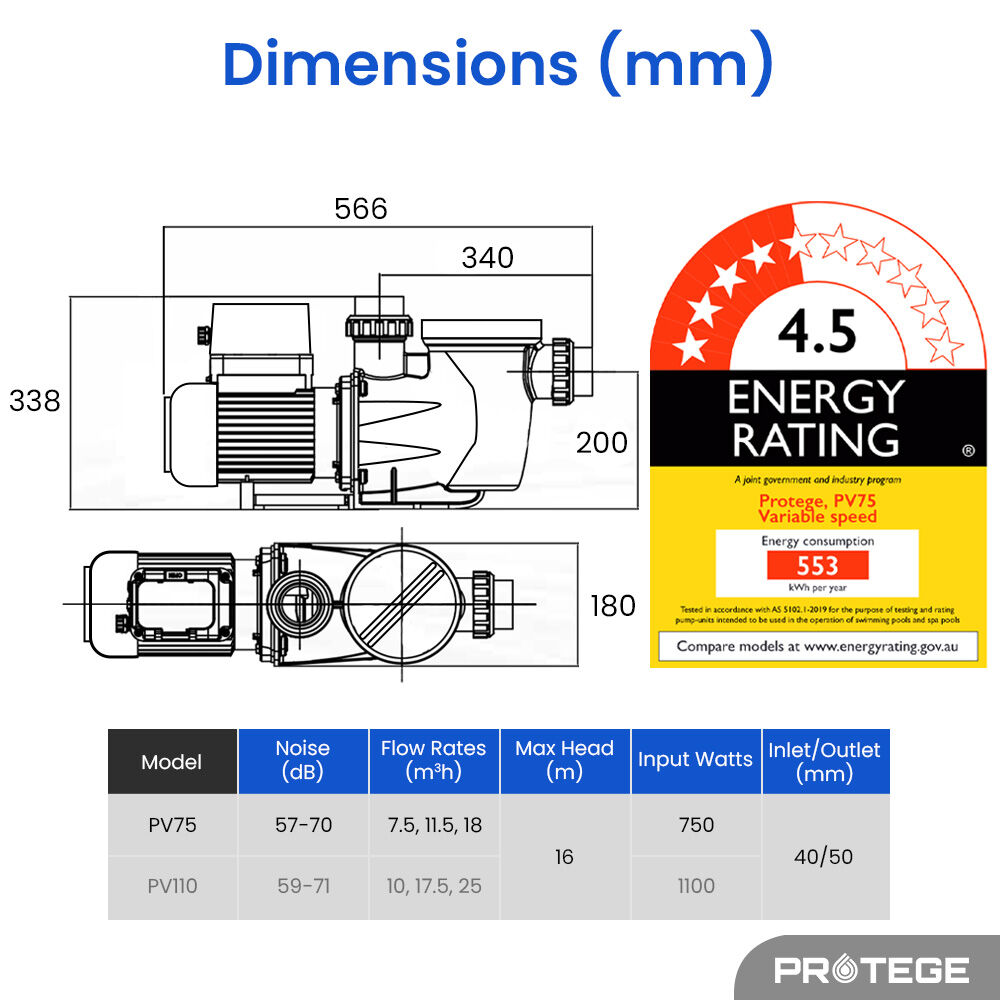
PROTEGE Variable Speed Pump, 1.0HP, 3 Speeds, Quiet, Economical, for Swimming Pool and Spa
Regular price $583.90 AUDRegular priceUnit price per -
 Sale
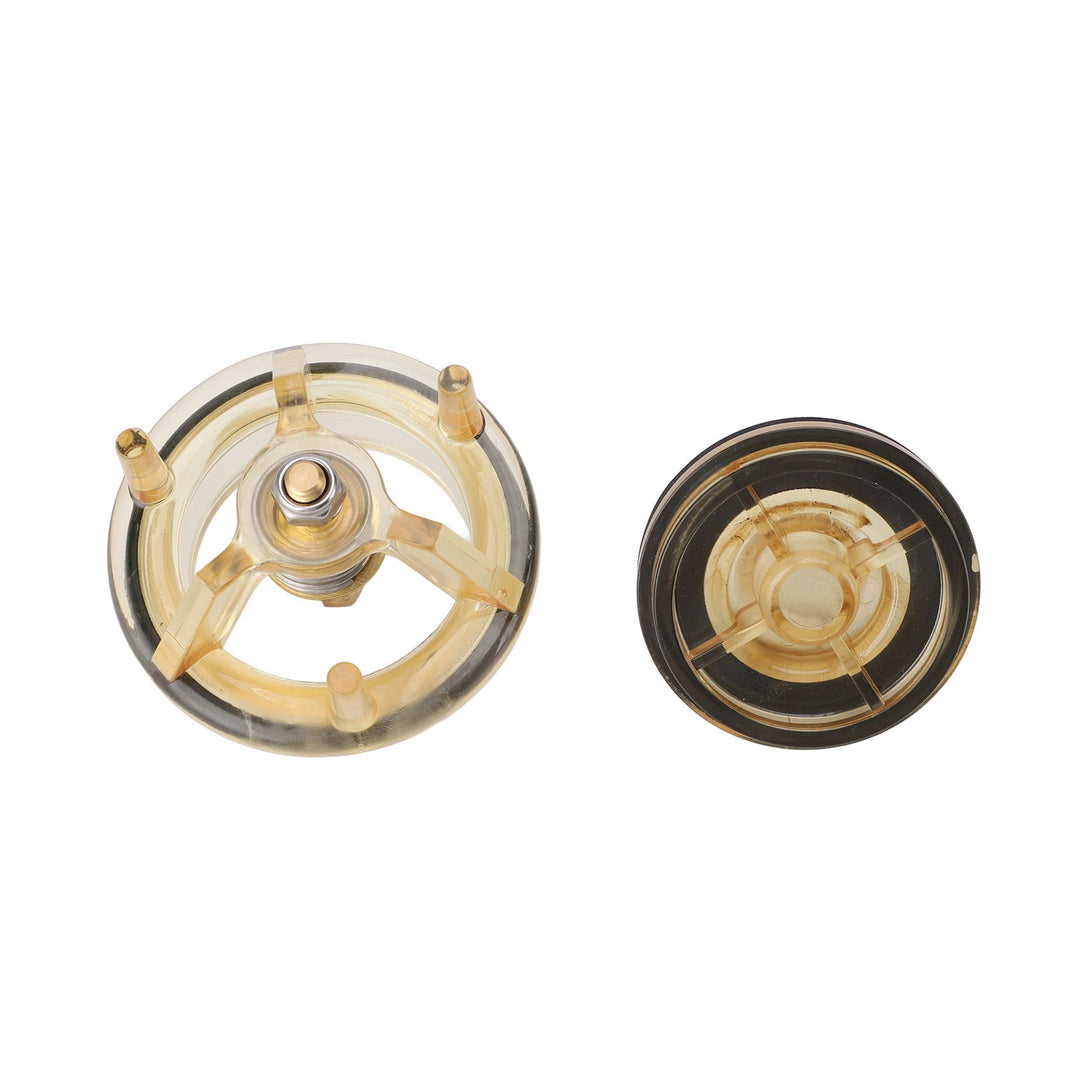
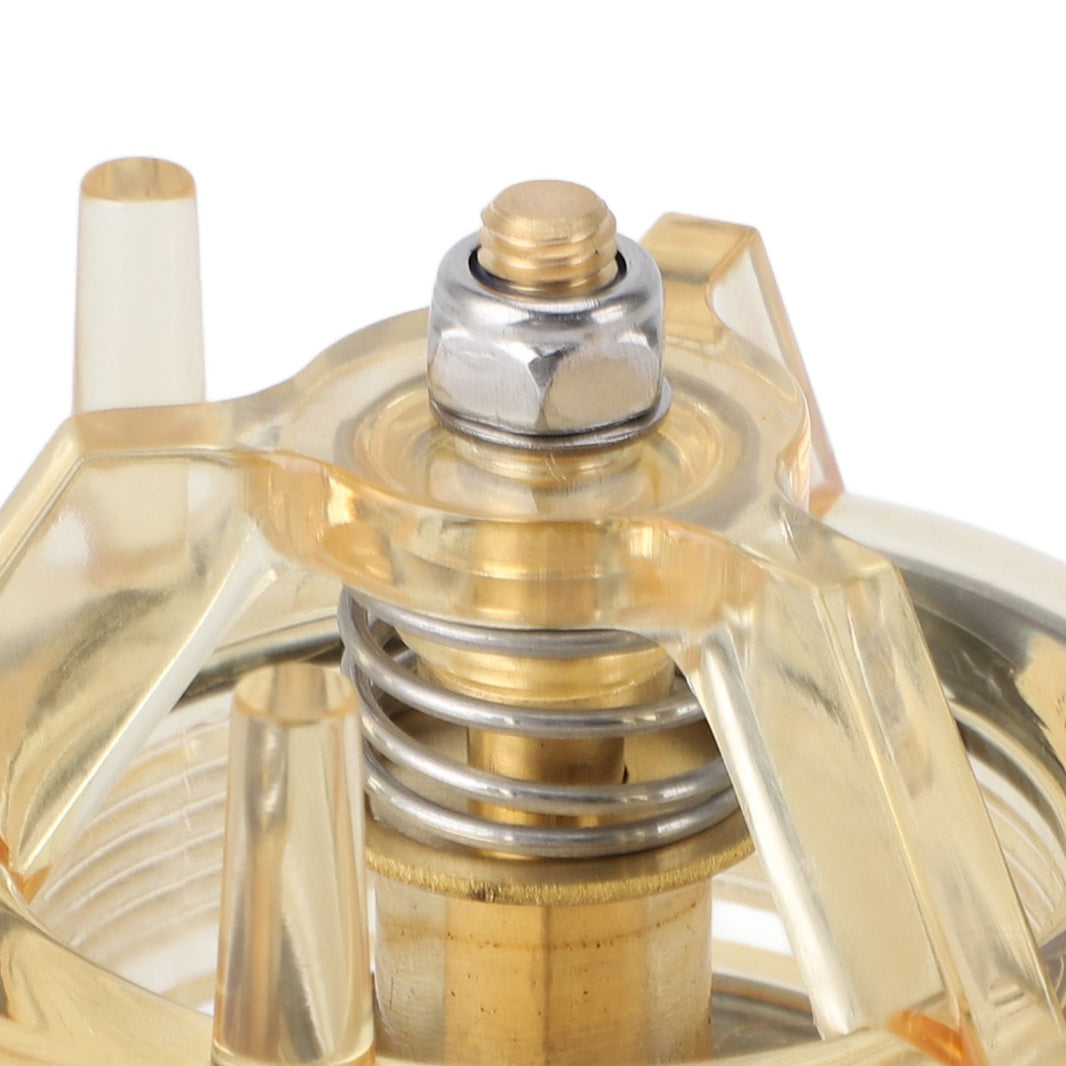
Bonnet Poppet Repair Kit Professional Replacement 905212 Bonnet Poppet Assembly Kit for Swimming Pool SPA 1 Inch Or 1‑1/4 Inch
Regular price $27.90 AUDRegular priceUnit price per$31.99 AUDSale price $27.90 AUDSale -
 Sale
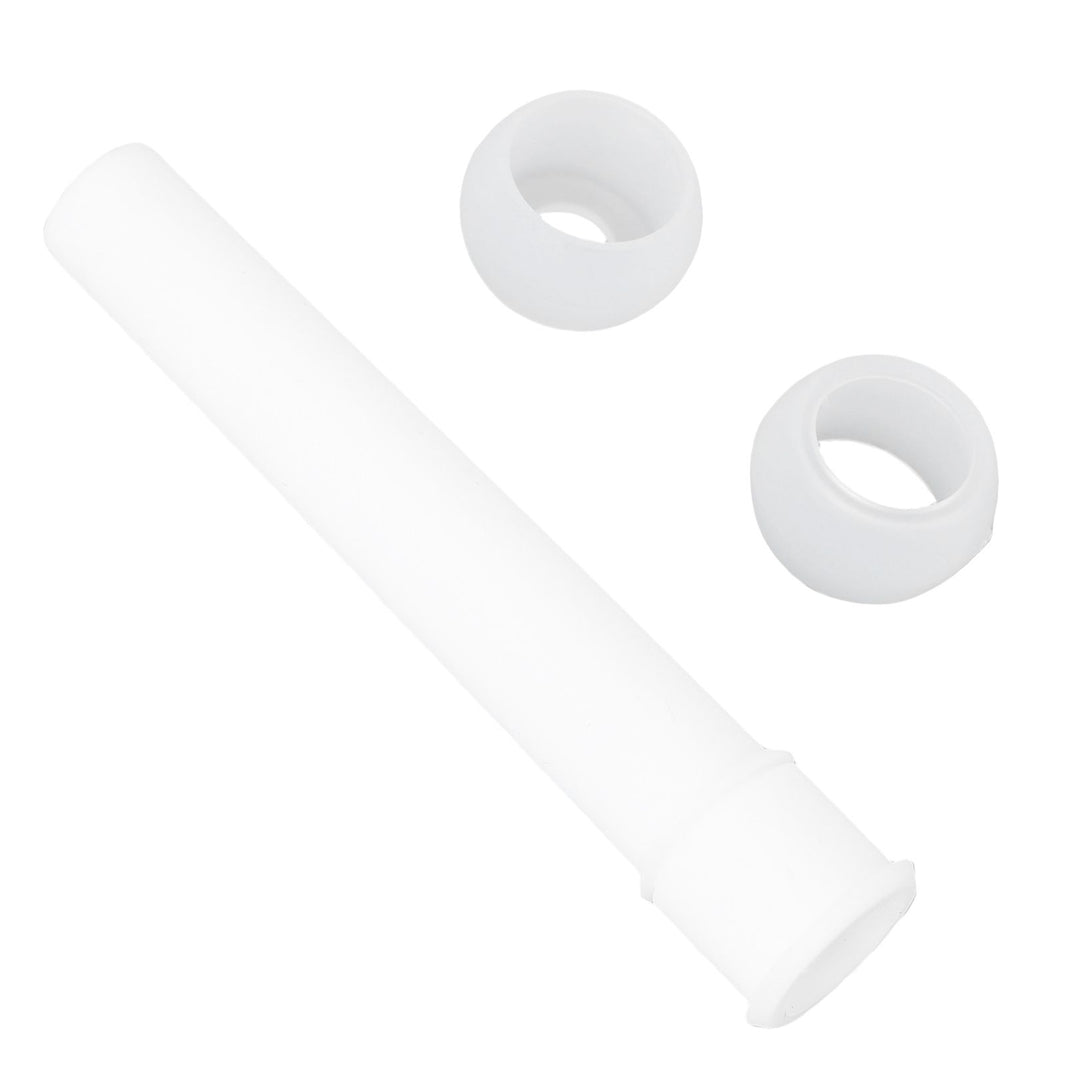
Eyeball Assembly Kit Improve Water Circulation Pool and Spa LED Light Bubbler Nozzle Eyeball Assembly Parts
Regular price $31.90 AUDRegular priceUnit price per$35.99 AUDSale price $31.90 AUDSale


Related reading

Pool equipment works as a system: pump, filter, pipework and cleaning accessories need compatible capacities and connections. This range includes pumps and suction-side cleaners. Start with the existing equipment details and the task you want to improve, rather than choosing the largest wattage or longest hose in the product grid.
1. Replace a pump by system requirements
Record the old pump model, connections, filter requirements and the pool system layout. Flow and pressure are affected by the installed system, so a headline maximum flow rate does not describe every installation. Use the equipment specifications and appropriate professional advice to confirm a replacement. More motor power alone is not a reliable measure of a better match.
2. Check the cleaner’s operating conditions
A cleaner that connects to the filtration system needs the required flow and compatible fittings. Compare the hose route from the connection point to the furthest area it must reach. Pool shape, steps and surface type can affect suitability. Do not assume that a description of wall climbing guarantees access to every step or corner.
3. Consider access and running cost
Leave room to open baskets, disconnect fittings and perform the specified maintenance. For running-cost comparisons, use verified power consumption and expected operating time, not only purchase price. A change to circulation equipment should also preserve the system’s safety arrangements. Have uncertain compatibility or installation requirements checked before connecting a new component.
Further reading: Australian Government: pool pumps and energy use · ACCC: unsafe pool and spa design features
Useful answers
Pool Cleaning & Equipment FAQs
Answers to the decisions that matter when choosing pool equipment.
Is a more powerful pool pump always a better replacement?
No. A replacement has to match the filter, pipework, fittings and required operating conditions. Record the existing equipment models and connection details before comparing pumps. Motor power or a maximum flow figure alone cannot show how a pump will behave in your installed circuit; obtain appropriate advice where compatibility is uncertain.
How do I choose a hose length for a suction pool cleaner?
Work from the connection point to the furthest area the cleaner needs to reach, using the cleaner maker’s hose-layout instructions. Include the pool shape and obstacles such as steps. The longest available hose is not automatically the right choice, and a matching hose diameter does not establish the required operating flow.
Will a wall-climbing cleaner also clean every pool step?
Not necessarily. Steps, corners, surface material and the cleaner’s movement pattern affect what it can reach. Match the cleaner’s documented capability to the actual pool shape. Leave a separate cleaning plan for areas it does not cover, instead of treating a general wall-climbing description as complete coverage.