
Christmas Trees & Decorations
Start with the shape of your display: a tree and its ornaments, a lit outdoor scene or smaller touches around the home.
Shop the collection
-

 Sale
Christmas Inflatable Reindeer 5M Giant Deer Outdoor Air-Powered Light
Regular price $262.90 AUDRegular priceUnit price per$646.99 AUDSale price $262.90 AUDSale -

 Sale
Christmas Inflatable Santa Dinosaur 3.8M LED Illuminated Decorations
Regular price $73.90 AUDRegular priceUnit price per$262.99 AUDSale price $73.90 AUDSale -

 Sale
Christmas Inflatable Santa 5M Outdoor Air-Powered Light Decoration
Regular price $174.90 AUDRegular priceUnit price per$314.99 AUDSale price $174.90 AUDSale -

 Sale
Jingle Jollys Christmas Tree 2.1m Flocking Pencil Tree LED Xmas 860 Tips White
Regular price $106.90 AUDRegular priceUnit price per$299.99 AUDSale price $106.90 AUDSale -

 Sale
Christmas Inflatable Nutcracker Archway 3M Outdoor Decorations
Regular price $47.90 AUDRegular priceUnit price per$159.99 AUDSale price $47.90 AUDSale -

 Sale
Christmas LED Motif Light Tree 1.88M Waterproof Colourful
Regular price $39.90 AUDRegular priceUnit price per$91.99 AUDSale price $39.90 AUDSale -
 Sale
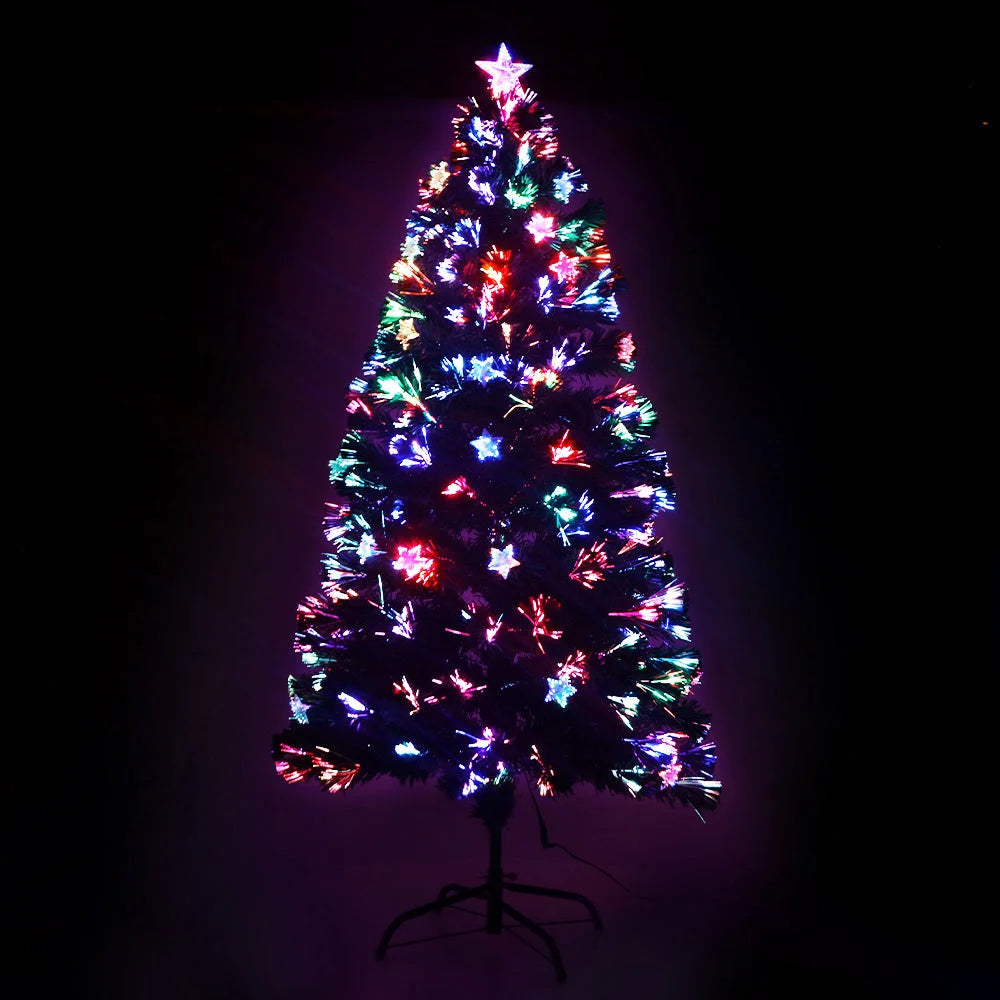
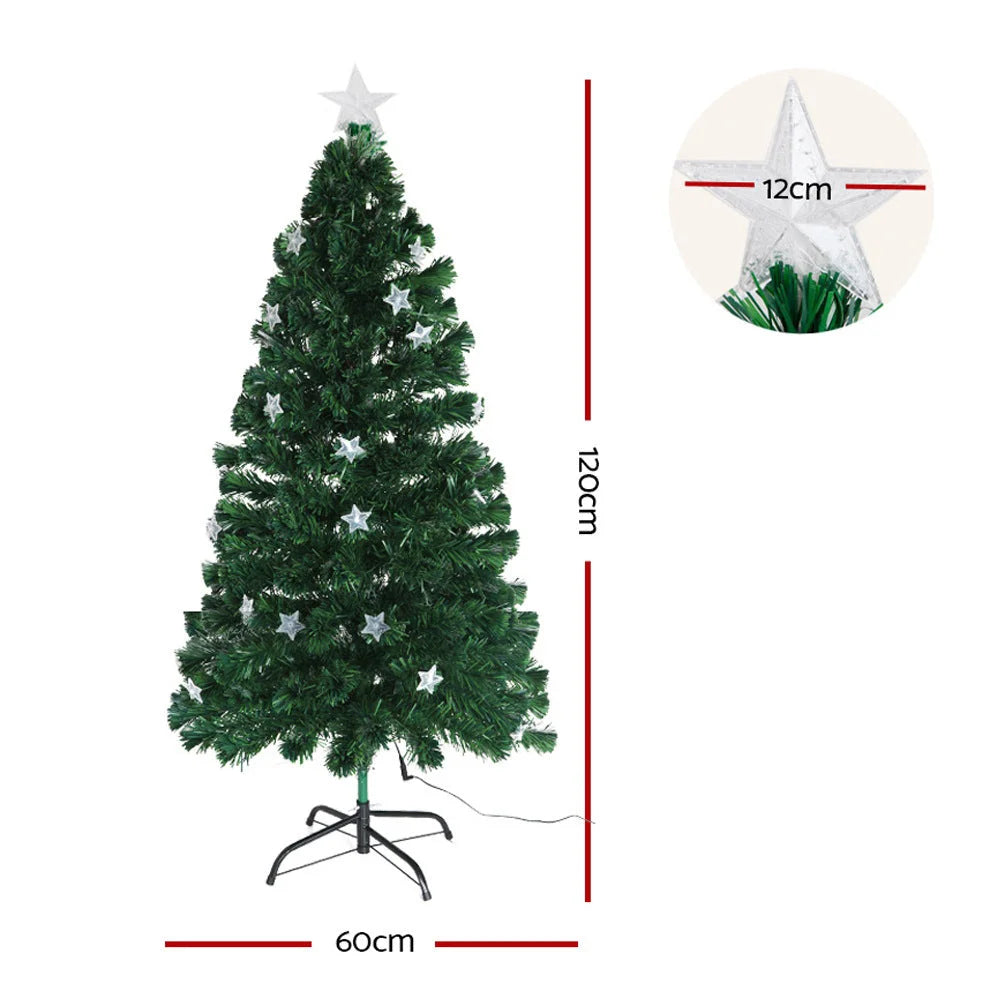
LED Christmas Tree 4FT Optic Fiber Multi-Colour Lights
Regular price $33.90 AUDRegular priceUnit price per$67.99 AUDSale price $33.90 AUDSale -

 Sale
Christmas Inflatable Giant Archway Santa Snowman - 2.8M Light Decor
Regular price $54.90 AUDRegular priceUnit price per$97.99 AUDSale price $54.90 AUDSale -

 Sale
Jingle Jollys Christmas Tree 2.1m LED Lighted Xmas Palm Trees Party Decorations
Regular price $79.90 AUDRegular priceUnit price per$199.99 AUDSale price $79.90 AUDSale -

 Sale
Jingle Jollys Christmas Tree 1M LED Potted Xmas Party Decor Red Barries Flocked
Regular price $96.90 AUDRegular priceUnit price per$131.99 AUDSale price $96.90 AUDSale -

 Sale
Jingle Jollys Christmas Inflatable Gift Tree 2.2M Height Flashing Light Decorations Illuminated
Regular price $46.90 AUDRegular priceUnit price per$149.99 AUDSale price $46.90 AUDSale -

 Sale
Jingle Jollys Christmas Inflatable Gingerbread Man 1.5M Height LED Decorations Illuminated
Regular price $21.90 AUDRegular priceUnit price per$92.99 AUDSale price $21.90 AUDSale -

 Sale
Festive Climbing Santa LED Ladder Light - USB Powered Outdoor Christmas Hanging Decoration with Remote(3m)
Regular price $30.90 AUDRegular priceUnit price per$74.00 AUDSale price $30.90 AUDSale -

 Sale
Jingle Jollys Christmas Inflatable Santa in Helicopter 2.55M Height LED Illuminated Decorations
Regular price $55.90 AUDRegular priceUnit price per$182.99 AUDSale price $55.90 AUDSale -

 Sale
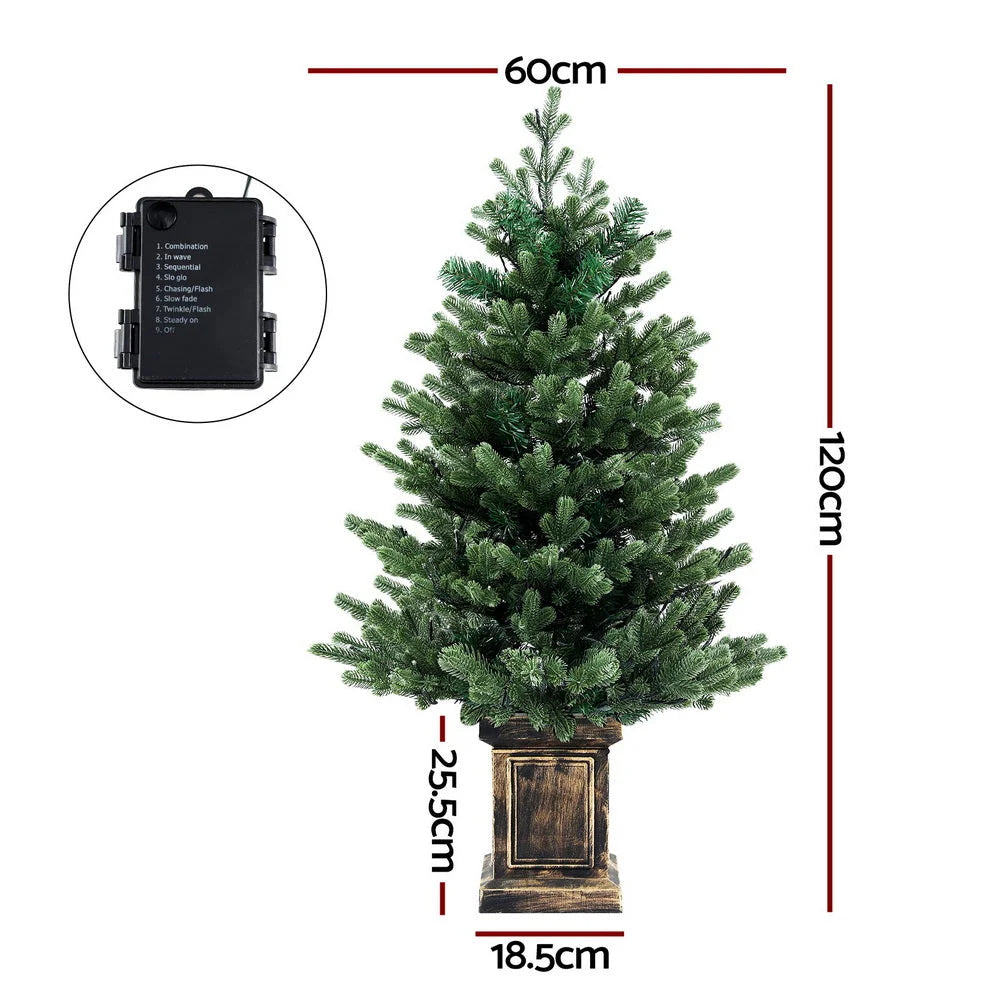
Jingle Jollys Christmas Tree 1.2M LED Potted Xmas Tree Party Decor 8 Light Modes
Regular price $65.90 AUDRegular priceUnit price per$132.99 AUDSale price $65.90 AUDSale -

 Sale
Jingle Jollys Christmas Inflatable Gingerbread Man Tree LED Illuminated Decorations
Regular price $68.90 AUDRegular priceUnit price per$182.99 AUDSale price $68.90 AUDSale -

 Sale
Jingle Jollys Christmas Lights Laser Light Snowflake Projector Indoor Outdoor
Regular price $21.90 AUDRegular priceUnit price per$61.99 AUDSale price $21.90 AUDSale -

 Sale
Solar Christmas Tree 1.5m Twigs 304 LED Lights Xmas Tree
Regular price $34.90 AUDRegular priceUnit price per$116.99 AUDSale price $34.90 AUDSale -

 Sale
Christmas Inflatable Santa 3M Xmas Outdoor Decorations with LED Lights
Regular price $57.90 AUDRegular priceUnit price per$181.99 AUDSale price $57.90 AUDSale -

 Sale
Christmas Tree 2.4M 8FT with 3190 LED Lights Warm White 1436 Tips - Xmas
Regular price $182.90 AUDRegular priceUnit price per$499.99 AUDSale price $182.90 AUDSale -

 Sale
Christmas Motif Lights LED Rope Reindeer Waterproof Outdoor
Regular price $79.90 AUDRegular priceUnit price per$142.99 AUDSale price $79.90 AUDSale -
 Sale
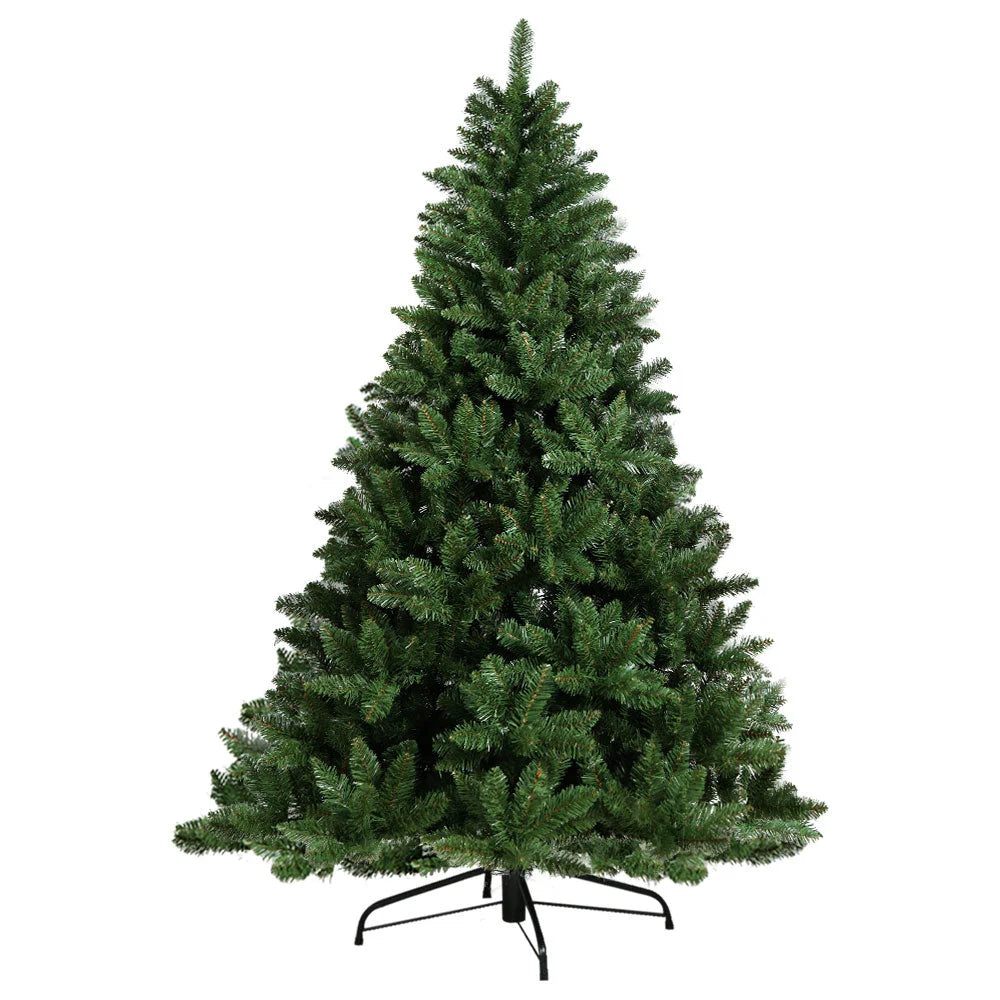
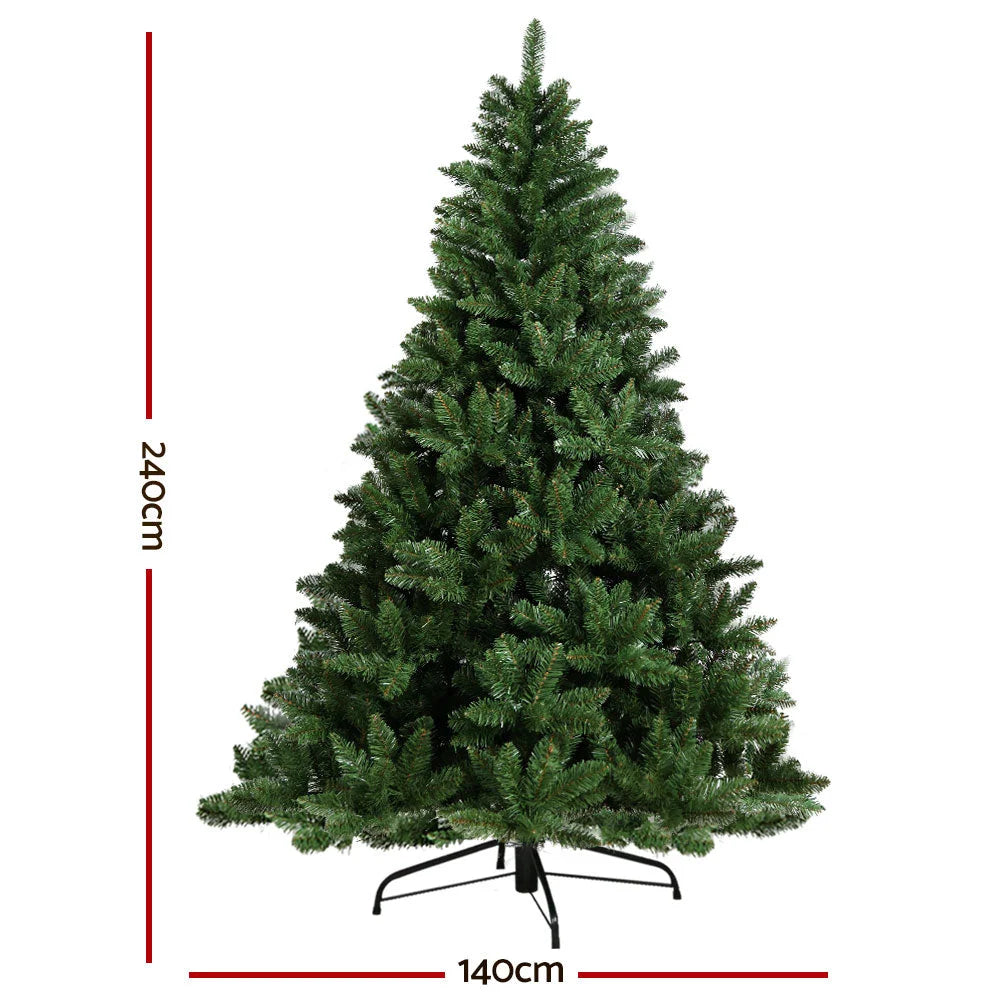
Christmas Tree 8FT - Green
Regular price $64.90 AUDRegular priceUnit price per$141.99 AUDSale price $64.90 AUDSale -

 Sale
Jingle Jollys 2x Suction Cup Hooks Heavy Duty Christmas Wreath Hanger Window 5kg
Regular price $42.90 AUDRegular priceUnit price per$54.99 AUDSale price $42.90 AUDSale -
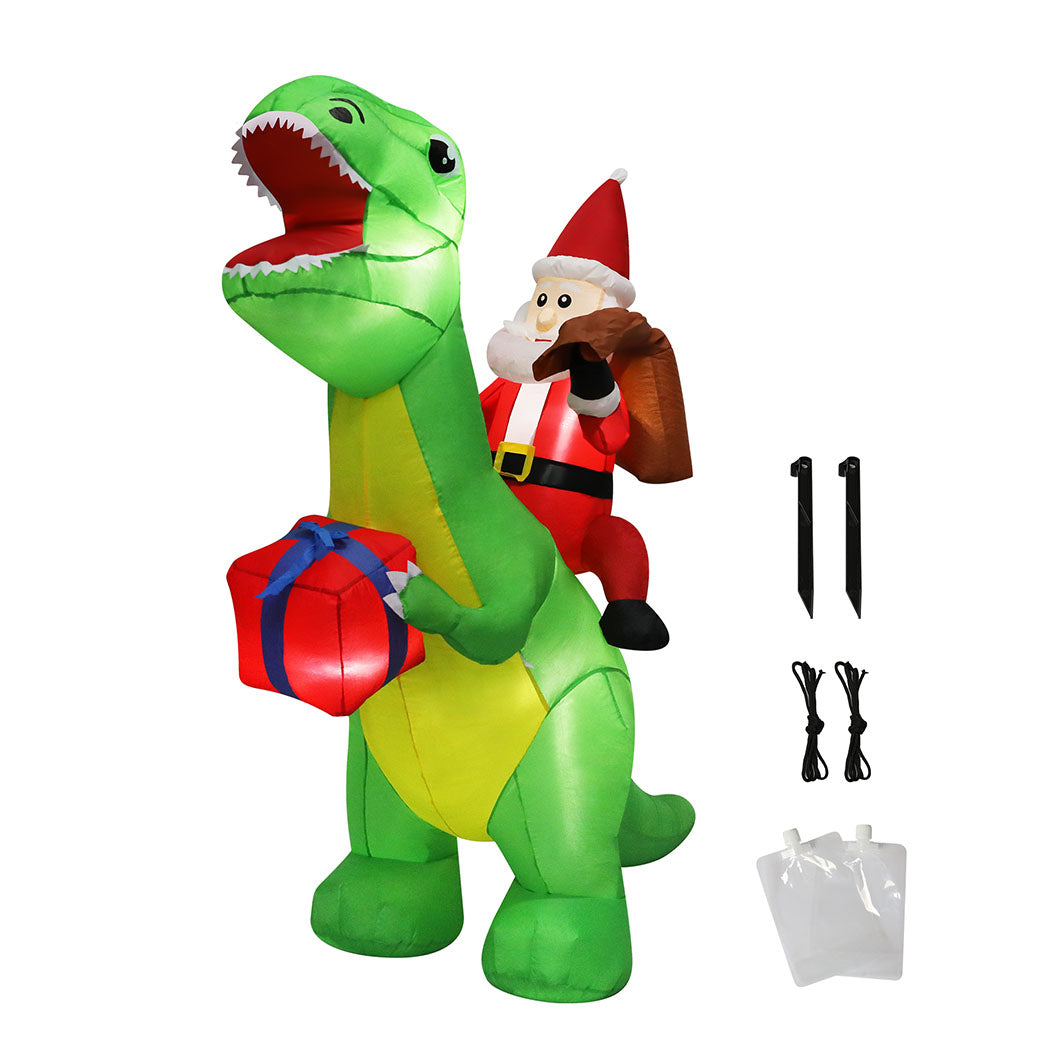
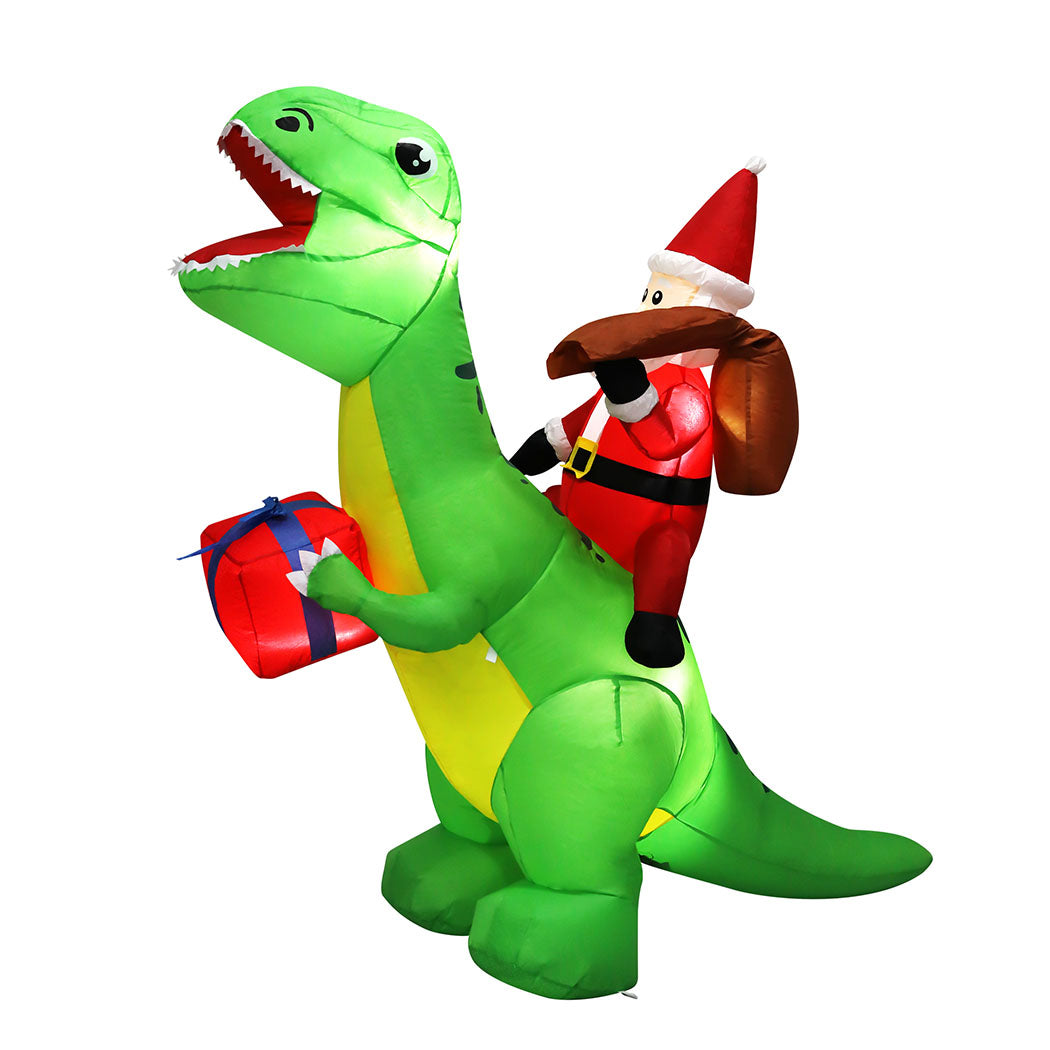
Inflatable Santa Riding a Dinosaur with Lights – Santaco
Regular price $75.70 AUDRegular priceUnit price per


Start with the shape of your display: a tree and its ornaments, a lit outdoor scene or smaller touches around the home. Choosing that centrepiece first makes colours, scale and quantities easier to judge. This Christmas collection brings those elements together, from compact potted trees to large illuminated characters and finishing details.
1. Choose the tree footprint before its height
A tall, narrow tree and a full-width tree use a room differently. Mark the intended footprint on the floor and allow for the stand, lowest branches and furniture around it. Leave headroom for a topper rather than choosing a tree that just reaches the ceiling without decoration.
2. Give lights and ornaments different jobs
Lights describe the outline and depth of a scene; ornaments add colour and detail when viewed up close. Choose the lighting effect first, then distribute larger decorations before the smaller accents. A consistent palette can connect a tree to a wreath or tabletop arrangement without using identical pieces everywhere.
3. Keep indoor and outdoor plans separate
Choose the outdoor scene around its position, power arrangement and permitted exposure. A festive name or an illuminated photograph does not establish outdoor suitability. Use the outdoor decoration guide for placement, and keep delicate indoor ornaments in the areas where their finish and attachments are intended to be used.
Useful answers
Planning your Christmas decorations
What should I buy first for a coordinated Christmas display?
Choose the main feature first: a tree, an outdoor figure or a table arrangement. Its size and colour will guide the smaller purchases. List the lights and ornaments you already have, then buy the missing pieces for that feature before starting another area of the house.
Can I mix new Christmas decorations with an older collection?
Yes. Choose one link between them, such as red fabric, gold details or a repeated star shape. Arrange the older pieces first and use new accents where the display needs colour or height. Matching every ornament is less important than giving the different pieces enough space to be seen.
How can I decorate a small home without filling every surface?
Pick the view you enjoy most, such as the tree from the sofa or a shelf seen from the dining table. Make that the main display and repeat a small accent elsewhere. Keep everyday surfaces usable; a compact arrangement you can leave in place is easier to enjoy throughout the season.