
Furniture for small everyday routines
Kids Furniture
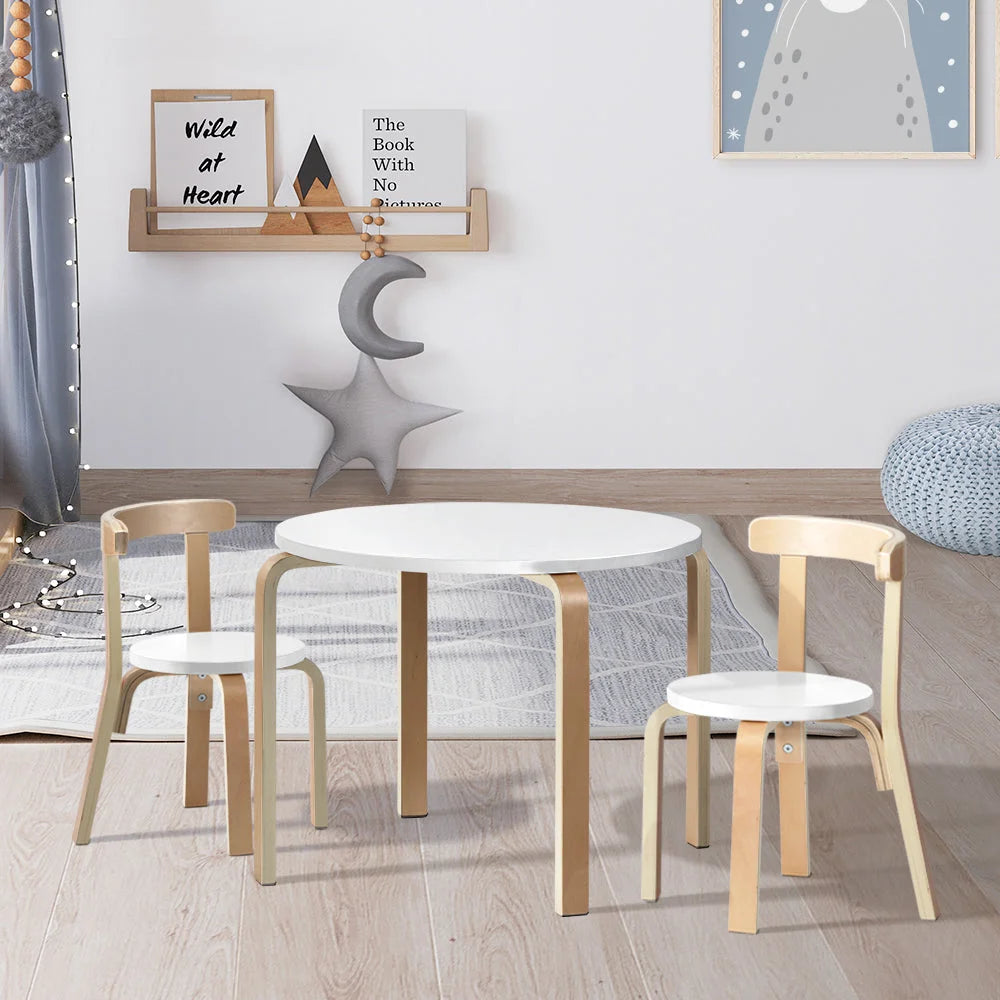
Child-sized furniture can make drawing, reading and putting toys away more manageable. Match seat and tabletop heights to the child, then plan how the furniture fits into the room alongside storage and clear walking space.
Choose activity furniture or storage
Choose by activity rather than theme
A drawing table needs elbow room and a wipeable surface. A reading chair needs a usable seat depth. A toy unit needs compartments children can reach without climbing. Decorative shapes can make a room inviting, but the practical dimensions determine how comfortably the piece is used.
Check the whole furniture grouping
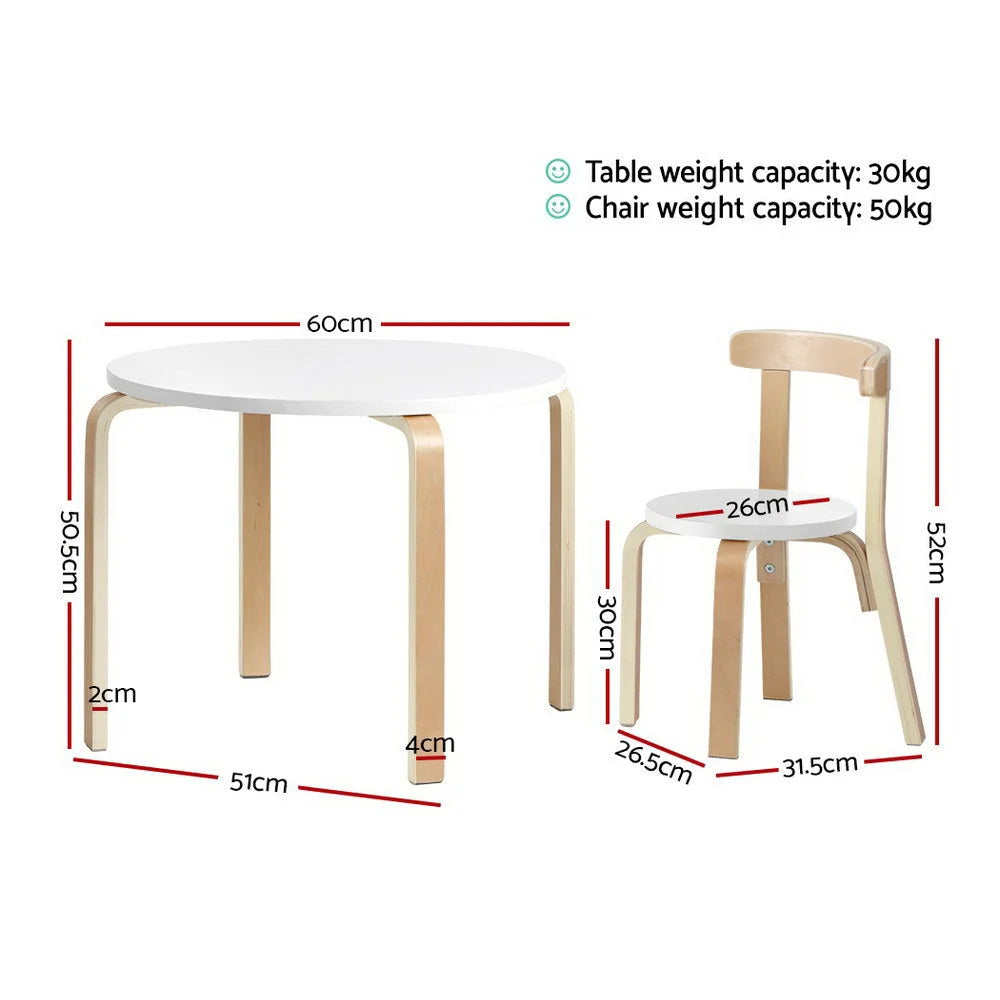
A chair can fit a child yet be too low for the table beside it. Compare the seat height, underside clearance and leg space together. Leave enough room behind chairs to get in and out, including space for an adult to help without moving another piece of furniture.
Build in stable storage
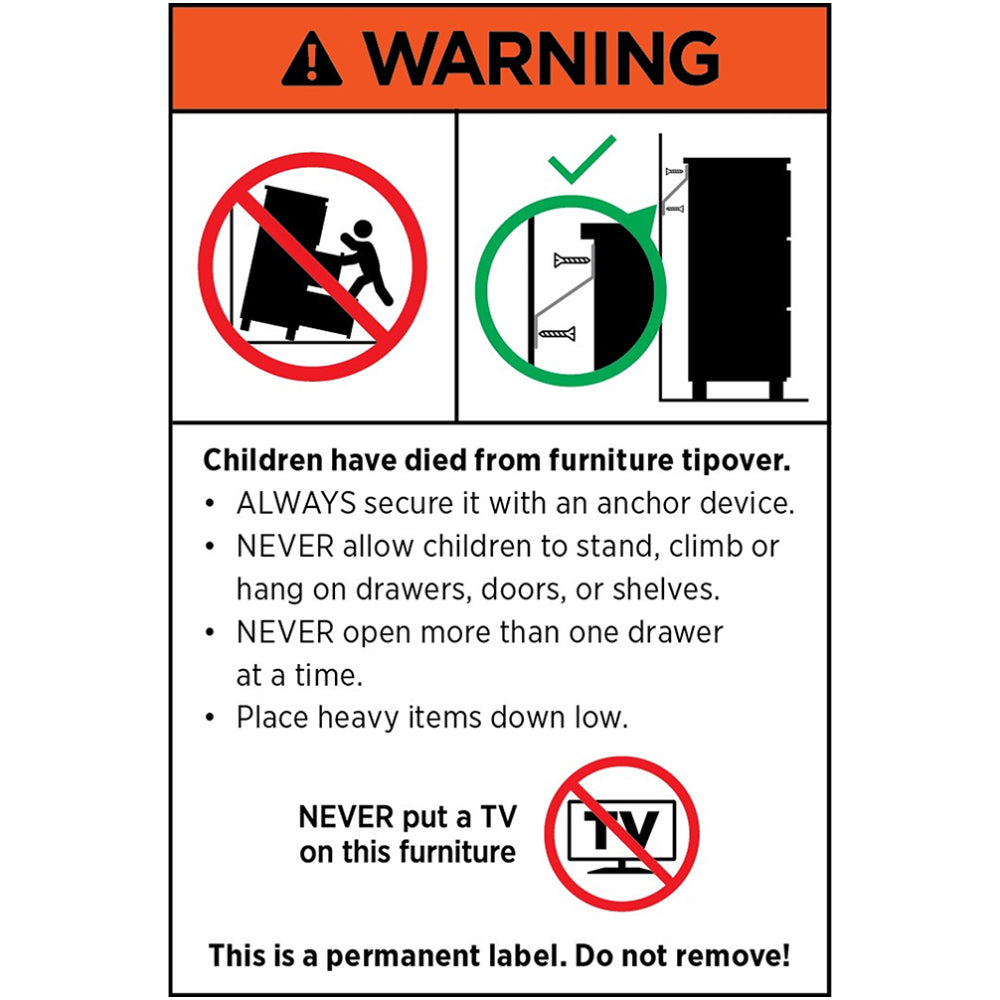
Choose furniture that can be secured appropriately and follow anchoring instructions, particularly for shelves and cabinets. Do not use an attractive item on top as a reason for a child to climb. Keep heavy contents lower down and provide accessible storage for toys used most often.
Mock up the layout before assembling
Use paper or removable tape to mark the table, chair and storage footprints on the floor. Then move a chair back and open the storage area as if it were already installed. This reveals the everyday working area, which is larger than the furniture’s closed dimensions.
Further reading: ACCC: preventing furniture tip-overs
Shop the collection
-
Kids Table Chair Set 3PC Nordic Desk Activity Study Play for Children - Modern
Regular price $109.90 AUDRegular priceUnit price per$199.99 AUDSale price $109.90 AUDSale -
Kids Recliner Chair PU Leather Sofa Lounge Couch - Pink
Regular price $111.90 AUDRegular priceUnit price per$167.99 AUDSale price $111.90 AUDSale -
Kids Vanity Dressing Table Stool Set Mirror Princess Makeup - White
Regular price $57.90 AUDRegular priceUnit price per$132.99 AUDSale price $57.90 AUDSale -
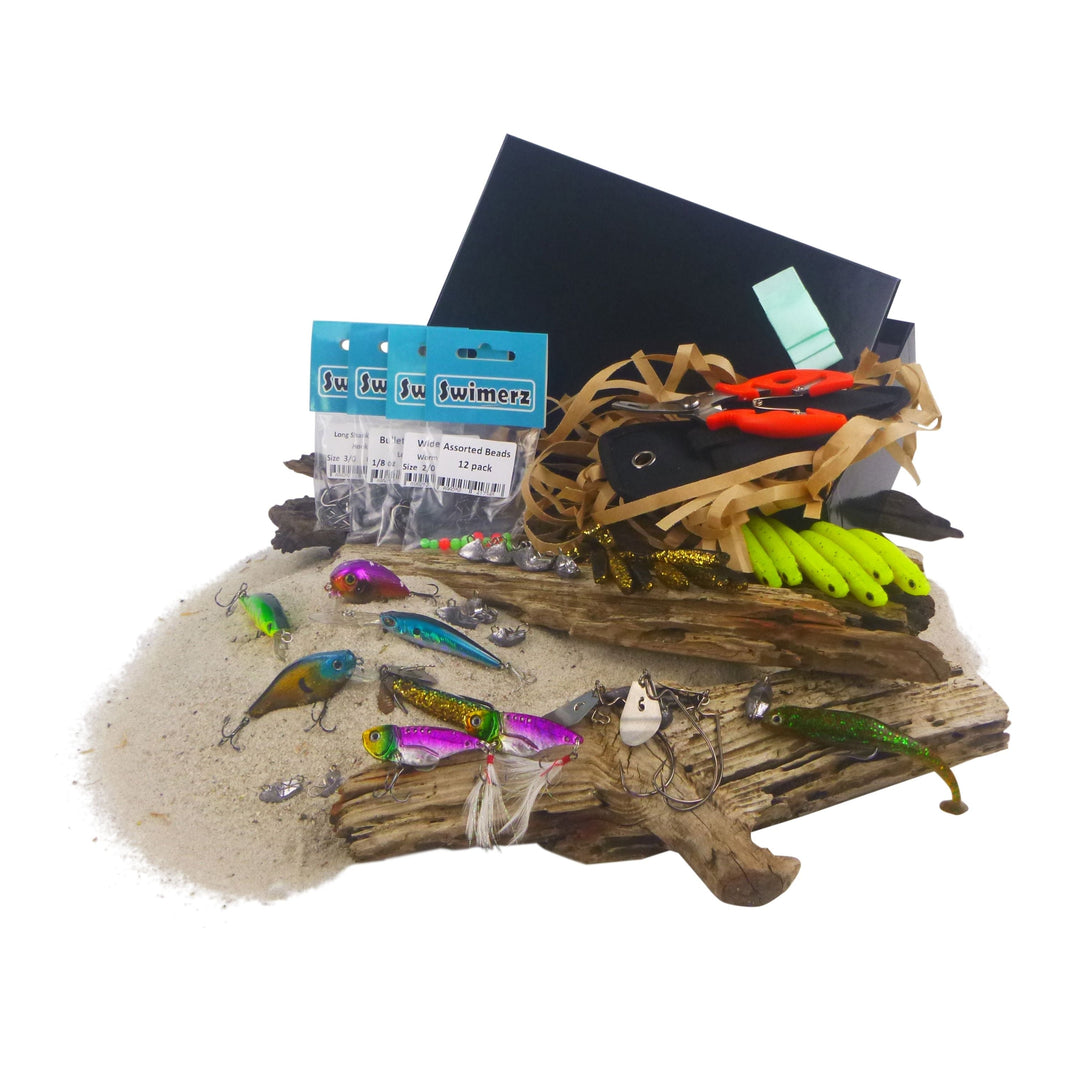
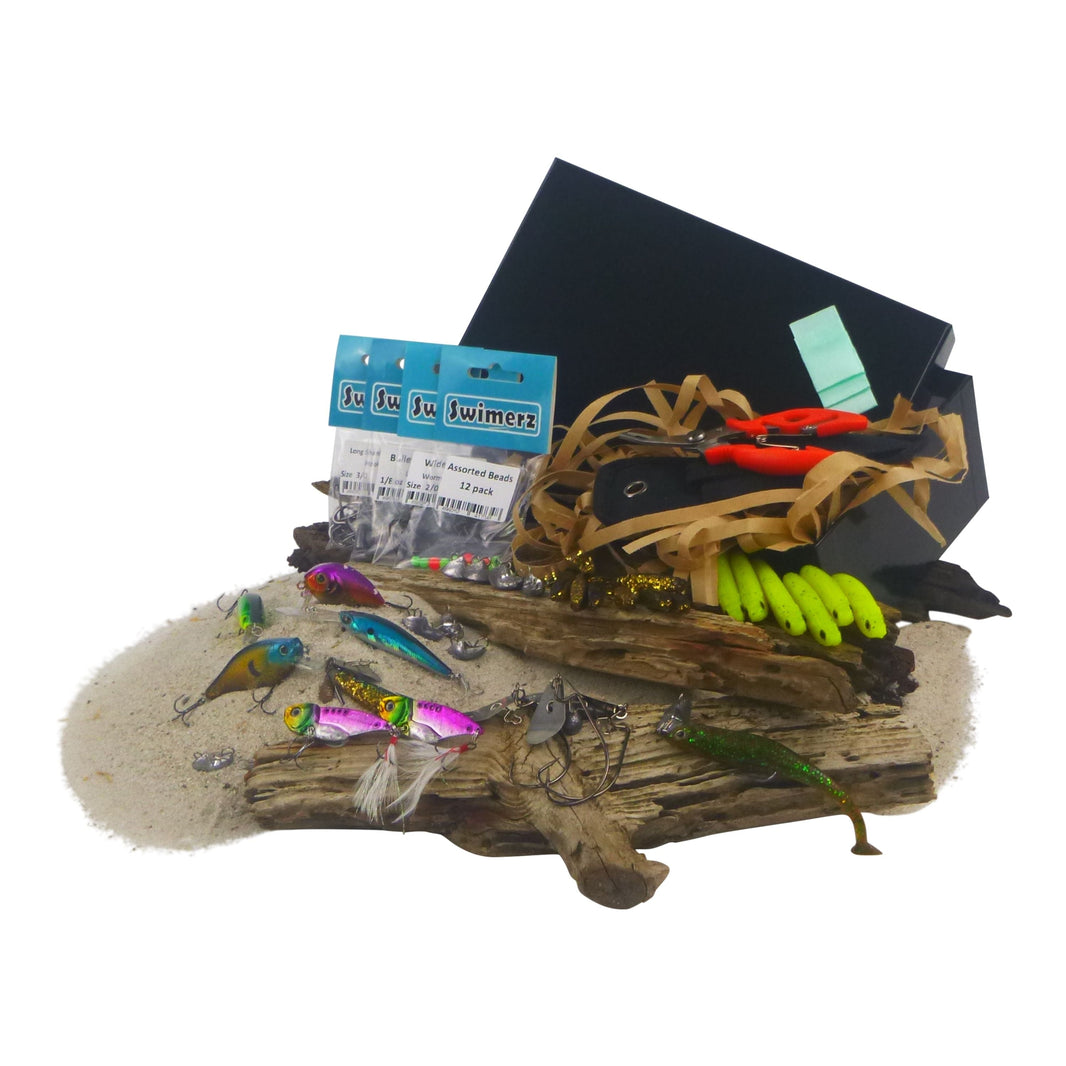
The Lure Fishers Toy Box
Regular price $128.90 AUDRegular priceUnit price per$105.95 AUDSale price $128.90 AUD -
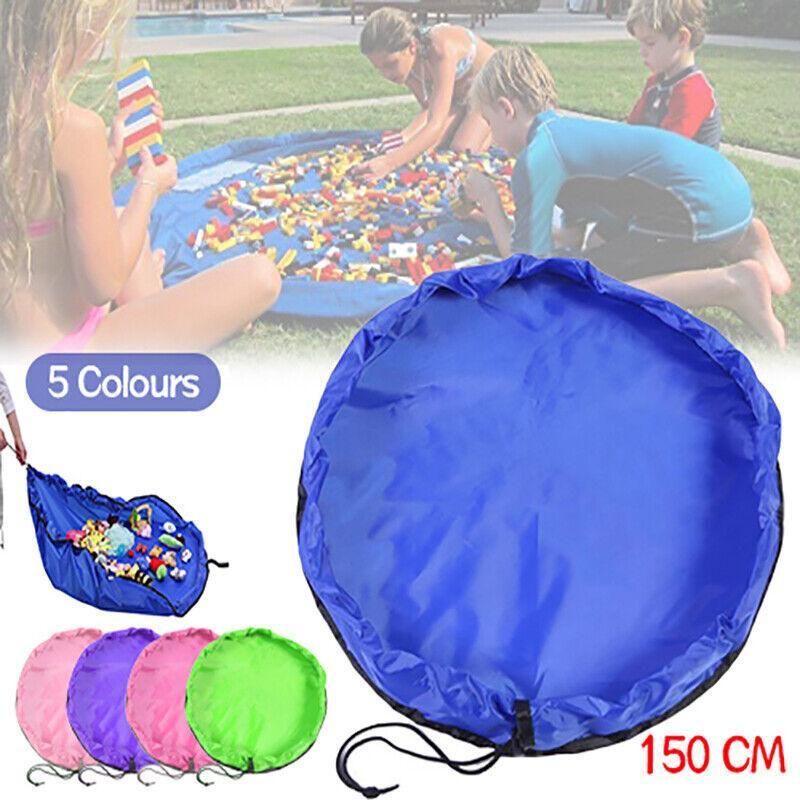
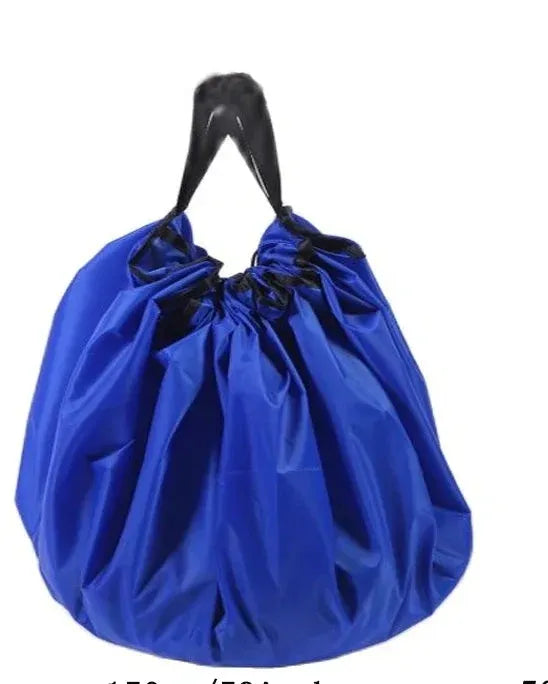
150Cm Kids Play Mat Bag Portable Toy Storage Organizer Lego Toys Drawstring Bag
Regular price $44.90 AUDRegular priceUnit price per$46.62 AUDSale price $44.90 AUDSale -
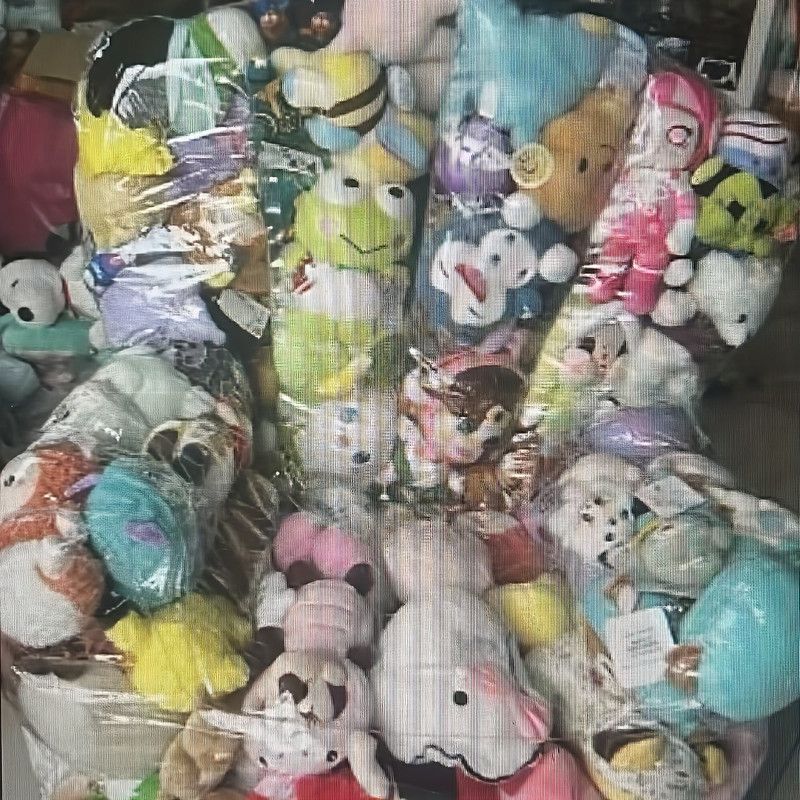
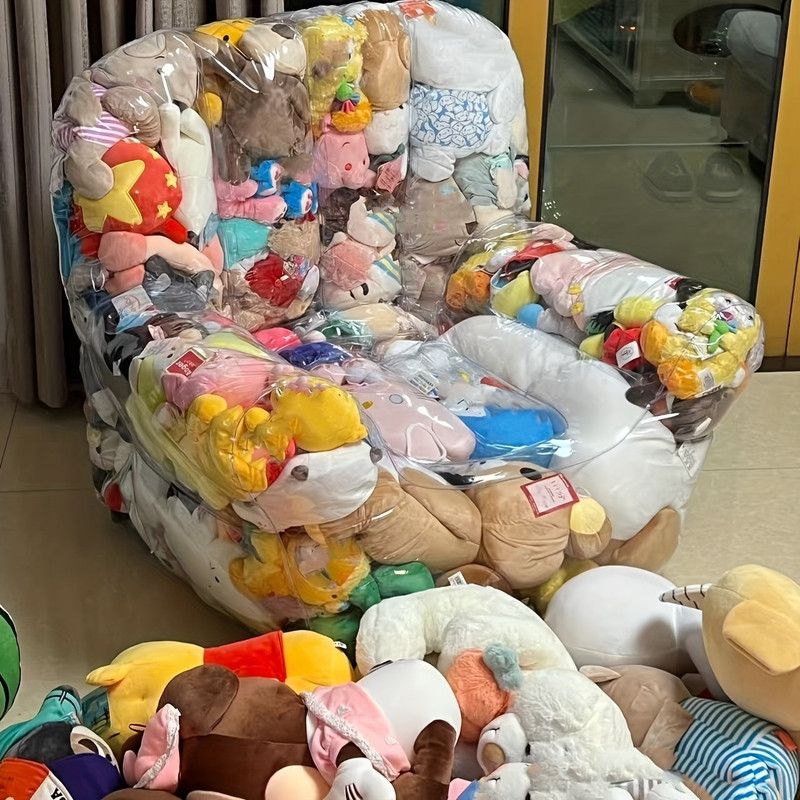
Transparent Sofa Toy Storage Seat Organizer
Regular price $170.90 AUDRegular priceUnit price per$140.99 AUDSale price $170.90 AUD -
Foldable Large Capacity Oxford Cloth Laundry Basket Toy Storage Bag Household - Beige
Regular price $41.90 AUDRegular priceUnit price per$43.36 AUDSale price $41.90 AUDSale -
Stuffed Animal Storage Plush Toy Storage Vertical Corner Toys Display Holder Easy Accessible with Elastic Cord for Nursery Kids Room Bedroom Organization
Regular price $78.90 AUDRegular priceUnit price per$88.00 AUDSale price $78.90 AUDSale -
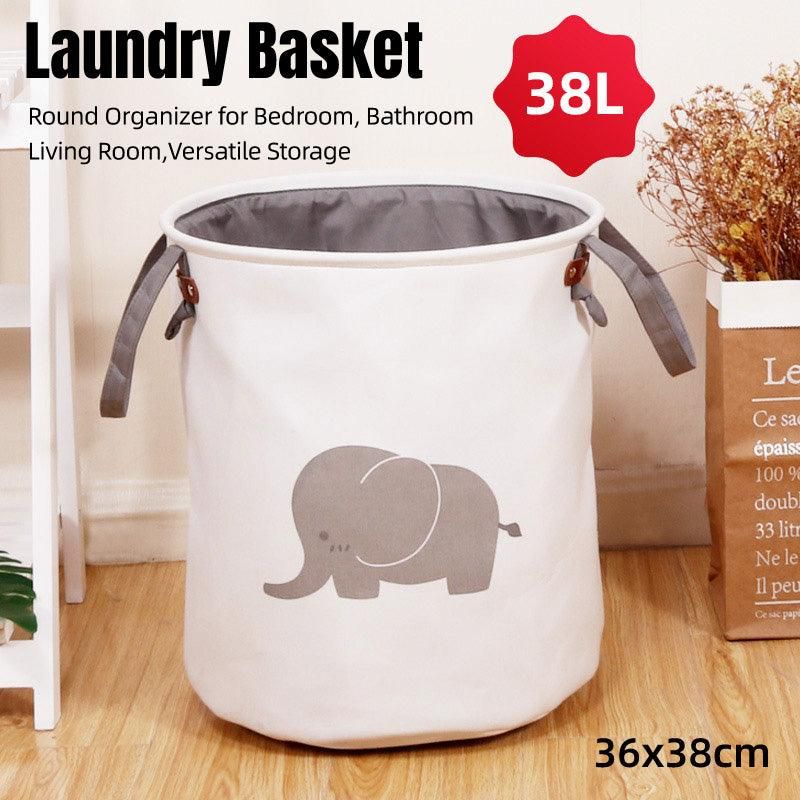
38L Fabric Toy Storage Basket Dirty Clothes Laundry Basket Home Organizer Bin
Regular price $19.90 AUDRegular priceUnit price per$20.59 AUDSale price $19.90 AUDSale -
3-Tier Kids Bookshelf & Toy Storage Organizer with Sling Book Rack and Storage Bag For Toddler, Kids Room, Playroom, Kindergarten, Nursery
Regular price $103.90 AUDRegular priceUnit price per$92.99 AUDSale price $103.90 AUD -
Portable Pet Toy Storage Box Foldable Organizer Snack Bag Pet Accessories Holder - Cat
Regular price $61.90 AUDRegular priceUnit price per$65.61 AUDSale price $61.90 AUDSale -
3-Tier Kids Bookshelf, Toy Storage Organizer for Toddler, Book Shelf for Kids Rooms with Sling Book Rack and Storage Bag, Kids Storage Book Shelves for Kids Room, Playroom, Kindergarten, Nursery
Regular price $76.90 AUDRegular priceUnit price per$60.90 AUDSale price $76.90 AUD -
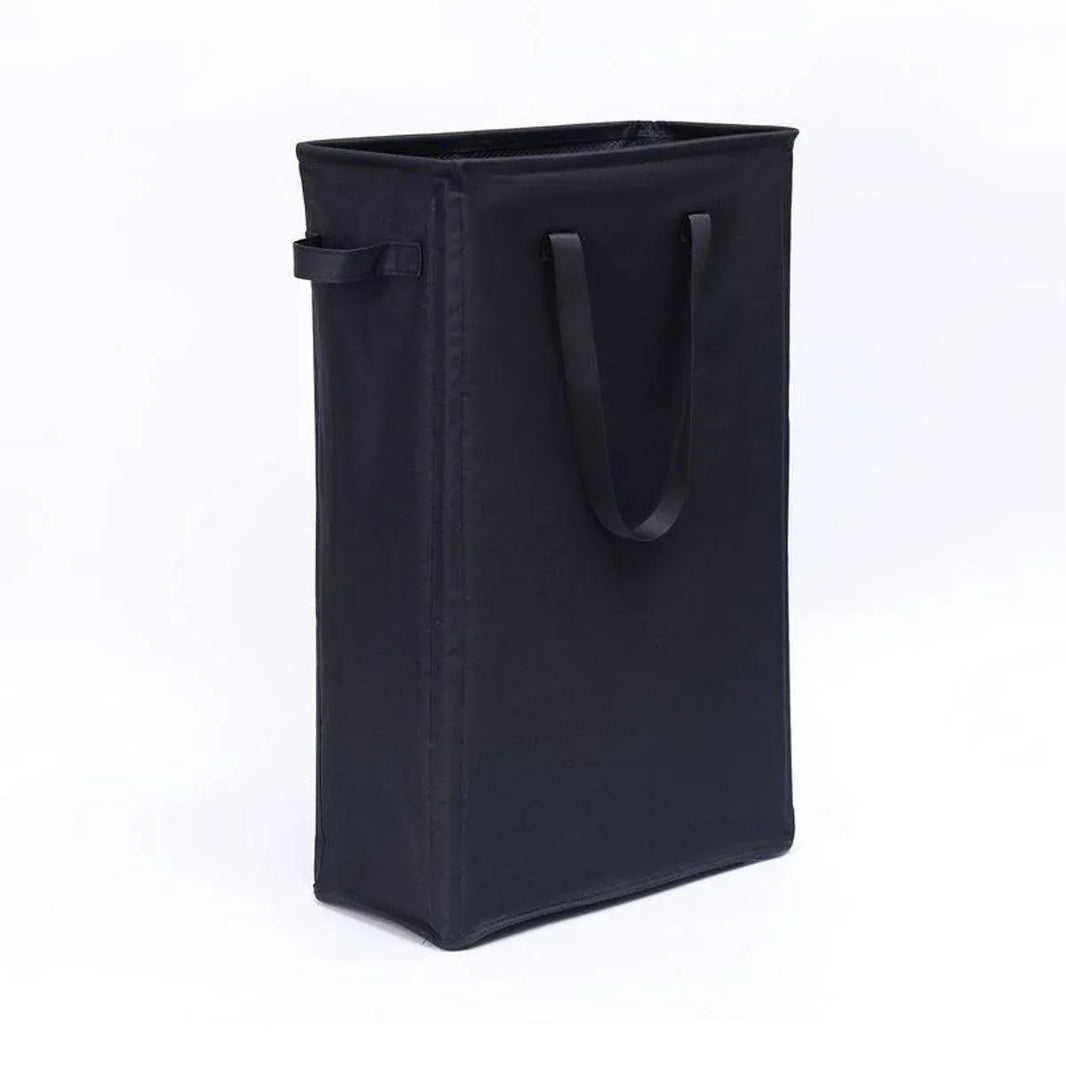
Foldable Large Capacity Oxford Cloth Laundry Basket Toy Storage Bag Household - Black
Regular price $41.90 AUDRegular priceUnit price per$43.36 AUDSale price $41.90 AUDSale -


Foldable Laundry Basket Dirty Clothes Hamper Toy Storage Organizer Storage Bin - English Letters
Regular price $47.90 AUDRegular priceUnit price per$50.16 AUDSale price $47.90 AUDSale -
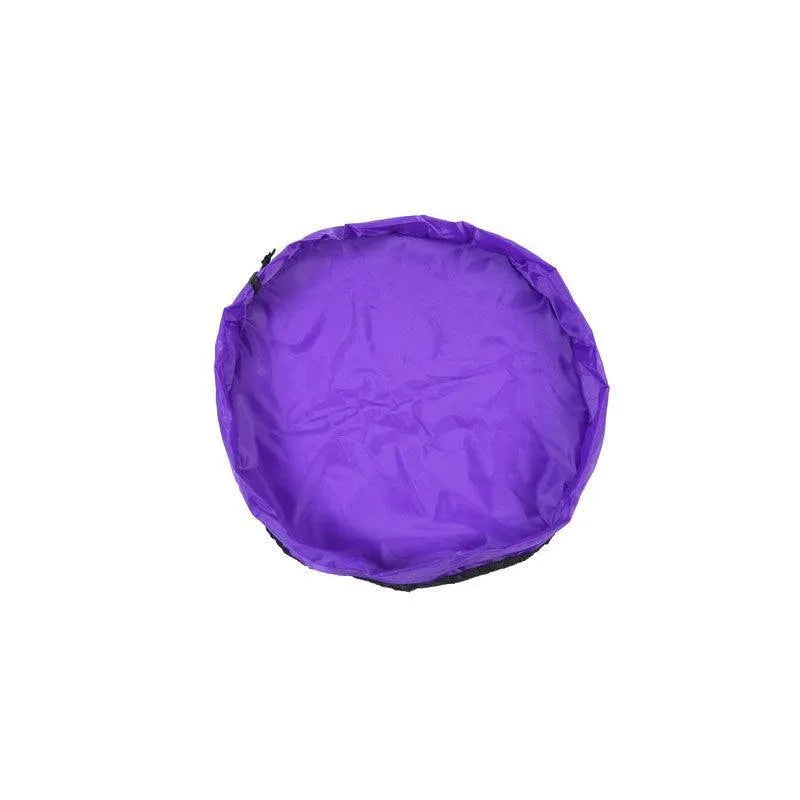
150cm Play Mat Bag Portable Toy Storage Organizer with Drawstring Closure - Purple
Regular price $27.90 AUDRegular priceUnit price per$29.13 AUDSale price $27.90 AUDSale -
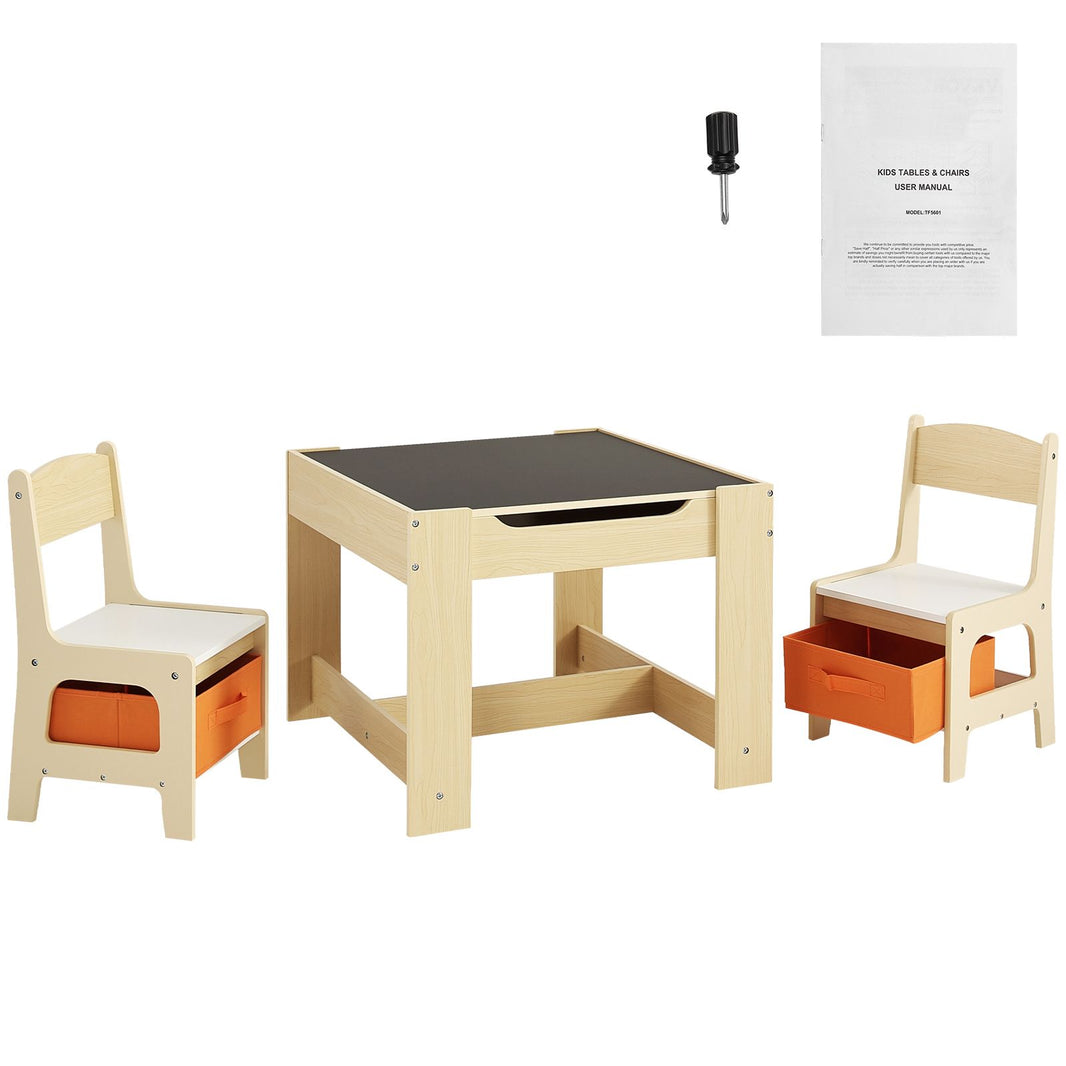
Kids Table and Chair Set Wooden Activity Table with Storage Space & Boxes
Regular price $151.90 AUDRegular priceUnit price per$121.90 AUDSale price $151.90 AUD -
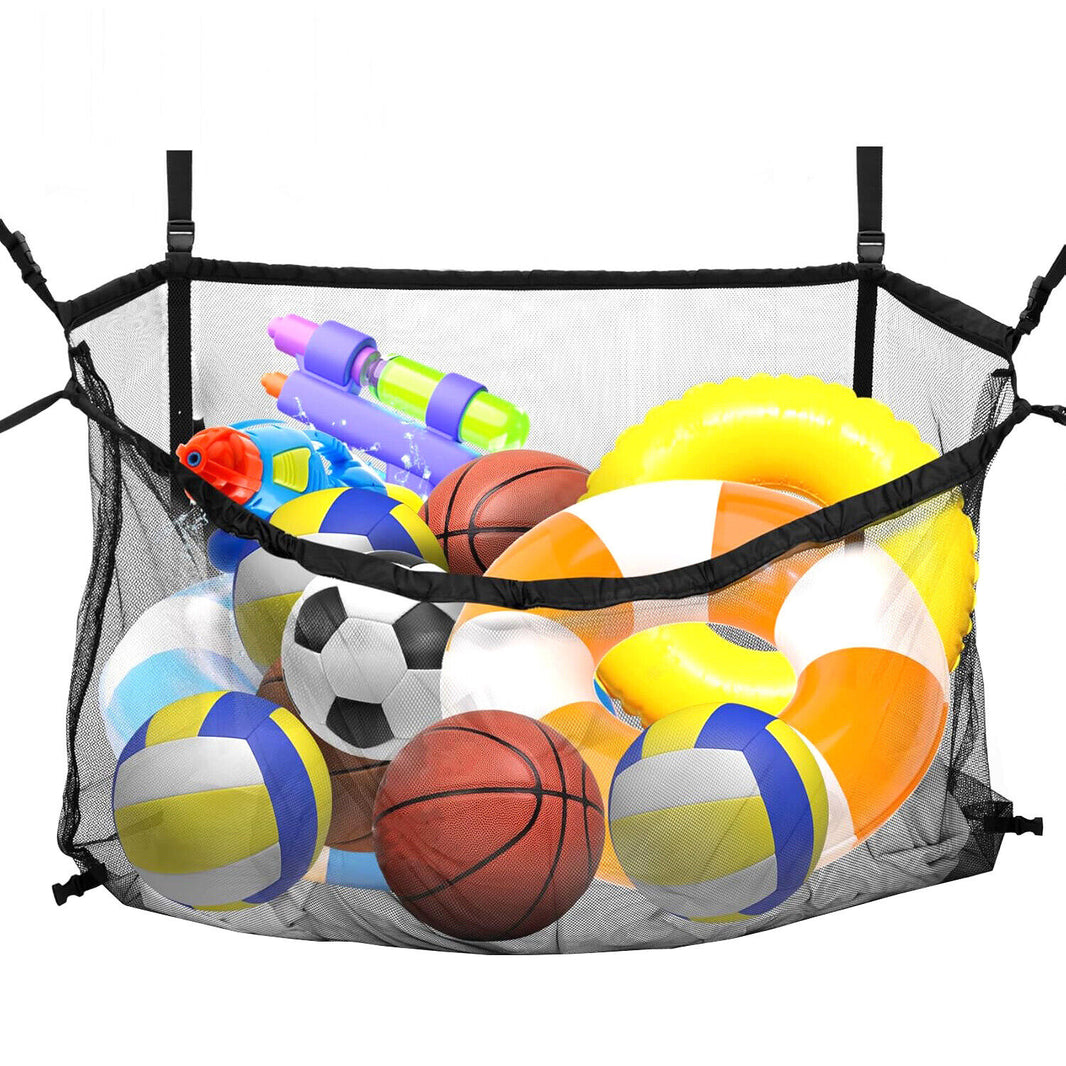
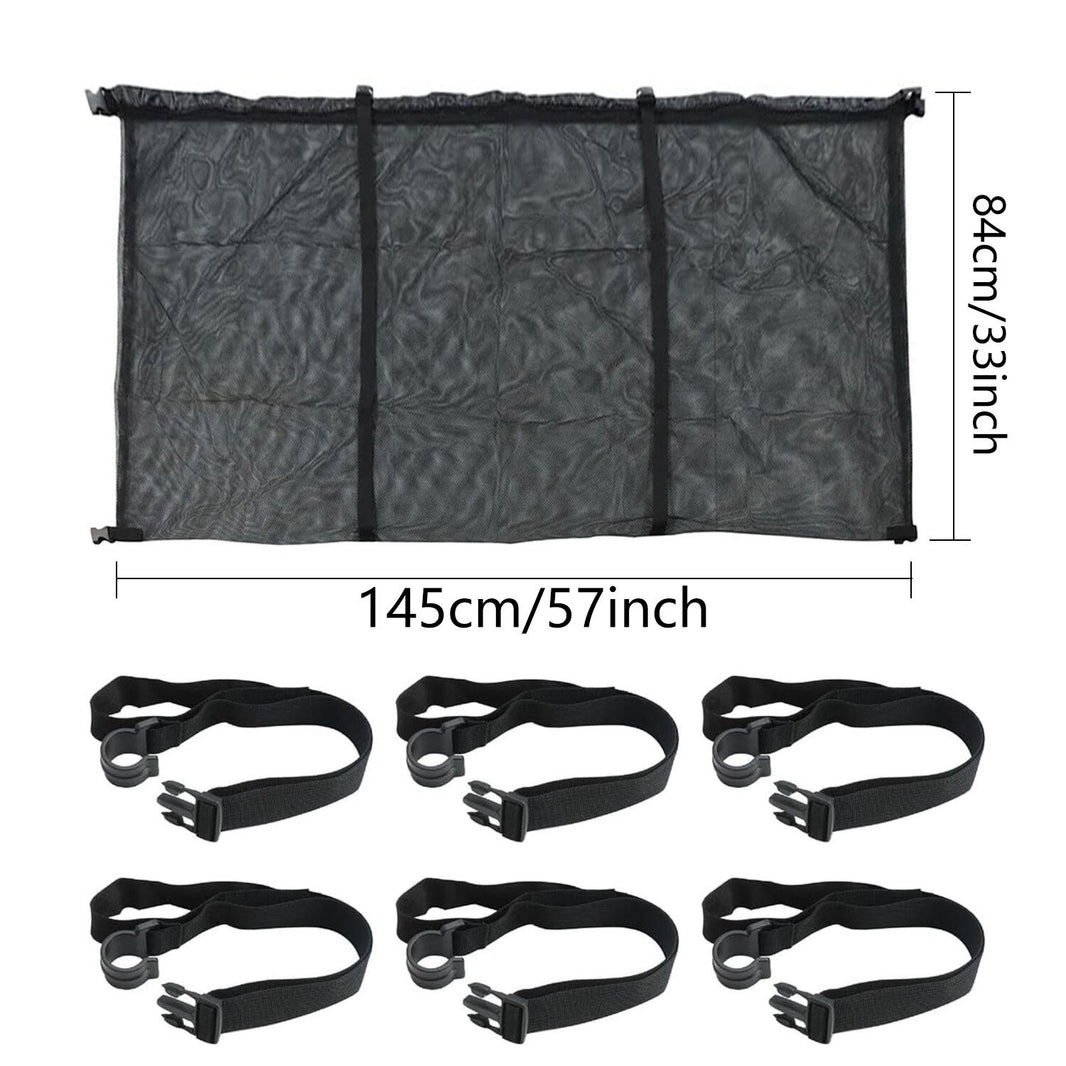
145x145CM Heavy Duty Pool Toy Storage Net Bag Adjustable Organizer
Regular price $58.90 AUDRegular priceUnit price per$60.00 AUDSale price $58.90 AUDSale -
CARLA HOME Large Toy Storage Box with Lid Upgraded Toy Storage Chest Organiser
Regular price $48.90 AUDRegular priceUnit price per$69.95 AUDSale price $48.90 AUDSale -
3-Piece Kids Table and Chairs Set in White with Storage, 60x60x48cm
Regular price $238.90 AUDRegular priceUnit price per$315.95 AUDSale price $238.90 AUDSale -
Trendbay Blue Toy Storage Bag & Play Mat 50cm Portable Toys Organizer
Regular price $235.90 AUDRegular priceUnit price per$195.00 AUDSale price $235.90 AUD -
Keezi Toy Storage Organizer with 4 Storage Bins and Cabinet, Bookcase Kids Toys Box, Toy Storage for Kids Room, Playroom, Bedroom, Nursery, Car Shaped
Regular price $106.90 AUDRegular priceUnit price per$217.99 AUDSale price $106.90 AUDSale -
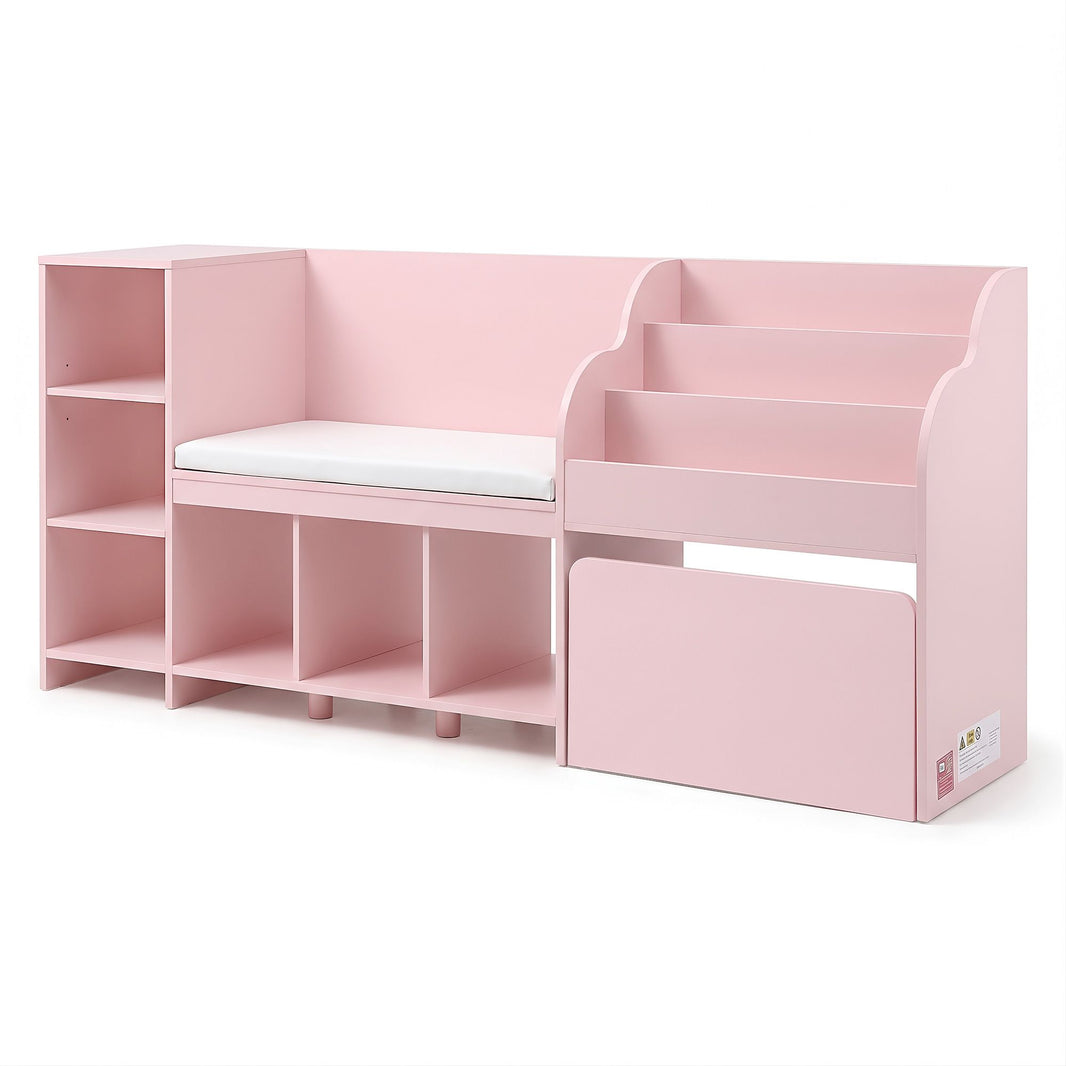
Keezi Kids Storage Unit Bookshelf Toy Box Organiser Bench Seat Cabinet 170cm Pink
Regular price $203.90 AUDRegular priceUnit price per$349.99 AUDSale price $203.90 AUDSale -
Keezi Kids Bookshelf Storage Organiser Toy Box Drawer Bench Seat Cabinet Pink
Regular price $217.90 AUDRegular priceUnit price per$349.99 AUDSale price $217.90 AUDSale -
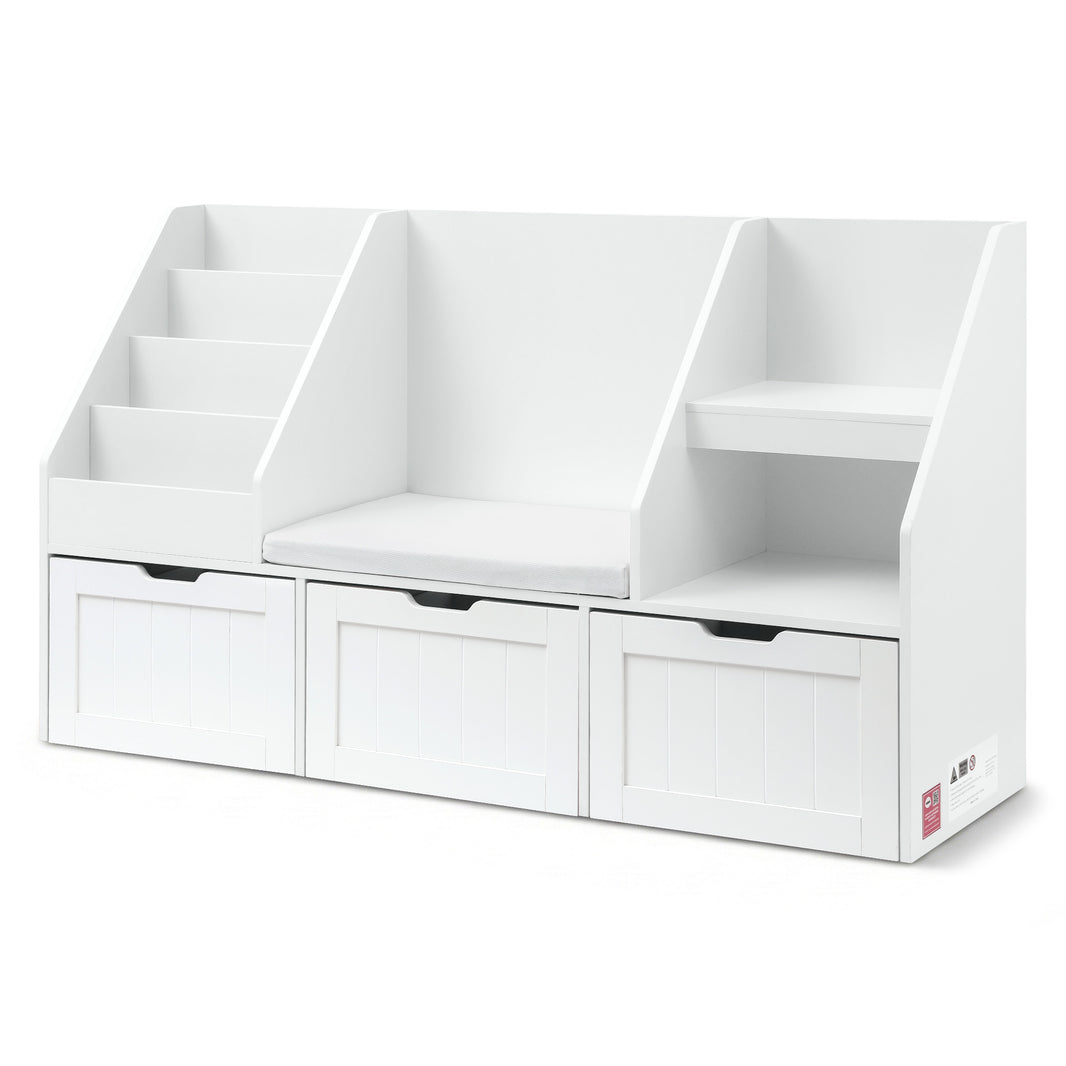
Keezi Kids Bookshelf Storage Organiser Toy Box Drawer Bench Seat Cabinet White
Regular price $217.90 AUDRegular priceUnit price per$349.99 AUDSale price $217.90 AUDSale


















Related reading

Useful answers
Questions about planning kids furniture
Should I buy a matching kids table and chair set or choose the pieces separately?
A set gives you a starting combination, but the useful measurements are still the seat height, table height and space underneath. Separate pieces can work if those dimensions suit the child together. Allow room for knees beneath any apron or storage tray, and check that the chair can be moved without hitting another piece of furniture.
How can I tell whether kids furniture will leave enough room to play?
Mark the furniture footprints on the floor, then add the space used when a chair is pulled back or a drawer is open. Try the route from the doorway to the play area and leave an adult a place to sit or help. This shows the working layout more clearly than measuring the furniture against an empty wall.
What furniture is easiest to rearrange as a child’s activities change?
Consider a small activity table with separate, accessible storage rather than making every function part of one large unit. Books, craft materials and bulky toys need different compartments. Movable pieces offer layout choices, while shelving and cabinets still need the anchoring and positioning specified for them whenever the room is rearranged.