
Pumps & Plumbing
A pump choice starts with the liquid and the route it must travel.
Shop the collection
-
Macerator Sewerage Pump Waste Toilet Sewage Water Disposal Marine Basement Clean
Regular price $153.90 AUDRegular priceUnit price per$266.99 AUDSale price $153.90 AUDSale -
Submersible Water Pump 10000L/H
Regular price $110.90 AUDRegular priceUnit price per$232.99 AUDSale price $110.90 AUDSale -
Macerator Sewerage Pump Waste Water Marine Toilet Disposal Unit Laundry Basement
Regular price $148.90 AUDRegular priceUnit price per$282.99 AUDSale price $148.90 AUDSale -
High Flow Water Pump 2in, Black/Red
Regular price $216.90 AUDRegular priceUnit price per$332.99 AUDSale price $216.90 AUDSale -
Submersible Water Pump 1800W
Regular price $128.90 AUDRegular priceUnit price per$216.99 AUDSale price $128.90 AUDSale -
Petrol Water Pump 8HP 3" Garden Irrigation Transfer - Blue
Regular price $169.90 AUDRegular priceUnit price per$299.99 AUDSale price $169.90 AUDSale -

 Sale
Toilet Disposal Unit
Regular price $190.90 AUDRegular priceUnit price per$399.99 AUDSale price $190.90 AUDSale -
Bio Diesel Transfer Pump 12V
Regular price $88.90 AUDRegular priceUnit price per$166.99 AUDSale price $88.90 AUDSale -
High Flow Water Pump 2in, Black/Red
Regular price $199.90 AUDRegular priceUnit price per$349.99 AUDSale price $199.90 AUDSale -
Auto Peripheral Water Pump Clean Garden Farm Rain Tank Irrigation - QB60 Yellow
Regular price $104.90 AUDRegular priceUnit price per$216.99 AUDSale price $104.90 AUDSale -
High Pressure Garden Water Pump 2000W
Regular price $190.90 AUDRegular priceUnit price per$316.99 AUDSale price $190.90 AUDSale -
Water Pump High Pressure Multi-Stage Copper Motor Garden Farm Irrigation
Regular price $207.90 AUDRegular priceUnit price per$366.99 AUDSale price $207.90 AUDSale -
Garden Water Pump Jet High Pressure Controller Stage Irrigation 4600L/H
Regular price $184.90 AUDRegular priceUnit price per$854.99 AUDSale price $184.90 AUDSale -
High Pressure Garden Water Pump 2000W
Regular price $192.90 AUDRegular priceUnit price per$316.99 AUDSale price $192.90 AUDSale -
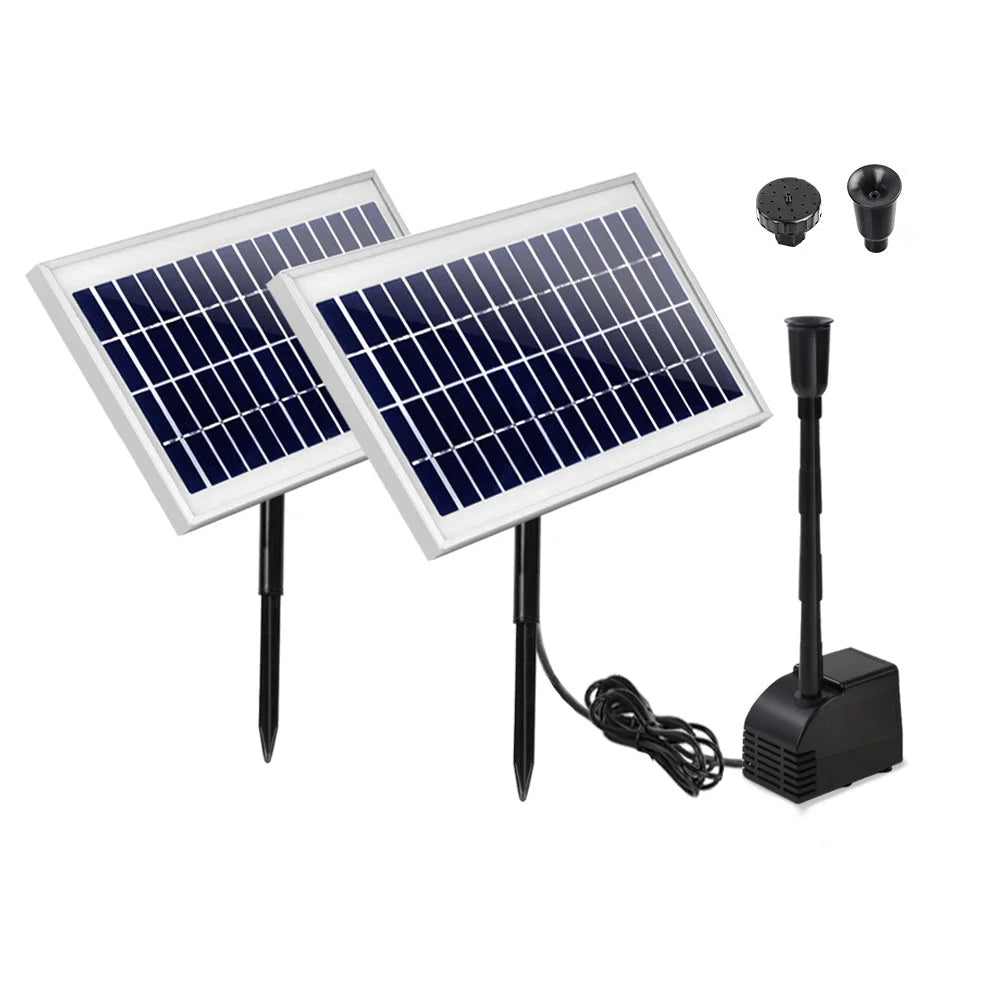
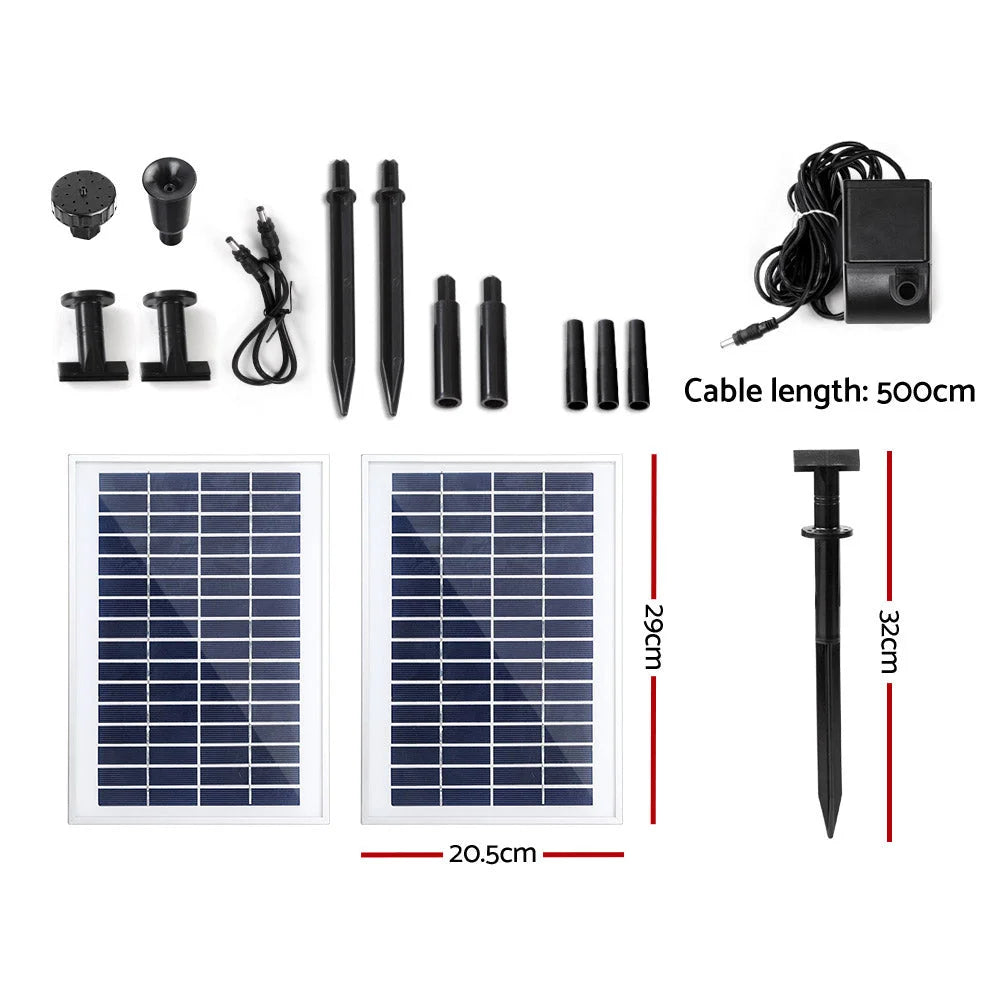
Solar Water Fountain Pump, 110 W, Outdoor Submersible
Regular price $86.90 AUDRegular priceUnit price per$149.99 AUDSale price $86.90 AUDSale -
Water Pump Multi-Stage Pressure Rain Tank Garden Farm House Irrigation 2500W
Regular price $306.90 AUDRegular priceUnit price per$516.99 AUDSale price $306.90 AUDSale -
Water Pump 2500W Multi-Stage Pressure Rain Tank Farm House Irrigation
Regular price $306.90 AUDRegular priceUnit price per$516.99 AUDSale price $306.90 AUDSale -
Water Pressure Pump Multi-Stage Auto Garden House Rain Tank Irrigation
Regular price $219.90 AUDRegular priceUnit price per$532.99 AUDSale price $219.90 AUDSale -
Garden Water Pump 1500W High Pressure with Auto Controller
Regular price $166.90 AUDRegular priceUnit price per$332.99 AUDSale price $166.90 AUDSale -
High‑Pressure Garden Water Pump, 800 W, Auto Controller
Regular price $157.90 AUDRegular priceUnit price per$259.99 AUDSale price $157.90 AUDSale -
Solar Water Fountain Pump Outdoor Submersible, 4FT Lift Height
Regular price $28.90 AUDRegular priceUnit price per$54.99 AUDSale price $28.90 AUDSale -
Solar Powered Water Pump 60W, Pond
Regular price $147.90 AUDRegular priceUnit price per$249.99 AUDSale price $147.90 AUDSale -
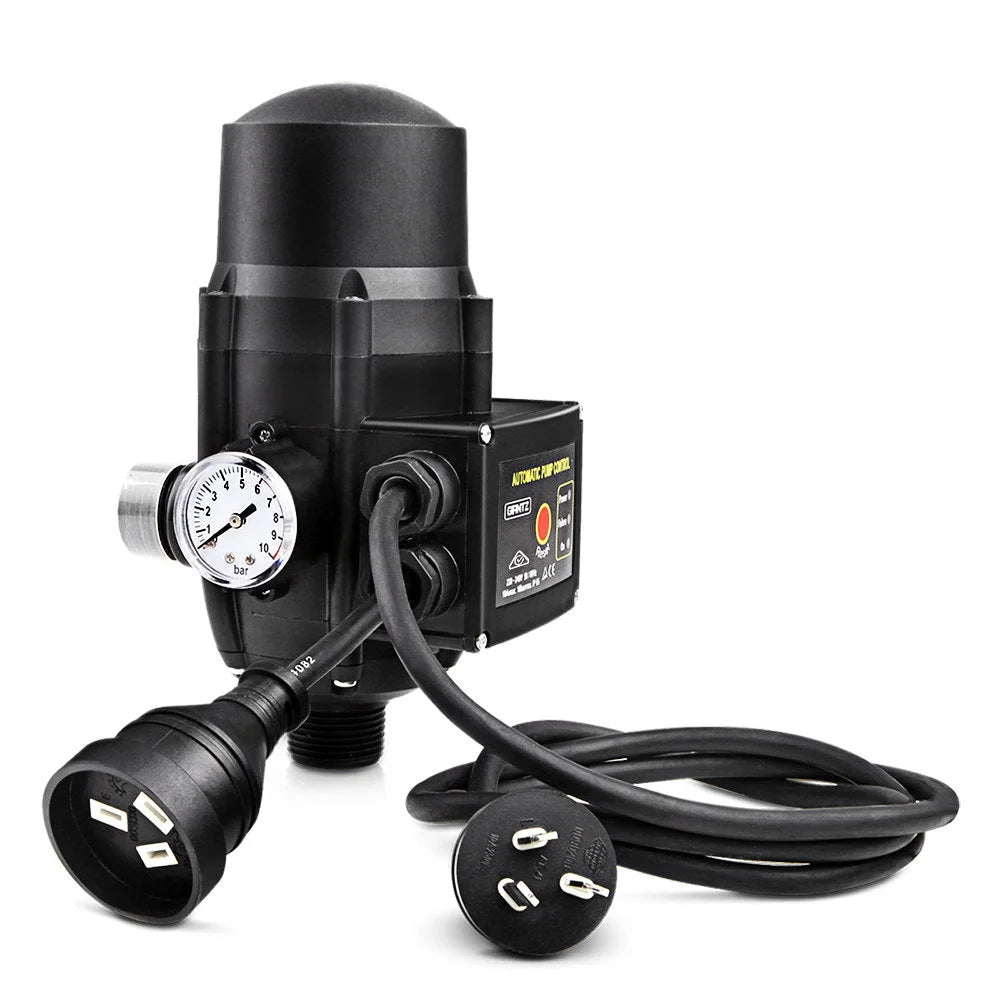
Electronic Water Pump Controller Automatic Adjustable, Black
Regular price $45.90 AUDRegular priceUnit price per$87.99 AUDSale price $45.90 AUDSale -
Submersible Dirty Water Pump 1500W Bore Tank Well Steel Automatic Clean PROTEGE
Regular price $141.90 AUDRegular priceUnit price per






Related reading

A pump choice starts with the liquid and the route it must travel. Clear-water transfer, garden irrigation and toilet wastewater are different duties, even when the housings look similar. Use this hub to choose the correct pump family before comparing flow, connections and the way the system starts and stops.
Keep water transfer separate from wastewater
A clean-water pump should not be treated as a sewage pump, and a greywater sump unit is not automatically suitable for toilet waste. Likewise, a fuel-transfer product belongs to a different fluid system. Select the family from the liquid the manufacturer permits, then compare the features within that family.
Use the required duty, not two maximum numbers
Pump performance links flow with head. The volume delivered at your required lift and pipe resistance matters more than adding together advertised maximum flow and maximum head. For a fixed installation, provide the supplier or installer with the route, height change and required delivery so the model can be checked against its performance information.
Plan how the system responds
A float switch responds to liquid level; a pressure controller serves a different purpose. Consider what should start the pump and what should stop it. For wastewater installations, also allow service access around the unit rather than closing the pump into a space that makes inspection or replacement impractical.
Further reading: Grundfos: understanding pump curves
Useful answers
Pumps & Plumbing questions, answered
Which pump family should I use for garden watering versus toilet wastewater?
Use Irrigation Pumps for a planned watering demand and Wastewater or Macerator Pumps for documented fixture-discharge applications. The permitted liquid comes first. Similar housings or power figures do not make a clean-water pump, greywater unit and toilet macerator interchangeable.
What information helps a supplier select a pump for my installation?
Describe the liquid, required delivery, source location, height change and pipe or hose route. Include the planned operating pattern and controls. This lets the supplier compare performance with the actual system rather than choosing independently from maximum flow, maximum head or motor wattage.
How are float controls different from pressure controls?
A float responds to liquid level, while a pressure controller serves a pressure-based demand arrangement. Choose the control method around what should start and stop the pump. Confirm the exact unit’s permitted setup and access for servicing instead of adding an unrelated control because its connector appears to fit.