
Garden Tillers & Cultivators
Loosen a vegetable patch or prepare a larger planting area with a garden tiller.
Shop the collection
-

 Sale
Garden Tiller 63CC Cultivator Rototiller with 4 Blades for Soil Plowing Rotary Hoe
Regular price $207.90 AUDRegular priceUnit price per$382.99 AUDSale price $207.90 AUDSale -
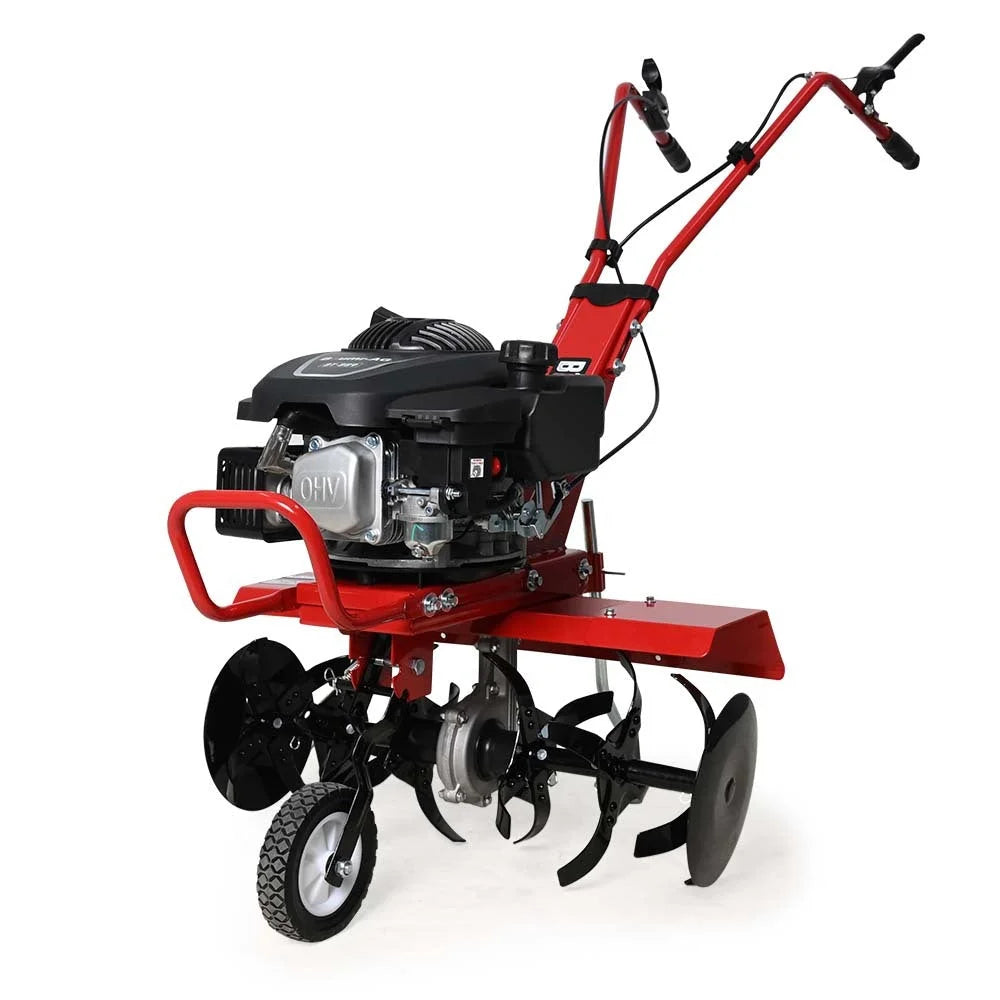
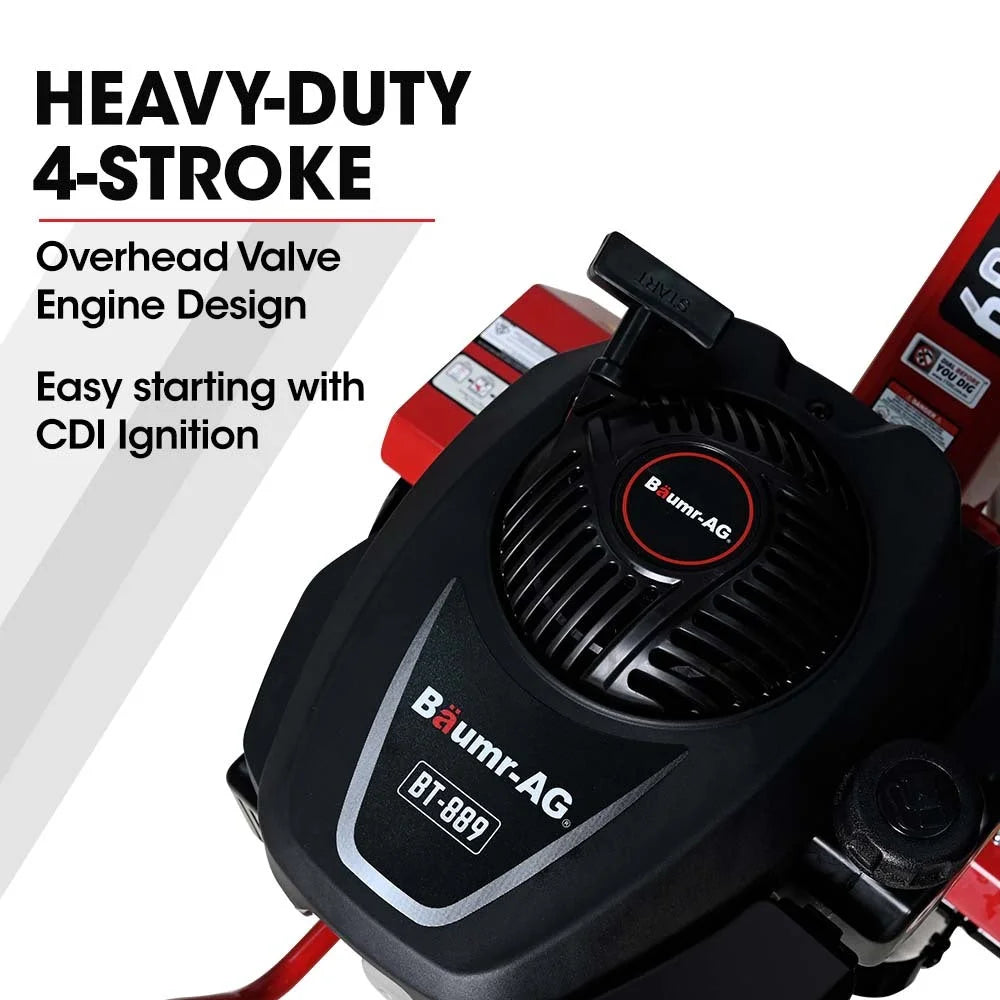
Baumr-AG 150CC Garden Tiller Cultivator Petrol Rototiller 4-Stroke Soil Power Rotary Hoe
Regular price $583.90 AUDRegular priceUnit price per -
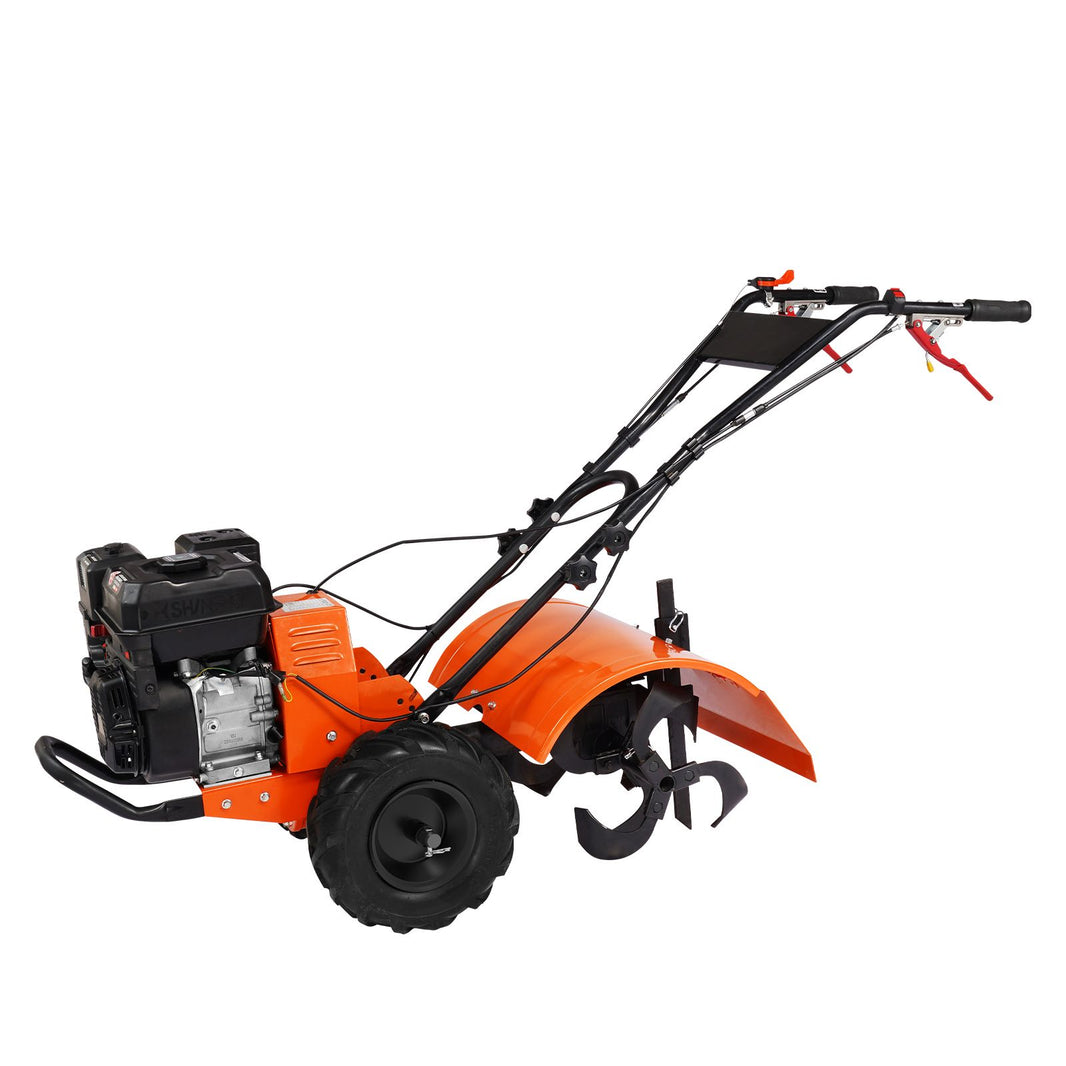
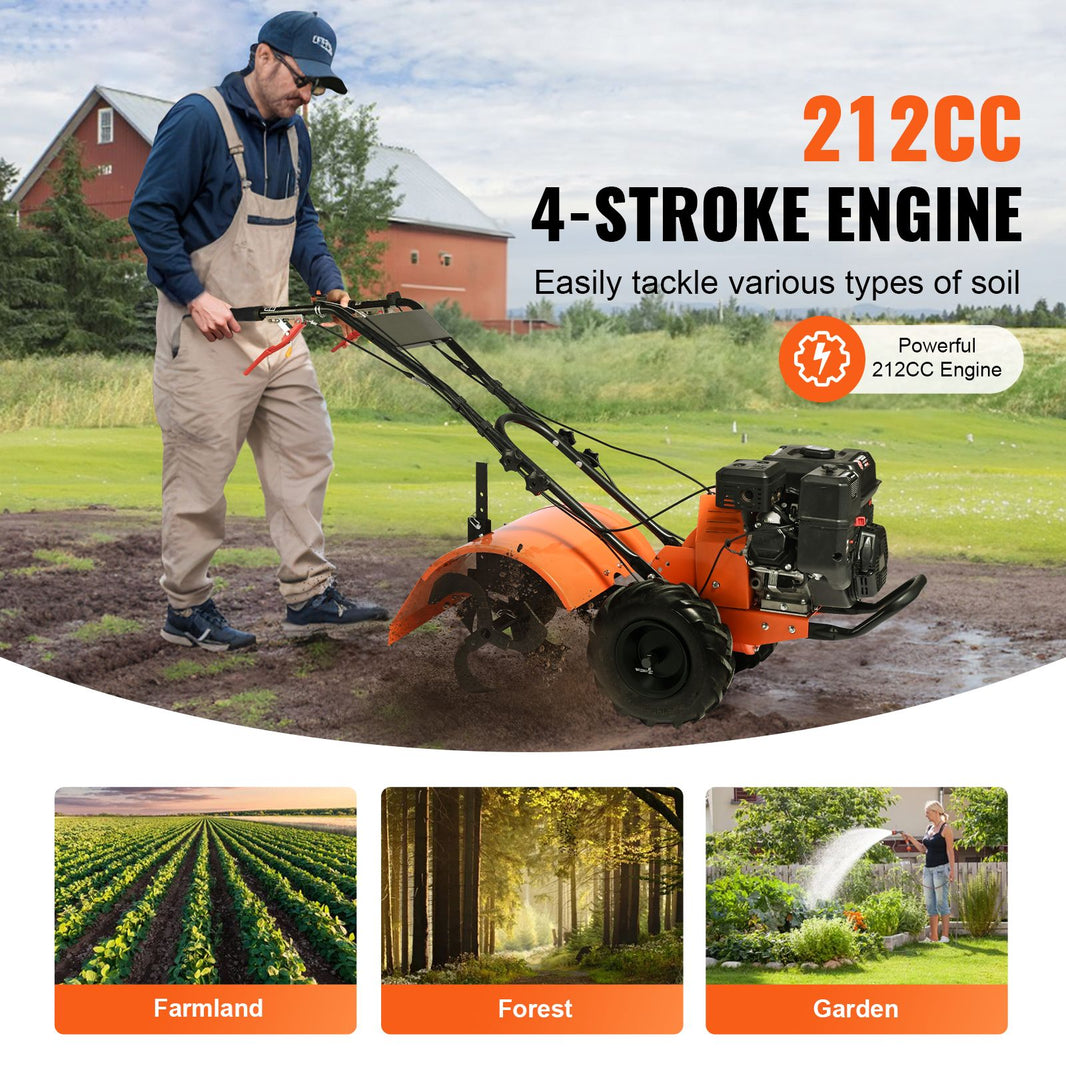
Tiller Cultivator Gas Powered, 212CC 4-Stroke Garden Cultivator, Tiller with 4 Steel Adjustable Rear Tines for Lawn, Garden and Field Soil Cultivation
Regular price $1,542.90 AUDRegular priceUnit price per$1,429.90 AUDSale price $1,542.90 AUD -
 Sale
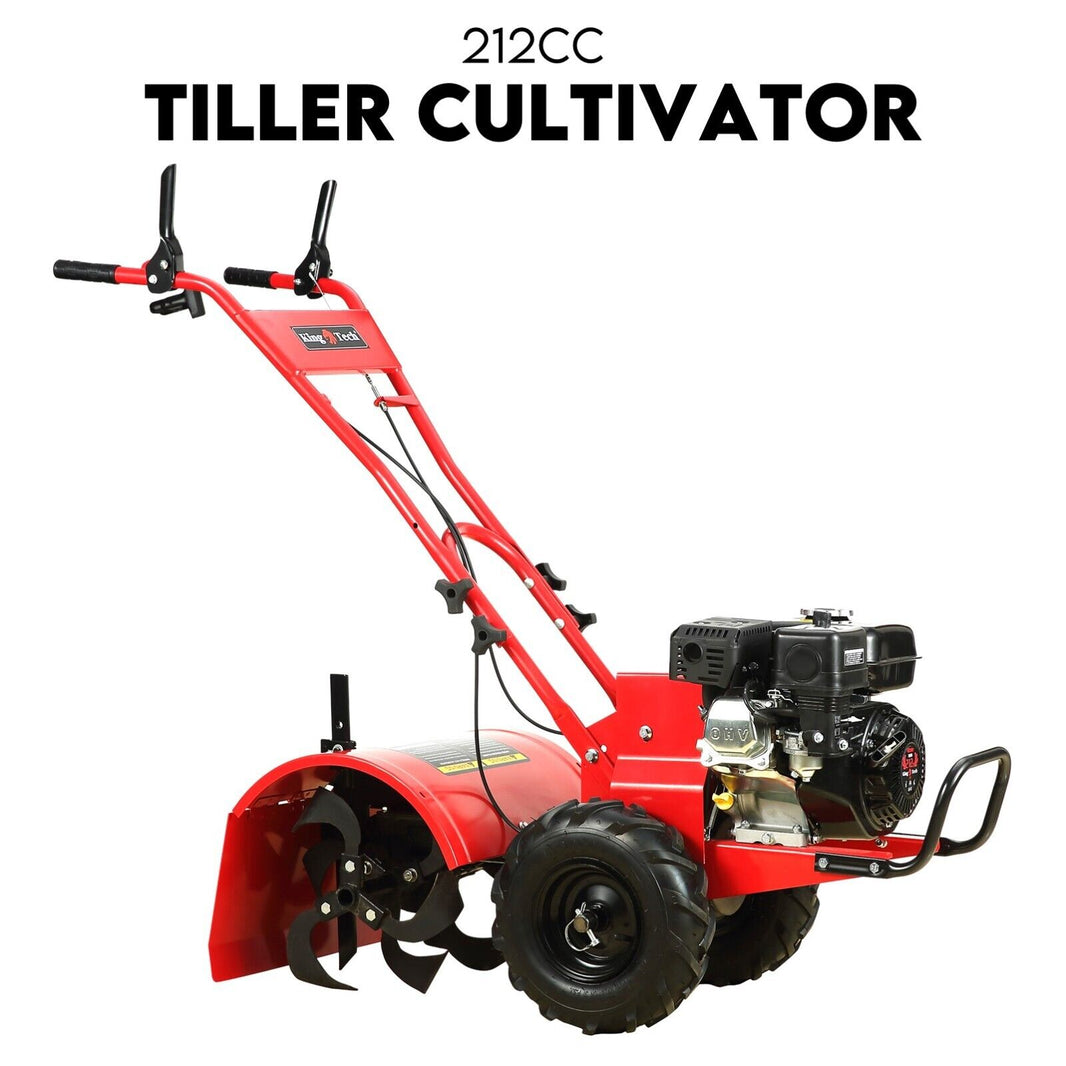
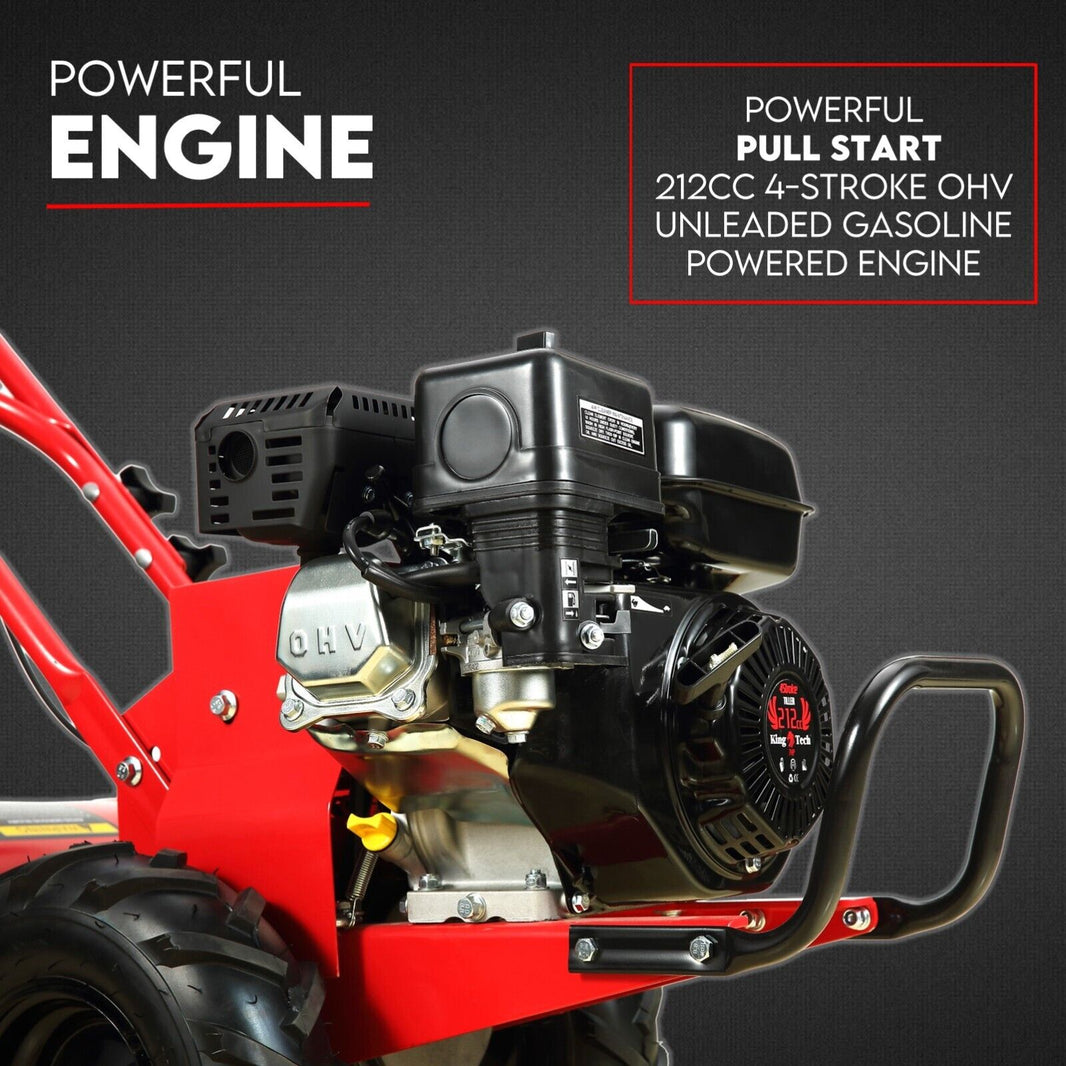
212CC Tiller Cultivator 4 Blades Rotating Tines Power Rotary Hoe Handheld
Regular price $970.90 AUDRegular priceUnit price per$1,004.40 AUDSale price $970.90 AUDSale -
 Sale
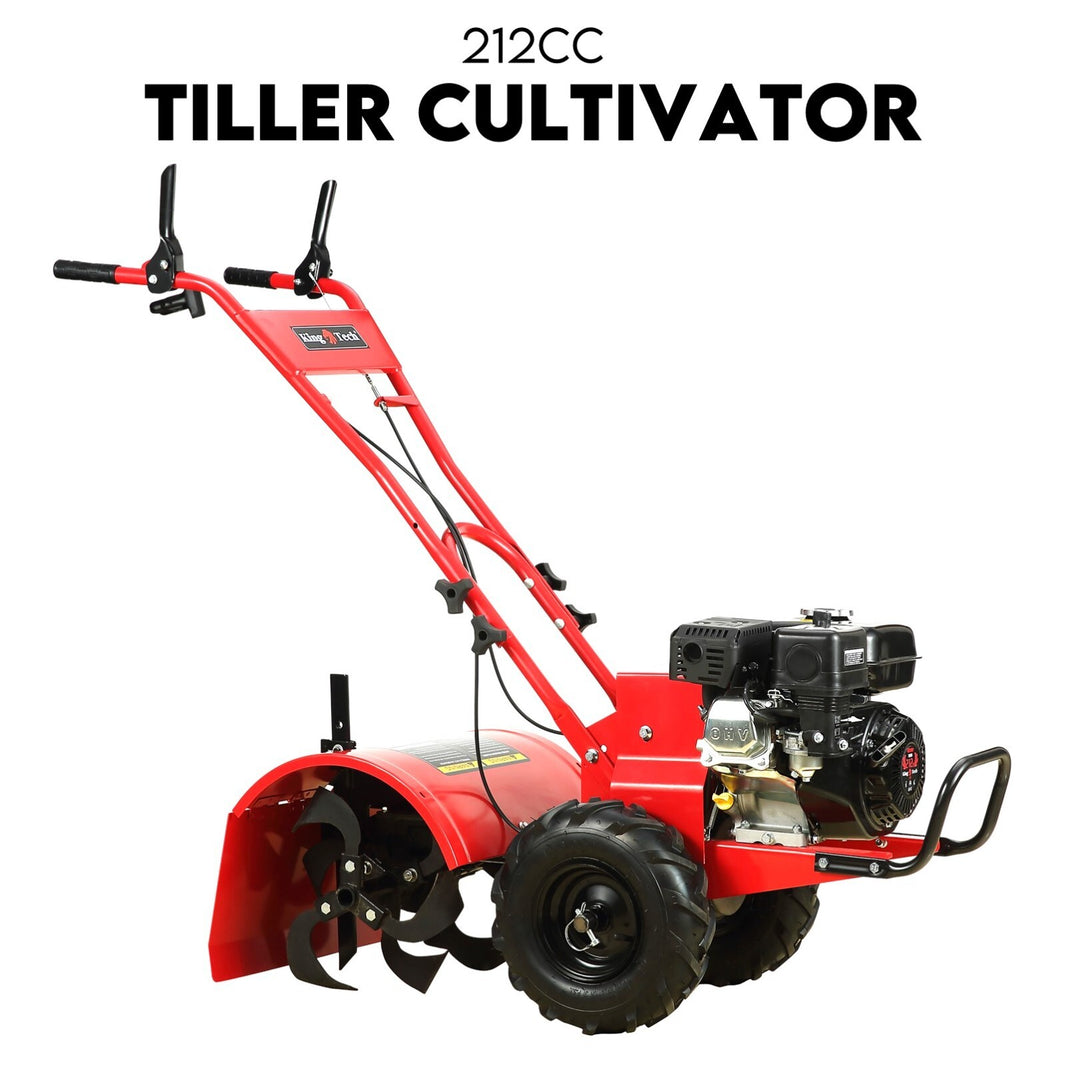
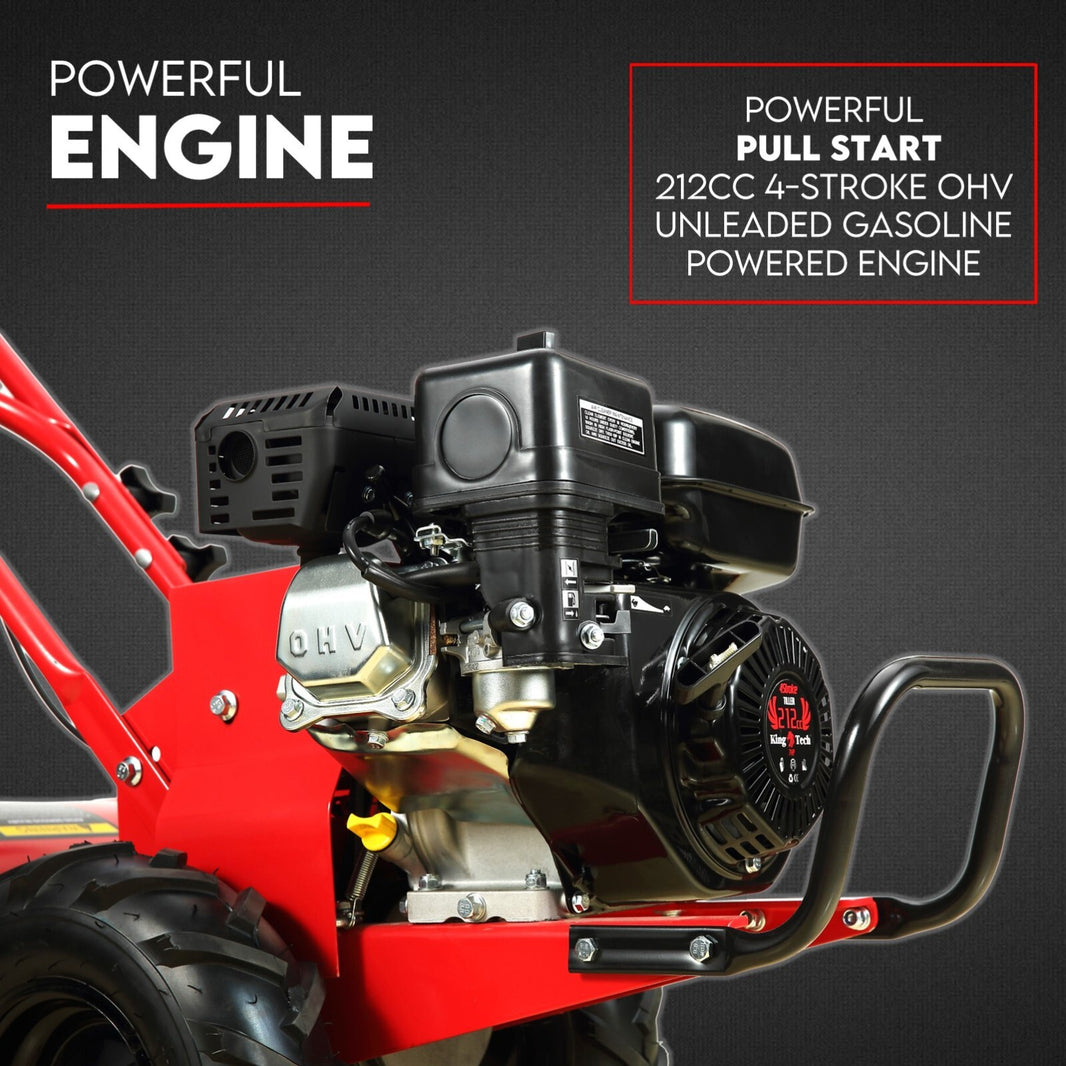
7HP Tiller Cultivator 4 Strokes Rotating Tines Power Handheld Rotary Hoe 4 Blades
Regular price $970.90 AUDRegular priceUnit price per$1,004.40 AUDSale price $970.90 AUDSale -
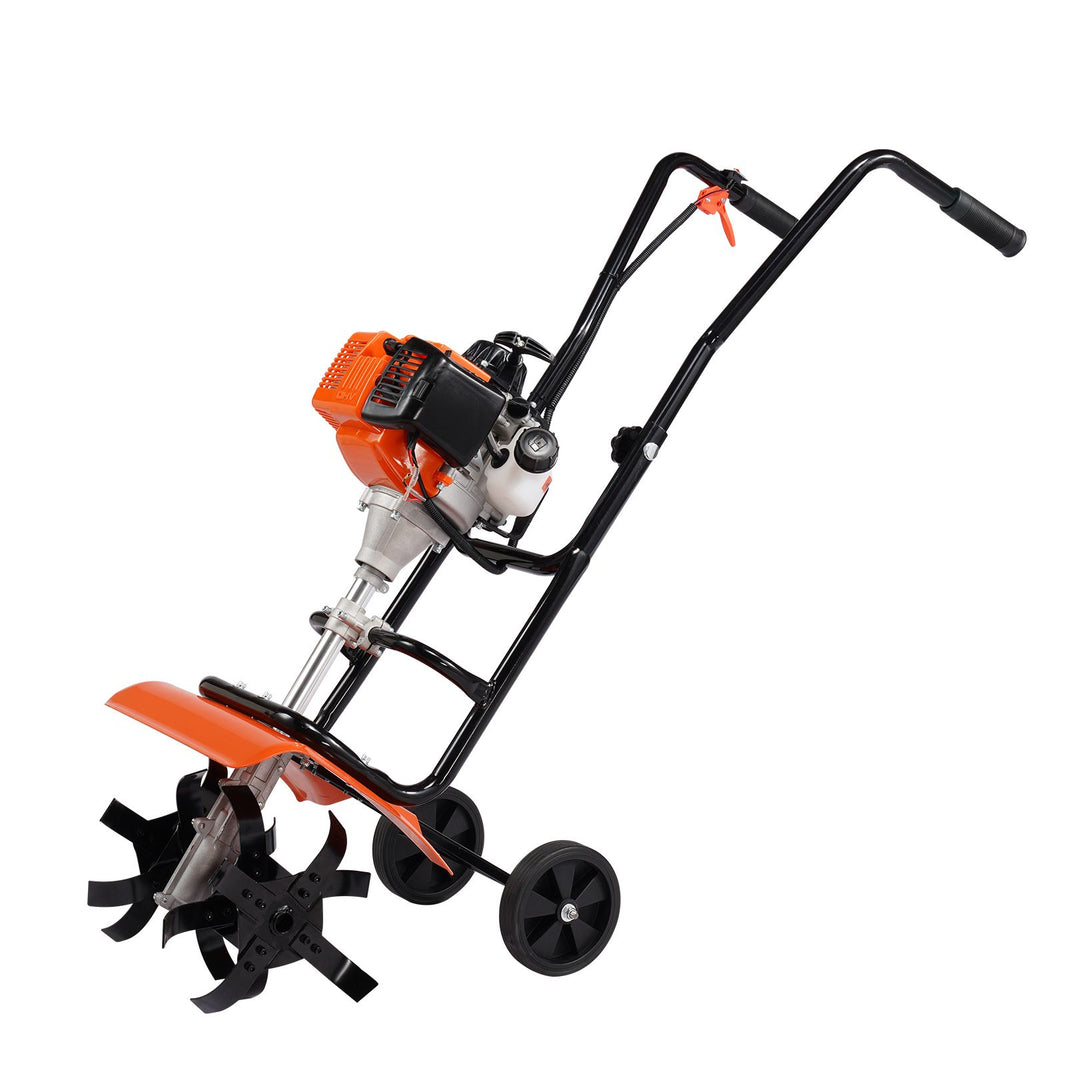
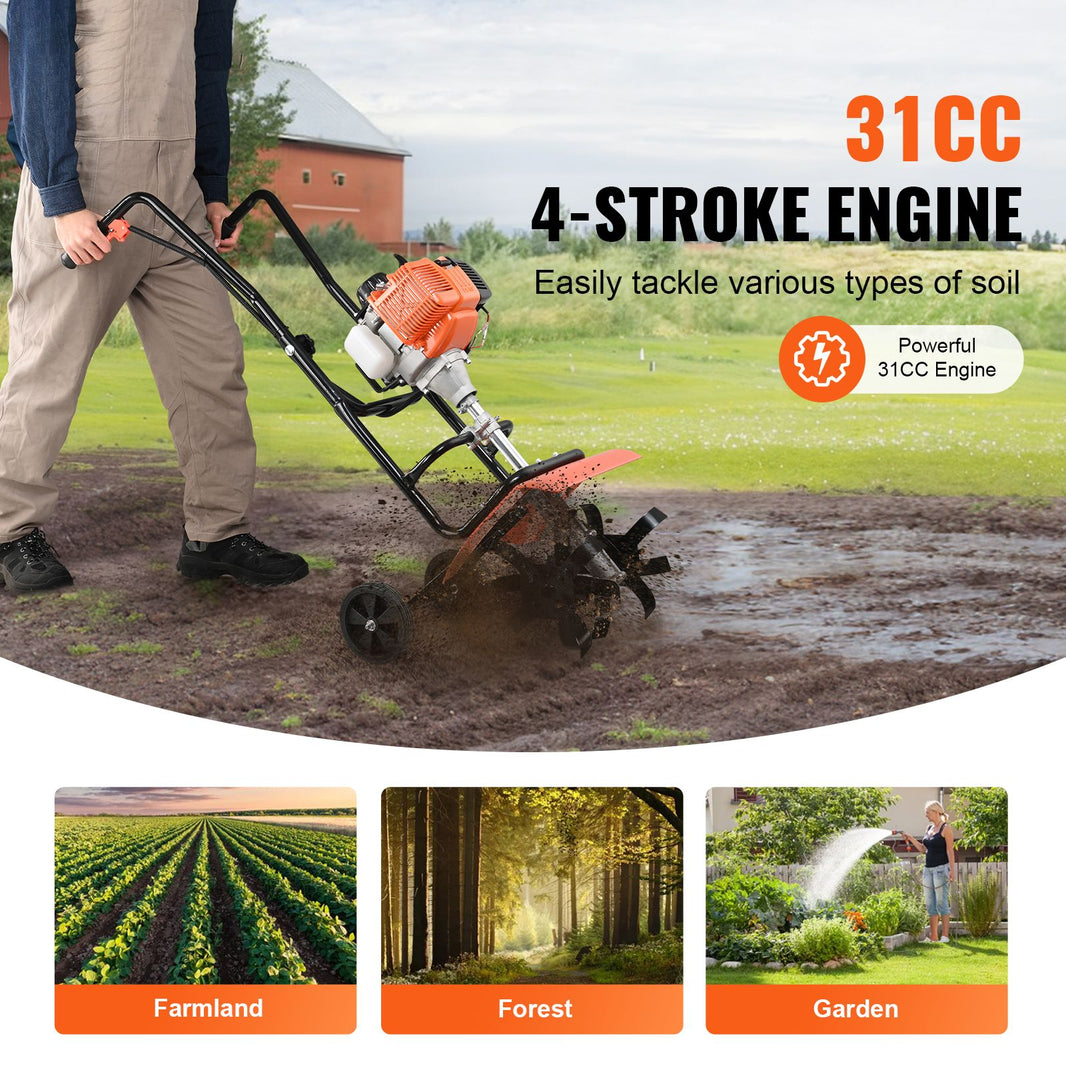
VEVOR Tiller Cultivator Gas Powered, 31CC 4-Stroke Garden Cultivator, Tiller with 4 Steel Adjustable Front Tines for Lawn, Garden and Field Soil Cultivation
Regular price $350.90 AUDRegular priceUnit price per$324.90 AUDSale price $350.90 AUD -
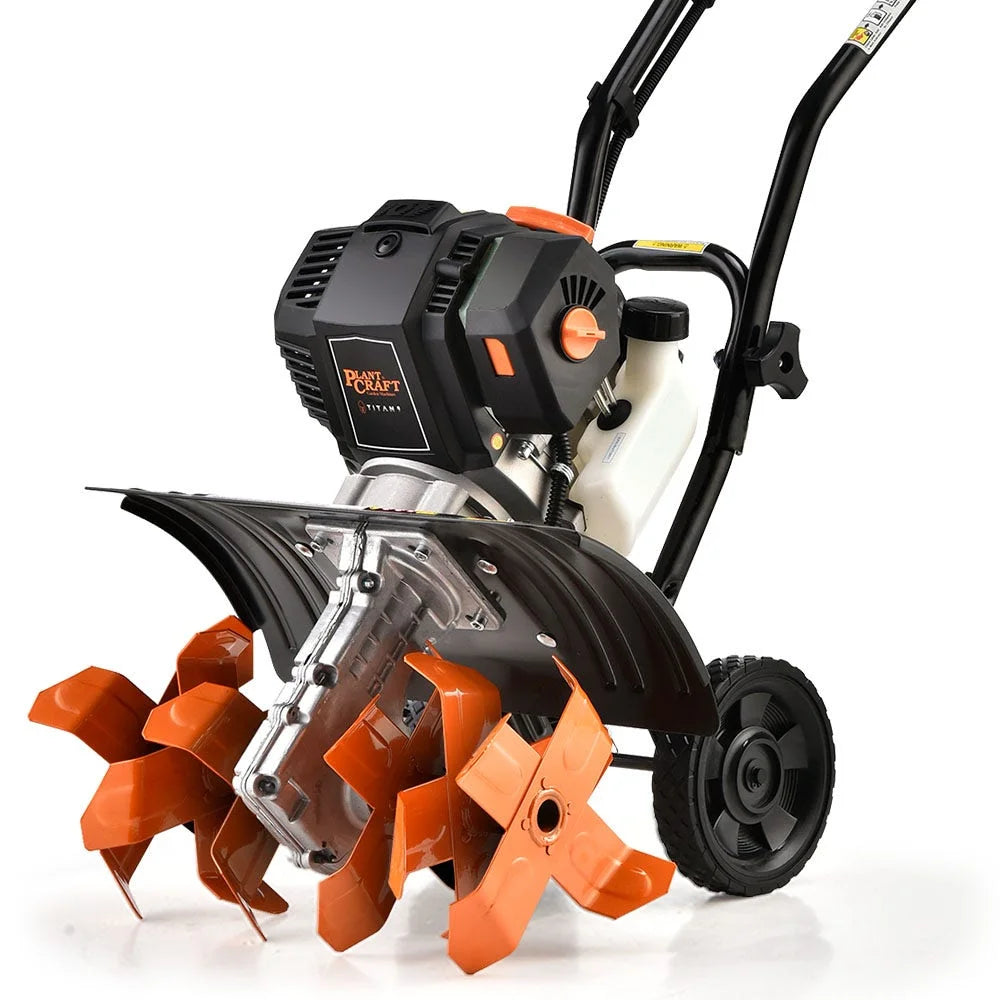
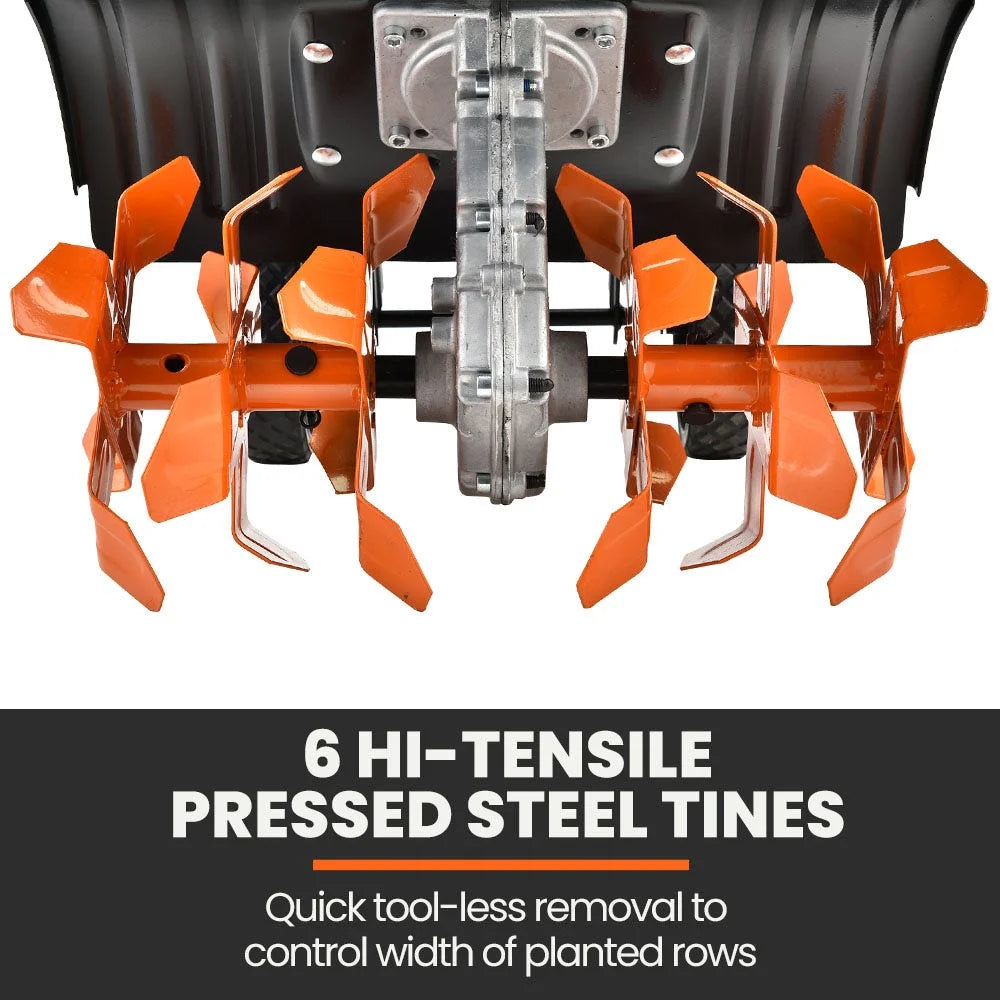
PLANTCRAFT 46CC Garden Cultivator Tiller Handheld 15" Inch Petrol 4-Stroke Titan 9
Regular price $505.90 AUDRegular priceUnit price per -
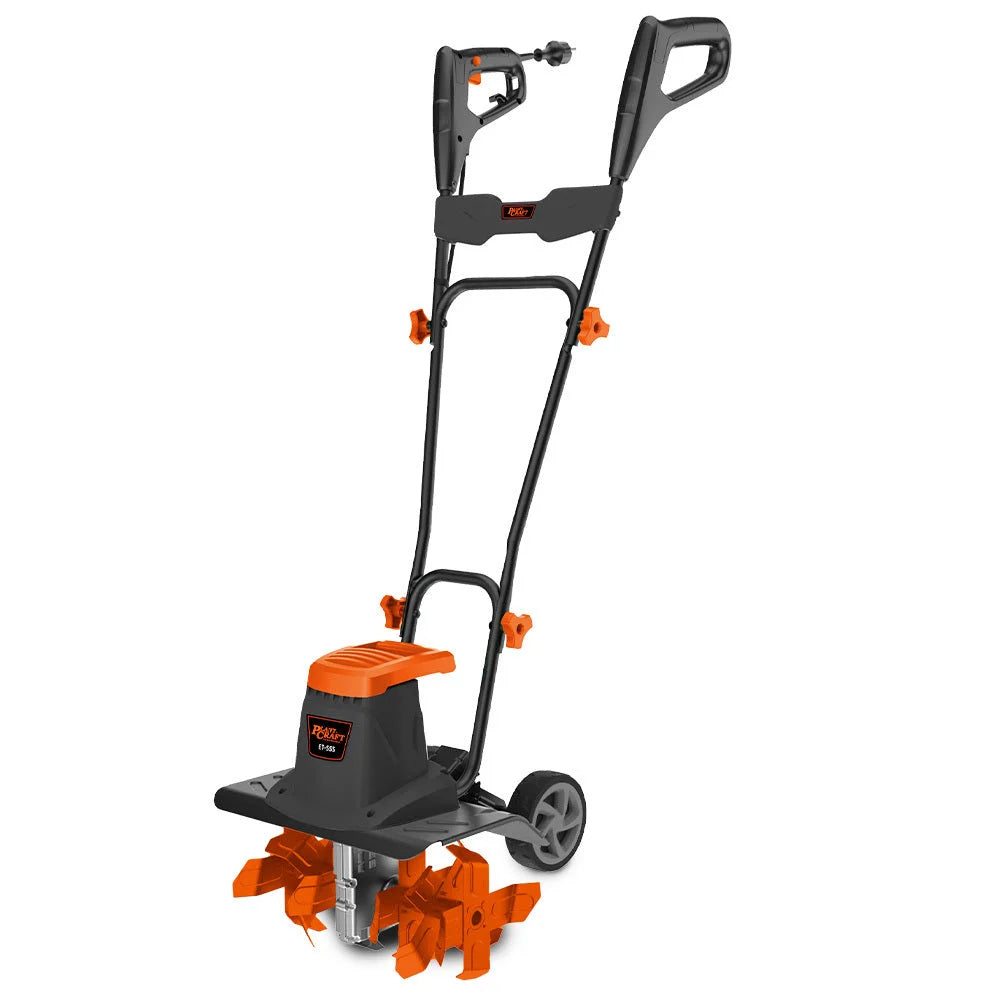
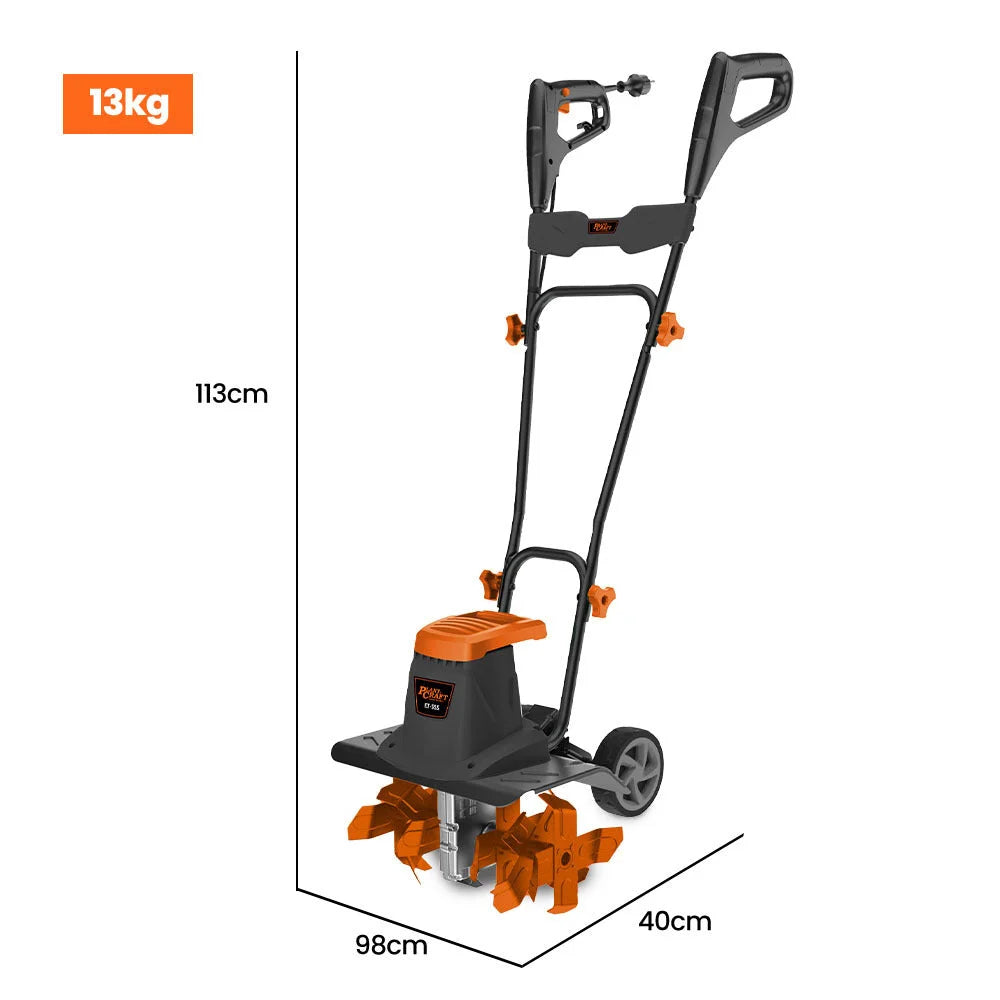
PLANTCRAFT Electric Rotary Hoe Garden Tiller Soil Cultivator, Adjustable Depth, 6 Tines
Regular price $323.90 AUDRegular priceUnit price per -
 Sale
Garden Tiller 63CC Cultivator Rototiller with 4 Blades for Soil Plowing Rotary Hoe
Regular price $169.90 AUDRegular priceUnit price per$332.99 AUDSale price $169.90 AUDSale -

 Sale
Garden Cultivator Tiller, 65CC, Petrol Rotary Hoe, 36 Tines
Regular price $259.90 AUDRegular priceUnit price per$416.99 AUDSale price $259.90 AUDSale -

 Sale
Garden Cultivator Tiller, 65CC, Petrol Rotary Hoe, 16 Tines
Regular price $227.90 AUDRegular priceUnit price per$432.99 AUDSale price $227.90 AUDSale


Related reading


Loosen a vegetable patch or prepare a larger planting area with a garden tiller. Find petrol cultivators, electric rotary hoes and larger self-propelled machines. A narrow bed and a long open plot call for different equipment: working width, weight and how the machine moves matter as much as engine size.
1. What is the difference between a tiller and a cultivator?
The names overlap in this range. Both refer to rotating tines that loosen and mix soil. “Rotary hoe” is another common name. A product called a cultivator is not automatically a small hand tool, and “tiller” does not guarantee a machine that will break untouched ground.
For a previously worked vegetable bed, look for a machine you can turn and control in the available space. For a larger plot, consider the wider working path and propulsion system separately. Neither description makes the machine suitable for buried rubble, tree roots or services.
2. Should I choose petrol or electric?
- Electric: the PlantCraft ET-555 uses a mains supply, so its working area must suit a safe outdoor power and cable arrangement. It avoids petrol-engine fuelling but still needs cleaning and inspection.
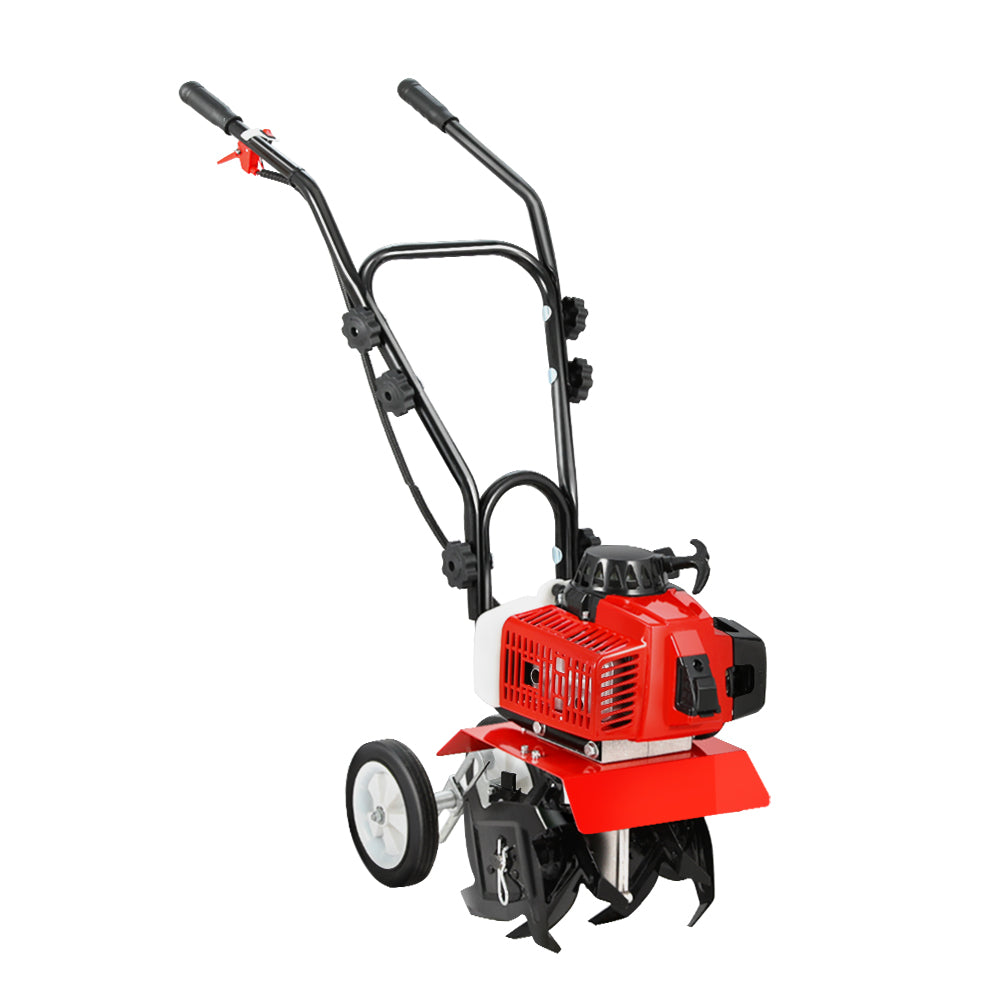
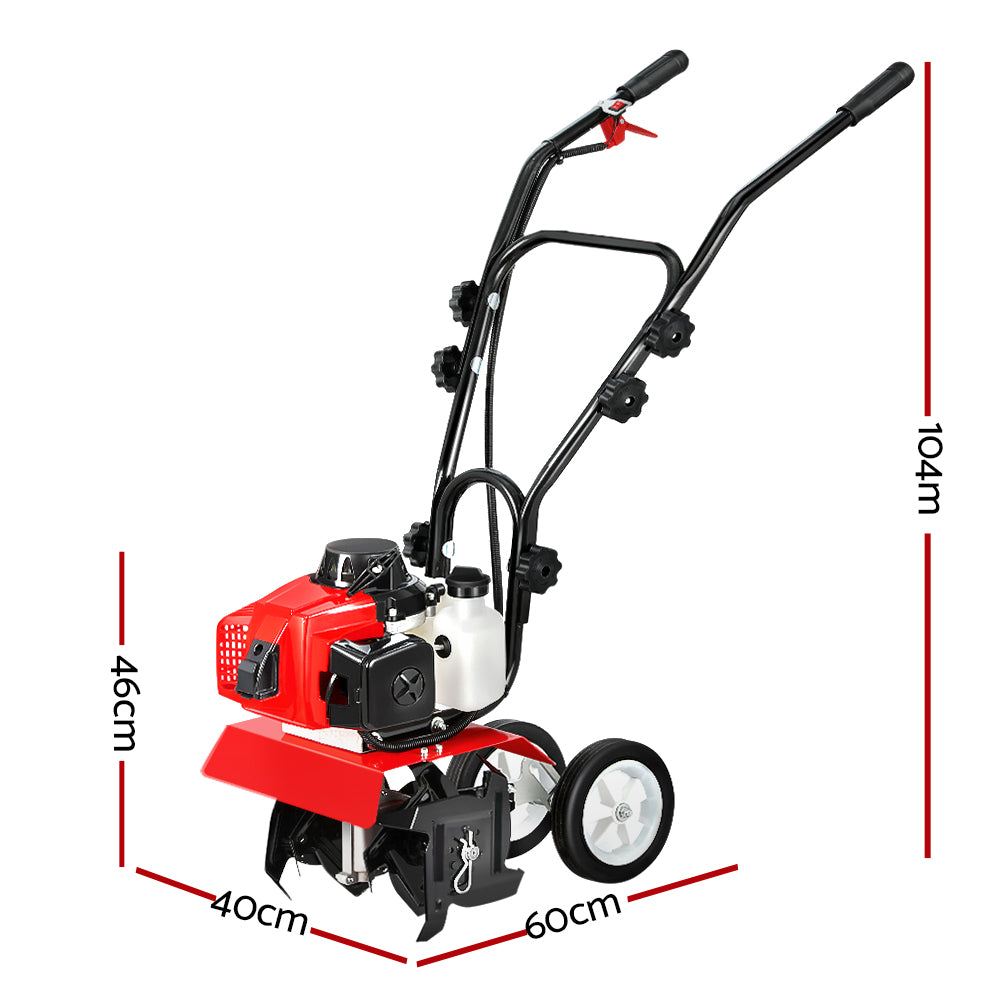
- Two-stroke petrol: compact Giantz models work without a power lead and use the fuel-and-oil mixture specified for their engine.
- Four-stroke petrol: models such as the PlantCraft Titan 9 use separate engine lubrication. Larger 212 cc machines are also available, with substantially greater weight than the compact cultivators.
Do not use one model’s fuel ratio in another. Two-stroke and four-stroke engines have different servicing and fuelling requirements.
3. Will a wider tiller fit my vegetable beds?
The Giantz 65 cc, 16-tine model lists a 300 mm working width. The 65 cc, 36-tine model lists 400 mm. That extra 100 mm can be useful on an open plot, but the narrower width may leave more room beside planted rows.
The tine width is not the machine’s total width. Handles, wheels and the room needed to turn also have to fit. On an illustrative 80 cm-wide bare bed, a 40 cm tilling width covers half the width in a nominal pass; overlapping passes and clearance from the edges reduce the simple calculation.
4. Does more engine capacity mean a better result?
Not on its own. The Titan 9 lists 14.5 kg, a 400 mm working width and up to 200 mm tilling depth. The larger KingTech 212 cc listings specify approximately 77–78 kg, a 500 mm working width and forward/reverse propulsion. Moving, turning and storing those machines are very different jobs.
Maximum depth is a machine specification, not a promise that hard soil will be worked to that depth in one pass. Start with the working method in the manual and the condition of the soil. If it is wet enough to smear and stick together, postpone cultivation; grinding through wet soil can leave a worse planting bed.
Useful answers
Garden Tillers & Cultivators: your questions
Will a garden tiller remove an established lawn?
It may break up the surface but does not remove the grass roots and runners from the plot. Those pieces can regrow. Decide how you will remove or suppress the lawn before cultivating the soil beneath; do not buy a small cultivator as a guaranteed turf-removal machine.
Does a tiller with wheels drive itself?
Not always. Some wheels help move or support the machine; they are not powered drive wheels. The larger KingTech listings explicitly describe forward and reverse propulsion. Confirm that feature rather than assuming any wheeled cultivator is self-propelled.
Can a tiller be used between growing vegetables?
Only where there is enough clear space to operate without contacting plants or their roots. The visible gap between stems is not the full area occupied by roots. Hand weeding or a small hand hoe may be more suitable close to established plants.
Are the electric and petrol models the same size?
No. Compare the individual working width, weight and dimensions. Engine capacity in cc applies to petrol engines; wattage applies to electric motors. Those numbers cannot be compared as if they were the same measurement.