
From preparation to the table
Kitchen & Dining
Build a kitchen around the way you prepare, cook, store and share food. Start with the task that needs attention: a clear preparation space, the right cooking method or a table ready for guests. Explore each specialist area for practical comparisons, then choose pieces that work together in your daily routine.


Choose the next part of your kitchen
From preparation to the table.


Prepare a space that works before adding equipment
A useful work zone has room for ingredients, tools and the finished dish. Combine preparation tools and storage with a surface suited to the task. In a larger setup, a separate bench or trolley can move supplies out of the main cooking area while keeping frequently used items within reach.
For appliances, start with Kitchen Appliances. For the pans and trays used with them, continue to Cookware & Bakeware. Use Food Preparation & Storage for packing ingredients and keeping the bench organised.
Match cookware to the cooking method
An induction hob, oven and countertop appliance each impose different size and compatibility requirements. Choose the cooking method and usable space first, then the pan, tray or accessories. A cookware set is most useful when its pieces fit the meals you make and the storage available after washing.
Carry the same thinking through to serving
Plan plates, glasses and serving dishes around the food and the number of people eating together. Everyday meals benefit from practical stacking and easy access; entertaining adds shared platters, drink service and room to replenish. The catering area provides a separate route for larger preparation and service setups.
Further reading: Energy Victoria: induction cooktop buyers guide · FSANZ: Safe Food Australia
Shop the collection
-
Commercial Stainless Steel Kitchen Bench 610x1524mm
Regular price $184.90 AUDRegular priceUnit price per$309.99 AUDSale price $184.90 AUDSale -
Commercial Stainless Steel Kitchen Bench 610x1829mm
Regular price $206.90 AUDRegular priceUnit price per$366.99 AUDSale price $206.90 AUDSale -
Kitchen Bench Commercial Stainless Steel 1829 x 762mm
Regular price $233.90 AUDRegular priceUnit price per$416.99 AUDSale price $233.90 AUDSale -
Range Hood 90cm 900mm Kitchen Canopy LED Light Wall Mount Black
Regular price $129.90 AUDRegular priceUnit price per$199.99 AUDSale price $129.90 AUDSale -
Range Hood 90cm 900mm Kitchen Canopy Stainless Steel Wall Mount
Regular price $147.90 AUDRegular priceUnit price per$232.99 AUDSale price $147.90 AUDSale -
Commercial Deep Fryer Twin Frying Basket Chip Cooker - Kitchen
Regular price $128.90 AUDRegular priceUnit price per$232.99 AUDSale price $128.90 AUDSale -
Range Hood 60cm 600mm Kitchen Canopy Stainless Steel Wall Mount
Regular price $118.90 AUDRegular priceUnit price per$192.99 AUDSale price $118.90 AUDSale -
Range Hood Stainless Steel Slide Out Kitchen Canopy 60cm 600mm Black
Regular price $99.90 AUDRegular priceUnit price per$157.99 AUDSale price $99.90 AUDSale -
Food Dehydrator 9 Tray Beef Jerky Maker Fruit Dryer Black
Regular price $137.90 AUDRegular priceUnit price per$266.99 AUDSale price $137.90 AUDSale -
Commercial BBQ Rangehood 1200mm, Silver
Regular price $591.90 AUDRegular priceUnit price per$1,116.99 AUDSale price $591.90 AUDSale -
Commercial Kitchen Bench Stainless Steel 610 x 1219mm
Regular price $147.90 AUDRegular priceUnit price per$292.99 AUDSale price $147.90 AUDSale -
Stainless Steel Kitchen Benches Work Bench Food Prep Table with Wheels 430 1524MM x 610MM
Regular price $222.90 AUDRegular priceUnit price per$366.99 AUDSale price $222.90 AUDSale -
Fixed Range Hood Stainless Steel Kitchen Canopy 60cm 600mm
Regular price $102.90 AUDRegular priceUnit price per$156.99 AUDSale price $102.90 AUDSale -
Fixed Range Hood Stainless Steel Kitchen Canopy 90cm 900mm
Regular price $121.90 AUDRegular priceUnit price per$176.99 AUDSale price $121.90 AUDSale -
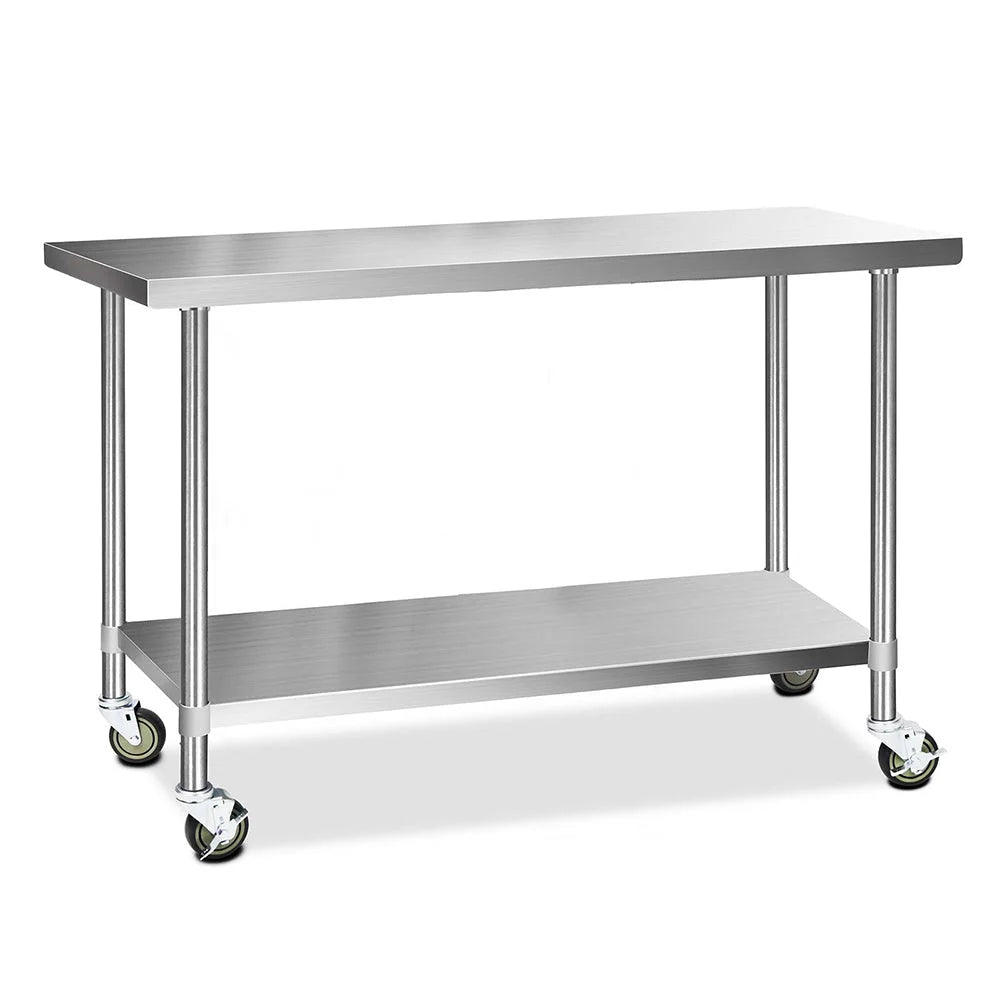
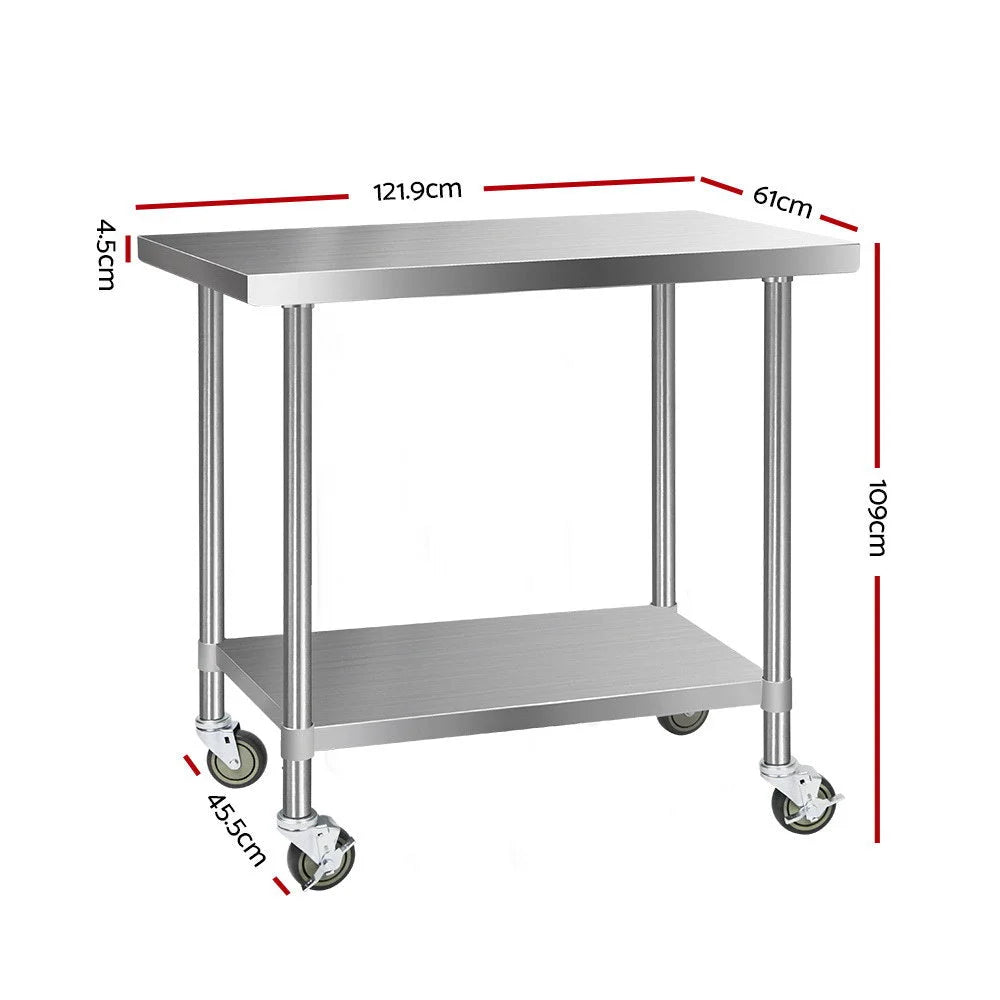
Kitchen Benches Stainless Steel 430 Work Bench Food Prep Table with Wheels 1219MM x 610MM
Regular price $186.90 AUDRegular priceUnit price per$349.99 AUDSale price $186.90 AUDSale -
Pyramid Range Hood 600mm 60cm Kitchen Canopy Black
Regular price $112.90 AUDRegular priceUnit price per$182.99 AUDSale price $112.90 AUDSale -
Range Hood 900mm Rangehood 90cm Stainless Steel Glass Kitchen Canopy Black
Regular price $207.90 AUDRegular priceUnit price per$382.99 AUDSale price $207.90 AUDSale -
Stainless Steel Kitchen Benches Work Bench Food Prep Table with Wheels 430 1829MM x 610MM
Regular price $245.90 AUDRegular priceUnit price per$426.99 AUDSale price $245.90 AUDSale -
Commercial Stainless Steel Sink Bench 100x60cm
Regular price $424.90 AUDRegular priceUnit price per$699.99 AUDSale price $424.90 AUDSale -
Commercial Stainless Steel Kitchen Bench 1524x610mm
Regular price $197.90 AUDRegular priceUnit price per$399.99 AUDSale price $197.90 AUDSale -
Commercial BBQ Rangehood 1500mm - Silver
Regular price $719.90 AUDRegular priceUnit price per$1,266.99 AUDSale price $719.90 AUDSale -
Induction Cooktop 90cm Ceramic 5-Zone Stove Hot Plate Cooker
Regular price $354.90 AUDRegular priceUnit price per$616.99 AUDSale price $354.90 AUDSale -
Commercial Single Deep Fryer - Silver
Regular price $71.90 AUDRegular priceUnit price per$119.99 AUDSale price $71.90 AUDSale -
Commercial Food Dehydrator 6 Trays Stainless Steel Fruit Dryer
Regular price $137.90 AUDRegular priceUnit price per$249.99 AUDSale price $137.90 AUDSale






Related reading


Useful answers
Kitchen & Dining FAQs
Where should I start when setting up a kitchen from scratch?
Start with the meals you cook and the number of people you serve. Map a place to prepare ingredients, the cooking method, storage for food and tools, and the table setup. Choose the major appliances and usable spaces first, then select cookware and accessories that work with them.
How can I avoid buying kitchen equipment that duplicates what I own?
List the jobs your current equipment already handles, including how much it cooks and how long cleanup takes. A new piece should solve a specific gap, such as a wider cooking surface or a clearer preparation area. Compare that improvement with the storage and working space the new item will occupy.
How should I choose cookware and appliances together?
Treat them as a working pair. A pan must suit the cooktop’s heating method and zones; a tray or roasting dish must fit the oven’s usable space; an accessory must be permitted for its appliance. Establish those constraints before choosing a coordinated finish or a large set.
When should I explore catering equipment instead of everyday kitchenware?
Use the catering route when you need a defined preparation, holding, transport or service station for repeated or larger-scale work. Compare the full process, including cleaning and compatible pans or trolleys. Commercial descriptions do not make every item suitable for every food-business operation, so verify the equipment against the intended use.