
Clocks & Ornaments
Clocks and ornaments can give a shelf or wall a clear point of interest, but their practical roles differ.
Shop the collection
-
Lexon Flip Classic Reversible Alarm Clock - White
Regular price $62.90 AUDRegular priceUnit price per$76.95 AUDSale price $62.90 AUDSale -
Newgate NThree Clock - Italian Black
Regular price $116.90 AUDRegular priceUnit price per$142.95 AUDSale price $116.90 AUDSale -
2 Pcs Green Cute Resin Turtle Pot Hanger - Garden Planter Pal Figurine Decoration
Regular price $29.90 AUDRegular priceUnit price per$56.00 AUDSale price $29.90 AUDSale -
Lexon Mina Sunrise Sunrise Alarm Clock - Red
Regular price $116.90 AUDRegular priceUnit price per$142.95 AUDSale price $116.90 AUDSale -
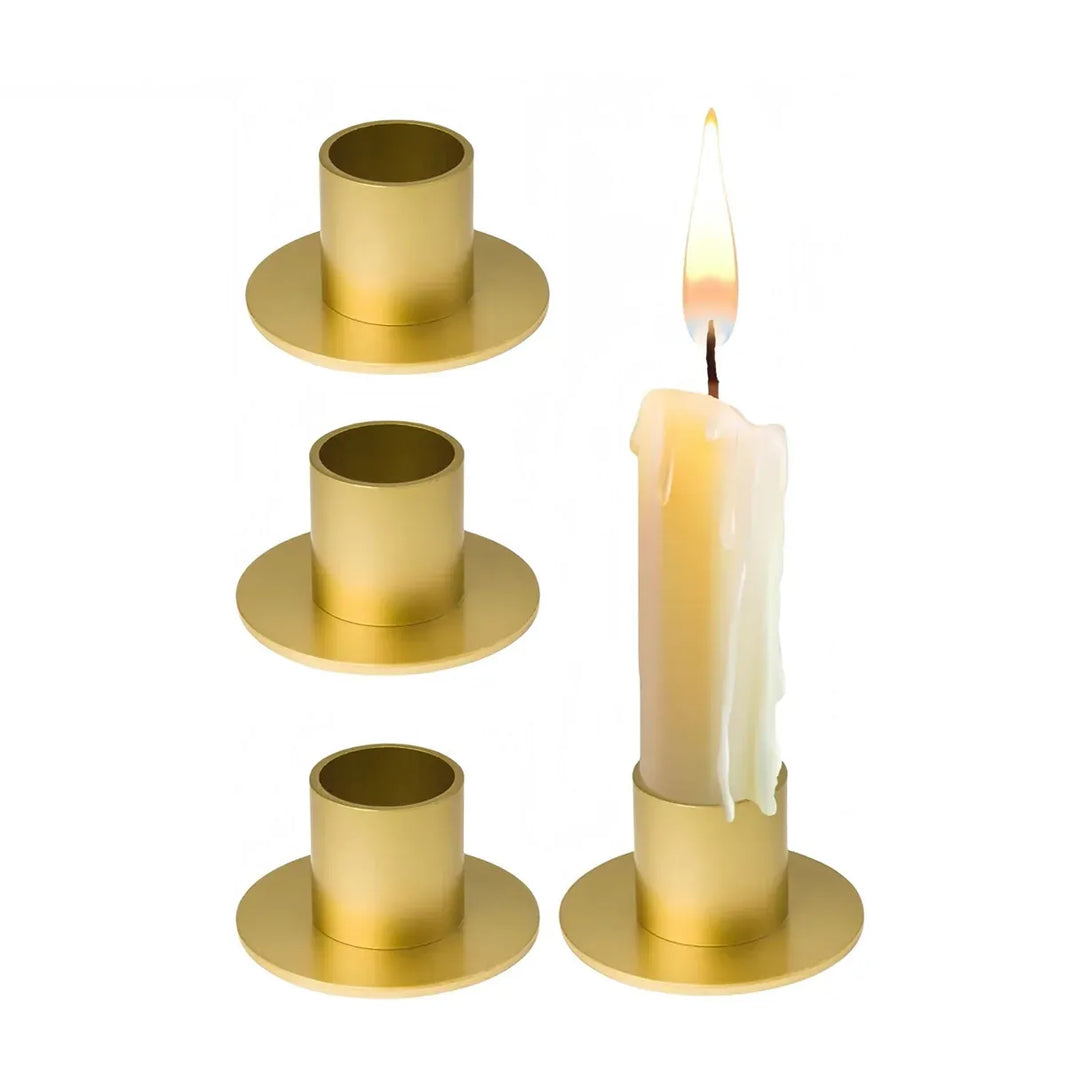
4pc Retro Metal Candle Holder Set Iron Rustproof Home Wedding Table
Regular price $28.90 AUDRegular priceUnit price per$34.93 AUDSale price $28.90 AUDSale -
Lexon Mina Sunrise Sunrise Alarm Clock - Pink
Regular price $116.90 AUDRegular priceUnit price per$142.95 AUDSale price $116.90 AUDSale -
Newgate Battersby Clock - Black
Regular price $258.90 AUDRegular priceUnit price per$318.95 AUDSale price $258.90 AUDSale -
Metal Wall Clock Gold
Regular price $55.90 AUDRegular priceUnit price per -
Newgate Quad Clock - Chrome
Regular price $285.90 AUDRegular priceUnit price per$351.95 AUDSale price $285.90 AUDSale -
Newgate Burger & Chips Wall Clock - Posh Grey
Regular price $105.90 AUDRegular priceUnit price per$129.95 AUDSale price $105.90 AUDSale -
Newgate New Covent Garden Alarm Clock - Matte Black
Regular price $62.90 AUDRegular priceUnit price per$76.95 AUDSale price $62.90 AUDSale -
Newgate New Covent Garden Alarm Clock - White
Regular price $62.90 AUDRegular priceUnit price per$76.95 AUDSale price $62.90 AUDSale -
Newgate Henry Mantel Clock - Neutral Mono II Dial
Regular price $107.90 AUDRegular priceUnit price per$131.95 AUDSale price $107.90 AUDSale -
Newgate Brian Alarm Clock - Fire Engine Red
Regular price $73.90 AUDRegular priceUnit price per$89.95 AUDSale price $73.90 AUDSale -
Modern 3D Crystal Wall Clock Luxury Art Metal Round Home Decor
Regular price $91.90 AUDRegular priceUnit price per -
Candle Holder - The Moon Light Coco
Regular price $12.90 AUDRegular priceUnit price per$13.90 AUDSale price $12.90 AUDSale -
Pet Hair Memorial Box Fridge Magnet Keepsake Whisker Collector Storage Case - Black walnut
Regular price $13.90 AUDRegular priceUnit price per$16.00 AUDSale price $13.90 AUDSale -
Antique Style Metal Scooter 17cm
Regular price $87.90 AUDRegular priceUnit price per$113.28 AUDSale price $87.90 AUDSale -
4Pcs Cat Whisker Holder with Premium Thickened Plastic Cat Refrigerator Magnet Suitable for Cat Lovers for Fridge Cabinet
Regular price $33.90 AUDRegular priceUnit price per -
Magnetic Fridge Vinyl Music Box, Magnetic Fridge Music Player with NFC Music Discs, Rotating Mini Record Player with LED Night Light, Refrigerator Magnet Decor for Kitchen Home Office
Regular price $94.90 AUDRegular priceUnit price per -
Pet Hair Memorial Box Fridge Magnet Keepsake Whisker Collector Storage Case - Beech
Regular price $13.90 AUDRegular priceUnit price per$15.95 AUDSale price $13.90 AUDSale -
Large Colourful Wall Clock for Kitchen or Office Retro Timepiece
Regular price $30.90 AUDRegular priceUnit price per -
Pedestal Decorative Candle Holder 29cm
Regular price $78.90 AUDRegular priceUnit price per$101.55 AUDSale price $78.90 AUDSale -
Vintage 1/3/5 Arm Candle Holder Decorative Ornament for Hotel Home Decoration - 5 Arms
Regular price $37.90 AUDRegular priceUnit price per$45.05 AUDSale price $37.90 AUDSale




Clocks and ornaments can give a shelf or wall a clear point of interest, but their practical roles differ. A clock needs to be readable from the places you use it; an ornament needs scale and a stable position. Start with that role, then build a small arrangement that leaves enough space around each piece.
Judge a clock from its viewing distance
A decorative face can be attractive close up but hard to read across the room. Compare the hands or display with the background and consider glare from windows. For a bedroom or quiet workspace, check the movement or sound information rather than assuming every clock is silent.
Keep ornament groups intentional
Choose a focal piece and use smaller objects to support it. Differences in height can make a shelf arrangement easier to read than a row of equally sized items. Leave access for dusting and avoid crowding a useful surface with objects that must be moved every time the furniture is used.
Separate decorative objects from functional holders
A sculpture, vase and candle holder may share a style but have different requirements. Do not put water, flame or heavy objects into a decorative form unless that use is supported. For clocks, confirm the power source and supplied contents so the display is ready to use when installed.
Useful answers
Clocks & Ornaments: your questions
How do I choose a clock that is readable across the room?
Compare the contrast between the hands or digits and the background, not only the clock's overall size. Consider the normal viewing distance and reflections from nearby windows. A decorative face with fine markers can be attractive close up while being less useful from the sofa or across a desk.
Are decorative clocks always quiet enough for a bedroom?
No. Sound depends on the movement and any alarm or other features, not the decorative style. Look for explicit movement and sound information when quiet operation matters. Also consider the brightness of a digital display and where it will be visible from the bed.
Can an ornamental bowl or sculpture be used as a candle holder?
Only if that use is explicitly supported. A decorative opening or bowl shape does not establish heat resistance, stability or space for melted wax. Choose a holder designed for the candle format, or keep the ornament as an unlit display piece rather than improvising a flame-bearing arrangement.