
Kids Ride-On Cars & Wheeled Toys
Ride-on cars, motorbikes and other wheeled toys need to suit the child’s size and the place they will be used. Compare the controls, seating and charging routine before choosing a vehicle by its styling.
Shop the collection
-
Kids Ride On Patrol Police Car Rigo Range Rover-Inspired Remote - Black
Regular price $255.90 AUDRegular priceUnit price per$349.99 AUDSale price $255.90 AUDSale -
Rigo Kids Ride On Car Battery Toy Remote Control - Pink with Dual Motor
Regular price $162.90 AUDRegular priceUnit price per$249.99 AUDSale price $162.90 AUDSale -
Kids Ride-On Fire Truck Motorbike (Rigo), Red/Grey
Regular price $110.90 AUDRegular priceUnit price per$216.99 AUDSale price $110.90 AUDSale -
Kids Ride-On Car, White
Regular price $168.90 AUDRegular priceUnit price per$266.99 AUDSale price $168.90 AUDSale -
Kids Ride-On Excavator, Yellow
Regular price $75.90 AUDRegular priceUnit price per$102.99 AUDSale price $75.90 AUDSale -
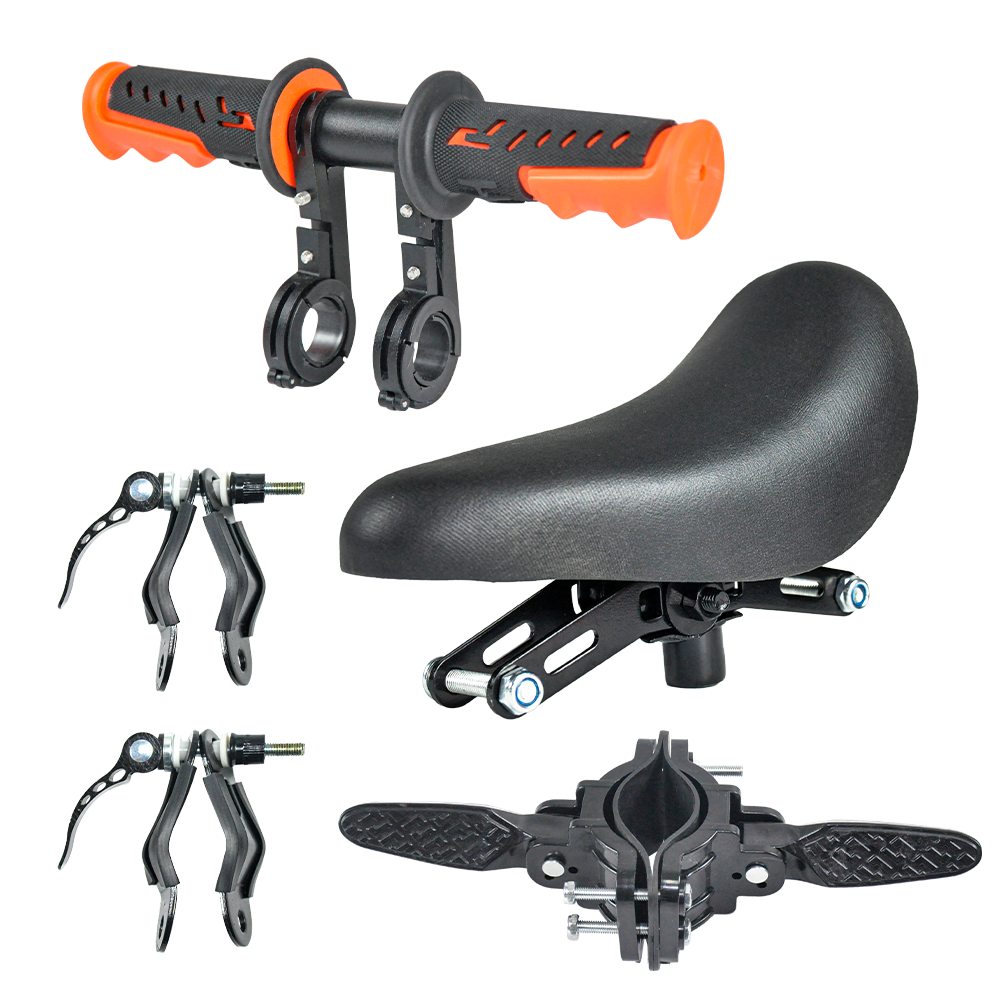
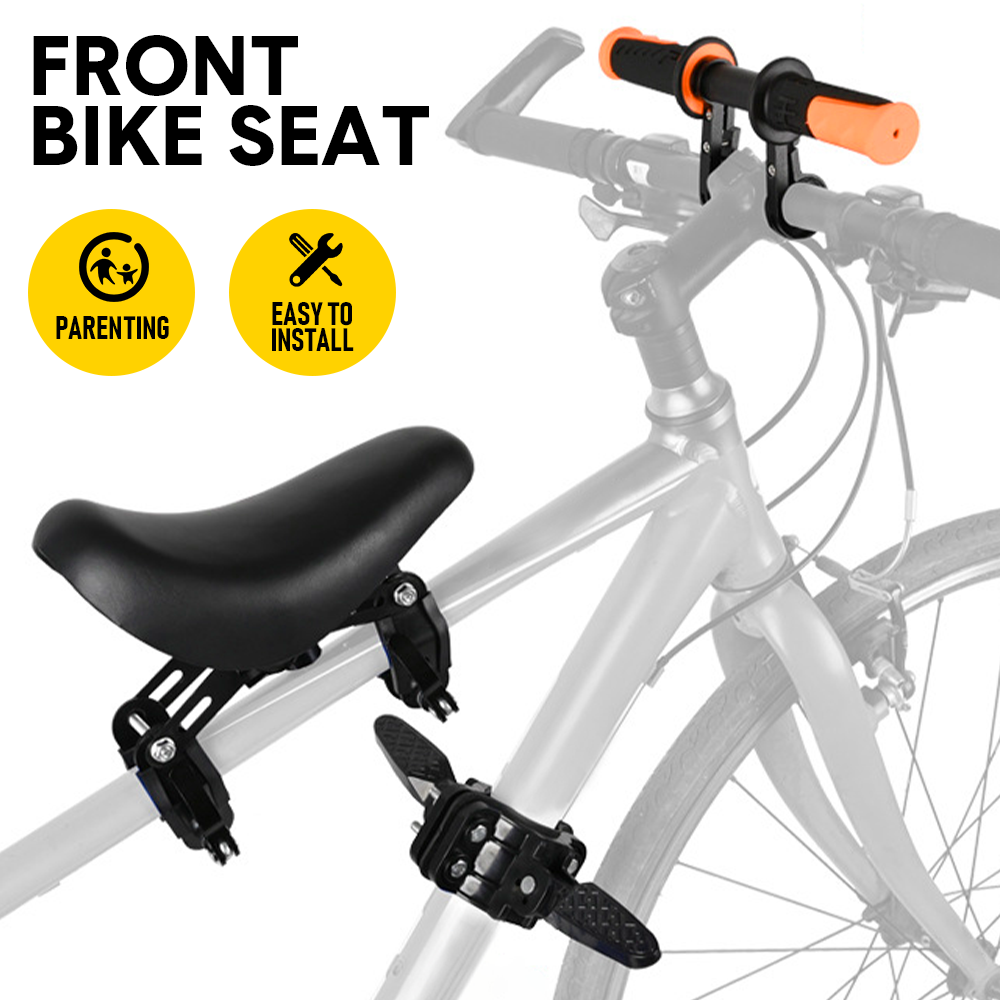
3 In 1 Kids Bike Mounted Front Seat Detachable With Handlebar Foot Pedal Bicycle Seat for Children 1-8 Years Compatible with All Adult Mountain Bikes
Regular price $45.90 AUDRegular priceUnit price per$70.00 AUDSale price $45.90 AUDSale -
Go Skitz 12V Electric Ride On - Red
Regular price $483.90 AUDRegular priceUnit price per$599.00 AUDSale price $483.90 AUDSale -
Go Skitz Major 12V Electric Ride On - Khaki
Regular price $304.90 AUDRegular priceUnit price per$369.00 AUDSale price $304.90 AUDSale -
Progear DuraLite Kids Bike 20" - Pearl White
Regular price $251.90 AUDRegular priceUnit price per$439.00 AUDSale price $251.90 AUDSale -
Progear DuraLite Kids Bike 16" - Mint
Regular price $230.90 AUDRegular priceUnit price per$359.00 AUDSale price $230.90 AUDSale -
Progear DuraLite Kids Bike 20" - Mint
Regular price $251.90 AUDRegular priceUnit price per$439.00 AUDSale price $251.90 AUDSale -
Progear DuraLite Kids Bike 16" - Azure Blue
Regular price $230.90 AUDRegular priceUnit price per$359.00 AUDSale price $230.90 AUDSale -
Progear DuraLite Kids Bike 16" - Baby Pink
Regular price $230.90 AUDRegular priceUnit price per$359.00 AUDSale price $230.90 AUDSale -
Go Skitz Astro 12V Electric Ride On - Red
Regular price $301.90 AUDRegular priceUnit price per$449.00 AUDSale price $301.90 AUDSale -
Progear DuraLite Kids Bike 16" - Lime Green
Regular price $230.90 AUDRegular priceUnit price per$359.00 AUDSale price $230.90 AUDSale -
Go Skitz Major 12V Electric Ride On - Black
Regular price $304.90 AUDRegular priceUnit price per$369.00 AUDSale price $304.90 AUDSale -
Progear DuraLite Kids Bike 12" - Electric Blue
Regular price $210.90 AUDRegular priceUnit price per$319.00 AUDSale price $210.90 AUDSale -
Progear DuraLite 7 Speed Kids Bike 20" - Pearl White
Regular price $281.90 AUDRegular priceUnit price per$489.00 AUDSale price $281.90 AUDSale -
Go Skitz Astro 12V Electric Ride On - Green
Regular price $301.90 AUDRegular priceUnit price per$449.00 AUDSale price $301.90 AUDSale -
Bentley Mulsanne Kids 12V Electric Ride On - Black
Regular price $445.90 AUDRegular priceUnit price per$559.00 AUDSale price $445.90 AUDSale -
Italtrike - la cosa 1 RIDE ON Fire Truck
Regular price $110.90 AUDRegular priceUnit price per$125.00 AUDSale price $110.90 AUDSale -
Progear DuraLite 7 Speed Kids Bike 20" - Royal Blue
Regular price $281.90 AUDRegular priceUnit price per$489.00 AUDSale price $281.90 AUDSale -
Progear DuraLite Kids Bike 12" - Baby Pink
Regular price $210.90 AUDRegular priceUnit price per$319.00 AUDSale price $210.90 AUDSale -
Go Skitz Astro 12V Electric Ride On - Black
Regular price $301.90 AUDRegular priceUnit price per$449.00 AUDSale price $301.90 AUDSale




Check reach and entry
The child needs to reach the controls from the intended seated position. A stated age range is only one guide: seat dimensions, foot placement and the opening used to climb in also matter. Decorative doors or body panels may narrow the usable space compared with the overall vehicle width.
Separate power from practical use
Battery voltage and the number of motors do not by themselves describe suitable terrain or operating time. Use the manufacturer’s stated use conditions and supplied charger. Plan where the vehicle will be stored and charged so it does not obstruct a walkway or rely on an improvised power setup.
Keep adult control and supervision distinct
A remote control, when supplied, is a model-specific feature and does not replace active supervision. Use the toy only in its intended safe play area, away from traffic, water and other hazards. For a bicycle rather than a toy car, evaluate the separate cycling equipment and skills it requires.
Further reading: ACCC — Kids’ toys guide
Useful answers
Questions about kids ride-on cars
Does a higher-voltage ride-on car automatically suit grass or hills?
No. Voltage alone does not tell you the permitted surface, gradient, speed or run time of the complete vehicle. Wheels, motors, gearing, load and the manufacturer’s intended use all matter. Choose a model explicitly suited to the play area you have, rather than using a battery number as a terrain rating.
Does a parental remote control mean the child can use a ride-on car alone?
No. Treat the remote as a control feature, with its own model-specific operation, while an adult actively supervises. Choose a play area away from traffic, water and obstacles. Check how the remote pairs and how stopping works before the child rides; do not assume another model’s remote or control settings will behave the same way.
What should I plan for after the ride-on car is finished being used?
Measure the route to its storage place, including doorways and turns, and decide how an adult will move it if the battery is flat. Use the specified charger and charging instructions. Allow a suitable place for charging and storing the charger so the vehicle does not leave a cable or large body blocking a normal walkway.