
Roof Racks, Bike Carriers & Towing
Choose how the load will travel before choosing the hardware.
Shop the collection
-
Tow Ball Car Mount - Black & Silver
Regular price $199.90 AUDRegular priceUnit price per$449.99 AUDSale price $199.90 AUDSale -
Universal Car Roof Rack 1450mm Cross Bars Aluminium Silver Adjustable Brackets Carrier 90kg
Regular price $79.90 AUDRegular priceUnit price per$116.99 AUDSale price $79.90 AUDSale -
3 Bike Rack Bicycle Car Rear Carrier 2" Steel Foldable Steel Hitch Mount Towbar
Regular price $103.90 AUDRegular priceUnit price per$267.30 AUDSale price $103.90 AUDSale -
3.15T Sling Hook & Hammerlock Kit, 2 Sets Heavy Duty Trailer Safety Chain Hooks for Caravan, Camper & Boat Trailers-Orange
Regular price $46.90 AUDRegular priceUnit price per$45.99 AUDSale price $46.90 AUD -
Car Roof Cargo Bag Rooftop Carrier 100% Waterproof for All Vehicles
Regular price $142.90 AUDRegular priceUnit price per$299.00 AUDSale price $142.90 AUDSale -
1.12T Sling Hook & Hammerlock Kit, 2 Sets Heavy Duty Trailer Safety Chain Hooks for Caravan, Camper & Boat Trailers-Orange
Regular price $30.90 AUDRegular priceUnit price per$27.99 AUDSale price $30.90 AUD -


1x Bike Rack Garage Wall Mount Hanger Hooks Storage Bicycle Vertical for Indoor Shed with Screws
Regular price $10.90 AUDRegular priceUnit price per$19.95 AUDSale price $10.90 AUDSale -
Universal Soft Roof Rack Kayak Pads Foam Carrier Surfboard SUP Transport Bars
Regular price $84.90 AUDRegular priceUnit price per$101.75 AUDSale price $84.90 AUDSale -
115cm Universal Car Roof Racks Carrier Adjustable Cross Bars Aluminium Alloy Lockable
Regular price $71.90 AUDRegular priceUnit price per$184.95 AUDSale price $71.90 AUDSale -
135CM Universal Adjustable Aluminum Alloy Car Roof Rack Cross Bars Carrier Lock
Regular price $72.90 AUDRegular priceUnit price per$187.65 AUDSale price $72.90 AUDSale -
Car Roof Rack Basket Universal Luggage Vehicle Cargo Carrier - 111CM Black
Regular price $122.90 AUDRegular priceUnit price per$216.99 AUDSale price $122.90 AUDSale -
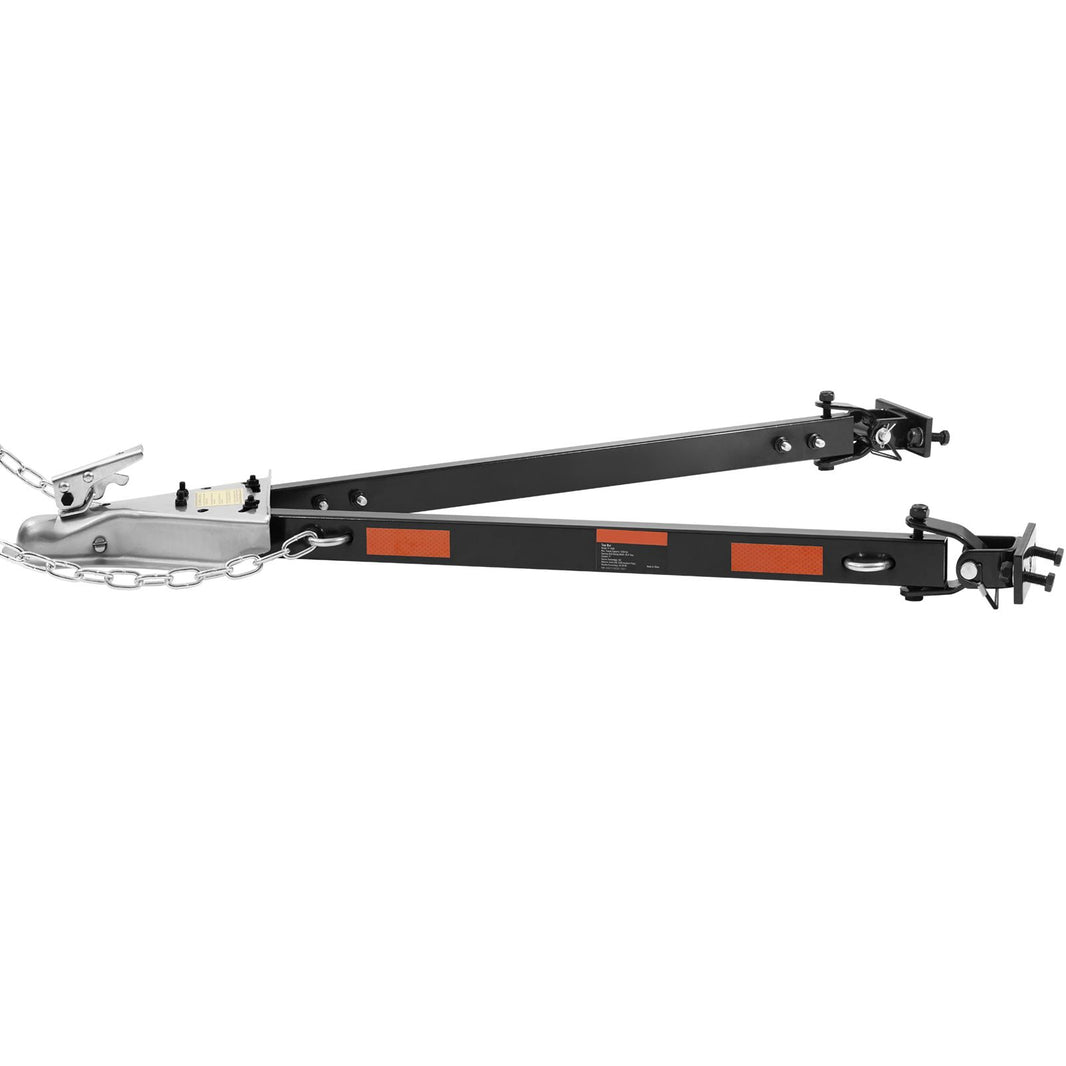
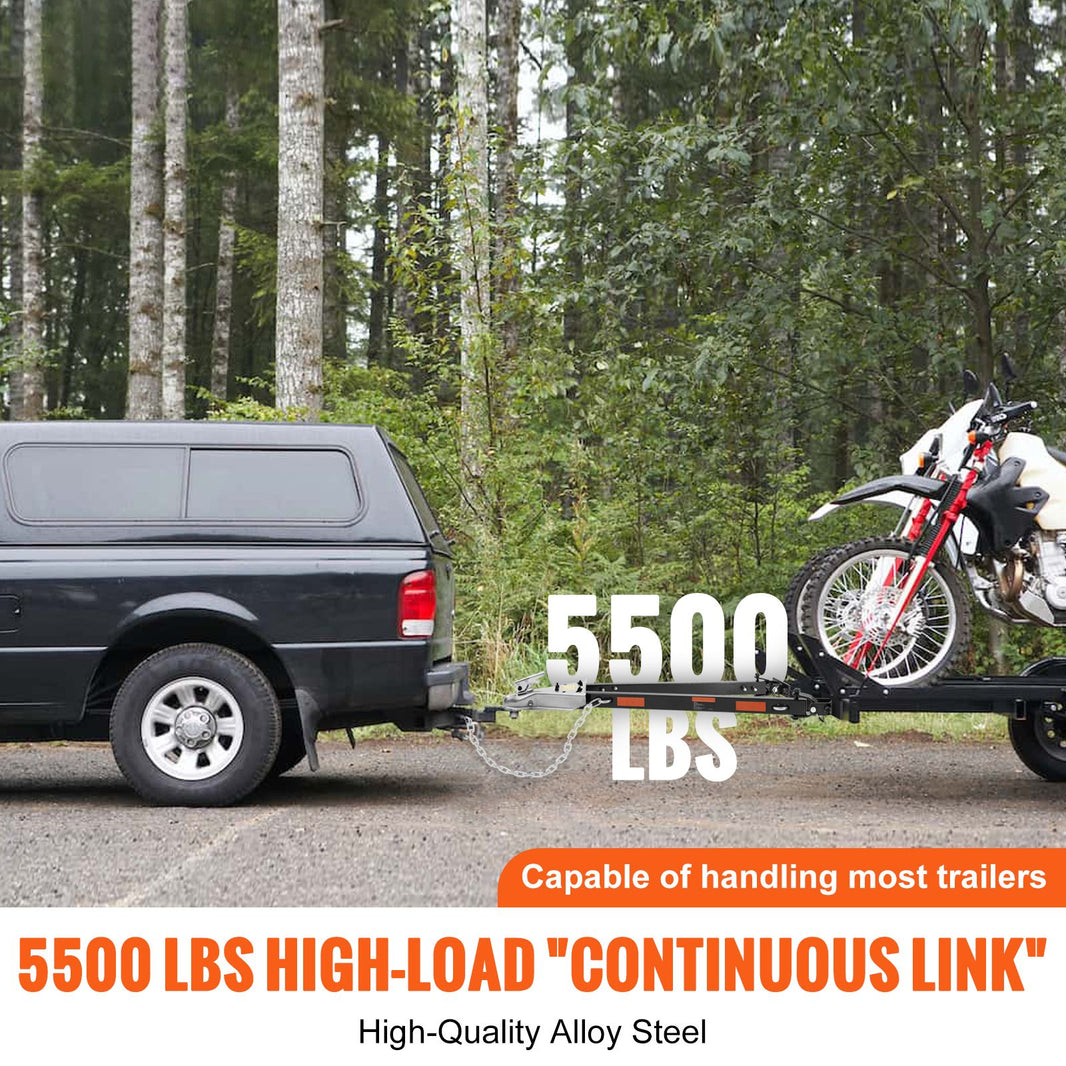
Tow Bar, 2495 kg Towing Capacity with Chains, Powder-Coating Alloy Steel Bumper-Mounted Universal Towing Bar, Coupler Fits 5cm Ball Hitch, 100 cm Opening Width, for RV Car Trailer Truck
Regular price $166.90 AUDRegular priceUnit price per$153.90 AUDSale price $166.90 AUD -
Trailer Hitch Lock, Compatible with 50.8 mm Couplers, Heavy-Duty Anti-Theft Trailer Ball Lock with 3 Keys, Fits for RVs
Regular price $86.90 AUDRegular priceUnit price per$89.99 AUDSale price $86.90 AUDSale -
3 Point Trailer Hitch 2 in Receiver, 3pt Quick Hitch Attachment with 3 Trailer Balls, Tractor Tow Drawbar Adapter, Compatible with Kubota, Mahindra, Ford, Yanmar, John Deere, Massey Ferguson
Regular price $180.90 AUDRegular priceUnit price per$166.90 AUDSale price $180.90 AUD -
Soft Roof Rack Pads 15.5in 176lbs Load Capacity for Kayak Canoe Surfboard
Regular price $49.90 AUDRegular priceUnit price per$45.90 AUDSale price $49.90 AUD -
Soft Roof Rack Pads, 33-Inch Universal Car Roof Rack Pad, 176LBS Load Capacity Luggage Kayak Carrier with 2 Tie-Down Straps and Portable Storage Bag for SUP Canoe Snowboard Paddle Board
Regular price $93.90 AUDRegular priceUnit price per$97.99 AUDSale price $93.90 AUDSale -
Soft Roof Rack Pads 33in 176lbs Load Capacity for Kayak Canoe Surfboard Luggage
Regular price $67.90 AUDRegular priceUnit price per$62.90 AUDSale price $67.90 AUD -
Universal Roof Rack Crossbar for Naked Roof Vehicle Aluminum with Lock
Regular price $90.90 AUDRegular priceUnit price per$83.90 AUDSale price $90.90 AUD -
Roof Rack Cross Bars, Compatible with Toyota RAV4 2020-2023, 160lbs Load Capacity, Aluminum Anti-Rust Crossbars with Locks, Rooftop Cargo Bag Luggage Carrier (Not Fit for Adventure/TRD Off-Road)
Regular price $104.90 AUDRegular priceUnit price per$96.90 AUDSale price $104.90 AUD -
Trailer Hitch Lock, Compatible with 58.7 mm Couplers, Heavy-Duty Anti-Theft Trailer Ball Lock with 3 Keys, Prying-Resistant & Impact-Resistant, Fits for RVs, Boats, Off-Road Vehicles, Trailers
Regular price $106.90 AUDRegular priceUnit price per$98.90 AUDSale price $106.90 AUD -
3 Point Trailer Hitch with 2 in Receiver, 3pt Quick Hitch Attachment, Heavy Duty Tractor Tow Drawbar Adapter, Compatible with Kubota, Mahindra, Ford, Yanmar, John Deere, Massey Ferguson
Regular price $174.90 AUDRegular priceUnit price per$161.90 AUDSale price $174.90 AUD -
Electric A Frame Trailer Jack LED Light Power Tongue Jack Weight Capacity 3500 lbs 9Inch to 32Inch with Manual Crank Handle for RV Trailer Camper
Regular price $190.90 AUDRegular priceUnit price per$246.00 AUDSale price $190.90 AUDSale -
Roof Rack Cargo Basket 200 LBS 51"x36"x5" for SUV Truck with Luggage Bag
Regular price $272.90 AUDRegular priceUnit price per$252.90 AUDSale price $272.90 AUD -
Trailer Hitch Lock Kit, Compatible with 58.7 mm Couplers, Heavy-Duty Anti-Theft Trailer Ball Lock with 3 Keys & Padlock, Prying-Resistant & Impact-Resistant, Fits for RVs, Boats, Trailers
Regular price $40.90 AUDRegular priceUnit price per$37.90 AUDSale price $40.90 AUD




Related reading


Choose how the load will travel before choosing the hardware. Roof systems, rear bike carriers and towing components connect in different ways and use different ratings. Compare the vehicle fitting, the shape and weight of the load, and the access you want to keep to doors, the boot and the roof.
Roof or rear carrier?
Roof carrying leaves the rear of the vehicle relatively accessible but raises the loading height and overall vehicle height. A rear carrier brings bikes lower, yet can affect tailgate access, rear visibility and clearance behind the vehicle. The right choice depends on the gear and the movements you repeat most often.
For bikes, consider frame shape, wheelbase and tyre width as well as the number of places on the carrier. A rack’s bike count does not mean every combination of heavy, wide or unusually shaped bikes will fit comfortably.
Match the connection before comparing capacity
A roof rack needs the right roof attachment. A rear rack may use a square receiver, tow-ball mount or another specific connection. These are not interchangeable labels. Record the vehicle’s actual connection and the required clearance around the spare wheel, bumper and exhaust.
For hitch accessories, distinguish a carrier from a ball mount, receiver or coupling. Some products shown here are towing components rather than a complete bicycle-carrying setup. Choose the complete arrangement needed for the load you intend to move.
Count the carrier as part of the load
The carrier and its hardware take up part of the relevant capacity before the bikes or cargo are added. Follow the applicable limits for the vehicle and each component, using the lowest relevant limit. A higher number on an accessory does not increase the vehicle’s allowance.
Loaded carriers must also leave the required lights and number plates visible or use an appropriate compliant arrangement. Check the current requirements for the jurisdiction where the vehicle will travel, particularly when equipment extends behind it.
Test the everyday access in the plan
Think about opening the tailgate, removing one bike without unloading the others and storing the carrier at home. A folding feature is useful when it clears the space you actually need; its mere presence does not guarantee access.
For a roof load, record the new overall height before using a garage or car park. For rear equipment, account for added length while parking and manoeuvring. These practical dimensions can matter more than another accessory feature.
Guides and product details: Rhino-Rack roof-load calculator · Victoria: vehicle bicycle-carrier guidance · NSW caravan-towing guidance · Tow Ball Car Mount - Black & Silver · Universal Car Roof Rack 1450mm Cross Bars Aluminium Silver Adjustable Brackets Carrier 90kg · Trailer Hitch Lock, Compatible with 50.8 mm Couplers, Heavy-Duty Anti-Theft Trailer Ball Lock…
Useful answers
Roof and rear carrying questions
Compare carrying positions before choosing a particular rack or connection.
How do I choose between carrying bikes on the roof and behind the car?
Consider the lifting you can manage, the access you need to the boot and the space available at home. Roof carrying adds vehicle height; a rear carrier adds length and can affect rear access. Sketch the loaded arrangement, including a garage entrance or a tailgate you regularly open.
Will a three-bike rack fit any three bikes?
Bike count is only one part of the fit. Compare each bike’s weight, wheelbase, tyres and frame with the carrier’s supported range, then consider handlebar and pedal clearance between bikes. A heavy e-bike or an unusual frame may rule out a rack that has enough nominal spaces.
What should I plan if the loaded carrier covers the number plate or rear lights?
Check the required arrangement before choosing the carrier, including suitable lighting and number-plate provision where needed. Requirements vary by jurisdiction and setup. The carrier’s photograph without bikes is not enough: assess visibility with the intended bicycles in their loaded positions.