
Garden Sheds
How do I choose a garden shed that fits my equipment and outdoor space? Give the mower, bikes and garden tools a home of their own.
Shop the collection
-

 Sale
Garden Shed 2.38x1.31m, Outdoor Storage Workshop
Regular price $295.90 AUDRegular priceUnit price per$482.99 AUDSale price $295.90 AUDSale -

 Sale
Garden Shed 2.38x1.31m with Base, Outdoor Storage Workshop
Regular price $309.90 AUDRegular priceUnit price per$499.99 AUDSale price $309.90 AUDSale -

 Sale
Double-Door Steel Garden Shed, 1.95 × 1.31 m, Brown – Giantz
Regular price $259.90 AUDRegular priceUnit price per$466.99 AUDSale price $259.90 AUDSale -

 Sale
Garden Shed 1.94x1.21m with Base, Outdoor Storage Workshop
Regular price $266.90 AUDRegular priceUnit price per$449.99 AUDSale price $266.90 AUDSale -

 Sale
Garden Shed Outdoor Storage Sheds Tool Workshop - 1.94x1.21M
Regular price $236.90 AUDRegular priceUnit price per$432.99 AUDSale price $236.90 AUDSale -

 Sale
Steel Garden Shed 2.05x2.57m with Roof, Grey
Regular price $360.90 AUDRegular priceUnit price per$699.99 AUDSale price $360.90 AUDSale -

 Sale
Garden Shed 2.49x1.04M Outdoor Tool Storage Workshop House - Steel 2-in-1
Regular price $199.90 AUDRegular priceUnit price per$316.99 AUDSale price $199.90 AUDSale -

 Sale
Sliding-Door Steel Garden Shed, 1.62 × 0.86 m, Grey – Giantz
Regular price $199.90 AUDRegular priceUnit price per$332.99 AUDSale price $199.90 AUDSale -

 Sale
Garden Shed 2.57x2.05m with Base, Outdoor Storage Workshop
Regular price $433.90 AUDRegular priceUnit price per$716.99 AUDSale price $433.90 AUDSale -

 Sale
Double-Door Steel Garden Shed, 1.62 × 1 m, Grey – Giantz
Regular price $193.90 AUDRegular priceUnit price per$366.99 AUDSale price $193.90 AUDSale -

 Sale
Double-Door Steel Garden Shed, 2.31 × 1.31 m, Brown – Giantz
Regular price $295.90 AUDRegular priceUnit price per$499.99 AUDSale price $295.90 AUDSale -
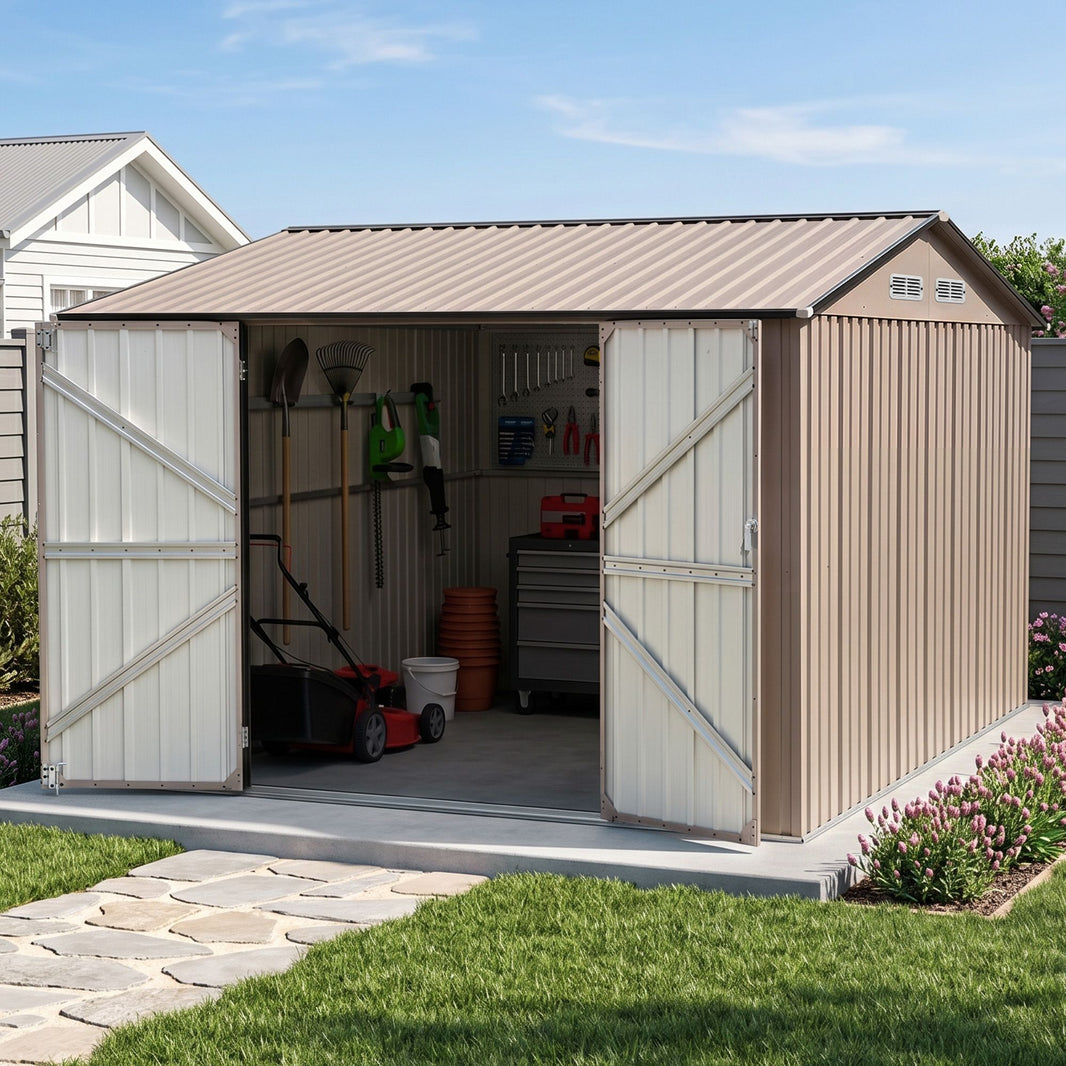
 Sale
Giantz 3X3M Garden Shed Outdoor Storage Backyard Tool Shed Galvanized Steel Brown
Regular price $500.90 AUDRegular priceUnit price per$1,166.99 AUDSale price $500.90 AUDSale -

 Sale
Giantz Garden Shed 3.22x1.96M Outdoor Storage Tool Workshop House Shelter
Regular price $404.90 AUDRegular priceUnit price per$799.99 AUDSale price $404.90 AUDSale -

 Sale
Garden Shed 0.99x1.04M Outdoor Tool Storage Workshop House - Steel
Regular price $168.90 AUDRegular priceUnit price per$382.99 AUDSale price $168.90 AUDSale -

 Sale
Steel Garden Shed with Metal Base, 2.6 × 3.9 m, Grey – Giantz
Regular price $591.90 AUDRegular priceUnit price per$1,116.99 AUDSale price $591.90 AUDSale -

 Sale
Giantz Garden Shed Sheds Outdoor Storage 2.06x1.96M Tool Workshop House Shelter
Regular price $306.90 AUDRegular priceUnit price per$487.99 AUDSale price $306.90 AUDSale -
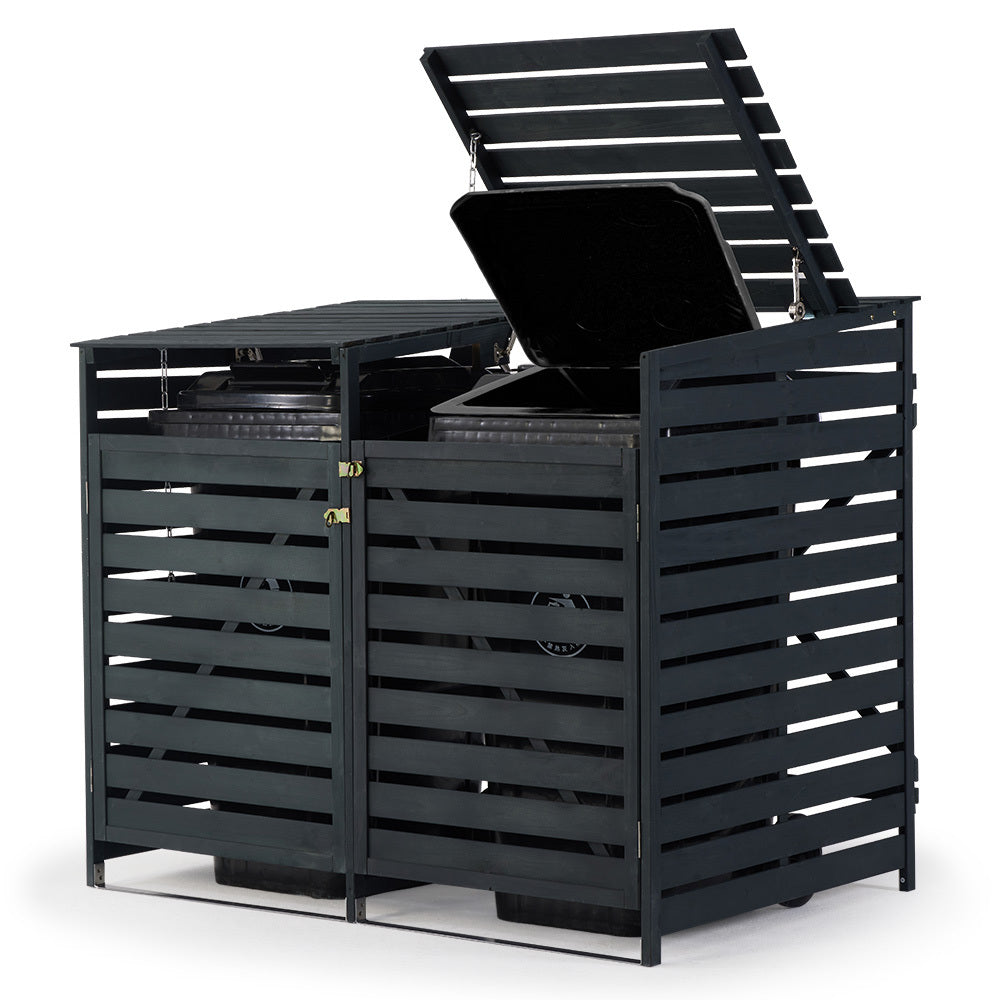
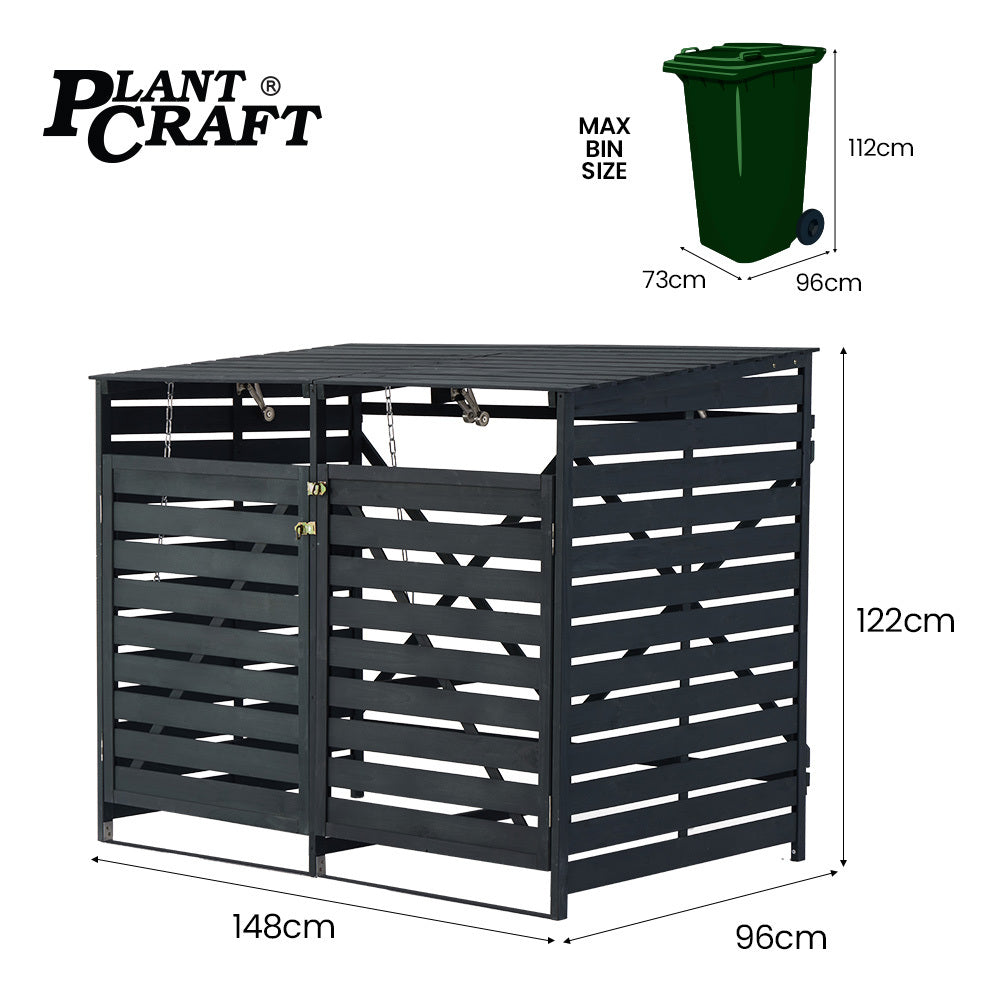
PlantCraft Double Wood Wheelie Bins Storage Shed, 2 Door Garbage Rubbish Bin Enclosure
Regular price $388.90 AUDRegular priceUnit price per -
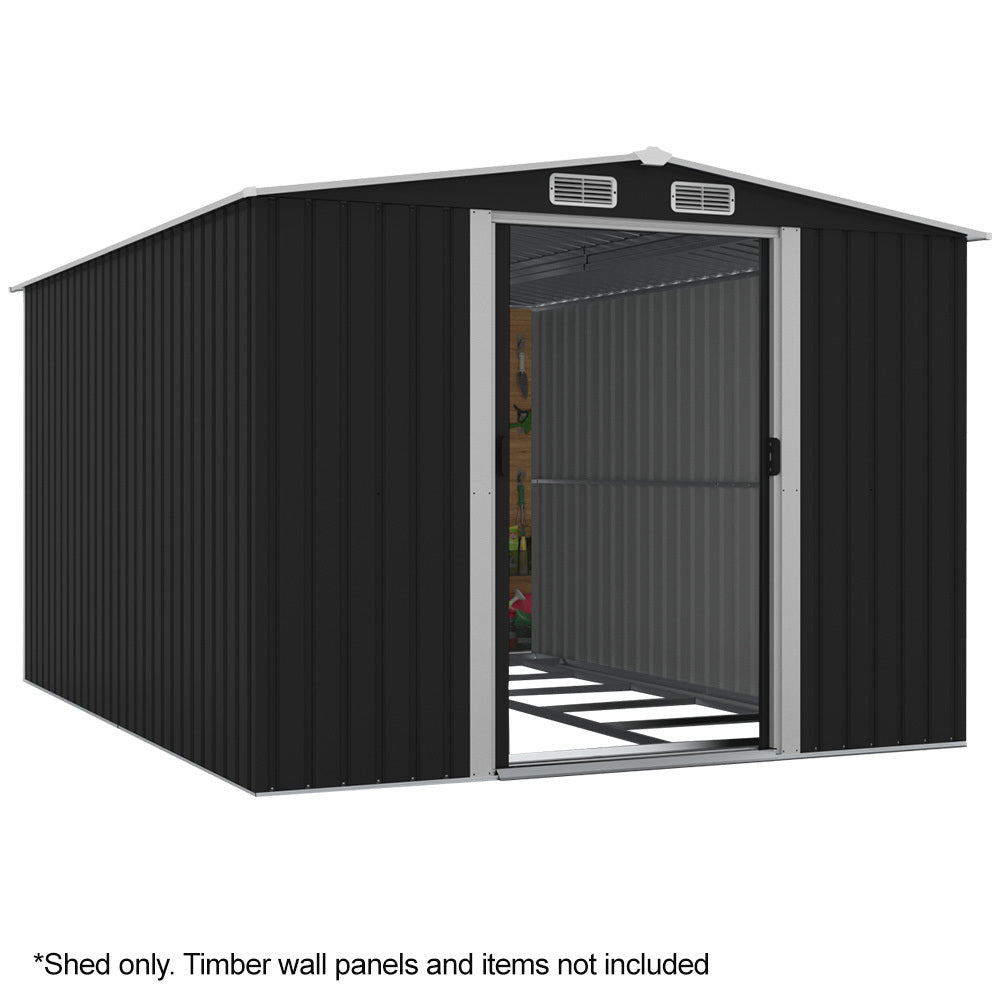

PlantCraft Galvanised Steel Garden Shed 2.58 x 3.13 x 2.02m, with 2 Sliding Doors, 4 Air Vents, Gable Roof, Floor Frame
Regular price $816.90 AUDRegular priceUnit price per -
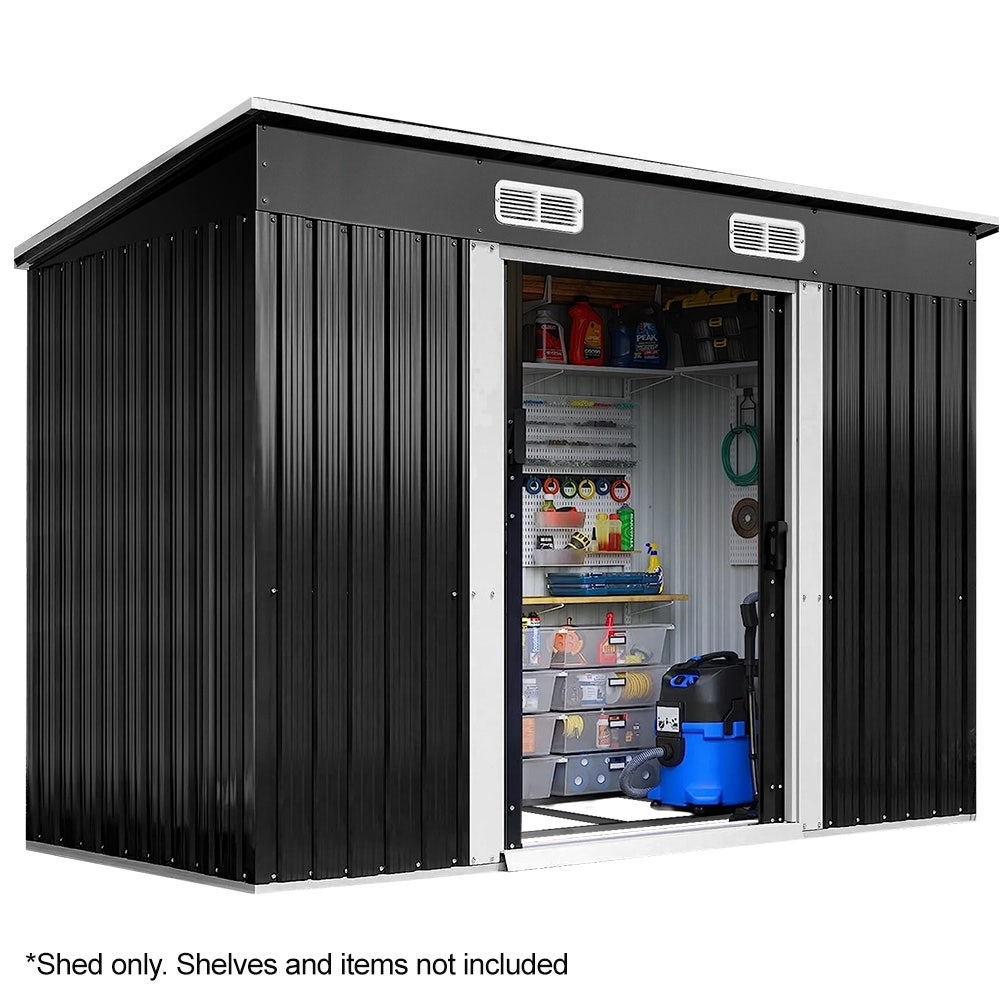
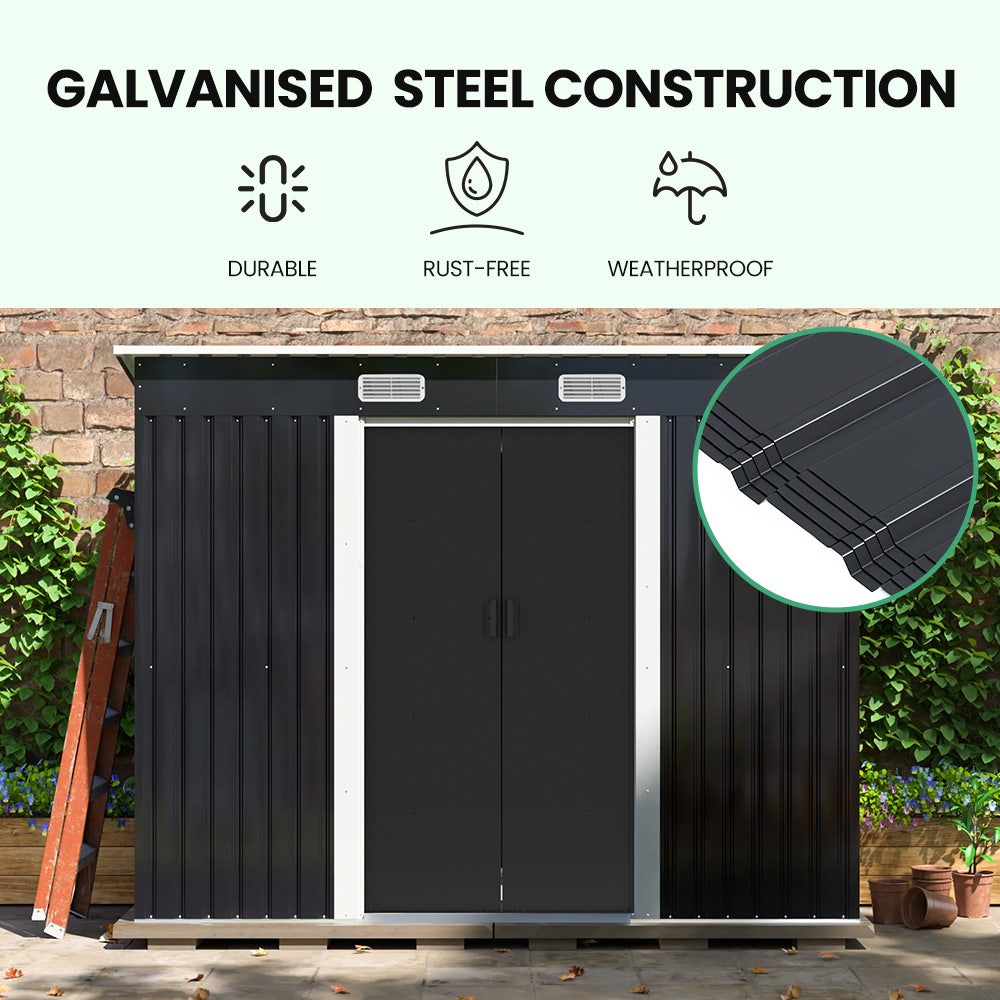
PlantCraft Galvanised Steel Garden Shed 2.38 x 1.31 x 1.82m, with 2 Sliding Doors, 2 Air Vents, Skillion Roof, Floor Frame
Regular price $466.90 AUDRegular priceUnit price per -
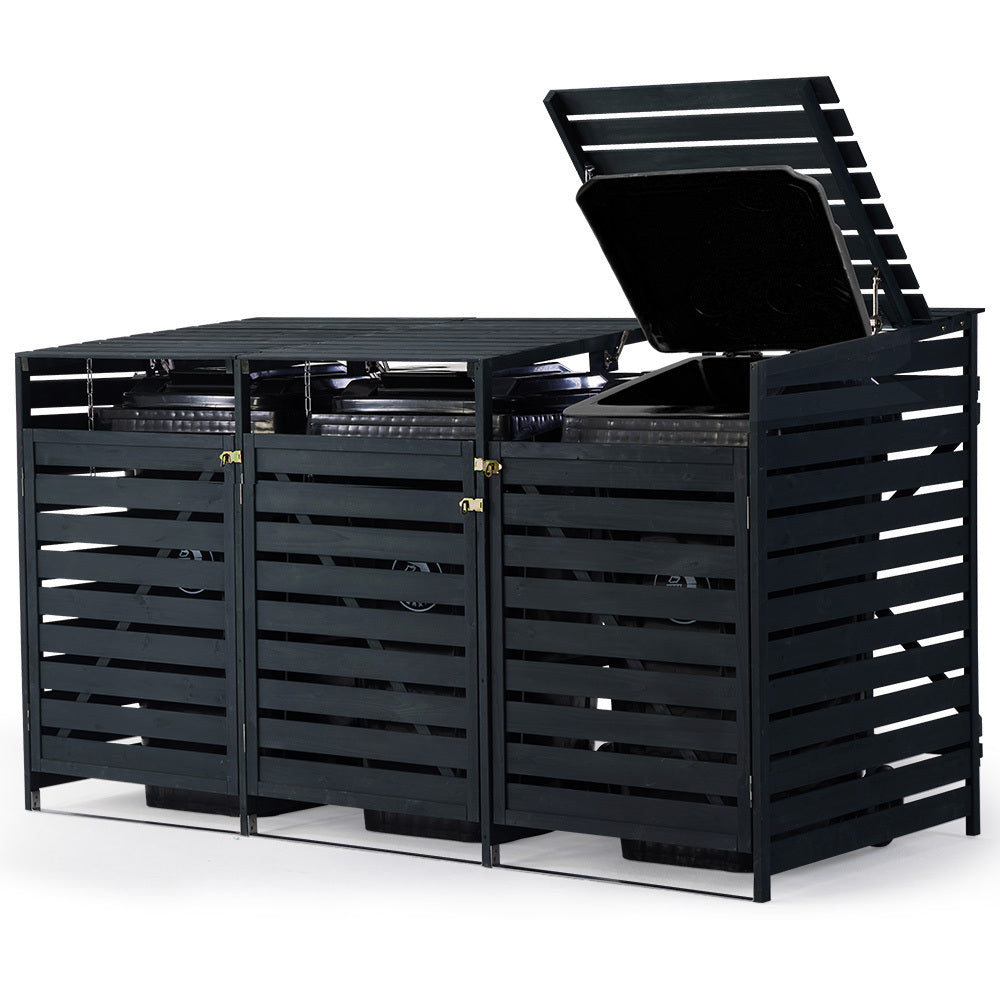
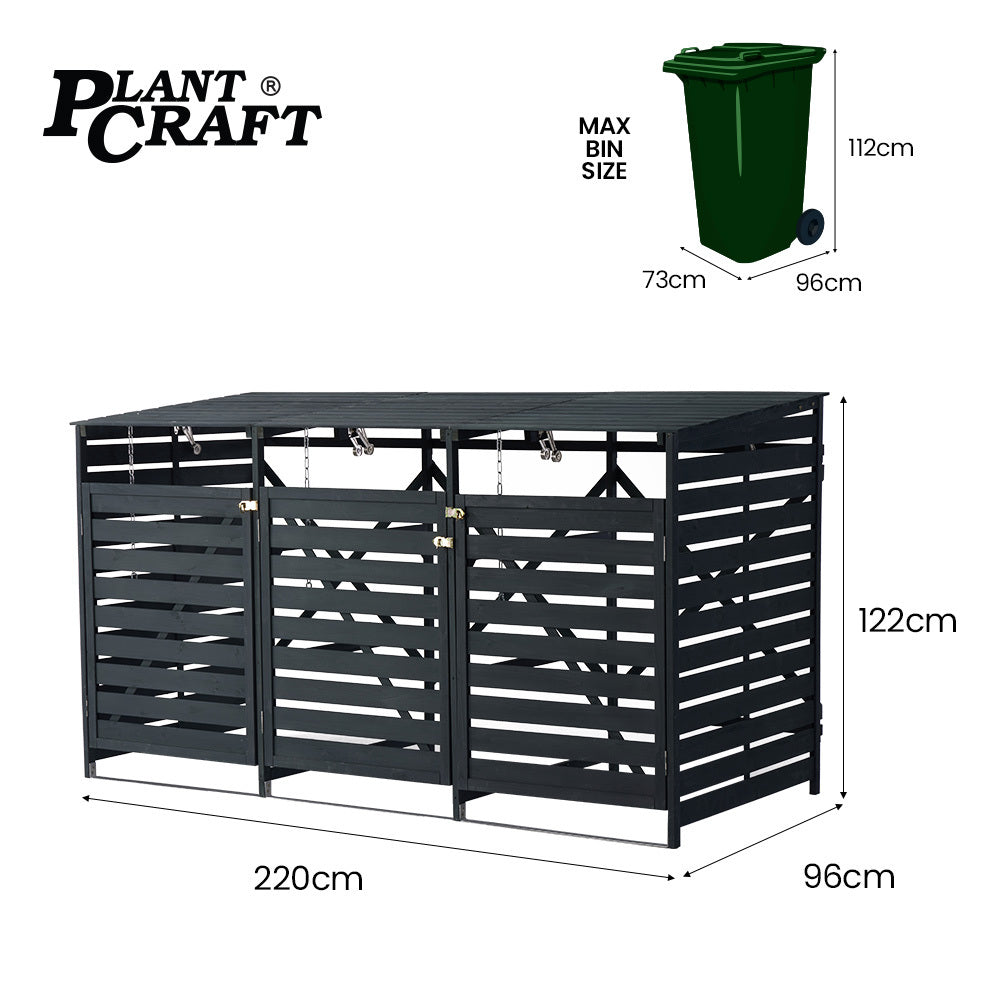
PlantCraft Triple Wood Wheelie Bins Storage Shed, 3 Door Garbage Rubbish Bin Enclosure
Regular price $648.90 AUDRegular priceUnit price per -
 Sale
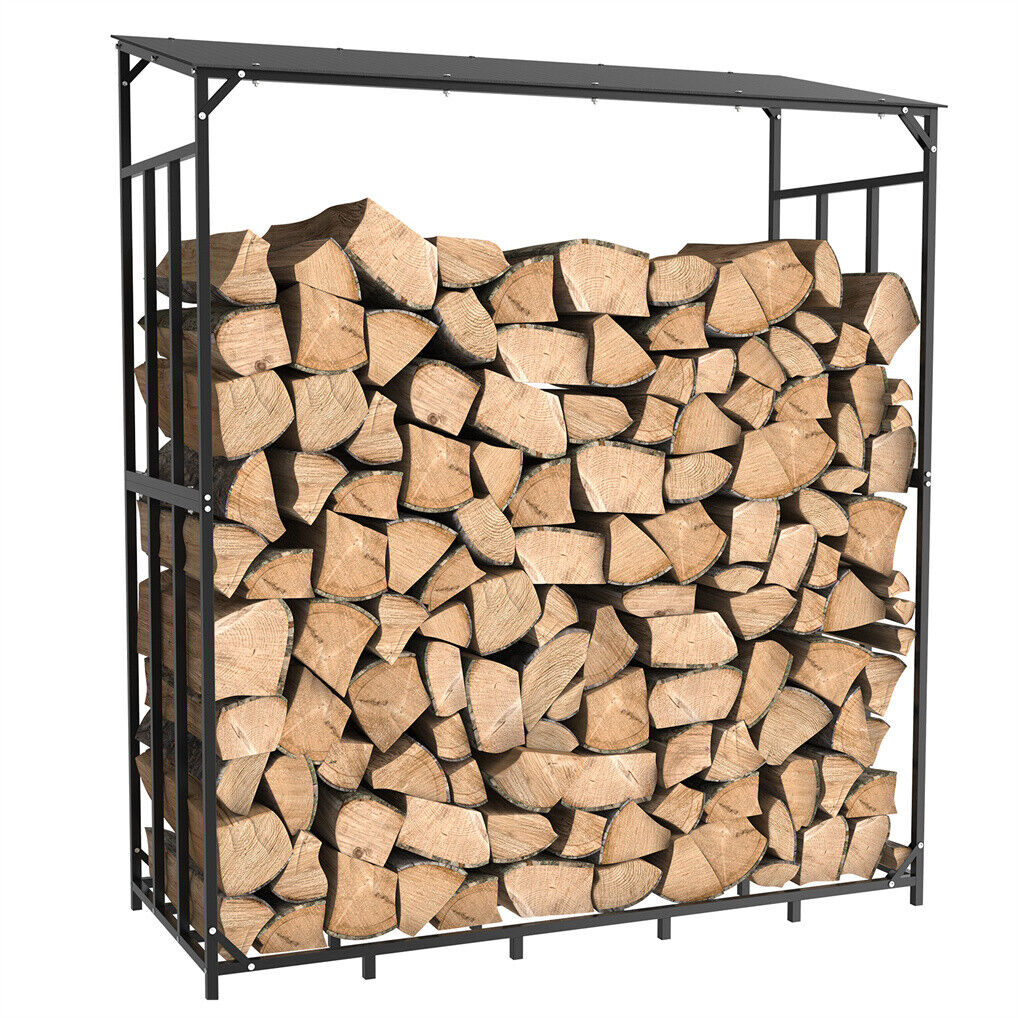
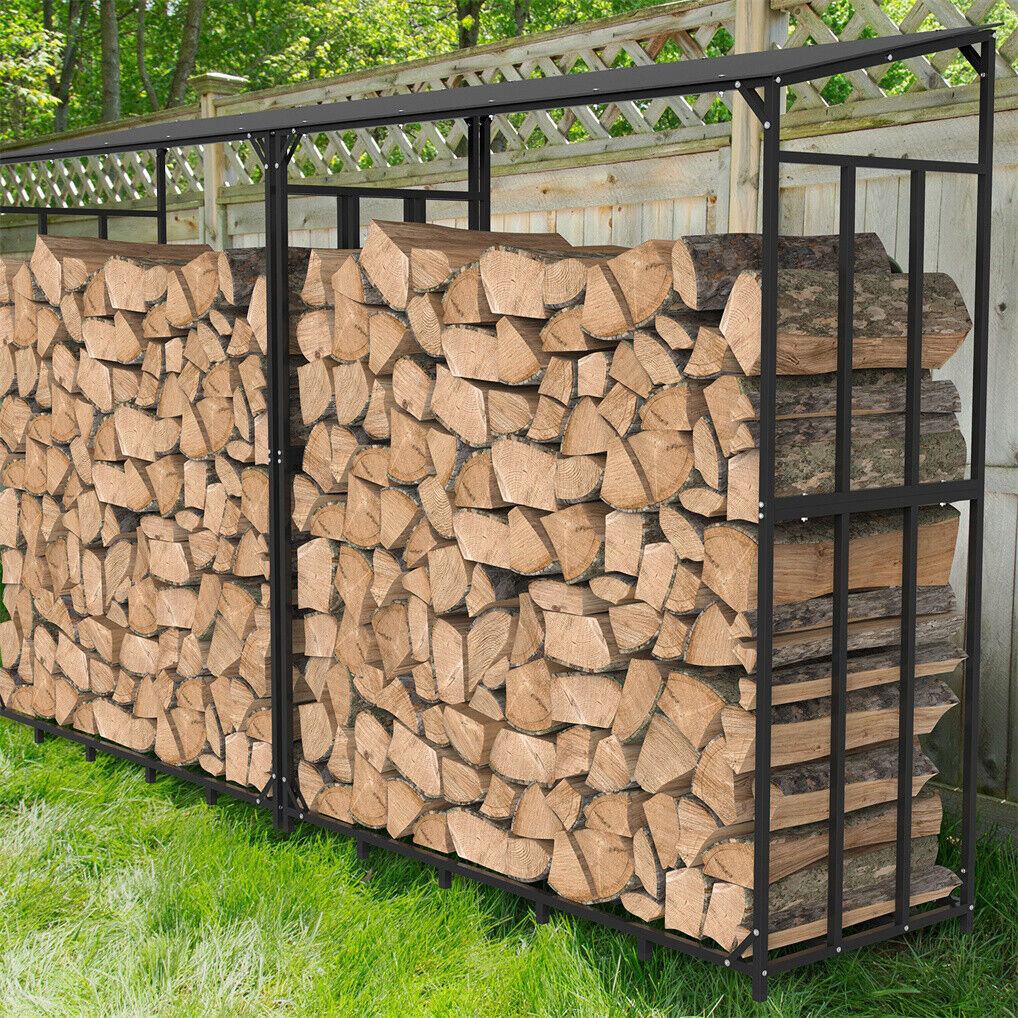
Metal Log Storage Shed Outdoor Firewood Rack Holder
Regular price $313.90 AUDRegular priceUnit price per$378.00 AUDSale price $313.90 AUDSale -
 Sale
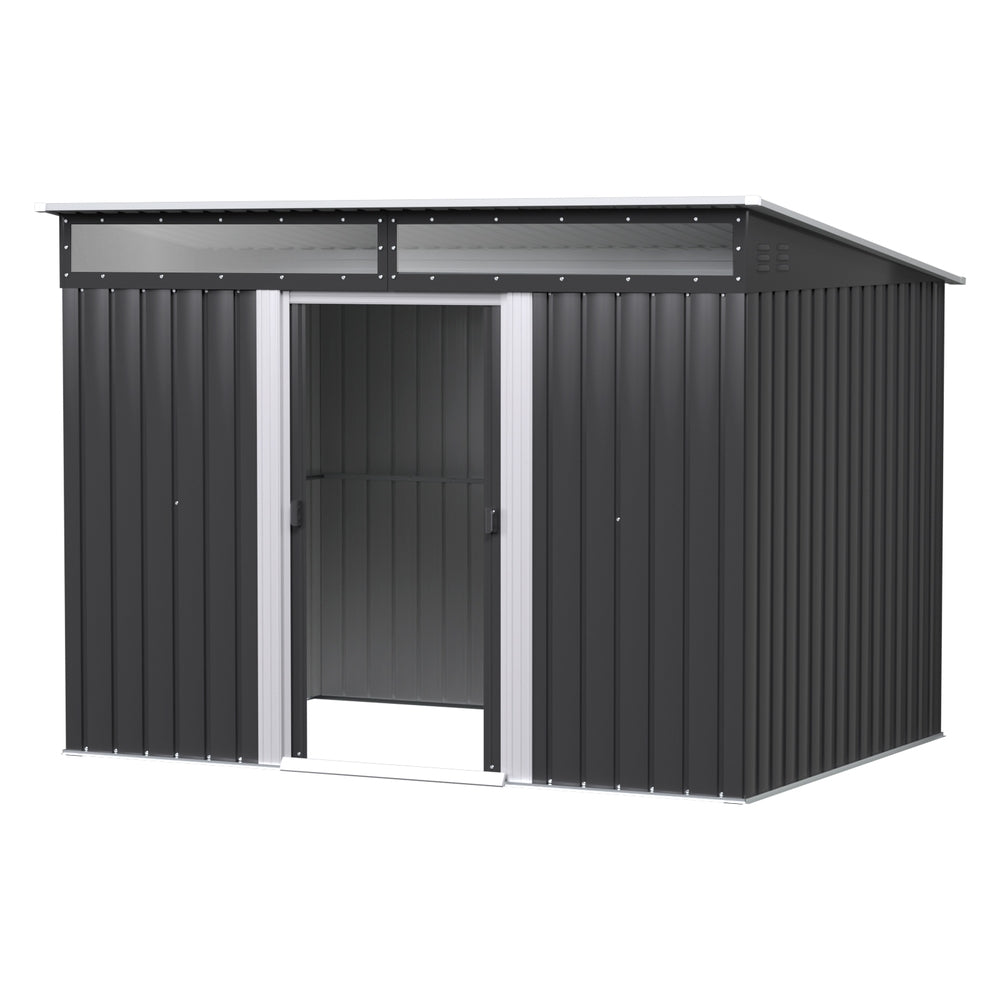
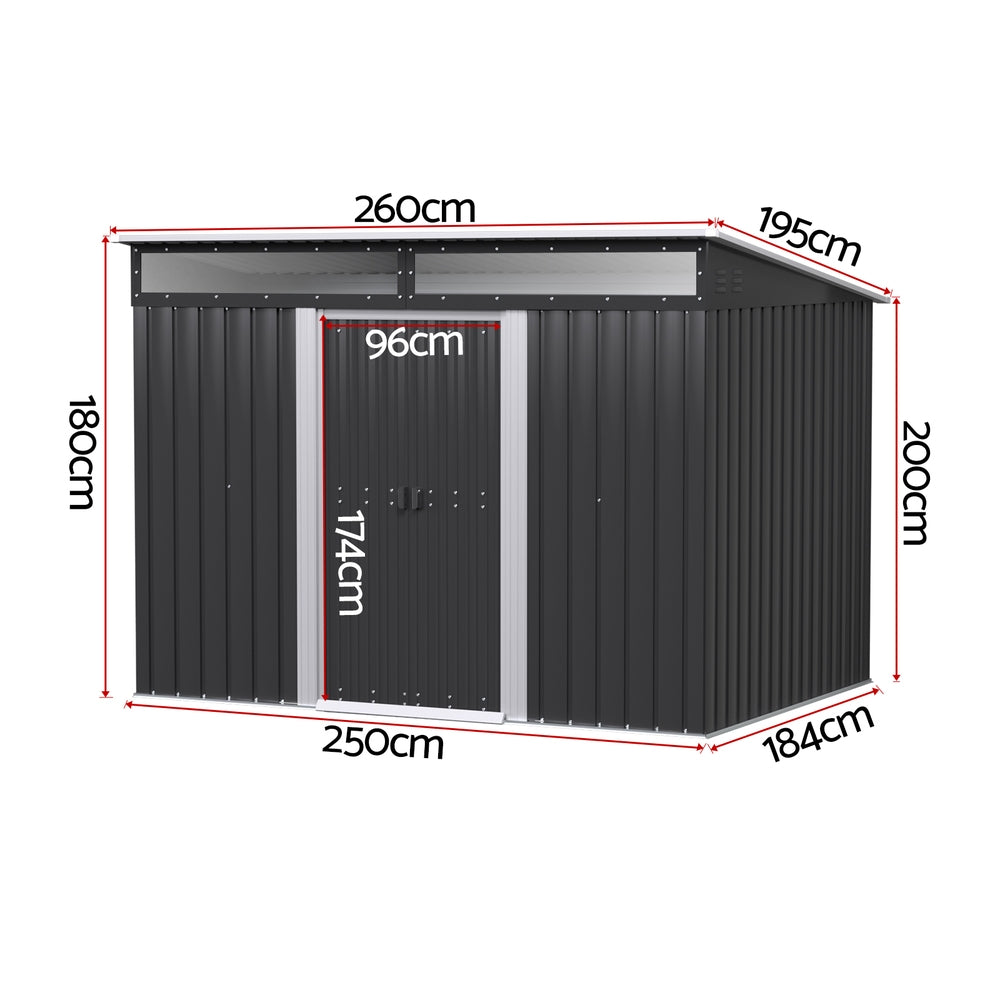
Giantz Garden Shed Outdoor Storage 2.60x1.95M Tool Sheds Workshop House Shelter
Regular price $394.90 AUDRegular priceUnit price per$666.99 AUDSale price $394.90 AUDSale -
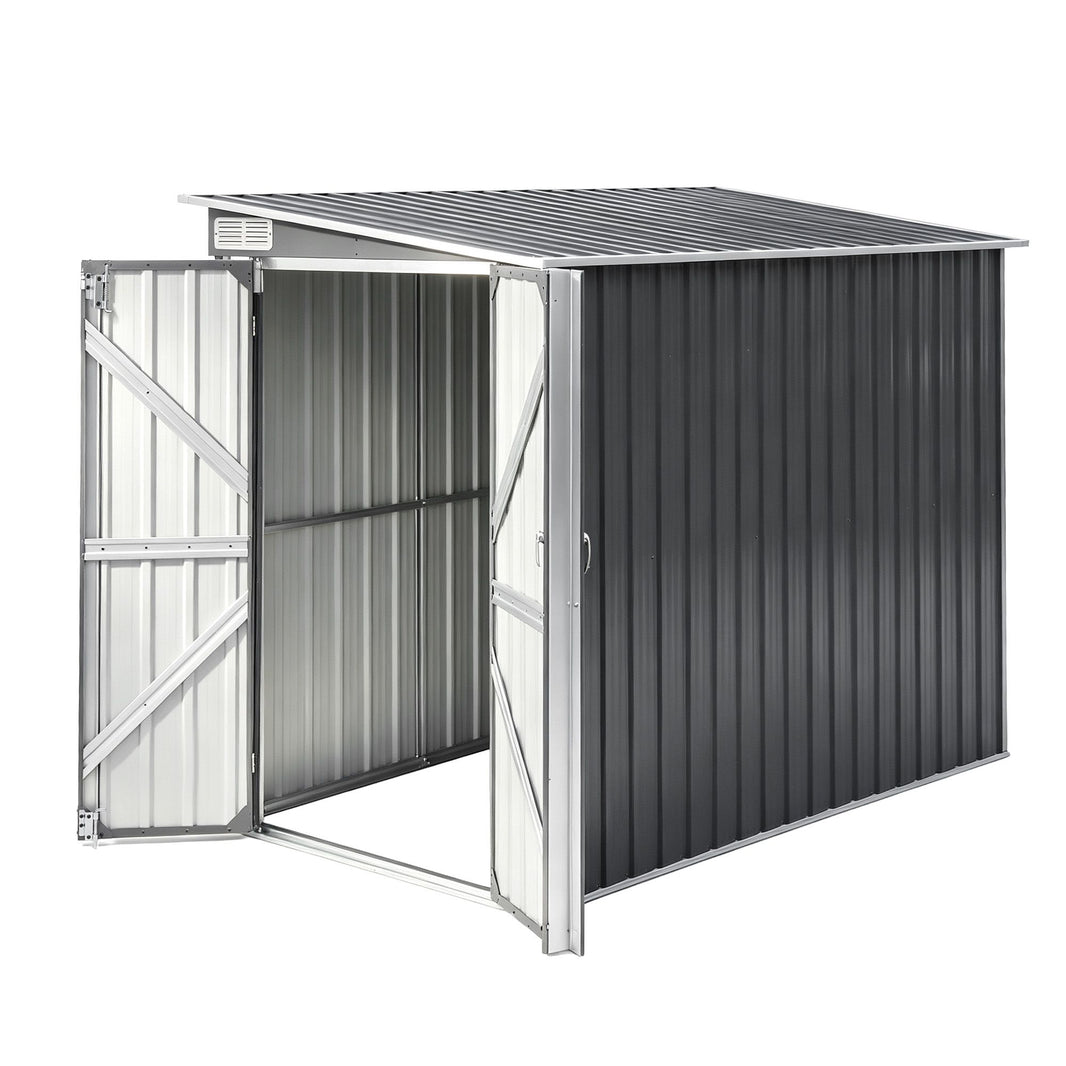
 Sale
Giantz Garden Shed 118x238cm Lean To Bike Shelter Backyard Outdoor Storage
Regular price $260.90 AUDRegular priceUnit price per$499.99 AUDSale price $260.90 AUDSale -
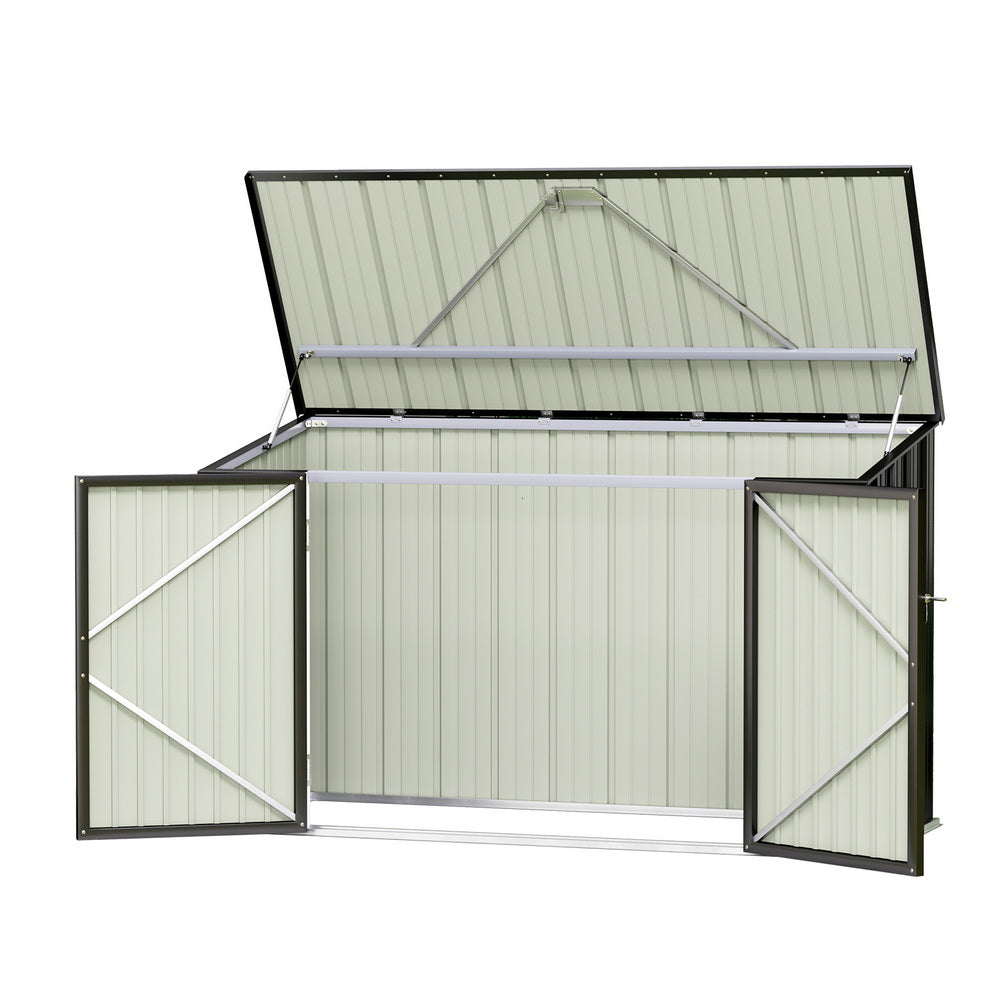
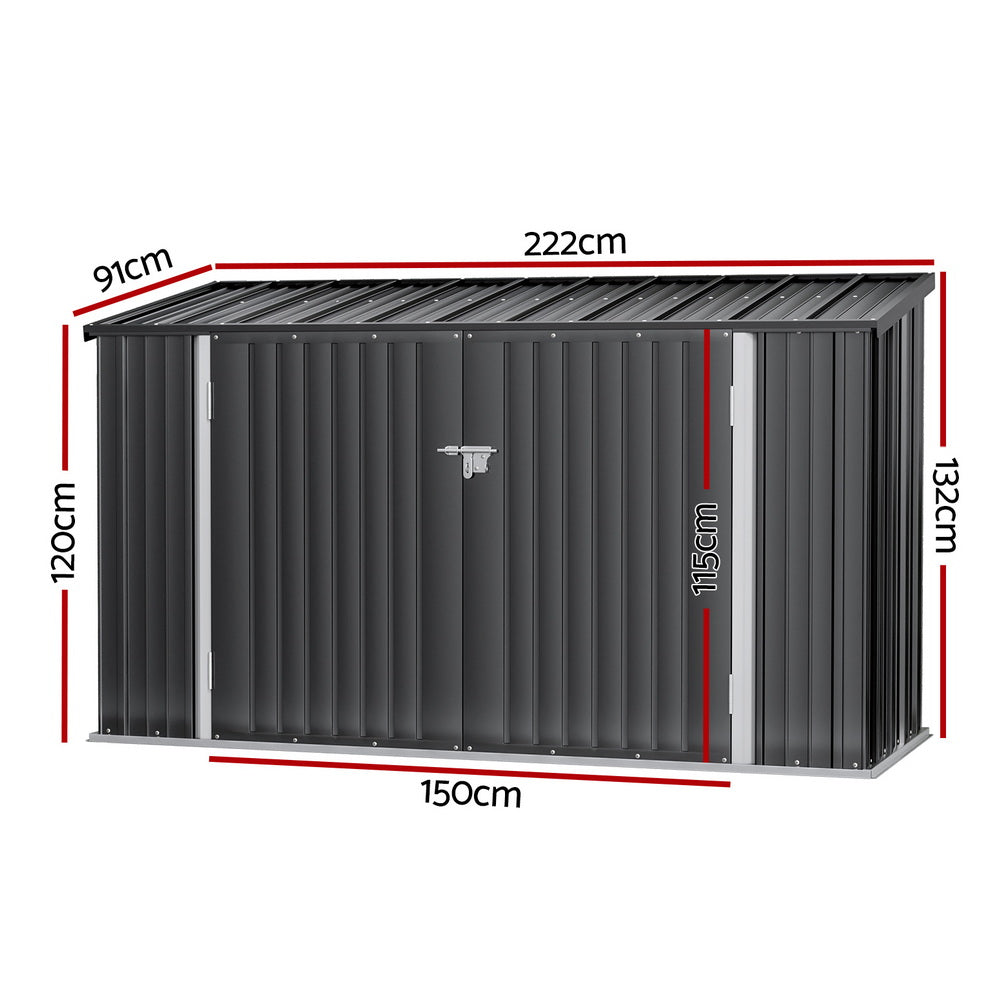 Sale
Double-Door Steel Bike Shed, 2.22 × 0.91 m, Grey – Giantz
Regular price $217.90 AUDRegular priceUnit price per$399.99 AUDSale price $217.90 AUDSale


Related reading


How do I choose a garden shed that fits my equipment and outdoor space? Give the mower, bikes and garden tools a home of their own. Find compact tool sheds, wider double-door sheds and larger storage spaces, with steel and resin options. The useful measurements are the space inside and the opening you will use every day—not just the size printed in the name.
1. Will my mower or bike fit through the door?
The doorway can be much narrower than the shed. For example, the Giantz 2.38 × 1.31 m shed has a listed sliding-door opening of 72 × 154 cm. A mower with an 80 cm-wide handle would not pass straight through that opening with the handle in that position, even though the shed itself is more than two metres wide.
Measure the widest part of the equipment as you will move it: handlebars, mower handles and fitted accessories count. Then leave enough clear floor to turn and retrieve it without lifting it over boxes.
2. Does “with base” mean a finished floor is included?
Not necessarily. A metal base frame and a walking surface are different parts. The 2.38 × 1.31 m model with base includes a steel base frame; its description says a wooden floor can be added separately. It should not be treated as a shed supplied with a finished timber floor.
The foundation must suit the particular shed and its anchoring instructions. Decide on the model before arranging the foundation: a slab made from the headline roof dimensions may not match the base or fixing positions.
3. Which dimensions should I use for the site?
There are three different measurements to keep apart:
- Overall size: includes the roof and any overhang; useful beside fences and under eaves.
- Ground footprint: the area the structure occupies at its base.
- Clear internal space: what remains for equipment, shelves and access after the structure is assembled.
The 2.38 × 1.31 m example above lists a 226 × 120 cm ground area. That difference is small on paper but important in a tight side passage. A hinged door also needs room to swing; sliding doors keep that space clear but have a fixed opening width.
4. How do I avoid buying a shed that is already full?
Draw the mower, bike and shelving on a simple floor plan before filling the rest with storage. In an illustrative 1.2 m-wide internal space, shelving 40 cm deep along one side leaves 80 cm before allowing for anything on the opposite wall. Putting the same shelves on both sides leaves only 40 cm.
A wider shed may therefore be more useful than a longer narrow one. Keep the entrance and vents clear, and give damp equipment time to dry before closing it away. If you only need to hide wheelie bins or store cushions, an outdoor storage cabinet may use less room than a walk-in shed.
Useful answers
Garden Sheds: your questions
Do garden sheds arrive assembled?
The shed models described here require assembly. Packages can contain wall panels, roof components, framing and hardware rather than complete walls. Arrange an assembly area and help appropriate to the size of the model, and follow its installation manual.
Can I put a shed straight onto grass?
A shed needs the foundation and anchoring specified for that model. Grass alone does not provide a level, stable foundation, and exposed ground can contribute moisture inside. Decide the foundation with the installer before ordering materials for the base.
Do I need council approval for a garden shed?
Requirements vary with the location, dimensions, siting and property restrictions. Confirm the relevant rules with your council or building authority using the actual shed dimensions and proposed position. A small shed is not automatically exempt everywhere.
Does a double-door shed always have a wider opening?
No. Door count does not tell you the clear opening width. Compare the listed opening with the equipment you need to store; a pair of sliding doors may still leave a relatively narrow entrance.