
Build a useful kitchen, one cooking method at a time
Cookware & Bakeware
Build your cooking equipment around the meals you make most often. A frying pan needs usable base area, a pot needs room for liquid and a baking tray needs to fit the oven shelf. Start with those everyday tasks, then add specialist pieces for steaming, shaping dough or cooking larger batches.

Choose a cooking method
Find pans for the hob, trays for the oven and systems for steaming.


Choose a route before choosing a set
For hob cooking, explore frying pans, saucepans and lidded pots. For oven batches, start with trays and moulds. Steaming uses a supported basket above water. These routes help you choose a tool for a real task instead of collecting several pieces that do the same job.
Materials also create a care routine
Examples include cast iron, stainless steel, aluminium and non-stick surfaces. Bare cast iron has a different storage routine from enamel or a coating. Choose care you are willing to repeat, especially for a pan used every day.
Keep compatibility attached to the item
Induction requires a suitable magnetic base, while oven use also depends on handles and lids. An electric griddle is a separate appliance even if it appears beside frying pans. Follow the relevant category to compare like-for-like equipment before deciding on a purchase.
Further reading: Bosch: induction cookware compatibility
Further reading: Lodge — Use and care
Shop the collection
-
Cast Iron Japanese Omelette Pan Premium Tamagoyaki Egg Frying Skillet with Wooden Handle
Regular price $63.80 AUDRegular priceUnit price per$84.80 AUDSale price $63.80 AUDSale -
Commercial Griddle BBQ Grill Hot Plate Stainless Steel - 4400W
Regular price $240.90 AUDRegular priceUnit price per$382.99 AUDSale price $240.90 AUDSale -
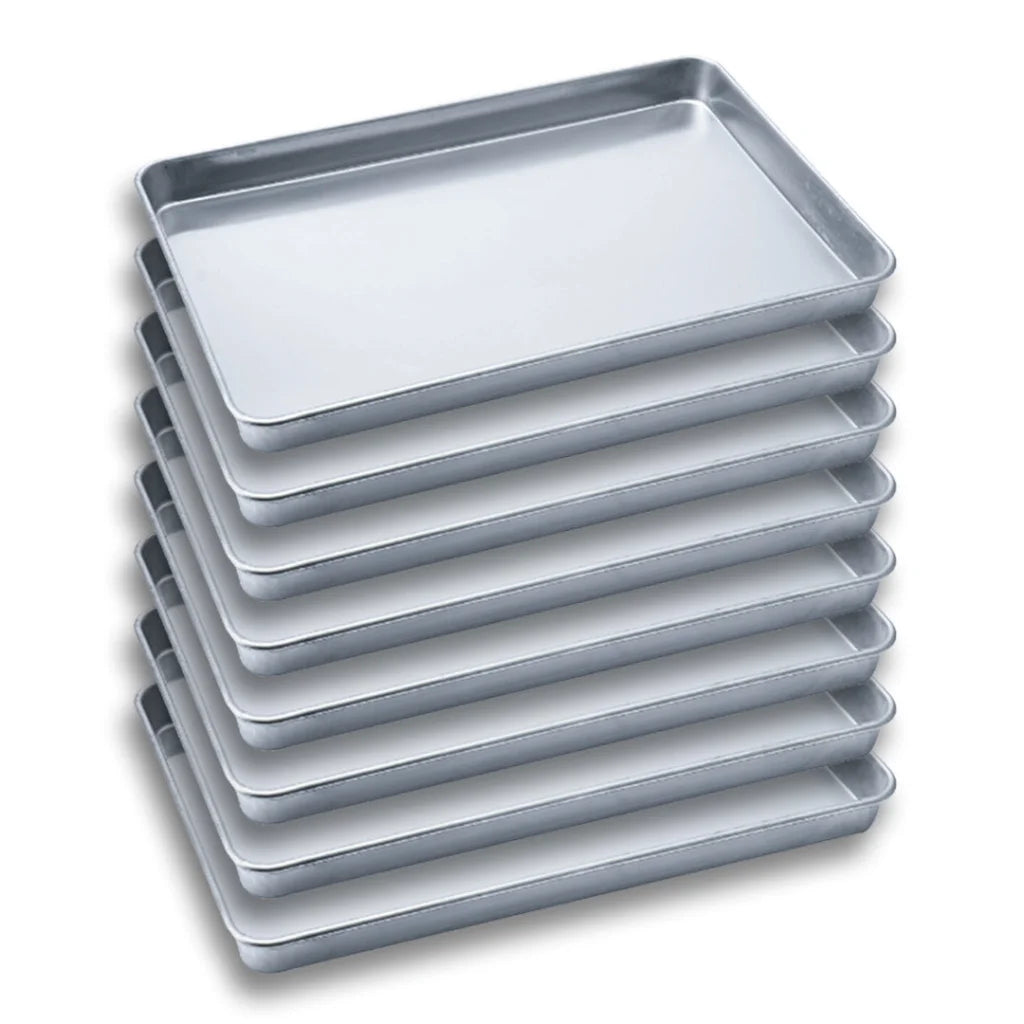
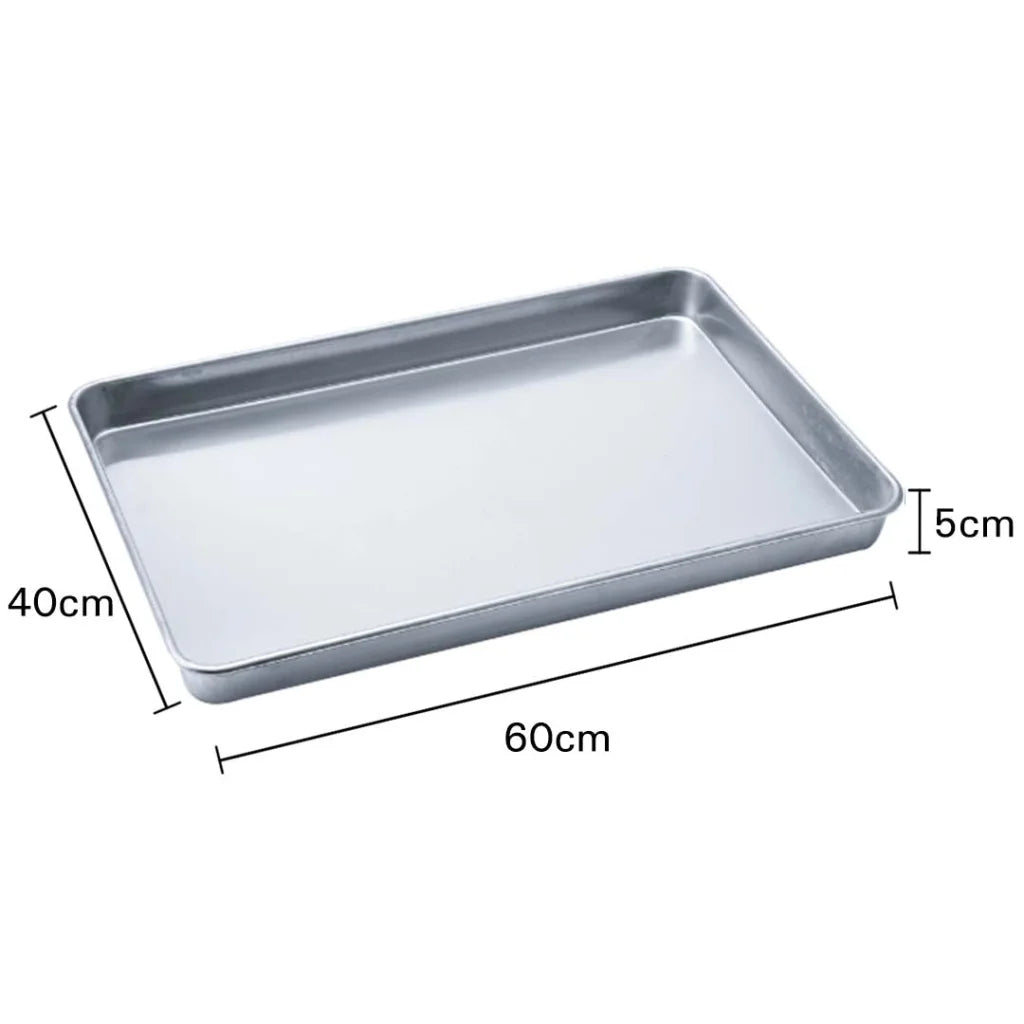
Aluminium Oven Baking Pan Premium Set of 8 Cooking Trays for Bakers Gastronorm 60405cm
Regular price $192.80 AUDRegular priceUnit price per$309.80 AUDSale price $192.80 AUDSale -
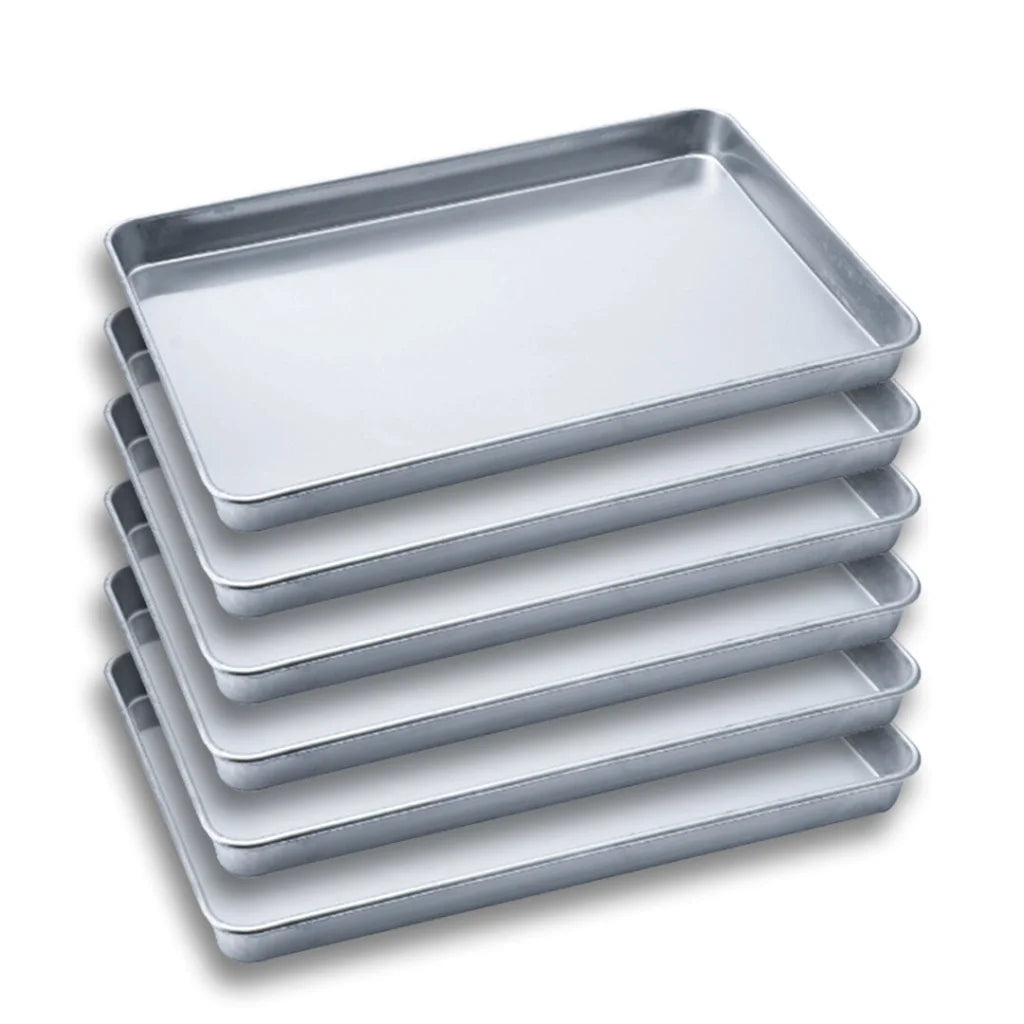
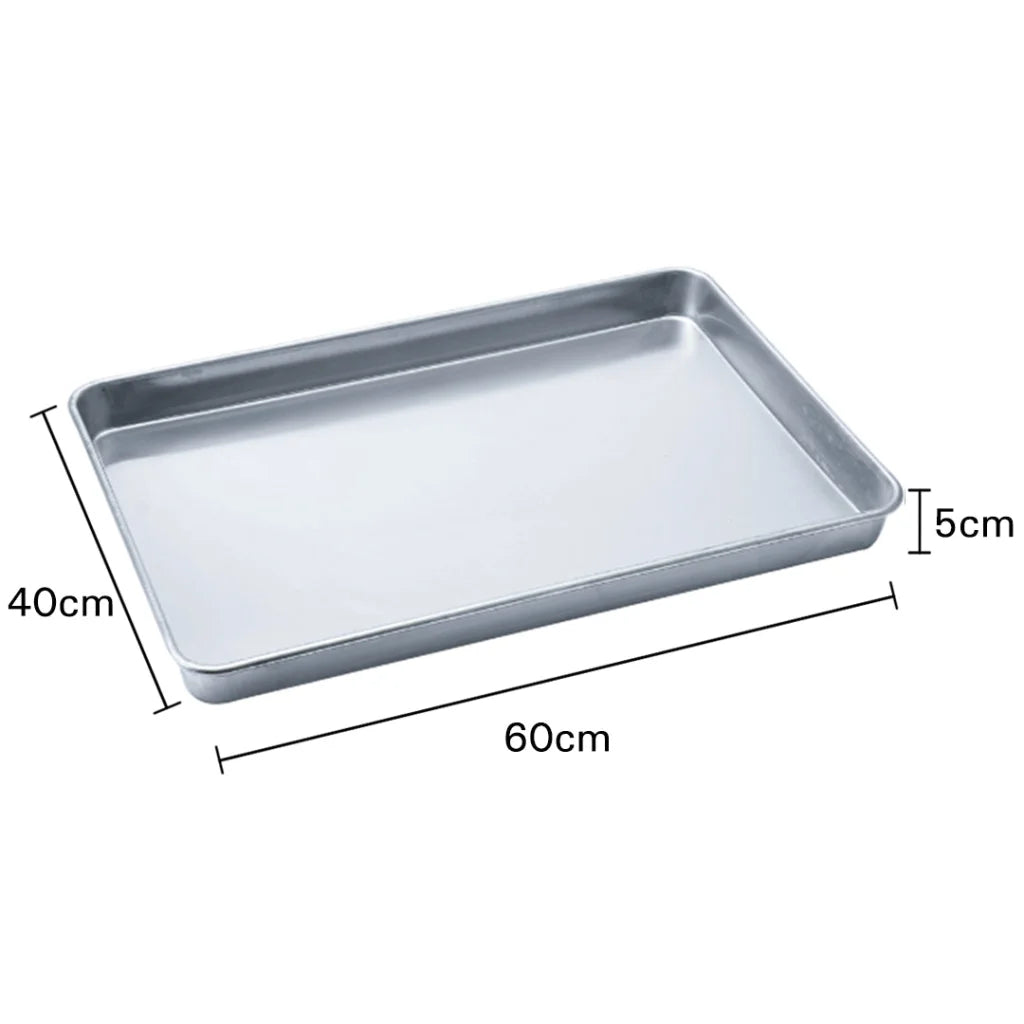
Aluminium Oven Baking Pan Premium Set of 6 Cooking Trays for Bakers Gastronorm 60405cm
Regular price $153.80 AUDRegular priceUnit price per$247.80 AUDSale price $153.80 AUDSale -
Cast Iron Frying Pan Skillet Coating Steak Sizzle Platter 35cm - Premium
Regular price $98.80 AUDRegular priceUnit price per$131.80 AUDSale price $98.80 AUDSale -
Stainless Steel Fry Pan 22cm & 36cm Top Grade Induction Cooking - Premium
Regular price $180.80 AUDRegular priceUnit price per$290.80 AUDSale price $180.80 AUDSale -
Food Steamer Premium 3 Tier 30cm Heavy Duty Stainless Steel Vegetable Pot Stackable Pan Insert with Glass Lid
Regular price $256.80 AUDRegular priceUnit price per$308.80 AUDSale price $256.80 AUDSale -
8inch 21cm Cast Iron Skillet Cookware Chef Quality Pre-Seasoned Pan Pans
Regular price $20.90 AUDRegular priceUnit price per$29.95 AUDSale price $20.90 AUDSale -
26cm 2-in-1 Cast Iron Dutch Oven & Skillet Set Pre-Seasoned Dual-Use Pot with Lid Fry Pan, Durable & Versatile Cookware
Regular price $52.90 AUDRegular priceUnit price per$95.95 AUDSale price $52.90 AUDSale -
7 Cup Cast Iron Egg Frying Pan Divided Egg Skillet Pan Fried Egg Pan Cooker Pancake Egg Fryer
Regular price $23.90 AUDRegular priceUnit price per$39.95 AUDSale price $23.90 AUDSale -
10pcs Open Window Cake Tin Box Bakery Biscuit Packaging Storage Tin Box Set - Sliver
Regular price $52.90 AUDRegular priceUnit price per$64.64 AUDSale price $52.90 AUDSale -
Collapsible Black Mesh Cake Cooling Rack Foldable Baking Tray for Kitchen Use
Regular price $46.90 AUDRegular priceUnit price per$56.77 AUDSale price $46.90 AUDSale -
100PCS Tin Foil Aluminium Wrapping Square Chocolate Wrappers 10CM - Silver/Gloss
Regular price $12.90 AUDRegular priceUnit price per$15.76 AUDSale price $12.90 AUDSale -
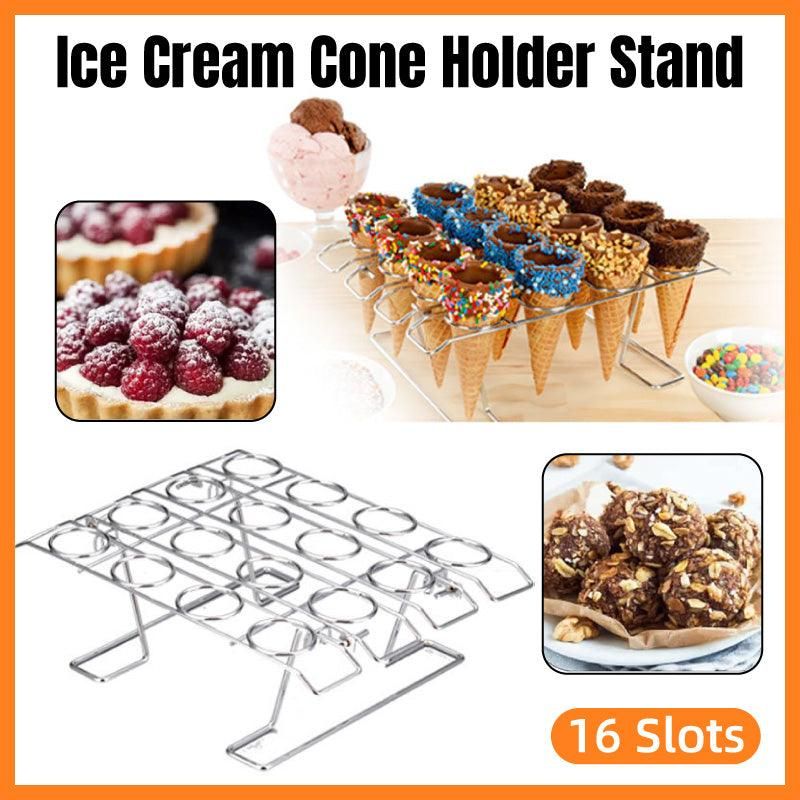
Baking Tools Oven Mesh Cold Drying Rack Ice Cream Display Storage Cooling Racks
Regular price $32.90 AUDRegular priceUnit price per$39.31 AUDSale price $32.90 AUDSale -
Silicone Ice Cream Mould Block Frozen Molds Icy Pole Jelly Popsicle - Blue-10Grid
Regular price $28.90 AUDRegular priceUnit price per$34.98 AUDSale price $28.90 AUDSale -
Wok Trivet Universal Gas Stove Cast Iron Wok Trivet Support Ring Cooktop Range
Regular price $14.90 AUDRegular priceUnit price per$18.48 AUDSale price $14.90 AUDSale -
Folding Stainless Steel Steamer Basket Expandable Safe Durable Easy To Use - 9in
Regular price $35.90 AUDRegular priceUnit price per$42.91 AUDSale price $35.90 AUDSale -
THERMOMATE Commercial Electric Griddle TH-G05, 4400W 73x37cm Flat Cooking Surface
Regular price $388.90 AUDRegular priceUnit price per -
5-Star Chef 30cm Stainless Steel Frying Pan Uncoated Frypan with Tri-Ply Body Silver
Regular price $54.90 AUDRegular priceUnit price per$91.99 AUDSale price $54.90 AUDSale -
THERMOMATE Commercial Electric Griddle TH-G04, 2400W 55x35cm Half Ribbed Surface
Regular price $310.90 AUDRegular priceUnit price per -
Pizza Paddle Peel Woodfire Outdoor Oven Aluminium
Regular price $61.90 AUDRegular priceUnit price per -
Housoutile 32cm Wok Steamer Dumpling Steamer Steaming Basket for Pot Dedicated Silver Accessories Stainless Steel Basket
Regular price $23.90 AUDRegular priceUnit price per -
4 Cup Cast Iron Egg Frying Pan Divided Egg Skillet Pan Fried Egg Pan Cooker Pancake Egg Fryer
Regular price $17.90 AUDRegular priceUnit price per$39.95 AUDSale price $17.90 AUDSale -
Korean BBQ Grill Pan Non-Stick Smokeless Stovetop Grill Plate for Indoor & Outdoor
Regular price $34.90 AUDRegular priceUnit price per$59.95 AUDSale price $34.90 AUDSale






Related reading


Useful answers
Questions about cookware & bakeware
Which cookware and bakeware should I choose first for a new kitchen?
Start with your regular meals. A frying pan, a suitably sized lidded pot and an oven tray cover different tasks; specialist steaming or dough tools are useful when you actually cook those dishes. Map the gaps in your routine before buying a large matching set.
Is it better to buy matching cookware or mix different materials?
A matching set can simplify appearance and storage, while individual pieces let you choose weight, shape and surface for each task. Think about the care you will repeat. Bare cast iron, coated pans and stainless steel need different routines, so matching looks are not the only consideration.
How do I avoid buying cookware that is too large for my kitchen?
Check three places: the heat source, the space needed to wash it and the place it will be stored. Include handles and lids in those measurements. For bakeware, compare the outer tray dimensions with the oven shelf; for pans, consider neighbouring cooking zones as well as the pan itself.