
Cycling & Scooters
Cycling and scooter equipment is easier to choose when you separate three jobs: riding, looking after the equipment and storing or transporting it.
Shop the collection
-
Bicycle Bike Rack 2 Rear Car Carrier 2" Hitch Mount Platform Foldable
Regular price $156.90 AUDRegular priceUnit price per$161.80 AUDSale price $156.90 AUDSale -
Bike Parking Rack 6 Slots, Portable Instant Storage, Black
Regular price $62.90 AUDRegular priceUnit price per$116.99 AUDSale price $62.90 AUDSale -
Black Storage Bicycle Wall Mount Wall Hook Bike Wall Rack Space Saving Bike Storage Bracket
Regular price $19.90 AUDRegular priceUnit price per$39.95 AUDSale price $19.90 AUDSale -
Heavy Duty Aluminum Alloy 2 Bike Bicycle Hanger Parking Rack Storage Stand To 4M
Regular price $125.90 AUDRegular priceUnit price per$269.97 AUDSale price $125.90 AUDSale -
Scooter Rear Basket, Heavy Duty Metal Wire Basket with Handle, Spacious Cargo Basket, Works with 1-inch Receiver, Compatible with Most Golden, Drive & Pride Mobility Scooter
Regular price $67.90 AUDRegular priceUnit price per$62.90 AUDSale price $67.90 AUD -
2X Thick Bicycle Handlebar Tape Bar Drop Wrap Mtb Road Bike Anti-Slip Punch - Red
Regular price $25.90 AUDRegular priceUnit price per$32.05 AUDSale price $25.90 AUDSale -
Black Bike Kettle Stand Bicycle Water Bottle Holder Lightweight Cycling Cup Rack
Regular price $15.90 AUDRegular priceUnit price per$18.96 AUDSale price $15.90 AUDSale -
Dog Bike Trailer, Supports up to 45 kg, Pet Cart Bicycle Carrier, Easy Folding Frame with Quick Release Wheels, Universal Bicycle Coupler, Reflectors, Flag, Collapsible to Store, Blue/Black
Regular price $271.90 AUDRegular priceUnit price per$251.90 AUDSale price $271.90 AUD -
VALK Synergy 7 Electric Scooter, 500W 15Ah, AU Compliant, Motorised eScooter for Adults, Black/Red
Regular price $830.90 AUDRegular priceUnit price per -
OutdoorMaster Youth & Kids Bike Helmet - Adjustable Multi-Sports Skateboard Helmet with Removable Liners for Balance Bike, Toddler Scooter, One Wheel Hoverboard-White-Medium
Regular price $58.90 AUDRegular priceUnit price per$64.99 AUDSale price $58.90 AUDSale -
OutdoorMaster Youth & Kids Bike Helmet - Adjustable Multi-Sports Skateboard Helmet with Removable Liners for Balance Bike, Toddler Scooter, One Wheel Hoverboard-Black Red-Medium
Regular price $58.90 AUDRegular priceUnit price per$64.99 AUDSale price $58.90 AUDSale -
OutdoorMaster Youth & Kids Bike Helmet - Adjustable Multi-Sports Skateboard Helmet with Removable Liners for Balance Bike, Toddler Scooter, One Wheel Hoverboard-Taro purple-Large
Regular price $58.90 AUDRegular priceUnit price per$64.99 AUDSale price $58.90 AUDSale -
OutdoorMaster Youth & Kids Bike Helmet - Adjustable Multi-Sports Skateboard Helmet with Removable Liners for Balance Bike, Toddler Scooter, One Wheel Hoverboard-Light Pink-Medium
Regular price $58.90 AUDRegular priceUnit price per$64.99 AUDSale price $58.90 AUDSale -
OutdoorMaster Youth & Kids Bike Helmet - Adjustable Multi-Sports Skateboard Helmet with Removable Liners for Balance Bike, Toddler Scooter, One Wheel Hoverboard-Light Blue-Large
Regular price $58.90 AUDRegular priceUnit price per$64.99 AUDSale price $58.90 AUDSale -
Indoor Magnetic Bicycle Trainer Fitness Bike Resistance Cycling Stand
Regular price $184.90 AUDRegular priceUnit price per -
30mm Bike Seatpost Clamp Screw Lock for Balance Bike Fixie and MTB
Regular price $15.90 AUDRegular priceUnit price per$19.30 AUDSale price $15.90 AUDSale -
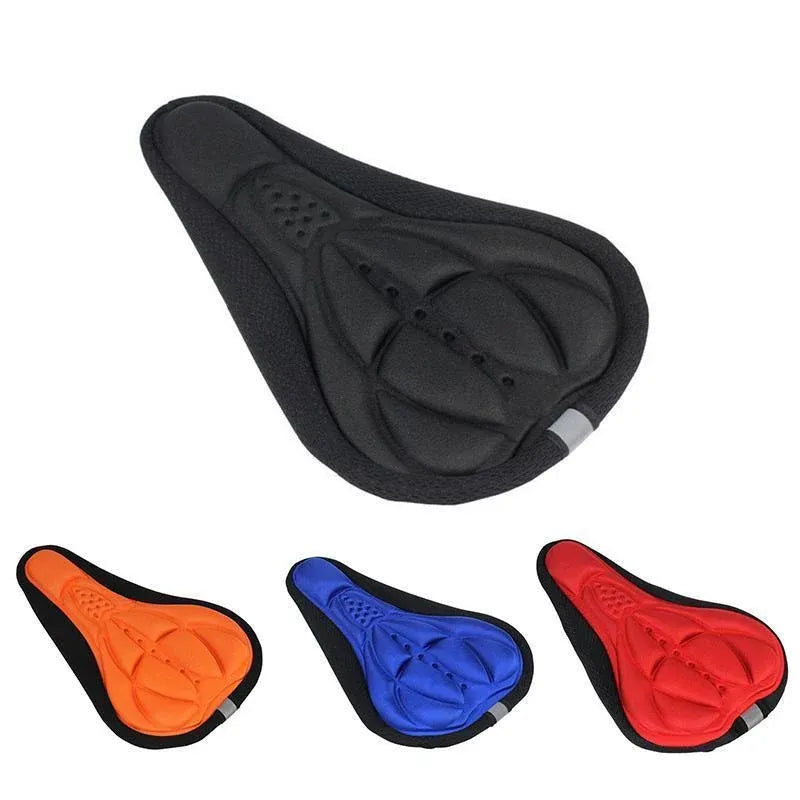
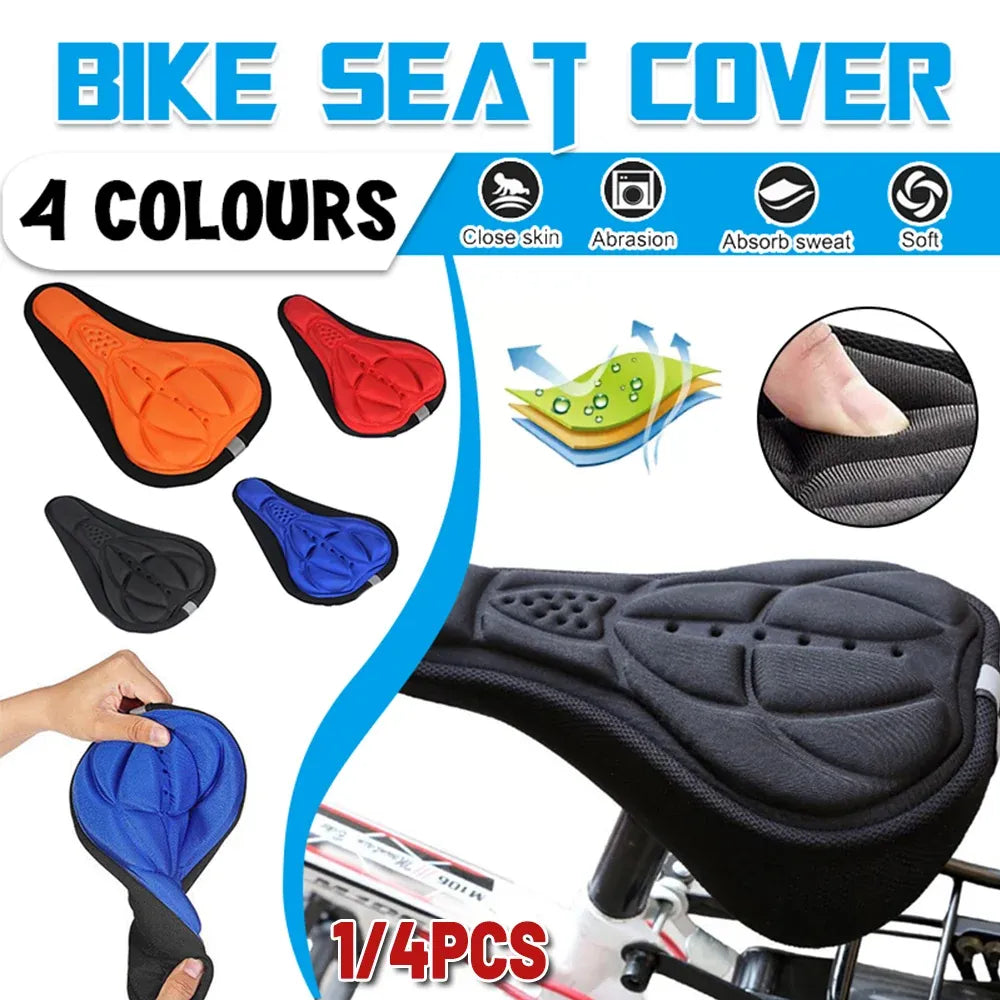
Thick Silicone Bike Seat Cover Comfort Gel Cycling Bicycle Saddle Cushion Pad - Set of 4 Colours
Regular price $40.90 AUDRegular priceUnit price per$50.11 AUDSale price $40.90 AUDSale -
Bike Repair Stand, 38.56 kg Heavy-duty Bicycle Work Stand with 1035-1630 mm Adjustable Height & Magnetic Tool Tray, Foldable Bicycle Maintenance Rack, Shop Home Mechanics for Mountain & Road Bike
Regular price $114.90 AUDRegular priceUnit price per$105.90 AUDSale price $114.90 AUD -
Foldable Bicycle Basket Front and Rear Hanging Storage Rack Bike Accessories - Black
Regular price $54.90 AUDRegular priceUnit price per$67.62 AUDSale price $54.90 AUDSale -
Zinc Non Folding T-Motion Unicorn Junior Tri Scooter
Regular price $63.90 AUDRegular priceUnit price per$80.00 AUDSale price $63.90 AUDSale -
Outdoor Bike Saddle Bag Cycling Seat Storage Waterproof Bicycle Tail Rear Pouch
Regular price $9.90 AUDRegular priceUnit price per -
Bicycle Freehub Remover Stainless Steel Bike Hub Bearing Removal Wrench Tool
Regular price $13.90 AUDRegular priceUnit price per$16.14 AUDSale price $13.90 AUDSale -
Reflective Shoulder Straps Safety High Visibility Vest for Night Running Cycling - Orange
Regular price $16.90 AUDRegular priceUnit price per$19.89 AUDSale price $16.90 AUDSale -
Waterproof Bicycle Bike Motorcycle Handlebar Mount Holder Case For Mobile Phone
Regular price $25.90 AUDRegular priceUnit price per$32.00 AUDSale price $25.90 AUDSale


Cycling and scooter equipment is easier to choose when you separate three jobs: riding, looking after the equipment and storing or transporting it. A repair stand needs a compatible clamp and working height; a vehicle rack needs the right vehicle connection; a scooter needs to fit its rider. Start with the job instead of assuming every accessory fits every model.
Build around the bike you own
Record the wheel size, tyre width, frame shape and relevant fitting dimensions before choosing a rack, carrier or replacement part. A stand that holds a conventional diamond frame may need a different approach for another frame layout. An accessory described as universal still needs a clearly compatible interface.
Storage is different from transport
A floor parking rack keeps bikes organised at home; it is not a vehicle carrier. A hitch-mounted carrier adds questions about receiver size, load, clearance and the vehicle’s own limits. Wall and ceiling storage depend on the supporting structure as well as the rack’s stated capacity.
Choose scooters by rider fit
Handlebar height, deck space and steering style matter more than colour alone. Three-wheel lean-to-steer models and two-wheel scooters handle differently. Folding can help with carrying and storage, but check the lock and the weight a person will actually have to lift.
Separate powered and unpowered devices
A kick scooter, an electric scooter and a hoverboard are different products. Power, battery range and advertised speed do not establish where a device may be ridden. Check current rules with the transport authority for the state or territory and location where it will be used.
Guides and product details: NSW electric-scooter rules · Browse Cycling & Scooters
Useful answers
Questions about cycling & scooters
What bike information should I record before buying accessories?
Start with the part the accessory must contact: tyre width for a wheel rack, the permitted clamping point for a repair stand, or the vehicle connection for a carrier. Also record relevant dimensions and limits. A general bike size or a universal label cannot answer every interface question.
Can a home bike rack double as a carrier for the car?
A home parking rack and a vehicle carrier serve different purposes. Vehicle transport introduces a specified vehicle connection, load limits and movement during travel. Use equipment designed for that role; a rack that keeps a bike upright in the garage does not establish a transport arrangement.
Are kick scooters and electric scooters subject to the same riding rules?
Do not assume so. Device type, location and the current rules of the state or territory matter, and trial schemes can have separate conditions. Check the relevant transport authority before choosing where to ride a powered device; an advertised speed or age range does not establish permission.