
Beekeeping Supplies & Hive Equipment
Protective clothing, smokers, feeders and honey extractors belong to different stages of beekeeping. Build your equipment list around the work you will actually undertake and the hive system you use. A beginner’s first inspection and a honey-extraction session need different preparation, skills and working space.
Shop the collection
-

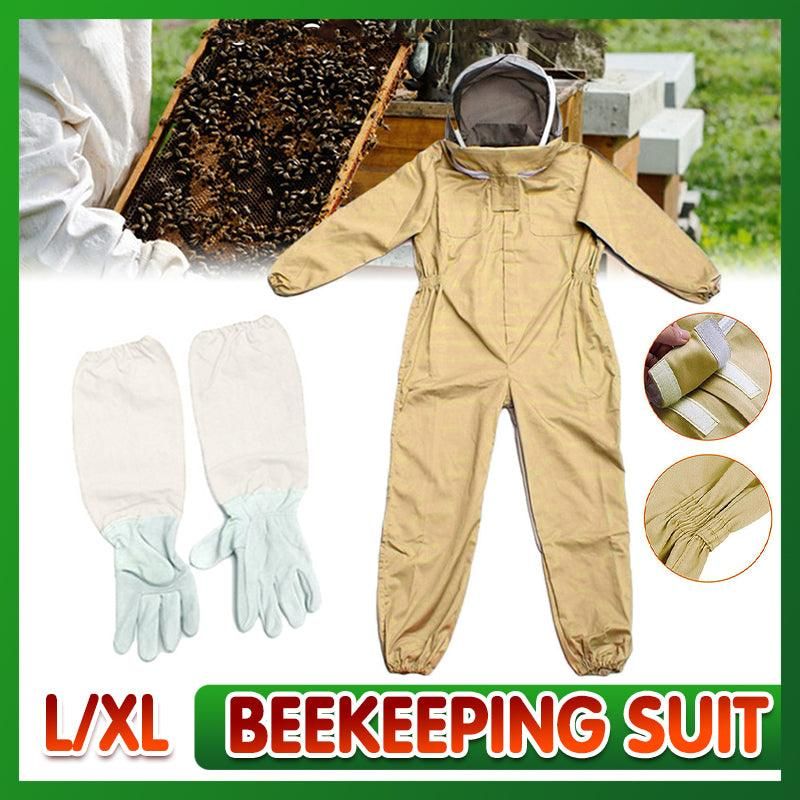
Full Beekeeping Suit Bee Suit Heavy Duty Leather Ventilated Keeping Gloves - XL ��with Gloves��
Regular price $22.90 AUDRegular priceUnit price per$43.70 AUDSale price $22.90 AUDSale -
Honey Extractor 3 Frame Stainless Manual Crank Honey Bee Hive Beekeeping
Regular price $404.90 AUDRegular priceUnit price per$419.00 AUDSale price $404.90 AUDSale -
Beekeeping Smoke Blower Tool Stainless Steel Smoke Outlet for Hive Smoking Gear
Regular price $17.90 AUDRegular priceUnit price per$20.68 AUDSale price $17.90 AUDSale -
Manual Honey Extractor, 2/4 Frames Honey Spinner Extractor, Stainless Steel Beekeeping Extraction, Honeycomb Drum Spinner with Lid, Apiary Centrifuge Equipment with Height Adjustable Stand
Regular price $311.90 AUDRegular priceUnit price per$288.90 AUDSale price $311.90 AUD -
2PCS Bee Feeder Square Water Feeder Beehive Drinking Tool Plastic Beekeeping
Regular price $34.90 AUDRegular priceUnit price per$41.38 AUDSale price $34.90 AUDSale -
Steel Needle Roller Propolis Harvester Beekeeping Tool for Hive Collection
Regular price $17.90 AUDRegular priceUnit price per$20.58 AUDSale price $17.90 AUDSale -
Honey Extractor, 4/8 Frame Manual Honey Spinner with Transparent Lid, Stainless Steel Honeycomb Drum Spinner with Height Adjustable Stand, Honeycomb Extraction Equipment for Beekeeping
Regular price $476.90 AUDRegular priceUnit price per$441.90 AUDSale price $476.90 AUD -
Beekeeping Queen Marker Bottle King Catcher Cage Bee Marking Tool Equipment
Regular price $11.90 AUDRegular priceUnit price per$14.06 AUDSale price $11.90 AUDSale -
Honey Extractor, 2 Frame Manual Honey Spinner with Transparent Lid, Stainless Steel Honeycomb Drum Spinner with Height Adjustable Stand, Honeycomb Extraction Centrifuge Equipment for Beekeeping
Regular price $267.90 AUDRegular priceUnit price per$247.90 AUDSale price $267.90 AUD -
Manual Honey Extractor, 3 Frames Honey Spinner Extractor, Stainless Steel Beekeeping Extraction, Honeycomb Drum Spinner with Lid, Apiary Centrifuge Equipment with Height Adjustable Stand
Regular price $298.90 AUDRegular priceUnit price per$276.90 AUDSale price $298.90 AUD -
5 PCS Formic Acid Dispenser Easy To Use High Efficient Professional Formic Acid Evaporator for Beekeeping
Regular price $27.90 AUDRegular priceUnit price per$31.99 AUDSale price $27.90 AUDSale -
20Pcs Fluvalinate Strips Set Beekeeping Medicine Tools for Beehive Varroa Mite Removal
Regular price $22.90 AUDRegular priceUnit price per$24.99 AUDSale price $22.90 AUDSale -
1000 Bee Frame Eyelets Brass Fittings Bee Hive Beehive Beekeeping Beekeeper Tool
Regular price $37.90 AUDRegular priceUnit price per$36.00 AUDSale price $37.90 AUD -
2Pcs Beehive Handle Thicken Stainless Steel Handles for Beehive Box Beekeeping Supply
Regular price $24.90 AUDRegular priceUnit price per$27.99 AUDSale price $24.90 AUDSale -
Stainless Steel Beehive Frame Grip Holder, Lifter, Gripper, Bee Hive Capture Grip
Regular price $9.90 AUDRegular priceUnit price per -
Beekeeping Smoker Stainless Steel Manual Bee Smoke Transmitter Apiculture Equipments Large
Regular price $25.90 AUDRegular priceUnit price per -
Premium Uncapping Roller Idler Wheel with Stainless Steel Needles, Honey Extracting Tool Beekeeping Supplies Tools
Regular price $13.90 AUDRegular priceUnit price per$29.99 AUDSale price $13.90 AUDSale -
Bee Hive Top Feeder Bee Feeder Bee Hive Beekeeper Water Drink Feeding 4PCS
Regular price $19.90 AUDRegular priceUnit price per -
Beekeeping Pail Rapid Bee Feeder, 4 Pint 2L Fast Bee Hive Feeder, 2 PCS
Regular price $17.90 AUDRegular priceUnit price per$29.99 AUDSale price $17.90 AUDSale -
Beekeeping Honey Gallon Plastic Bucket Holder Brackets 2PC
Regular price $14.90 AUDRegular priceUnit price per -
9Pcs Beekeeping Bee Hive Starter Kit for Professional and Beginner Beekeeper's
Regular price $40.90 AUDRegular priceUnit price per -
Honey Gate Valve with Wing Nut, Heavy Duty Nylon Bee Hive Tools 4 PCS
Regular price $13.90 AUDRegular priceUnit price per -
Beehive Beekeeping Water Dispenser Beehive Entrance Feeder 2PCS
Regular price $13.90 AUDRegular priceUnit price per -
Entrance Bee Feeder E Shaped Beehive Water Tools 750ML 2 PCS
Regular price $13.90 AUDRegular priceUnit price per


Choose protection that works as a complete outfit
A veil, suit and gloves need compatible overlaps and closures. Consider fit while bending, reaching and working, rather than only while standing still. Inspect mesh, zips and seams before use.
Protective clothing reduces exposure but should not be described as sting-proof. Learn suitable handling practices and prepare for the risks of working with bees before relying on equipment alone.
Match tools to the hive and the job
A smoker component is not necessarily a complete smoker, and a feeder must match the intended feeding arrangement. Check the supplied parts and connections rather than assuming a photograph represents everything included.
For an extractor, compare the frame sizes and number of frames it actually accommodates. Space is also needed to load, unload, clean and collect honey; the barrel footprint is only part of the working area.
Plan cleaning, storage and local requirements
Food-contact parts need an appropriate cleaning and storage routine. Keep protective clothing and tools in condition so damage is noticed before the next hive visit.
Obtain practical training and check your state’s beekeeping registration and biosecurity guidance. Site choice, hive management and responsible handling remain essential regardless of the equipment selected.
Further reading: Agriculture Victoria: beekeeping for beginners · Agriculture Victoria: safe beekeeping practices
Useful answers
Beekeeping Supplies & Hive Equipment FAQs
Is a beekeeping suit sting-proof?
Do not treat protective clothing as a guarantee against stings. The veil, suit, gloves and their overlaps need to work together while you bend and reach. Inspect mesh, seams and closures and learn appropriate handling practices. Fit and preparation matter beyond choosing a heavy fabric or a reassuring product name.
What should I compare when choosing a honey extractor?
Start with the frame sizes and the way they sit in the extractor, then compare the actual number it accommodates. Leave working room for loading, unloading, collecting honey and cleaning. The barrel diameter alone does not tell you whether the unit fits your frames or your extraction area.
Can I buy a smoker part instead of a complete smoker?
Replacement outlets and other components may be sold separately, so inspect the included-parts list and connection requirements. This range contains a smoke-outlet component alongside complete-looking equipment. A low price or a picture of a smoker assembly does not establish that every part needed to operate it is included.
What hygiene planning belongs on a beginner’s beekeeping list?
Plan how tools and extraction equipment will be cleaned, dried and stored, and obtain guidance before introducing used hive components. Biosecurity practices belong alongside hands-on training, not after the first harvest. Check the relevant state authority for current registration and hive-management requirements before keeping bees.