
Portable Solar Panels & Accessories
Portable solar panels can help replenish compatible equipment while you are away from mains power.
Shop the collection
-
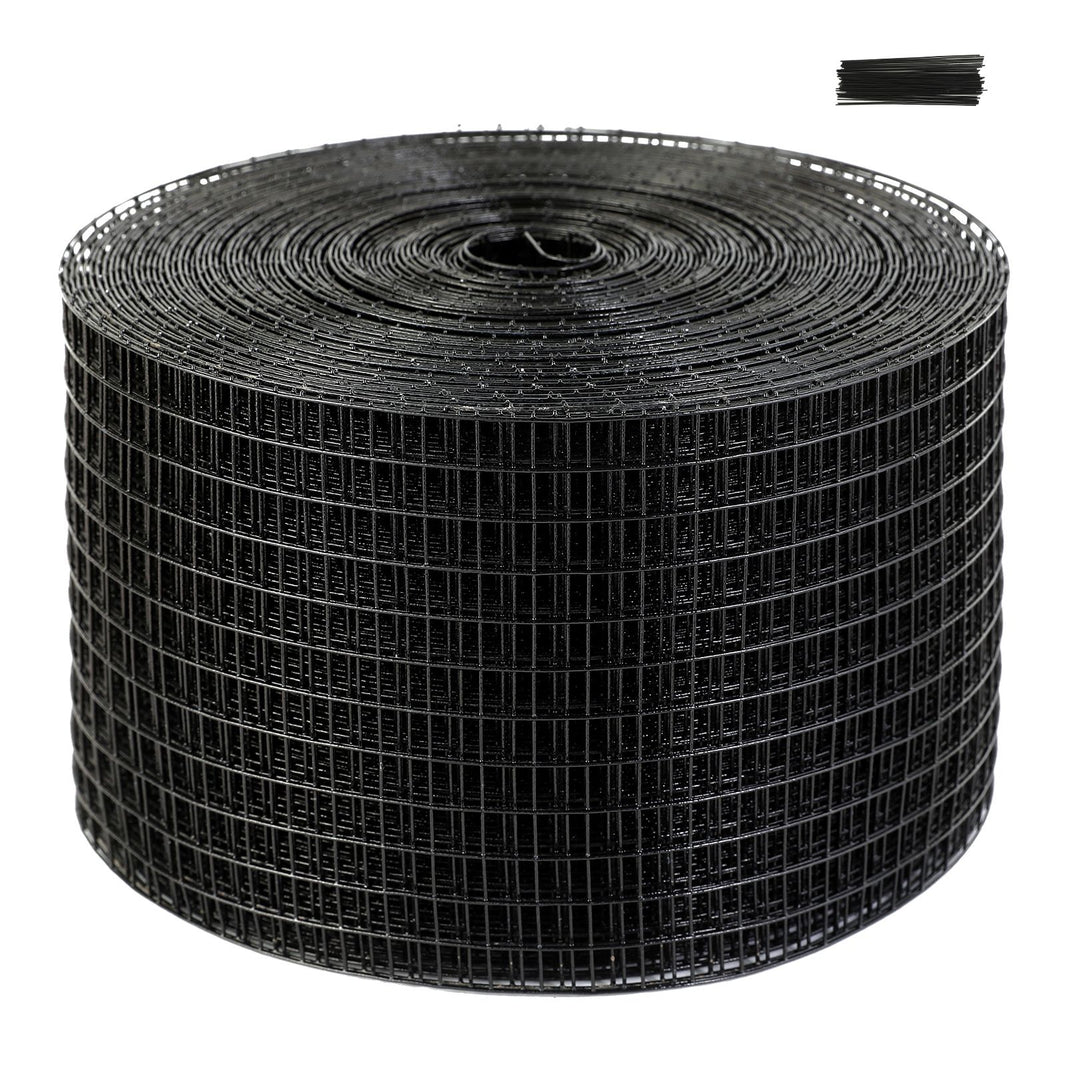
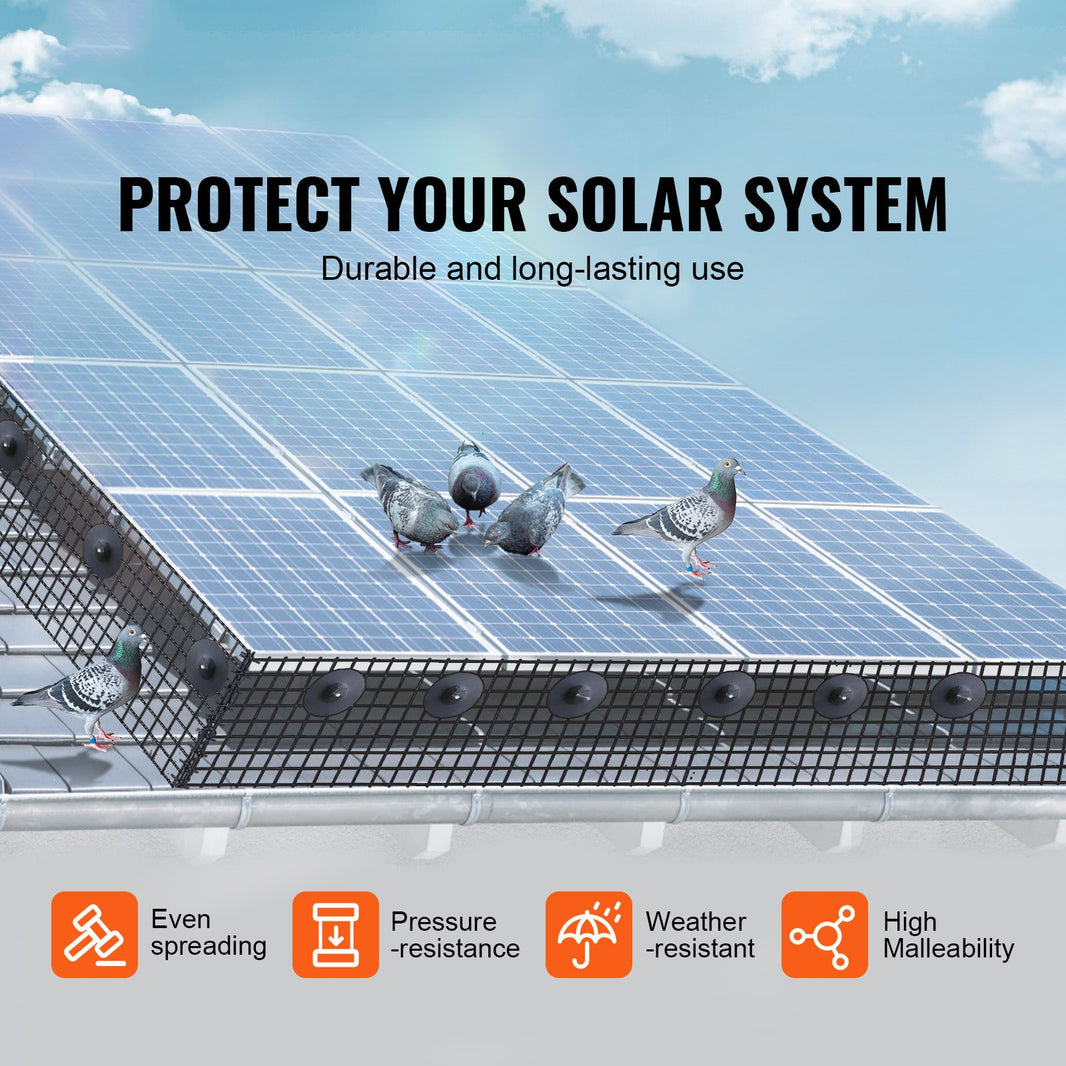
8in x 100ft Solar Panel Bird Guard Critter Guard Roll Kit 50pcs Tire Wires
Regular price $36.90 AUDRegular priceUnit price per$33.90 AUDSale price $36.90 AUD -
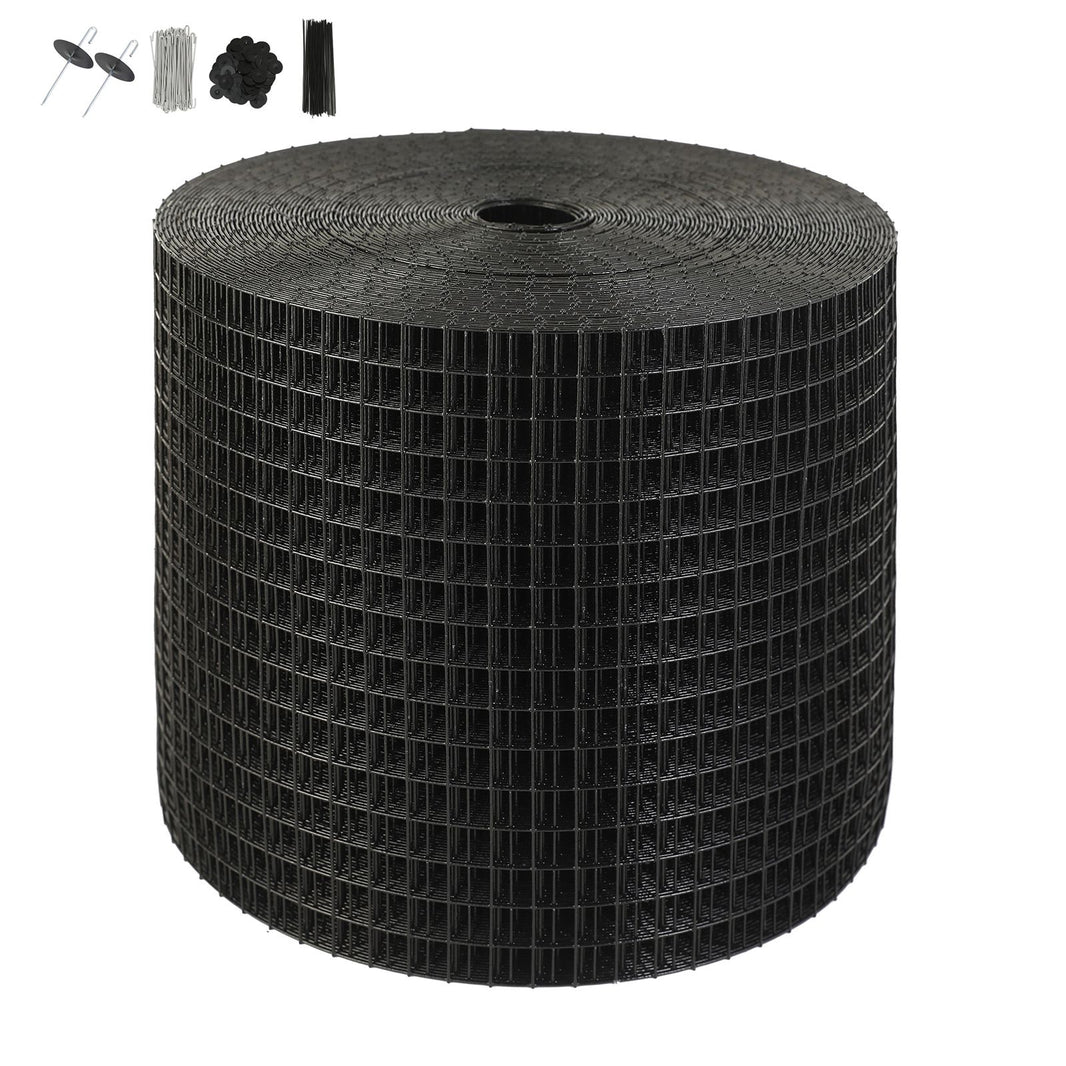
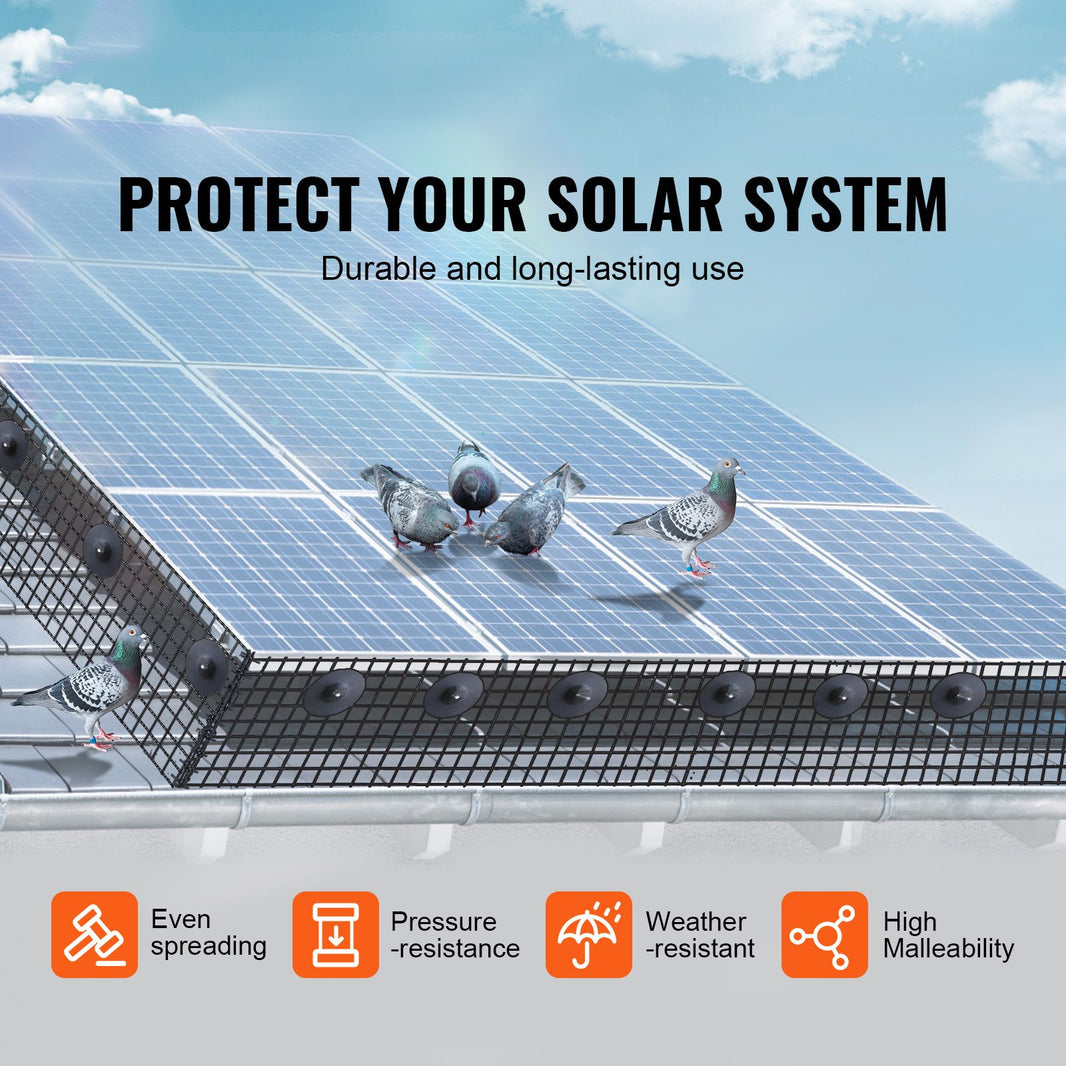
6 in x 100ft Solar Panel Bird Guard Critter Guard Roll Kit 60pcs Fasteners
Regular price $44.90 AUDRegular priceUnit price per$40.90 AUDSale price $44.90 AUD -
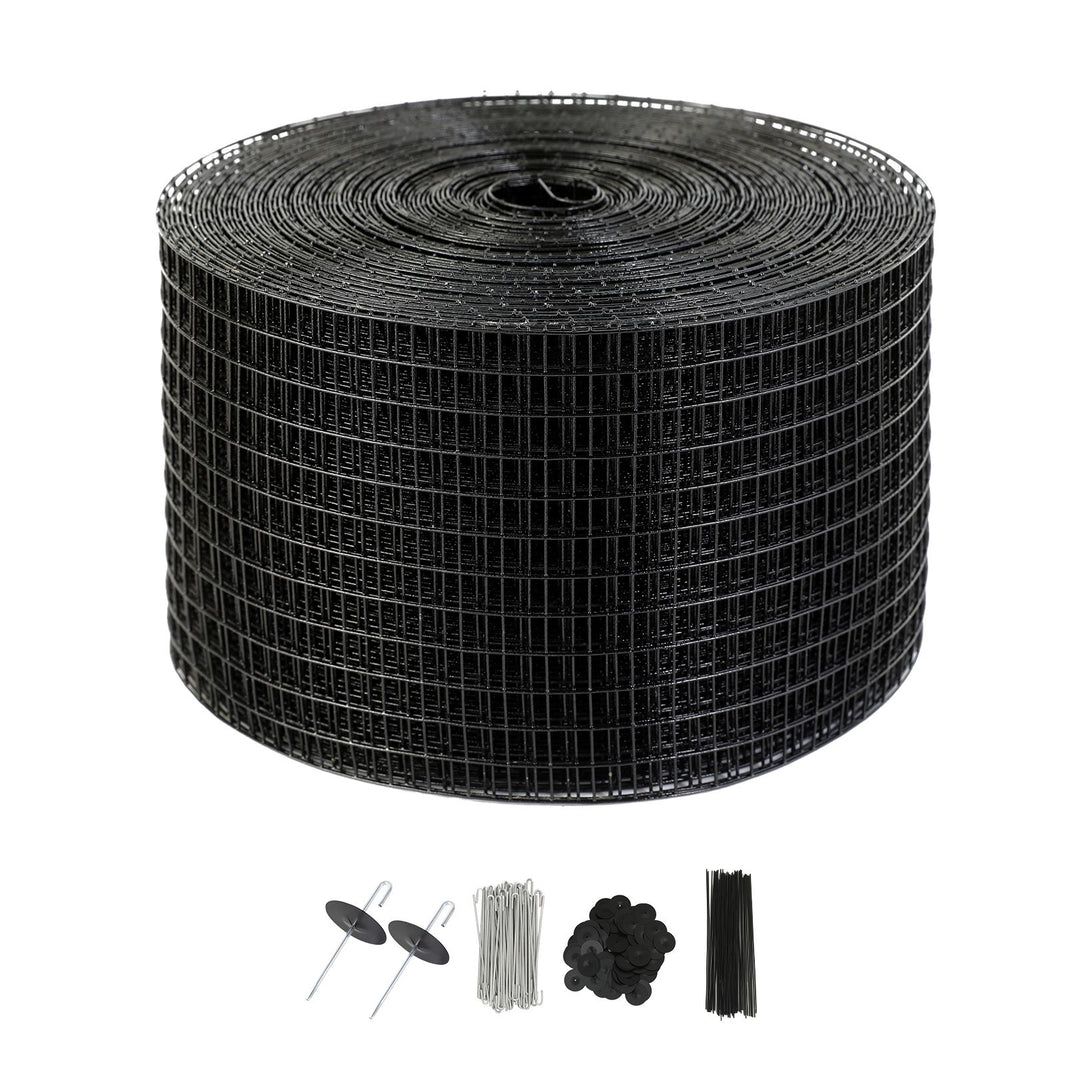

8in x 100ft Solar Panel Bird Guard Critter Guard Roll Kit 100pcs Fasteners
Regular price $58.90 AUDRegular priceUnit price per$53.90 AUDSale price $58.90 AUD -
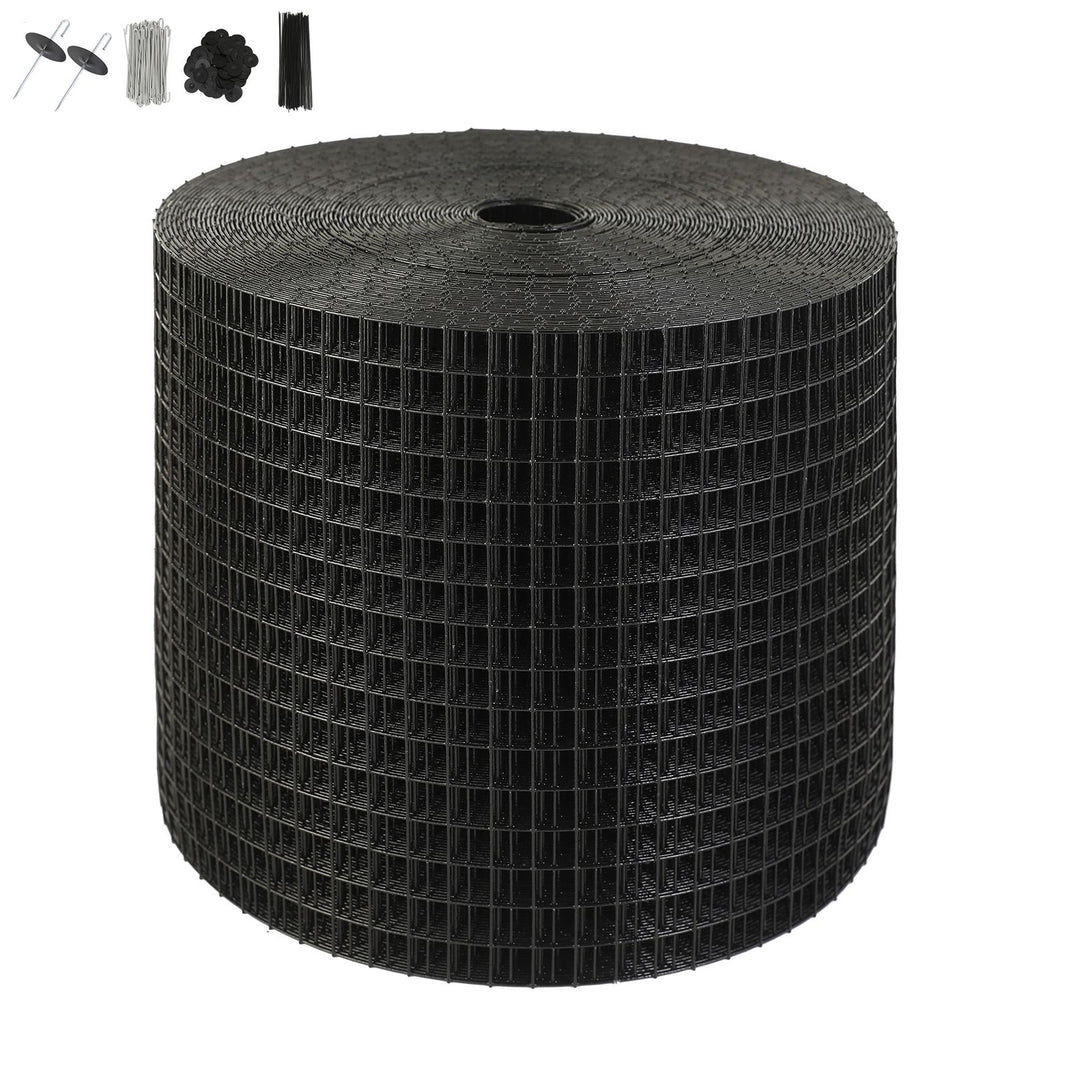
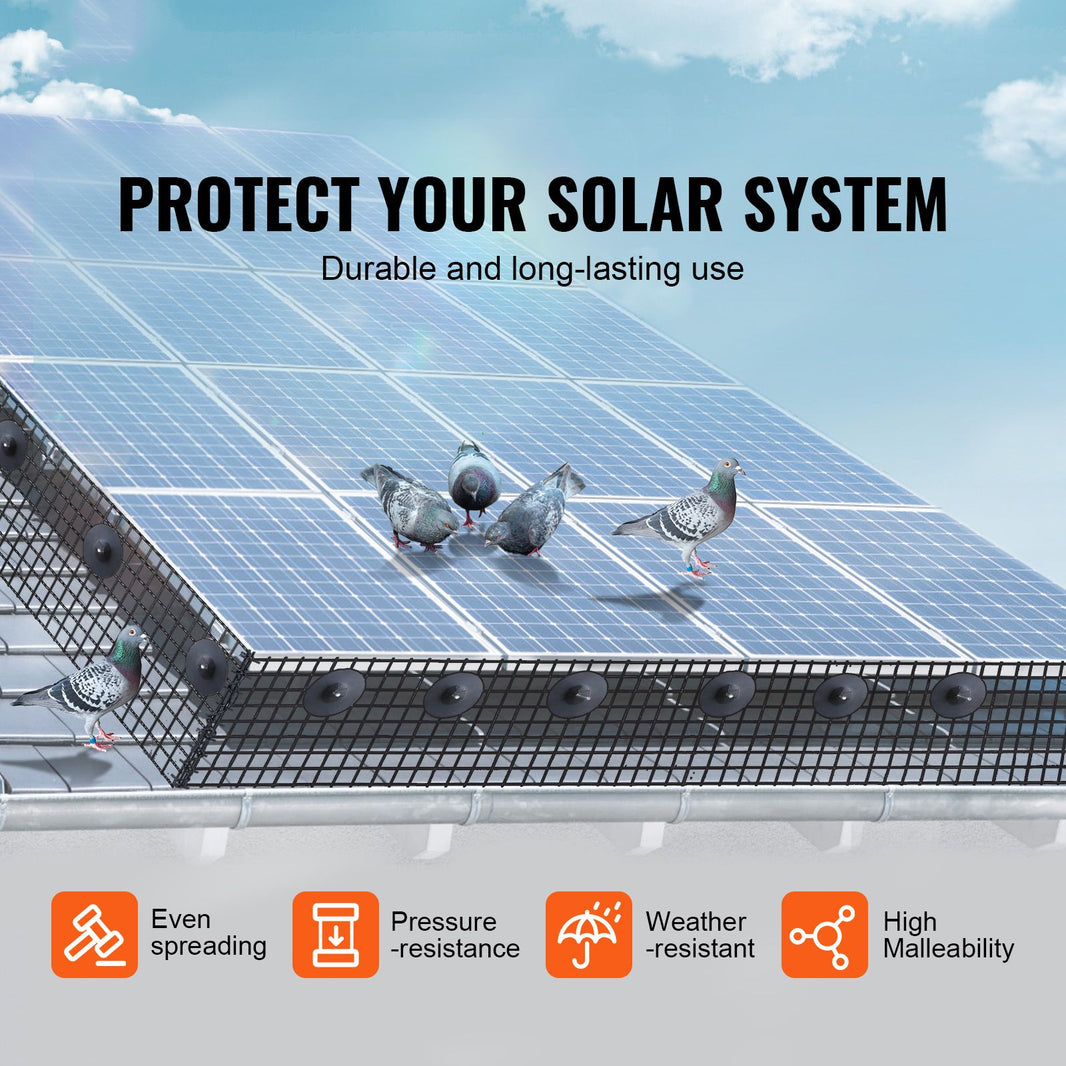
6in x 100ft Solar Panel Bird Guard Critter Guard Roll Kit 100pcs Fasteners
Regular price $54.90 AUDRegular priceUnit price per$50.90 AUDSale price $54.90 AUD -
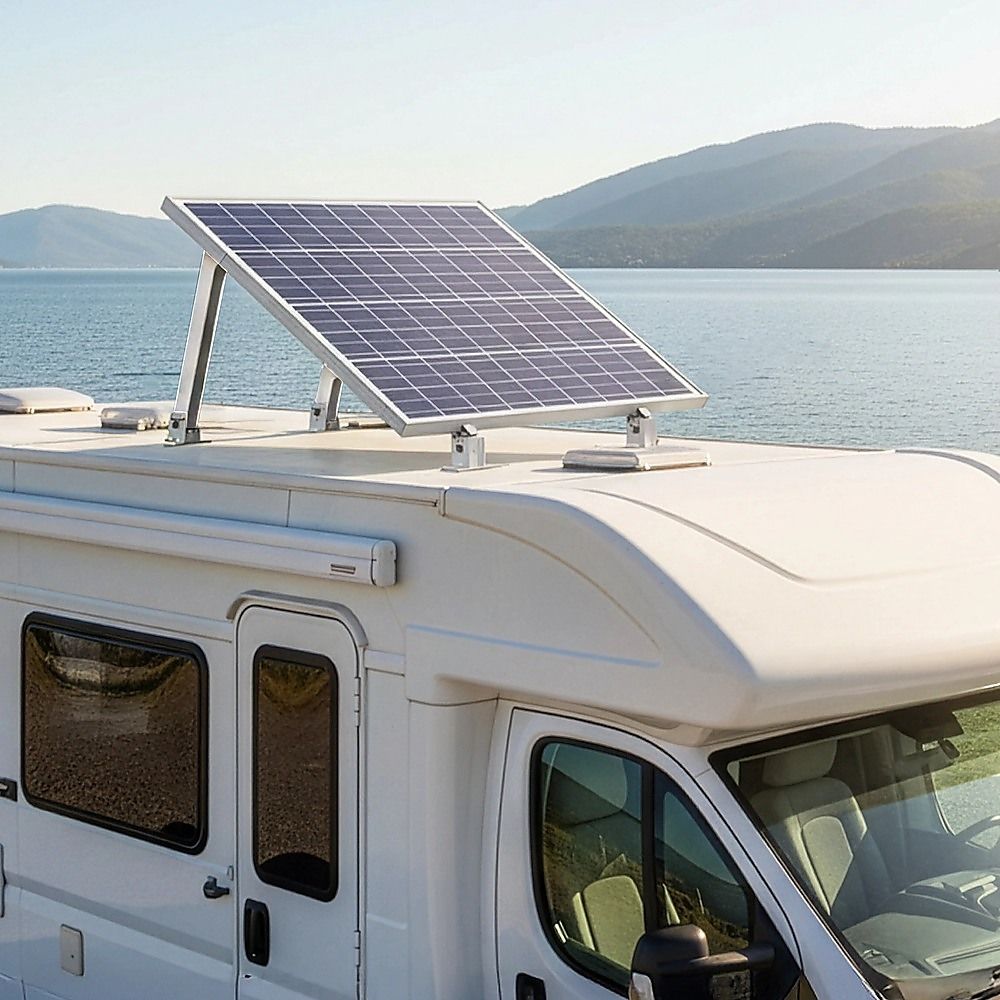
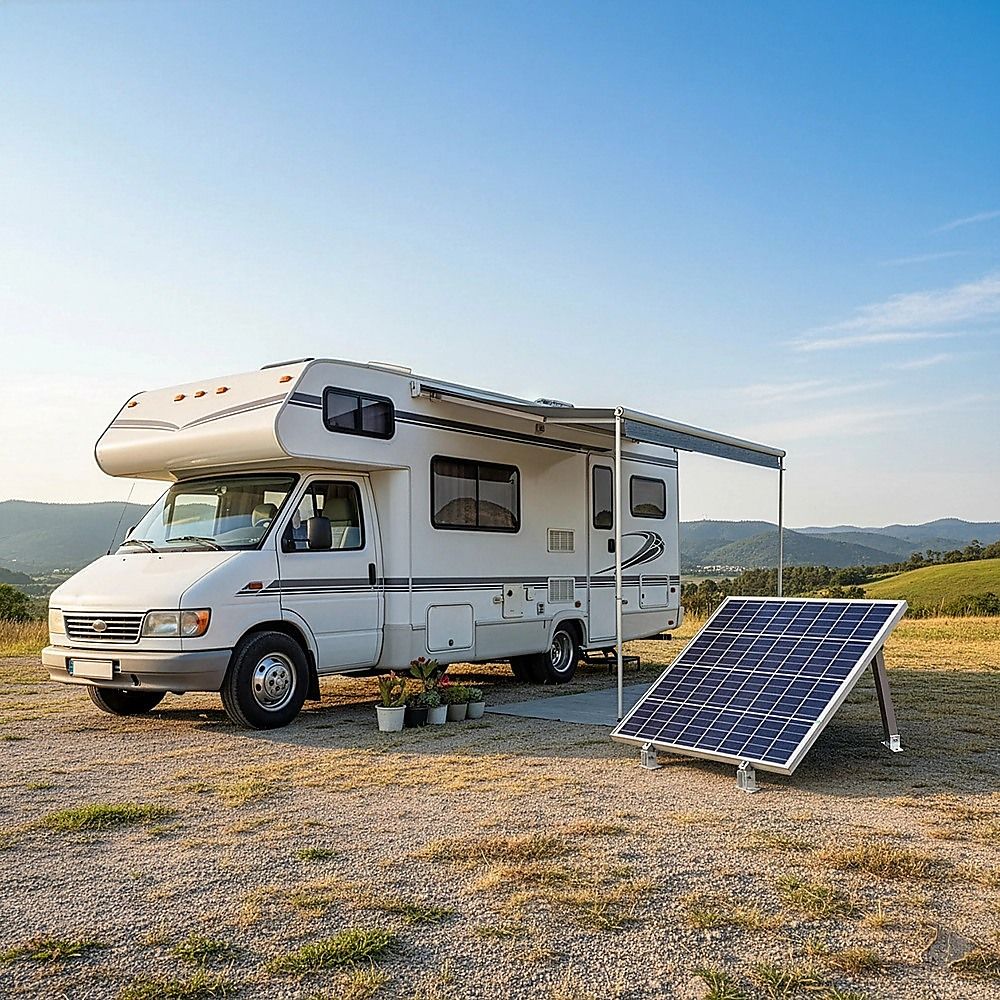
Adjustable Solar Panel Tilt Mount Brackets Kit – Roof, Ground & Boat Mounting System for Secure Installation
Regular price $55.90 AUDRegular priceUnit price per -
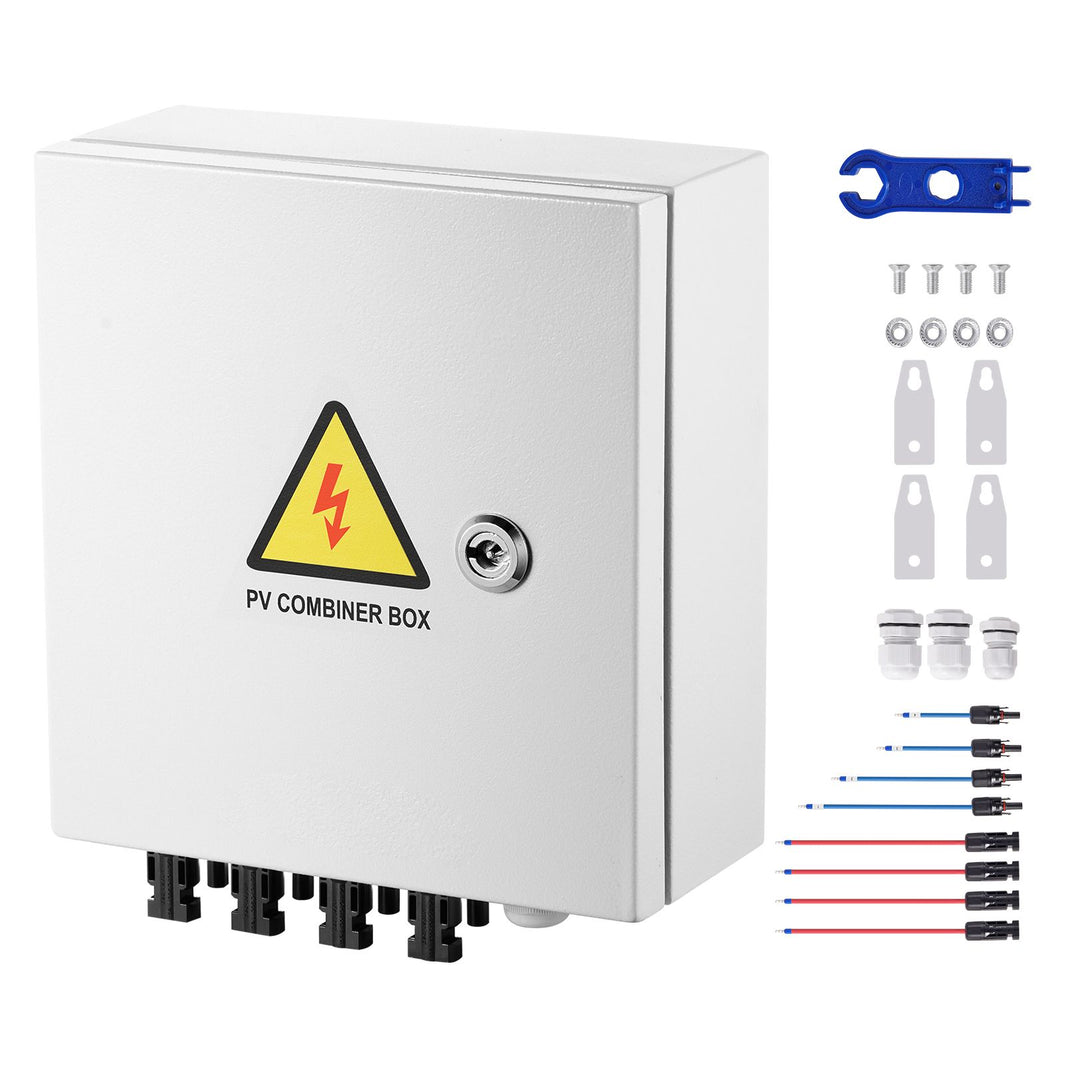
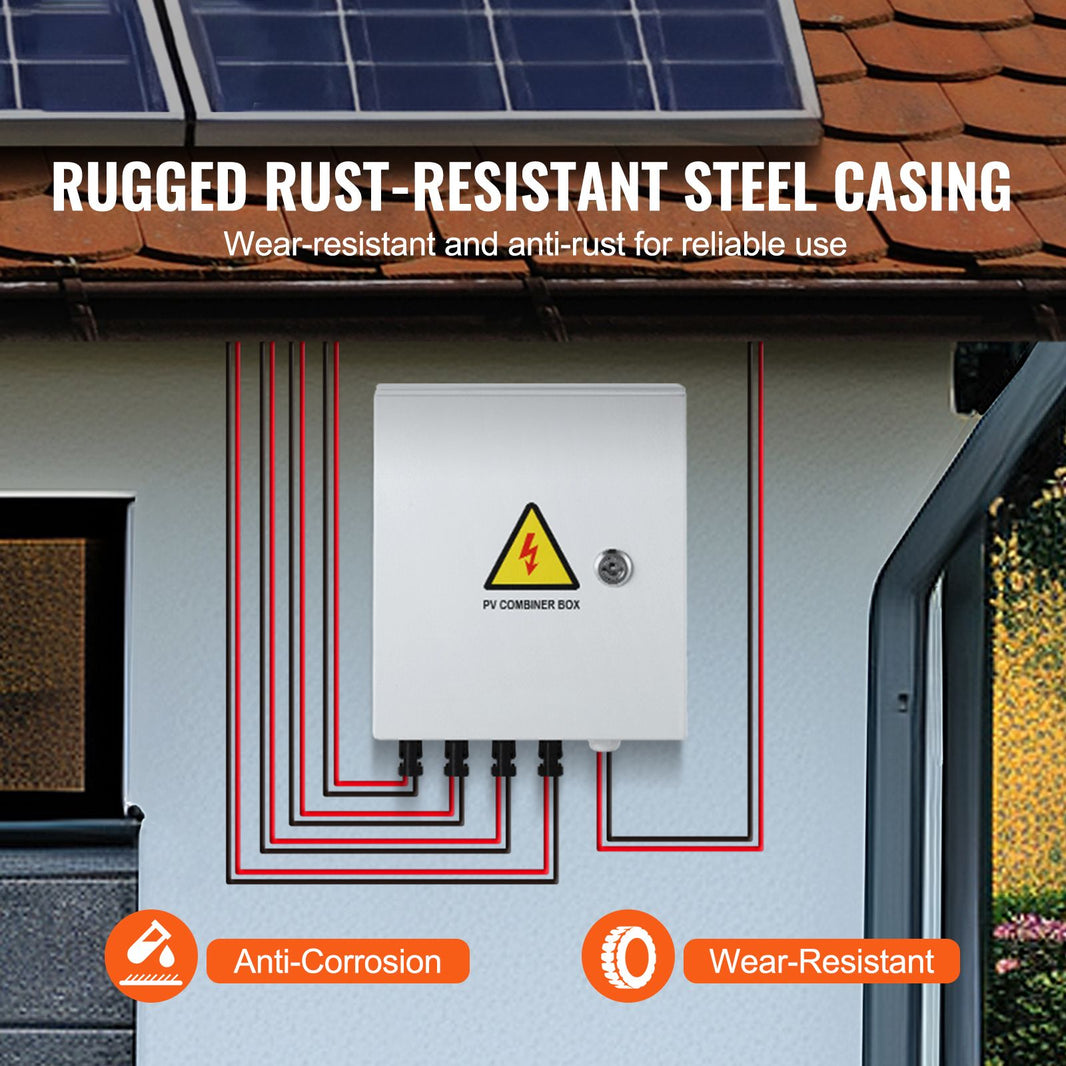
PV Combiner Box, 4 String, Solar Combiner Box with 15A Rated Current Fuse 63A Circuit Breaker Lightning Arrester and Solar Connector, Steel Case for On / Off Grid Solar Panel System, IP65
Regular price $132.90 AUDRegular priceUnit price per$122.90 AUDSale price $132.90 AUD -
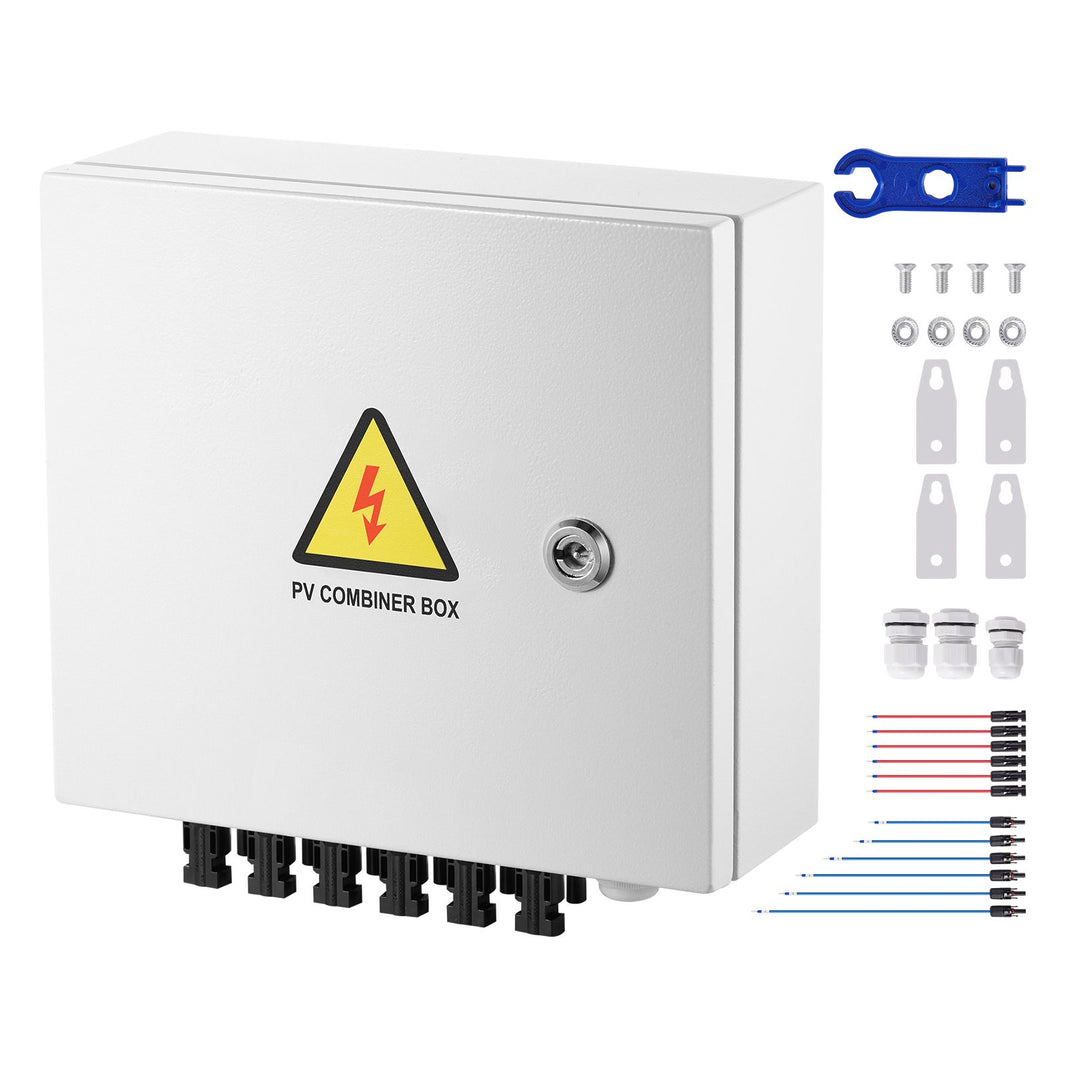
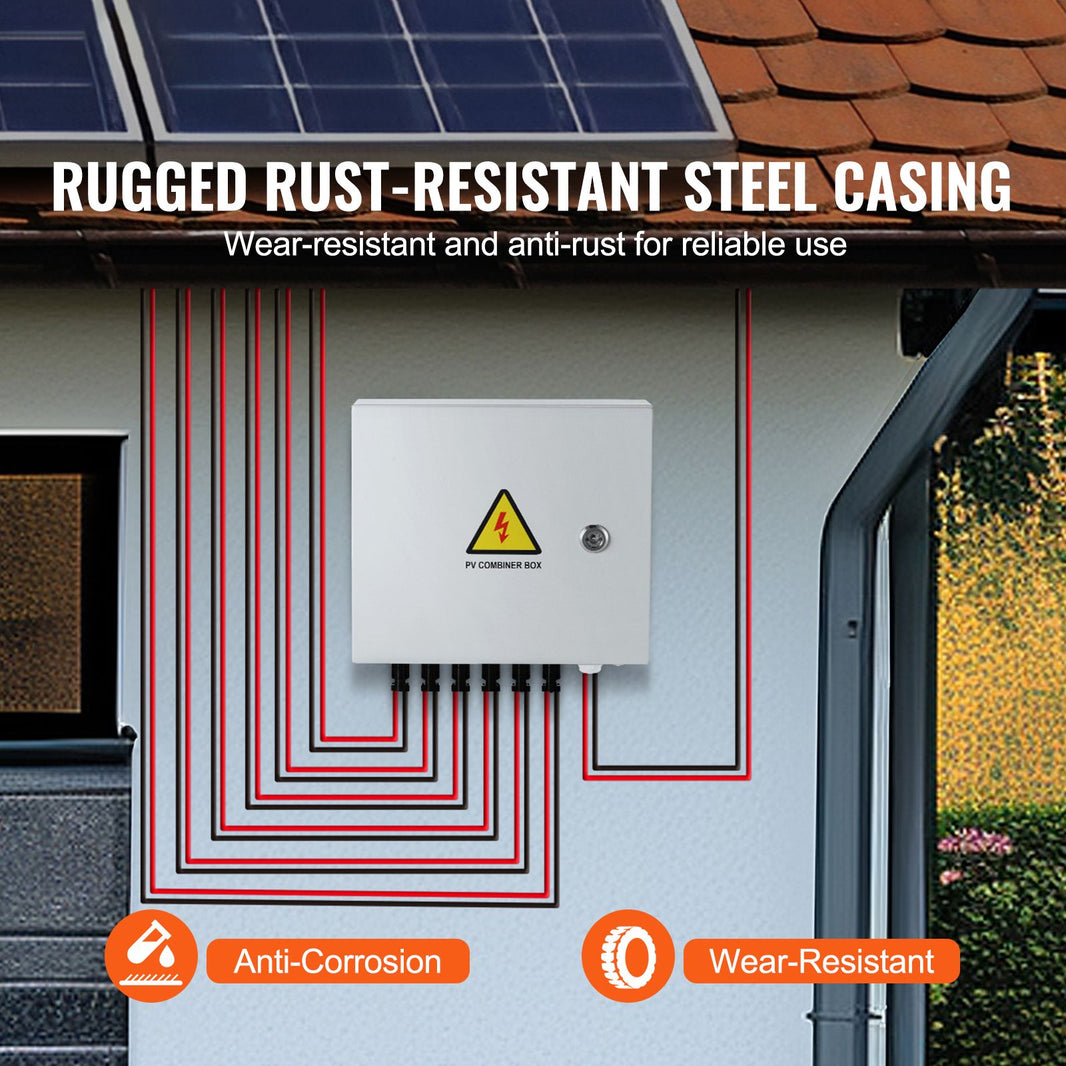
Solar PV Combiner Box 6 String 15A for Solar Panel System Steel Case IP65
Regular price $157.90 AUDRegular priceUnit price per$145.90 AUDSale price $157.90 AUD -
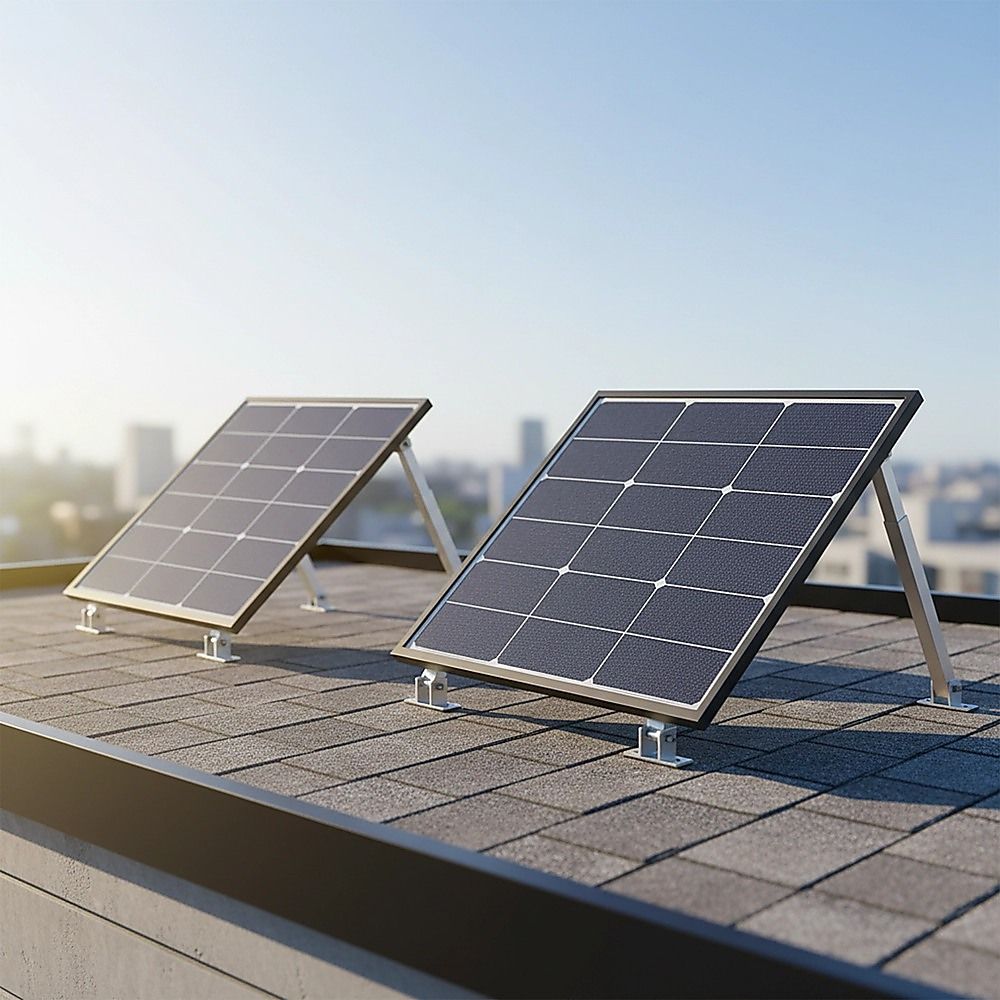
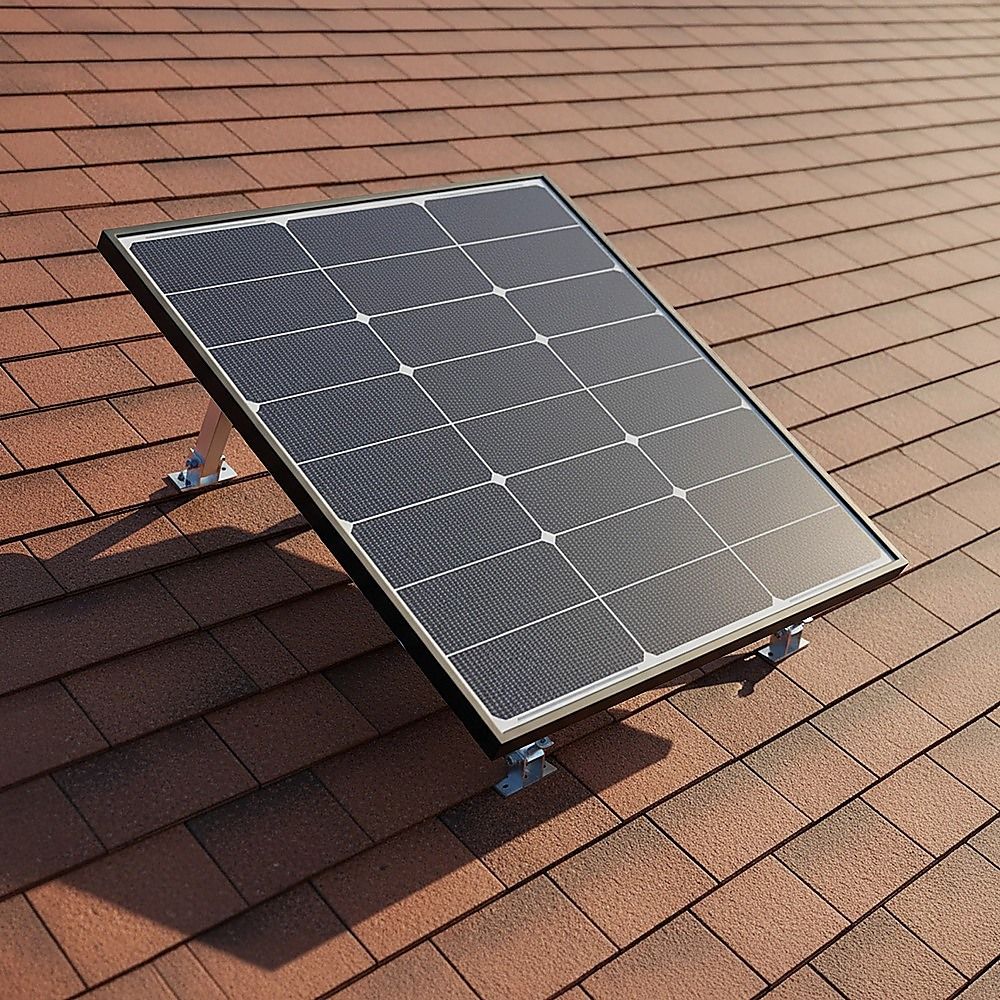
2 Set Adjustable Solar Panel Tilt Mount Brackets
Regular price $104.90 AUDRegular priceUnit price per -
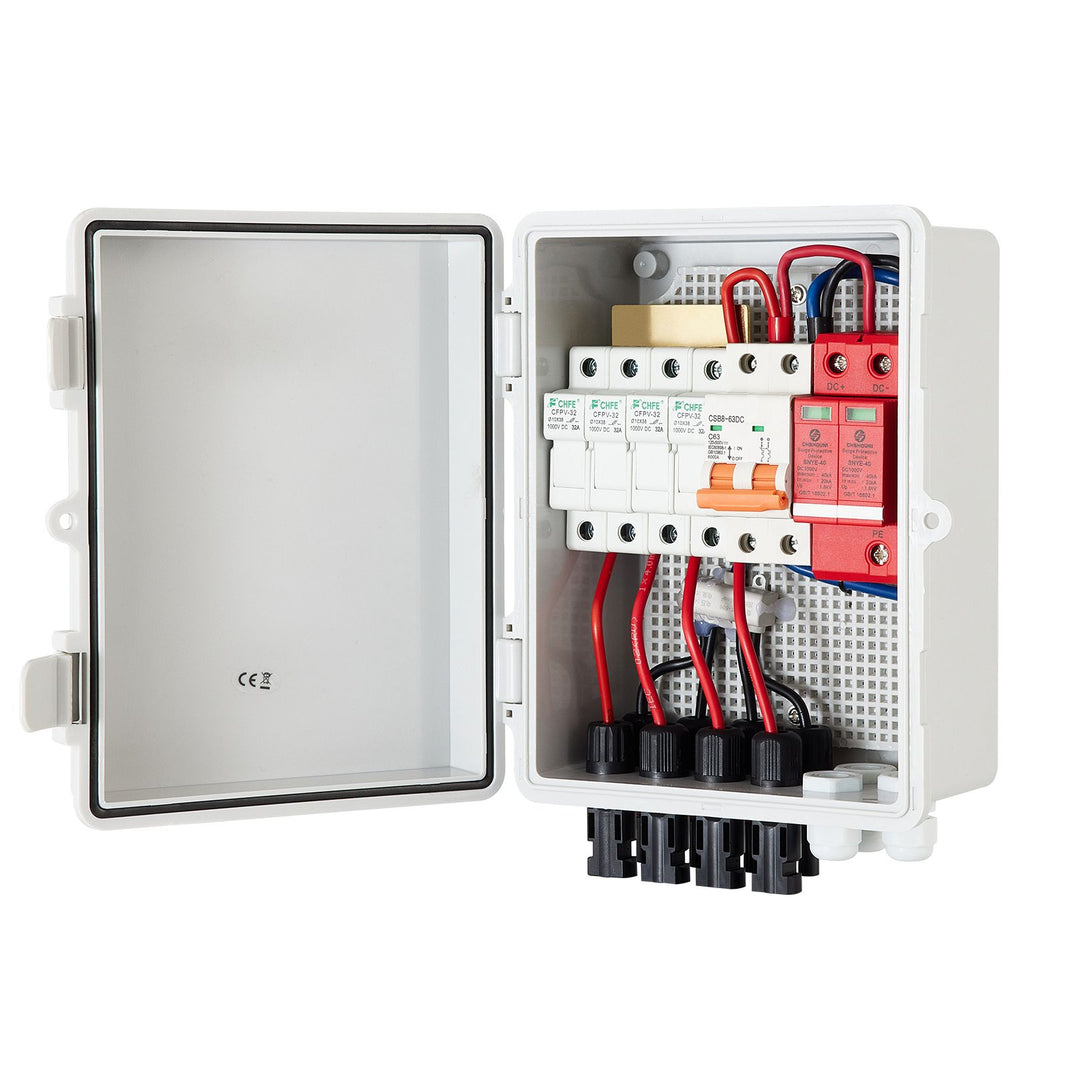
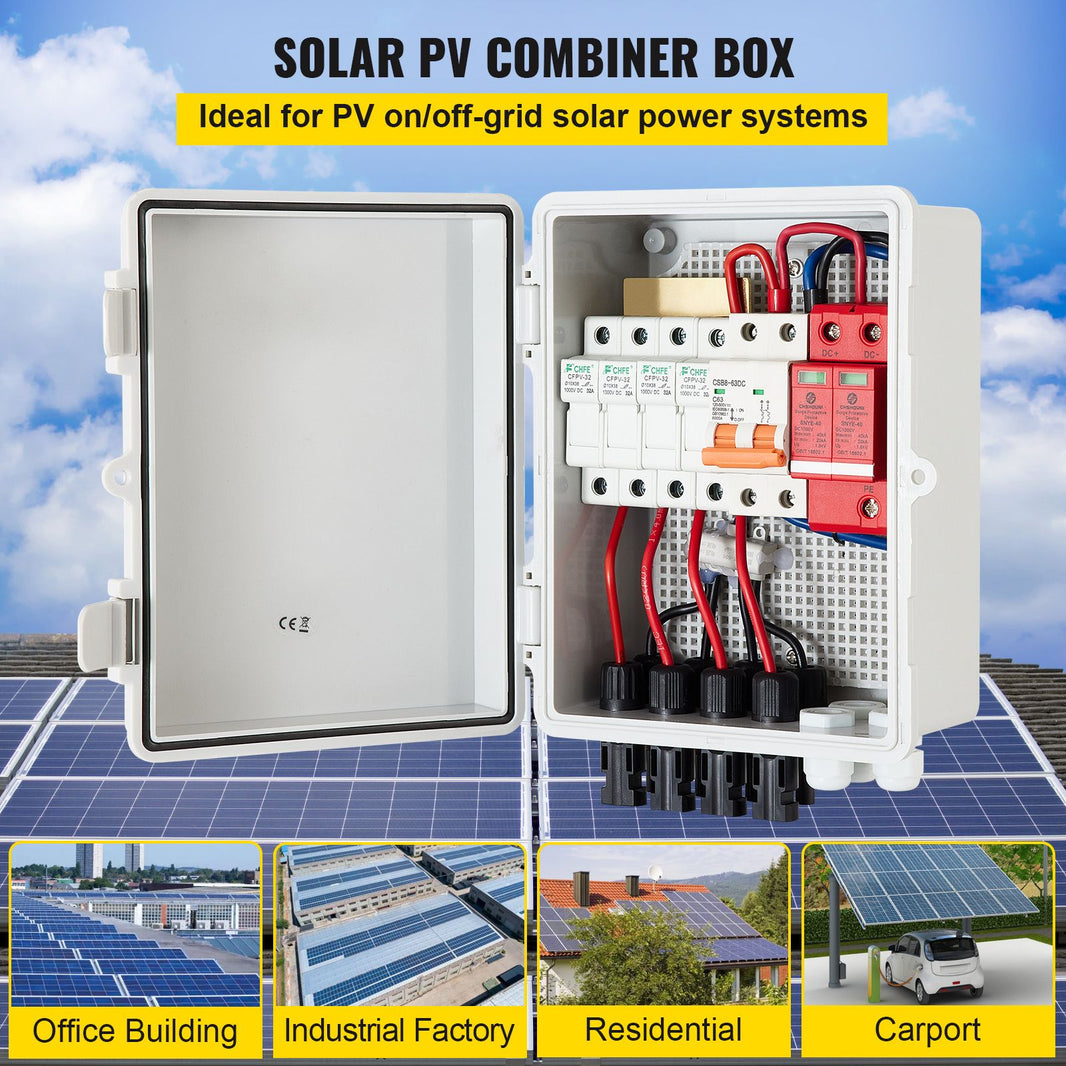
PV Combiner Box, 4 String with 15A Rated Current Fuse, 63A Circuit Breaker, Lightning Arreste Connector for On/Off Grid Solar Panel System, IP65
Regular price $116.90 AUDRegular priceUnit price per$107.90 AUDSale price $116.90 AUD -
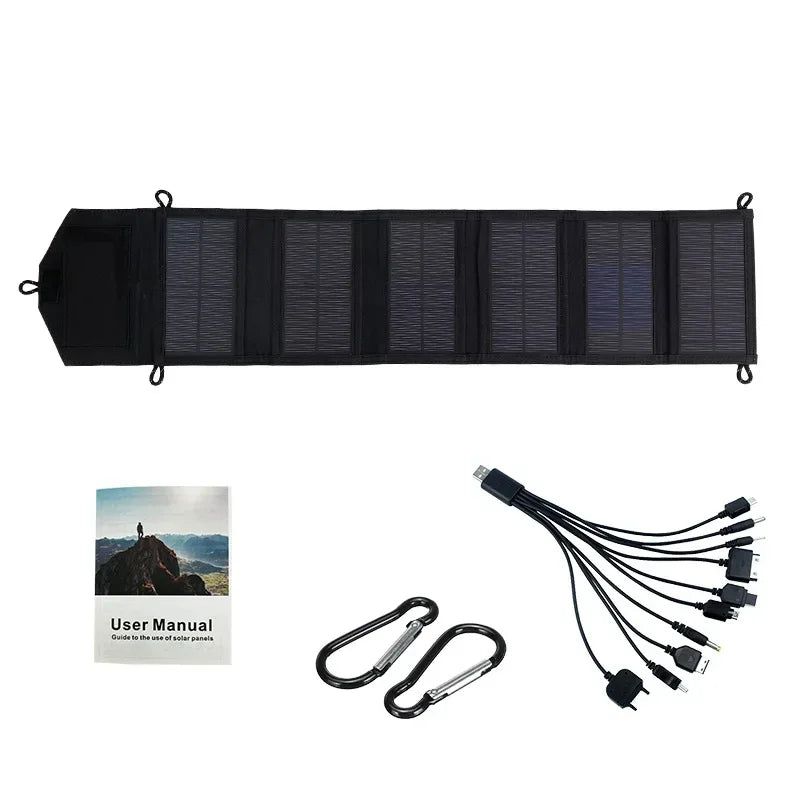
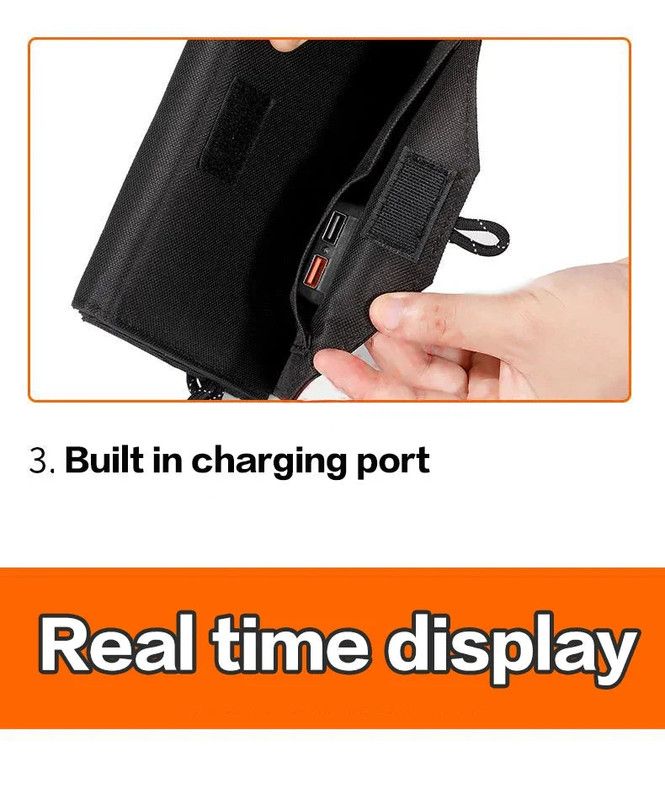
800W Foldable Solar Panel
Regular price $167.90 AUDRegular priceUnit price per$159.99 AUDSale price $167.90 AUD -
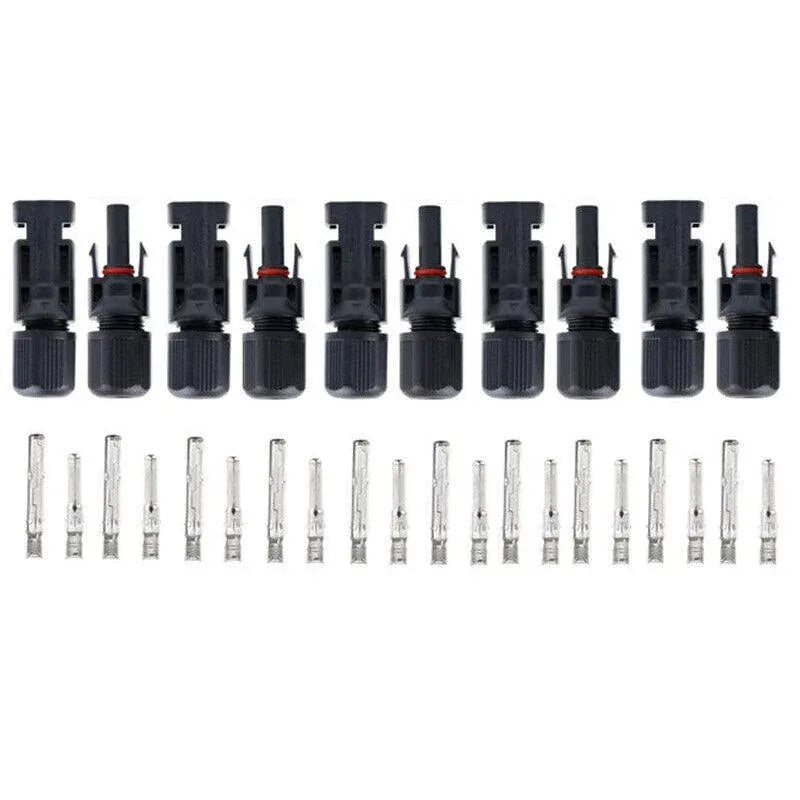
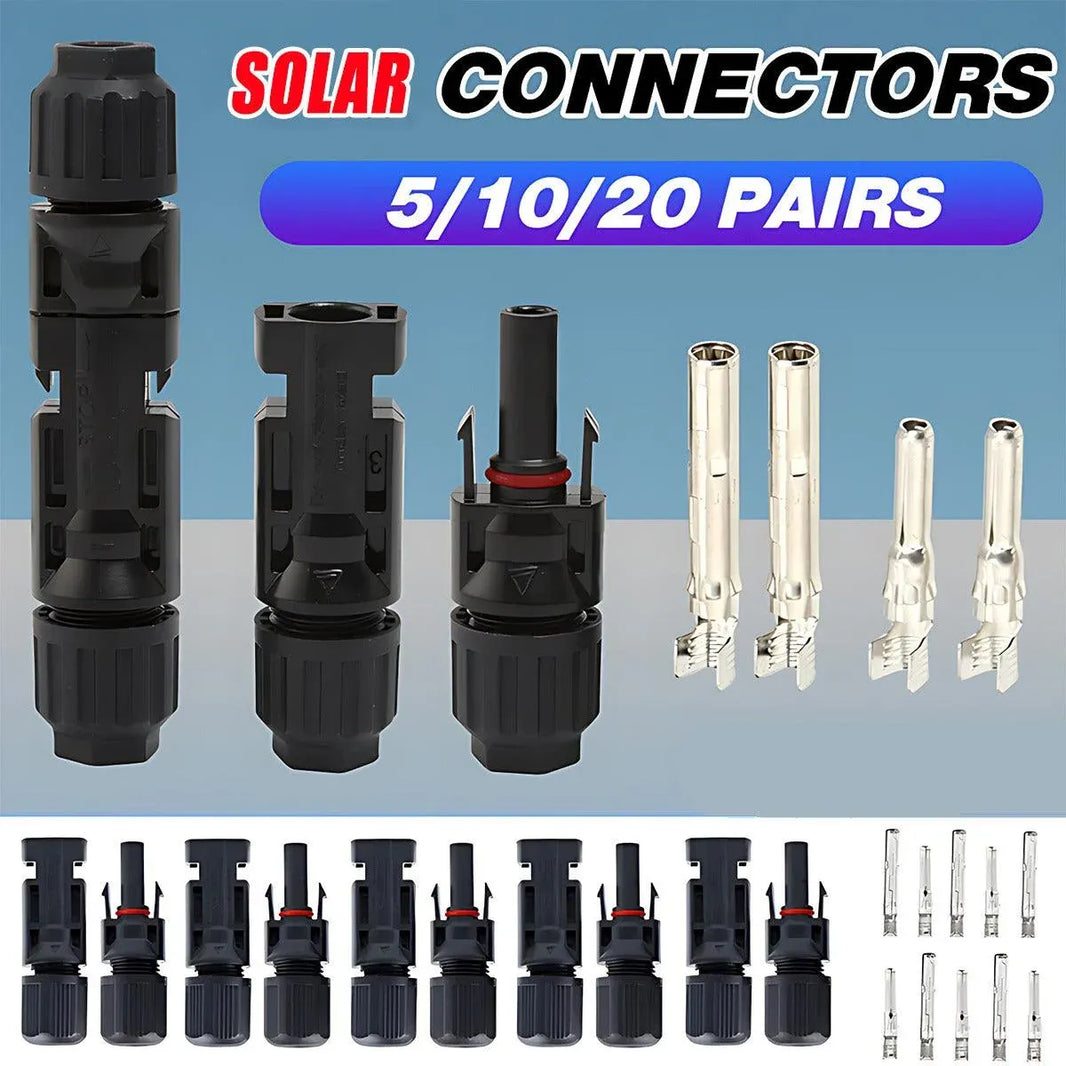 Sale
5-20 Pairs PV Connectors Solar Panel 30A Line Plug Socket Male Female IP67 - 5 Pairs
Regular price $16.90 AUDRegular priceUnit price per$20.22 AUDSale price $16.90 AUDSale -
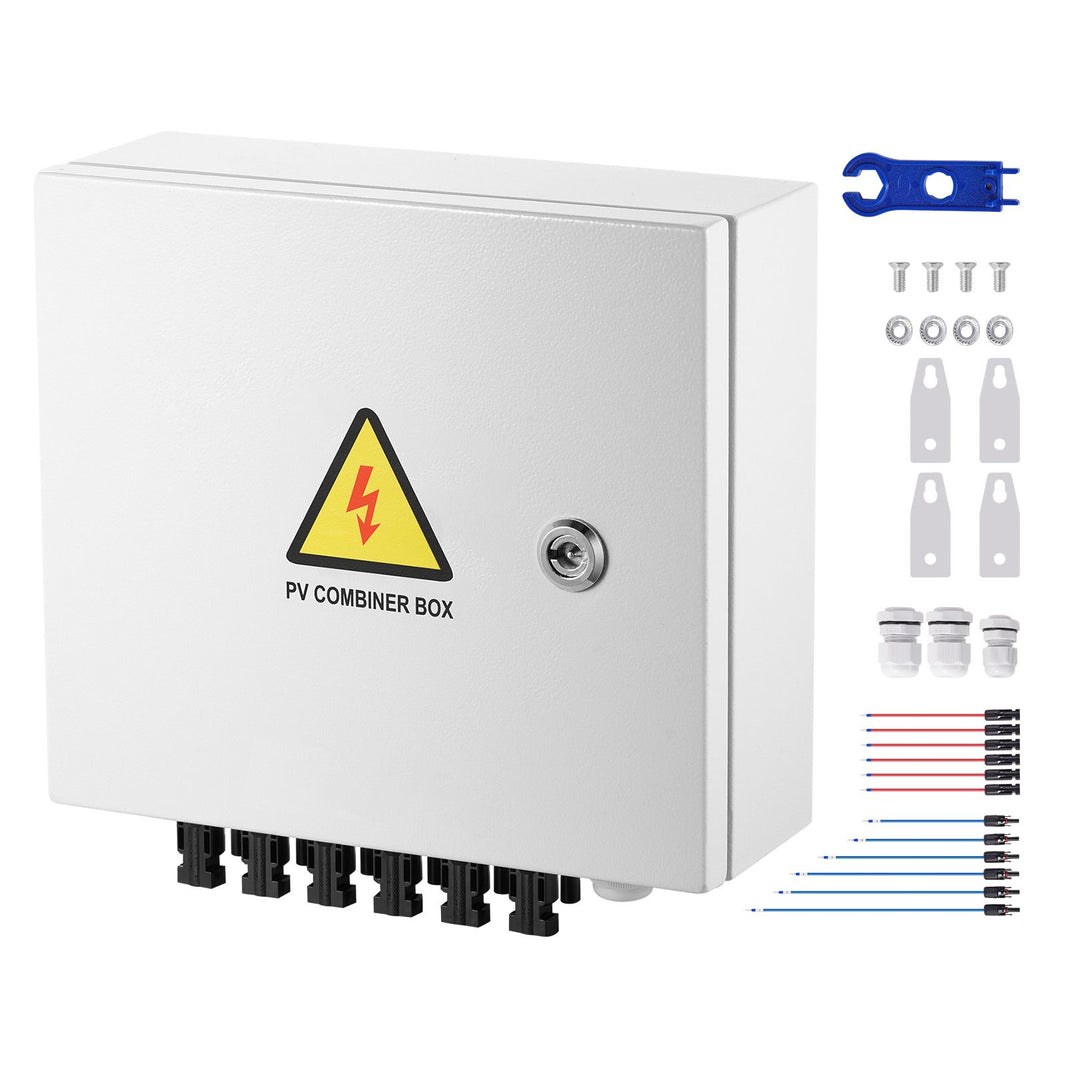
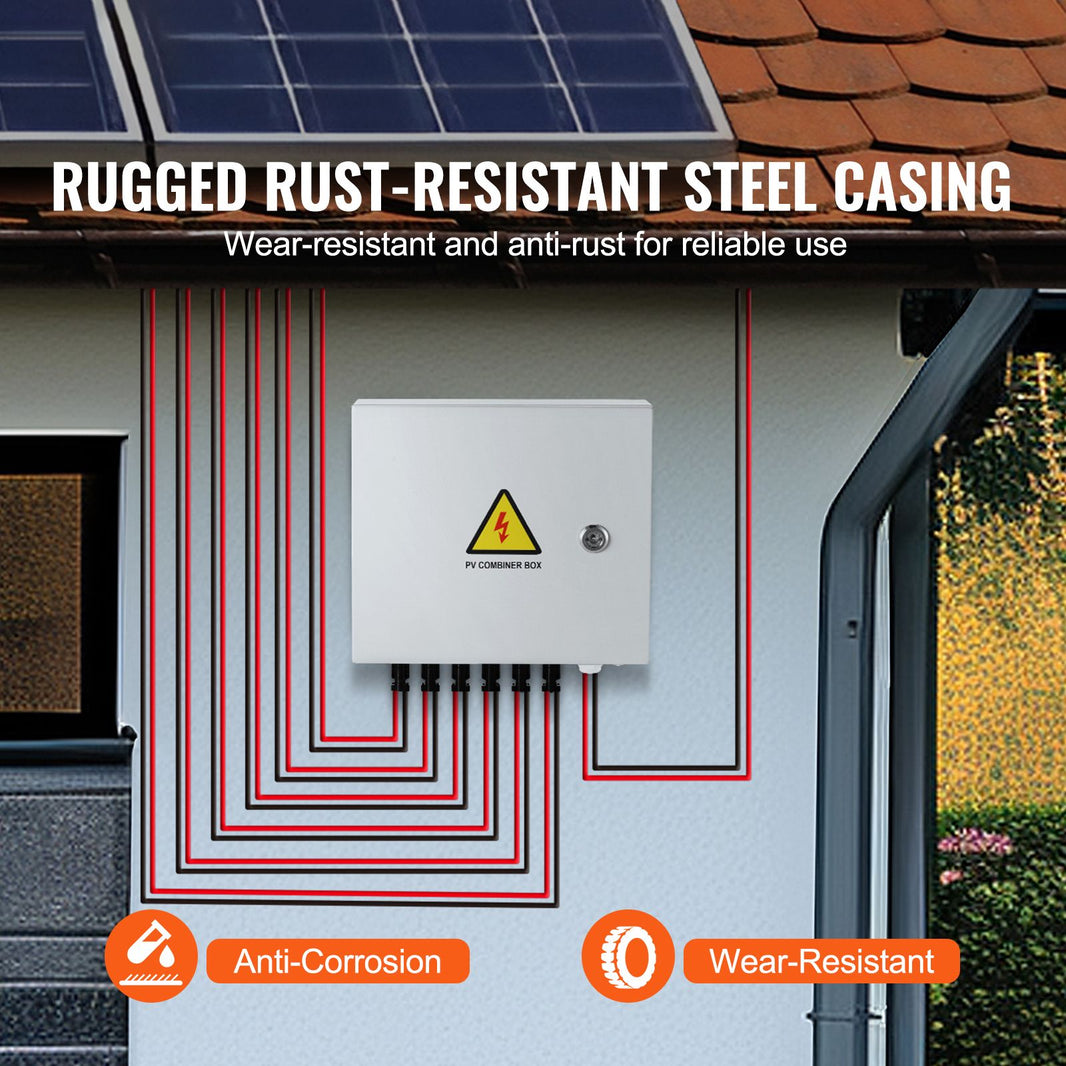
Solar PV Combiner Box 6 String 10A for Solar Panel System Steel Case IP65
Regular price $149.90 AUDRegular priceUnit price per$138.90 AUDSale price $149.90 AUD -
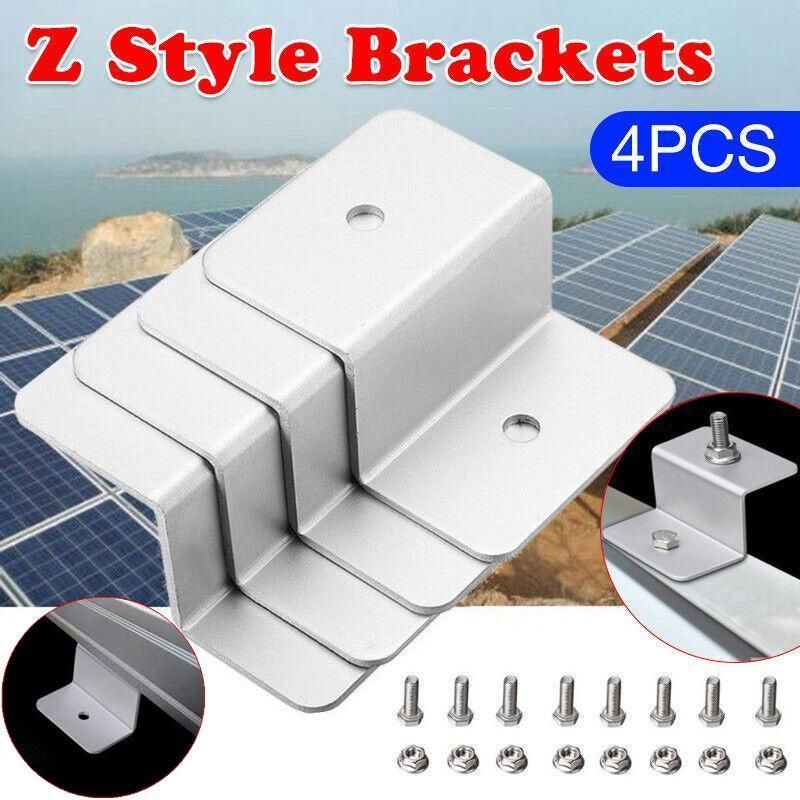
 Sale
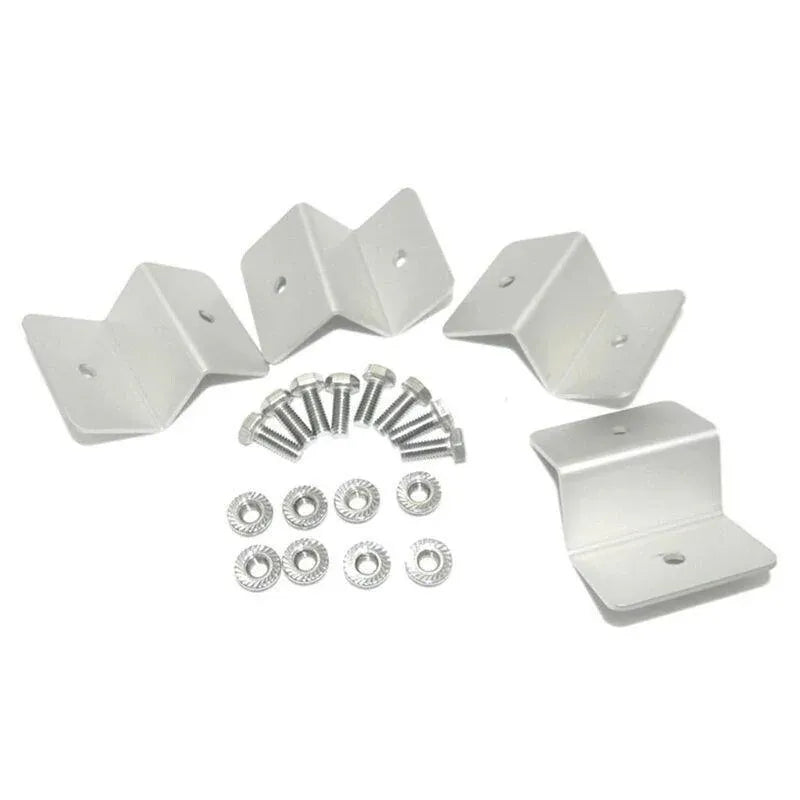
4 Pcs Solar Panel Z-Bracket Mounting Flat Roof Yacht Rv Mount Aluminum Kit Au
Regular price $26.90 AUDRegular priceUnit price per$32.09 AUDSale price $26.90 AUDSale -
 Sale
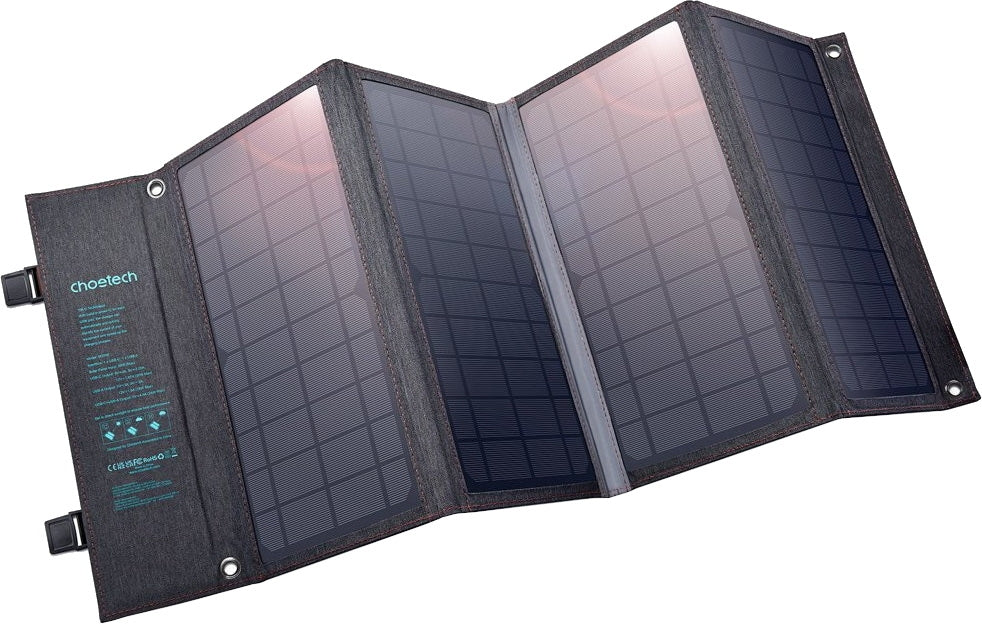
Choetech SC006 Solar Panel Portable Charger 40W 18V USB C Solar Panels Charger with USB C PD 30W
Regular price $136.90 AUDRegular priceUnit price per$177.95 AUDSale price $136.90 AUDSale -
 Sale
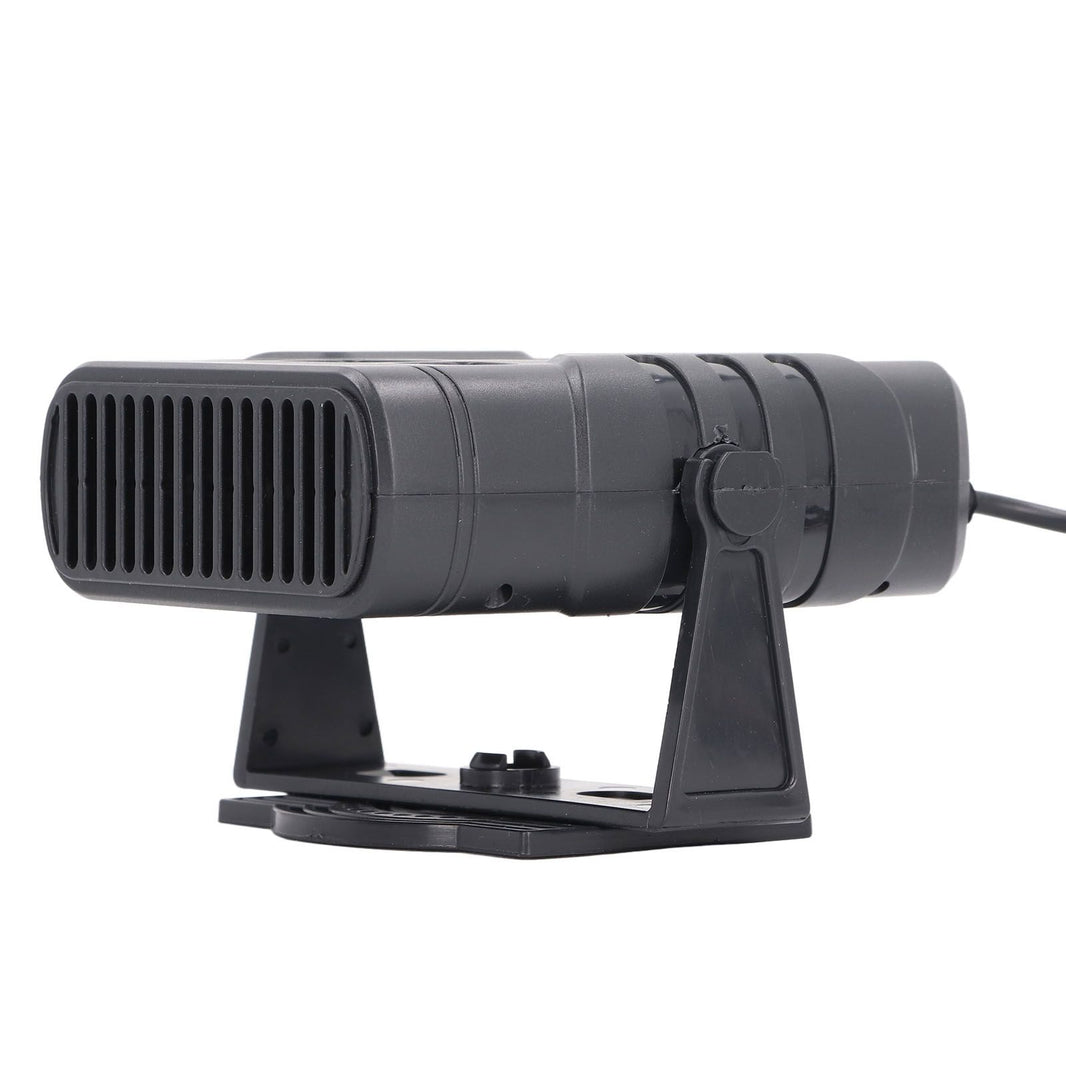
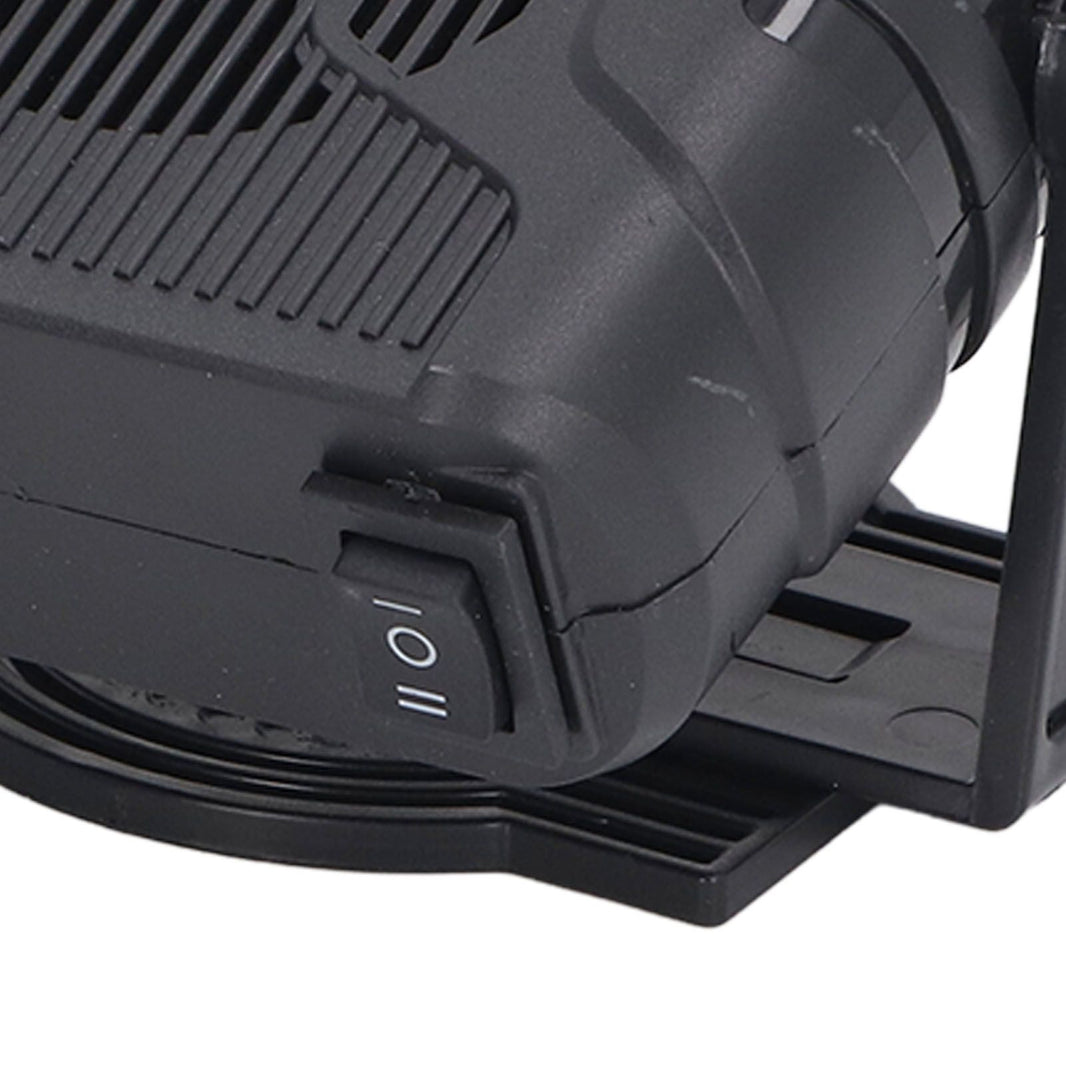
Car Heater 12V 50W Solar Panel Portable Eco Friendly Car Demister Defroster for Pet House
Regular price $74.90 AUDRegular priceUnit price per$83.99 AUDSale price $74.90 AUDSale -
 Sale
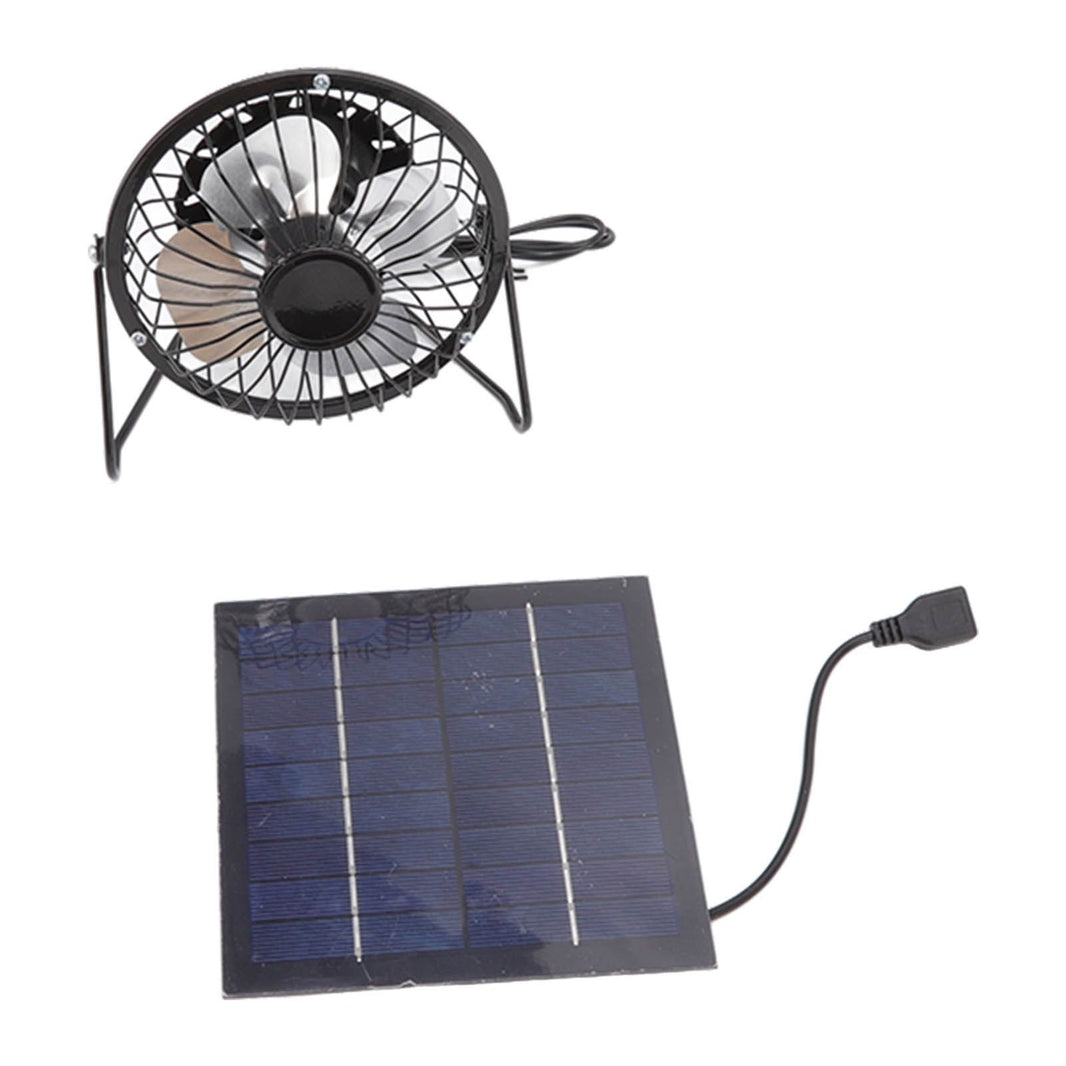
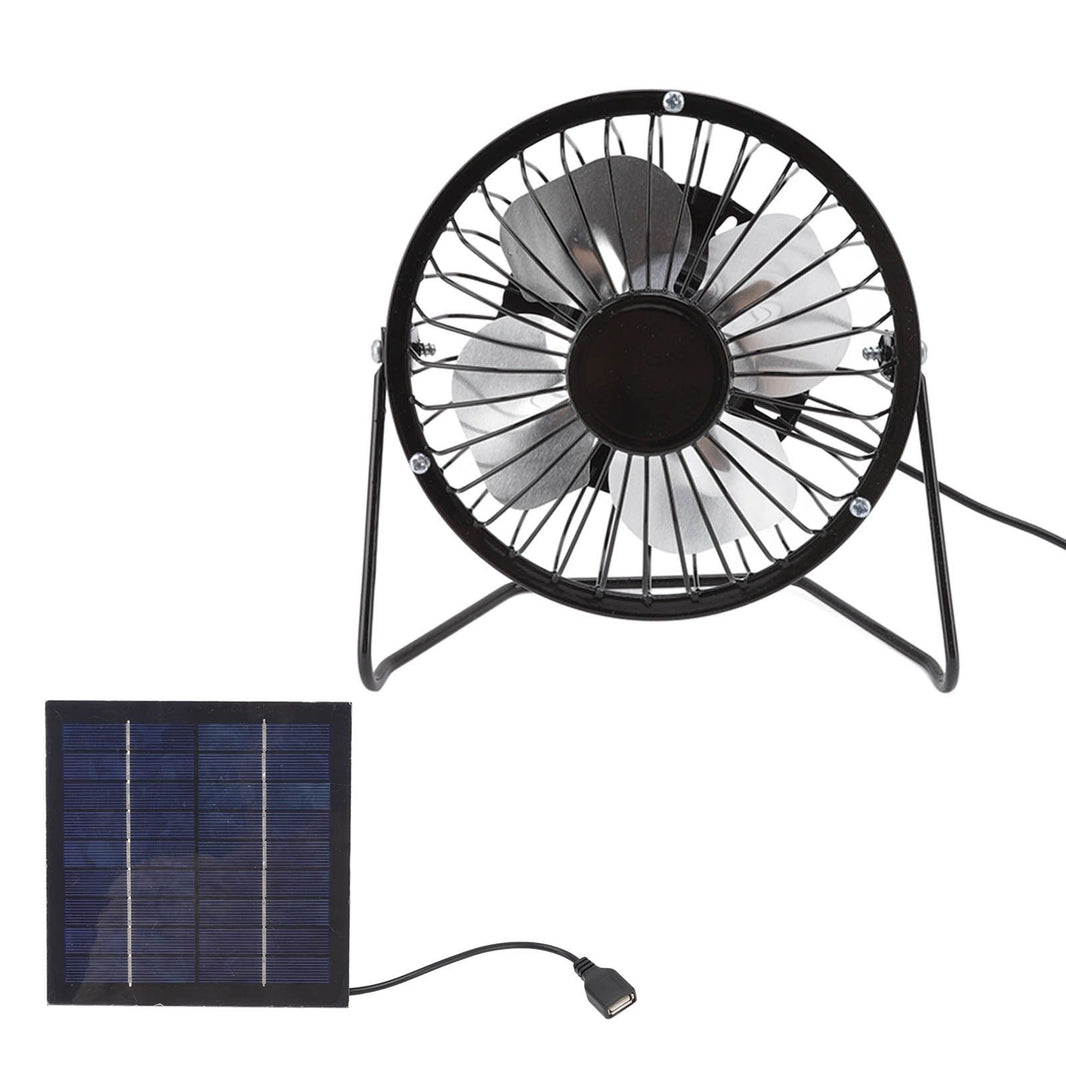
Photovoltaic Solar Panel Set Ventilation System Mini Portable USB Cooling Fan 5v 2.5w
Regular price $33.90 AUDRegular priceUnit price per$37.99 AUDSale price $33.90 AUDSale -
 Sale
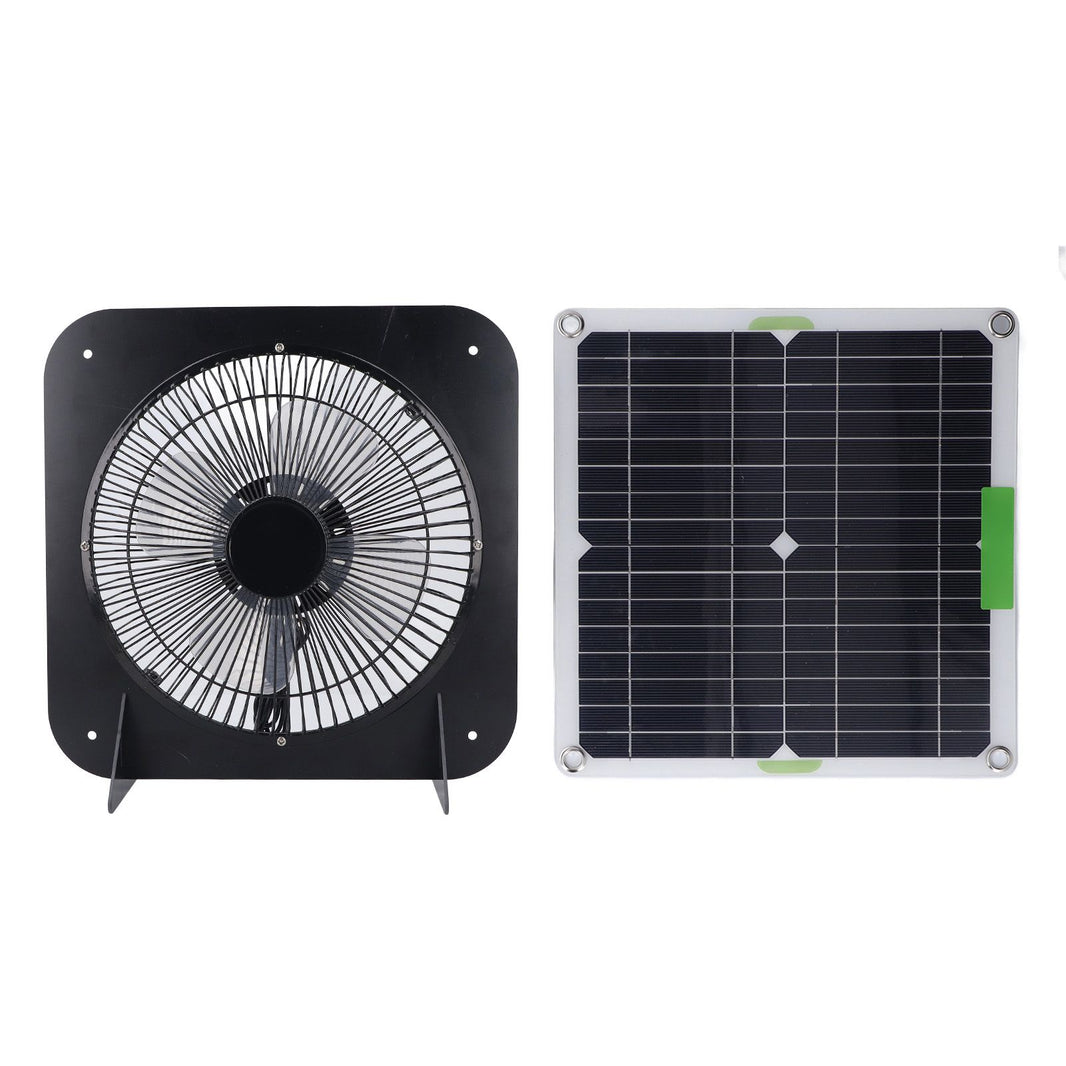
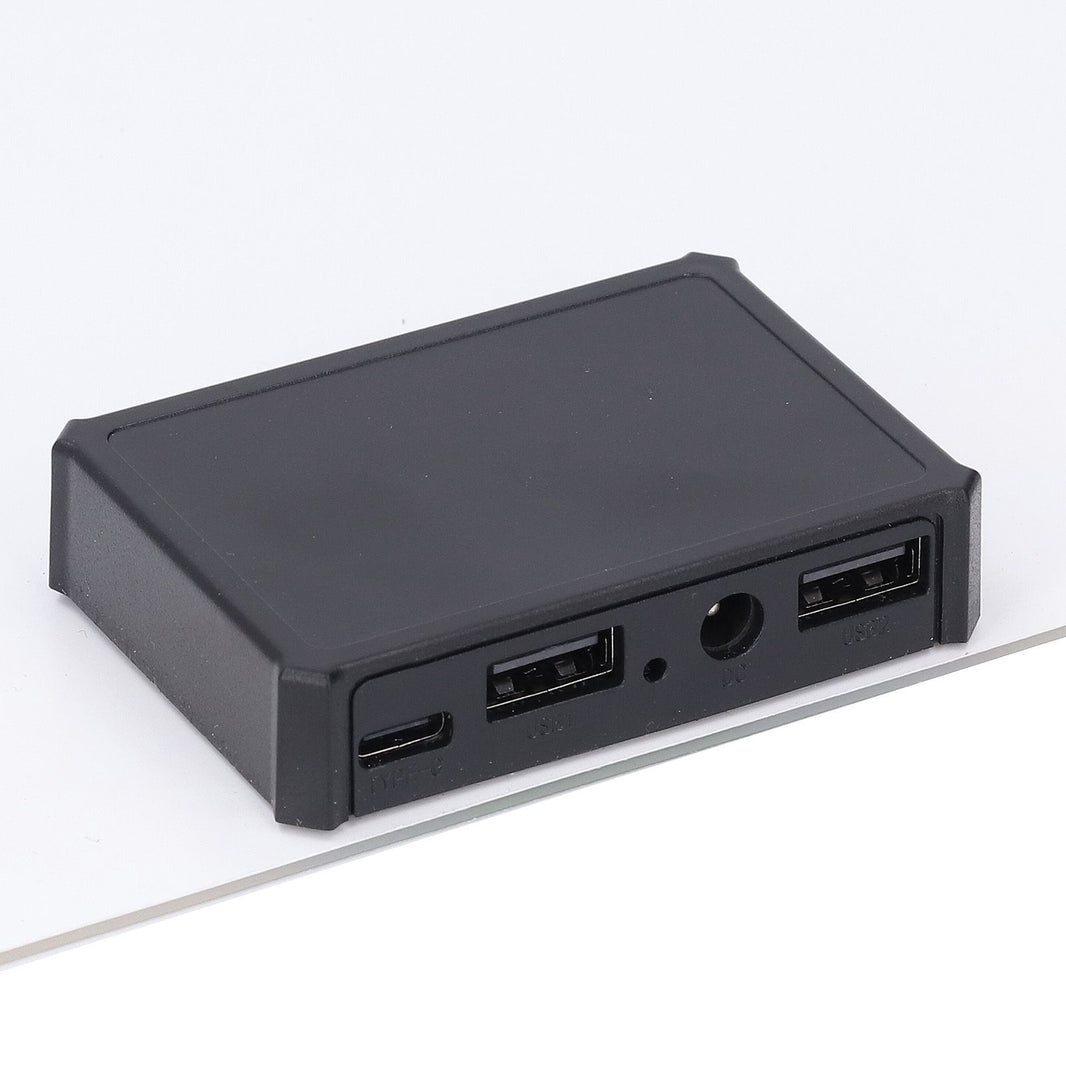
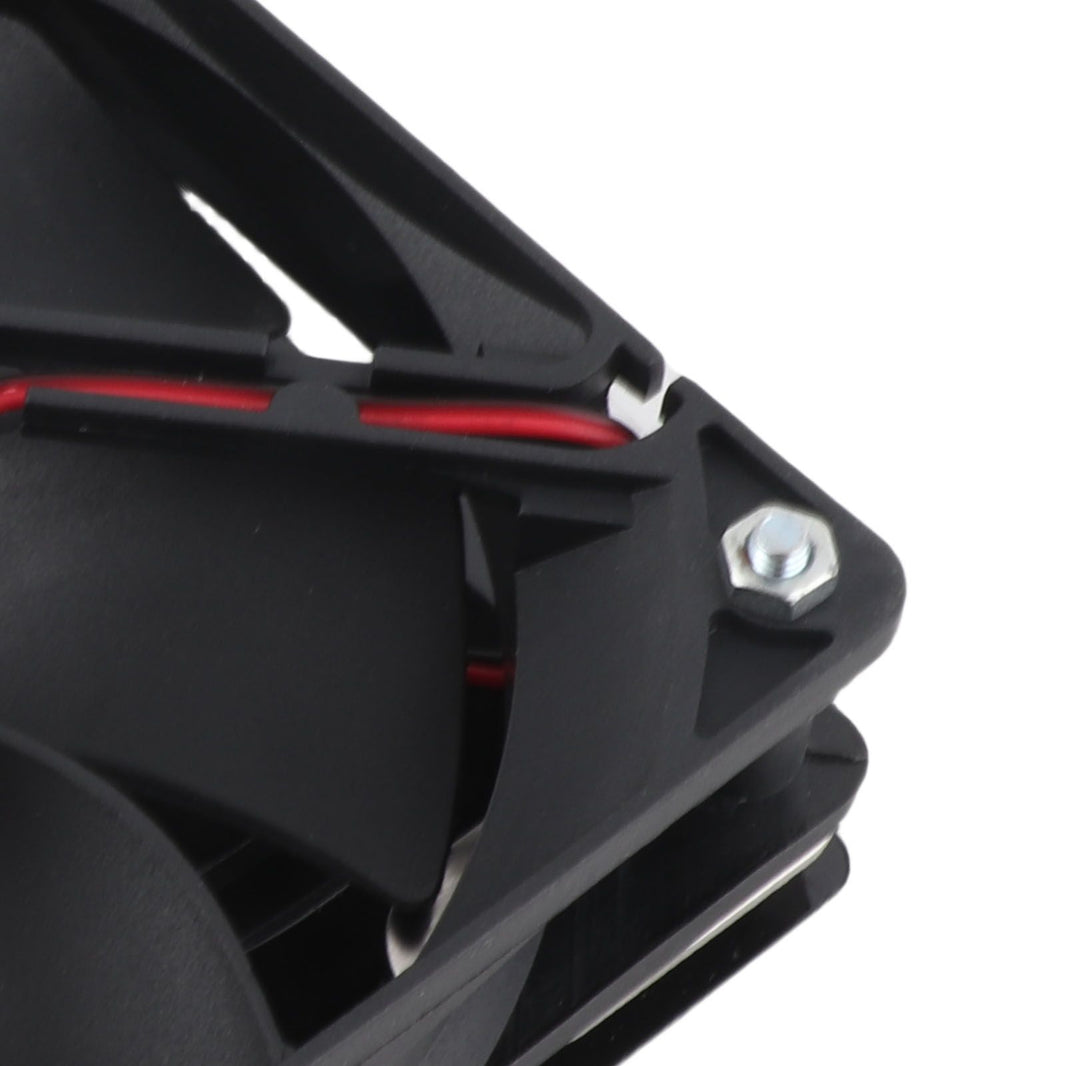
100W Solar Panel Kit Monocrystalline Silicon Solar Panel With 10 Inch Aluminum Alloy Fan Stand for Indoor Pet Houses
Regular price $100.90 AUDRegular priceUnit price per$113.99 AUDSale price $100.90 AUDSale -

 Sale
Monocrystalline Solar Panel Fan 3W 6V Adjustable Angle Solar Exhuast Vent Fan Silent for Chicken Coop Greenhouse
Regular price $32.90 AUDRegular priceUnit price per$36.99 AUDSale price $32.90 AUDSale -
 Sale
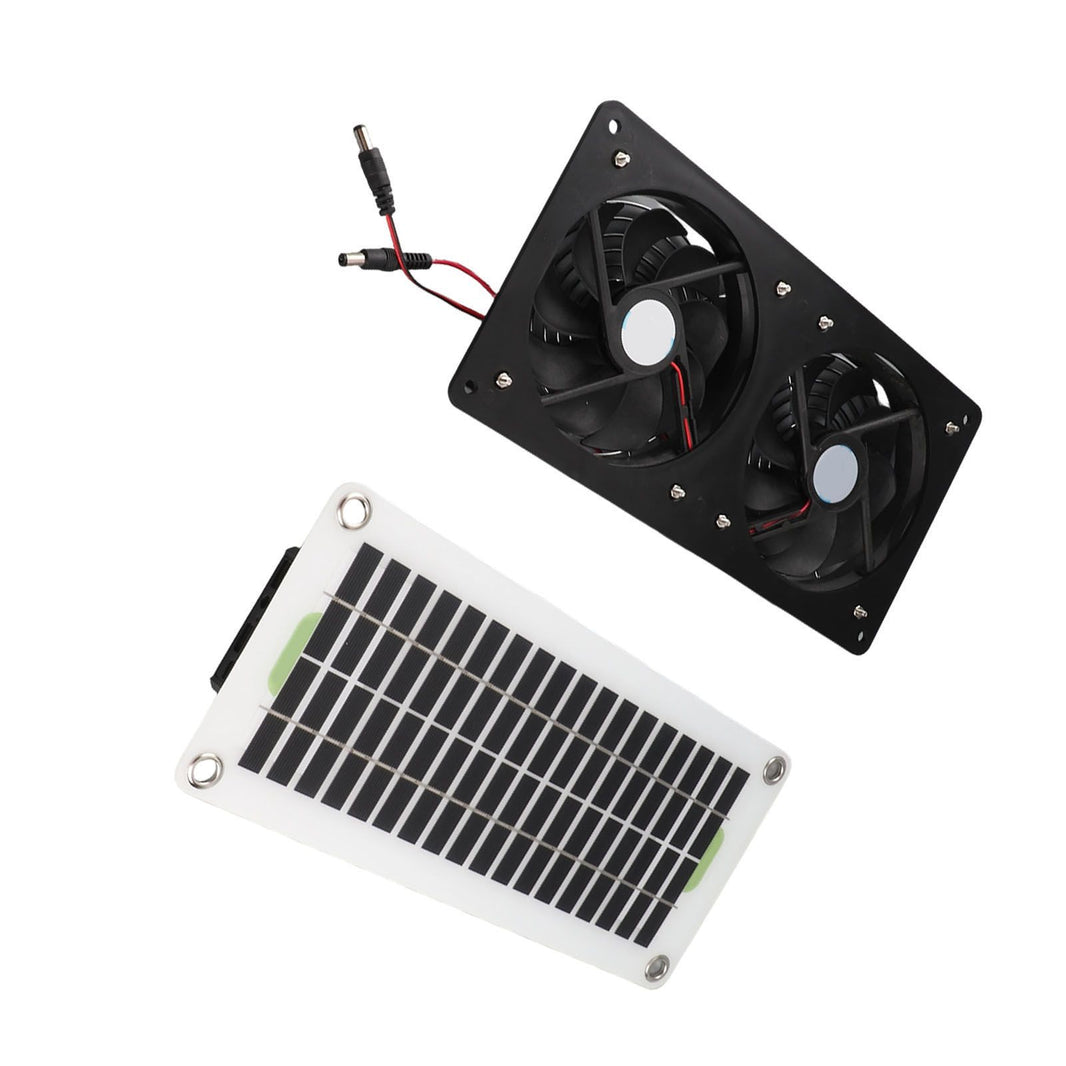
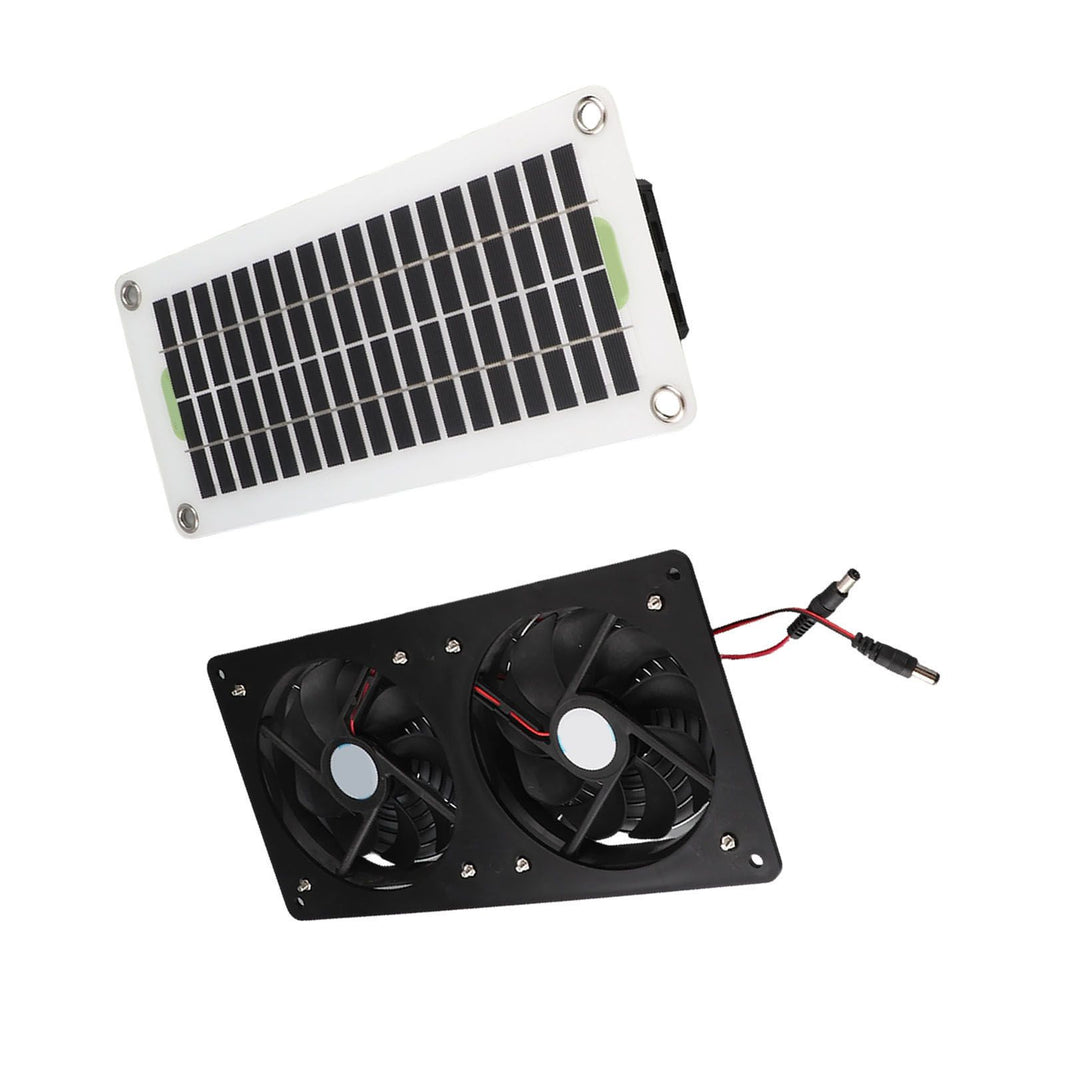
50W Solar Panel Fan Kit Solar Powered Panel with Dual Solar Exhaust Fan for Outside Greenhouse Shed Chicken Coop
Regular price $67.90 AUDRegular priceUnit price per$75.99 AUDSale price $67.90 AUDSale -

 Sale
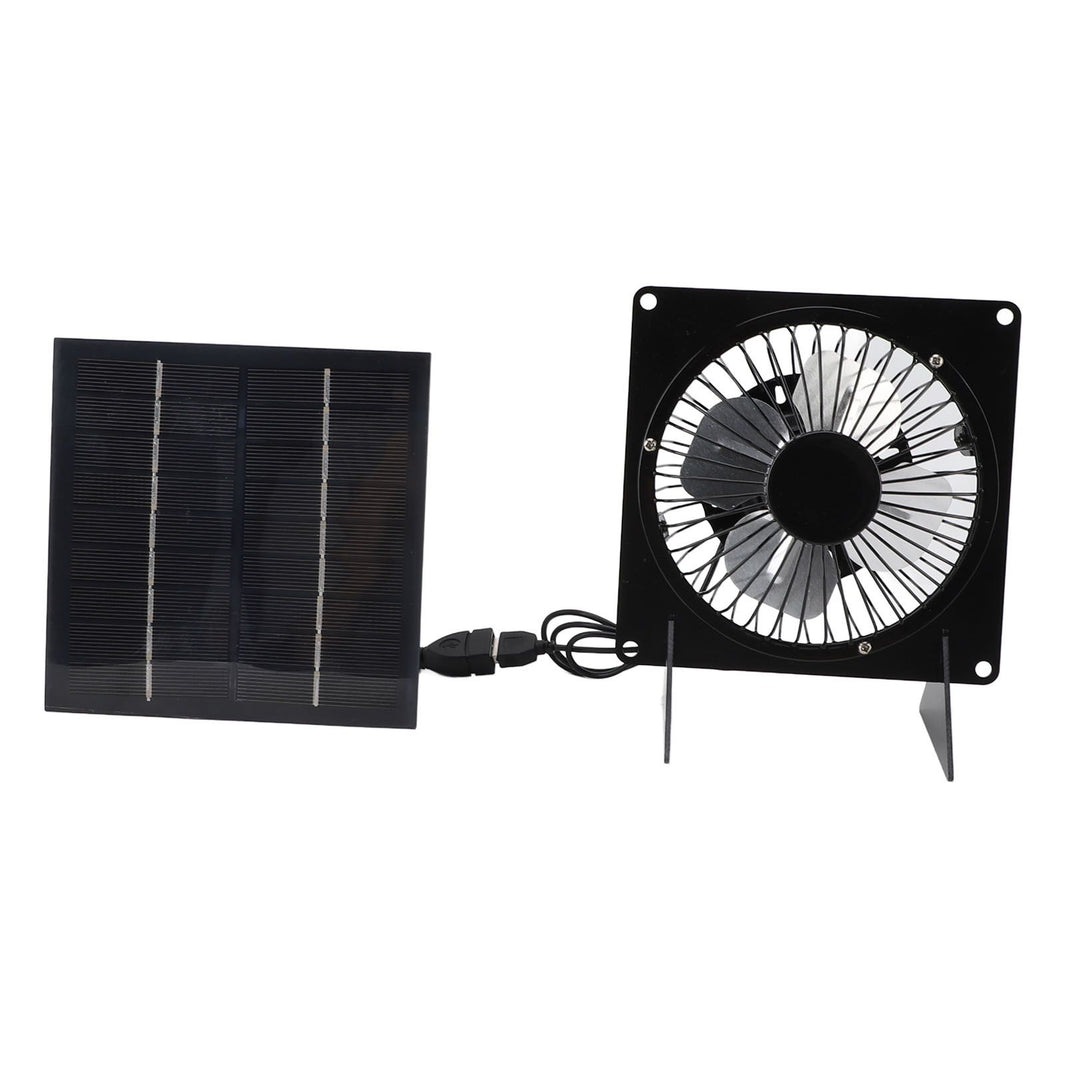
3W Solar Panel Fan Kit Solar Panel Exhaust Ventilation Fan Kit for Bathroom Pet House
Regular price $31.90 AUDRegular priceUnit price per$35.99 AUDSale price $31.90 AUDSale -
 Sale
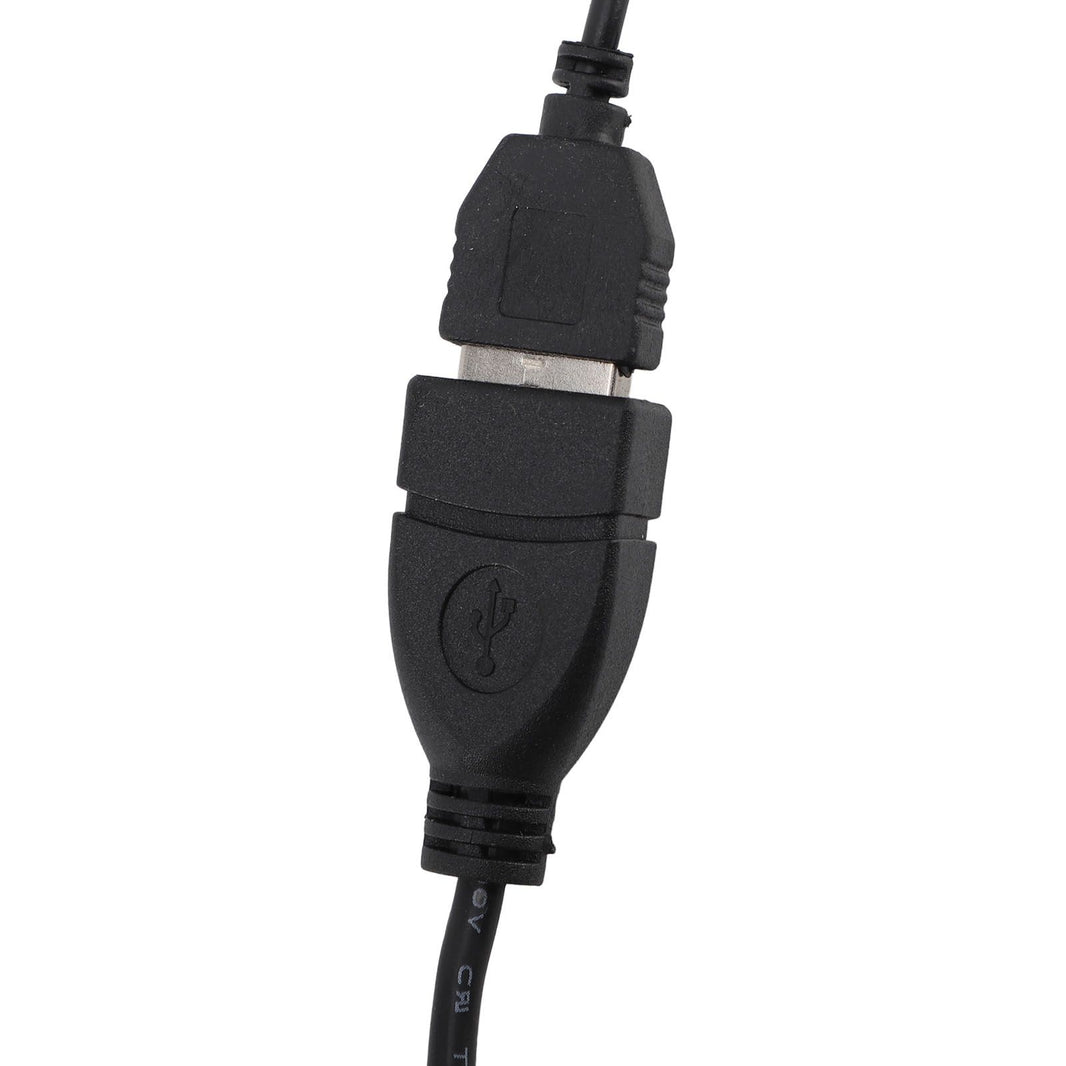
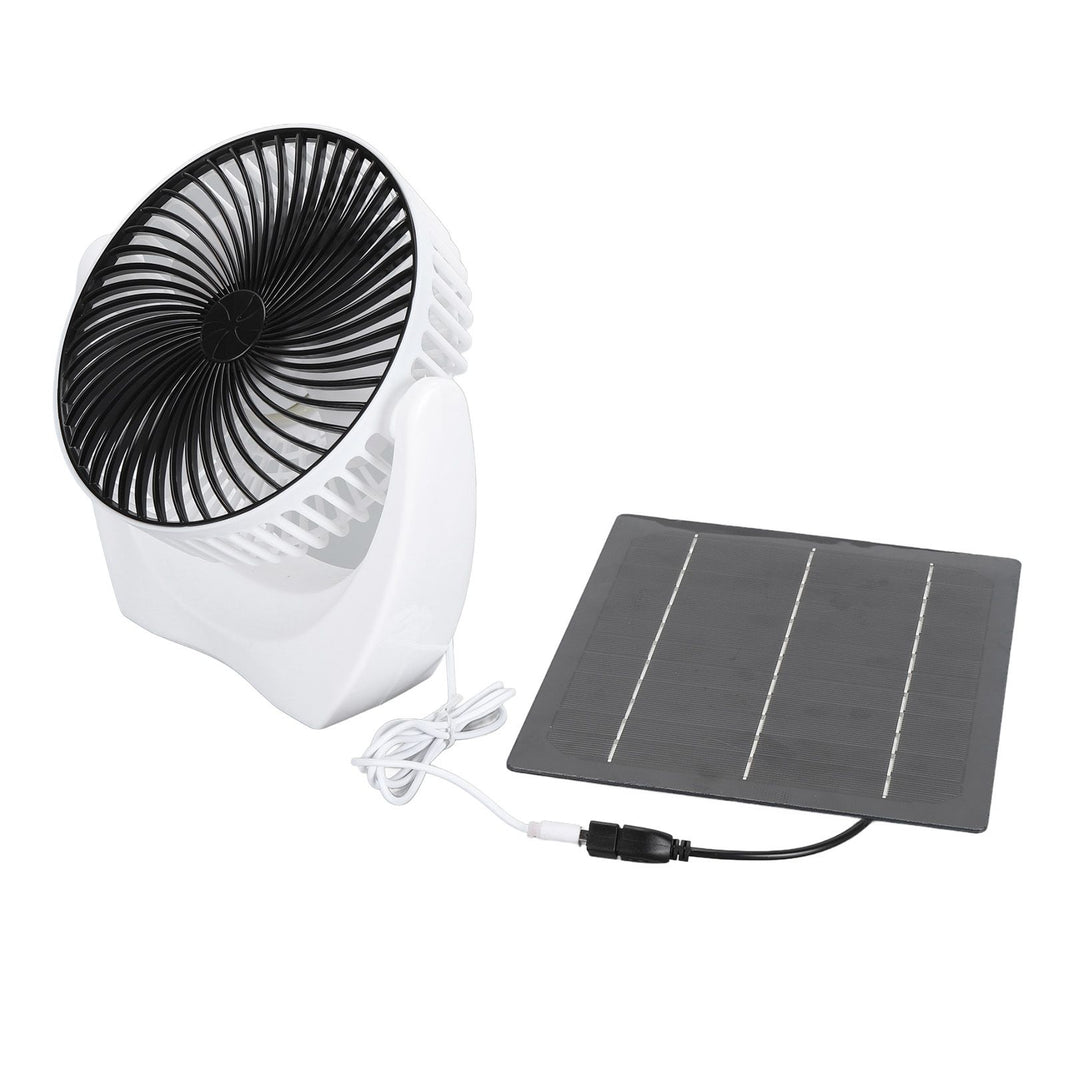
Solar Panel Fan Mini USB Outdoor Portable Cooling Fan Desktop Exhaust Ventilation with 2 Brackets 20W 5V
Regular price $51.90 AUDRegular priceUnit price per$57.99 AUDSale price $51.90 AUDSale -
 Sale
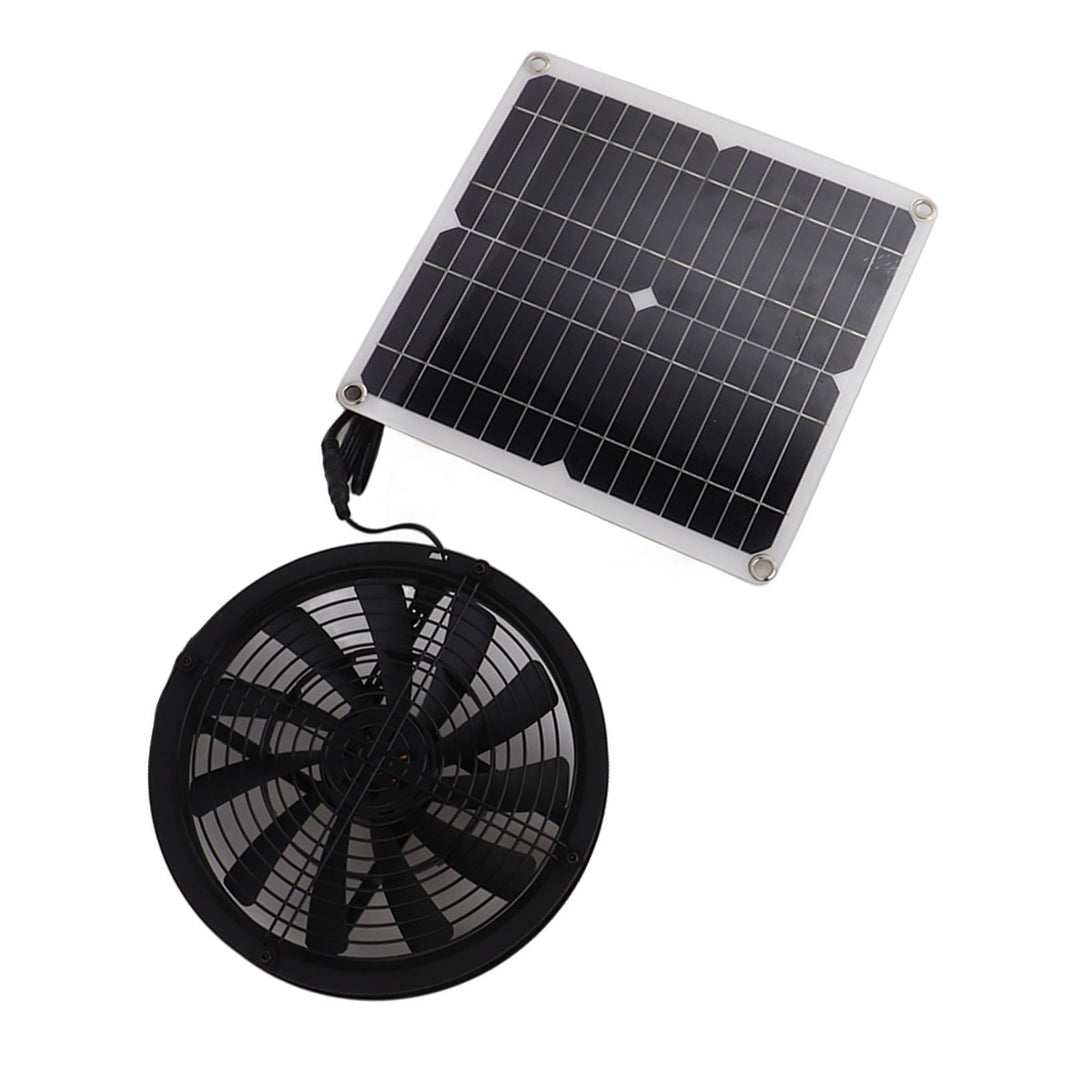
Solar Panel Fan Kit 7W 5V Portable Solar USB Fan for Greenhouses Pet Houses Indoor Outdoor
Regular price $47.90 AUDRegular priceUnit price per$53.99 AUDSale price $47.90 AUDSale -
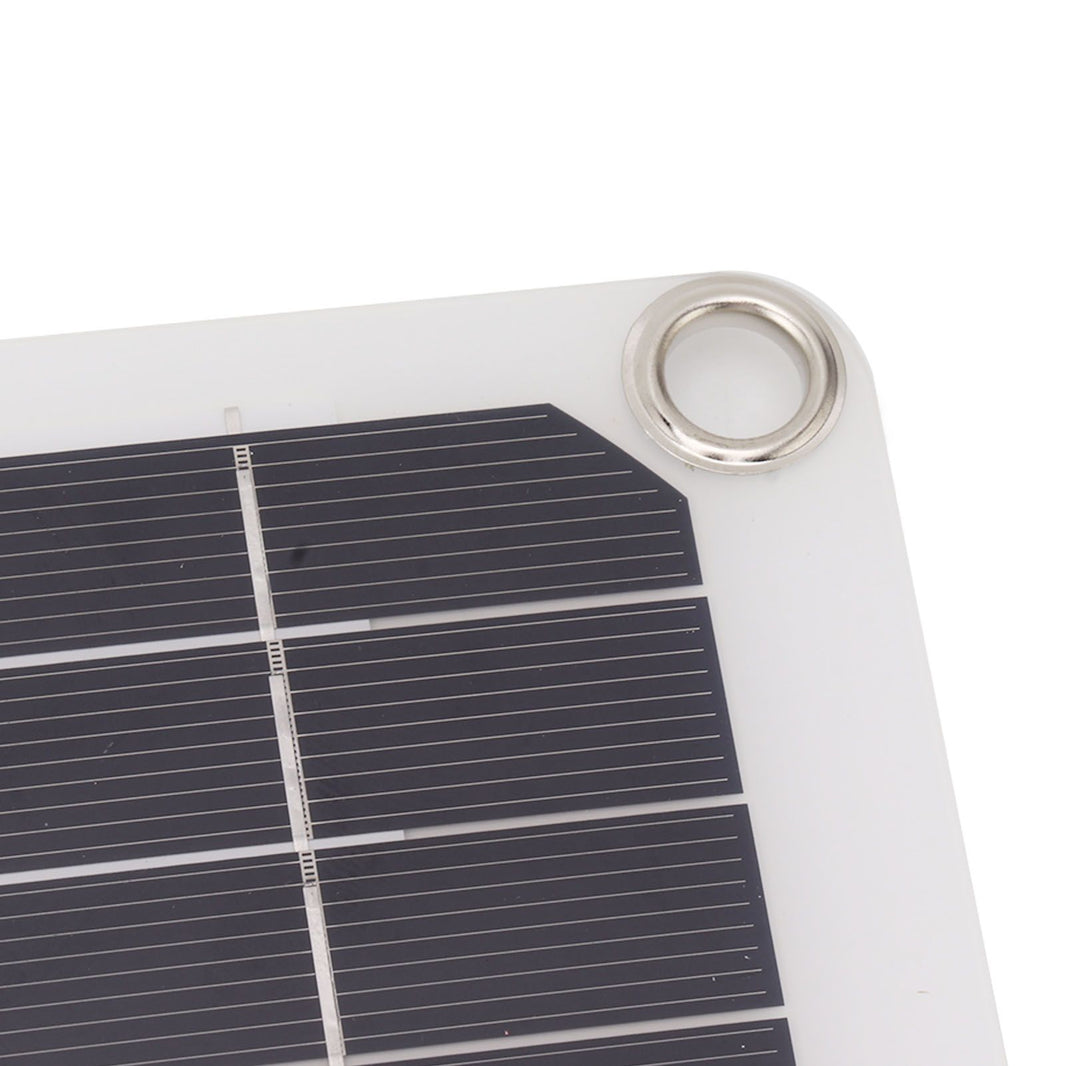 Sale
Solar Panel Fan Kit with Metal Protective Net Solar Powered Waterproof Solar Exhaust Fan Kit for Chicken Coops
Regular price $107.90 AUDRegular priceUnit price per$120.99 AUDSale price $107.90 AUDSale -


JET-USA 5.5m Telescopic Rotary Surface Cleaner Brush, for Solar Panels, Walls, Windows, M22 Pressure Washer Connection
Regular price $375.90 AUDRegular priceUnit price per


Portable solar panels can help replenish compatible equipment while you are away from mains power. The useful choice depends on the receiving device, the space you can set aside and the conditions at camp. This range also includes mounting and solar-system accessories, which perform a different role from a complete portable charger.
1. Choose the charging destination first
A small USB solar charger and a larger panel with a DC or solar connector are not interchangeable. Decide whether you need to charge a phone directly, feed a compatible power station or supply a separately designed battery system.
Match the panel’s electrical specifications to the receiving equipment’s permitted input. An adapter that joins two plugs does not by itself make the voltage, polarity or charging method suitable.
2. Rated output is a comparison point
A panel’s rated wattage describes output under specified test conditions, not a guaranteed supply throughout the day. Available sunlight, angle, temperature and shading affect what reaches the device. Do not plan an overnight energy budget on the assumption that the panel will deliver its rated output every daylight hour.
Look at the unfolded dimensions and cable reach. The battery may need to remain sheltered while the panel sits in sunlight, so the setup has to work as a whole without exposing equipment beyond its intended conditions.
3. Compare portability honestly
A folding panel is easier to stow than its open shape suggests, but the packed size and weight still matter. A large nominal wattage can bring a larger footprint and more work moving the panel as shade changes.
For a short trip with light device charging, a small portable charger may suit the task. A fridge or larger battery requires a more considered energy plan and verified compatibility, not simply a panel advertised for camping.
4. Keep panel accessories in their own role
Mounting brackets, combiner boxes, connectors and bird guards are components rather than complete power sources. They do not establish that a fixed solar installation is suitable for a vehicle or a portable setup.
Keep panels clean according to their instructions, protect their surfaces during transport and seek qualified advice for fixed wiring or mounting work. Do not infer installation suitability from a broad product title.
Guides and product details: Solar Victoria: selecting solar panels · Solar Victoria: selecting an inverter
Useful answers
Portable Solar Panels & Accessories questions
Start with the device you want to charge, then compare panels and charging inputs.
Will a higher-wattage solar panel always charge a power station faster?
No. Charging is limited by the receiving unit as well as the available sunlight. A larger panel may help in some conditions, but only within the station’s permitted voltage, current and power limits. Compare the exact input specifications first; rated panel wattage is not a promise of that output throughout the day.
Is a matching solar connector enough to prove compatibility?
No. The plug can fit while the electrical input is unsuitable. Confirm the allowed voltage range, current, polarity and charging arrangement for the exact devices. Use the maker’s compatibility information for the complete connection; an adapter changes the physical plug and does not automatically solve an electrical mismatch.
Why are solar mounting parts listed beside portable panels?
This collection also contains components for larger solar systems, such as brackets and combiner boxes. Those are not complete chargers or evidence that a fixed installation suits a campsite. Select the product type first, then compare actual portable panels separately from installation equipment and accessories.