
Yoga & Exercise Equipment
A floor-based routine may need little equipment, but the surface and accessories change how the space feels.
Shop the collection
-

 Sale
Air Track Gymnastics Tumbling Exercise Mat 4M Inflatable + Pump
Regular price $186.90 AUDRegular priceUnit price per$317.99 AUDSale price $186.90 AUDSale -

 Sale
S Purple Backless Scrunch Butt Workout Jumpsuit - Long-Sleeve Open-Back Yoga Romper
Regular price $37.90 AUDRegular priceUnit price per$90.00 AUDSale price $37.90 AUDSale -
 Sale
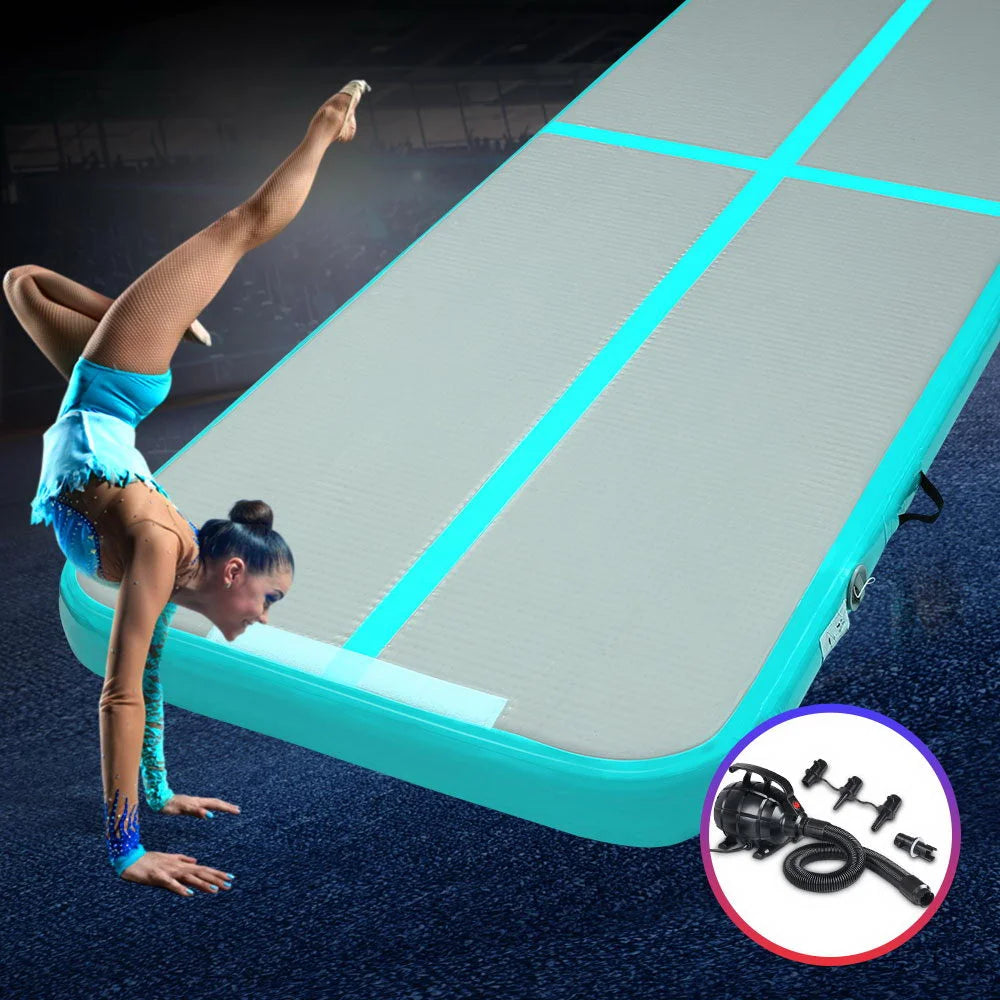
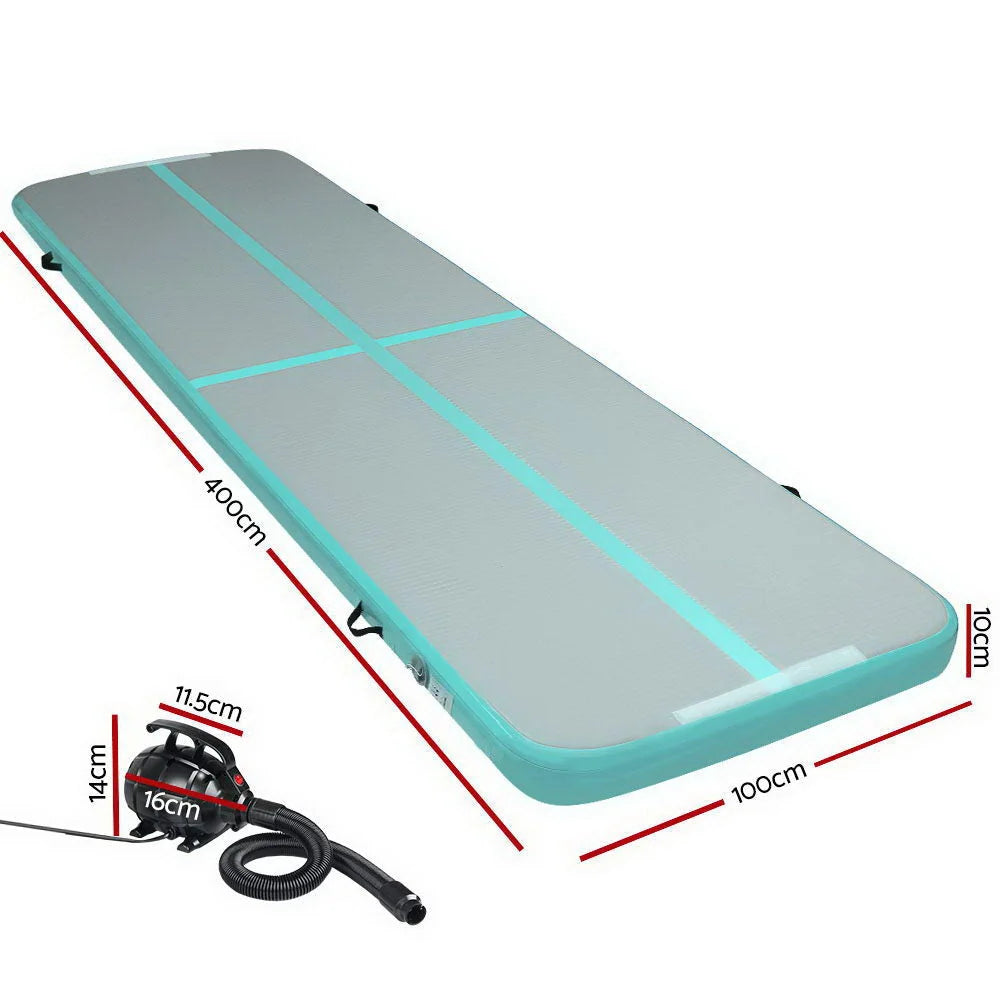
Inflatable Air Track Mat 4X1M with Pump Tumbling Gymnastics Green
Regular price $183.90 AUDRegular priceUnit price per$294.99 AUDSale price $183.90 AUDSale -

 Sale
GoFun 4X1M Inflatable Air Track Mat Tumbling Floor Home Gymnastics Green
Regular price $132.90 AUDRegular priceUnit price per$266.99 AUDSale price $132.90 AUDSale -

 Sale
Inflatable Air Track Mat 6x1m, 20cm Thick Gymnastic Tumbling, Blue/White
Regular price $235.90 AUDRegular priceUnit price per$444.99 AUDSale price $235.90 AUDSale -
 Sale
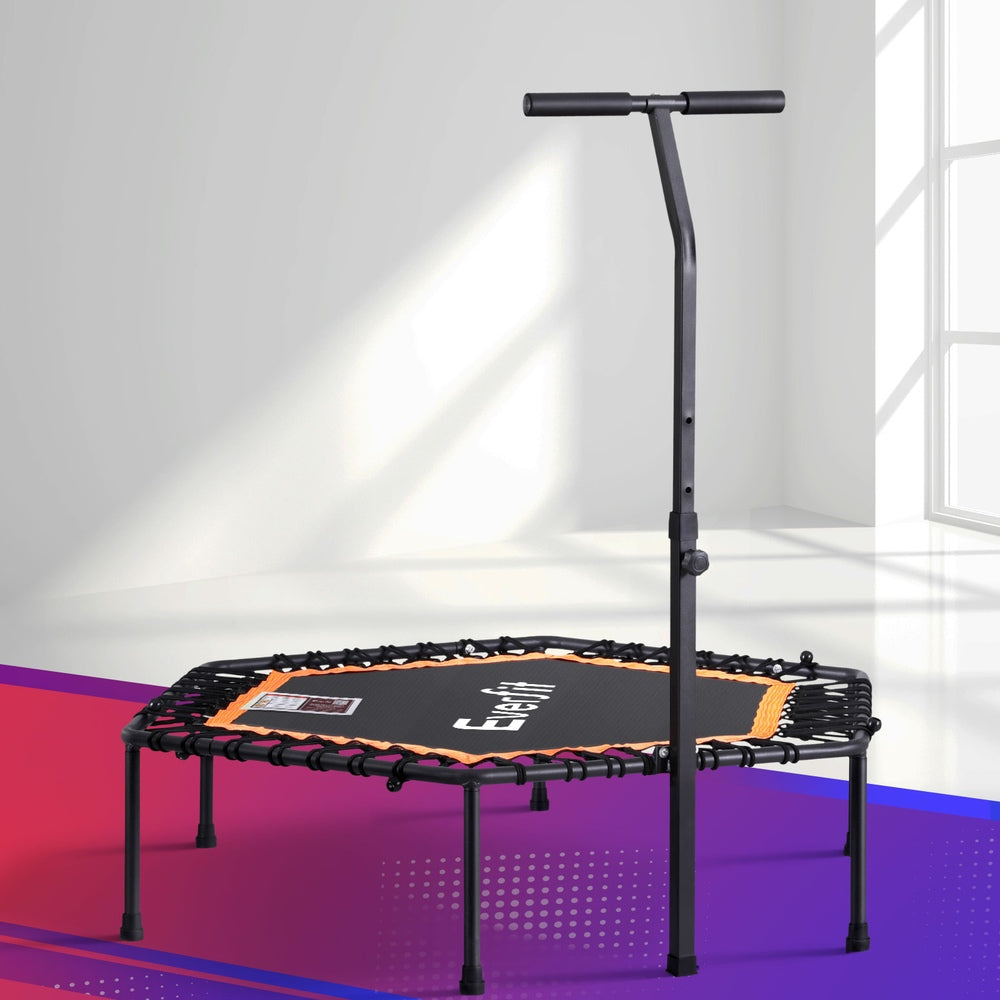
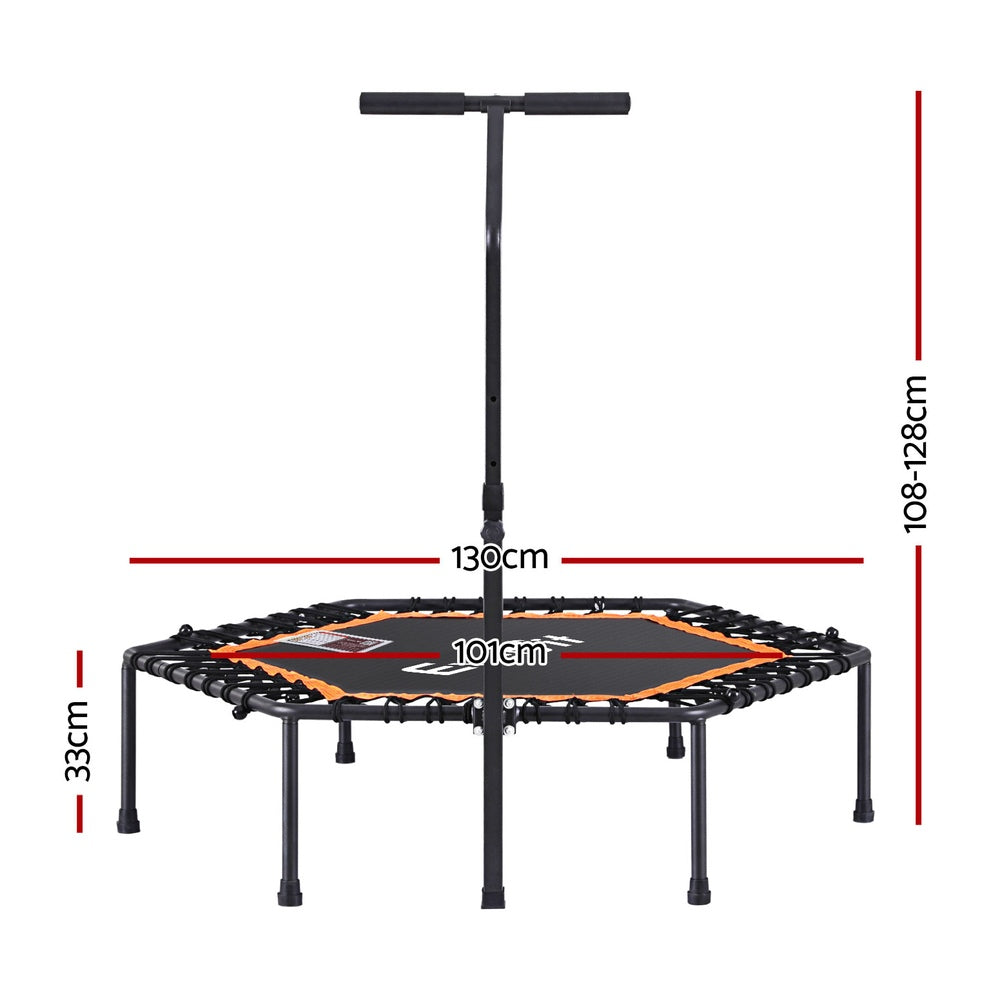
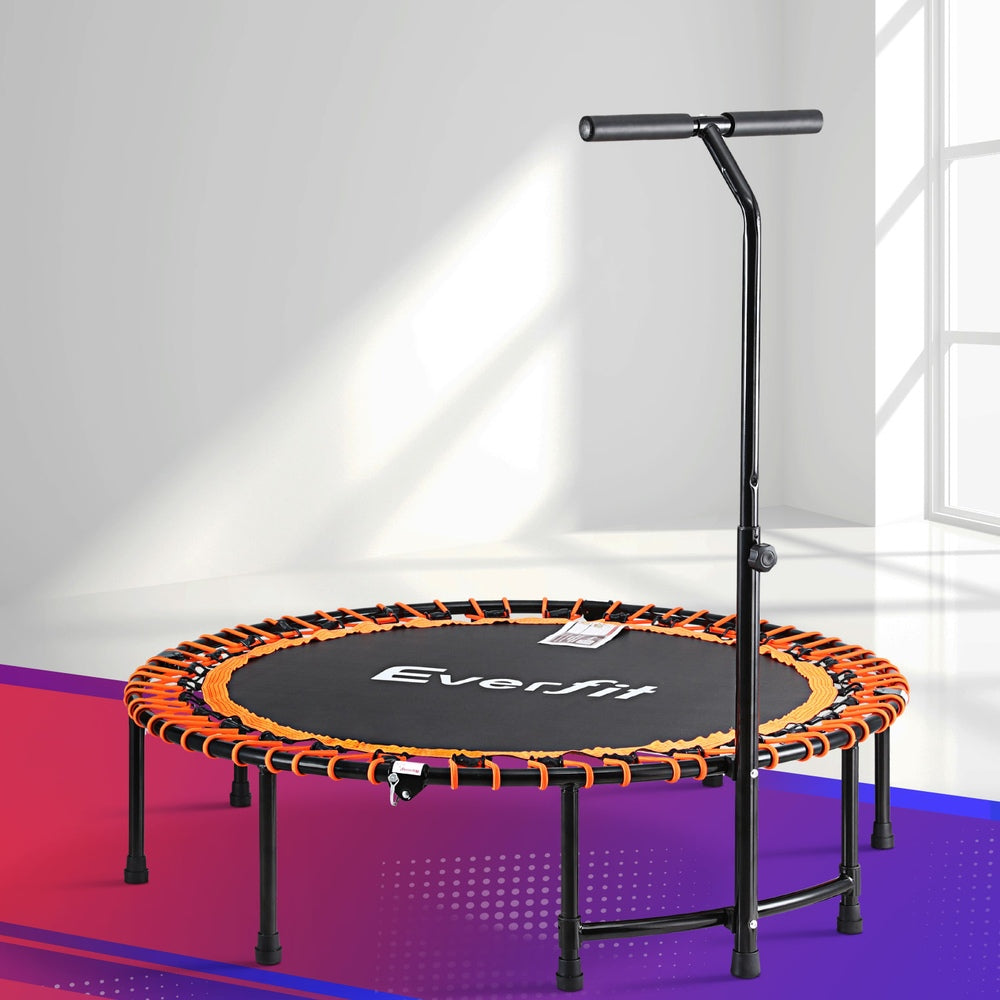
Everfit 51inch Hexagon Fitness Trampoline Rebounder Adjustable Handrail Orange
Regular price $108.90 AUDRegular priceUnit price per$176.99 AUDSale price $108.90 AUDSale -
 Sale
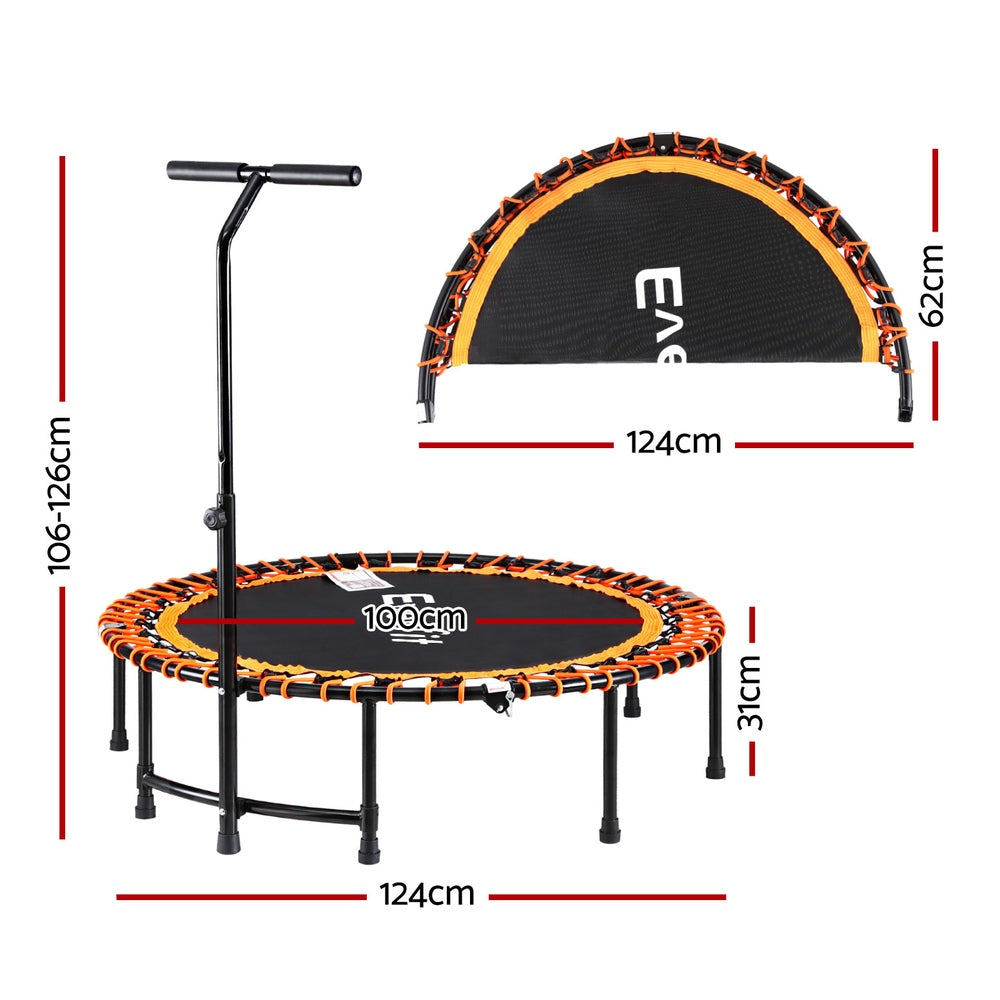
Everfit 48inch Fitness Foldable Trampoline Jumping Rebounder Home Gym Handrail
Regular price $111.90 AUDRegular priceUnit price per$182.99 AUDSale price $111.90 AUDSale -
 Sale
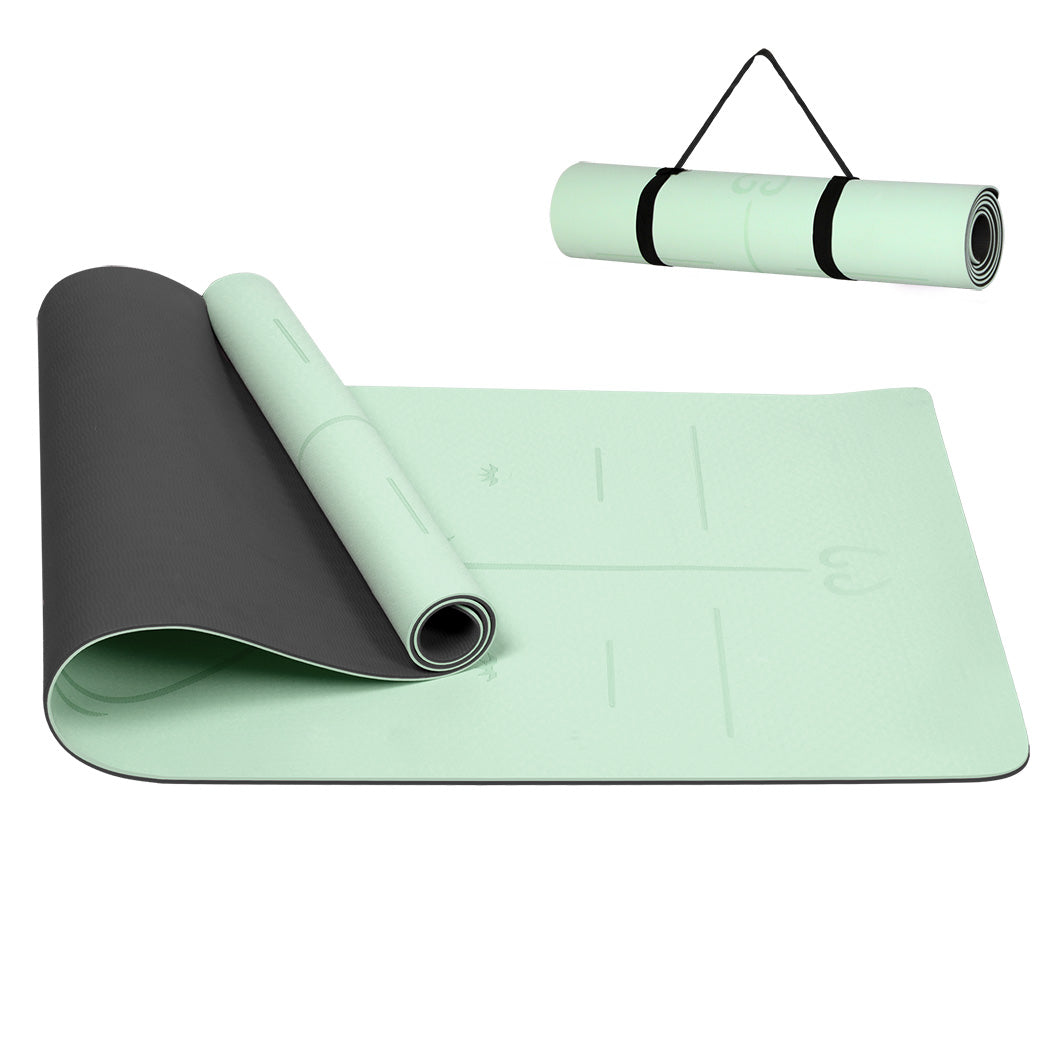
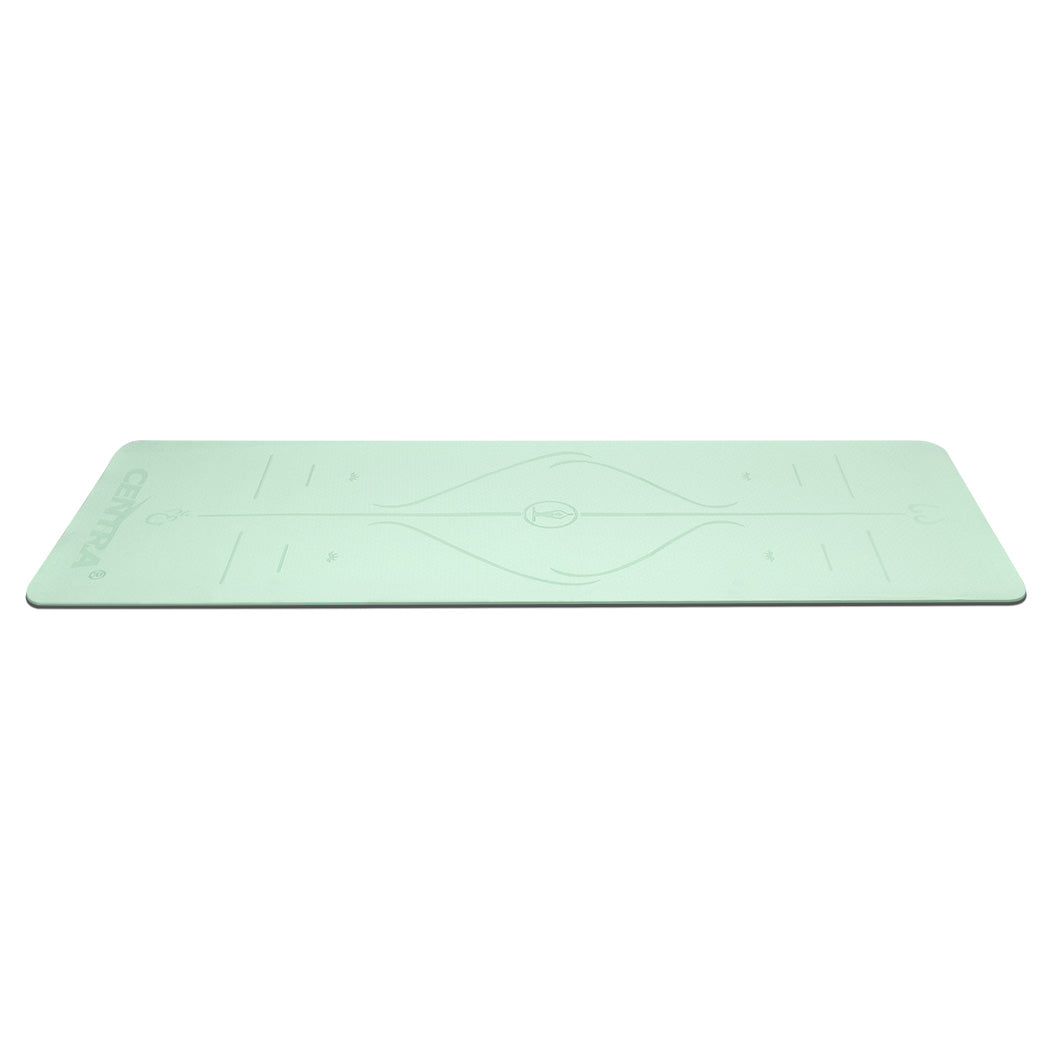
Centra Yoga Mat, Mint green
Regular price $32.70 AUDRegular priceUnit price per$83.70 AUDSale price $32.70 AUDSale -
 Sale
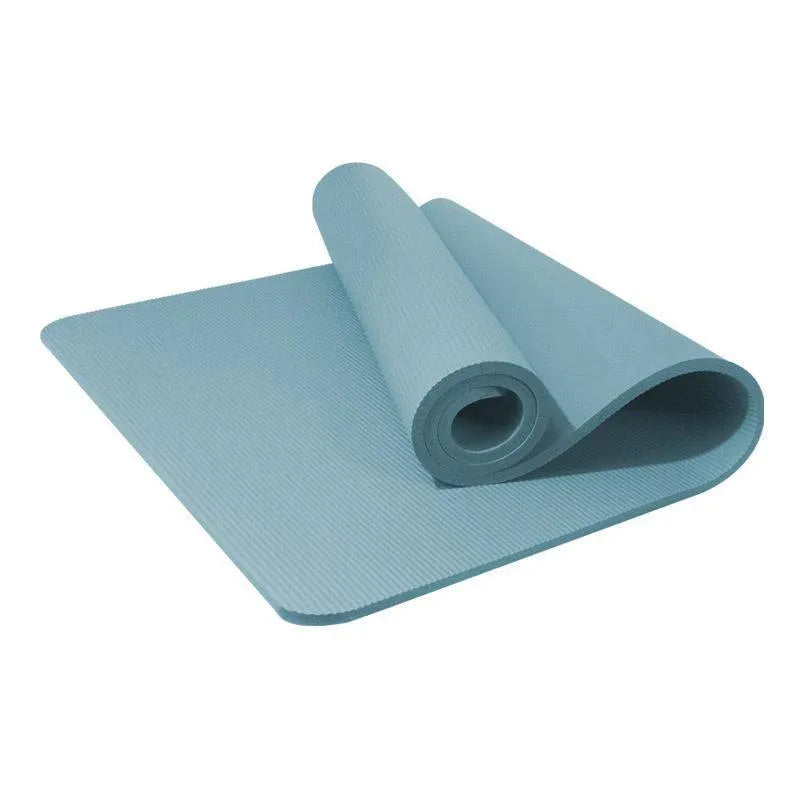
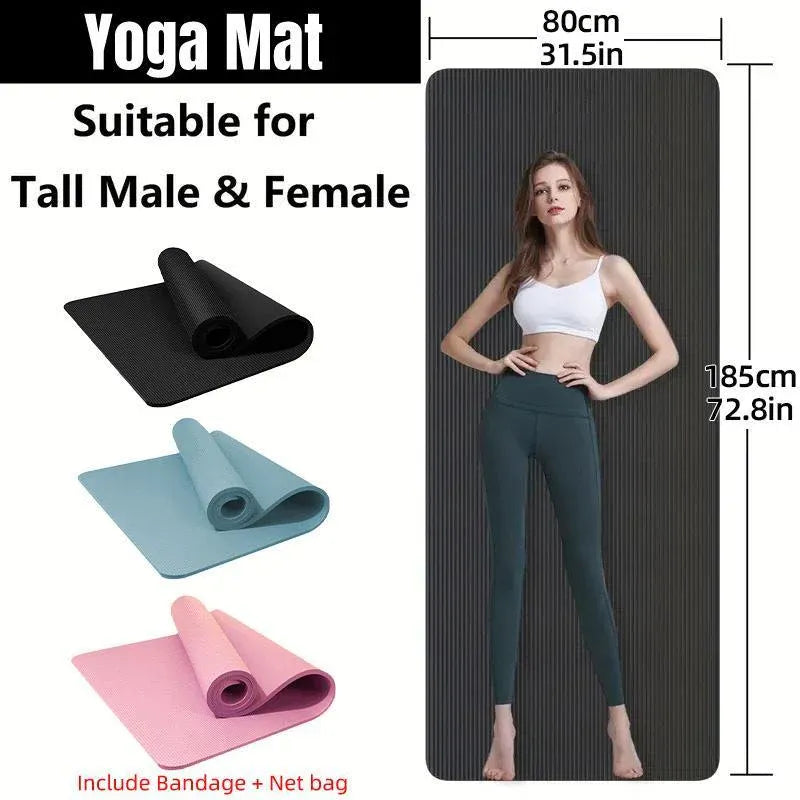
Yoga Mat Dance Mat Sports and Fitness Jump Rope Mat for Men and Women Exercise - Blue
Regular price $56.90 AUDRegular priceUnit price per$69.44 AUDSale price $56.90 AUDSale -
 Sale
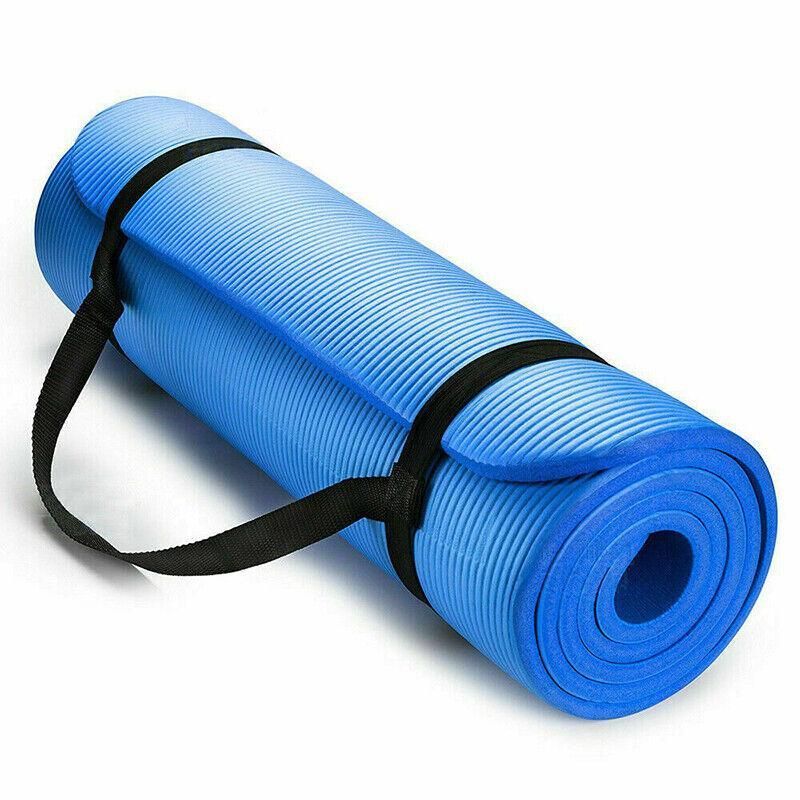
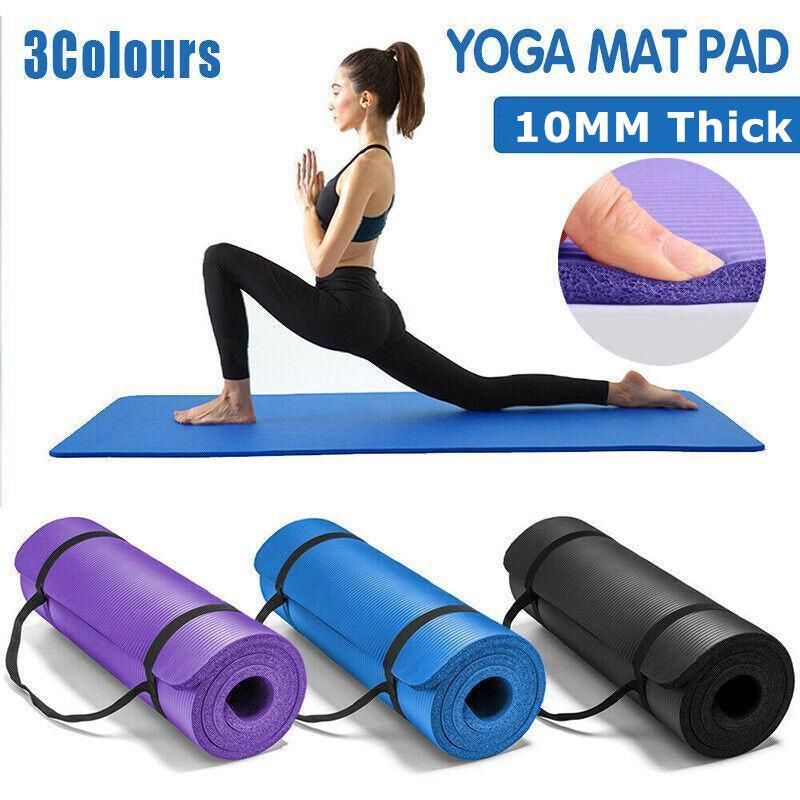
10MM Thick Durable NBR Yoga Mat for Gym and Pilates - Blue
Regular price $38.90 AUDRegular priceUnit price per$46.87 AUDSale price $38.90 AUDSale -
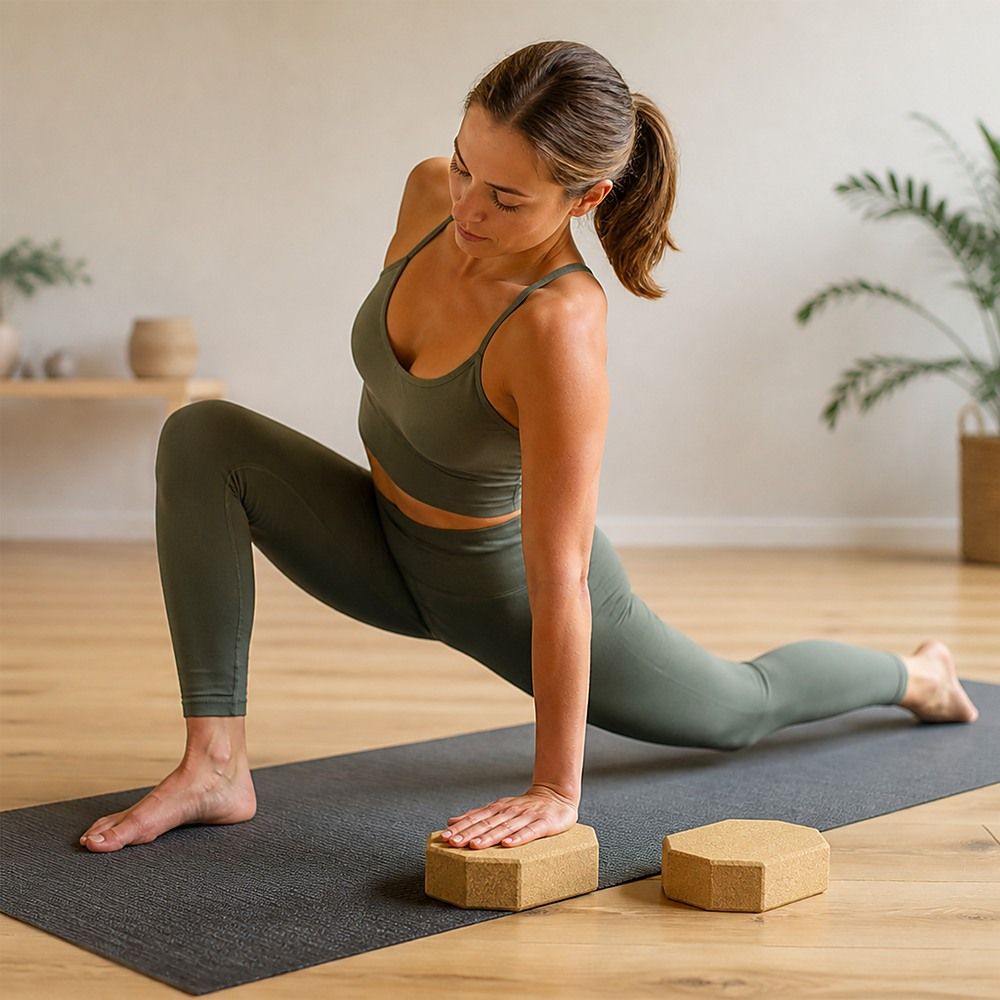
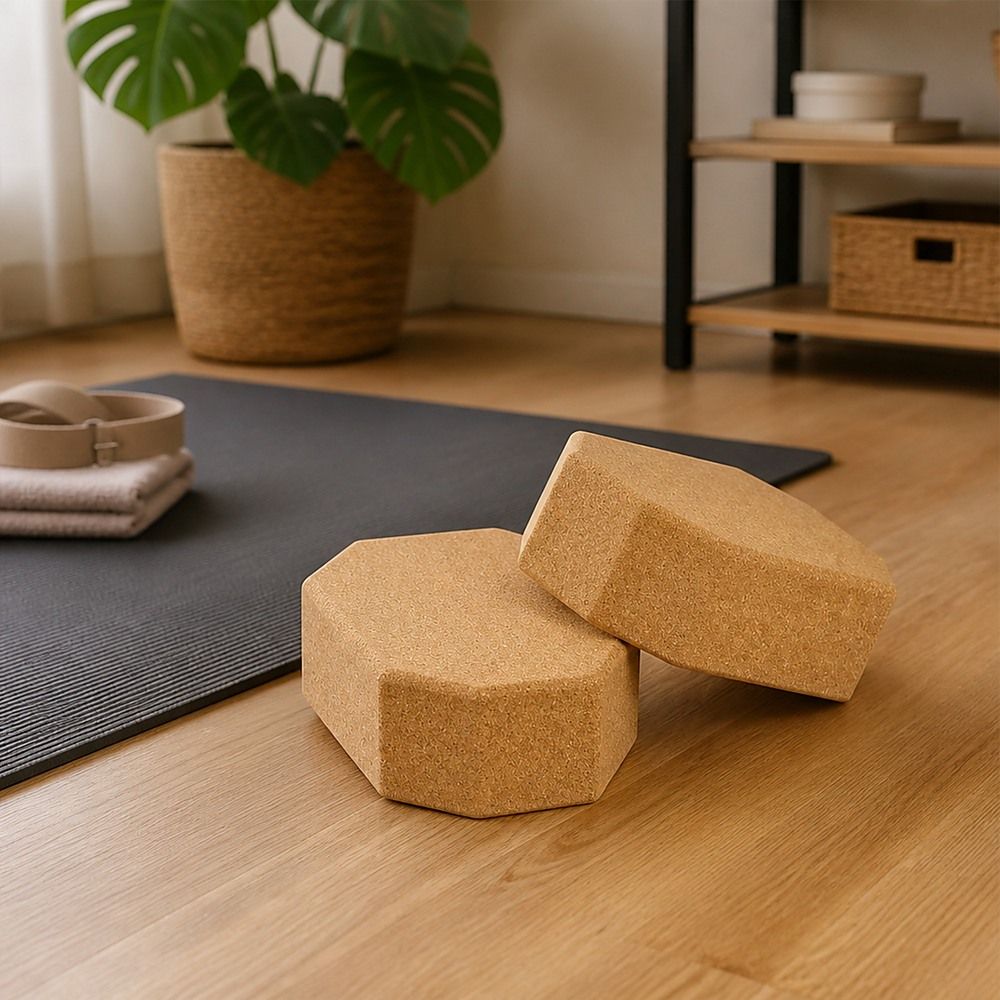
Yoga Blocks 2-Piece Set Natural Cork Octagon Brick Exercise Eco Non-Slip
Regular price $55.90 AUDRegular priceUnit price per -
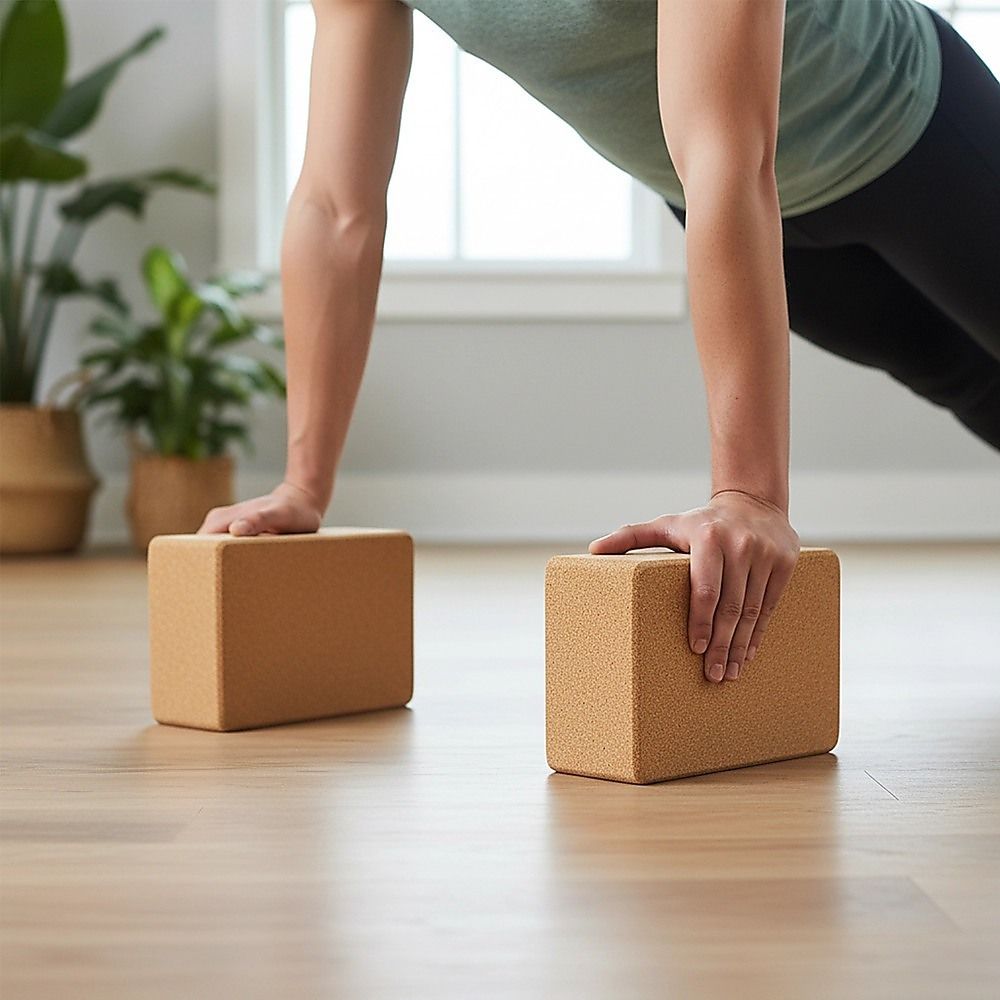
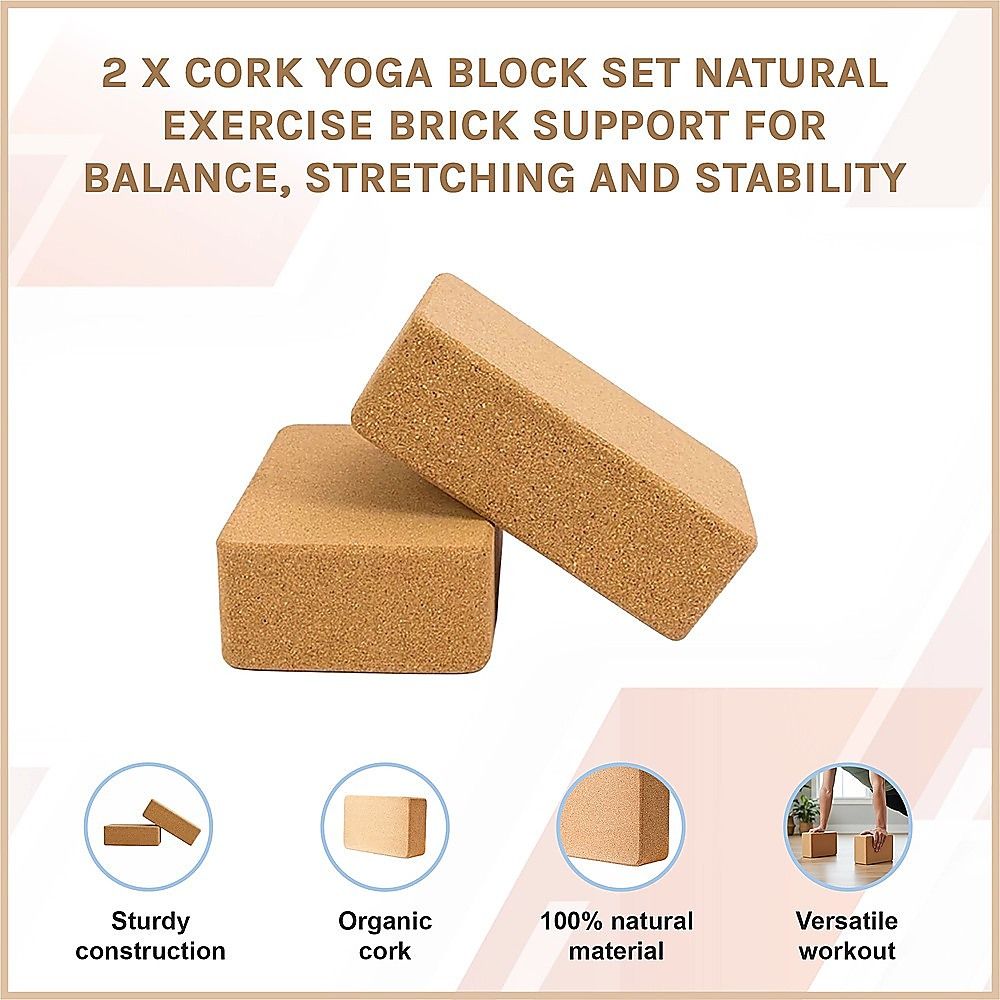
Yoga Block Set of 2 ECO-Friendly Cork Organic Prop Exercise Brick
Regular price $36.90 AUDRegular priceUnit price per -
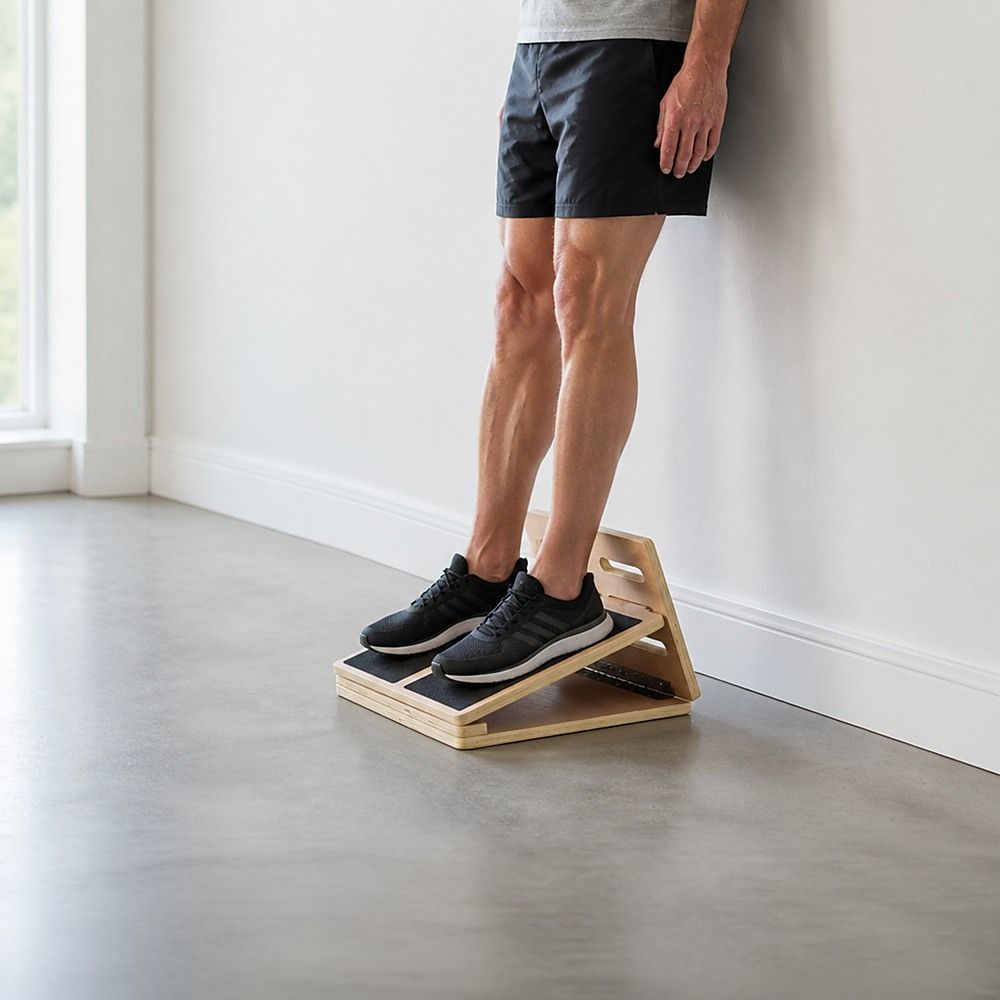

Slant Board Calf Stretcher - Egoscue Method
Regular price $80.90 AUDRegular priceUnit price per -
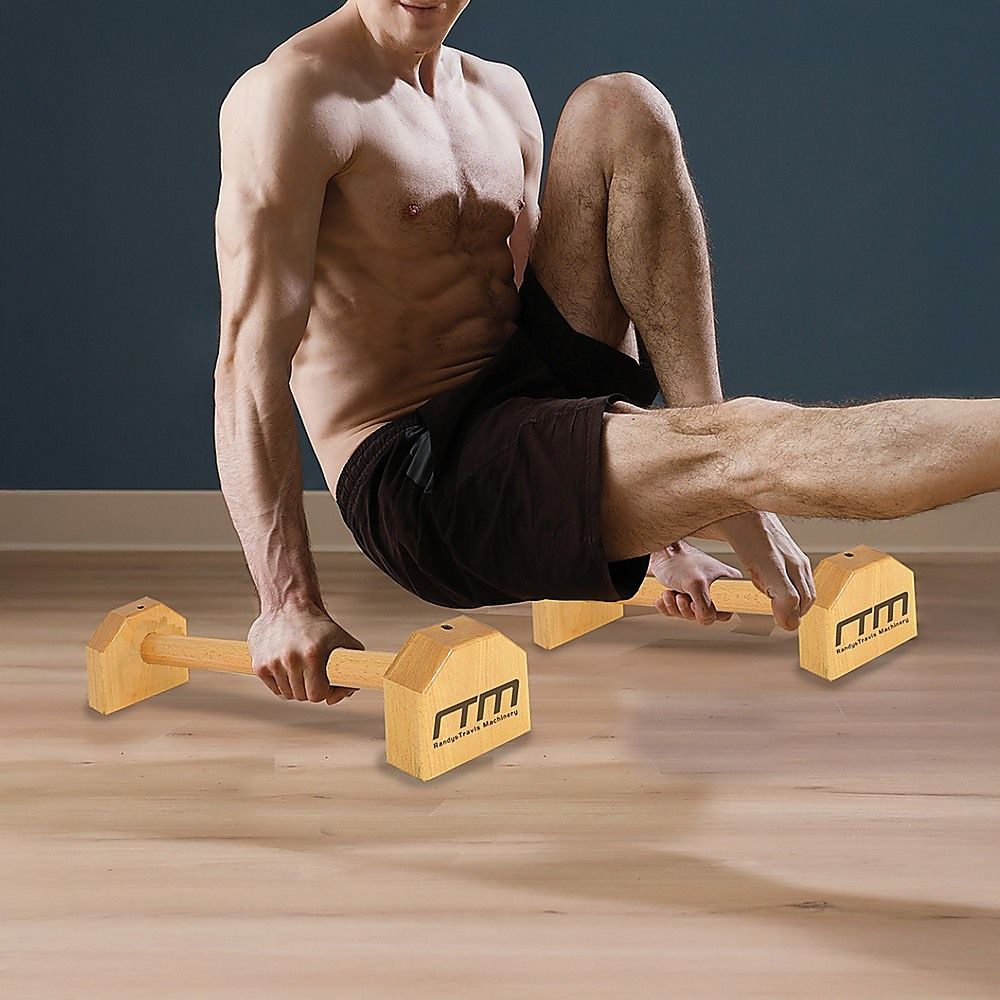
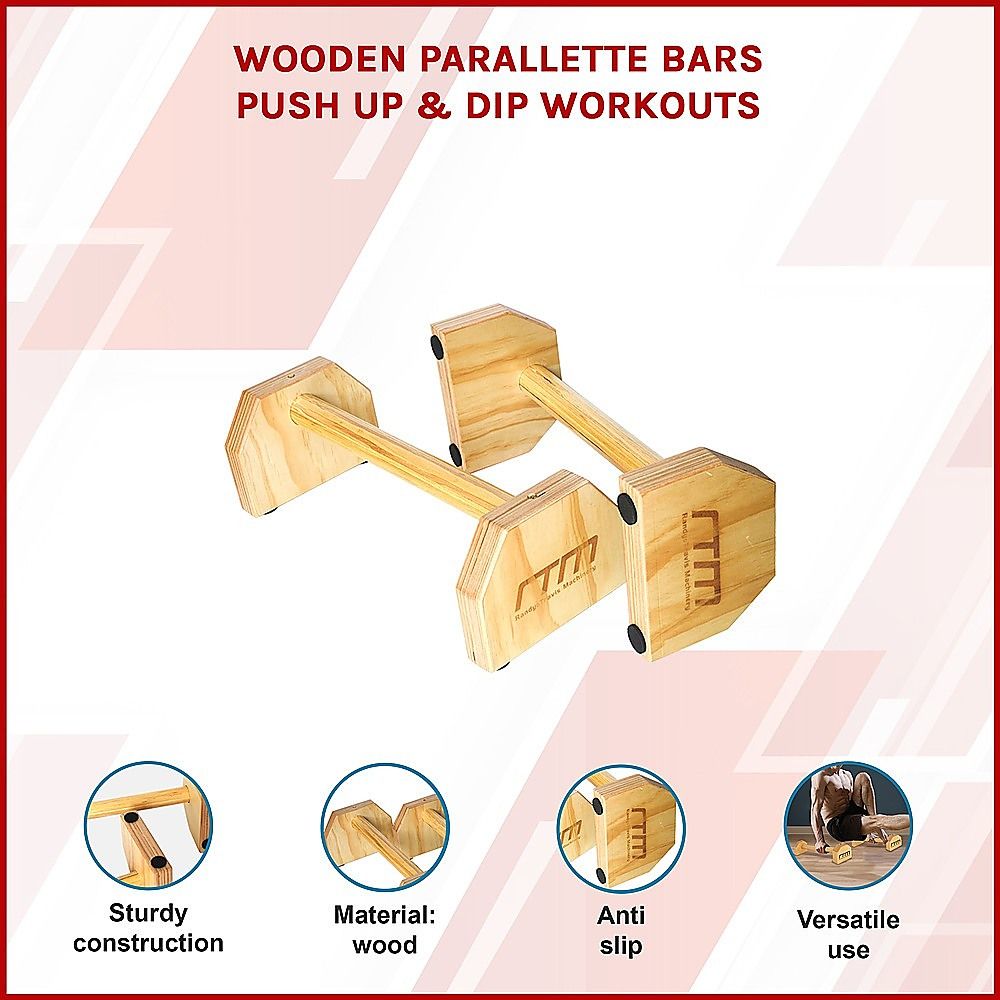
Wooden Parallette Bars - Push Up & Dip Workouts
Regular price $80.90 AUDRegular priceUnit price per -
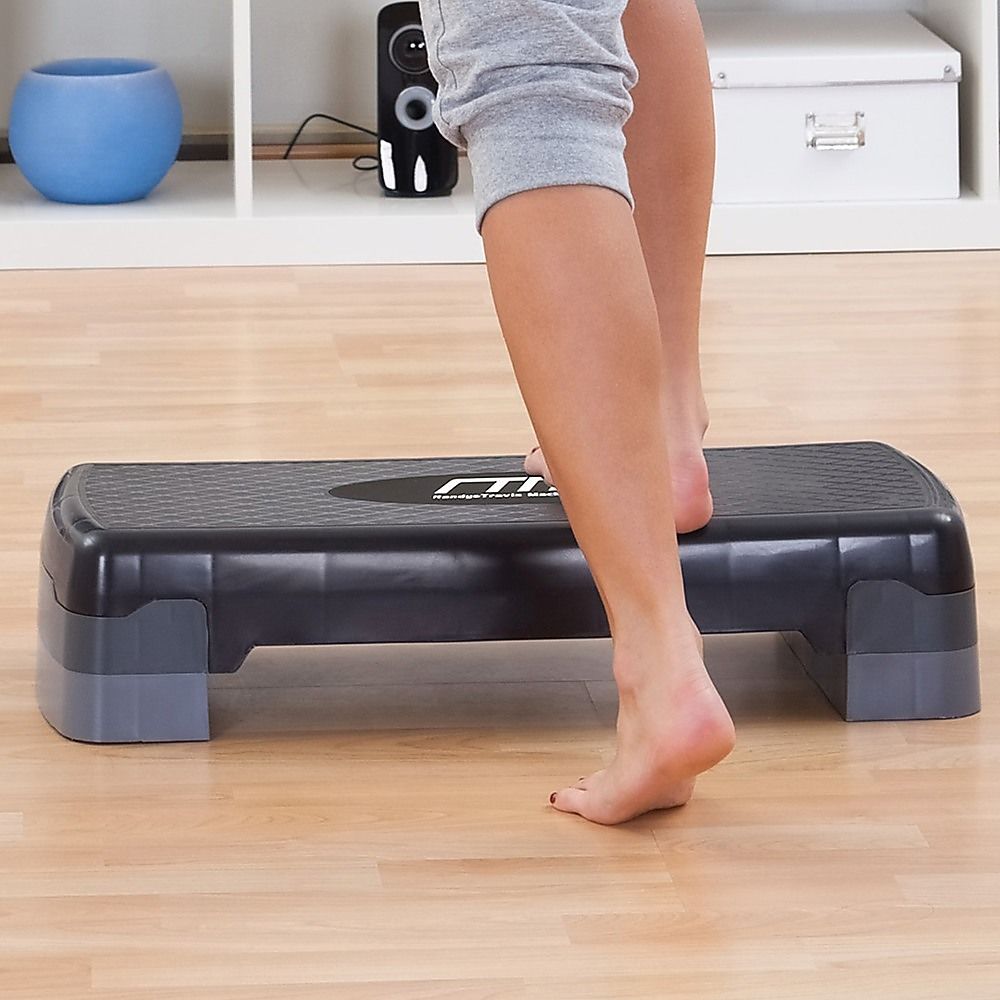
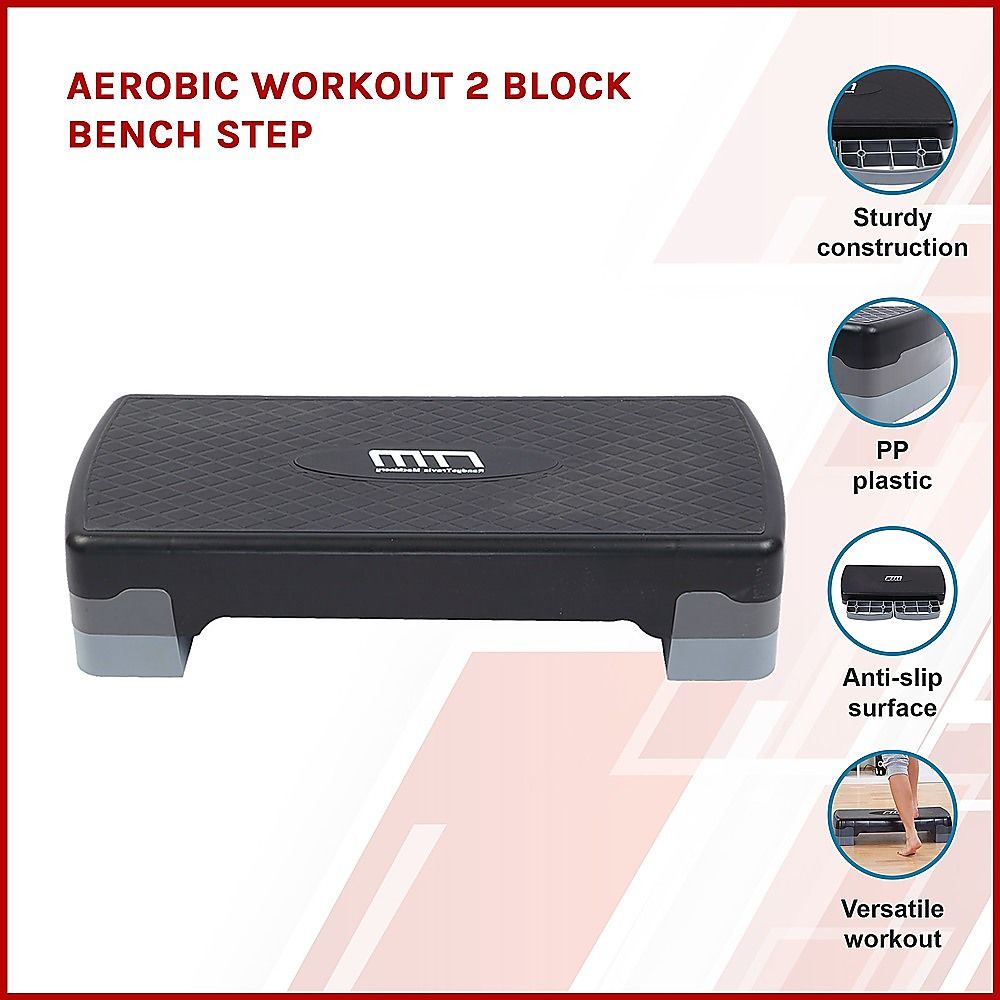
Aerobic Workout 2 Block Bench Step
Regular price $43.90 AUDRegular priceUnit price per -
 Sale
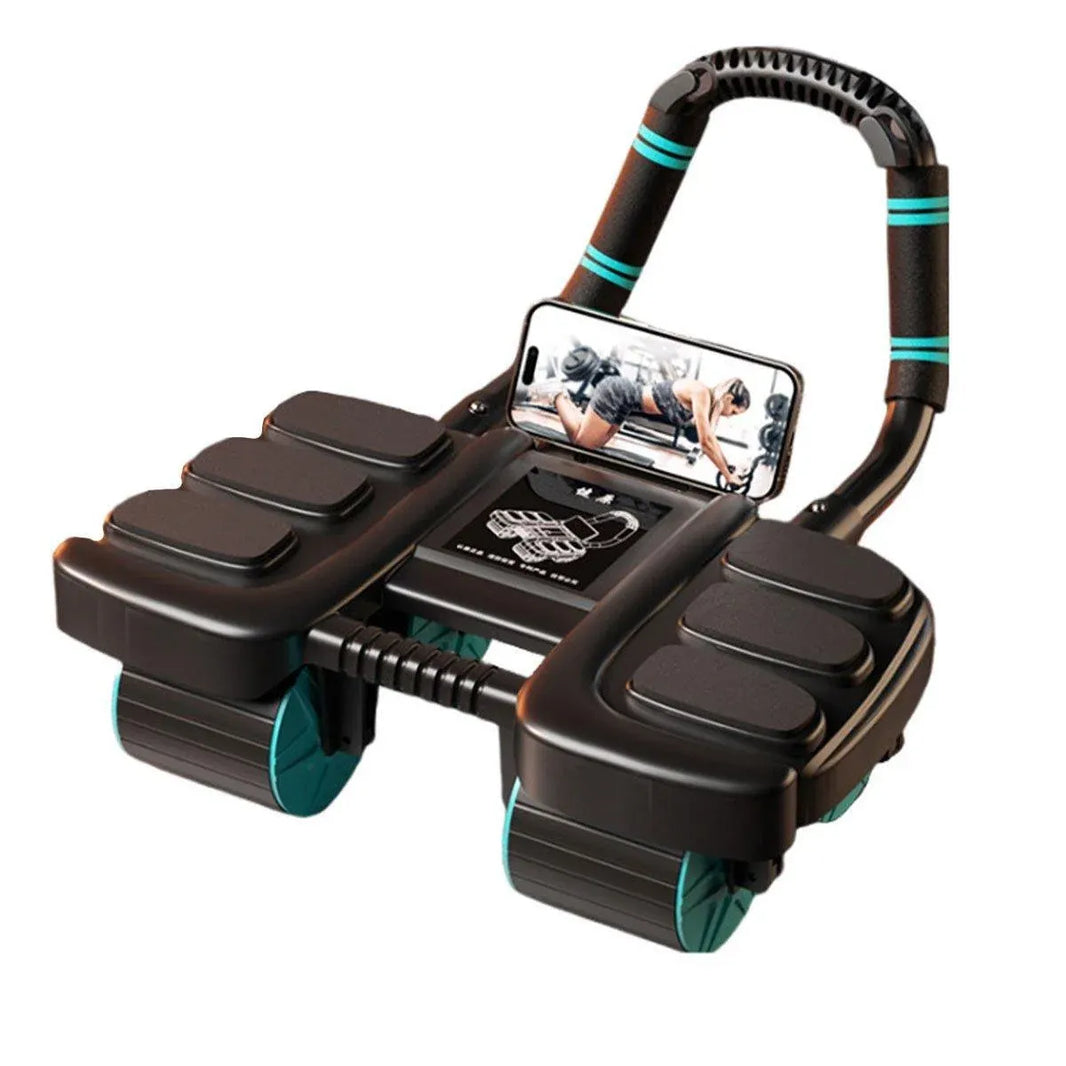
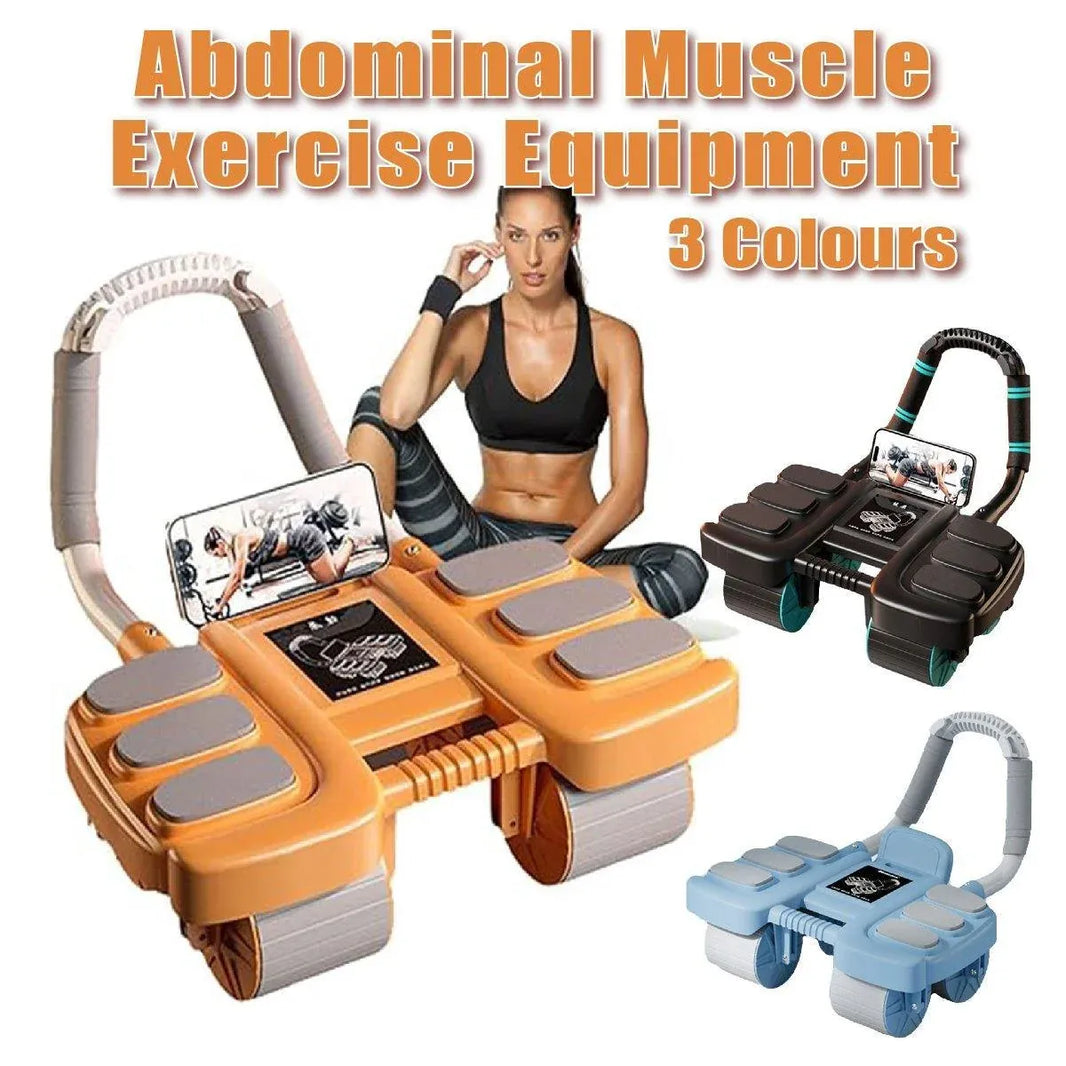
Four Wheel Abdominal Exercise Roller Elbow Support for Core Strength Training - Black
Regular price $53.90 AUDRegular priceUnit price per$66.21 AUDSale price $53.90 AUDSale -
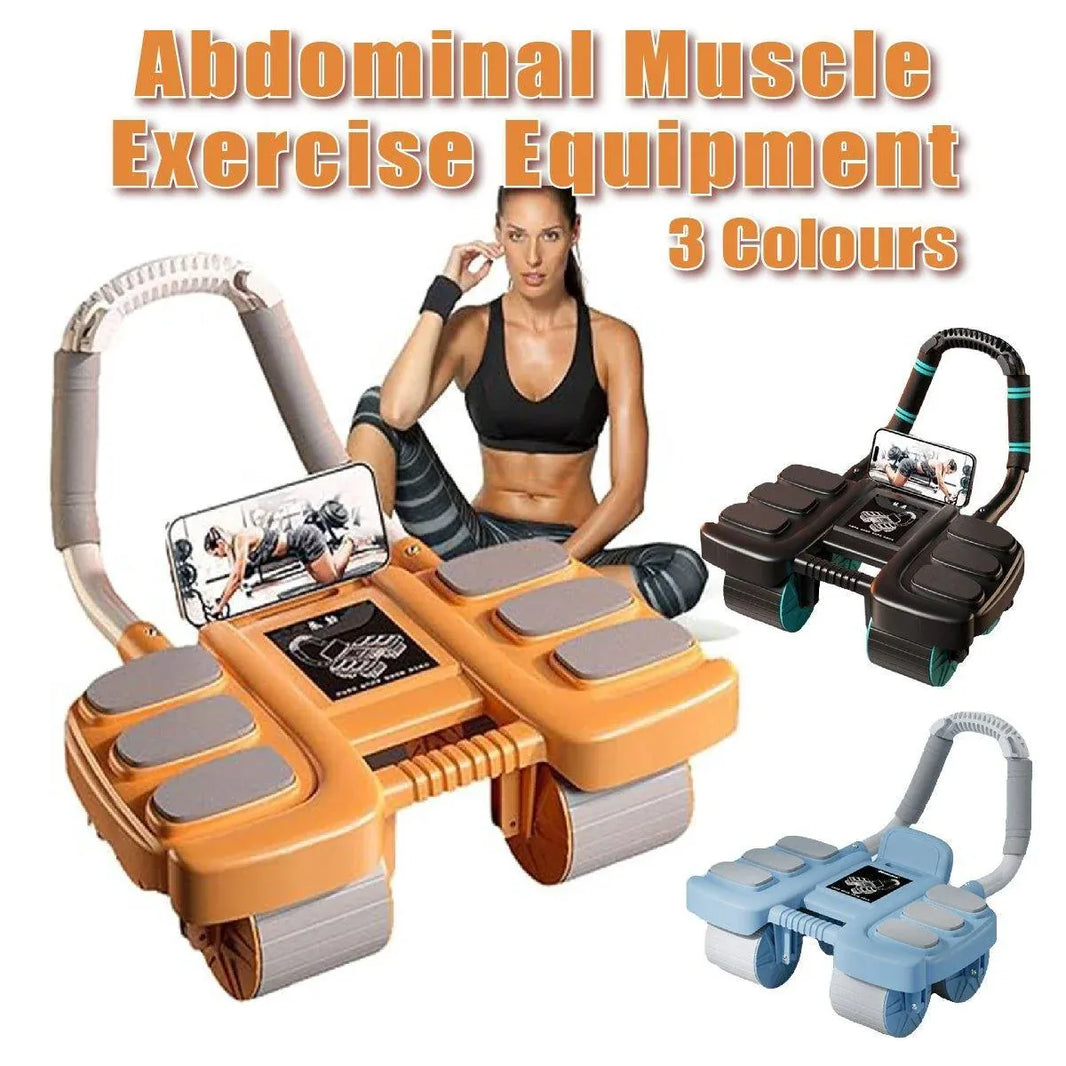 Sale
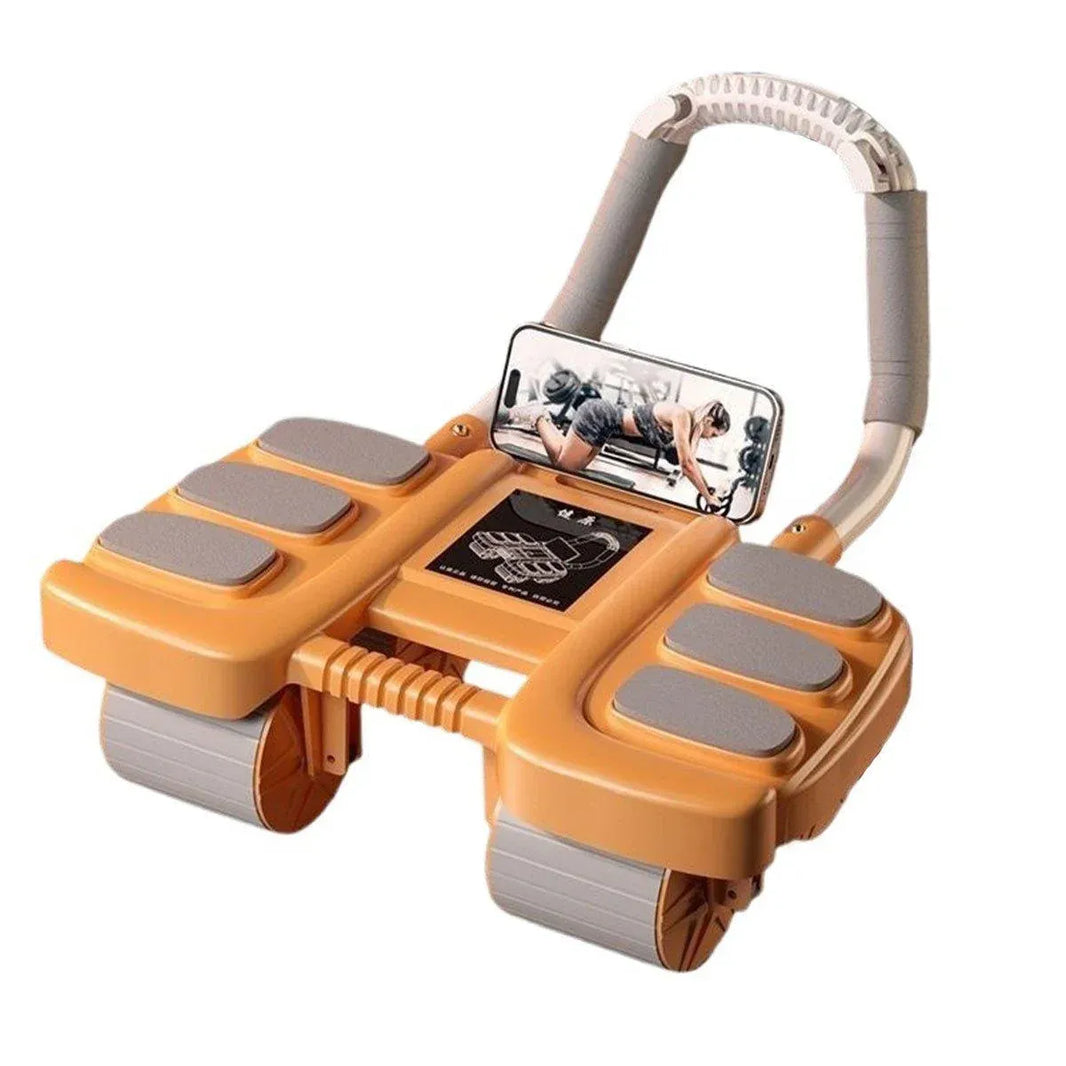
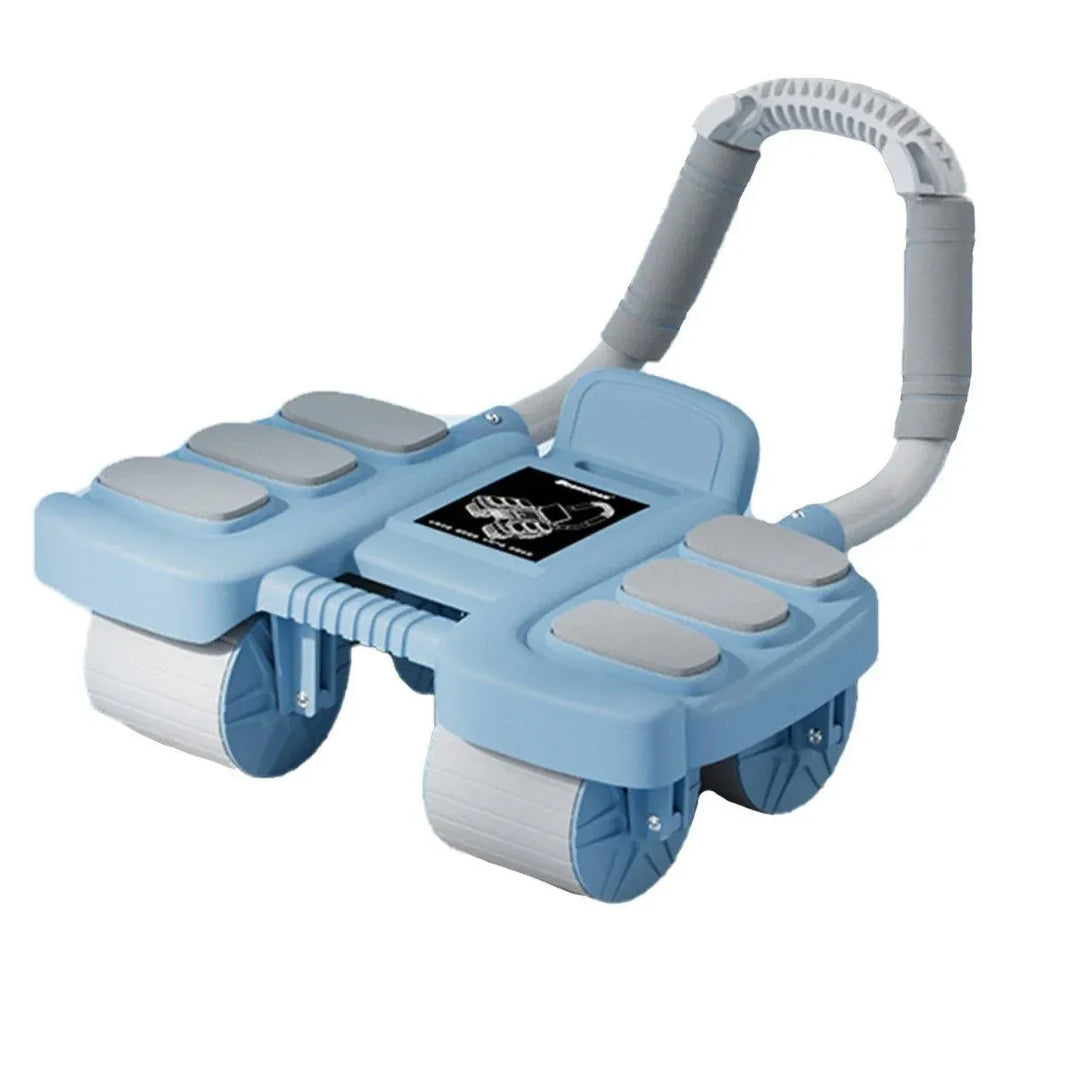
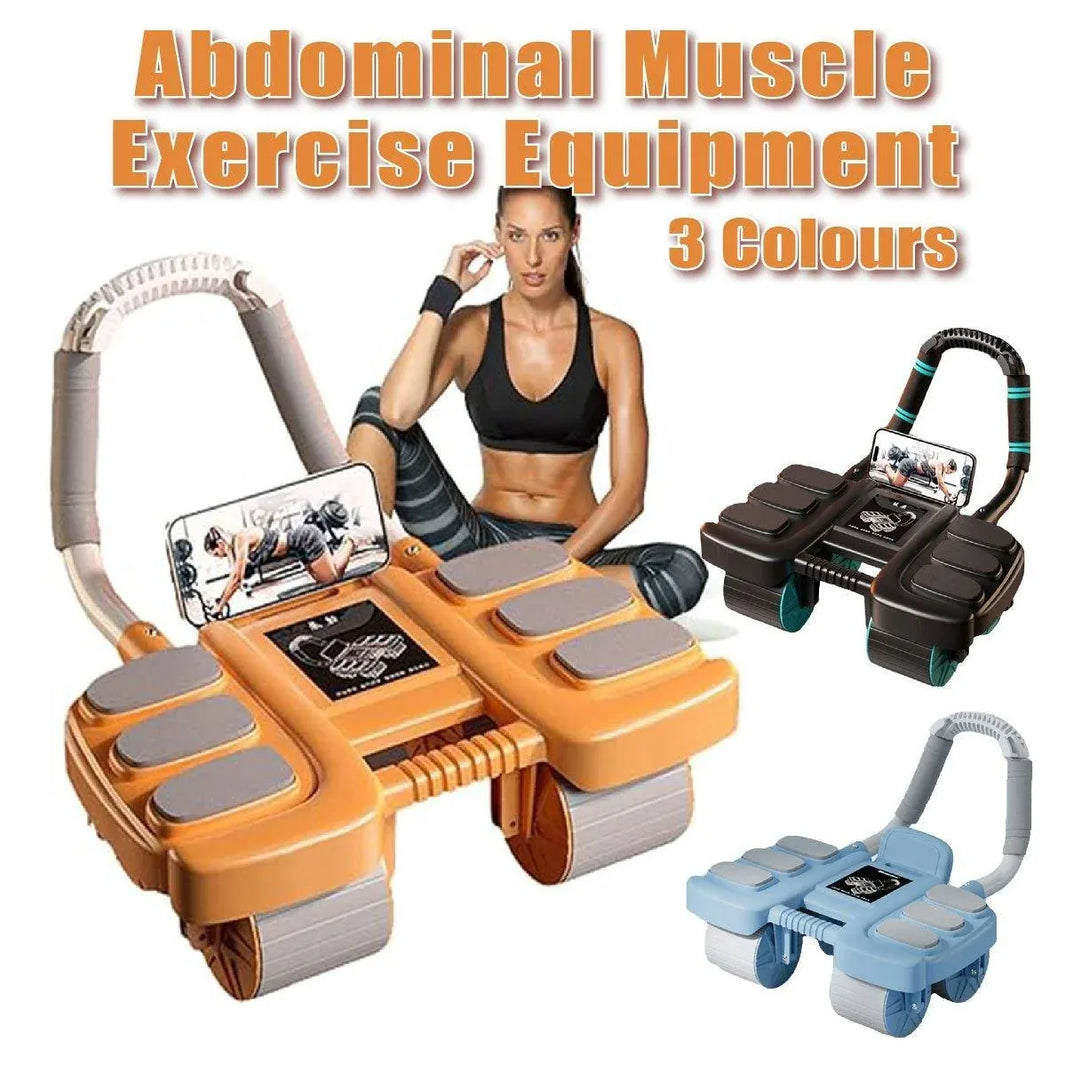
Four Wheel Abdominal Exercise Roller Elbow Support for Core Strength Training - Orange
Regular price $54.90 AUDRegular priceUnit price per$67.18 AUDSale price $54.90 AUDSale -
 Sale
Four Wheel Abdominal Exercise Roller Elbow Support for Core Strength Training - Blue
Regular price $52.90 AUDRegular priceUnit price per$65.06 AUDSale price $52.90 AUDSale -
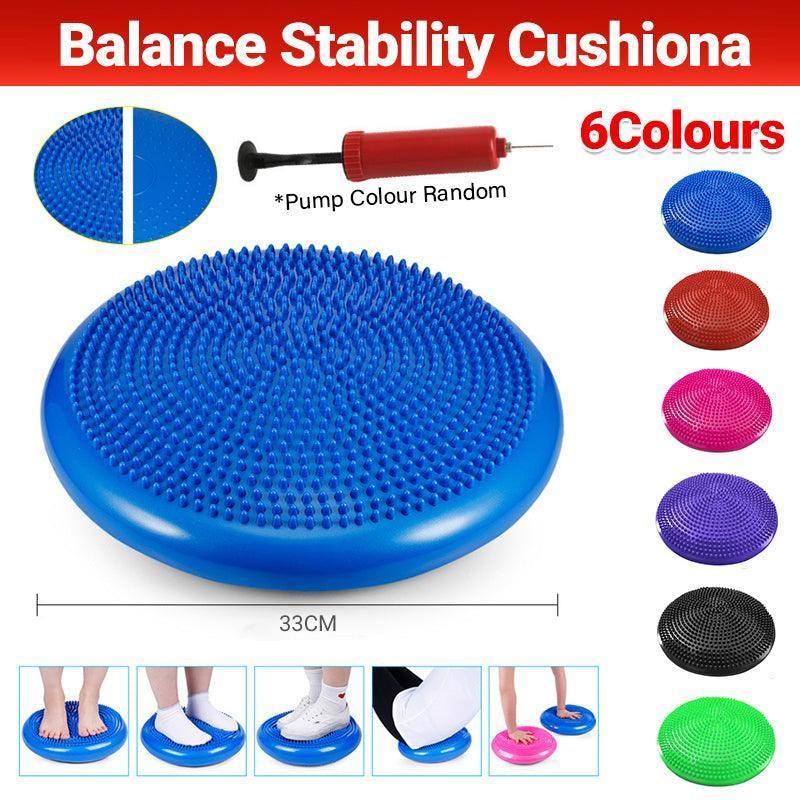 Sale
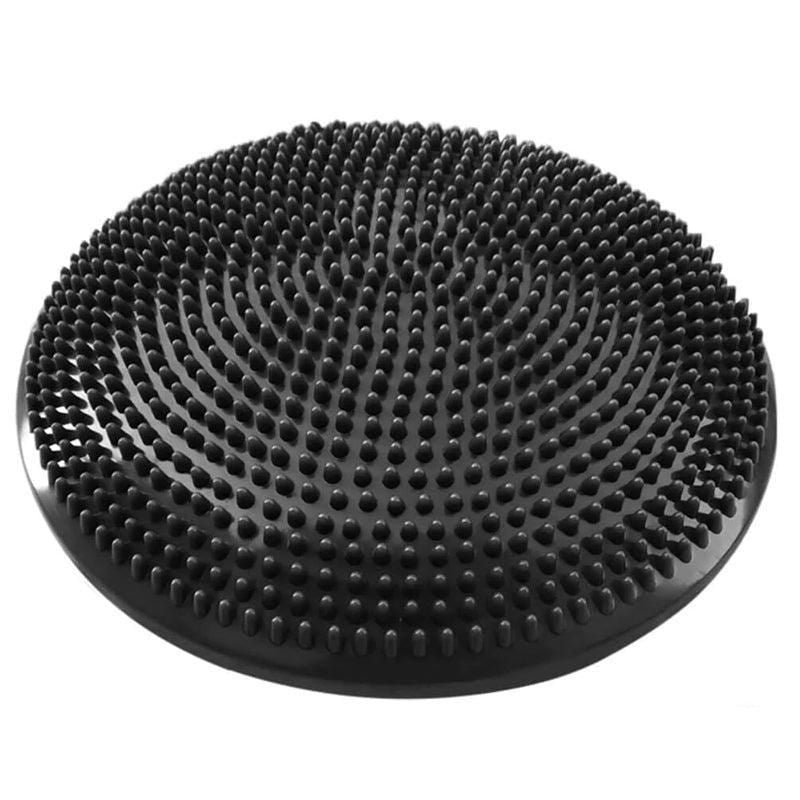
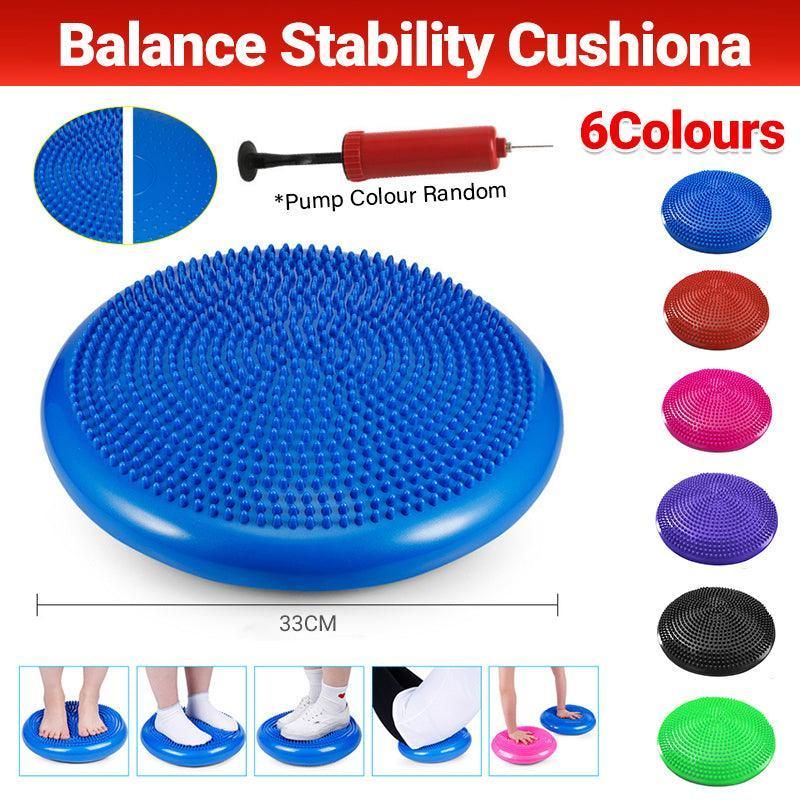
Balance Stability Cushion Wobble Air Disc Ankle Knee Strength Rehab Exercise - Black
Regular price $33.90 AUDRegular priceUnit price per$41.20 AUDSale price $33.90 AUDSale -
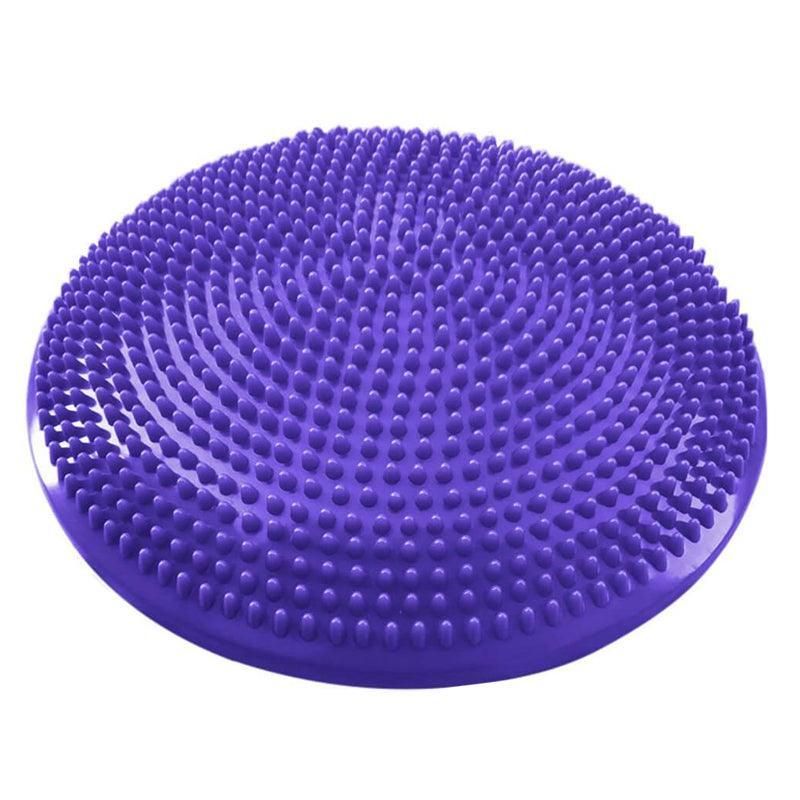
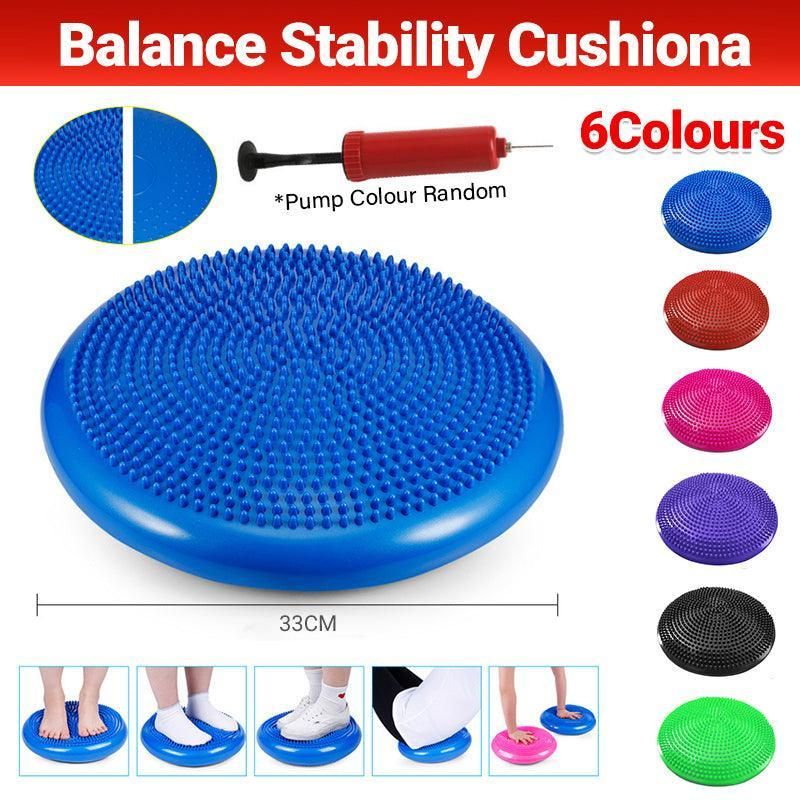 Sale
Balance Stability Cushion Wobble Air Disc Ankle Knee Strength Rehab Exercise - Purple
Regular price $33.90 AUDRegular priceUnit price per$41.20 AUDSale price $33.90 AUDSale -
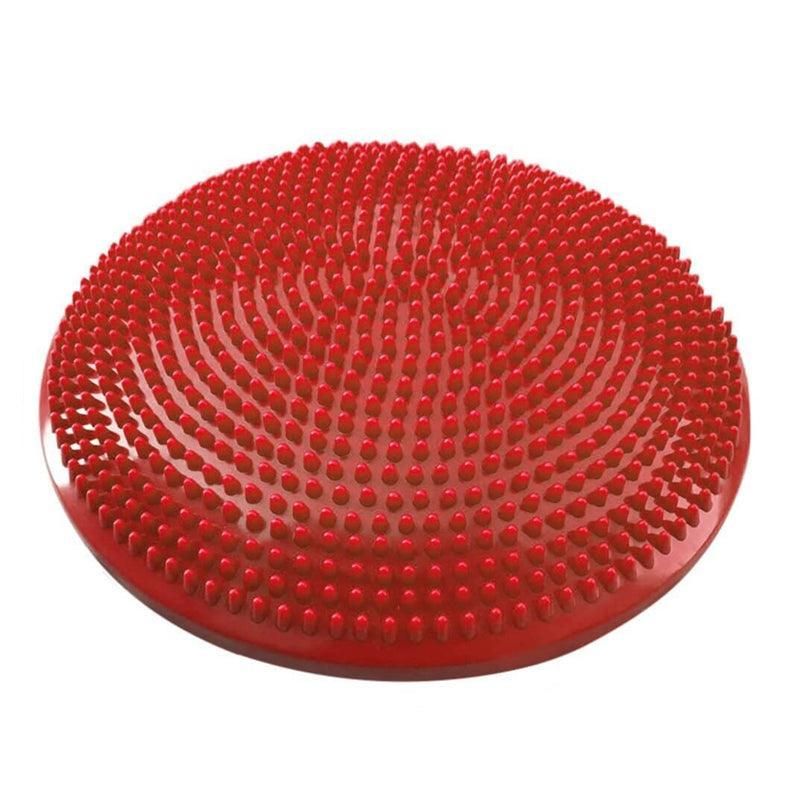
 Sale
Balance Stability Cushion Wobble Air Disc Ankle Knee Strength Rehab Exercise - Red
Regular price $33.90 AUDRegular priceUnit price per$41.20 AUDSale price $33.90 AUDSale -
 Sale
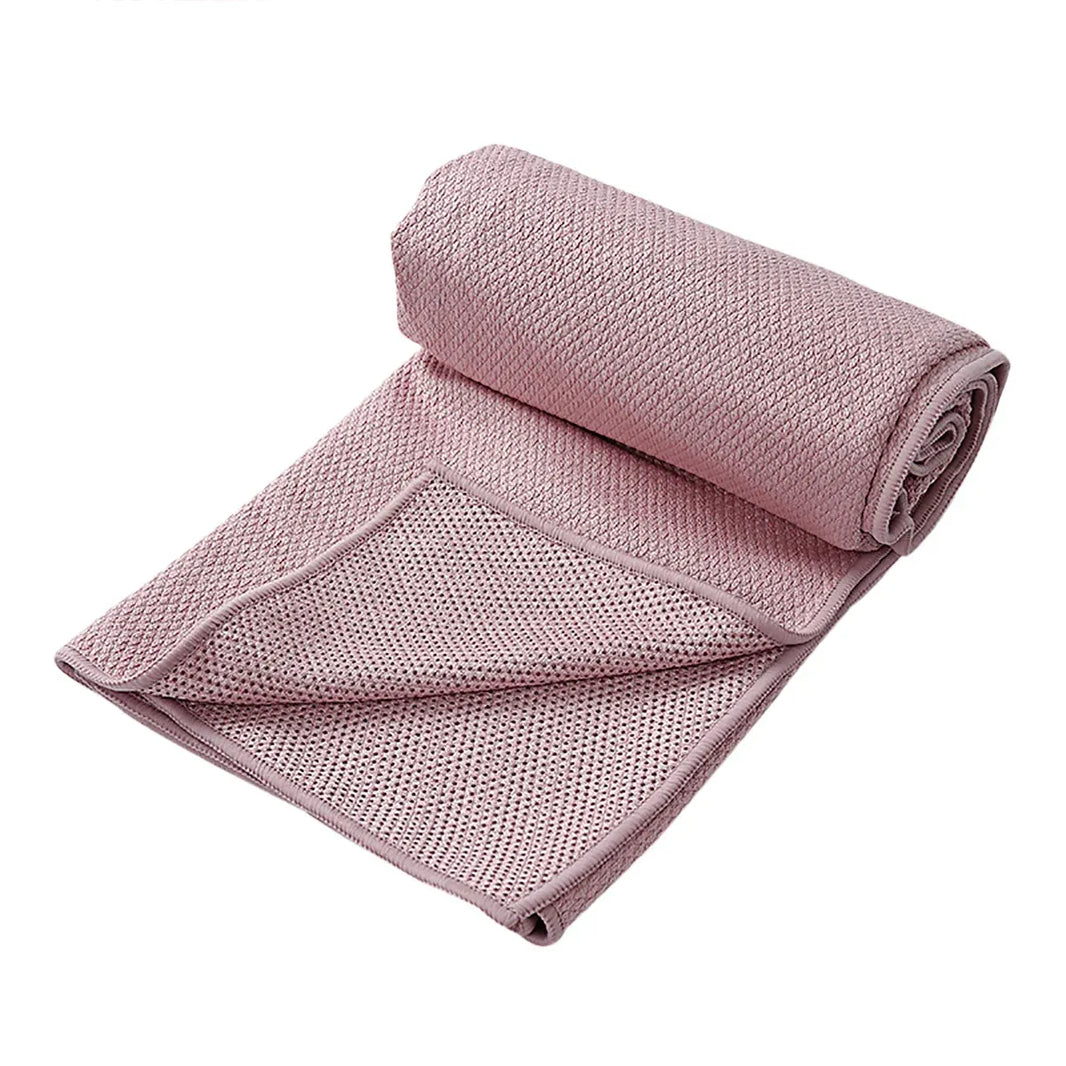
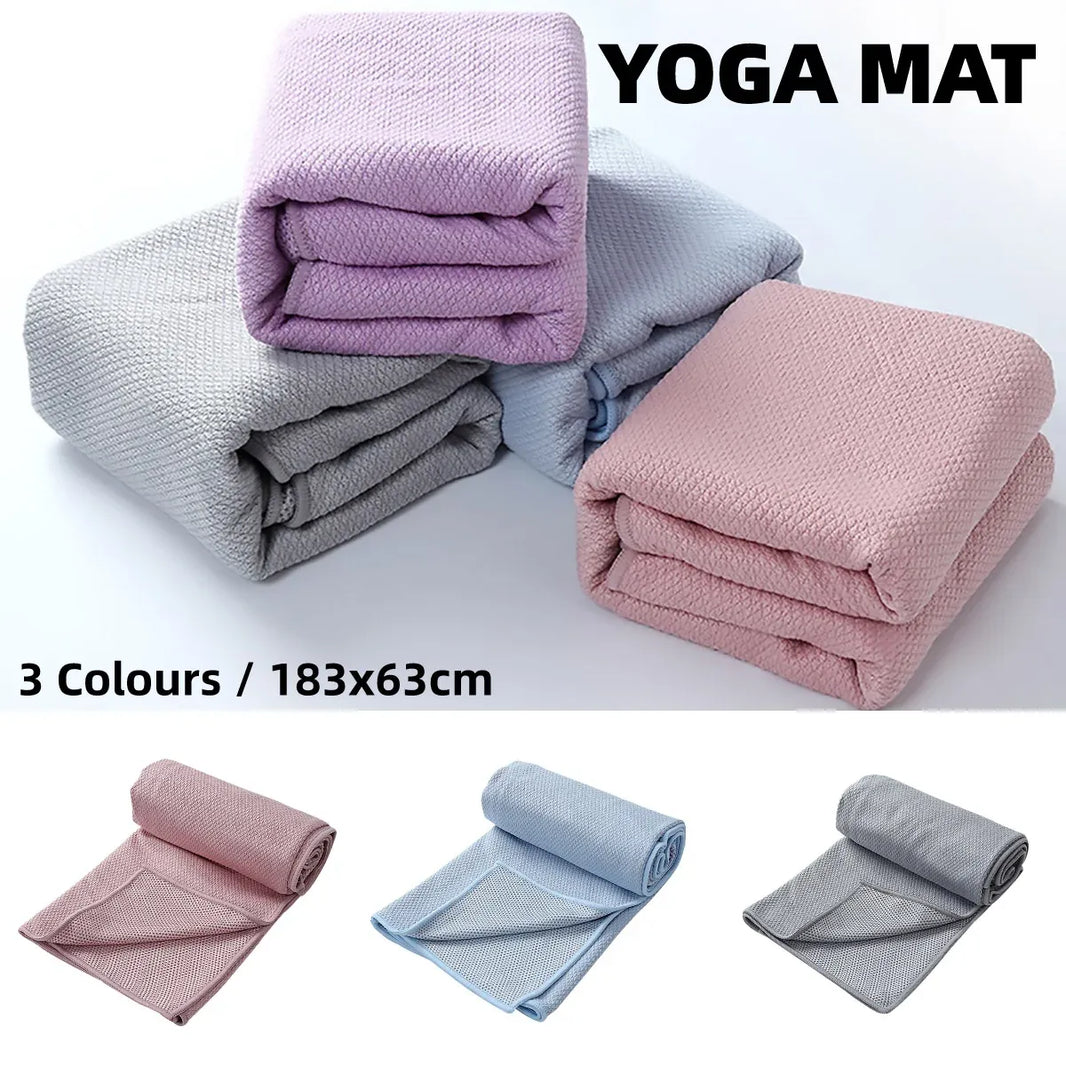
Sports Fitness Ultra Fine Fiber Sweat-Absorbent Diamond Pattern Yoga Towel - Pink
Regular price $42.90 AUDRegular priceUnit price per$51.46 AUDSale price $42.90 AUDSale -

 Sale
Massage Exercise Roller Yoga Stick for Muscle Fitness Home Gym - Blue
Regular price $26.90 AUDRegular priceUnit price per$31.60 AUDSale price $26.90 AUDSale -
 Sale
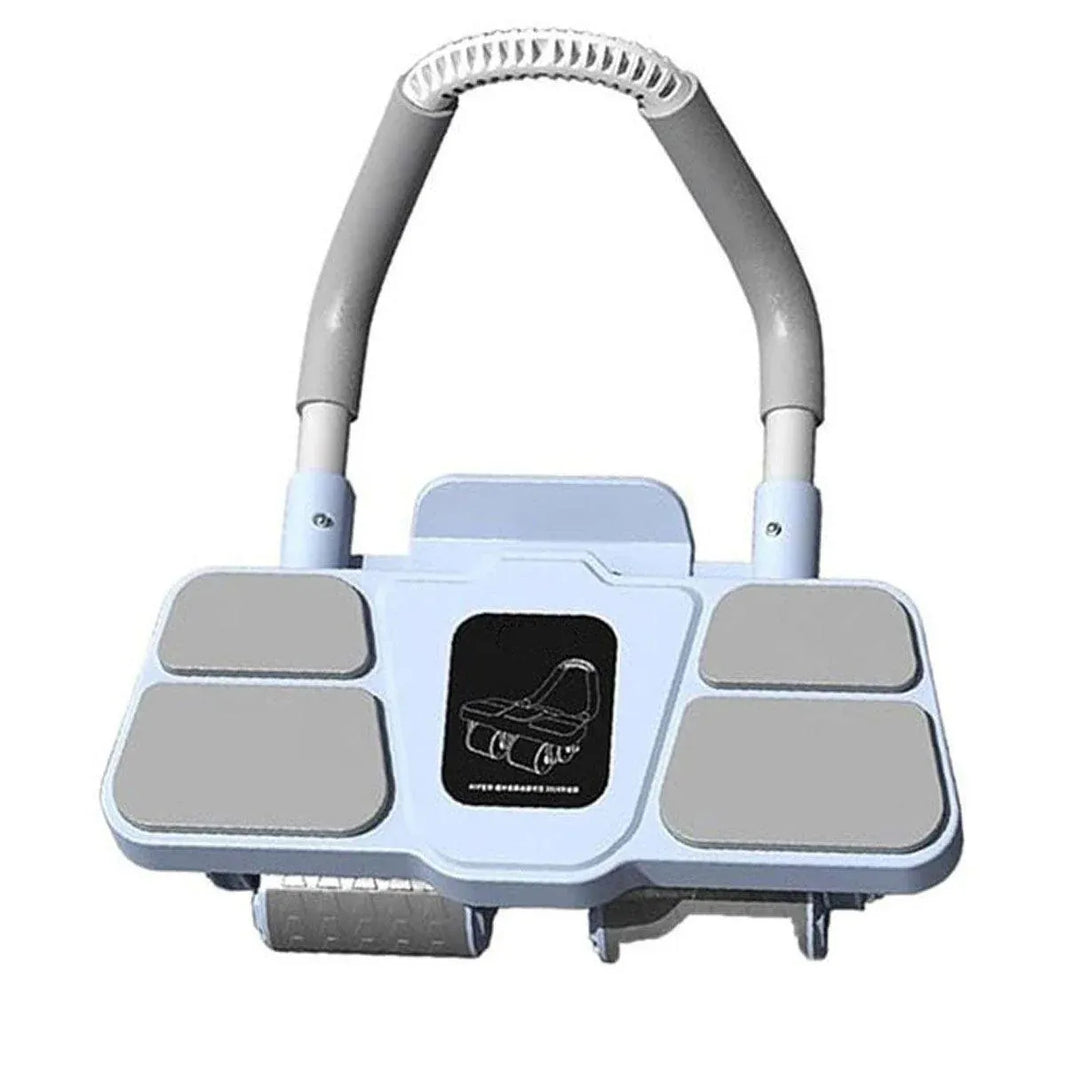
Four Wheel Abdominal Roller Automatic Rebound Ab Machine Home Fitness Equipment - Blue
Regular price $35.90 AUDRegular priceUnit price per$43.64 AUDSale price $35.90 AUDSale


A floor-based routine may need little equipment, but the surface and accessories change how the space feels. Choose a mat for the way you move, supports for the positions you practise and storage that lets you clear the area easily. This family also includes general exercise and recovery accessories; an inflatable tumbling track, a roller and a yoga mat serve different purposes.
1. Match the surface to the activity
A thin, grippy yoga mat is different from a thick exercise pad or an inflatable air track. Extra cushioning can feel comfortable for floor work, while a very soft surface can make standing balance less steady. Tumbling tracks require inflation, their own operating space and activity-specific instructions; they should not be treated as a universal substitute for a mat.
2. Choose support rather than forced range
Blocks, straps and other supports can alter how an exercise is set up. A stretching frame is a more specialised piece of equipment with adjustments and limits of its own. Choose equipment that lets the user control the movement; having a greater mechanical adjustment range does not mean every position is appropriate for every person.
3. Leave enough clear floor
Measure beyond the mat edges for arms, legs and any rolling equipment. Check overhead clearance when a movement involves reaching or jumping. Set the area away from table corners and rolling furniture, and keep loose straps, ropes and small accessories off the route into the room.
4. Make cleaning and storage part of the choice
A surface that rolls or folds into a cupboard is useful in a shared room. Let equipment dry after cleaning before packing it away, following its material-specific instructions. Rollers, massage balls and wearable accessories can be stored separately so they do not indent or mark a soft mat.
Guides and product details: Better Health Channel: exercising safely · Browse Yoga & Exercise Equipment
Useful answers
Questions about yoga & exercise equipment
Is a thicker exercise mat always better for yoga?
Not for every movement. A thick, soft pad changes the surface beneath your feet as well as cushioning floor contact. Compare grip, firmness and usable area for the movements you practise. An inflatable gymnastics track has its own inflation and activity requirements; thickness alone does not make it an equivalent yoga surface.
Can I use the same floor space for a mat and an air track?
Measure each setup in use. A mat needs room beyond its edges for your arms and legs; an air track also needs its inflated footprint, access for the pump and the clearances specified for its intended activity. A space that holds the packed equipment may be too small once it is ready to use.
Which yoga accessories are easiest to keep in a shared room?
Start with the storage shape: a rolled mat needs a long narrow space, a folding pad needs room for the folded stack, and loose supports need a shelf or container. Keep heavy accessories off soft surfaces so they do not leave pressure marks. Choose a setup that you can clear without moving the rest of the room.