
Home Appliances & Cleaning
A comfortable home starts with the right tools for the jobs you repeat: cooling the room you use, clearing crumbs, washing a small load or keeping the laundry organised.
Shop the collection
-
Dyson Vacuum Stand Rack Holder Freestanding Handheld Cleaner V6 7 8 V10 V11 - Black
Regular price $35.90 AUDRegular priceUnit price per$66.99 AUDSale price $35.90 AUDSale -
Evaporative Air Cooler Portable Fan Cooling with Remote Control LED Display
Regular price $131.90 AUDRegular priceUnit price per$242.99 AUDSale price $131.90 AUDSale -
Mini Portable Washing Machine 4.6KG - White
Regular price $177.90 AUDRegular priceUnit price per$307.99 AUDSale price $177.90 AUDSale -
Ceiling Fan 52'' with Remote - Black
Regular price $118.90 AUDRegular priceUnit price per$199.99 AUDSale price $118.90 AUDSale -
Evaporative Air Cooler Conditioner Portable 8L Cooling Fan Humidifier
Regular price $139.90 AUDRegular priceUnit price per$226.99 AUDSale price $139.90 AUDSale -
Evaporative Air Cooler Conditioner Portable 6L Cooling Fan Humidifier
Regular price $97.90 AUDRegular priceUnit price per$156.99 AUDSale price $97.90 AUDSale -
Bathroom Fan Heater Mini Space Heater Portable Ceramic Fan Heater Quiet Electric Mobile Electric Heaters for Home and Small Office 1200W, De
Regular price $56.90 AUDRegular priceUnit price per$73.07 AUDSale price $56.90 AUDSale -
Candle Warmer Lamp Iron Stretchable Electric Dimmable Candle Melter with GU10 Bulb for Christmas House Warming Gifts Bedroom Decor
Regular price $53.90 AUDRegular priceUnit price per$59.99 AUDSale price $53.90 AUDSale -
4x6Inch Produce Cleaner,Portable Fruit and Vegetable Washing Machine, Wireless Rechargeable Food Washer for Fruits, Veggies, Meat, Rice & Utensils,Pure Pod
Regular price $44.90 AUDRegular priceUnit price per -
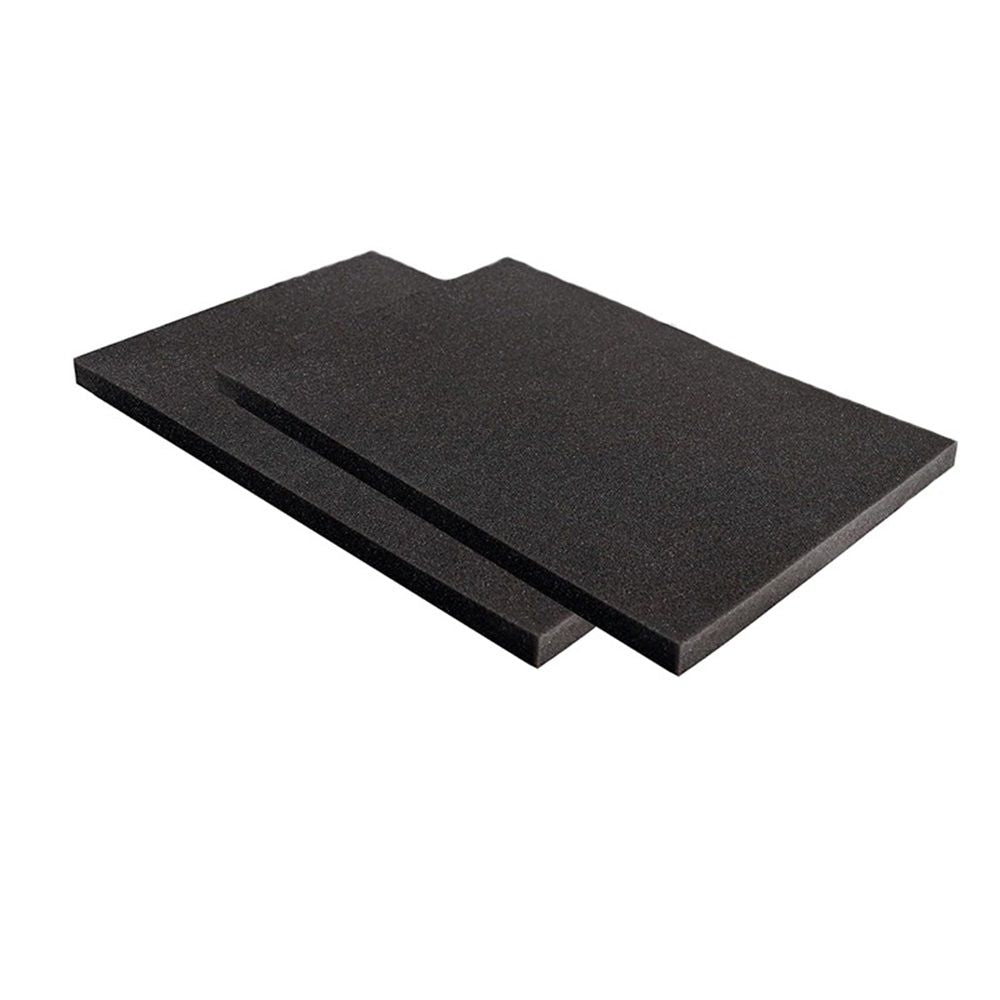
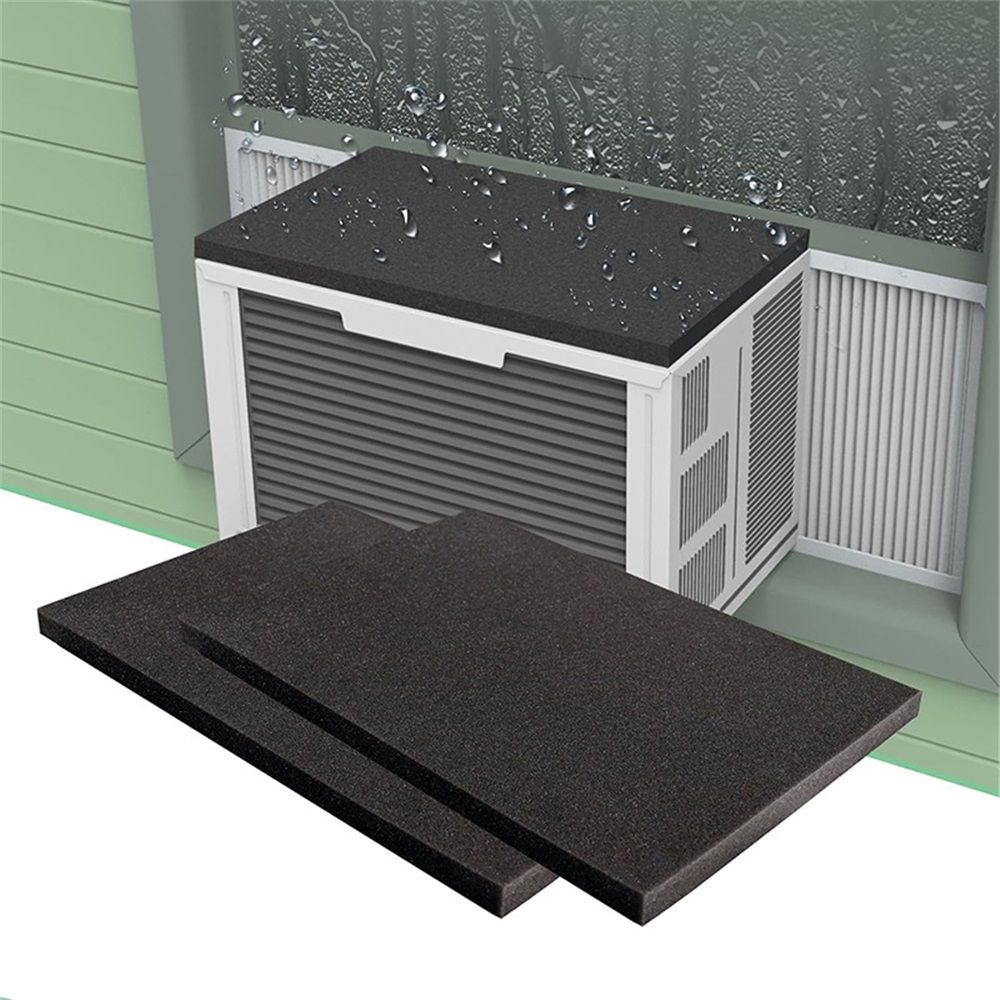
Air Conditioner Drip Cushion Black & Removable AC Rain Cover with Magnetic Pad for Window AC Units,Stops The Noise from Raining(Black 2pcs)
Regular price $35.90 AUDRegular priceUnit price per$39.79 AUDSale price $35.90 AUDSale -
Ceiling Fan 52in, White
Regular price $140.90 AUDRegular priceUnit price per$221.99 AUDSale price $140.90 AUDSale -
Devanti Portable Washing Machine Twin Tub 7KG White
Regular price $247.90 AUDRegular priceUnit price per$332.99 AUDSale price $247.90 AUDSale -
2200W Graphene Floor Electric Heater – Fast Heating, Energy-Efficient, Portable Indoor Heater
Regular price $213.90 AUDRegular priceUnit price per$699.95 AUDSale price $213.90 AUDSale -
Pink Hanging Princess Bed Canopy Mosquito Net - Dome Bedding for Dorm Rooms & Bedrooms (Fits 1.8m-2m Beds)
Regular price $39.90 AUDRegular priceUnit price per$68.00 AUDSale price $39.90 AUDSale -
Portable Jet Fan - 200W Powerful Handheld Air Duster & Blower (White)
Regular price $63.90 AUDRegular priceUnit price per$122.00 AUDSale price $63.90 AUDSale -
Devanti 64 Inch Ceiling Fan DC Motor w/Light w/Remote - Silver
Regular price $187.90 AUDRegular priceUnit price per$282.99 AUDSale price $187.90 AUDSale -
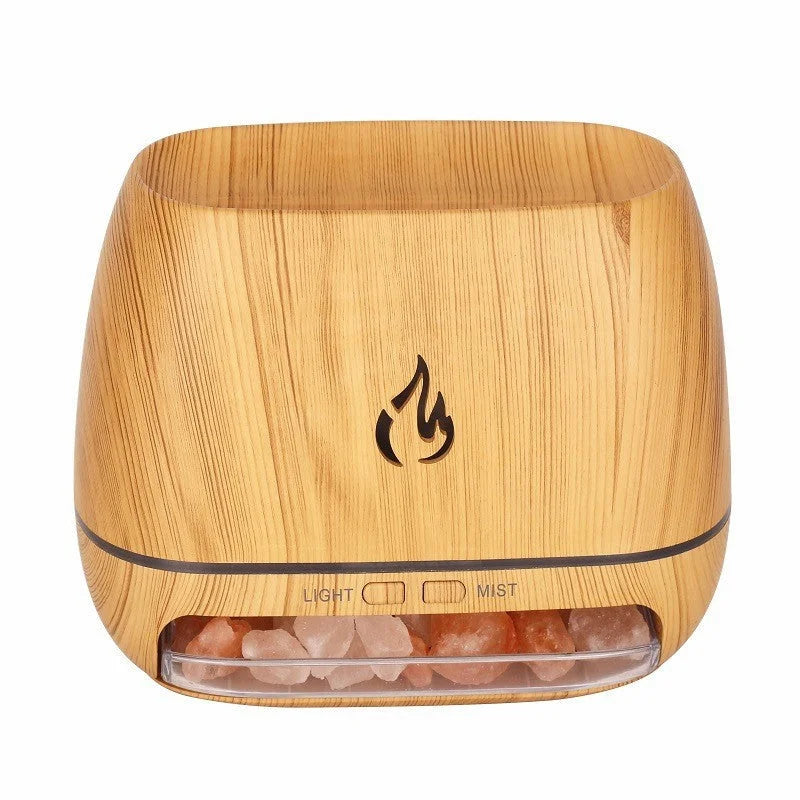
Wood Grain Color Himalayan Salt Flame Aroma Diffuser - 250ml Ultrasonic Humidifier with 7-Color LED Light for Relaxation and Decor
Regular price $45.90 AUDRegular priceUnit price per$88.00 AUDSale price $45.90 AUDSale -
Glass HEPA + Inner Carbon Filter for Dyson Pure Cool Air Purifier
Regular price $39.90 AUDRegular priceUnit price per$59.99 AUDSale price $39.90 AUDSale -
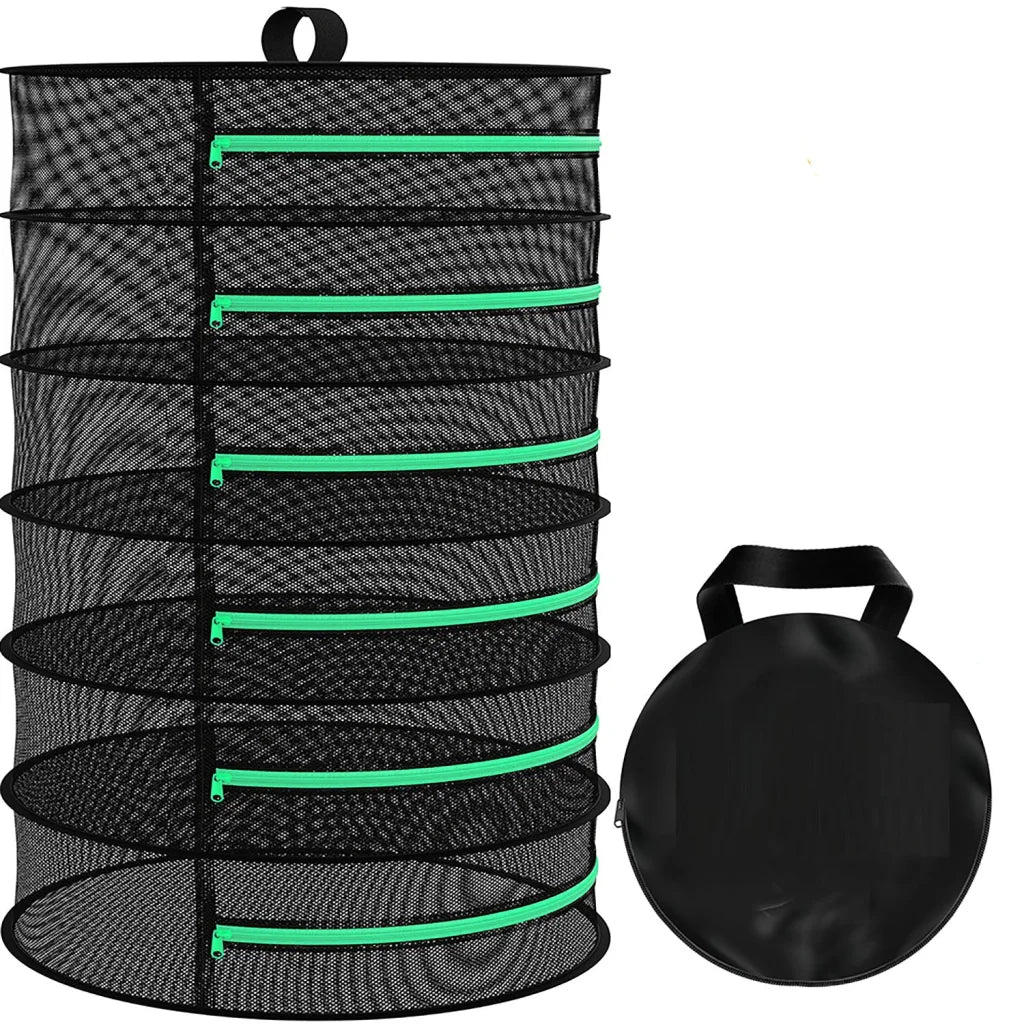
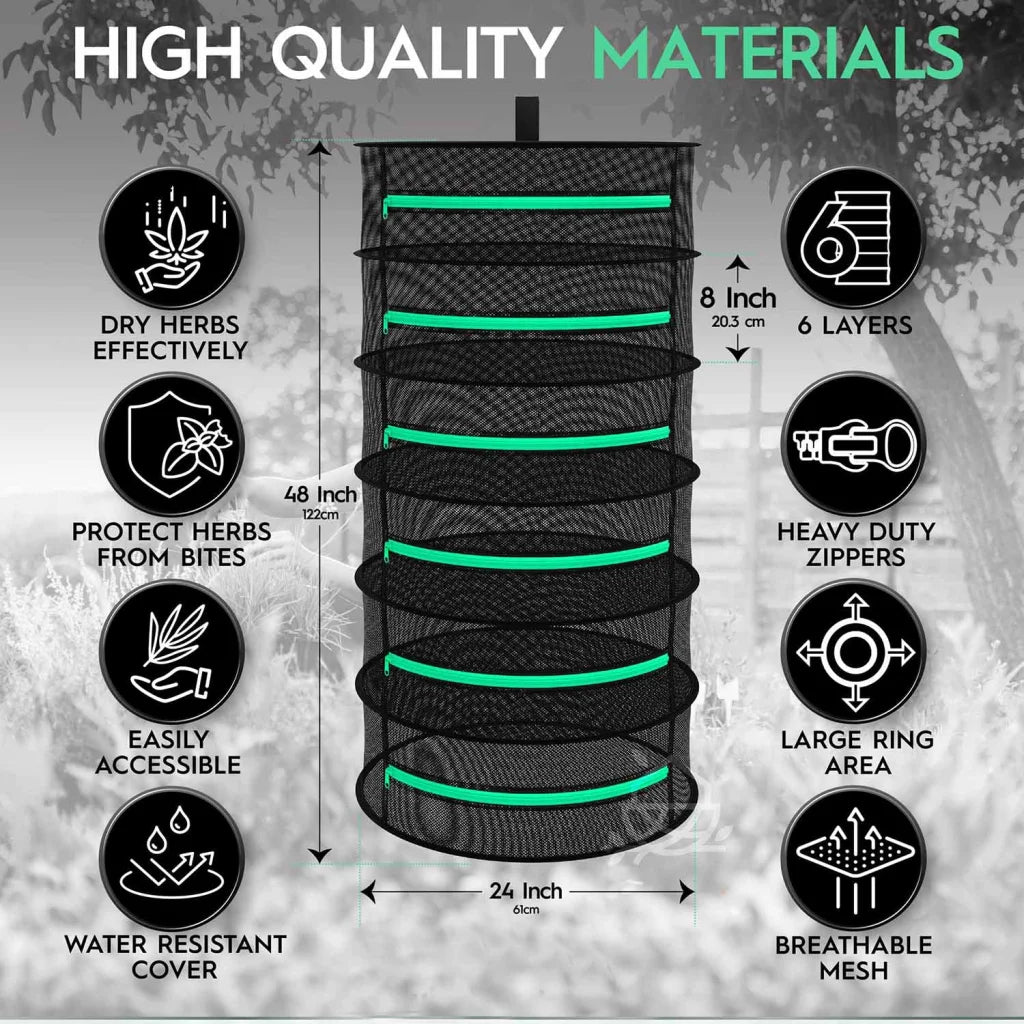
Drying Rack 6-Layer 120cm Foldable Herb Vegetable Fruit Mesh Hanging Dehydrator
Regular price $40.90 AUDRegular priceUnit price per$59.95 AUDSale price $40.90 AUDSale -
Metal Essential Oil and Aroma Diffuser 100ML - Vintage Gold
Regular price $48.90 AUDRegular priceUnit price per$59.95 AUDSale price $48.90 AUDSale -
Air Purifier HEPA Filter Home Purifiers Odour Virus Smoke PM2.5 Remover
Regular price $110.90 AUDRegular priceUnit price per$216.99 AUDSale price $110.90 AUDSale -
Wet and Dry Vacuum Cleaner Blower Bagless 30L 2000W Drywall Vac UNIMAC
Regular price $167.90 AUDRegular priceUnit price per -
Mini Portable Washing Machine 4.6KG - Black
Regular price $119.90 AUDRegular priceUnit price per$172.99 AUDSale price $119.90 AUDSale -
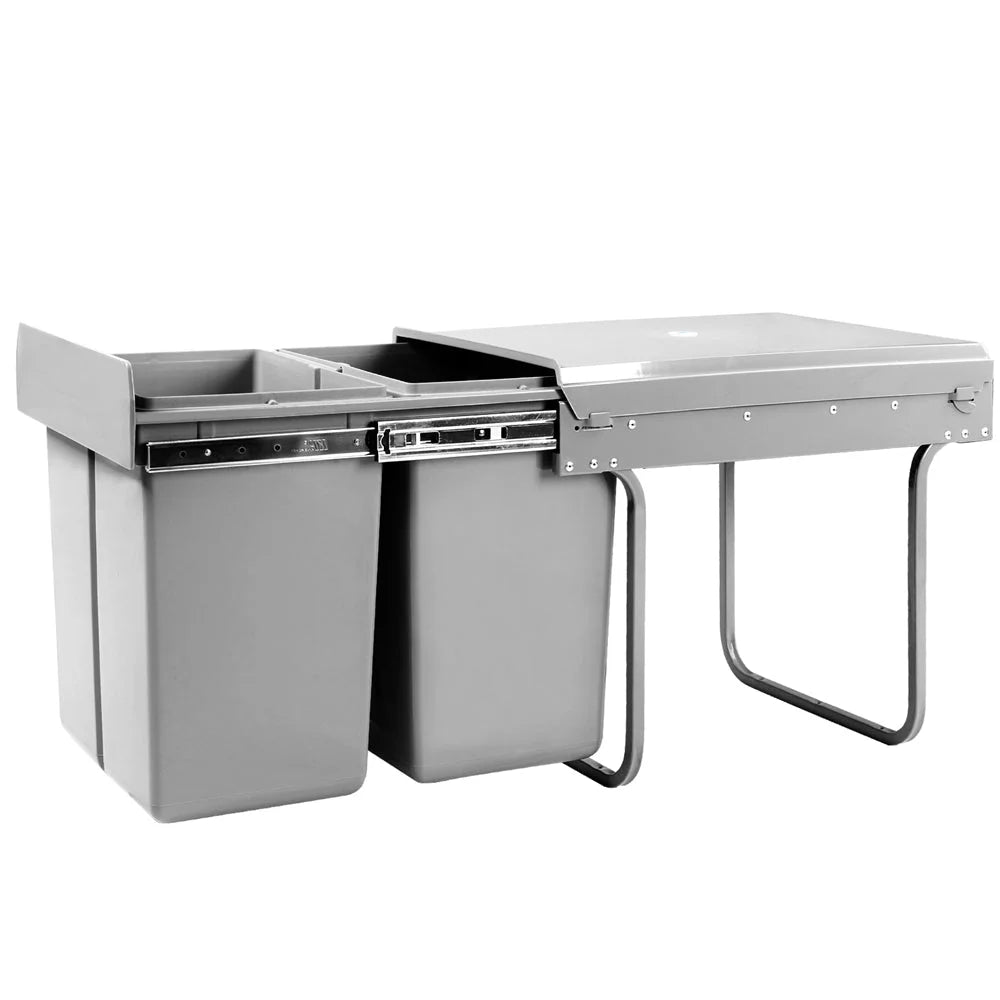
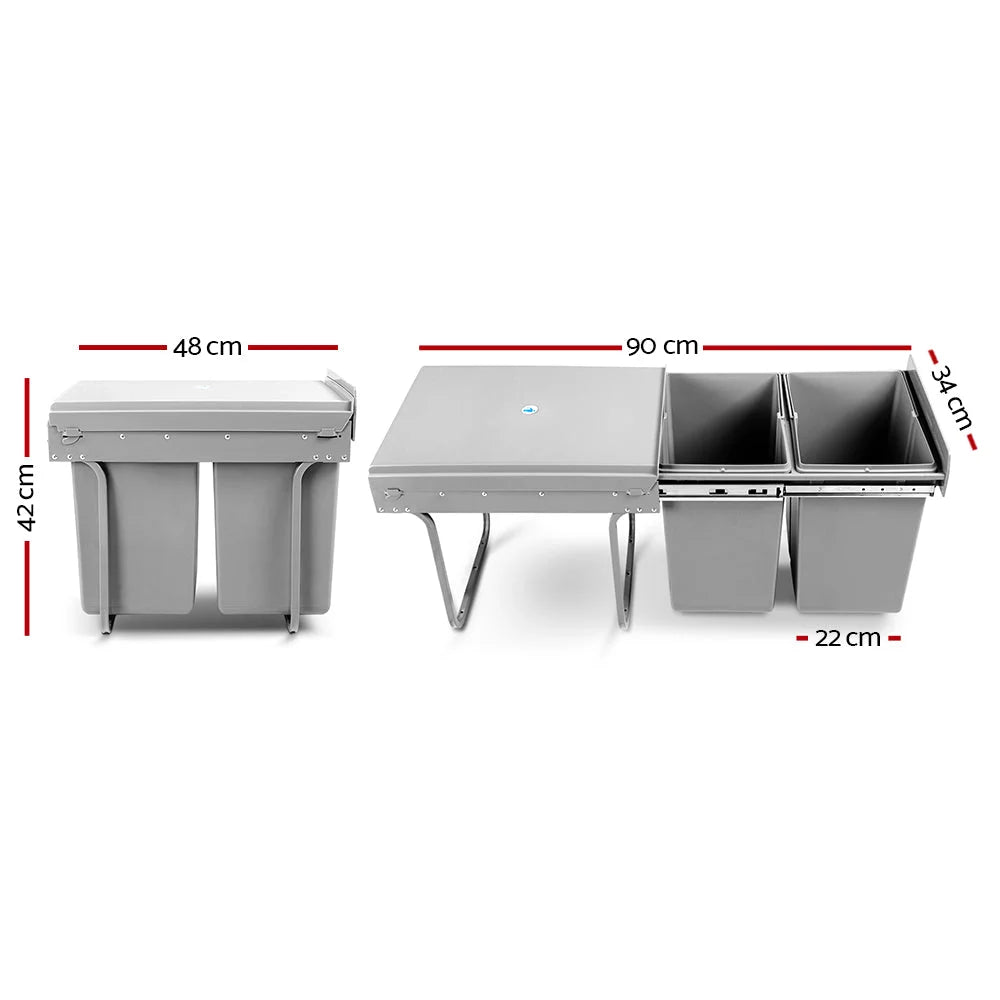
Pull-Out Bin 20L x 2, Grey
Regular price $89.90 AUDRegular priceUnit price per$166.99 AUDSale price $89.90 AUDSale








Related reading


A comfortable home starts with the right tools for the jobs you repeat: cooling the room you use, clearing crumbs, washing a small load or keeping the laundry organised. Explore appliances and cleaning equipment by task, then choose the format that fits your rooms, storage and routine. A compact appliance is most useful when it removes a chore rather than adding another setup.
Start with the job, then choose the machine
A floor vacuum, upholstery spot cleaner and steam cleaner solve different problems. Loose grit needs collection; a fabric spill may need extraction; a mop works on a compatible hard floor. Buying the biggest motor does not make one machine suitable for every surface. For a mixed home, a main cleaner plus a small task-specific tool can be easier to store and use than a large machine brought out for every spill.
Give the appliance a place to work and a place to live
Think through the whole route: power point, water supply where needed, working space, emptying and storage. A portable washer still needs somewhere to fill and drain. A cordless cleaner needs a charging position. A drying rack must fit when open, with clothing hanging beyond its frame. Plan these details together so the equipment stays convenient after the first use.
Spend on features you will use repeatedly
A removable tank, accessible filter, washable pad or clear model number can matter more than a long list of modes. Consumables and replacement parts affect how long equipment stays useful. For appliances carrying an Australian energy label, compare the consumption figure as well as stars and capacity; a larger machine can use more energy even with the same star rating.
Further reading: Energy Rating: reading appliance labels
Further reading: Australian Government — Energy ratings · BISSELL Australia — How to use a spot cleaner · Energy Rating — Clothes dryers
Useful answers
Home Appliances & Cleaning — your questions
Where should I start when choosing appliances for a small home?
Start with the chore that takes the most repeated effort, then map its complete route. A portable washer needs filling, drainage and a drying stage; a cordless vacuum needs charging and tool storage. Measure the working space as well as the cupboard space so the appliance saves effort without blocking the room.
Is one multifunction cleaner better than several smaller tools?
Only when its actual functions match your surfaces and routine. A combined machine may save storage, but changing tanks or attachments can add setup between jobs. Compare your most frequent task first, then the less frequent ones. A light everyday tool and a separate occasional-use cleaner may suit a different household from one combined unit.
How do I compare appliance running costs?
For appliances with a relevant Australian energy label, compare the energy-consumption figure alongside capacity and stars. Use your electricity tariff for a cost estimate, and remember that the label assumes a defined usage pattern. Include water, filters, cleaning formula or replacement pads where relevant to the particular machine.
What makes an appliance easy to maintain?
Look for a practical route to the parts you clean most often: tank openings, filters, rollers and pads. Identify replacement codes before choosing the machine, and leave room to remove those parts after installation. A useful extra mode matters less if emptying, drying or storing the equipment makes every routine job awkward.