
Choose the kind of play first
Kids Toys & Play
Different toys invite different activities: moving outdoors, building a story, solving a puzzle or sharing a game. Start with the child’s interests and stage, then consider the space, setup and storage that make that activity easy to return to.
Find their next kind of play


Make room for active and quiet play
Ride-on vehicles and outdoor equipment need a suitable area and adult supervision. Tabletop games need a surface where pieces can stay together. Pretend-play furniture needs room around doors and accessories. Choosing an activity makes it easier to judge what will fit at home.
Choose manageable complexity
A toy that needs constant adult setup may be frustrating for independent play. For shared activities, consider how long a turn lasts and how many people can participate. Simple open-ended props and more structured games can serve different moods rather than competing as one better type of toy.
Keep the intended user clear
Follow the age grading and product warnings, and keep toys with small parts away from younger children. Novelty items, decorations and pet toys are not automatically suitable children’s playthings. Check what is included so a replacement accessory is not mistaken for a complete toy.
Compare the effort around the activity
| Activity | Plan for |
|---|---|
| Tabletop games | A clear surface and storage for small pieces |
| Ride-on play | A suitable route, supervision and charging where relevant |
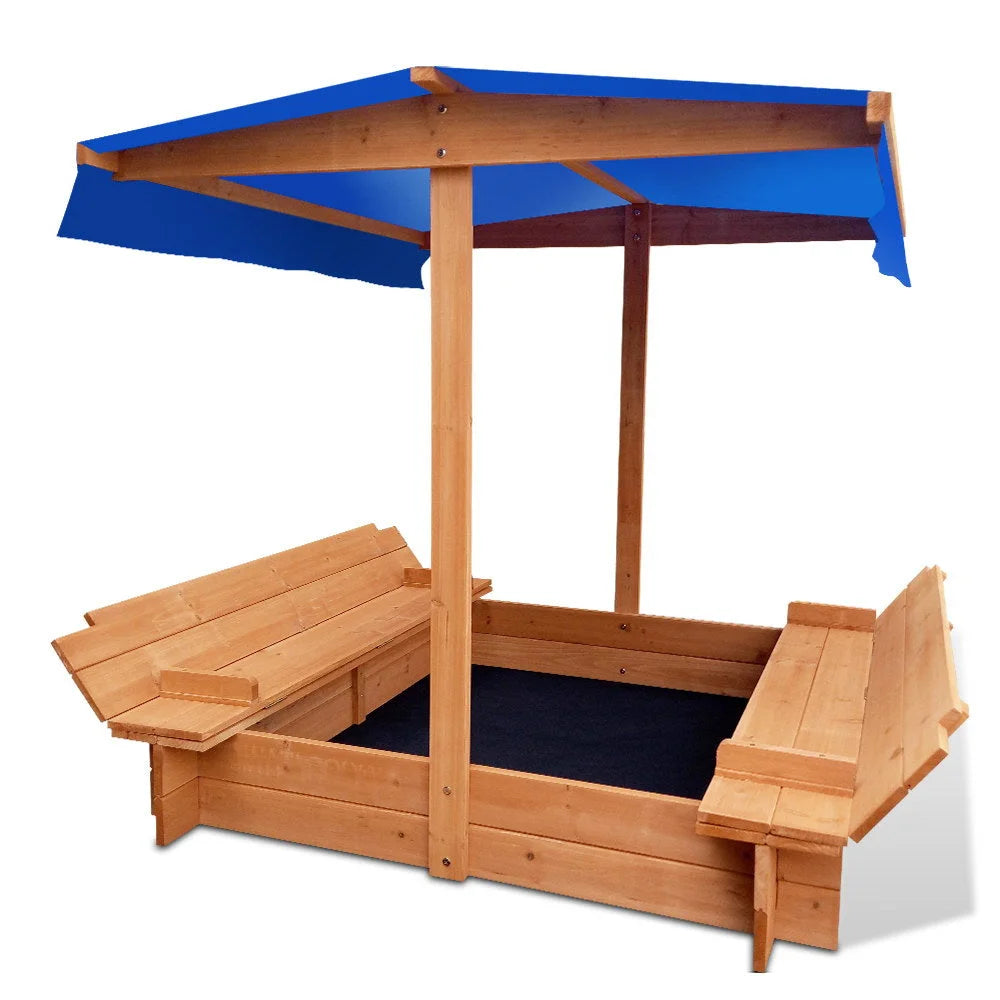
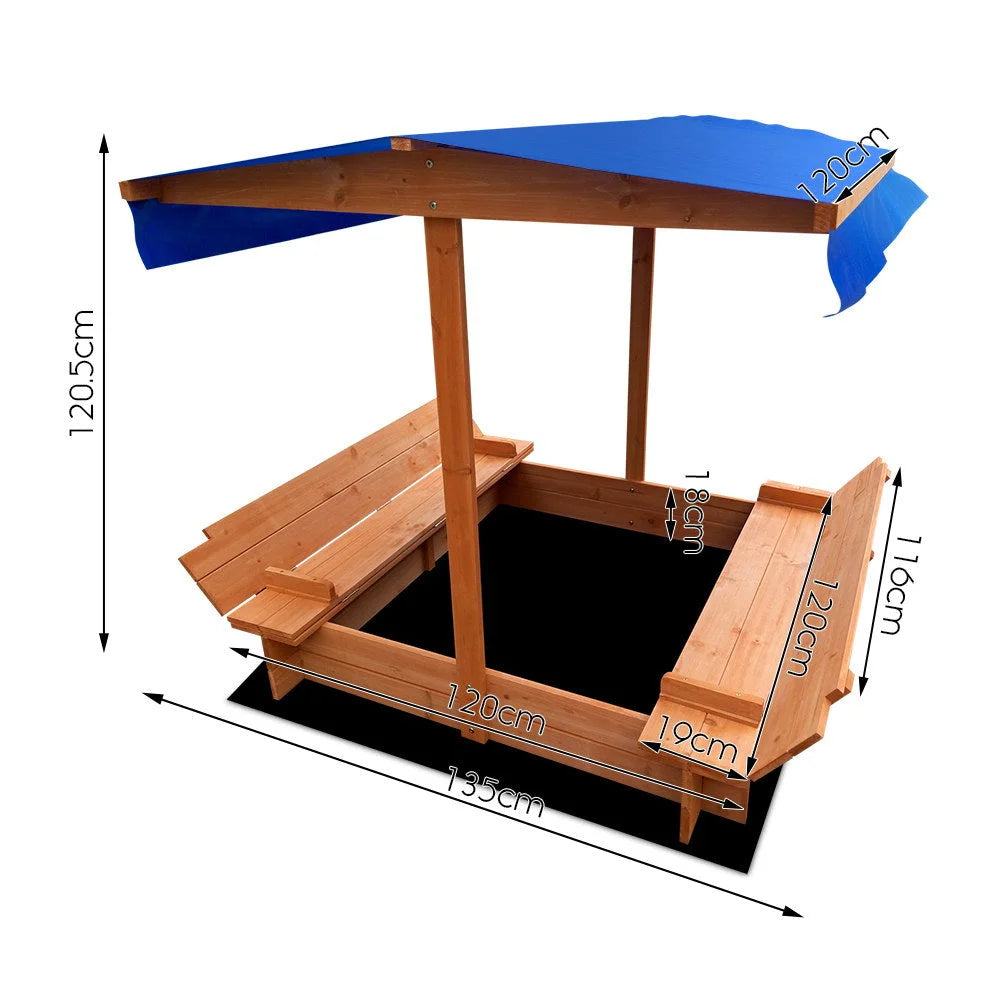
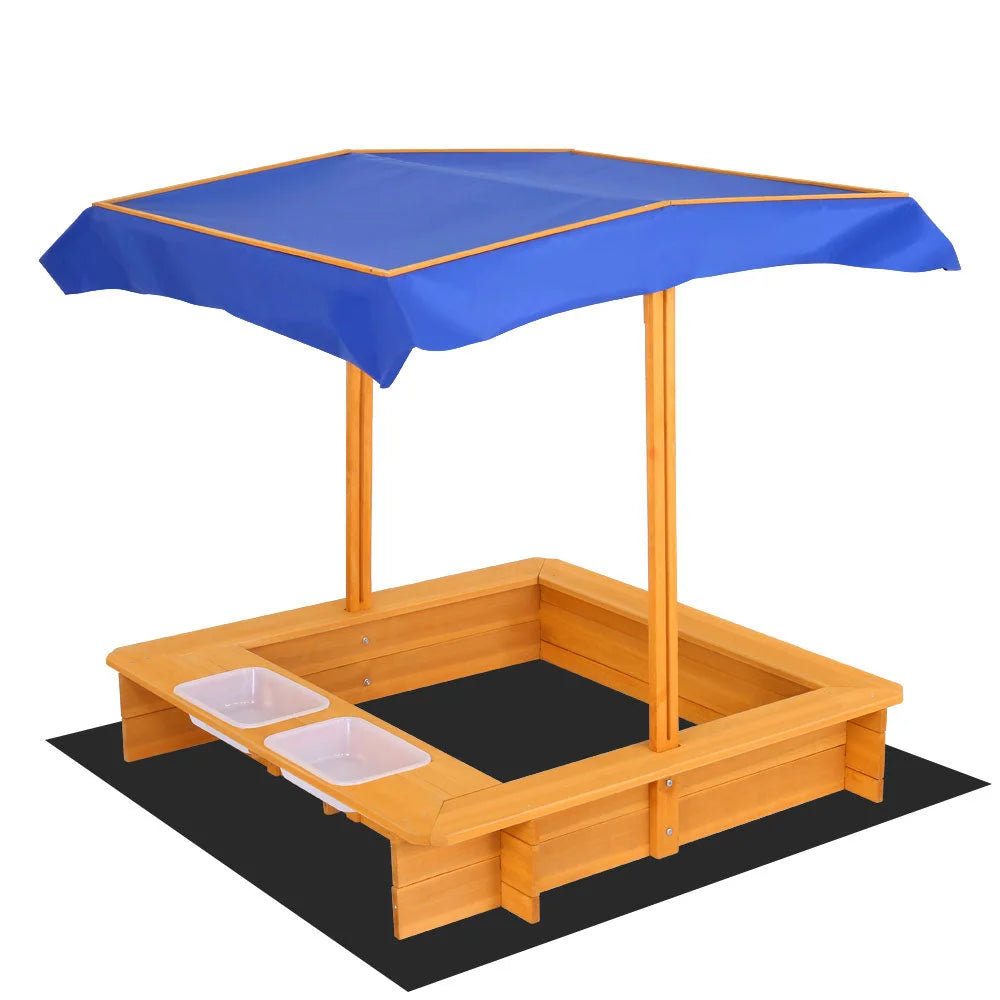
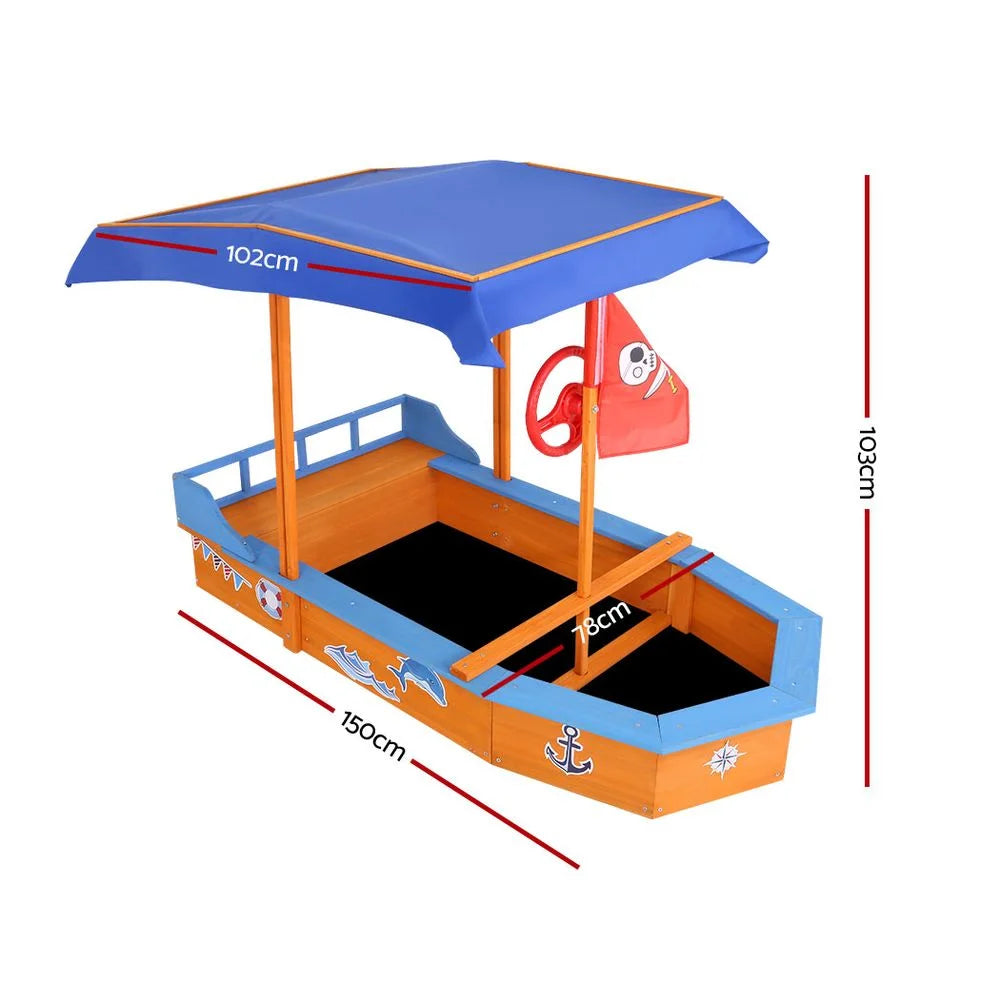
| Sand play | Position, cover arrangements and cleaning |
| Pretend play | Room around the setting and storage for props |
Further reading: ACCC: choosing toys for children
Further reading: ACCC — Button batteries guide
Shop the collection
-
Outdoor Sand Box Set, Wooden Sand Pit, Natural Wood
Regular price $154.90 AUDRegular priceUnit price per$249.99 AUDSale price $154.90 AUDSale -
Outdoor Sand Pit with Canopy
Regular price $89.90 AUDRegular priceUnit price per$199.99 AUDSale price $89.90 AUDSale -
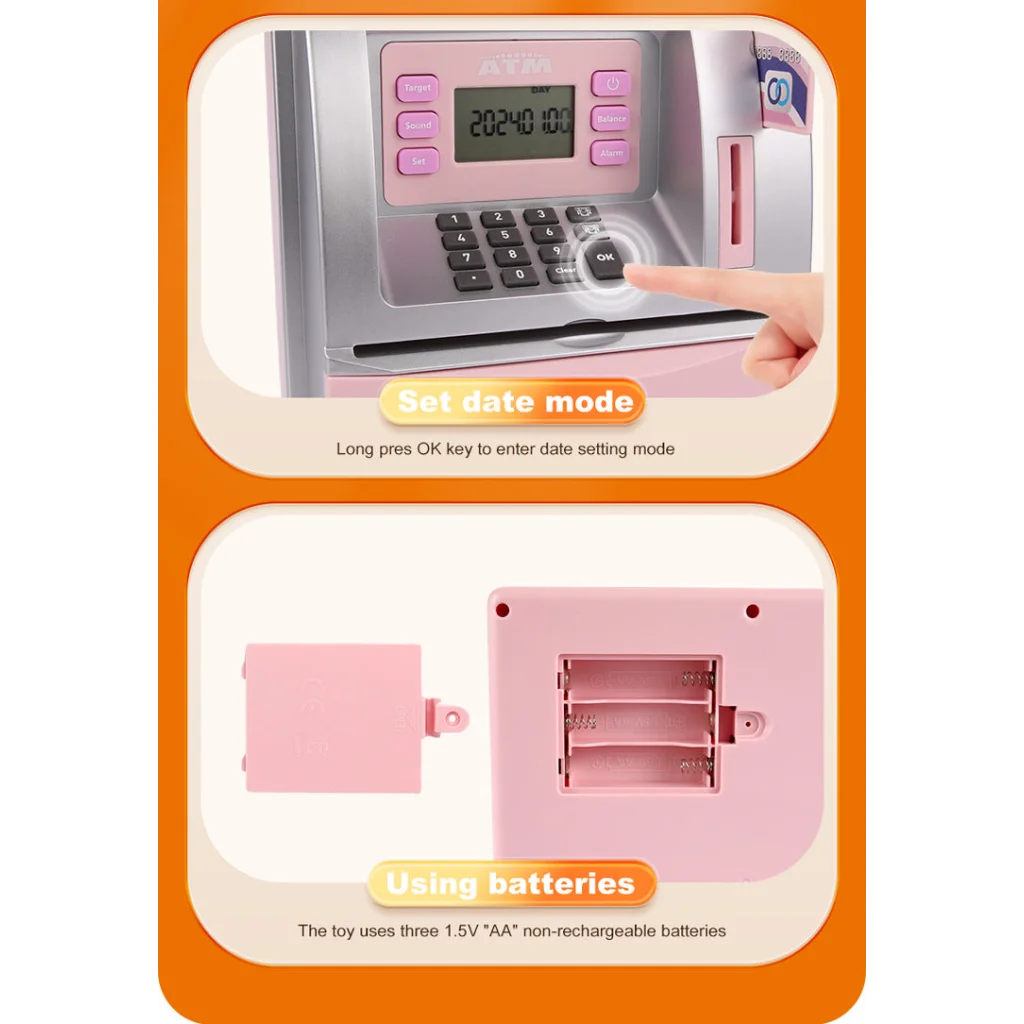
Pink Children's Mini Safe Piggy Bank with Fingerprint and Password Lock
Regular price $43.90 AUDRegular priceUnit price per$72.00 AUDSale price $43.90 AUDSale -
Kids Ride On Patrol Police Car Rigo Range Rover-Inspired Remote - Black
Regular price $294.90 AUDRegular priceUnit price per$349.99 AUDSale price $294.90 AUDSale -
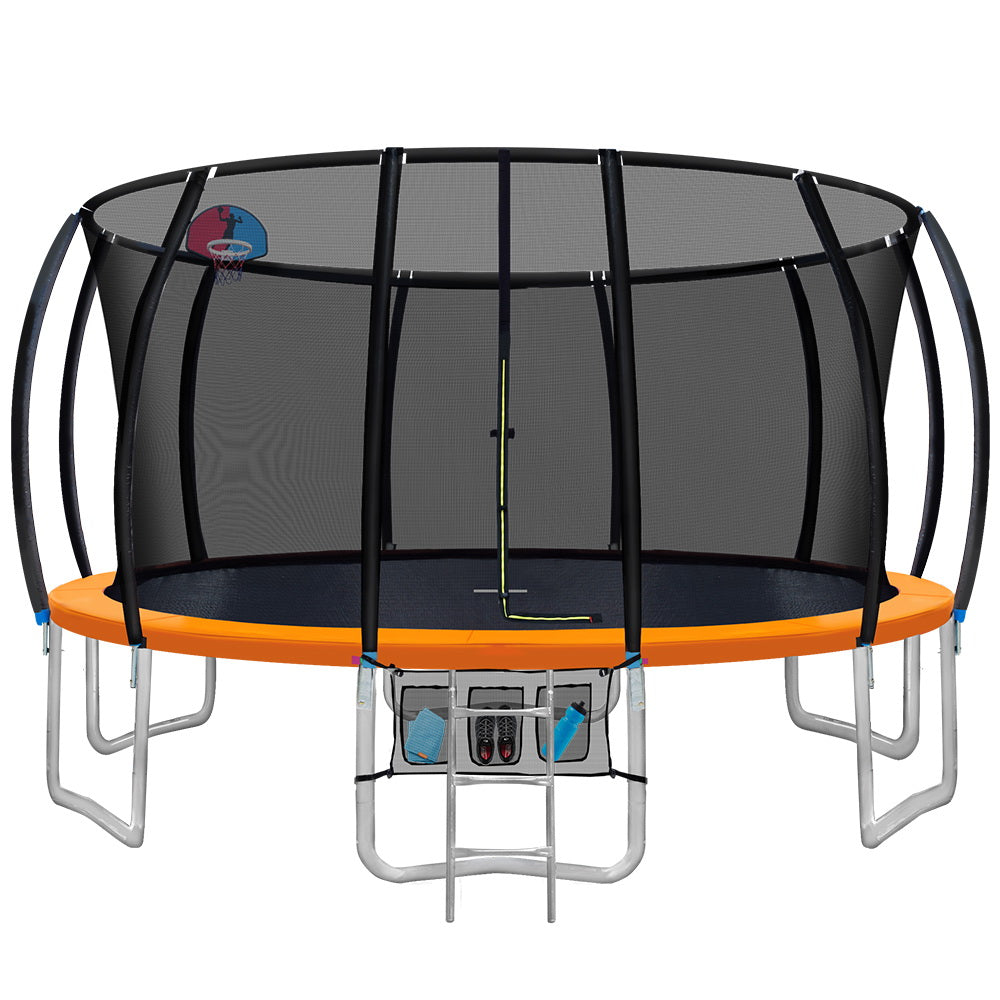
Trampoline 16FT Round with Basketball Hoop Kids Present Gift Enclosure Safety Net Pad - Multi-Coloured
Regular price $615.90 AUDRegular priceUnit price per$852.99 AUDSale price $615.90 AUDSale -
Rigo Kids Ride On Car Battery Toy Remote Control - Pink with Dual Motor
Regular price $187.90 AUDRegular priceUnit price per$249.99 AUDSale price $187.90 AUDSale -
Boat-Shaped Sand Pit with Canopy
Regular price $150.90 AUDRegular priceUnit price per$216.99 AUDSale price $150.90 AUDSale -
Boat Sand Pit with Canopy
Regular price $150.90 AUDRegular priceUnit price per$249.99 AUDSale price $150.90 AUDSale -
Kids Ride-On Fire Truck Motorbike (Rigo), Red/Grey
Regular price $128.90 AUDRegular priceUnit price per$216.99 AUDSale price $128.90 AUDSale -
Kids Ride-On Car, White
Regular price $194.90 AUDRegular priceUnit price per$266.99 AUDSale price $194.90 AUDSale -
Keezi Kids Pretend Kitchen Sink and Water Playset Fishing Game Toys Play food
Regular price $91.90 AUDRegular priceUnit price per$133.99 AUDSale price $91.90 AUDSale -
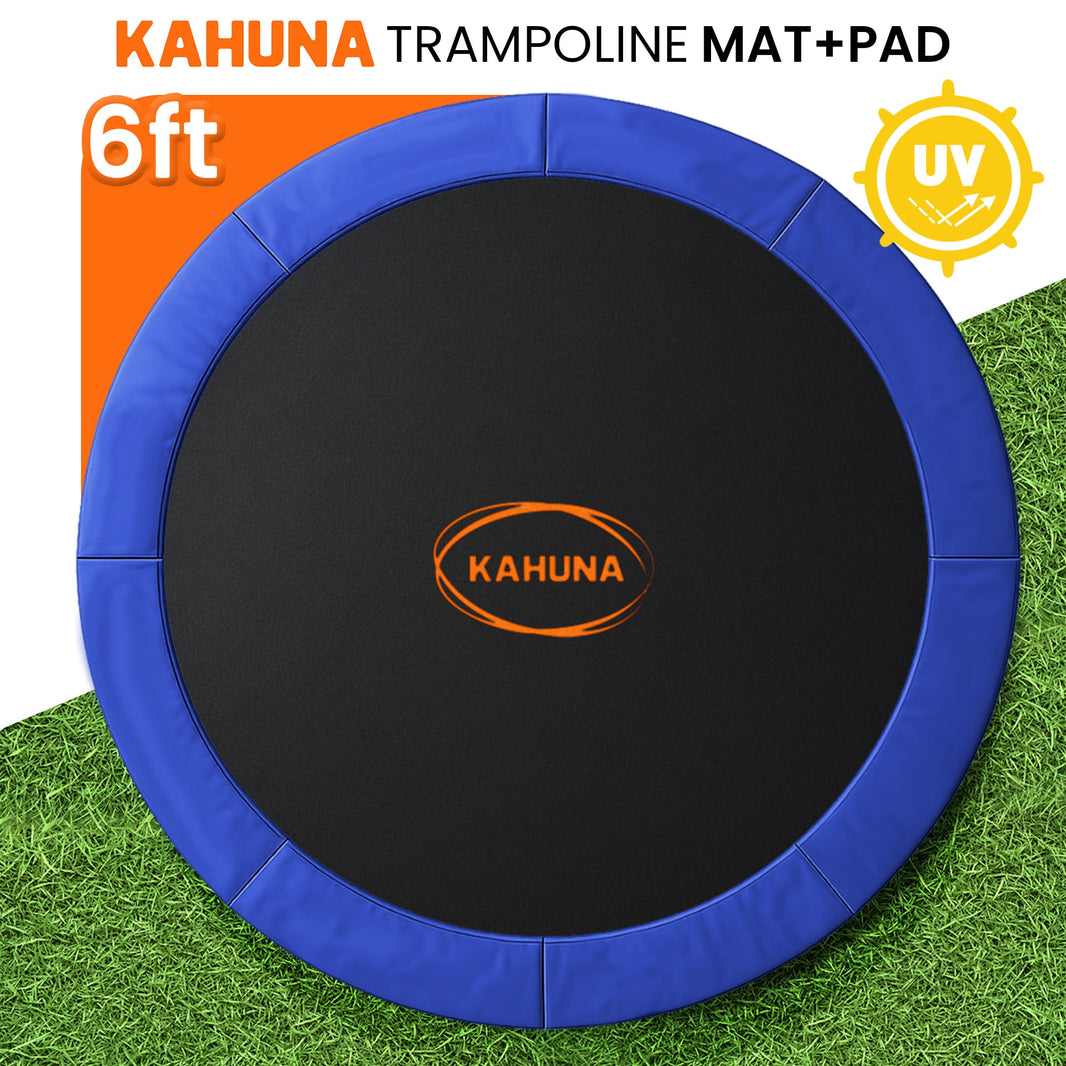
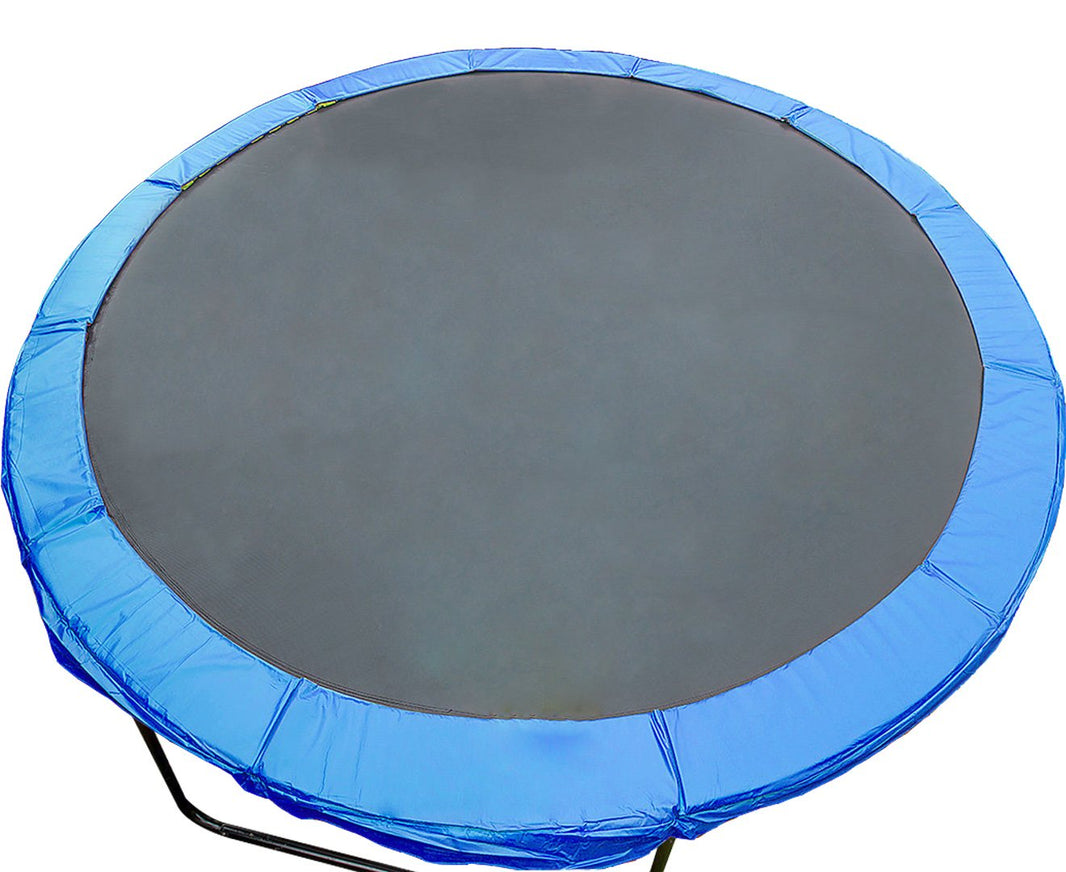
Kahuna 6ft Replacement Trampoline Safety Pad Cover and Safety Net Set Blue
Regular price $120.90 AUDRegular priceUnit price per -
Kahuna 6ft Trampoline Replacememnt Safety Pad Cover and Spring Jumping Bounce Mat Blue
Regular price $140.90 AUDRegular priceUnit price per -
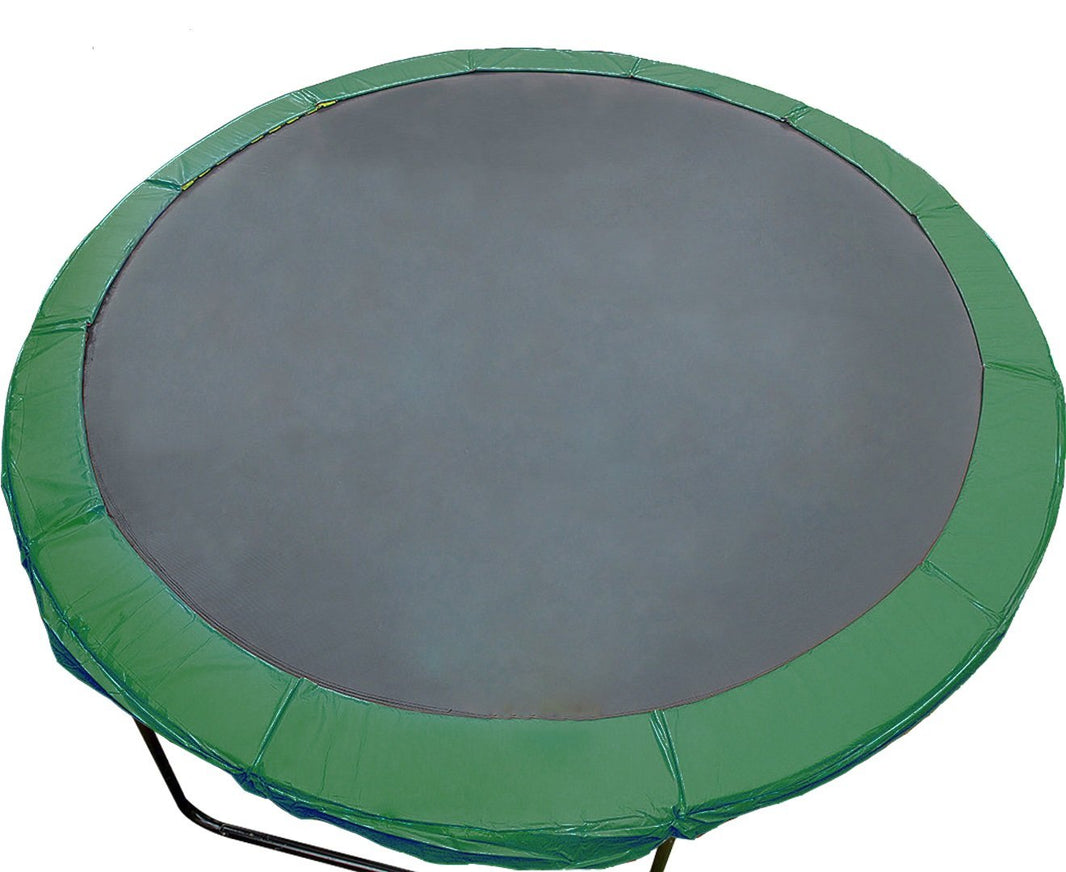
Kahuna 10ft Replacement Trampoline Safety Pad Cover and Jumping Spring Mat - Green
Regular price $207.90 AUDRegular priceUnit price per -
Kahuna 10ft Trampoline Pad and Net - Green
Regular price $186.90 AUDRegular priceUnit price per -
Kahuna 10ft Trampoline Replacement Spring Pad Round Cover - Green
Regular price $87.90 AUDRegular priceUnit price per -
Kahuna New 6ft Replacement Reinforced Outdoor Round Trampoline Safety Spring Pad Cover
Regular price $74.90 AUDRegular priceUnit price per -
Swing Sets for Backyard, 440lbs Load Capacity Swing Set, with 1 Saucer Swing Seat, 1 Belt Swing Seat, Heavy Duty A-Frame Metal Swing Stand and Adjustable Rope, Swingset Outdoor for Kids
Regular price $236.90 AUDRegular priceUnit price per$189.90 AUDSale price $236.90 AUD -
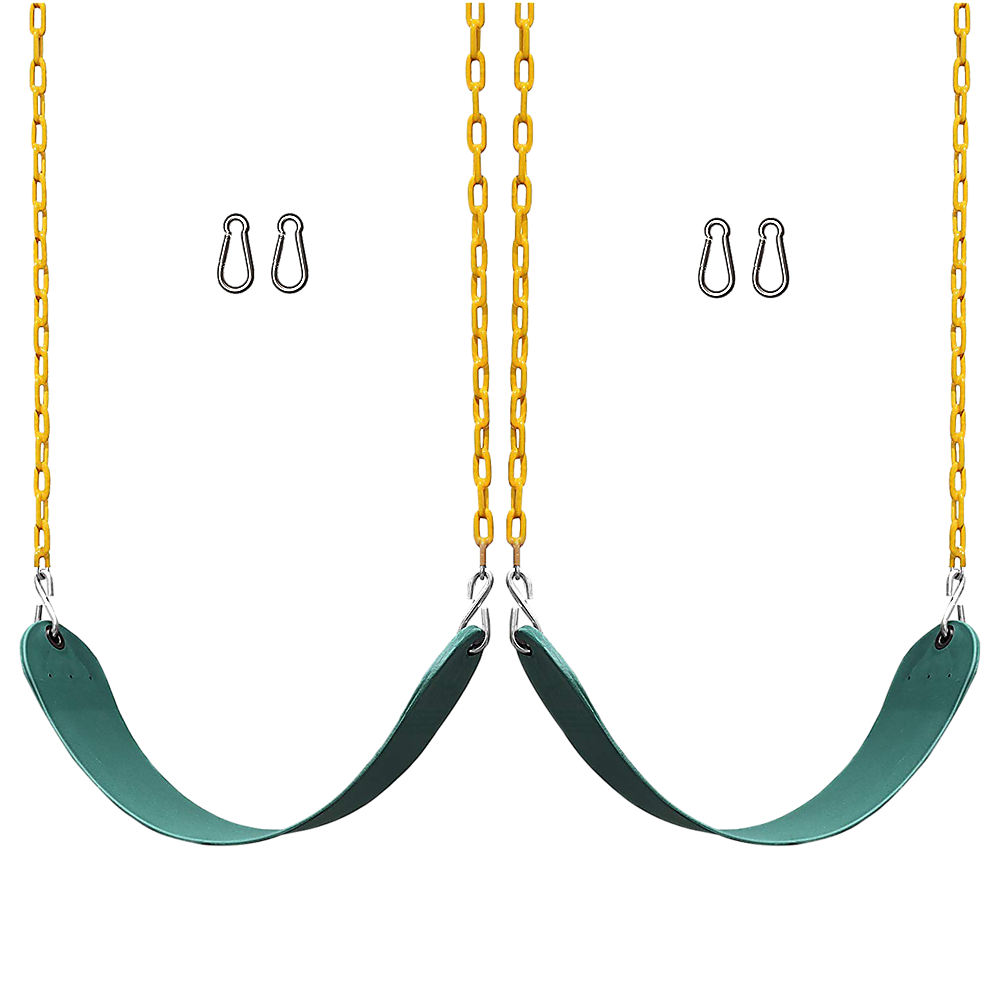
Swings Seats Set of 2 Heavy Duty 66" Chain Plastic Coated Playground Swing
Regular price $99.90 AUDRegular priceUnit price per -
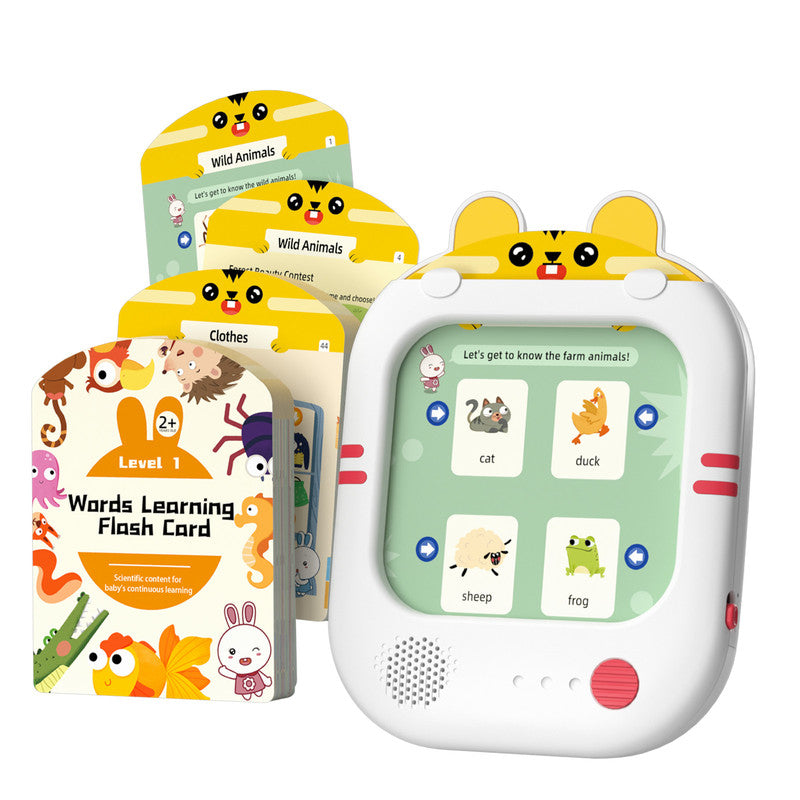
Alilo Interactive Learning Tablet
Regular price $70.90 AUDRegular priceUnit price per$74.90 AUDSale price $70.90 AUDSale -
Keezi Kids Kitchen Play Set Play Pretend Sink Dishwasher Toys Green
Regular price $49.90 AUDRegular priceUnit price per$66.99 AUDSale price $49.90 AUDSale -
Keezi 5-in-1 Kids Slide Climbing Frame Basketball Hoop Play Set Blocks 3+
Regular price $357.90 AUDRegular priceUnit price per$516.99 AUDSale price $357.90 AUDSale -
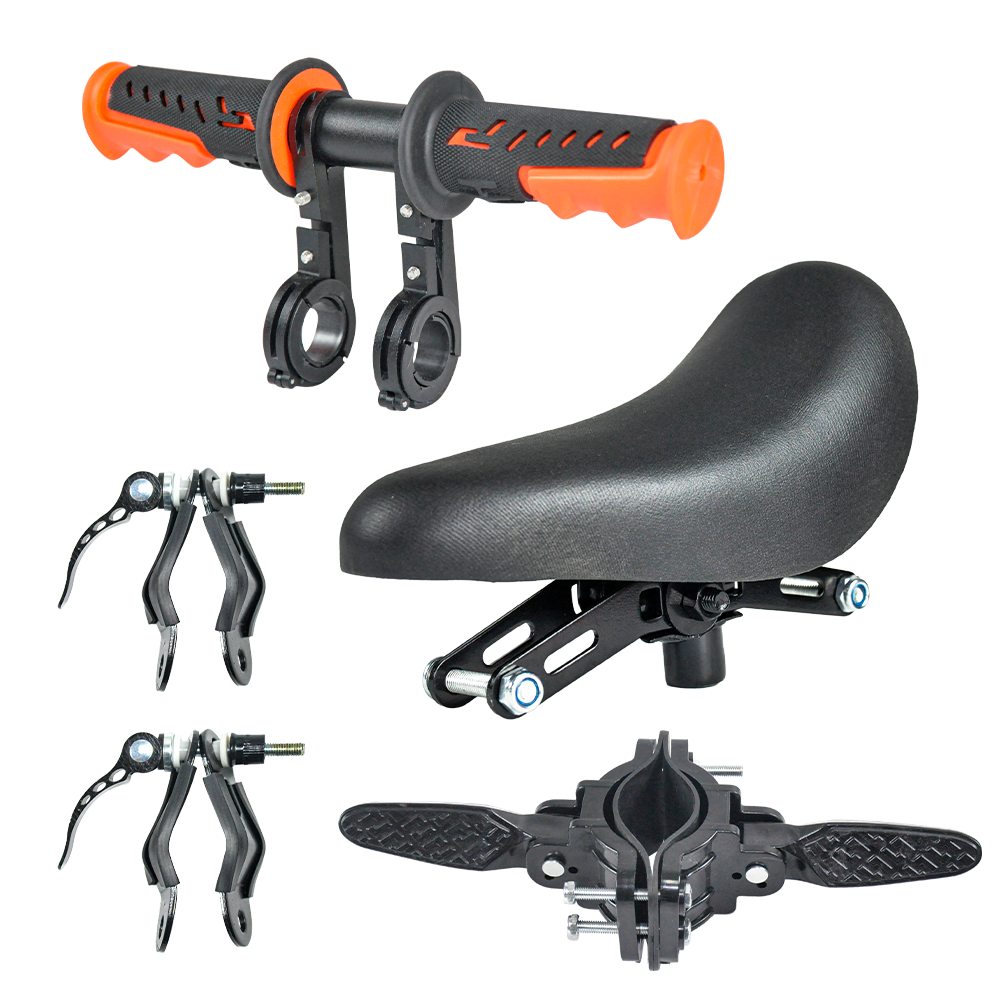
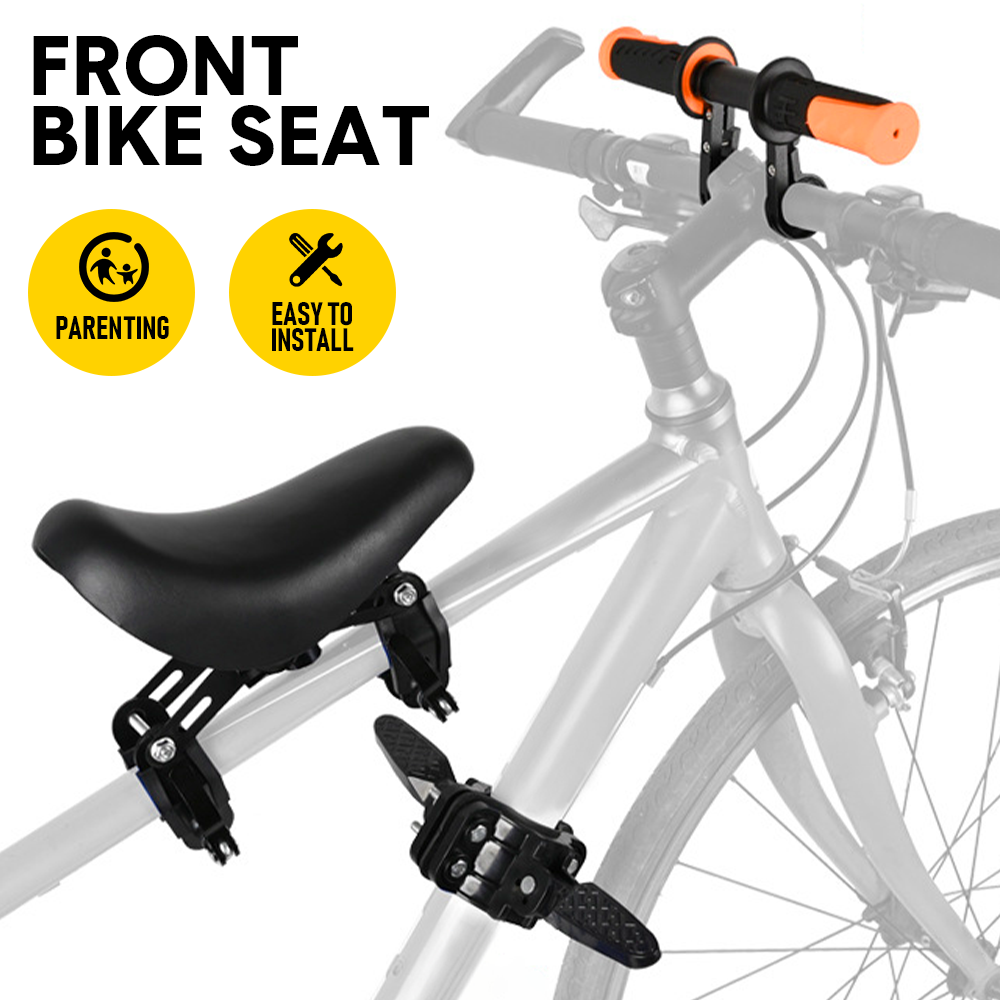
3 In 1 Kids Bike Mounted Front Seat Detachable With Handlebar Foot Pedal Bicycle Seat for Children 1-8 Years Compatible with All Adult Mountain Bikes
Regular price $52.90 AUDRegular priceUnit price per$70.00 AUDSale price $52.90 AUDSale -
Lifespan Kids Burleigh Cubby House (House Only)
Regular price $1,630.90 AUDRegular priceUnit price per$1,899.00 AUDSale price $1,630.90 AUDSale













Related reading


Useful answers
Questions about choosing kids toys
How do I choose between a toy for independent play and a family game?
Think about how the activity starts and how long someone needs to stay involved. A family game needs the stated number of players and shared understanding of the rules. A play setting or simple prop may be revisited more freely, but can still need adult setup and supervision. Match that routine to when the toy will actually be used.
What should I consider when children of different ages share a playroom?
Plan separate storage for older children’s small game pieces and accessories, away from a younger child’s reach. Keep a clear area for quiet floor play rather than crossing it with ride-on routes. Choose each toy for its intended user and age guidance; sharing the room does not make every toy suitable for everyone in it.
What is useful to know before buying a toy with lights or sound?
Check the battery type, whether it is supplied, and how the compartment is secured. For homes with young children, consider alternatives to button batteries where possible. Also think about volume control and replacement batteries: a sound feature that cannot be switched off or maintained may be less useful than the main activity suggests.