
Camping Tarps, Ropes & Accessories
A tarp can extend the useful space around camp, protect packed gear or provide a separate ground layer.
Shop the collection
-
Tarpaulin Tarp 3x3.6M Camping Poly Heavy Duty Cover 180gsm
Regular price $25.90 AUDRegular priceUnit price per$41.99 AUDSale price $25.90 AUDSale -
Camping Tarp Heavy Duty Poly Tarpaulin 5x10m 135gsm Clear
Regular price $69.90 AUDRegular priceUnit price per$116.99 AUDSale price $69.90 AUDSale -
Clear PVC Tarpaulin Tarp With Grommets Heavy Duty Waterproof Patio Ground Cover
Regular price $61.90 AUDRegular priceUnit price per$74.05 AUDSale price $61.90 AUDSale -
ELEAD 28-Piece Bungee Cord Set Carabiner Hooks Heavy Duty Assorted Sizes Tie Down
Regular price $37.90 AUDRegular priceUnit price per$40.99 AUDSale price $37.90 AUDSale -
Hand Crank Tarp Roller Kit, 1.6-2.6 m Wide, Aluminum Alloy, Manual Cab Level Dump Truck Tarp Roller with 17.8 cm Sponge-Wrapped Handle, Perfect for Dump Trucks, Trailers, Trash Haulers (No Tarp)
Regular price $186.90 AUDRegular priceUnit price per$172.90 AUDSale price $186.90 AUD -
Heavy Duty Waterproof Canvas Tarp 200x400cm Army Green Sun Block Dustproof Cover
Regular price $75.90 AUDRegular priceUnit price per$90.94 AUDSale price $75.90 AUDSale -
HORUSDY 31-Piece Premium Bungee Cords Assortment Jar, Includes 10”,18”,24”,32”,40” Bungee Cords, 6“ Zip Ties, 8”Canopy/Tarp Ball Ties and Crocodile Mouth Tarp Clips
Regular price $24.90 AUDRegular priceUnit price per$31.49 AUDSale price $24.90 AUDSale -
Waterproof Plastic Tarp Cover Heavy Duty Ground Sheet Rainproof Dustproof Blue - 3x4m
Regular price $35.90 AUDRegular priceUnit price per$44.00 AUDSale price $35.90 AUDSale -
Carport Replacement Canopy Cover Top + Side Wall 10 x 20 ft, Garage Tent Shelter Tarp Heavy-Duty Waterproof & UV Protected, Easy Installation with Ball Bungees,White (Frame Not Included)
Regular price $245.90 AUDRegular priceUnit price per$227.90 AUDSale price $245.90 AUD -
Tarp Waterproof Tarpaulin 20 x 30 ft 10 Mil Plastic Poly Tear UV Resistant
Regular price $94.90 AUDRegular priceUnit price per$87.90 AUDSale price $94.90 AUD -
10PCS Spiral Screw Tent Pegs Heavy Duty Ground Stakes for Camping Beach Grass
Regular price $13.90 AUDRegular priceUnit price per$16.76 AUDSale price $13.90 AUDSale -
Carport Replacement Canopy, 6 x 3 m Potable Garage Tent Top Tarp, UV-Resistant & Waterproof Car Shelter Tarp, Heavy Duty Car Port Cover with Ball Buggees, Dark Green, Frame Not Included
Regular price $105.90 AUDRegular priceUnit price per$97.90 AUDSale price $105.90 AUD -
Carport Replacement Canopy, 6 x 3.6 m Potable Garage Tent Top Tarp, UV-Resistant & Waterproof Car Shelter Tarp, Heavy Duty Car Port Cover with Ball Buggees, Beige, Frame Not Included
Regular price $107.90 AUDRegular priceUnit price per$99.90 AUDSale price $107.90 AUD -
ELEAD Heavy Duty Bungee Cord Roll, 1/8" x 110ft (33.5m) Marine Grade Outdoor Bungee Cords
Regular price $24.90 AUDRegular priceUnit price per$26.99 AUDSale price $24.90 AUDSale -
ELEAD Heavy Duty Bungee Cord Roll, 3/16" x 110ft (33.5m) Marine Grade Outdoor Bungee Cords
Regular price $30.90 AUDRegular priceUnit price per$32.99 AUDSale price $30.90 AUDSale -
Carport Replacement Canopy, 6x 3.6 m Potable Garage Tent Top Tarp with Sidewalls, UV-Resistant & Waterproof, Heavy Duty Car Shelter Tarp with Ball Buggees, Grey, Frame Not Included
Regular price $262.90 AUDRegular priceUnit price per$242.90 AUDSale price $262.90 AUD -
Carport Replacement Canopy Cover 12 x 20 ft, Garage Top Tent Shelter Tarp Heavy-Duty Waterproof & UV Protected, Easy Installation with Ball Bungees,Grey (Only Top Cover, Frame Not Include)
Regular price $106.90 AUDRegular priceUnit price per$98.90 AUDSale price $106.90 AUD -
Carport Replacement Canopy, 6 x 3.6 m Potable Garage Tent Top Tarp, UV-Resistant & Waterproof Car Shelter Tarp, Heavy Duty Car Port Cover with Ball Buggees, White, Frame Not Included
Regular price $119.90 AUDRegular priceUnit price per$110.90 AUDSale price $119.90 AUD -
Carport Replacement Canopy, 6 x 3 m Potable Garage Tent Top Tarp with Sidewalls, UV-Resistant & Waterproof, Heavy Duty Car Shelter Tarp with Ball Buggees, Beige, Frame Not Included
Regular price $202.90 AUDRegular priceUnit price per$187.90 AUDSale price $202.90 AUD -
Boat Cover Model Waterproof Outdoor Yacht Dust Protector Hull Shield Blue Tarp - 700x320cm
Regular price $66.90 AUDRegular priceUnit price per$80.49 AUDSale price $66.90 AUDSale -
420GSM Heavy Duty Clear PVC Tarpaulin Cloth Transparent Tarps Grommets 3X4M
Regular price $148.90 AUDRegular priceUnit price per$256.00 AUDSale price $148.90 AUDSale -
Instahut 4x6m Tarp Tarpaulin 600GSM Camping Canvas Heavy Duty Water Resistant
Regular price $122.90 AUDRegular priceUnit price per$247.99 AUDSale price $122.90 AUDSale -
Instahut 2x3m Tarp Tarpaulin 600GSM Camping Canvas Heavy Duty Water Resistant
Regular price $39.90 AUDRegular priceUnit price per$116.99 AUDSale price $39.90 AUDSale -
Instahut 3x4m Tarp Tarpaulin 600GSM Camping Canvas Heavy Duty Water Resistant
Regular price $61.90 AUDRegular priceUnit price per$127.99 AUDSale price $61.90 AUDSale


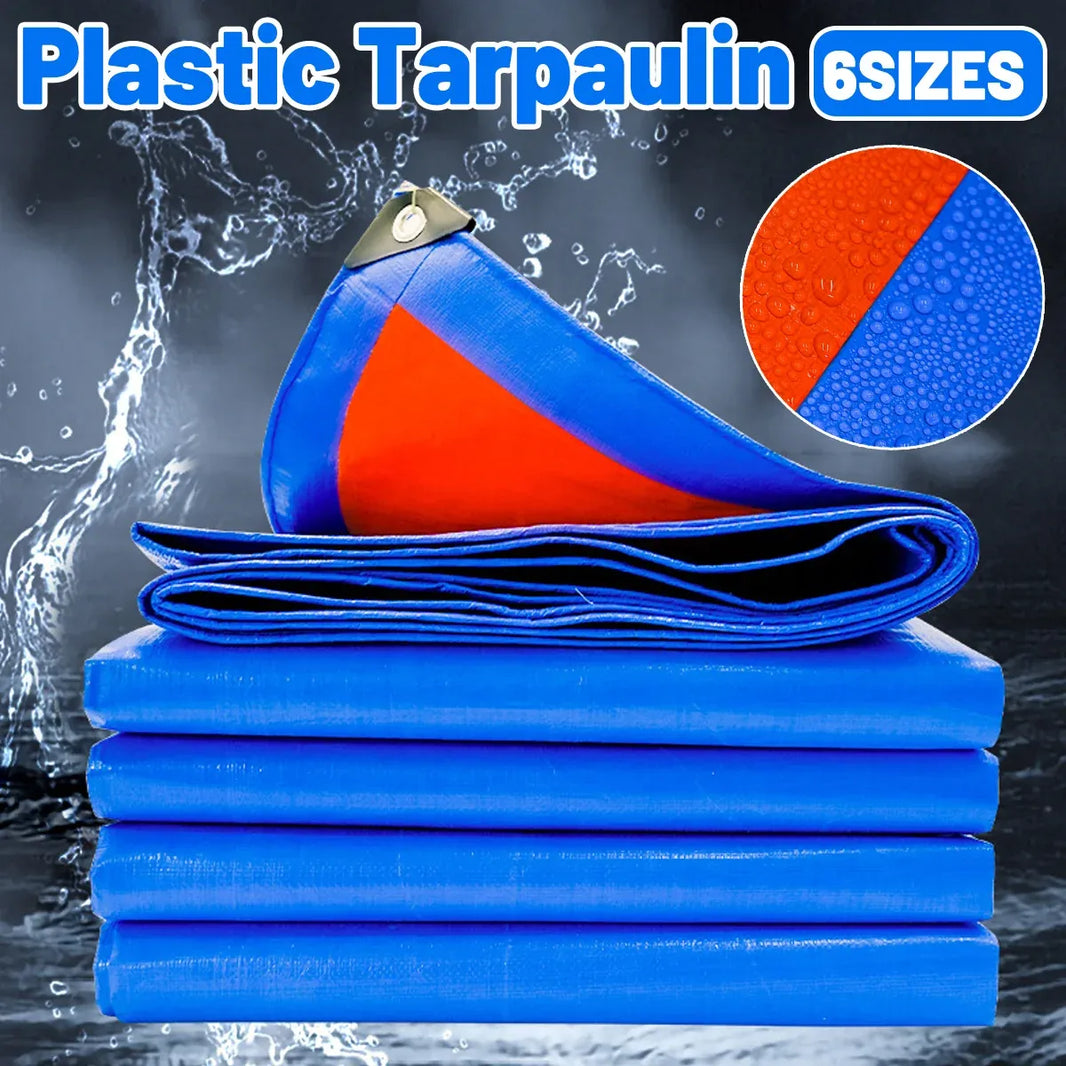


A tarp can extend the useful space around camp, protect packed gear or provide a separate ground layer. Choose its shape and attachment system for the job rather than treating every cover as an interchangeable shelter. Ropes, ties and anchors also need to suit the structure they support.
Coverage changes when a tarp is pitched
A flat sheet’s dimensions are not the same as the shaded floor area beneath a sloping shelter. Pitching an angle for runoff reduces the horizontal coverage. Allow extra room beyond the table or doorway you want to protect, while keeping lines clear of walking routes.
Think about where water will run off. A low corner over the entrance or food preparation area creates inconvenience even when the fabric itself sheds rain.
Choose a fabric for the job
The range includes different sheet sizes and weights. A heavier protective tarpaulin may work for covering equipment but be bulky to carry on foot. A clear cover lets light through; it does not provide the same shaded feeling as an opaque sheet.
Reinforced attachment points and the spacing between them affect how easily you can support the sheet. Avoid stretching a tarp tightly across sharp corners that concentrate wear.
Use the right attachment, not just the nearest cord
Bungee cords, guy ropes and load-rated restraints are different products. Elastic cords can help with suitable light-duty uses but should not be treated as structural supports or rated transport restraints without evidence. Follow the limits of the complete shelter and anchoring arrangement.
Before packing away, shake off debris, dry the sheet and coil lines so the next setup starts without knots. Keep damaged fittings out of the kit rather than relying on them for the next windy day.
Guides and product details: NSW National Parks camping guidance · Bushwalking Victoria: choosing sleeping mats
Useful answers
Camping Tarps, Ropes & Accessories questions
Size the cover for its pitched shape and choose attachments for the job they actually perform.
Why does a pitched tarp cover less ground than its stated size?
The stated dimensions describe the flat sheet. Once the material slopes upwards, less of that width projects onto the ground. Allow room beyond the table or equipment you want covered, and think about where runoff will fall. The dry working area is a layout question, not simply the length printed on the package.
Can the same tarp serve as a groundsheet and an overhead cover?
Some covers may suit both roles, but the material, attachment points and intended use need to support the job. An overhead cover must fit the supporting arrangement, while a ground layer has to lie appropriately beneath the equipment. Keep ground dirt away from gear when changing uses and do not assume every protective sheet is a shelter system.
Are bungee cords interchangeable with guy ropes?
No. Elastic cords stretch and have different fittings and intended uses from guy ropes or rated restraints. Choose the attachment specified for the shelter and conditions instead of substituting the nearest cord. A pack of assorted ties does not establish a wind rating for the complete structure or a safe transport-restraint system.