
Automotive
Keep the cabin organised, carry awkward gear and prepare the equipment that supports your next trip.
Shop the collection
-
Tractor Seat with Armrest Forklift Excavator Bulldozer Universal Suspension Backrest Truck Chair black
Regular price $140.90 AUDRegular priceUnit price per$316.99 AUDSale price $140.90 AUDSale -
Motorcycle Carrier Rack 2" Towbar Arm Rack Dirt Bike Ramp Steel
Regular price $182.90 AUDRegular priceUnit price per$312.99 AUDSale price $182.90 AUDSale -
Boat Cover 23-25ft, Waterproof
Regular price $177.90 AUDRegular priceUnit price per$416.99 AUDSale price $177.90 AUDSale -
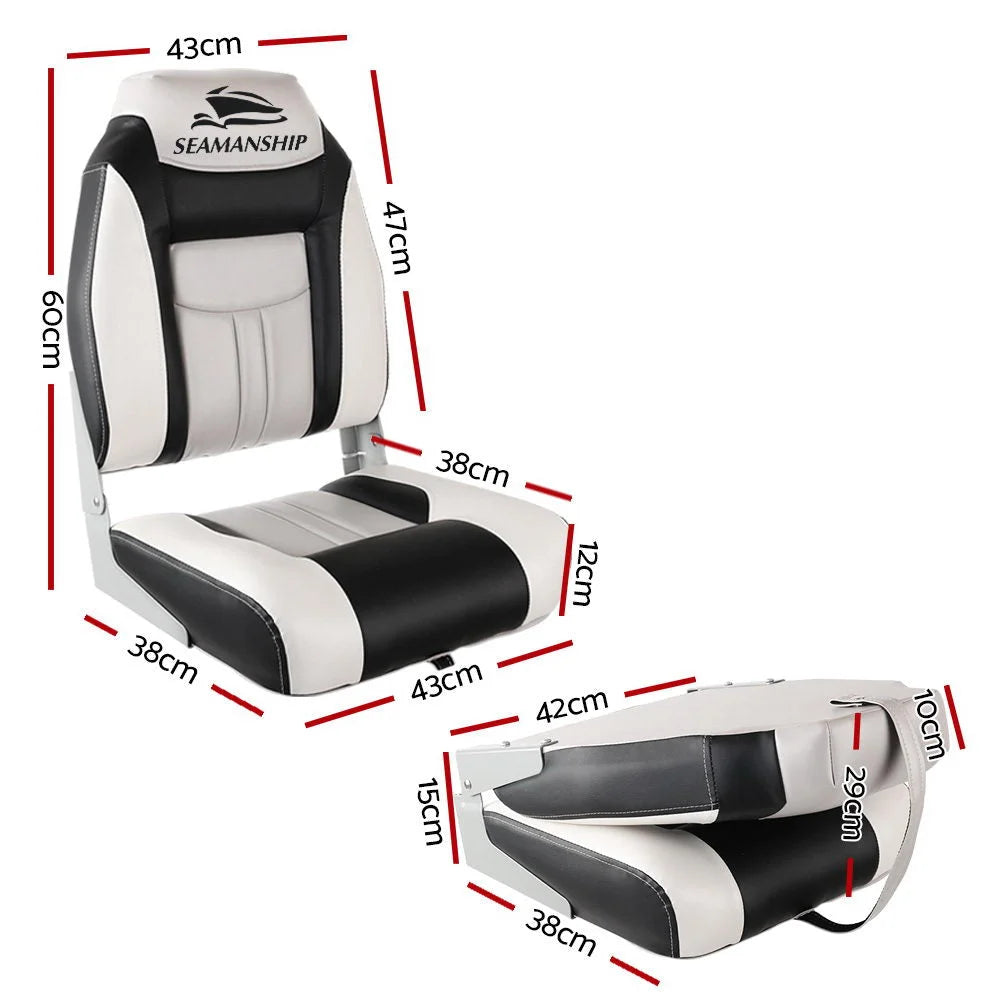
Folding Swivel Boat Seats (Set of 2), Grey
Regular price $129.90 AUDRegular priceUnit price per$216.99 AUDSale price $129.90 AUDSale -
Tow Ball Car Mount - Black & Silver
Regular price $199.90 AUDRegular priceUnit price per$449.99 AUDSale price $199.90 AUDSale -
Universal Forklift/Tractor Seat, Excavator, Truck, Leather Backrest
Regular price $149.90 AUDRegular priceUnit price per$241.99 AUDSale price $149.90 AUDSale -
Folding Boat Seats Set of 2 Marine Seating All Weather Swivels
Regular price $169.90 AUDRegular priceUnit price per$266.99 AUDSale price $169.90 AUDSale -
Winch 12V Synthetic Rope 4500LBS Wireless Remote ATV UTV 2041KG
Regular price $222.90 AUDRegular priceUnit price per$270.14 AUDSale price $222.90 AUDSale -
Universal Car Roof Rack 1450mm Cross Bars Aluminium Silver Adjustable Brackets Carrier 90kg
Regular price $79.90 AUDRegular priceUnit price per$116.99 AUDSale price $79.90 AUDSale -
Folding Swivel Boat Seats (Set of 2), Grey/Black
Regular price $190.90 AUDRegular priceUnit price per$299.99 AUDSale price $190.90 AUDSale -
12V Winch 3000LB ATV Boat Trailer Winch with Synthetic Rope
Regular price $177.90 AUDRegular priceUnit price per$269.90 AUDSale price $177.90 AUDSale -
12V Wireless Winch, 3000lbs/1360kg, Synthetic Rope, Boat ATV 4WD
Regular price $149.90 AUDRegular priceUnit price per$215.80 AUDSale price $149.90 AUDSale -
Boat Cover 17-19ft, Waterproof
Regular price $149.90 AUDRegular priceUnit price per$332.99 AUDSale price $149.90 AUDSale -
VEVOR Paintless Dent Removal Rods Stainless Steel Rod Tool Kit 89pcs Dent Repair
Regular price $158.90 AUDRegular priceUnit price per$146.90 AUDSale price $158.90 AUD -
X-BULL 12V Winch Remote Control Twin Handset Easy to Install Upgrade Remotes
Regular price $47.90 AUDRegular priceUnit price per$89.00 AUDSale price $47.90 AUDSale -
Size M Black Magnetic Car Window Sun Shade Screens & SUV Tailgate Mosquito Net Set - Breathable Bug Protection
Regular price $48.90 AUDRegular priceUnit price per$92.00 AUDSale price $48.90 AUDSale -
8x5 Box Trailer Cage Canvas Cover 900MM - 3FT Thick Rip-Resistant Waterproof
Regular price $480.90 AUDRegular priceUnit price per$496.60 AUDSale price $480.90 AUDSale -
12V Winch 4500LB Boat Trailer Steel Cable with 5.5M X 13M Synthetic Rope - Orange
Regular price $173.90 AUDRegular priceUnit price per$259.00 AUDSale price $173.90 AUDSale -
Winch 5000LBS 12V Synthetic Rope 15.2M Wireless ATV UTV 4WD Boat
Regular price $219.90 AUDRegular priceUnit price per$293.42 AUDSale price $219.90 AUDSale -
Winch 3000LBS/1360KG Wireless 12V Steel Cable ATV 4WD Boat 4X4
Regular price $149.90 AUDRegular priceUnit price per$178.54 AUDSale price $149.90 AUDSale -
Window Tinting Kit 35% - 30M
Regular price $59.90 AUDRegular priceUnit price per$116.99 AUDSale price $59.90 AUDSale -
Window Tint Film, 152×30m, Black, VLT 15%, Commercial/Auto/House
Regular price $60.90 AUDRegular priceUnit price per$124.99 AUDSale price $60.90 AUDSale -
Folding Swivel Boat Seats (Set of 2), Grey/Black
Regular price $190.90 AUDRegular priceUnit price per$349.99 AUDSale price $190.90 AUDSale -
Folding Swivel Boat Seats (Set of 2), White/Blue
Regular price $129.90 AUDRegular priceUnit price per$216.99 AUDSale price $129.90 AUDSale




Related reading


Keep the cabin organised, carry awkward gear and prepare the equipment that supports your next trip. Automotive brings together interior accessories, roof and towbar transport, vehicle care, electrical equipment and marine accessories. Start with the job you need to do, then choose the fitting and capacity that belong on your vehicle.
Choose the job before the accessory
A boot organiser solves loose shopping and everyday clutter; a roof rack creates room for equipment that will not fit inside. A battery charger supports a stored vehicle, while a jump starter serves a different starting task. Separating these jobs first makes it easier to compare useful features instead of picking the largest capacity or the longest feature list.
Use Car Interior for contact surfaces, shade and storage. Move to 4WD, Towing & Transport for carrying and recovery equipment, or Vehicle Care & Electrical for cameras, charging and workshop tasks. Marine Accessories brings a different set of measurements: boat-cover profiles, seating bases and the space around each fitting.
Build a small vehicle fitment record
Keep the make, model, year and body style together with photos of the fitting point. A roof can have raised rails, flush rails, rain gutters or no rails; each arrangement needs its own mounting approach. At the rear, a tow ball and a square hitch receiver are different connections. Inside, seat shape, airbag locations and floor-mat retainers matter more than a broad “universal” label.
When shopping for several items, record their combined space and weight. A cargo box needs room for the tailgate to open. A dash-cam cable needs a route around trim and safety systems. A storage box should still leave access to your spare wheel or underfloor compartment.
A complete setup has several limits
A rack, mount and vehicle may each have a separate rating. The number on one accessory does not increase the capacity of the rest of the system. Account for the weight of the carrier itself before adding the load, and distinguish a stationary rating from a rating while driving.
For powered equipment, the useful starting information is supply voltage, connector, intended duty and the equipment it will run. A USB phone charger, a battery maintainer and a vehicle inverter cannot be compared by the same number. Choose the correct function before comparing output.
Plan for use after the first trip
Think about where wet mats, muddy recovery boards or a bulky carrier will be cleaned and stored. Removable parts can make routine cleaning easier, but their fixings still need a convenient, secure home. Folding equipment earns its space when it can actually be removed or folded in your garage.
For a replacement or safety-related fitting, keep the existing part identification and manufacturer instructions. Installation requirements can decide the total project: a simple storage box and a fixed electrical or towing component should not be treated as the same type of DIY job.
Guides and product details: Rhino-Rack roof-load calculator · Toyota HiLux model-specific accessories · NSW caravan-towing guidance · Tractor Seat with Armrest Forklift Excavator Bulldozer Universal Suspension Backrest Truck Chair… · ZESUPER 12V Winch 4500lb Synthetic Rope Boat Winch ATV Trailer Winch 4WD · Motorcycle Carrier Rack 2" Towbar Arm Rack Dirt Bike Ramp Steel
Useful answers
Planning your automotive accessories
Start with the job, then gather the details that narrow the choice.
Which automotive category should I use if I only know the problem I want to solve?
For loose shopping, muddy footwells or parked shade, start with Car Interior. Use 4WD, Towing & Transport for carrying and recovery equipment. Vehicle Care & Electrical covers workshop and powered accessories, while Marine Accessories focuses on boat fittings. Start with one job rather than buying a collection of unrelated upgrades.
What information helps me compare accessories before choosing a product?
Keep your vehicle’s make, model, build details and body or roof configuration together. Add photographs of the fitting point and the dimensions relevant to the task. For a replacement, record the existing part number. These details help distinguish a plausible match from an accessory that merely looks similar.
What should I include in the budget beyond the accessory itself?
Identify any separate mount, compatible fitting kit, power connection or installation needed to complete the task. Also consider where a bulky item will live when removed. Compare complete usable setups: a cheaper component may leave essential parts to buy, while an included kit may contain things you already have.