
Transfer & Drainage Pumps
Transfer and drainage pumps solve a route problem: getting a permitted liquid from one place to another.
Shop the collection
-
High Flow Water Pump 2in, Black/Red
Regular price $216.90 AUDRegular priceUnit price per$332.99 AUDSale price $216.90 AUDSale -
Submersible Water Pump 1800W
Regular price $128.90 AUDRegular priceUnit price per$216.99 AUDSale price $128.90 AUDSale -
Petrol Water Pump 8HP 3" Garden Irrigation Transfer - Blue
Regular price $169.90 AUDRegular priceUnit price per$299.99 AUDSale price $169.90 AUDSale -

 Sale
Toilet Disposal Unit
Regular price $190.90 AUDRegular priceUnit price per$399.99 AUDSale price $190.90 AUDSale -
Bio Diesel Transfer Pump 12V
Regular price $88.90 AUDRegular priceUnit price per$166.99 AUDSale price $88.90 AUDSale -
High Flow Water Pump 2in, Black/Red
Regular price $199.90 AUDRegular priceUnit price per$349.99 AUDSale price $199.90 AUDSale -
Auto Peripheral Water Pump Clean Garden Farm Rain Tank Irrigation - QB60 Yellow
Regular price $104.90 AUDRegular priceUnit price per$216.99 AUDSale price $104.90 AUDSale -
High Pressure Garden Water Pump 2000W
Regular price $190.90 AUDRegular priceUnit price per$316.99 AUDSale price $190.90 AUDSale -
Water Pump High Pressure Multi-Stage Copper Motor Garden Farm Irrigation
Regular price $207.90 AUDRegular priceUnit price per$366.99 AUDSale price $207.90 AUDSale -
Garden Water Pump Jet High Pressure Controller Stage Irrigation 4600L/H
Regular price $184.90 AUDRegular priceUnit price per$854.99 AUDSale price $184.90 AUDSale -
High Pressure Garden Water Pump 2000W
Regular price $192.90 AUDRegular priceUnit price per$316.99 AUDSale price $192.90 AUDSale -
Water Pump Multi-Stage Pressure Rain Tank Garden Farm House Irrigation 2500W
Regular price $306.90 AUDRegular priceUnit price per$516.99 AUDSale price $306.90 AUDSale -
Water Pump 2500W Multi-Stage Pressure Rain Tank Farm House Irrigation
Regular price $306.90 AUDRegular priceUnit price per$516.99 AUDSale price $306.90 AUDSale -
Water Pressure Pump Multi-Stage Auto Garden House Rain Tank Irrigation
Regular price $219.90 AUDRegular priceUnit price per$532.99 AUDSale price $219.90 AUDSale -
Garden Water Pump 1500W High Pressure with Auto Controller
Regular price $166.90 AUDRegular priceUnit price per$332.99 AUDSale price $166.90 AUDSale -
High‑Pressure Garden Water Pump, 800 W, Auto Controller
Regular price $157.90 AUDRegular priceUnit price per$259.99 AUDSale price $157.90 AUDSale -
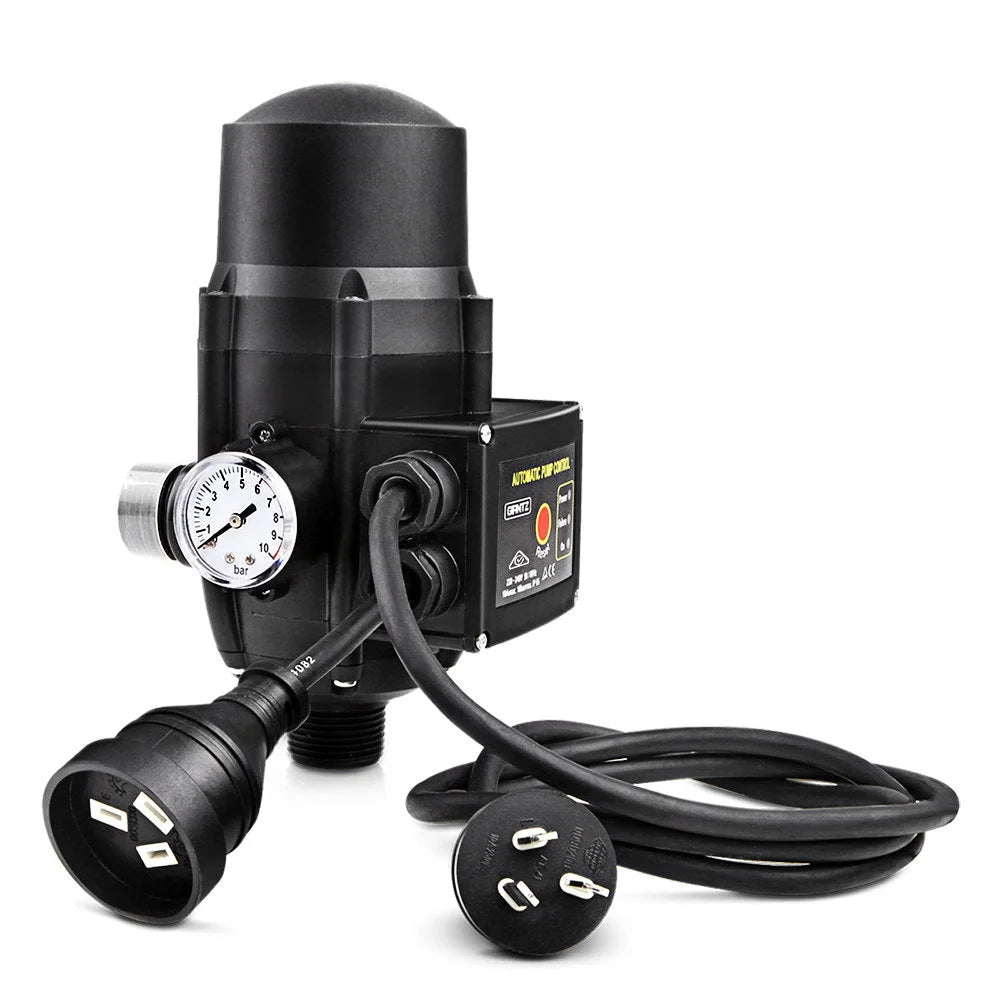
Electronic Water Pump Controller Automatic Adjustable, Black
Regular price $45.90 AUDRegular priceUnit price per$87.99 AUDSale price $45.90 AUDSale -
Submersible Dirty Water Pump 1500W Bore Tank Well Steel Automatic Clean PROTEGE
Regular price $141.90 AUDRegular priceUnit price per -
Peripheral Pump Auto Controller Clean Water Garden Farm Rain Irrigation
Regular price $110.90 AUDRegular priceUnit price per$182.99 AUDSale price $110.90 AUDSale -
Auto Peripheral Pump Clean Water Garden Farm Rain Tank Irrigation QB80
Regular price $125.90 AUDRegular priceUnit price per$249.99 AUDSale price $125.90 AUDSale -
Water Pump Multi-Stage Pressure Rain Tank Garden Farm House Irrigation 2000W Yellow Controller
Regular price $209.90 AUDRegular priceUnit price per$482.99 AUDSale price $209.90 AUDSale -
High‑Pressure Water Pump, Multi‑Stage, Farm Rain Tank, Garden
Regular price $219.90 AUDRegular priceUnit price per$532.99 AUDSale price $219.90 AUDSale -
Submersible Dirty Water Pump 2250W Sewage Bore Septic Tank Sewerage - PROTEGE
Regular price $414.90 AUDRegular priceUnit price per -
WARTON Petrol Water Pump 8HP Fire Fighting High Pressure Transfer Irrigation 4-Stroke
Regular price $491.90 AUDRegular priceUnit price per




Related reading

Transfer and drainage pumps solve a route problem: getting a permitted liquid from one place to another. A portable surface unit, submerged drainage pump and wastewater unit connect to different systems. Use this mixed selection to compare those formats, then narrow the choice by liquid type and intended operating pattern.
Identify what is actually being moved
The range includes water-transfer, submersible and fuel-transfer products alongside wastewater equipment. Choose a pump explicitly intended for the liquid rather than treating this as one interchangeable group. Residue from a previous liquid can also matter, so a shared appearance or outlet size does not establish a safe alternative use.
Make the hose route practical
Consider where the pump can sit, how the intake stays supplied and where the discharge hose ends. Bends, hose length and elevation affect the system, so a model should be checked for the required delivery duty. Keep connections and hose support accessible instead of planning a route that strains the pump fittings.
Decide how operation will end
Occasional transfer may involve a different control arrangement from unattended drainage. A float-controlled unit needs room for its intended switching mechanism; other pumps may need separate controls. Confirm the operating method before purchase, especially when the water level changes or the source can run empty.
Further reading: Grundfos: selecting and sizing a pump
Further reading: Grundfos Australia: pump curves
Useful answers
Transfer & Drainage Pumps questions, answered
Can I use one transfer pump for water and diesel?
Only use a pump for liquids explicitly permitted by its manufacturer. The range includes different fluid systems, and a shared hose size or similar housing does not make them interchangeable. Previous use and contamination also matter, especially for water applications; do not infer drinking-water suitability from a water-pump label.
Should I choose a surface pump or a submersible pump for drainage?
Compare where the pump will operate and how liquid reaches it. A submersible unit works in its permitted liquid; a surface unit needs a suitable intake arrangement. Also consider the level at which you need pumping to stop and how the discharge route will be supported and accessed.
Does a float switch make a drainage pump suitable for unattended use?
A float provides a particular level-control function, but the complete installation still needs to suit the task. Confirm its permitted duty, switching space and response to changing levels. A cramped sump or obstructed float can undermine the intended arrangement, so plan the location as well as the pump.