
Grip, align and verify
Hand Tools & Measuring
Choose hand tools for fastening and holding, and measuring equipment for checking the result. The useful specifications differ: a socket needs the correct fastener and drive size, while a measuring instrument needs the right range and level of detail. Follow the relevant tool family to compare those requirements.

Tools for assembly and checking
Choose a working tool, a measuring instrument or a weighing format for the task in front of you.


Build a kit around your common fasteners
Metric spanners and socket sets suit different access situations. A spanner can reach a flat nut where a socket body will not fit; a socket and handle can help with repeated fasteners. Choose the sizes your equipment uses instead of judging a kit only by its total piece count.
Separate measuring range from useful detail
A high maximum capacity does not necessarily provide the small increments needed for a delicate task. Length, weight, temperature and electrical measurements each require a different instrument. Decide the smallest change you need to distinguish and the largest item you expect to measure before comparing displays and extra functions.
Create a repeatable working position
A vise or clamp can hold a part while a hand tool works on it; a clear, stable measuring area makes readings easier to compare. Keep tools grouped by activity, such as assembly or marking out. The Hand Tools and Measuring Tools pages below help narrow this broad selection into practical working sets.
Further reading: Fluke Australia: multimeter specifications
Shop the collection
-
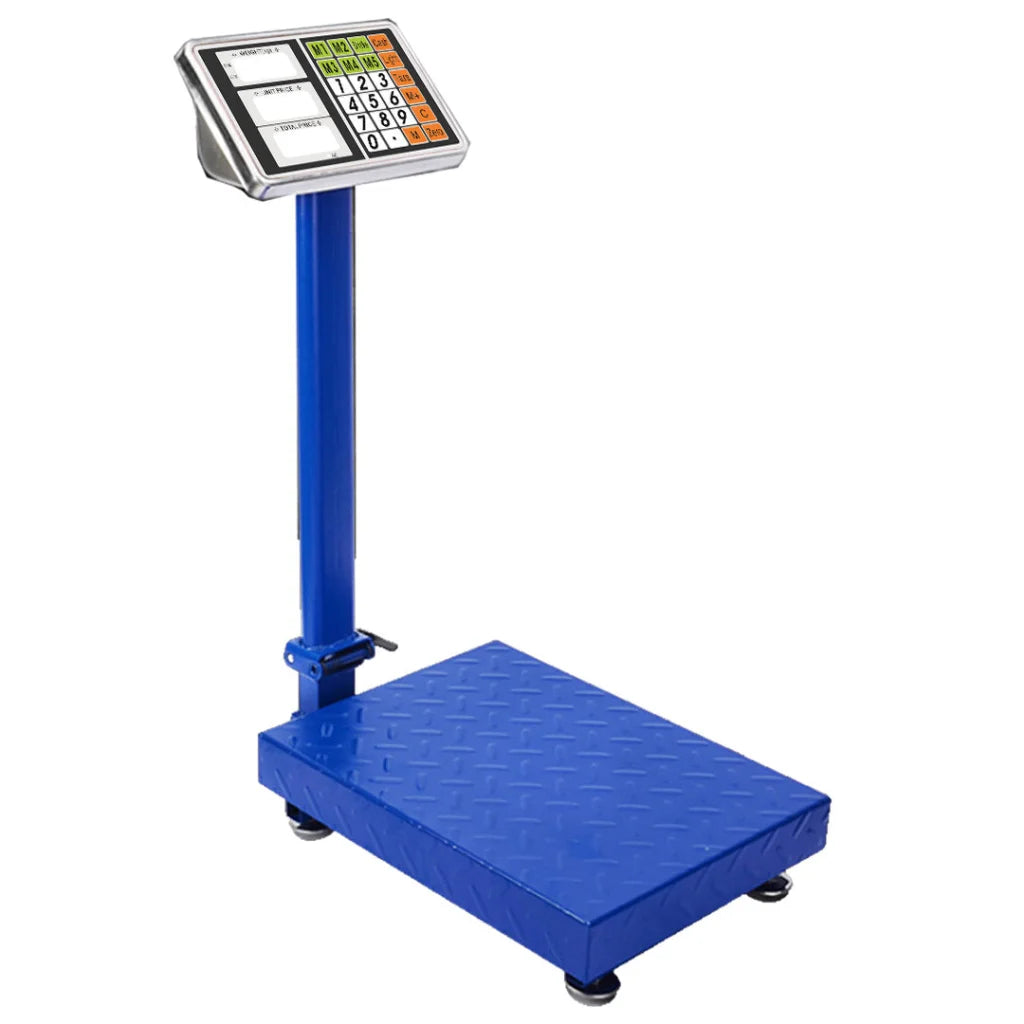
300kg Electronic Digital Platform Scale Computing Postal Shop Scales Weight
Regular price $93.90 AUDRegular priceUnit price per$242.87 AUDSale price $93.90 AUDSale -
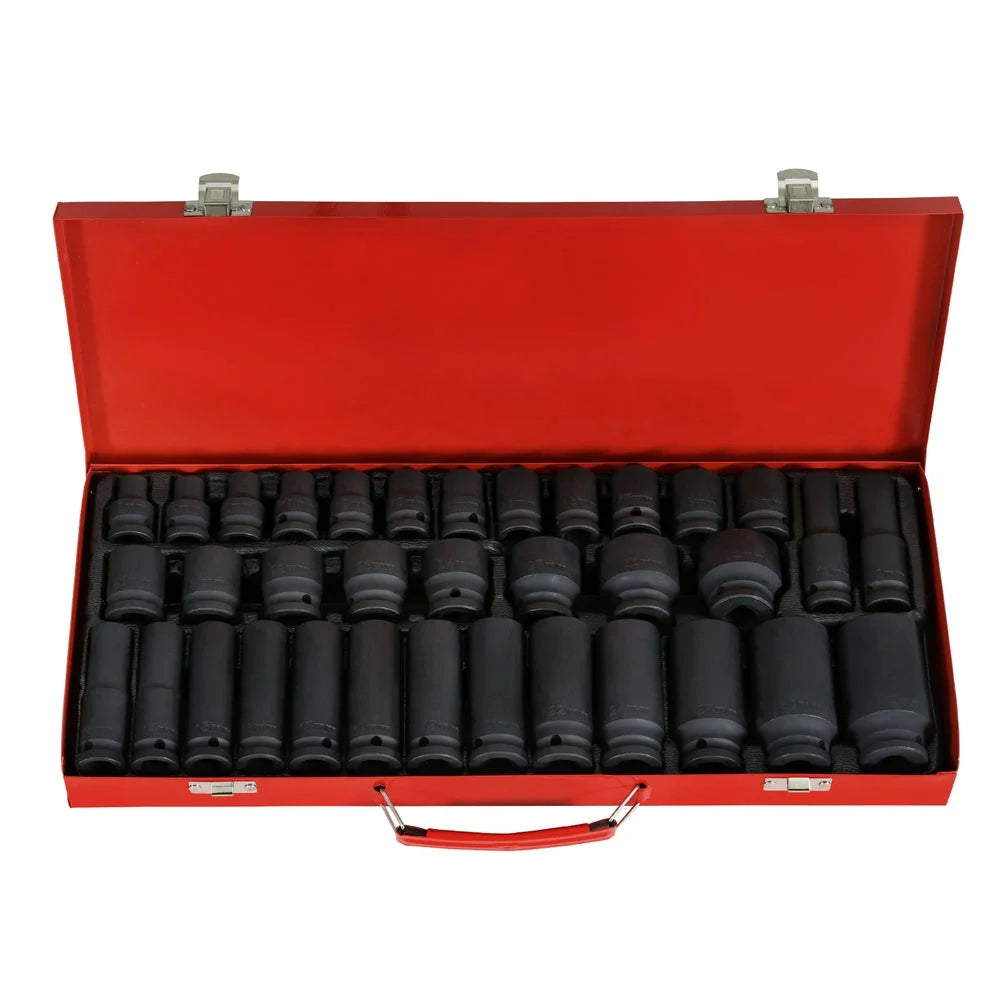
Impact Socket Set 35pcs 1/2" Drive Metric 8-32mm with Case
Regular price $69.90 AUDRegular priceUnit price per$119.99 AUDSale price $69.90 AUDSale -
Electronic Digital Platform Scale 150kg Computing Shop Postal Weight - Blue - Premium
Regular price $141.80 AUDRegular priceUnit price per$227.80 AUDSale price $141.80 AUDSale -
Milling Vice 4"/100mm,Bench Clamp Vice Nodular Cast Iron Material,Clamping Vice Clamping Force 19KN Max, Milling Machine Vice
Regular price $135.90 AUDRegular priceUnit price per$125.90 AUDSale price $135.90 AUD -
Portable Ratchet Screwdriver Tool Kit 40PCS Durable for Home Cycle Repair Use
Regular price $36.90 AUDRegular priceUnit price per$44.21 AUDSale price $36.90 AUDSale -
Wheelie Bin Compactor Manual Press Household Rubbish Trash Recycling Bins
Regular price $67.90 AUDRegular priceUnit price per -
Multi-functional C-type Pliers Strong Manual Grip Round Mouth Clamping Tool - 4inch
Regular price $14.90 AUDRegular priceUnit price per$18.10 AUDSale price $14.90 AUDSale -
Flower Shop Thorn Tools Rose Thorn Strippers Thorn Removing Pliers Thorn Clamps - Coffee
Regular price $25.90 AUDRegular priceUnit price per$30.80 AUDSale price $25.90 AUDSale -
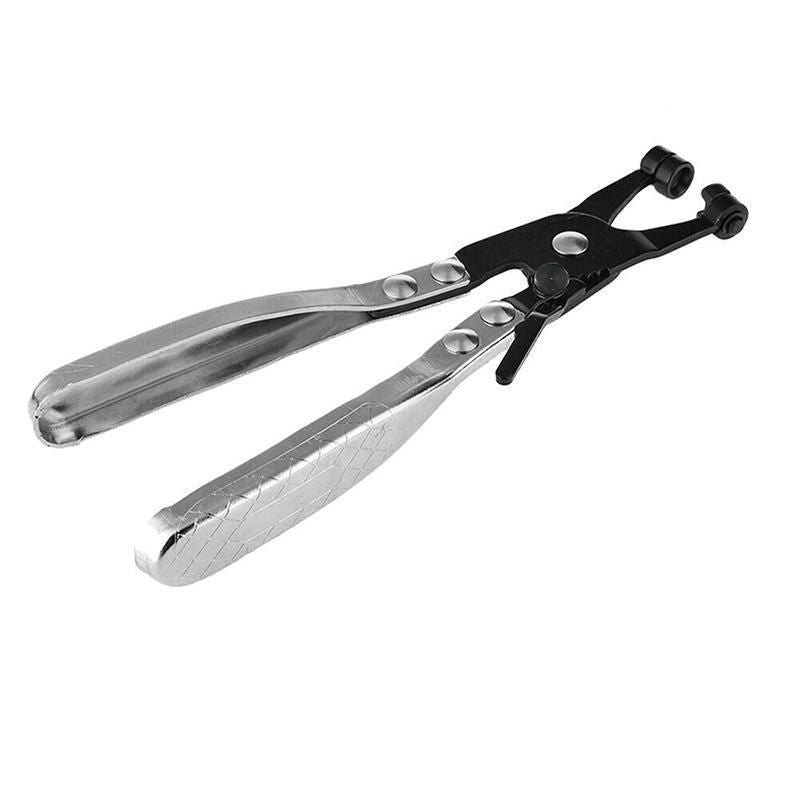
45 Degree Water Pipe Hose Clip Pliers Clamp Swivel Drive Jaw Locking Removal Tool
Regular price $17.90 AUDRegular priceUnit price per$21.09 AUDSale price $17.90 AUDSale -
Corner Window Groove Slot Cleaning Brush Scraper Kitchen Stove Cleaning Tool
Regular price $13.90 AUDRegular priceUnit price per$15.93 AUDSale price $13.90 AUDSale -
Multi-purpose Crate Hammer Nail Lifting Life-saving Pliers Tool Outdoor Camping
Regular price $16.90 AUDRegular priceUnit price per$19.85 AUDSale price $16.90 AUDSale -
53PCS Metric Deep Socket Set 1/4" Drive Wrench with Flexible Extension Bar Tools
Regular price $44.90 AUDRegular priceUnit price per$55.28 AUDSale price $44.90 AUDSale -
1.25-16mm² Wire Crimper Cable Plier Terminal Anderson Plug Lug Crimping Tool
Regular price $31.90 AUDRegular priceUnit price per$38.37 AUDSale price $31.90 AUDSale -
Premium Alloy Capo Quick Change Trigger Clamp For Guitar Banjo Ukulele Mandolin - Yellow
Regular price $33.90 AUDRegular priceUnit price per$40.35 AUDSale price $33.90 AUDSale -
Moisture Meter Wood Masonry Wall & Other Materials Damp Meter Detector
Regular price $36.90 AUDRegular priceUnit price per -
Woodworking Edge Ruler Protractor Angle Measuring Tool Carpenter - 15 inch
Regular price $27.90 AUDRegular priceUnit price per$33.50 AUDSale price $27.90 AUDSale -
Scale Digital Caliper
Regular price $85.90 AUDRegular priceUnit price per -
10cm Handheld Magnifying Glass Loupe for Optimal Reading Clarity
Regular price $17.90 AUDRegular priceUnit price per$21.34 AUDSale price $17.90 AUDSale -
32 Blade Feeler Gauge Dual Marked Mm/Inch Thickness Gap Metric Filler Tool Honda
Regular price $14.90 AUDRegular priceUnit price per$18.30 AUDSale price $14.90 AUDSale -
Retractable Tailor Tape Measure 150cm Soft Body Measuring Sewing Ruler - Blue
Regular price $8.90 AUDRegular priceUnit price per$10.21 AUDSale price $8.90 AUDSale -
Heavy Duty Wheel Clamp
Regular price $110.90 AUDRegular priceUnit price per -
T Shaped Spirit Level for Caravan Tripod Camper RV Boat Trailer Use
Regular price $15.90 AUDRegular priceUnit price per$18.58 AUDSale price $15.90 AUDSale -
Embedded Design LCD Electronic Thermometer Hygrometer for Cigar Box Guitar Case Wine Cabinet
Regular price $24.90 AUDRegular priceUnit price per$27.99 AUDSale price $24.90 AUDSale -
Infrared Thermometer Accurate Contactless LCD Backlit Display Handheld Digital Thermometer for Industrial KitchenTS550 (‑50°C~550°C, ‑58°F~1022°F)
Regular price $37.90 AUDRegular priceUnit price per$41.99 AUDSale price $37.90 AUDSale







Related reading

Useful answers
Hand Tools & Measuring questions, answered
What is a practical way to build a hand-tool and measuring kit?
Choose tools around repeated tasks such as fastening, holding and marking out. Identify the fastener sizes and the measurements you need to check, then add the appropriate tools for those jobs. A high piece count can include duplicates while leaving the most useful size or measuring range missing.
When should I use the Hand Tools page instead of Measuring Tools?
Use Hand Tools for equipment that fastens, grips, holds or shapes the work. Use Measuring Tools & Sensors when the main question is a dimension, quantity or condition you need to verify. A tool for setting a fitting’s position serves a different purpose from an instrument monitoring temperature.
Why do measuring range and resolution both matter?
Range describes what the instrument can cover; resolution describes the increments it can display. Start with the largest value and smallest difference your task requires, then compare accuracy separately. A higher maximum or more display digits alone does not prove a more useful instrument for the job.