
Garden Trellises & Plant Supports
An upright garden trellis lifts climbing growth through a narrow footprint; an inclined frame occupies more ground but changes how you reach the crop. Choose the layout around the mature plant and the space you need for picking, watering and walking beside the bed.
Shop the collection
-
SOGA 160cm Rectangular Inclined Plant Frame Tube Pergola Trellis Vegetable Flower Herbs Outdoor Vine Support Garden Rack
Regular price $113.80 AUDRegular priceUnit price per$170.80 AUDSale price $113.80 AUDSale -
SOGA 150X90cm Plant Frame Tube Trellis Vegetable Flower Herbs Outdoor Vine Support Adjustable Garden Rack
Regular price $87.80 AUDRegular priceUnit price per$131.80 AUDSale price $87.80 AUDSale -
SOGA 120cm Plant Frame Tube Trellis Vegetable Flower Herbs Outdoor Vine Support Adjustable Garden Rack
Regular price $87.80 AUDRegular priceUnit price per$131.80 AUDSale price $87.80 AUDSale -
SOGA 90cm Plant Frame Tube Trellis Vegetable Flower Herbs Outdoor Vine Support Adjustable Garden Rack
Regular price $59.80 AUDRegular priceUnit price per$89.80 AUDSale price $59.80 AUDSale -
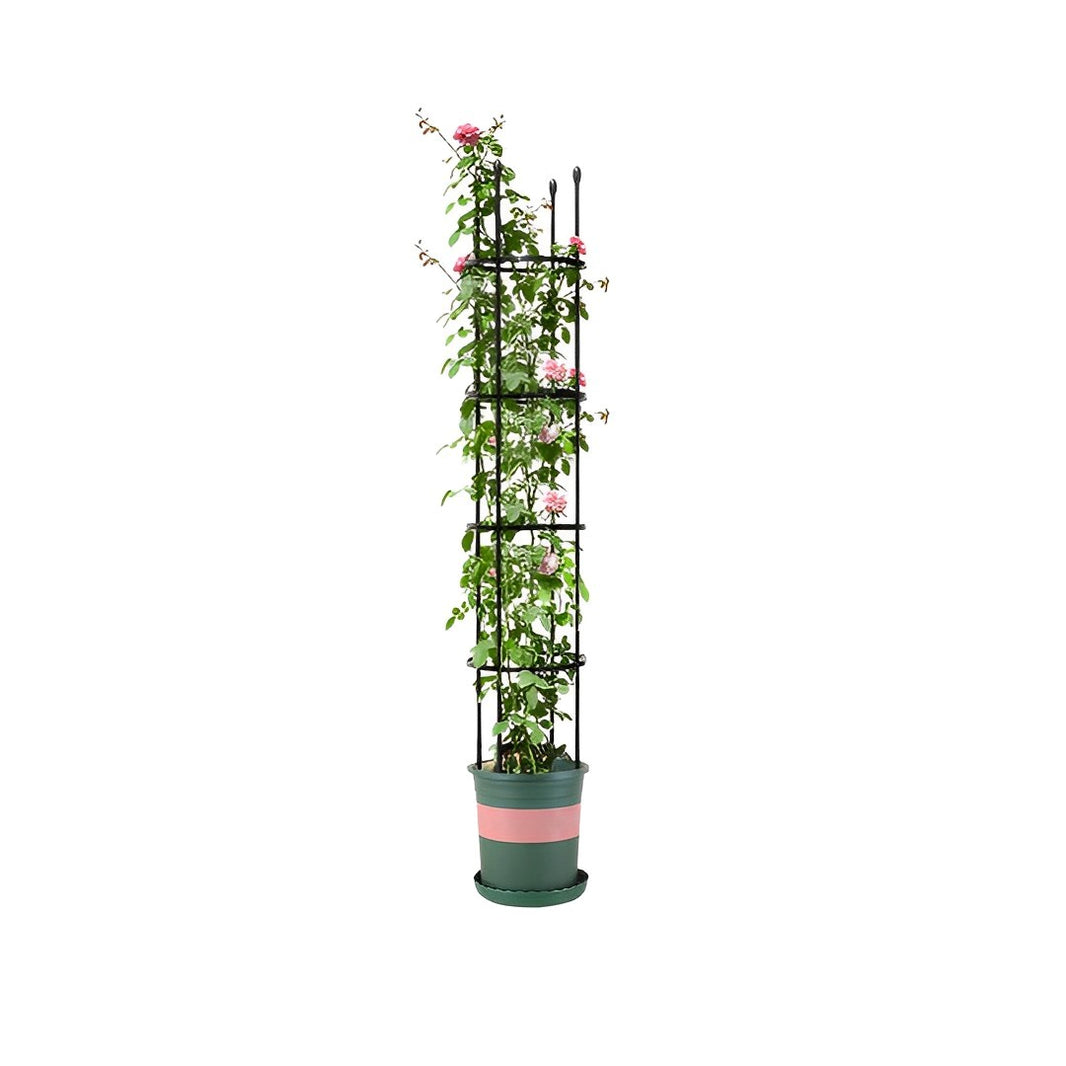
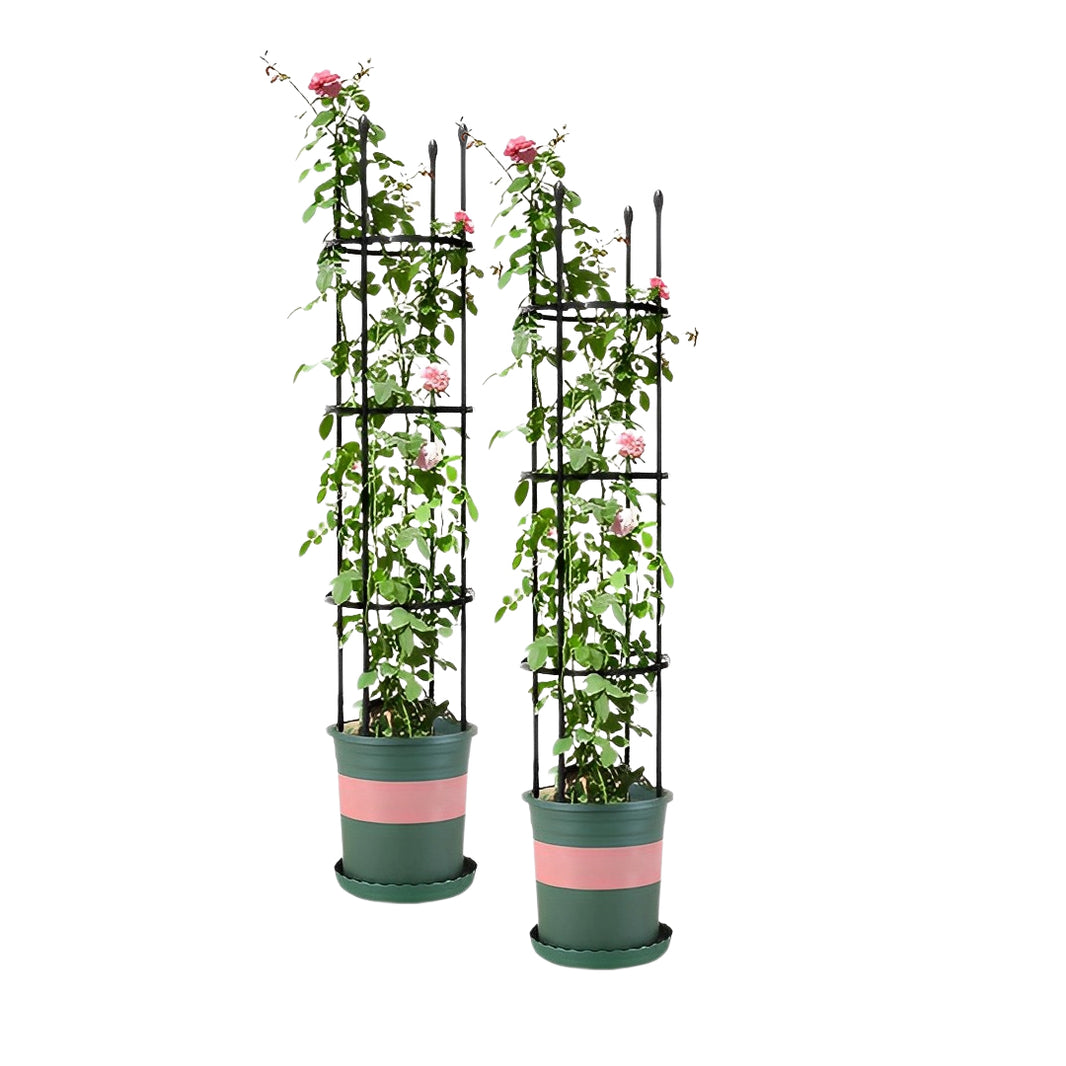
SOGA 2X 163cm 4-Bar Plant Frame Stand Trellis Vegetable Flower Herbs Outdoor Vine Support Garden Rack with Rings
Regular price $128.80 AUDRegular priceUnit price per$193.80 AUDSale price $128.80 AUDSale -
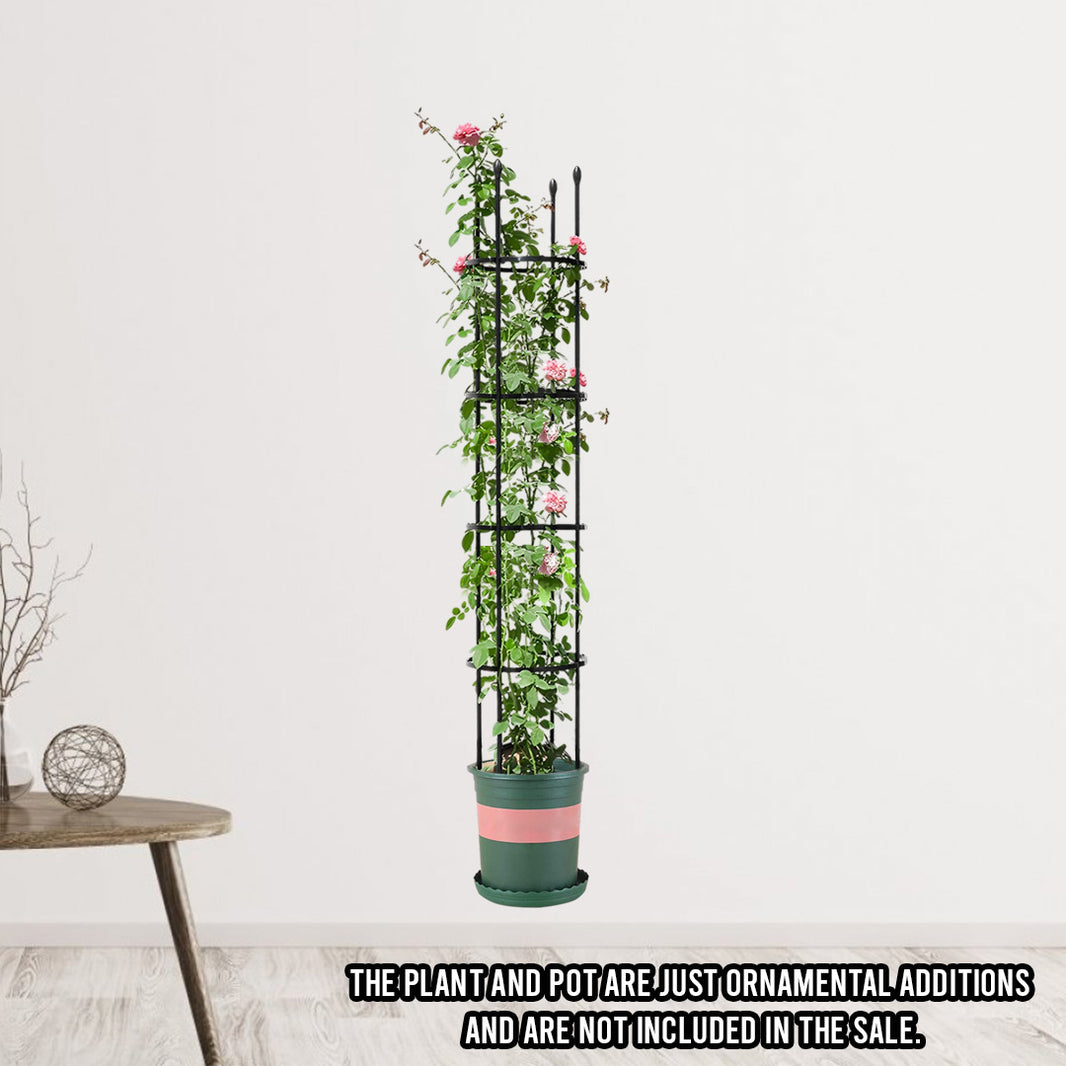
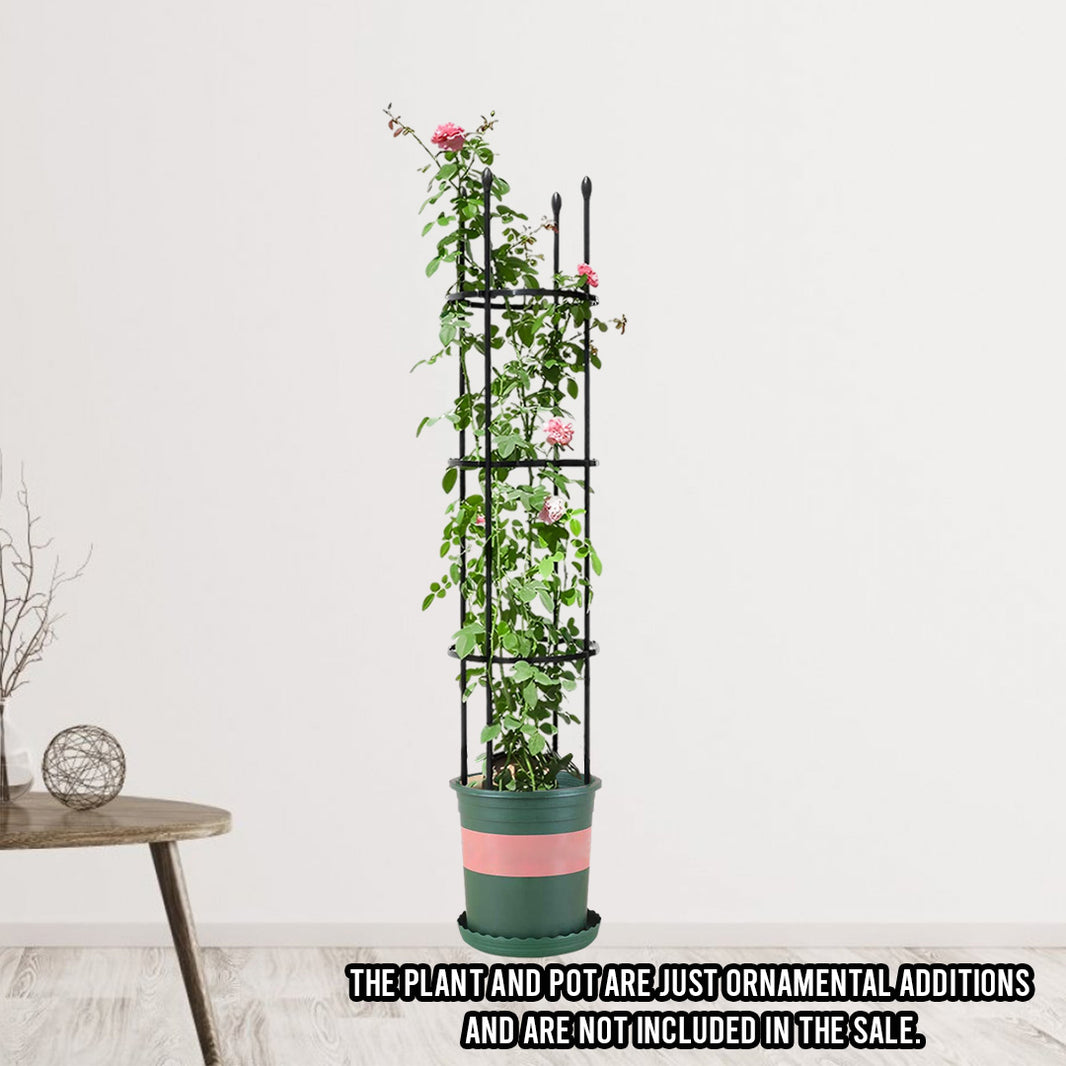
SOGA 163cm 4-Bar Plant Frame Stand Trellis Vegetable Flower Herbs Outdoor Vine Support Garden Rack with Rings
Regular price $66.80 AUDRegular priceUnit price per$100.80 AUDSale price $66.80 AUDSale -
SOGA 2X 133cm 4-Bar Plant Frame Stand Trellis Vegetable Flower Herbs Outdoor Vine Support Garden Rack with Rings
Regular price $101.80 AUDRegular priceUnit price per$152.80 AUDSale price $101.80 AUDSale -
SOGA 133cm 4-Bar Plant Frame Stand Trellis Vegetable Flower Herbs Outdoor Vine Support Garden Rack with Rings
Regular price $52.80 AUDRegular priceUnit price per$79.80 AUDSale price $52.80 AUDSale
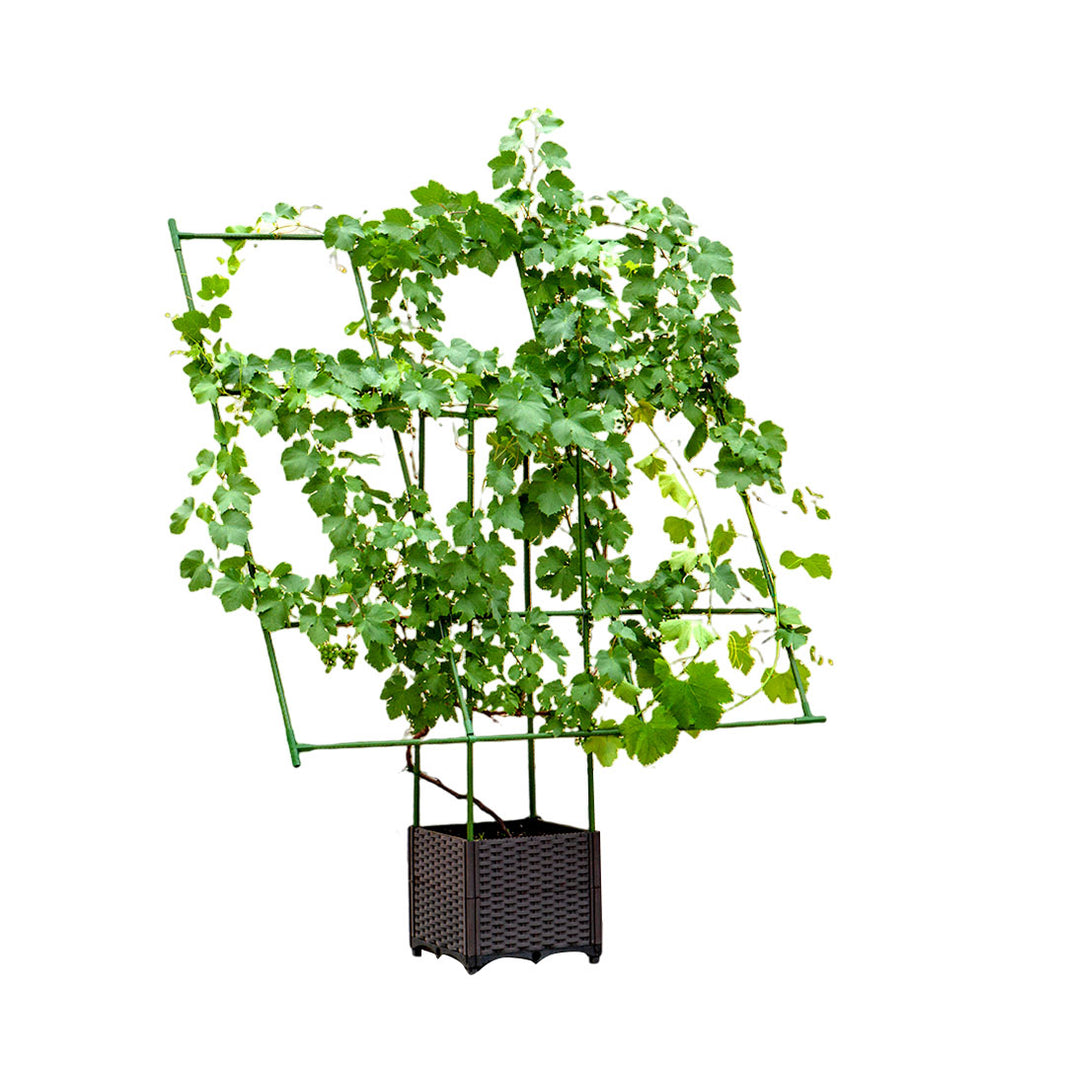

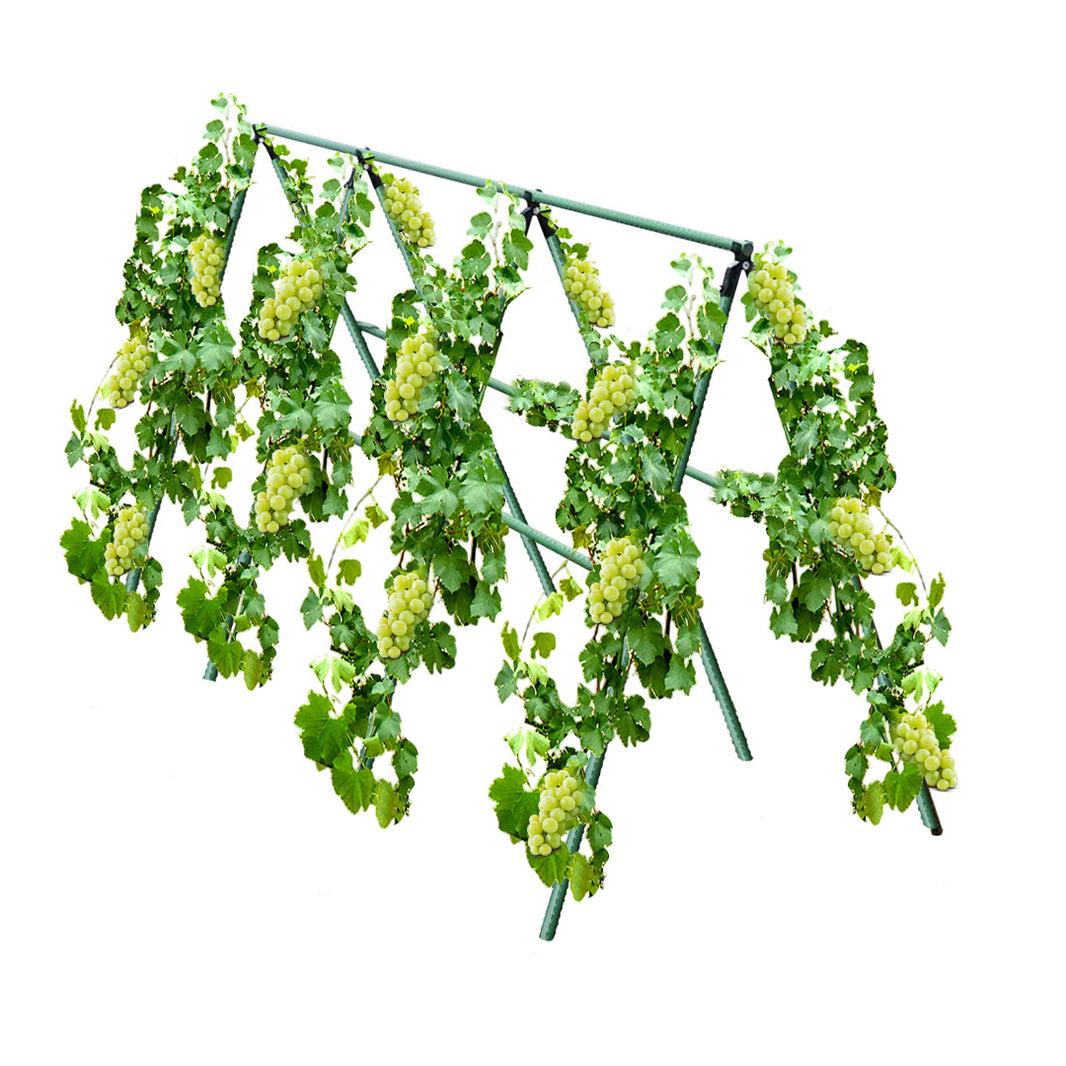



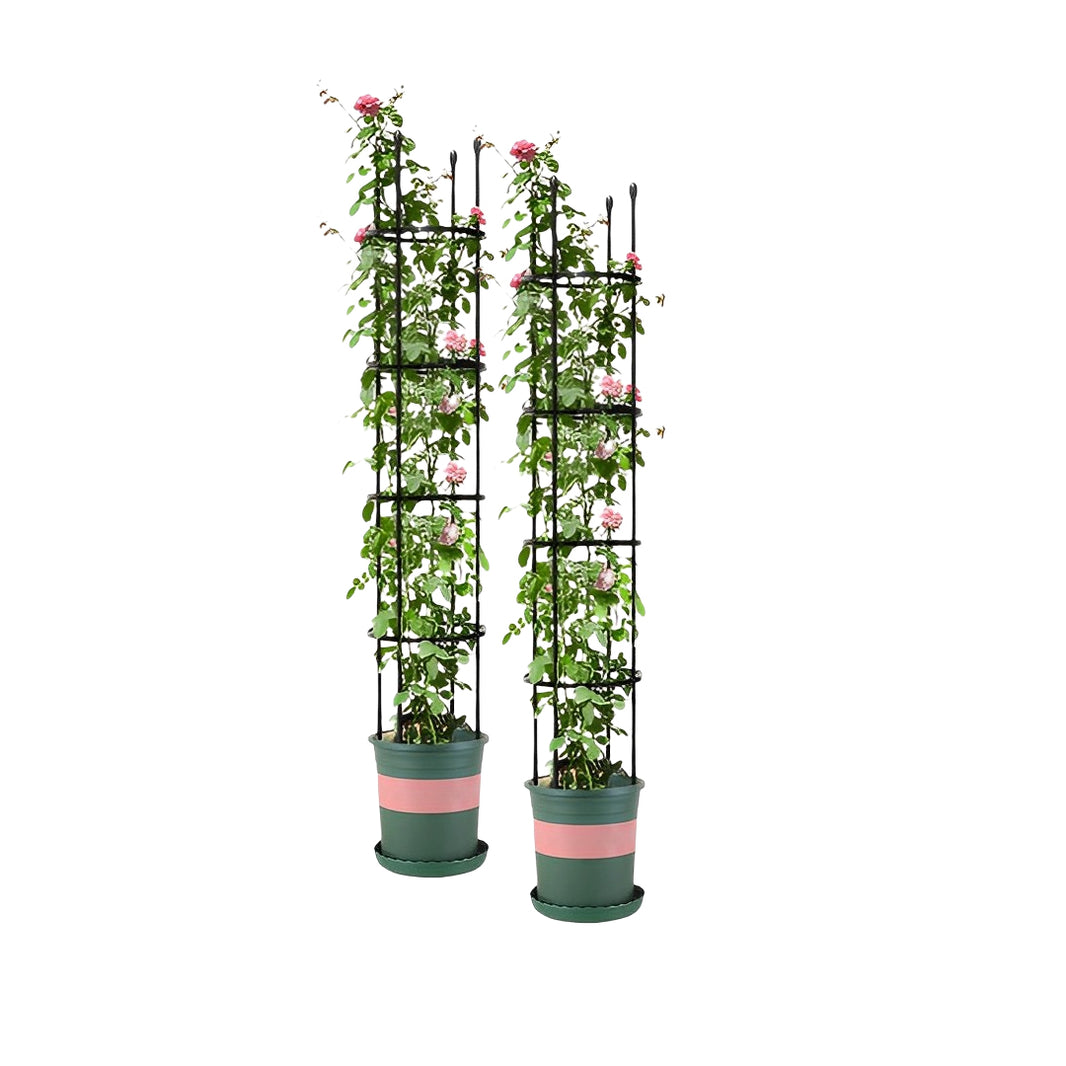

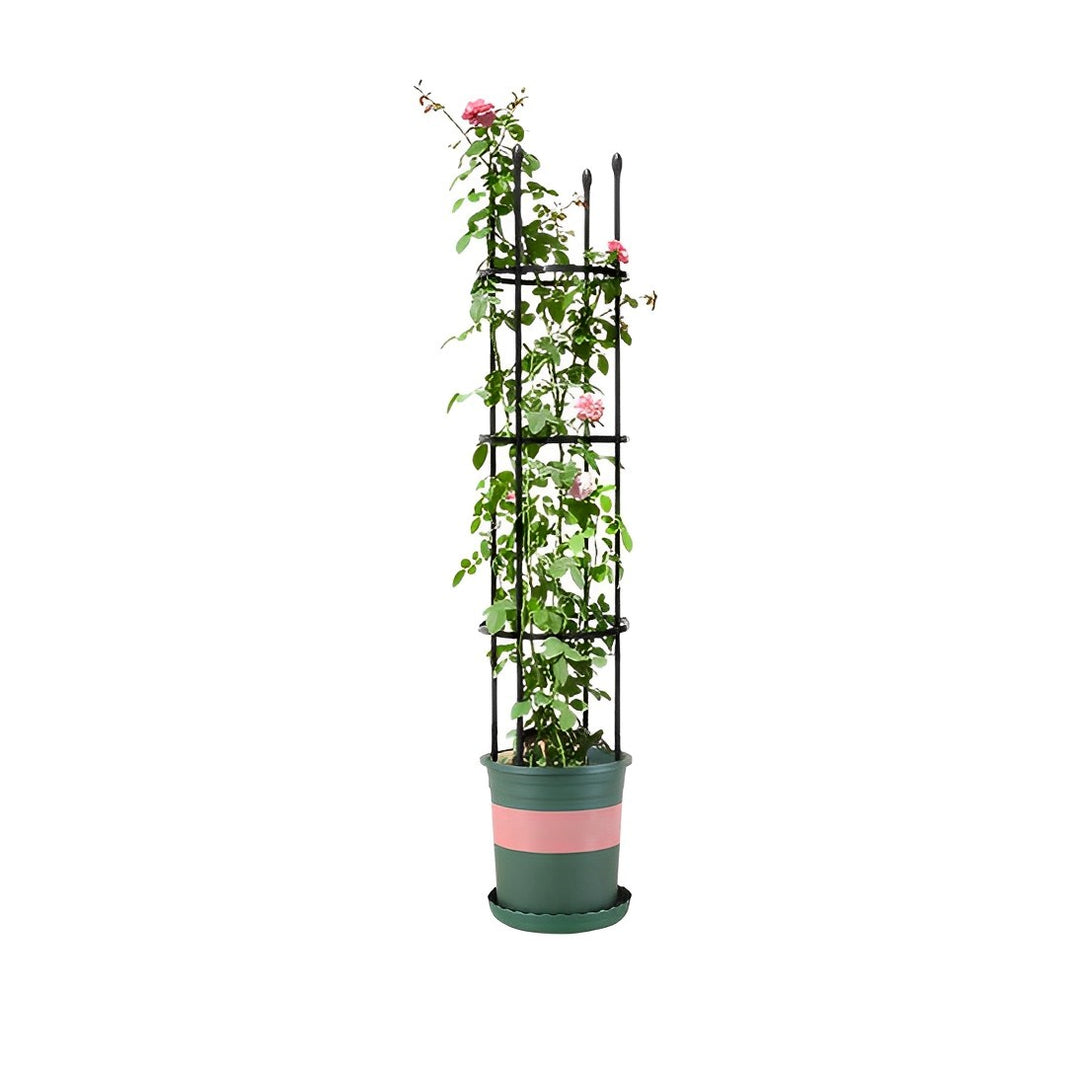

Choose between upright and inclined space
An upright frame keeps growth close to the back of a bed, while an inclined support occupies more ground area and can spread growth across a wider face. Mark the feet on the bed plan before planting. Make sure the frame leaves useful soil space and does not block the route used for watering or harvesting.
Allow for more than the bare stems
A support must suit the mature foliage and any fruit load, not just a young seedling. Do not infer a weight capacity from a photograph or the word strong. Check the frame’s stated use and fixing method, and use plant ties or other supports appropriate to the crop as it grows.
Install before access becomes difficult
Positioning a frame while the bed is clear is easier than fitting it through established growth. Keep the structure reachable for adjusting ties and inspecting stems. If using a planter, check that the feet or stakes can be accommodated without forcing them against the container or assuming a shallow pot provides the required anchoring.
Match the support to the way the plant climbs
Twining stems, tendrils and plants that need tying use their supports differently. Identify the plant’s climbing habit before choosing the frame or attachment points. Put the support in place early and leave room to reach new growth, so training does not become a struggle once the bed fills out.
Further reading: RHS: growing plants in containers
Useful answers
Garden trellis and plant support questions
Match the support to the way the plant climbs and the space it will occupy.
Will every climbing plant attach itself to a garden trellis?
No. Some plants climb by twining or using tendrils, while others need their stems tied to a support. Identify how the plant grows before choosing the frame. Plan enough attachment points for training and leave access to adjust ties as stems develop; a trellis does not make every plant self-clinging.
When should I put a trellis into the growing bed?
Ideally put the support in place before planting, so you can position and secure it without disturbing established roots and stems. Allow for the plant’s eventual width and for harvesting access. Follow the frame’s intended fixing method; simply pushing it into a shallow planter does not establish a stable installation.
Would an inclined trellis or an upright frame suit a narrow bed?
Mark the feet and the mature foliage on the ground before deciding. An inclined frame can occupy more bed area, while an upright one concentrates growth vertically but still needs anchoring and access. Leave room to reach the crop from the path and to tend neighbouring plants throughout the season.
Can I use one plant support for both climbing flowers and heavy crops?
Only if its intended use and fixing arrangement suit the mature plant and its load. Leaves, stems and developing fruit can make a very different demand from a young seedling. Do not infer capacity from the frame’s appearance; choose a documented suitable support and add plant-specific training or ties where needed.