
Everyday fit before the colour
Kids Clothing
Children’s clothing is easier to choose when size is based on the garment and the child rather than an age label alone. Compare fit, fabric and the intended occasion, from plain everyday tops to seasonal outfits.

Leave room for ordinary movement
Think about the movements the garment has to allow: reaching up, bending and pulling a top over the head. Extra body length does not compensate for a narrow opening or restrictive sleeves. Choose everyday pieces for those movements before using an age label to narrow the size.
Choose a useful wardrobe role
Plain cotton T-shirts can work as everyday layers or a base for an activity outfit. A seasonal costume serves a different purpose and may use different materials or fastenings. Choose the piece for the occasion rather than expecting a novelty outfit to perform like daily clothing.
Read the variant as well as the title
Similar listings can mix children’s and adult sizes or show several colours in one photograph. Confirm the selected size and stated fabric for the actual item. Keep the washing routine realistic for clothing that will be used frequently, especially where prints or trims need special care.
Use an existing top as a fit reference
Lay a well-fitting T-shirt flat without stretching it. Measure across the chest and from the shoulder to the hem, then compare the supplier’s garment chart using the same method. Body measurements and flat garment measurements are different, so do not compare them without checking how the chart is defined.
Further reading: Country Road — Size guide, children’s measurements
Shop the collection
-
Womens Girls Long Socks Over Knee Thigh High Stockings Hosiery Tights Pantyhose - Black
Regular price $15.90 AUDRegular priceUnit price per$19.20 AUDSale price $15.90 AUDSale -
KIDS PLAIN T SHIRT Childrens Child 100% COTTON Boys Girls Basic Blank Tee Top - Yellow/Gold
Regular price $23.90 AUDRegular priceUnit price per$39.90 AUDSale price $23.90 AUDSale -
KIDS PLAIN T SHIRT Childrens Child 100% COTTON Boys Girls Basic Blank Tee Top - Bright Blue
Regular price $25.90 AUDRegular priceUnit price per$39.90 AUDSale price $25.90 AUDSale -
100% Cotton Kids T Shirt Childrens Boys Girls Basic Plain Short Sleeve Tee Tops, Yellow, 2
Regular price $5.90 AUDRegular priceUnit price per$11.95 AUDSale price $5.90 AUDSale -
Kids KOALA AUSTRALIA T Shirt Tee Souvenir Gift Childrens Child 100% Cotton Top - Light Pink
Regular price $23.90 AUDRegular priceUnit price per$39.90 AUDSale price $23.90 AUDSale -
KIDS PLAIN T SHIRT Childrens Child 100% COTTON Boys Girls Basic Blank Tee Top - Red
Regular price $25.90 AUDRegular priceUnit price per$39.90 AUDSale price $25.90 AUDSale -
Kids Australia Kangaroo T Shirt Tee Childrens Child 100% Cotton Top - White
Regular price $25.90 AUDRegular priceUnit price per$39.90 AUDSale price $25.90 AUDSale -
Kids KOALA AUSTRALIA T Shirt Tee Souvenir Gift Childrens Child 100% Cotton Top - Light Pink
Regular price $23.90 AUDRegular priceUnit price per$39.90 AUDSale price $23.90 AUDSale -


BABY & TODDLER PLAIN T SHIRT 100% COTTON Basic Blank Tee Top Teen Teenager Crew Kids - Sky Blue
Regular price $23.90 AUDRegular priceUnit price per$39.90 AUDSale price $23.90 AUDSale -
Kids KOALA AUSTRALIA T Shirt Tee Souvenir Gift Childrens Child 100% Cotton Top - Sky Blue
Regular price $23.90 AUDRegular priceUnit price per$39.90 AUDSale price $23.90 AUDSale -
KIDS PLAIN T SHIRT Childrens Child 100% COTTON Boys Girls Basic Blank Tee Top - Navy
Regular price $23.90 AUDRegular priceUnit price per$39.90 AUDSale price $23.90 AUDSale -
KIDS PLAIN T SHIRT Childrens Child 100% COTTON Boys Girls Basic Blank Tee Top - Red
Regular price $25.90 AUDRegular priceUnit price per$39.90 AUDSale price $25.90 AUDSale -
Kids KOALA AUSTRALIA T Shirt Tee Souvenir Gift Childrens Child 100% Cotton Top - Light Pink
Regular price $23.90 AUDRegular priceUnit price per$39.90 AUDSale price $23.90 AUDSale -
KIDS PLAIN T SHIRT Childrens Child 100% COTTON Boys Girls Basic Blank Tee Top - Lime
Regular price $23.90 AUDRegular priceUnit price per$39.90 AUDSale price $23.90 AUDSale -

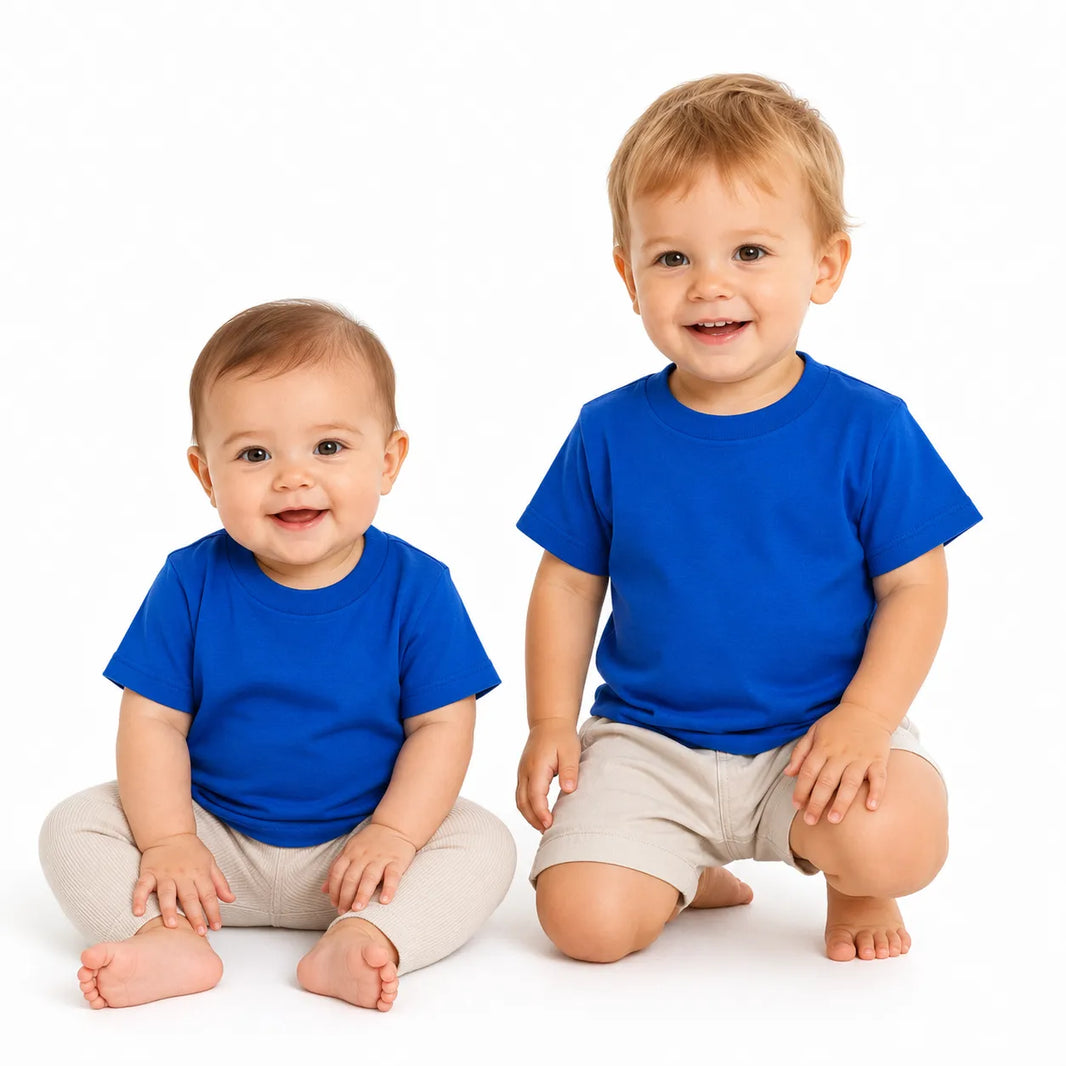
BABY & TODDLER PLAIN T SHIRT 100% COTTON Basic Blank Tee Top Teen Teenager Crew Kids - Bright Blue
Regular price $23.90 AUDRegular priceUnit price per$39.90 AUDSale price $23.90 AUDSale -
Kids KOALA AUSTRALIA T Shirt Tee Souvenir Gift Childrens Child 100% Cotton Top - Sky Blue
Regular price $23.90 AUDRegular priceUnit price per$39.90 AUDSale price $23.90 AUDSale -
KIDS PLAIN T SHIRT Childrens Child 100% COTTON Boys Girls Basic Blank Tee Top - Sky Blue
Regular price $23.90 AUDRegular priceUnit price per$39.90 AUDSale price $23.90 AUDSale -
KIDS PLAIN T SHIRT Childrens Child 100% COTTON Boys Girls Basic Blank Tee Top - Lime
Regular price $23.90 AUDRegular priceUnit price per$39.90 AUDSale price $23.90 AUDSale -
KIDS PLAIN T SHIRT Childrens Child 100% COTTON Boys Girls Basic Blank Tee Top - Navy
Regular price $23.90 AUDRegular priceUnit price per$39.90 AUDSale price $23.90 AUDSale -
Kids KOALA AUSTRALIA T Shirt Tee Souvenir Gift Childrens Child 100% Cotton Top - Sky Blue
Regular price $25.90 AUDRegular priceUnit price per -
KIDS PLAIN T SHIRT Childrens Child 100% COTTON Boys Girls Basic Blank Tee Top - Sky Blue
Regular price $23.90 AUDRegular priceUnit price per$39.90 AUDSale price $23.90 AUDSale -
KIDS PLAIN T SHIRT Childrens Child 100% COTTON Boys Girls Basic Blank Tee Top - Yellow/Gold
Regular price $23.90 AUDRegular priceUnit price per$39.90 AUDSale price $23.90 AUDSale -
KIDS PLAIN T SHIRT Childrens Child 100% COTTON Boys Girls Basic Blank Tee Top - Yellow/Gold
Regular price $23.90 AUDRegular priceUnit price per$39.90 AUDSale price $23.90 AUDSale -
KIDS PLAIN T SHIRT Childrens Child 100% COTTON Boys Girls Basic Blank Tee Top - Navy
Regular price $23.90 AUDRegular priceUnit price per$39.90 AUDSale price $23.90 AUDSale








Useful answers
Questions about kids clothing sizes and fit
Should I compare my child’s chest measurement with the width of a T-shirt?
First identify what the size chart measures. A body chest measurement goes around the child; a flat garment width is measured across the laid-out top. They are not interchangeable. Compare body measurements with a body chart, or measure a well-fitting top using the supplier’s garment method. Do not assume the same numbered size has the same fit across brands.
How much growing room should I allow in kids everyday clothing?
Leave useful movement space rather than choosing an oversized piece by age alone. Think about reaching up, bending and getting the top over the head. A longer body does not fix a tight neck or sleeves, while excessive length can be awkward. Use the actual garment measurements and the intended fit of that style.
Can a seasonal outfit replace everyday clothes for regular wear?
Compare the purpose and care routine. An everyday top needs to work through repeated movement and washing; a costume may have trims, fastenings or materials chosen for appearance instead. Check the exact selected size and wearer, particularly where a listing includes adult and child options, then choose the piece for how often it will be worn.