
Catering Equipment
Catering equipment works best as a connected process: prepare, hold, transport and serve.
Shop the collection
-
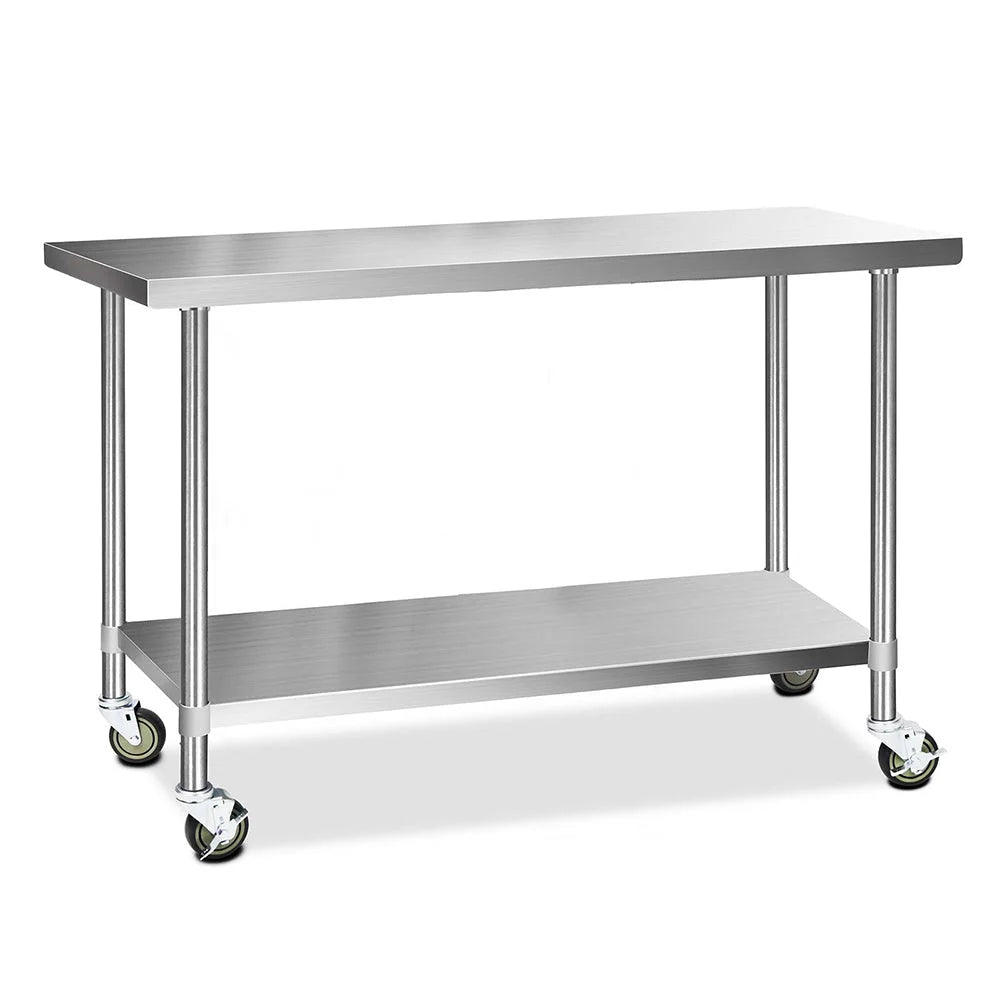
Commercial Stainless Steel Kitchen Bench 610x1524mm
Regular price $184.90 AUDRegular priceUnit price per$309.99 AUDSale price $184.90 AUDSale -
Commercial Stainless Steel Kitchen Bench 610x1829mm
Regular price $206.90 AUDRegular priceUnit price per$366.99 AUDSale price $206.90 AUDSale -
Kitchen Bench Commercial Stainless Steel 1829 x 762mm
Regular price $233.90 AUDRegular priceUnit price per$416.99 AUDSale price $233.90 AUDSale -
Commercial Kitchen Bench Stainless Steel 610 x 1219mm
Regular price $147.90 AUDRegular priceUnit price per$292.99 AUDSale price $147.90 AUDSale -
Stainless Steel Kitchen Benches Work Bench Food Prep Table with Wheels 430 1524MM x 610MM
Regular price $222.90 AUDRegular priceUnit price per$366.99 AUDSale price $222.90 AUDSale -
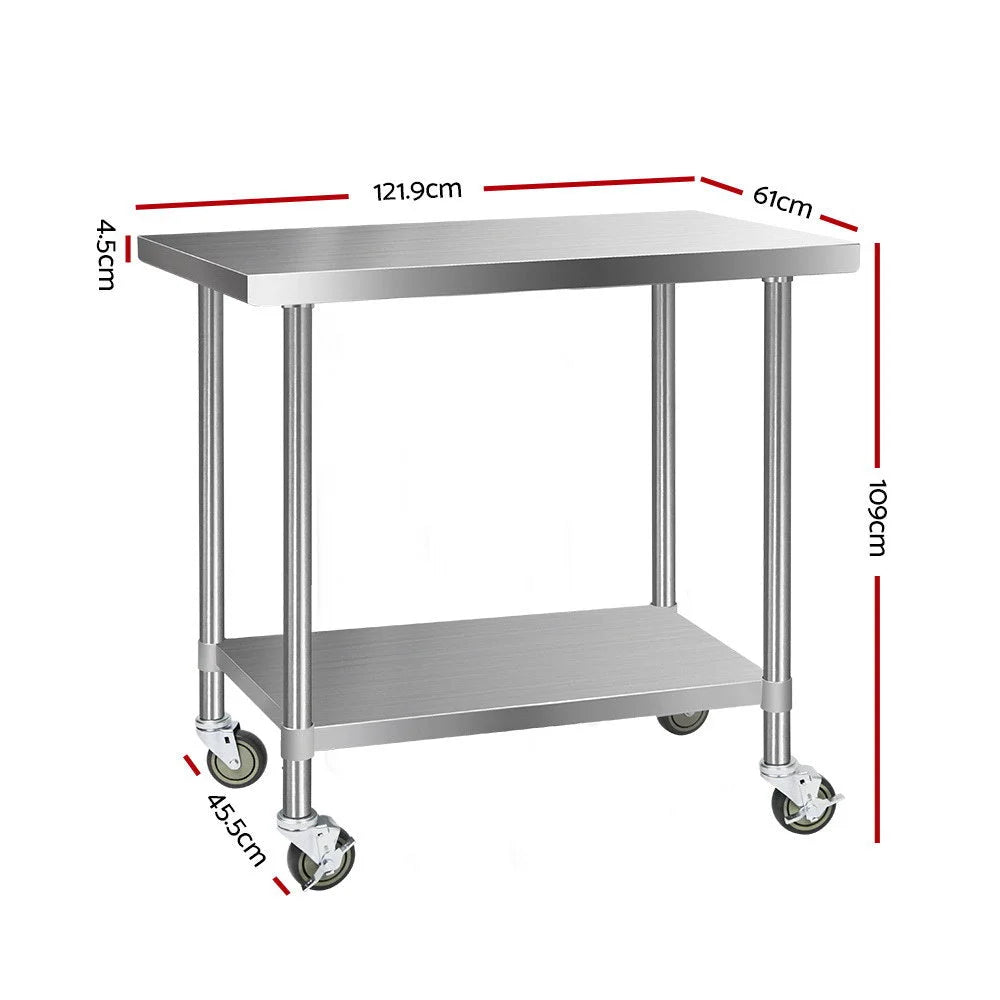
Kitchen Benches Stainless Steel 430 Work Bench Food Prep Table with Wheels 1219MM x 610MM
Regular price $186.90 AUDRegular priceUnit price per$349.99 AUDSale price $186.90 AUDSale -
Stainless Steel Kitchen Benches Work Bench Food Prep Table with Wheels 430 1829MM x 610MM
Regular price $245.90 AUDRegular priceUnit price per$426.99 AUDSale price $245.90 AUDSale -
Commercial Stainless Steel Sink Bench 100x60cm
Regular price $424.90 AUDRegular priceUnit price per$699.99 AUDSale price $424.90 AUDSale -
Commercial Stainless Steel Kitchen Bench 1524x610mm
Regular price $197.90 AUDRegular priceUnit price per$399.99 AUDSale price $197.90 AUDSale -
Cefito Stainless Steel Kitchen Bench Work Table with Sink Splashback 120cm
Regular price $433.90 AUDRegular priceUnit price per$766.99 AUDSale price $433.90 AUDSale -
Stainless Steel Kitchen Bench Work Table with Wheels 430 Grade 610MM x 610MM
Regular price $142.90 AUDRegular priceUnit price per$276.99 AUDSale price $142.90 AUDSale -
Stainless Steel Kitchen Bench Commercial 610 x 610m
Regular price $98.90 AUDRegular priceUnit price per$199.99 AUDSale price $98.90 AUDSale -
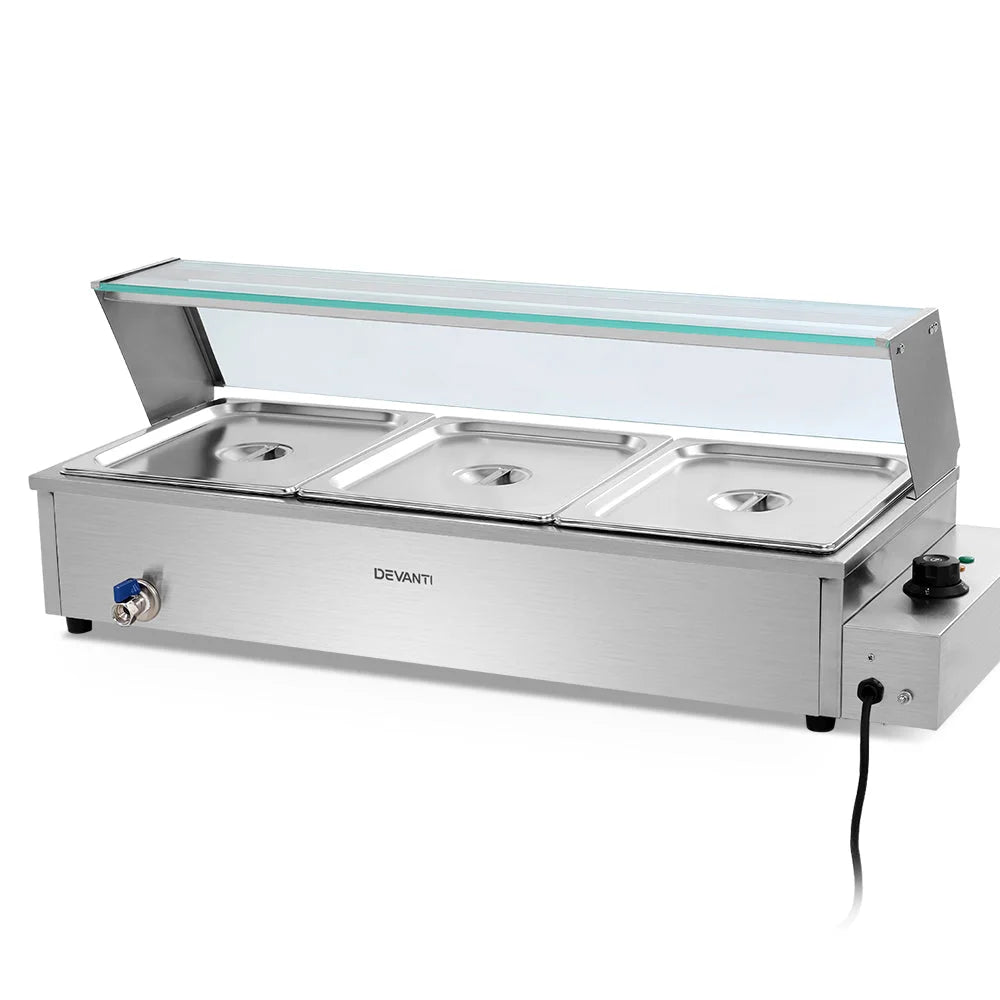
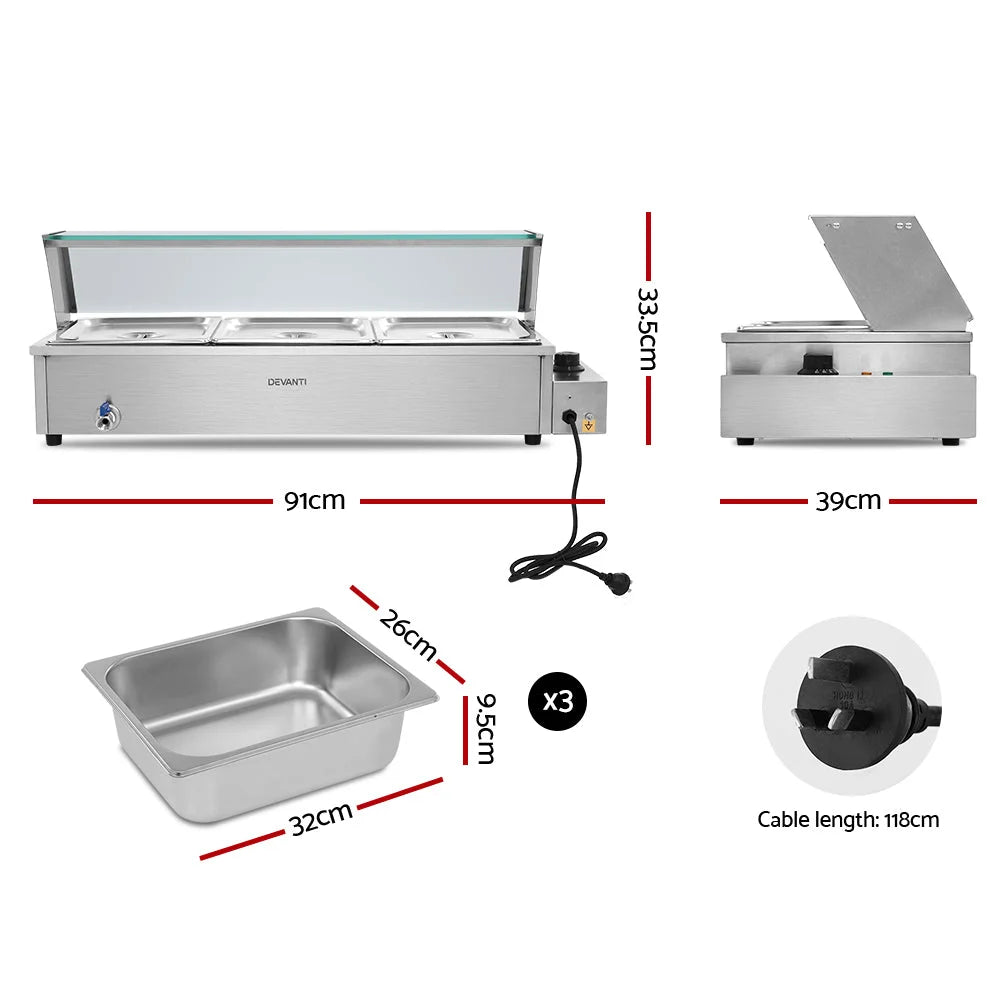
Commercial Food Warmer Bain Marie Buffet Pan Stainless Steel
Regular price $245.90 AUDRegular priceUnit price per$399.99 AUDSale price $245.90 AUDSale -
Kitchen Benches Stainless Steel 304 Work Bench Food Prep Table with Wheels 1829MM x 610MM
Regular price $279.90 AUDRegular priceUnit price per$492.99 AUDSale price $279.90 AUDSale -
Food Warmer Commercial Pie Hot Display Showcase Cabinet Stainless Steel
Regular price $230.90 AUDRegular priceUnit price per$349.99 AUDSale price $230.90 AUDSale -
Kitchen Sink Stainless Steel 100x45cm Under/Topmount Double Bowl, Black
Regular price $229.90 AUDRegular priceUnit price per$339.99 AUDSale price $229.90 AUDSale -
Artiss Kitchen Island Trolley Rolling Serving Cart Storage Drawer Cabinet 100cm White
Regular price $160.90 AUDRegular priceUnit price per$299.99 AUDSale price $160.90 AUDSale -
Commercial Kitchen Bench Stainless Steel 1829 x 610mm
Regular price $247.90 AUDRegular priceUnit price per$482.99 AUDSale price $247.90 AUDSale -
Stainless Steel Kitchen Benches Work Bench Food Prep Table with Wheels 304 1524MM x 610MM
Regular price $233.90 AUDRegular priceUnit price per$449.99 AUDSale price $233.90 AUDSale -
Stainless Steel Kitchen Benches Work Bench Food Prep Table with Wheels 304 1219MM x 610MM
Regular price $218.90 AUDRegular priceUnit price per$416.99 AUDSale price $218.90 AUDSale -
Kitchen Bench Commercial Stainless Steel 1829 x 762mm with 4pcs Castor Wheels
Regular price $269.90 AUDRegular priceUnit price per$466.99 AUDSale price $269.90 AUDSale -
Stainless Steel Sink 450x300mm, Black
Regular price $81.90 AUDRegular priceUnit price per$149.99 AUDSale price $81.90 AUDSale -
Commercial Stainless Steel Kitchen Bench 1219x610mm
Regular price $179.90 AUDRegular priceUnit price per$359.99 AUDSale price $179.90 AUDSale -
Kitchen Sink Stainless Steel 710x450mm Under/Topmount Double Bowl, Silver
Regular price $149.90 AUDRegular priceUnit price per$169.99 AUDSale price $149.90 AUDSale








Related reading


Catering equipment works best as a connected process: prepare, hold, transport and serve. Start with the menu and the volume arriving at each stage. Benches, food pans, warmers and trolleys should fit one another and the route through the premises, rather than being chosen as isolated pieces.
Follow the food from preparation to the guest
Identify where ingredients are prepared, where finished dishes wait and how they reach service. A bench can create working space; a trolley can support transport; a warmer performs a separate holding role. Choose the piece that resolves the actual bottleneck without assuming every machine can replace the previous stage.
Coordinate pans, shelves and serving equipment
A pan that fits a warmer may not fit a trolley rail or the chosen storage position. Match the footprint, depth and lid clearance across the system. For mixed menus, several smaller pans may make replenishment easier than one deep container, but the available equipment must support that arrangement.
Leave room for cleaning and setup changes
Equipment needs access around drains, castors, lower shelves and removable components. Plan where clean and used items move, and where emptied equipment will be washed or stored. Commercial wording alone does not establish suitability for every food-service process; confirm the intended use and operating requirements for each item.
Further reading: FSANZ: cooling and reheating food · FSANZ: Safe Food Australia
Useful answers
Catering Equipment FAQs
How should I prioritise equipment for a catering setup?
Identify the bottleneck in the menu’s journey: preparation space, cooking, holding, transport or service. Size that stage for the actual batch and serving pattern, then check how it connects to the next one. Buying the largest individual machine can create a new problem if the pans, storage or serving route cannot keep up.
Will a warmer, trolley and food pans automatically fit together?
No. Compare pan footprints, depths, rim support and lid clearance with each piece of equipment. A warmer can accept a pan that is too deep for a trolley level or storage shelf. Make a list of compatible components before buying the system in separate orders.
Can catering holding equipment replace the cooking and reheating stage?
Equipment intended only to keep prepared food hot should not be treated as reheating equipment. Plan a suitable cooking or rapid reheating process before the holding stage, following the food-safety requirements for the menu. A warmer’s thermostat or a commercial label does not by itself establish the food’s safe temperature.