
Dog Kennels, Shelters & Runs
A timber kennel creates a sheltered resting spot; a mesh run defines an outdoor area; a crate supports a different indoor routine.
Shop the collection
-
Wooden Pet Kennel (Large)
Regular price $160.90 AUDRegular priceUnit price per$249.99 AUDSale price $160.90 AUDSale -
Wooden Pet Kennel (Medium)
Regular price $110.90 AUDRegular priceUnit price per$159.99 AUDSale price $110.90 AUDSale -
i.Pet Dog Kennel Large House XL Pet Run Cage Puppy Outdoor Enclosure 2Mx4M
Regular price $305.90 AUDRegular priceUnit price per$355.99 AUDSale price $305.90 AUDSale -
Dog Kennel House Large Wooden Outdoor Pet Cabin for Indoor & Outdoor Puppies
Regular price $234.90 AUDRegular priceUnit price per$416.99 AUDSale price $234.90 AUDSale -
Dog Kennel Outdoor Wooden Pet House Puppy Extra Large XL Kennels
Regular price $198.90 AUDRegular priceUnit price per$332.99 AUDSale price $198.90 AUDSale -
36" 8 Panel Pet Dog Playpen Puppy Exercise Cage Enclosure Fence Play Pen
Regular price $56.90 AUDRegular priceUnit price per$145.77 AUDSale price $56.90 AUDSale -
Dog Kennel Extra Large 2.28M Wooden House Bed Outdoor Pet Puppy Cabin Log
Regular price $586.90 AUDRegular priceUnit price per$766.99 AUDSale price $586.90 AUDSale -
Dog Cage Crate Large Puppy Cat Anti-Bite Kennel with Wheels & Tray - Metal
Regular price $166.90 AUDRegular priceUnit price per$261.99 AUDSale price $166.90 AUDSale -
Timber Pet Dog Kennel House Puppy Wooden Cabin with Door - Grey
Regular price $275.90 AUDRegular priceUnit price per$550.00 AUDSale price $275.90 AUDSale -
Dog Kennel House Large Wooden Outdoor Pet Cabin Home for Indoor Puppies
Regular price $166.90 AUDRegular priceUnit price per$266.99 AUDSale price $166.90 AUDSale -
Dog Kennel House Large Wooden Outdoor Pet Cabin for Indoor and Outdoor Use
Regular price $103.90 AUDRegular priceUnit price per$171.99 AUDSale price $103.90 AUDSale -
Pawhub Heavy Duty Dog Cage Black Metal Kennel Indoor Outdoor 3M
Regular price $607.90 AUDRegular priceUnit price per$733.60 AUDSale price $607.90 AUDSale -
Foldable Cat Dog Kennel Pet Delivery Cage Portable Pet Fence Tent - Cyan-L
Regular price $45.90 AUDRegular priceUnit price per$55.98 AUDSale price $45.90 AUDSale -
Pet Dog Cages Enclosures Fences Anti Escape Nets Protective Nets Grid Sheets
Regular price $16.90 AUDRegular priceUnit price per$19.88 AUDSale price $16.90 AUDSale -
24" 8 Panel Pet Dog Playpen Puppy Exercise Cage Enclosure Fence Play Pen
Regular price $46.90 AUDRegular priceUnit price per$121.50 AUDSale price $46.90 AUDSale -
Dog Kennel XL Timber Pet House Puppy Wooden Cabin With Stripe White
Regular price $209.90 AUDRegular priceUnit price per$400.00 AUDSale price $209.90 AUDSale -
Foldable Cat Dog Kennel Pet Delivery Cage Portable Pet Fence Tent - Purple-XL
Regular price $63.90 AUDRegular priceUnit price per$78.25 AUDSale price $63.90 AUDSale -
Large Jumbo Outdoor Dog Kennel Heavy Duty Pet Playpen Pre-galvanized Animal Cage Fence
Regular price $611.90 AUDRegular priceUnit price per$579.99 AUDSale price $611.90 AUD -
Outdoor Dog Kennel, 2 x 2 x 1.6 m Large Dog Kennel with Secure Lock, Outside Dogs Enclosures with UV-Resistant & Waterproof Roof Cover, Heavy Duty Pet Crate Cage Run for Large Dogs
Regular price $262.90 AUDRegular priceUnit price per$242.90 AUDSale price $262.90 AUD -
Waterproof Outdoor Cat Nest Stray Pet Hiding Nest Simple Dog House Shelter Bed - L
Regular price $37.90 AUDRegular priceUnit price per$45.63 AUDSale price $37.90 AUDSale -
Heavy Duty Dog Cage with Lock & Bottom Tray XXL
Regular price $579.90 AUDRegular priceUnit price per$549.99 AUDSale price $579.90 AUD -
Plastic Dog House Kennel Shelter for Indoor & Outdoor Pets Weatherproof
Regular price $61.90 AUDRegular priceUnit price per -
Foldable Cat Dog Kennel Pet Delivery Cage Portable Pet Fence Tent - Purple-M
Regular price $54.90 AUDRegular priceUnit price per$67.28 AUDSale price $54.90 AUDSale -
P&P White Walnut XL Dog Crate with Furniture Style Top, 3 Doors and Easy Clean Tray Included
Regular price $579.90 AUDRegular priceUnit price per$549.99 AUDSale price $579.90 AUD




Related reading


A timber kennel creates a sheltered resting spot; a mesh run defines an outdoor area; a crate supports a different indoor routine. This collection brings together several structures, so choose by function before comparing size. Plan the sleeping space, exercise, shade and daily interaction as separate needs.
Separate the shelter from the enclosure
A roofed dog house can offer a retreat but does not provide all the movement and social contact a dog needs. A large open run creates a boundary without necessarily supplying a dry, comfortable sleeping compartment.
For crate-style housing, introduce the space positively and follow humane crate-training guidance. A crate is not a way to leave a dog confined for extended periods without care, exercise or toilet opportunities.
Measure the space the dog will actually use
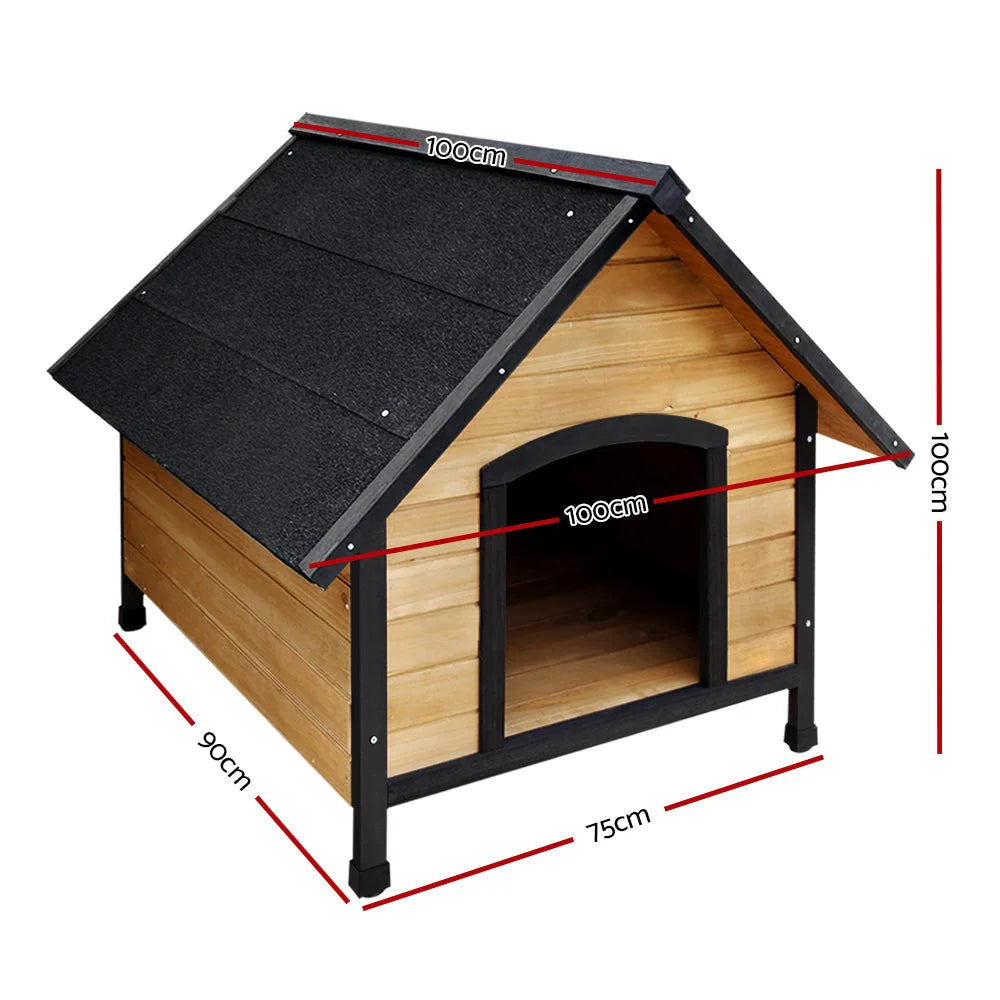
Check the internal floor area and entrance, allowing the dog to stand, turn and lie comfortably. A pitched roof, porch or decorative trim can make the outer dimensions look more generous than the sleeping area.
In a run, account for bowls, shelter and the arc of the gate. Plan enough access to clean the far end and remove bedding without squeezing past an unsecured door.
Position for weather and everyday access
Choose a site with suitable drainage and shelter from harsh weather. Consider how sun and wind change through the day, with drinking water accessible and no exposed edges or fixings.
Timber, flooring and roof joints need inspection over time. Follow the assembly and anchoring requirements of the specific structure; the label outdoor does not describe every condition it can withstand.
Further reading: RSPCA: everyday care for dogs · RSPCA Victoria: crate training
Useful answers
Dog Kennels, Shelters & Runs FAQs
What is the difference between a dog kennel and a dog run?
A kennel is primarily a sheltered resting place; a run defines an enclosed area. An open mesh run may not include a dry sleeping compartment, and a small kennel does not provide exercise space. Identify which parts are included, then plan shelter, movement, toileting and daily interaction together.
Should I choose a dog kennel using its outside dimensions?
Use the internal floor and entrance dimensions for your dog’s fit, allowing room to stand, turn and lie comfortably. Outside measurements help you position the structure but may include a porch, roof overhang or trim. Check both sets before deciding whether the kennel fits the dog and the site.
Where should an outdoor dog kennel be placed?
Choose a position with drainage, suitable shade and protection from harsh weather, while keeping water and care access practical. Watch how sun and wind change across the day. Leave room to inspect roof joints, remove bedding and clean around the structure rather than wedging it against an inaccessible boundary.