
Camping & Travel
A good trip starts with a setup that suits the way you travel.
Shop the collection
-
Camping Shower Toilet Tent Double Outdoor Portable Change Room - Green
Regular price $92.90 AUDRegular priceUnit price per$157.99 AUDSale price $92.90 AUDSale -
Portable Camping Toilet 22L, Outdoor
Regular price $110.90 AUDRegular priceUnit price per$207.99 AUDSale price $110.90 AUDSale -
Bedding Folding Mattress Camping Foldable Portable Mattress Floor Bed
Regular price $84.90 AUDRegular priceUnit price per$141.99 AUDSale price $84.90 AUDSale -
Pop Up Shower Tent Portable Outdoor Camping Toilet Change Room - Blue
Regular price $127.90 AUDRegular priceUnit price per$174.99 AUDSale price $127.90 AUDSale -
Camping Wash Basin Portable 43L
Regular price $108.90 AUDRegular priceUnit price per$182.99 AUDSale price $108.90 AUDSale -
Portable Water Tank 40L with Wheels, Camping/Hiking Storage
Regular price $99.90 AUDRegular priceUnit price per$182.99 AUDSale price $99.90 AUDSale -
Flightmode Digital Luggage Scale
Regular price $21.90 AUDRegular priceUnit price per$29.95 AUDSale price $21.90 AUDSale -
Hand Crank Solar Powered Rechargeable Led Camping Emergency Flashlight - Black
Regular price $22.90 AUDRegular priceUnit price per$28.21 AUDSale price $22.90 AUDSale -
Camping Tent Car SUV Side Awning Canopy Portable Outdoor Shelter for 4WD
Regular price $147.90 AUDRegular priceUnit price per$199.99 AUDSale price $147.90 AUDSale -
Luggage Trolley Set 3pc Suitcase Travel TSA Hard Case Carry-On - Black Lightweight
Regular price $128.90 AUDRegular priceUnit price per$216.99 AUDSale price $128.90 AUDSale -
Tarpaulin Tarp 3x3.6M Camping Poly Heavy Duty Cover 180gsm
Regular price $25.90 AUDRegular priceUnit price per$41.99 AUDSale price $25.90 AUDSale -
Canopy Tent Leg Weights 4pcs Heavy Duty Gazebo Anchor Stand Base Outdoor
Regular price $55.90 AUDRegular priceUnit price per -
Camping Tarp Heavy Duty Poly Tarpaulin 5x10m 135gsm Clear
Regular price $69.90 AUDRegular priceUnit price per$116.99 AUDSale price $69.90 AUDSale -
Portable Fridge 80L Bar Freezer Cooler Upright 12V/24V/240V 4WD Car Camping Black
Regular price $365.90 AUDRegular priceUnit price per$632.99 AUDSale price $365.90 AUDSale -
Self Inflating Mattress Camping Sleeping Mat Air Bed Pad Double Coffee 10CM Thick
Regular price $127.90 AUDRegular priceUnit price per$174.99 AUDSale price $127.90 AUDSale -
Camping Tent Instant Up 2-3 Person Outdoor Hiking Shelter
Regular price $137.90 AUDRegular priceUnit price per$224.99 AUDSale price $137.90 AUDSale -
X-BULL Waterproof Car Roof Cargo Bag 595L Top Rack Carrier Luggage Storage Cube
Regular price $133.90 AUDRegular priceUnit price per$299.00 AUDSale price $133.90 AUDSale -
Luggage Travel Suitcase Set 28'' TSA Carry On Hard Case - Rose Gold
Regular price $89.90 AUDRegular priceUnit price per$141.99 AUDSale price $89.90 AUDSale -
Casual Multifunctional Crossbody Bag for Men Travel Outdoor Hiking and Sports - Black
Regular price $25.90 AUDRegular priceUnit price per$31.10 AUDSale price $25.90 AUDSale -
Waterproof Travel Backpack Outdoor Sports Shoulder Bag Hiking Camping Daypack - Beige
Regular price $39.90 AUDRegular priceUnit price per$64.70 AUDSale price $39.90 AUDSale -

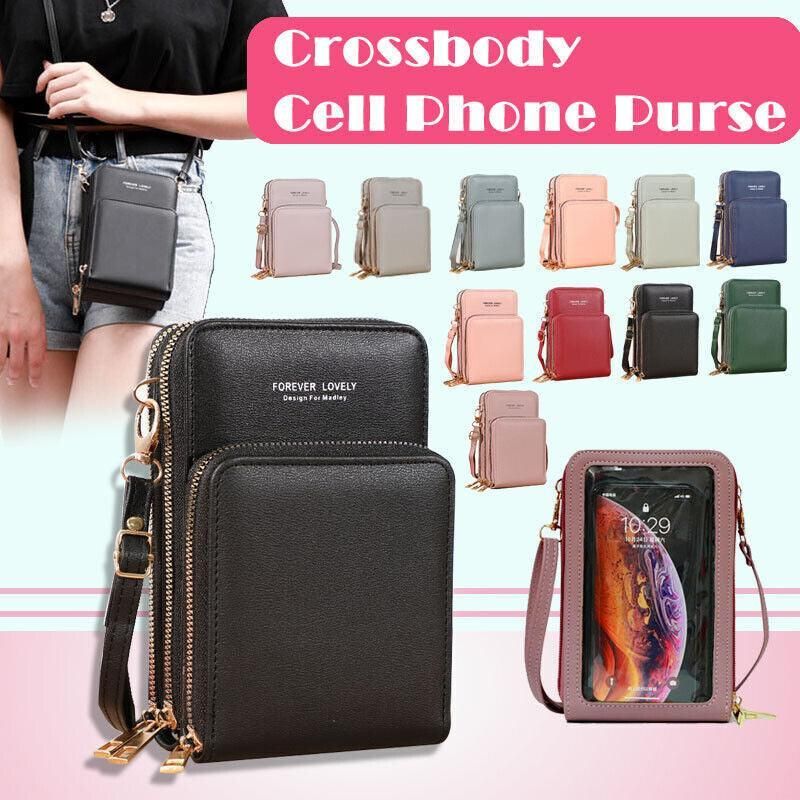
Women Crossbody Phone Purse Touch Screen Bag Rfid Blocking Wallet Shoulder Strap - Light Purple
Regular price $26.90 AUDRegular priceUnit price per$33.23 AUDSale price $26.90 AUDSale -
Clear PVC Tarpaulin Tarp With Grommets Heavy Duty Waterproof Patio Ground Cover
Regular price $61.90 AUDRegular priceUnit price per$74.05 AUDSale price $61.90 AUDSale -
Women Crossbody Phone Purse Touch Screen Bag Rfid Blocking Wallet Shoulder Strap - Red
Regular price $26.90 AUDRegular priceUnit price per$33.23 AUDSale price $26.90 AUDSale -
Free Freight Climb Shoulder Hiking Trekking Backpack Tactical Outdoor Military - Khaki
Regular price $16.90 AUDRegular priceUnit price per$19.64 AUDSale price $16.90 AUDSale


Related reading


A good trip starts with a setup that suits the way you travel. A roomy family campsite, an overnight walk and a picnic by the water need different things. Find shelter, comfortable sleeping options, portable furniture, food storage and power here, then build a kit you can actually pack, carry and use.
Build around the trip, not the biggest kit
Start with three decisions: how you are getting there, where you will sleep and what facilities are already available. Driving to a serviced campground leaves room for folding furniture and a generous mattress. Walking to camp puts packed size and weight first. A day out may need only a carry bag, a blanket, cold food storage and enough drinking water.
Draw a simple packing list for each person, then a second list of shared equipment. This makes it easier to avoid taking several tables or chargers while forgetting one item everyone needs.
Make the campsite work as a small home
Give sleeping, cooking and washing their own places. Keep a clear route out of the tent, space to open the fridge and enough room to move a chair away from the table. The shelter footprint includes guy lines and pegs, not just the floor inside.
Arrange the equipment you reach for first near the top of the car load: shelter, light and sleeping gear. A neatly packed kit is less useful if a late arrival means unloading everything to find a torch.
Choose your level of comfort
- Sleep: match the mattress footprint to the shelter, including room beside it for bags and shoes.
- Eat: pick a table height that works with your chairs and a cooler that suits the length of the trip.
- Power: decide which devices genuinely need charging before choosing a battery or solar panel.
- Carry: measure the largest folded item against your boot opening or luggage space.
Keep the plan flexible
A separate shade area, a light that can move between the table and tent, and storage that works in both the car and campsite can be more useful than adding single-purpose pieces. Pack a way to keep wet gear away from bedding, and dry equipment before storing it after the trip.
Check the campground’s access, facilities and current fire or generator restrictions before departure. Outdoor fuel appliances belong outdoors, away from sleeping spaces; a tent or privacy shelter does not turn one into an indoor appliance.
Guides and product details: NSW National Parks camping guidance
Useful answers
Camping & Travel questions
Find the right starting point for a campsite stay, an overnight walk or a day out.
How is car-camping gear different from a hiking setup?
With the car nearby, you can consider bulkier beds, furniture and food storage, within the space and weight you can transport. On foot, every part of the shelter, sleep and cooking setup joins the load on your back. Choose the trip format first so a comfortable campsite purchase does not become impractical walking equipment.
What should I choose first when building a family camping setup?
Start with where everyone will sleep, how food and drinking water will be managed and the facilities available at the site. Then add seating and comfort around the space left. Sketch the complete campsite and try packing it into the vehicle before adding more pieces; individual products can fit their jobs while the whole kit is still too bulky.
Do I need a portable power setup for every camping trip?
No. It depends on which devices need energy and how long you will be away. A charged light and small device charger may cover a short, simple trip, while a powered fridge changes the plan. List the devices and recharge opportunities before buying a battery or panel so the power equipment has a clear purpose.