
Games & Novelty Toys
Games and novelty toys offer different activities: a shared card game has rules and turns, while a talking gadget or playful money box may be enjoyed on its own.
Shop the collection
-
Model Car 3D Plywood Puzzle - Build and Paint Your Own 4x4 Truck Craft Kit with Motor (Solar or Battery)
Regular price $23.90 AUDRegular priceUnit price per$44.00 AUDSale price $23.90 AUDSale -
Pink Children's Mini Safe Piggy Bank with Fingerprint and Password Lock
Regular price $37.90 AUDRegular priceUnit price per$72.00 AUDSale price $37.90 AUDSale -
 Sale
Coco Sensory box
Regular price $8.90 AUDRegular priceUnit price per$9.00 AUDSale price $8.90 AUDSale -
Sluban B1361 Model Kit 1:44 F35 Lightning Stealth Fighter Jet Plane Modern USAF Air Force Building Blocks DIY Set Toy
Regular price $109.90 AUDRegular priceUnit price per -
Sluban B1533 Model Kit 1:35 Tiger I Tank German Panzer WWII Army Military Building Blocks DIY Toy Construction Set
Regular price $138.90 AUDRegular priceUnit price per -
Sluban B0928 Model Kit FA18 Super Hornet Fighter Jet Plane RAAF Military Air Force Building Blocks Super Bumblebee DIY
Regular price $98.90 AUDRegular priceUnit price per -
Sluban B1362 Model Kit 1:44 A10 Warthog Thunderbolt Attack Jet Fighter Plane USAF Military Building Blocks DIY Set Toy
Regular price $109.90 AUDRegular priceUnit price per -
48x MINI FAKE SPIDERS Trick Halloween Scary Arachnids Joke Prank Small Gag Toy Bug
Regular price $21.90 AUDRegular priceUnit price per$39.90 AUDSale price $21.90 AUDSale -
Piggy Bank Safe Cash Register Box Small Household Money Storage Safe
Regular price $44.90 AUDRegular priceUnit price per$54.77 AUDSale price $44.90 AUDSale -
Montessori 3 tier shelf
Regular price $371.90 AUDRegular priceUnit price per -
Gear Construction Building Set for Kids
Regular price $68.90 AUDRegular priceUnit price per$76.90 AUDSale price $68.90 AUDSale -
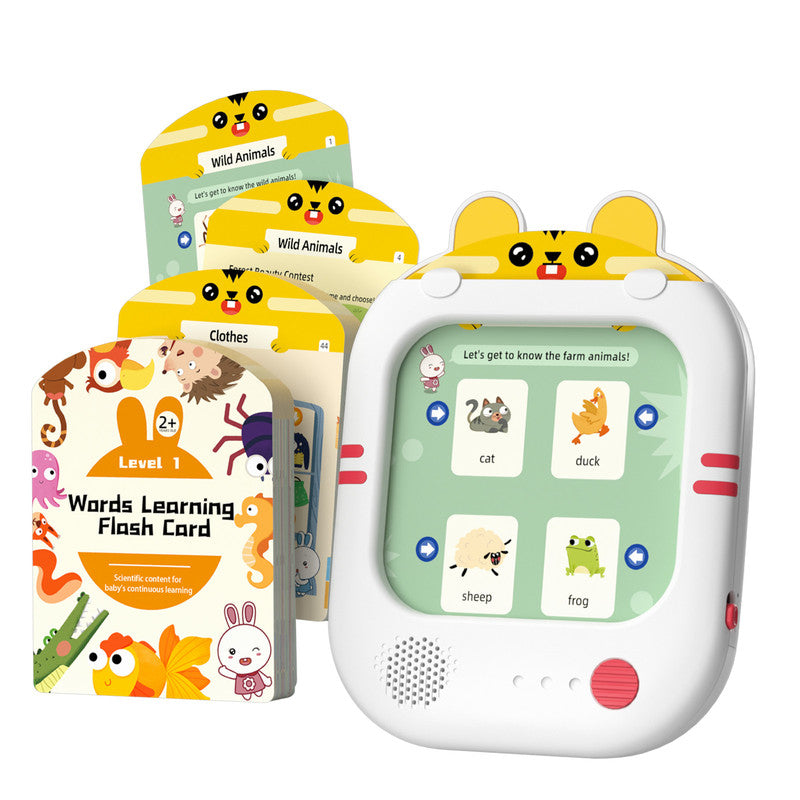
Alilo Interactive Learning Tablet
Regular price $60.90 AUDRegular priceUnit price per$74.90 AUDSale price $60.90 AUDSale -
Chit Chat Talking Copy Penguin Gift Present Novelty Fun Game Toy Penguin
Regular price $27.90 AUDRegular priceUnit price per$39.99 AUDSale price $27.90 AUDSale -
Skip Bo Card Game With 162 Cards Classic Family Game For 2 To 6 Players
Regular price $13.90 AUDRegular priceUnit price per$19.98 AUDSale price $13.90 AUDSale -
12x MINI FAKE ANTS Trick Halloween Scary Creepy Joke Prank Small Gag Toy Bug
Regular price $23.90 AUDRegular priceUnit price per$39.90 AUDSale price $23.90 AUDSale -
1000 Piece Felt Jigsaw Puzzle Board with 6 Drawers Portable Table
Regular price $49.90 AUDRegular priceUnit price per -
36x MINI FAKE ANTS Trick Halloween Scary Creepy Joke Prank Small Gag Toy Bug
Regular price $21.90 AUDRegular priceUnit price per$39.90 AUDSale price $21.90 AUDSale -
36x MINI FAKE SPIDERS Trick Halloween Scary Arachnids Joke Prank Small Gag Toy Bug
Regular price $28.90 AUDRegular priceUnit price per$39.90 AUDSale price $28.90 AUDSale -
Crazy Eight Hearts Old Maid Fish Educational children card games - Hearts
Regular price $11.90 AUDRegular priceUnit price per$19.98 AUDSale price $11.90 AUDSale -
Crazy Eight Hearts Old Maid Fish Educational children card games - Fish
Regular price $11.90 AUDRegular priceUnit price per$19.98 AUDSale price $11.90 AUDSale -
 Sale
5 senses puzzle
Regular price $25.90 AUDRegular priceUnit price per$43.90 AUDSale price $25.90 AUDSale -
4 PCs of assorted frame tray puzzles
Regular price $18.90 AUDRegular priceUnit price per$24.99 AUDSale price $18.90 AUDSale -
 Sale
Smiling Puzzle
Regular price $38.90 AUDRegular priceUnit price per$65.90 AUDSale price $38.90 AUDSale -
JUMBO PLAYING CARDS Large Deck Card Game Plastic Coated Poker Plating Cards
Regular price $11.90 AUDRegular priceUnit price per$14.99 AUDSale price $11.90 AUDSale




Games and novelty toys offer different activities: a shared card game has rules and turns, while a talking gadget or playful money box may be enjoyed on its own. Choose by what the child will actually do, the stated age guidance and the time and space available. A novelty feature alone does not establish a learning benefit.
Match challenge to the child
More pieces or more rules do not automatically mean a better activity. A younger child may prefer a task that can be completed in a short sitting, while a shared card game needs everyone to understand turns. Choose a challenge that invites another attempt rather than requiring constant rescue.
Check the playing format
A talking novelty, a piggy-bank gadget and a structured game offer different experiences. The current range includes several novelty formats, so identify the rules or activity before buying it as a learning toy. A product name alone does not establish an educational outcome.
Keep pieces together between sessions
A tray, box with compartments or labelled pouch can make small sets easier to find. Check the table space needed once all pieces are laid out. Keep small game pieces and batteries inaccessible to younger children, and follow the stated age guidance.
Further reading: ACCC — Kids’ toys guide · ACCC — Button batteries guide
Useful answers
Questions about games and novelty toys
Is a talking or interactive toy automatically a learning toy?
No. A sound, light or repeating-voice feature describes what the gadget does, not an educational result. Look at the activity: does the child follow rules, make choices, create a story or simply trigger a response? Choose the experience you want without assuming that an interactive label proves a particular learning benefit.
What makes a family card game practical for younger players?
Compare the stated age guidance, number of players and the way a turn works. A game may use a small table but still involve a long wait between turns or rules that need adult help. Think about how much time your group has and whether a round can finish comfortably before everyone loses interest.
How should I store a game with small pieces or replaceable batteries?
Keep the pieces together in a container that can be put away beyond younger children’s reach. For battery-powered gadgets, inspect the compartment and use the specified batteries; loose new and used button batteries also need secure storage. Check for missing or damaged parts before the next session rather than leaving an incomplete set mixed with everyday toys.