
Pet Bowls, Feeders & Water Fountains
A simple bowl, a timed feeder and a water fountain each change the feeding routine in a different way.
Shop the collection
-
Dog Slow Feeder Double Bowl Pet Food and Water Dish - Blue
Regular price $35.90 AUDRegular priceUnit price per$42.25 AUDSale price $35.90 AUDSale -
Ceramic Cat Bowl Slow Feeder Pet Food Tray for Cats and Dogs Non Slip Design - Black Bowl-Black Tray Rack
Regular price $42.90 AUDRegular priceUnit price per$52.25 AUDSale price $42.90 AUDSale -
Pet Water Bottle for Hamster Guinea Pig Rabbit Vacuum Drinking Feeder Kettle - 120ml-Green
Regular price $13.90 AUDRegular priceUnit price per$17.19 AUDSale price $13.90 AUDSale -
Pet Travel Food Water Bowl Set 3-in-1 Dog Cat Portable Feeding Carry Container
Regular price $15.90 AUDRegular priceUnit price per$32.00 AUDSale price $15.90 AUDSale -
Pet Feeding Bowls Dog Cat Puppy Food Water Dishes - 2 Large Dishwasher Safe Bowls
Regular price $28.90 AUDRegular priceUnit price per$49.95 AUDSale price $28.90 AUDSale -
Smart Pet Water Dispenser - Tilted Design, Fresh Water Supply, Automatic Water Bowl for Cats and Dogs
Regular price $116.90 AUDRegular priceUnit price per$336.00 AUDSale price $116.90 AUDSale -
Pet Puzzle Slipper Slow Food Mat Bite Resistant Sniff Toy Cats Dogs Christmas - Blue
Regular price $16.90 AUDRegular priceUnit price per$20.15 AUDSale price $16.90 AUDSale -
Pet Food Spoon Multifunctional Can Spoon Dog Shovel Ice Cream Cat Spoon Safe - Pink
Regular price $26.90 AUDRegular priceUnit price per$31.84 AUDSale price $26.90 AUDSale -
Grey Base Adjustable Height Pet Water Dispenser with Food Bowl Base - Non-Drip Bottle Feeder Station for Dogs & Cats
Regular price $43.90 AUDRegular priceUnit price per$84.00 AUDSale price $43.90 AUDSale -
Detachable Ice Cream Shaped Bowls Pet Set Feeding Mat Spoon Cats Small Dogs - Brown
Regular price $30.90 AUDRegular priceUnit price per$36.51 AUDSale price $30.90 AUDSale -
Set 2 Nested Happy Cat Treats Tins w/ Lid 24x27cm
Regular price $146.90 AUDRegular priceUnit price per$188.93 AUDSale price $146.90 AUDSale -
2x Replacement Filters - For Pet Dog Fountain Fresh Water Filter - Pad Packs
Regular price $15.90 AUDRegular priceUnit price per$27.00 AUDSale price $15.90 AUDSale -
Pink Base Adjustable Height Pet Water Dispenser with Food Bowl Base - Non-Drip Bottle Feeder Station for Dogs & Cats
Regular price $43.90 AUDRegular priceUnit price per$84.00 AUDSale price $43.90 AUDSale -
Detachable Ice Cream Shaped Bowls Pet Set Feeding Mat Spoon Cats Small Dogs - Green
Regular price $30.90 AUDRegular priceUnit price per$37.07 AUDSale price $30.90 AUDSale -
Pet Ceramic Bowl with Wooden Stand
Regular price $15.90 AUDRegular priceUnit price per$22.00 AUDSale price $15.90 AUDSale -
Pet Ceramic Bowl with Wooden Stand
Regular price $15.90 AUDRegular priceUnit price per$22.00 AUDSale price $15.90 AUDSale -
Pet Food Spoon Multifunctional Can Spoon Dog Shovel Ice Cream Cat Spoon Safe - Green
Regular price $26.90 AUDRegular priceUnit price per$31.84 AUDSale price $26.90 AUDSale -
Pet Puzzle Treat Feeder Slow Feeder Training Toy For Dog Cat Mental Stimulation
Regular price $31.90 AUDRegular priceUnit price per$37.63 AUDSale price $31.90 AUDSale -
Hamster Water Dispenser Kettle Large Leak Proof Bracket Pet Drinking Supplies - Yellow
Regular price $35.90 AUDRegular priceUnit price per$42.36 AUDSale price $35.90 AUDSale -
Pet Puzzle Slipper Slow Food Mat Bite Resistant Sniff Toy Cats Dogs Christmas - Beige
Regular price $16.90 AUDRegular priceUnit price per$20.15 AUDSale price $16.90 AUDSale -
Pet Slow Feeder Interactive Cat Dog Food Dispenser Puzzle Toy for Healthy Eating - Orange
Regular price $30.90 AUDRegular priceUnit price per$36.61 AUDSale price $30.90 AUDSale -
Cat Strip Scoop Squeezer Feeder Snack Spoon Easy Cat Feeding Treats - Green
Regular price $12.90 AUDRegular priceUnit price per$15.10 AUDSale price $12.90 AUDSale -
Beige Base Adjustable Height Pet Water Dispenser with Food Bowl Base - Non-Drip Bottle Feeder Station for Dogs & Cats
Regular price $43.90 AUDRegular priceUnit price per$84.00 AUDSale price $43.90 AUDSale -
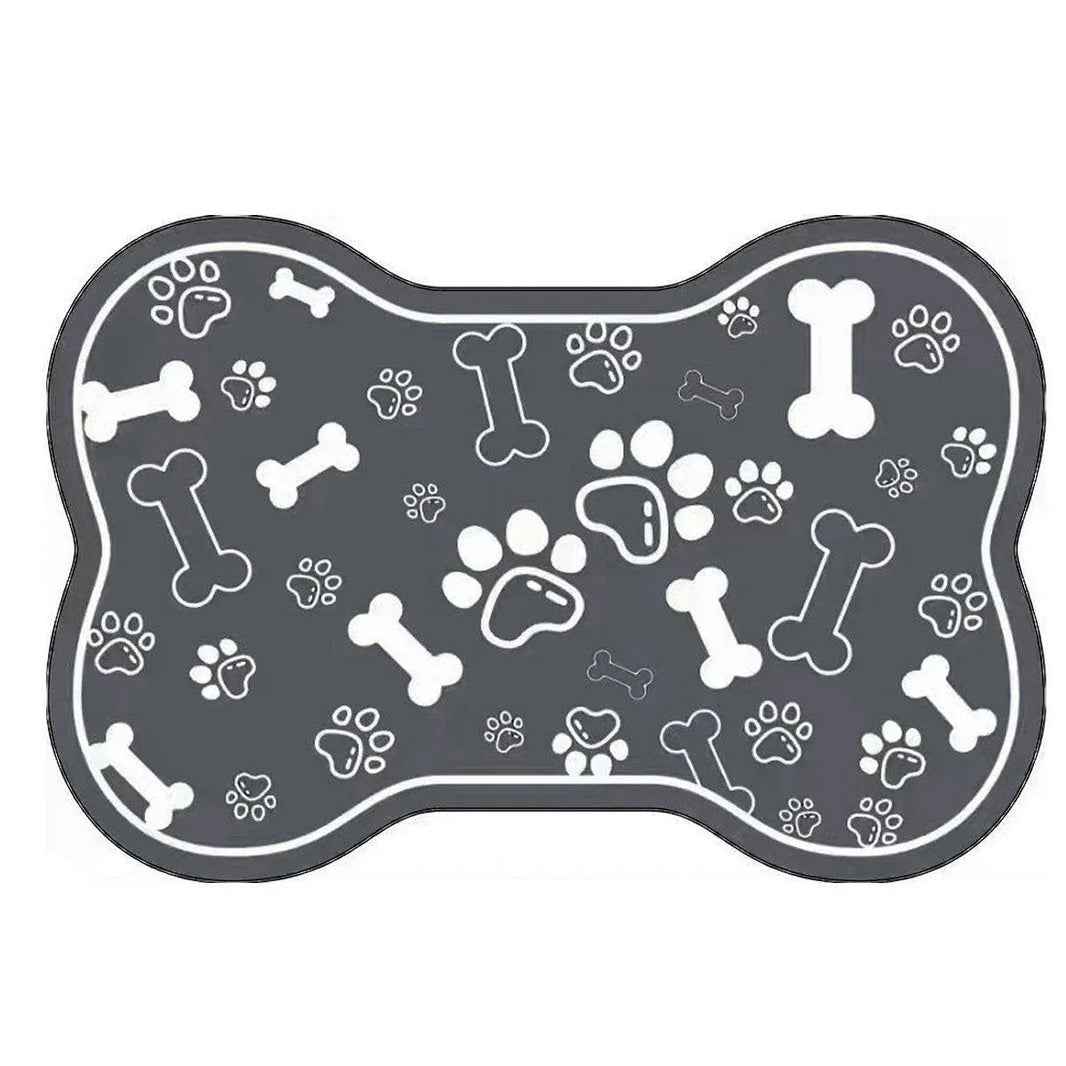
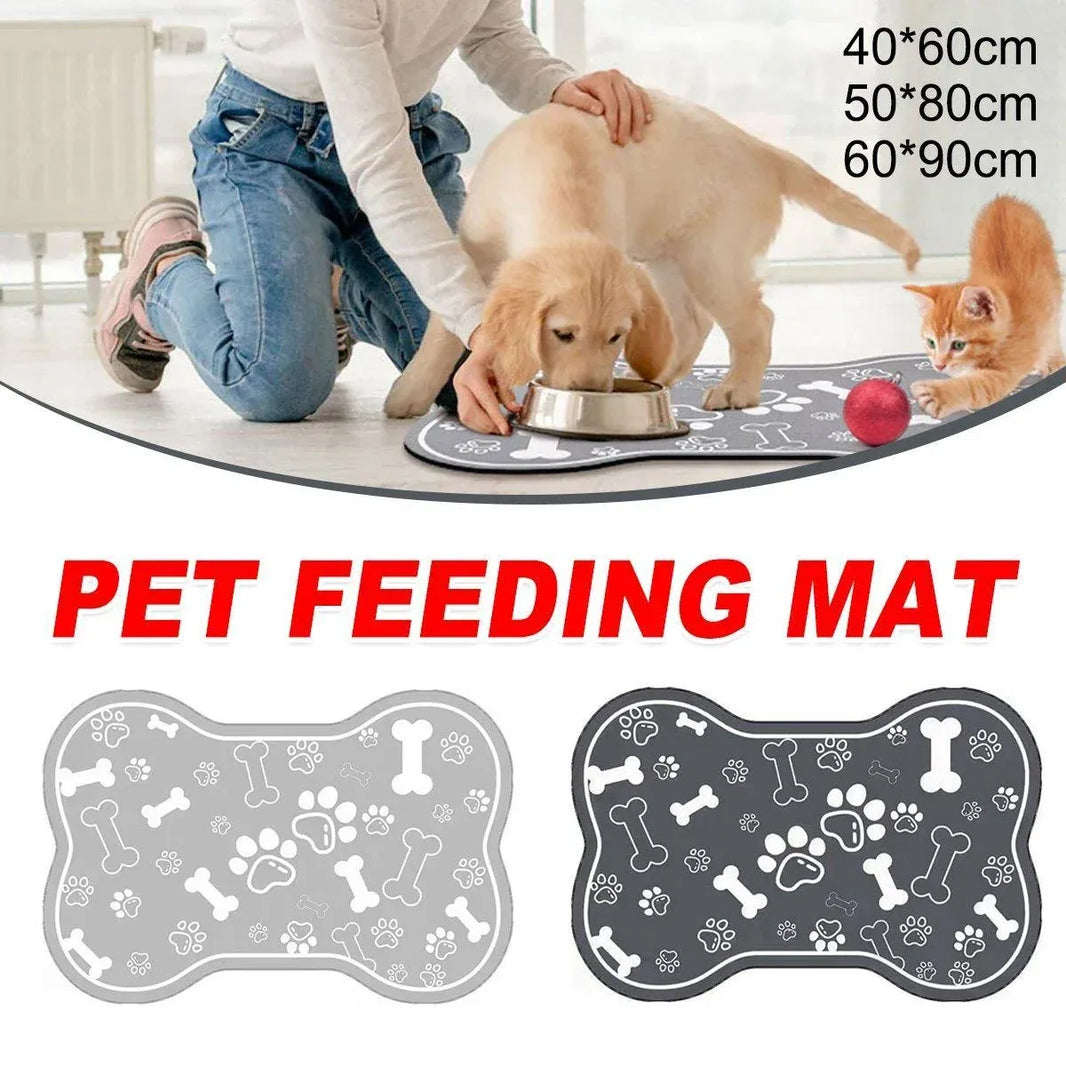
Pet Feeding Mat Non-slip Diatom Mud Absorbent Dirt-resistant Waterproof Placemat - Black-60x90cm
Regular price $43.90 AUDRegular priceUnit price per$53.87 AUDSale price $43.90 AUDSale


A simple bowl, a timed feeder and a water fountain each change the feeding routine in a different way. Begin with the animal’s access and the type of food or water being offered. Then consider how the parts come apart for washing and how you will notice a problem before the next meal.
Separate portions, access and automation
A timed compartment feeder releases prepared portions, while a hopper dispenses from stored food. Wet and dry food have different handling needs, so do not assume that a mechanism suitable for one is appropriate for the other.
For connected feeders, distinguish app control from the ability to keep working during a lost connection or power interruption. Maintain a practical way to feed the animal if the automatic function stops.
Choose the bowl position for the individual
Bowl width, depth and stability affect how easily an animal can reach its food. A raised stand changes the feeding position, but a label such as anti-vomit does not establish a health benefit. Seek individual advice for swallowing or digestive problems.
In a household with several animals, separate feeding positions can make it easier to see who is eating. A large shared feeder may hide changes in one pet’s intake.
Make every wet part accessible
Fountain pumps, channels, filters and reservoirs need attention as well as the visible drinking surface. Consider whether replacement parts are available and whether you can reach the internal corners.
Keep drinking water available and inspect the equipment regularly. A large reservoir or automatic refill reduces one task; it does not remove the need to check cleanliness, water flow and actual use.
Further reading: RSPCA: feeding dogs · RSPCA: feeding cats · RSPCA: keeping cats safe and happy at home
Useful answers
Pet Bowls, Feeders & Water Fountains FAQs
How is a timed pet feeder different from a food hopper?
A compartment feeder opens access to a portion you have placed inside; a hopper stores food that passes through a dispensing mechanism. Those designs have different food-handling and cleaning needs. Decide whether you need scheduled access or measured dispensing, then confirm what the particular unit actually controls.
Does a pet water fountain still need regular cleaning?
Yes. The drinking surface is only one part of it: water also contacts channels, the reservoir, pump and filters. Choose a design you can disassemble and reach inside. Keep another accessible water source while the fountain is being cleaned or if the pump stops.
Will an elevated bowl stop my pet vomiting?
A raised bowl changes the feeding position; it does not by itself establish a medical benefit. Choose the height and shape around comfortable access, and seek veterinary advice for recurring vomiting or swallowing problems. Marketing terms on a bowl should not replace an assessment of the individual animal.