
Carry the gear. Respect the whole setup.
4WD, Towing & Transport
Getting equipment to the destination involves more than finding a spare mounting point. Roof bars, hitch carriers, ramps and recovery equipment each have a different job and a different way of connecting to the vehicle. Plan around the vehicle, the load and the conditions of use, then choose compatible components as a system.

Choose a transport or recovery task
Separate equipment for carrying a load from equipment intended for traction, pulling or access.


Carrying and recovery are different jobs
Cross bars and hitch carriers transport a load during normal driving. Recovery boards help provide tyre traction; a winch applies a pulling load through suitable recovery equipment. A towing component is not automatically a recovery point, and a pulling winch is not automatically a lifting hoist.
Separate these uses before building a shopping list. Start with roof or hitch transport for bikes and bulky equipment. Choose the recovery route when the problem is traction or a vehicle that cannot move under its own power.
Identify the mounting system first
On the roof, note the rail or gutter type and the space available between mounting points. At a hitch, record the receiver size or tow-ball connection, pin position and available clearance. A carrier can fit the connection yet still conflict with a spare wheel or tailgate.
The load shape matters as much as its weight. Bikes need spacing around handlebars and pedals; a kayak needs support and secure restraint; a long box changes the overall height. Sketch the arrangement and include the carrier and its mounting hardware in the plan.
Work from the lowest applicable limit
Vehicle, roof system, towbar and carrier limits must all be respected. A component advertised with a large capacity does not upgrade a lower-rated vehicle or mounting system. Driving and stationary ratings serve different conditions.
Allow for the empty weight of equipment before cargo. For an illustrative roof setup with a 75 kg applicable total limit, a 5 kg rack and a 15 kg box leave 55 kg for contents, provided no other relevant limit is lower. That calculation is a planning example, not a rating for any product here.
Think through loading and storage
A platform carrier may make a heavy bike easier to position but adds its own weight and storage bulk. Cross bars leave the rear of the vehicle more accessible but lift the loading height. Recovery boards need an accessible mounting or storage position rather than being buried underneath the load.
Before a trip, use the instructions for the actual equipment and arrange qualified fitting where required. Keep access to lights, number plates and doors in the plan; legal requirements depend on the vehicle and jurisdiction.
Guides and product details: Rhino-Rack roof-load calculator · NSW caravan-towing guidance · WARN basic winching guide · ZESUPER 12V Winch 4500lb Synthetic Rope Boat Winch ATV Trailer Winch 4WD · Tow Ball Car Mount - Black & Silver · Winch 12V Synthetic Rope 4500LBS Wireless Remote ATV UTV 2041KG · ACCC recovery-strap safety guide
Shop the collection
-
Tow Ball Car Mount - Black & Silver
Regular price $199.90 AUDRegular priceUnit price per$449.99 AUDSale price $199.90 AUDSale -
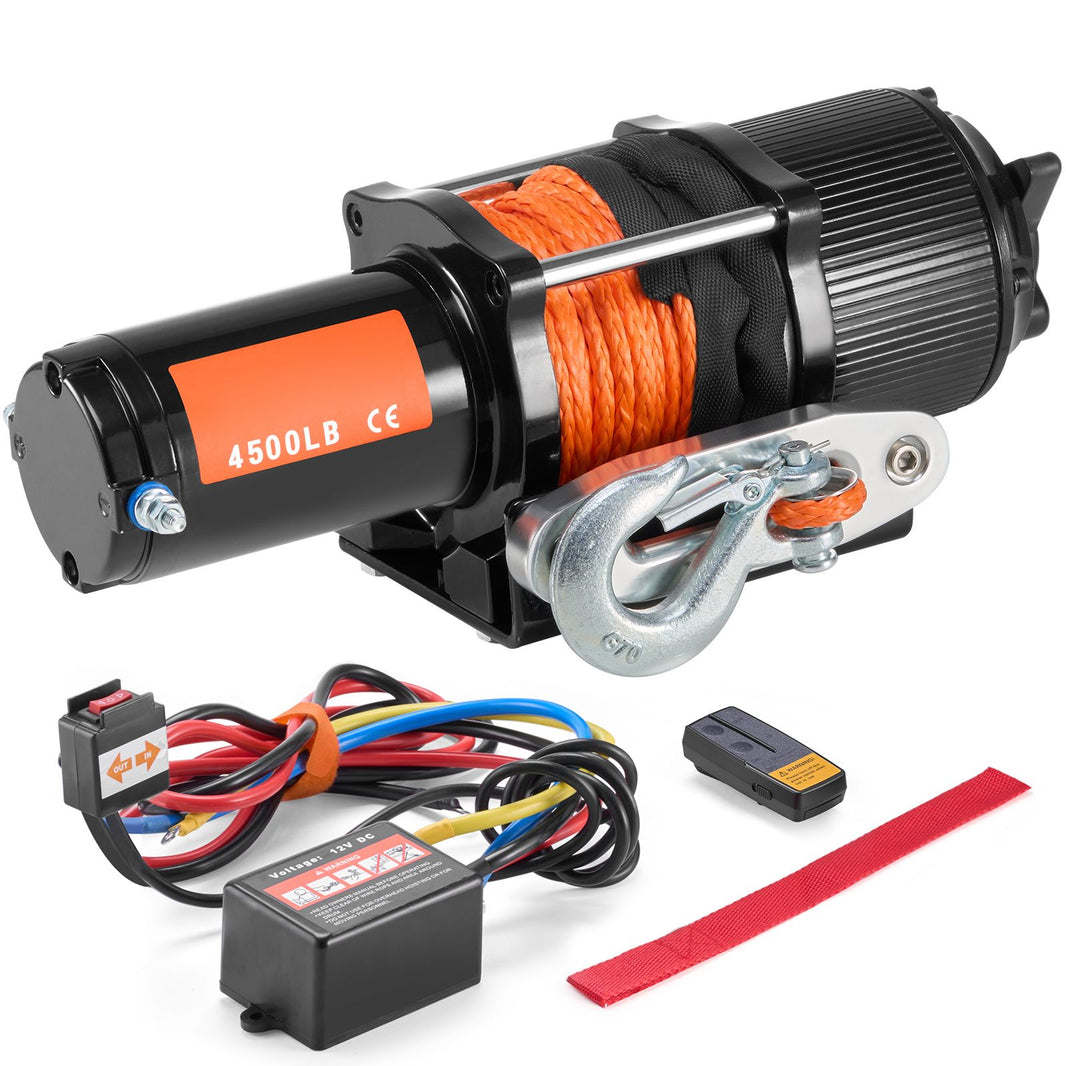
Winch 12V Synthetic Rope 4500LBS Wireless Remote ATV UTV 2041KG
Regular price $222.90 AUDRegular priceUnit price per$270.14 AUDSale price $222.90 AUDSale -
Universal Car Roof Rack 1450mm Cross Bars Aluminium Silver Adjustable Brackets Carrier 90kg
Regular price $79.90 AUDRegular priceUnit price per$116.99 AUDSale price $79.90 AUDSale -
12V Winch 3000LB ATV Boat Trailer Winch with Synthetic Rope
Regular price $177.90 AUDRegular priceUnit price per$269.90 AUDSale price $177.90 AUDSale -
12V Wireless Winch, 3000lbs/1360kg, Synthetic Rope, Boat ATV 4WD
Regular price $149.90 AUDRegular priceUnit price per$215.80 AUDSale price $149.90 AUDSale -
X-BULL 12V Winch Remote Control Twin Handset Easy to Install Upgrade Remotes
Regular price $47.90 AUDRegular priceUnit price per$89.00 AUDSale price $47.90 AUDSale -
12V Winch 4500LB Boat Trailer Steel Cable with 5.5M X 13M Synthetic Rope - Orange
Regular price $173.90 AUDRegular priceUnit price per$259.00 AUDSale price $173.90 AUDSale -
Winch 5000LBS 12V Synthetic Rope 15.2M Wireless ATV UTV 4WD Boat
Regular price $219.90 AUDRegular priceUnit price per$293.42 AUDSale price $219.90 AUDSale -
Winch 3000LBS/1360KG Wireless 12V Steel Cable ATV 4WD Boat 4X4
Regular price $149.90 AUDRegular priceUnit price per$178.54 AUDSale price $149.90 AUDSale -
2T Sling Hook & Hammerlock Kit, 2 Sets Heavy Duty Trailer Safety Chain Hooks for Caravan, Camper & Boat Trailers-Orange
Regular price $30.90 AUDRegular priceUnit price per$35.99 AUDSale price $30.90 AUDSale -
3.15T Sling Hook & Hammerlock Kit, 2 Sets Heavy Duty Trailer Safety Chain Hooks for Caravan, Camper & Boat Trailers-Orange
Regular price $46.90 AUDRegular priceUnit price per$45.99 AUDSale price $46.90 AUD -
2SETS 2T Sling Hook With Hammerlock Heavy Duty Safety Latch Swivel Winch Hook For Trailer Safety Chain-Green
Regular price $30.90 AUDRegular priceUnit price per$69.95 AUDSale price $30.90 AUDSale -
1.12T Sling Hook & Hammerlock Kit, 2 Sets Heavy Duty Trailer Safety Chain Hooks for Caravan, Camper & Boat Trailers-Orange
Regular price $30.90 AUDRegular priceUnit price per$27.99 AUDSale price $30.90 AUD -


1x Bike Rack Garage Wall Mount Hanger Hooks Storage Bicycle Vertical for Indoor Shed with Screws
Regular price $10.90 AUDRegular priceUnit price per$19.95 AUDSale price $10.90 AUDSale -
Universal Soft Roof Rack Kayak Pads Foam Carrier Surfboard SUP Transport Bars
Regular price $84.90 AUDRegular priceUnit price per$101.75 AUDSale price $84.90 AUDSale -
115cm Universal Car Roof Racks Carrier Adjustable Cross Bars Aluminium Alloy Lockable
Regular price $71.90 AUDRegular priceUnit price per$184.95 AUDSale price $71.90 AUDSale -
135CM Universal Adjustable Aluminum Alloy Car Roof Rack Cross Bars Carrier Lock
Regular price $72.90 AUDRegular priceUnit price per$187.65 AUDSale price $72.90 AUDSale -
Car Roof Rack Basket Universal Luggage Vehicle Cargo Carrier - 111CM Black
Regular price $122.90 AUDRegular priceUnit price per$216.99 AUDSale price $122.90 AUDSale -
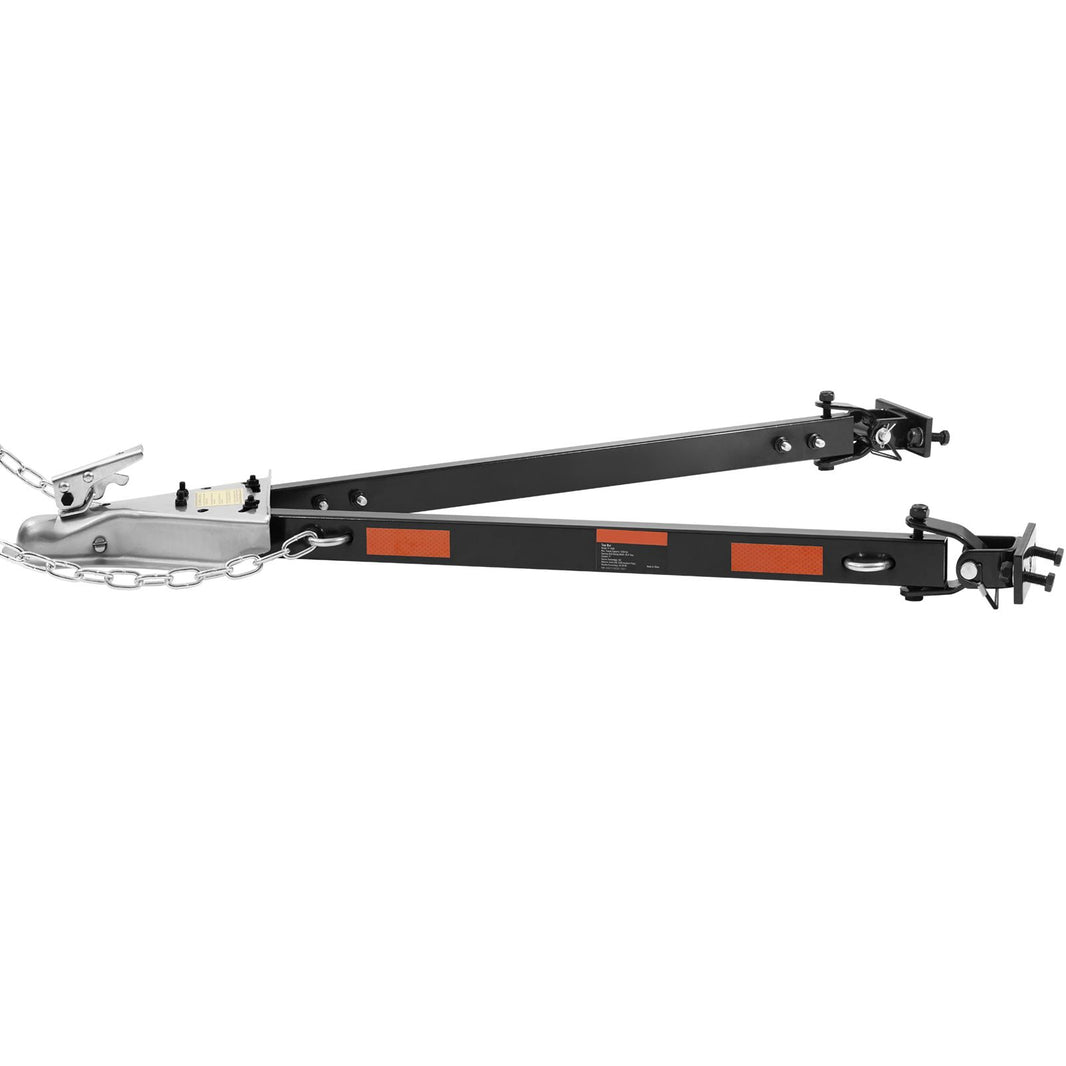
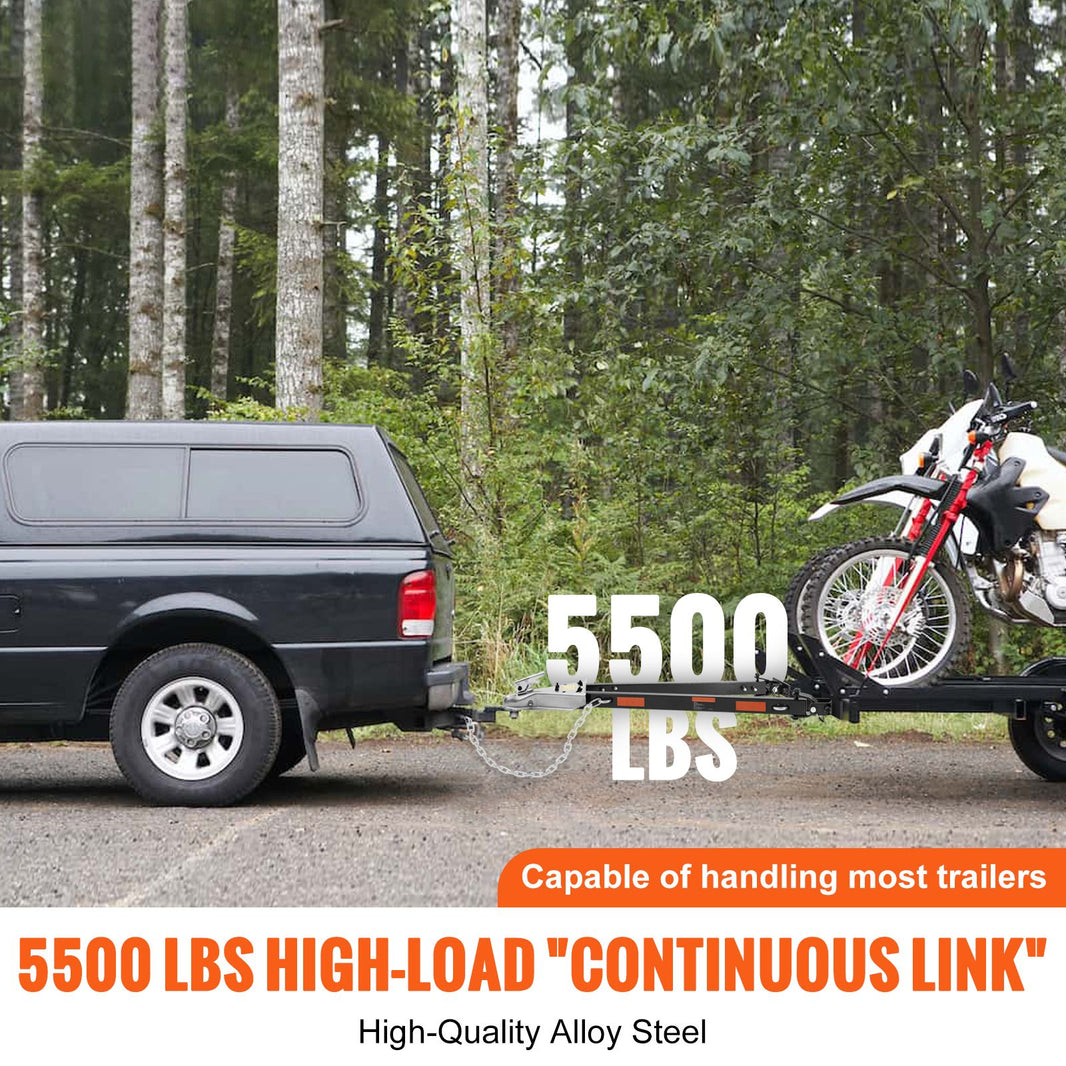
Tow Bar, 2495 kg Towing Capacity with Chains, Powder-Coating Alloy Steel Bumper-Mounted Universal Towing Bar, Coupler Fits 5cm Ball Hitch, 100 cm Opening Width, for RV Car Trailer Truck
Regular price $166.90 AUDRegular priceUnit price per$153.90 AUDSale price $166.90 AUD -
Rubber Curb Ramp 15.2 cm Rise Height Sidewalk Curb Ramp, 37 cm Width 49.1 cm Length Driveway Ramp for Curb, 15T Heavy Duty Rubber Ramp for Forklifts, Trucks, Buses, Cars, Wheelchairs, Bikes
Regular price $68.90 AUDRegular priceUnit price per$63.90 AUDSale price $68.90 AUD -
X-BULL 12V Winch Remote Control Winch Relay Solenoid Twin Handset Easy to Install
Regular price $90.90 AUDRegular priceUnit price per$180.00 AUDSale price $90.90 AUDSale -
Electric Winch ATV UTV 2041 kg Synthetic Rope Waterproof Remote Control
Regular price $210.90 AUDRegular priceUnit price per$194.90 AUDSale price $210.90 AUD -
Trailer Hitch Lock, Compatible with 50.8 mm Couplers, Heavy-Duty Anti-Theft Trailer Ball Lock with 3 Keys, Fits for RVs
Regular price $86.90 AUDRegular priceUnit price per$89.99 AUDSale price $86.90 AUDSale -
3 Point Trailer Hitch 2 in Receiver, 3pt Quick Hitch Attachment with 3 Trailer Balls, Tractor Tow Drawbar Adapter, Compatible with Kubota, Mahindra, Ford, Yanmar, John Deere, Massey Ferguson
Regular price $180.90 AUDRegular priceUnit price per$166.90 AUDSale price $180.90 AUD






Related reading

Useful answers
4WD transport and recovery planning
Keep carrying equipment and recovery equipment matched to their different jobs.
Can towing hardware also be used for vehicle recovery?
Do not assume so. A standard tow ball and vehicle tie-down points must not be used as recovery points. Recovery needs attachment points and equipment intended for the method involved. Confirm the vehicle and equipment requirements with a competent specialist before selecting a setup.
How do I keep a carrying setup within the available vehicle allowance?
Start with the applicable vehicle and complete mounting-system limit. Include the empty rack or carrier, other attached accessories and the load itself. Keep driving and stationary limits separate, and check any restrictions for the intended conditions. A higher-rated accessory does not increase the vehicle’s allowance.
Should I buy roof storage or a rear carrier first?
Start with the shape of the load and the access you need. Roof storage changes loading height and garage clearance; rear equipment changes length and can restrict the tailgate. Plan the whole arrangement before buying either, especially if you expect to add the other later.