

If you’ve ever tried to tidy up your home or office only to realise you don’t have enough space, you’ve probably reached for boxes. Whether they’re simple cardboard cartons, clear plastic tubs, or purpose-built organisers, boxes are the go-to solution for managing clutter. But many people still wonder: what is box storage exactly, and how do you know if you’re choosing the right size or style? That’s where the concept of box storage capacity comes in.
This guide will break it down in plain English. We’ll look at what box storage means in Australia, why it’s such a popular choice, how to understand capacity, and tips for choosing the right boxes for different needs.

What Is Box Storage?
At its most basic, box storage refers to the use of containers, usually square or rectangular in shape, to organise, protect, and store your belongings. These can be made from cardboard, plastic, wood, or fabric, depending on their purpose.
Some common uses of box storage include:
-
Moving house: packing items into standard cardboard boxes.
-
Decluttering: tucking seasonal clothes or decorations away.
-
Organising offices: archiving paperwork in document boxes.
-
Protecting valuables: using sturdy plastic tubs in garages or sheds.
Box storage is popular because it takes something chaotic, like loose items scattered around, and gives them structure. You know exactly where things are, and you can stack or tuck them away neatly.
Why Box Storage Works So Well
When people ask what box storage is, they’re often really asking why it’s such a universal solution. The reasons are simple:
-
Affordable: Basic boxes are inexpensive compared to other storage systems.
-
Versatile: They can hold clothes, books, tools, toys, or almost anything.
-
Space-saving: Uniform shapes make them easy to stack in cupboards or garages.
-
Portable: With handles or lids, they’re simple to carry or move around.
-
Protective: A sturdy box shields contents from dust, pests, or weather.
From homes to businesses, box storage is everywhere because it just works.
What Is Box Storage Capacity?
Capacity is the measurement of how much a box can hold. For most plastic containers, capacity is listed in litres (L). For cardboard cartons, you’ll often see it measured in cubic centimetres (cm³) or cubic inches.
For example:
-
A 10L box might hold a pair of shoes or stationery.
-
A 40L box could fit a small load of books or folded clothes.
-
A 70L box works for blankets or toys.
-
An extra-large 100L box can take bulky items like camping gear.
Understanding box storage capacity is essential because it prevents the common mistakes of either cramming too much into a small box (which can break) or using a massive box for heavy items that become impossible to lift.
Why Box Storage Capacity Matters.
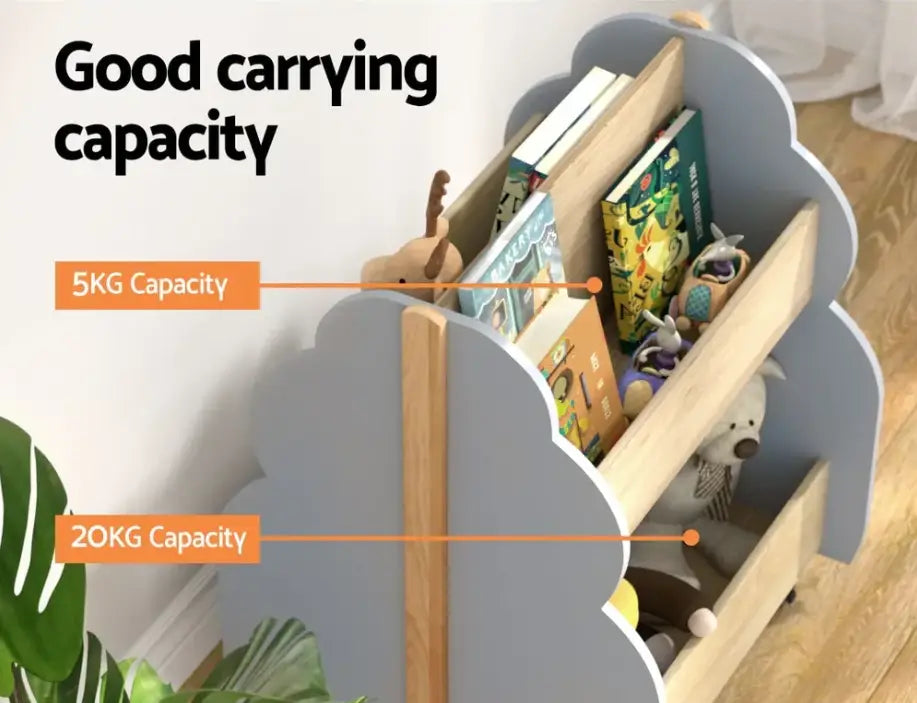
The right capacity box makes life easier in several ways:
-
Safety: A large box stuffed with books can be dangerously heavy. Smaller boxes prevent back strain.
-
Organisation: Matching capacities helps stack boxes neatly without wasted space.
-
Efficiency: Using the correct size means you’re not wasting time or materials.
-
Durability: Respecting a box’s capacity stops it from collapsing or tearing.
So next time you’re choosing boxes, think not just about the item you want to store, but also how heavy it will be once packed.
Choosing the Right Box Storage Capacity.
Here are some tips that help when selecting the best size:
-
Small boxes (5–15L): Best for stationery, small electronics, or shoes.
-
Medium boxes (20–40L): Good for clothes, pots, pans, or office supplies.
-
Large boxes (50–80L): Useful for bedding, toys, or seasonal items.
-
Extra-large boxes (100L+): Ideal for lightweight but bulky things like cushions, camping equipment, or winter coats.
A simple rule of thumb: heavier items belong in smaller boxes, while lighter, bulkier items belong in larger ones.
Specialised Types of Box Storage:
Not all boxes are generic. You’ll often find storage designed for specific purposes:
-
Document boxes: Sturdy cardboard with lids, typically around 15–20L.
-
Clear plastic tubs: Helpful when you want to see contents without opening.
-
Toy storage boxes: Usually large capacity, sometimes with wheels for easy movement.
-
Weatherproof storage: Heavy-duty plastic boxes with seals, suitable for garages or sheds.
-
Decorative fabric boxes: Perfect for living rooms or bedrooms where looks matter.
Each type is designed with capacity in mind, balancing strength and practicality for its intended use.
Everyday Uses of Box Storage.
Box storage isn’t just for moving house. Here’s how people use it daily:
-
Home organisation: Clothes, shoes, children’s toys, or holiday decorations.
-
Garage or shed storage: Tools, gardening supplies, or sporting equipment.
-
Office spaces: Paper archives, printer supplies, or files.
-
Travel and moving: Packing personal belongings securely.
-
Retail or business: Stock storage in storerooms or at markets.
No matter the environment, the concept of box storage capacity guides how much you can safely and effectively store.
How to Care for Your Storage Boxes
If you want your boxes to last and your belongings to stay safe:
-
Don’t overfill: Stick to the box’s rated capacity.
-
Label boxes clearly, especially when stacking multiple sizes.
-
Keep dry: Cardboard weakens with moisture, while plastic may warp in extreme heat.
-
Clean occasionally: Wipe down plastic tubs to keep dust and odours away.
-
Store properly: Boxes last longer when not crammed into tight or damp spaces.
A little care goes a long way, especially if you plan to reuse boxes over many years.
Mistakes People Make with Box Storage.
Even though it’s simple, people often run into issues:
-
Choosing boxes that are too big for heavy items.
-
Using poor-quality cardboard that breaks under weight.
-
Ignoring capacity limits and stuffing boxes until they bulge.
-
Failing to label leads to wasted time searching later.
Avoiding these pitfalls makes box storage far more effective.
Final Thoughts: Why Box Storage and Capacity Go Hand in Hand.
So, what is box storage? It’s a straightforward but powerful way of organising and protecting your belongings. And what is box storage capacity? It’s the measurement that tells you how much each box can safely hold.
Together, these two ideas explain why box storage is everywhere, from homes and garages to offices and warehouses. When you choose the right box with the right capacity, you get order, efficiency, and peace of mind.
Whether you’re packing for a move, decluttering your home, or running a business, box storage gives you a simple solution to keep everything in its place.