

Winter gardening starts with the conditions in your part of Australia: daylight, rainfall, frost and the plants you want to grow. These ten checks help you choose suitable protection and a manageable care routine.
1. Select Winter-Friendly Plants
Choose varieties suited to your local winter. Kale, spinach, broccoli, pansies and violas are examples to investigate, but check their planting season, mature size and temperature requirements for your region.
2. Utilize Greenhouses
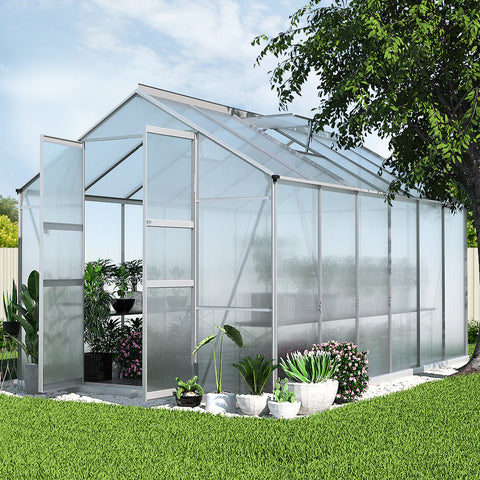 Greenhouses provide shelter and can help extend the growing season. An unheated greenhouse does not guarantee frost protection: monitor overnight temperatures and plan ventilation, shading or suitable additional protection for the plants.
3. Implement Cold Frames
Cold frames provide a sheltered growing space that warms in sunlight. Their protection varies with the structure and weather; monitor temperatures and open them for ventilation when needed rather than relying on a fixed number of extra growing weeks.
4. Grow Under Grow Lights
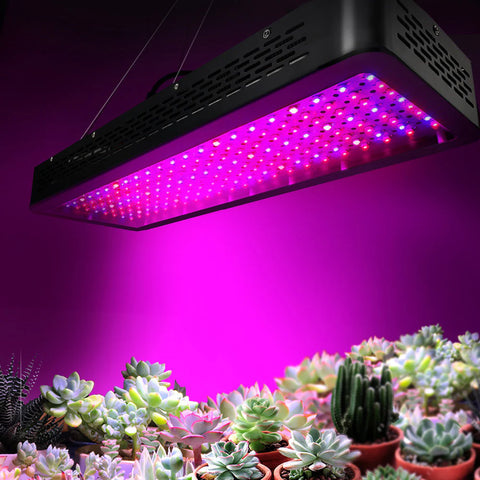
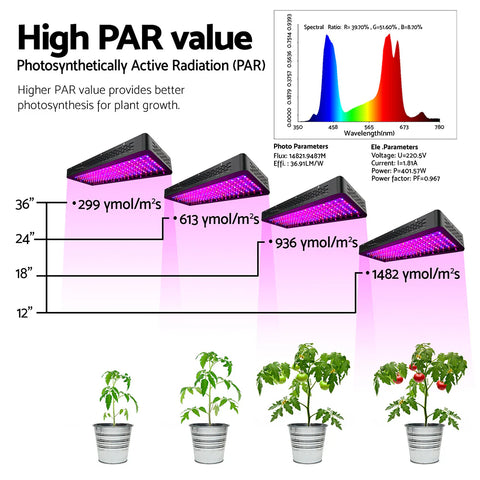
Indoor gardening with grow lights allows you to cultivate plants in a controlled setting. Example: Choose Enhance Your Indoor Plant Growth with Full-Spectrum LED Grow Lights. with documented output and coverage for the plants you intend to grow. Set the distance and lighting schedule using the light and crop guidance; a full-spectrum label alone does not establish sufficient light.
 5. Use Hydroponics Indoor Plant Grow System
Hydroponics is a soilless method of growing plants that uses nutrient-rich water to deliver essential nutrients directly to the roots. Example: An indoor hydroponics system can suit a small indoor space when light, temperature, nutrients and root aeration are managed. Recirculating systems can reuse water, but hydroponics does not eliminate plant disease. Clean equipment, healthy starting plants and regular checks remain important.
6. Optimize Soil Quality
Healthy soil is crucial for winter gardening. Enrich your soil with compost and organic matter to improve its structure and nutrient content. Well-drained soil prevents waterlogging, which can be detrimental in cold weather.
7. Maintain Proper Watering
Check the growing medium before watering. Plants may use water more slowly in cool conditions, but indoor heat, wind, container size and the plant itself also matter. Maintain the moisture and drainage appropriate to the crop rather than applying one winter watering schedule.
8. Insulate with Mulch
Choose a mulch and depth suited to the planting, keeping it clear of stems and trunks. Mulch can help moderate soil conditions, retain moisture and suppress weeds, but it should not block drainage or bury the plant base.
9. Plant in Containers
Growing plants in containers allows you to move them indoors or to a sheltered location during extreme weather conditions. Use pots with good drainage and consider placing them near windows for natural light or under grow lights.
10. Monitor and Adjust Temperature
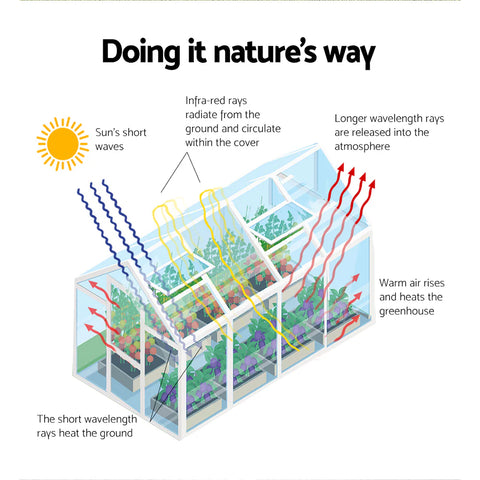
Keep an eye on temperature fluctuations in your greenhouse or indoor garden. Use only heating equipment suitable for the growing area and follow its placement and operating instructions. Ventilate when needed to limit overheating on sunny days.
Conclusion
With these ten tactics, you can continue to enjoy gardening throughout the winter. By selecting the right plants, using protective structures, and maintaining optimal growing conditions, you can achieve a productive winter garden. Happy winter gardening!
Get Your Essential Items for Your Plants This Winter
Compare supplies against the growing conditions and tasks you have identified:
- Greenhouses: Shop Greenhouses
- Grow Lights: Shop Grow Lights
- Weed control Mat: Shop Weed control mat
- Hydroponics Systems: Shop Hydroponics Systems


For another part of your gardening & growing comparison, read Understanding Plant Types Before Planning Your Garden.
