
Mattress Protectors
A mattress protector is chosen for the surface it covers, the way it fits and the care it needs after use. Waterproof construction, quilted padding and a deep fitted skirt are separate features, so decide which combination suits the bed.
Shop the collection
-

 Sale
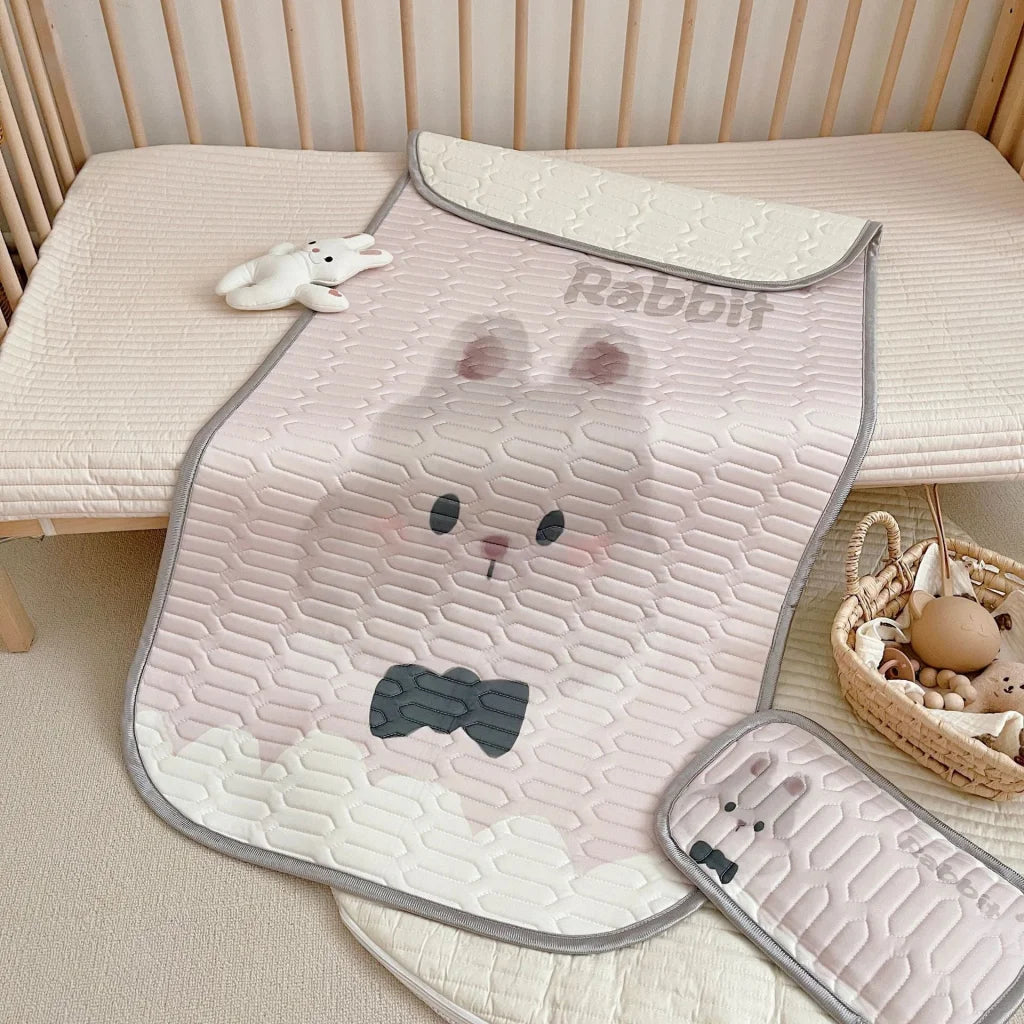
Rabbit Pattern 2 Piece Set Kids Cooling Pad Set - 60x120cm Cartoon Latex Mattress Protector, Pillow
Regular price $43.90 AUDRegular priceUnit price per$75.00 AUDSale price $43.90 AUDSale -

 Sale
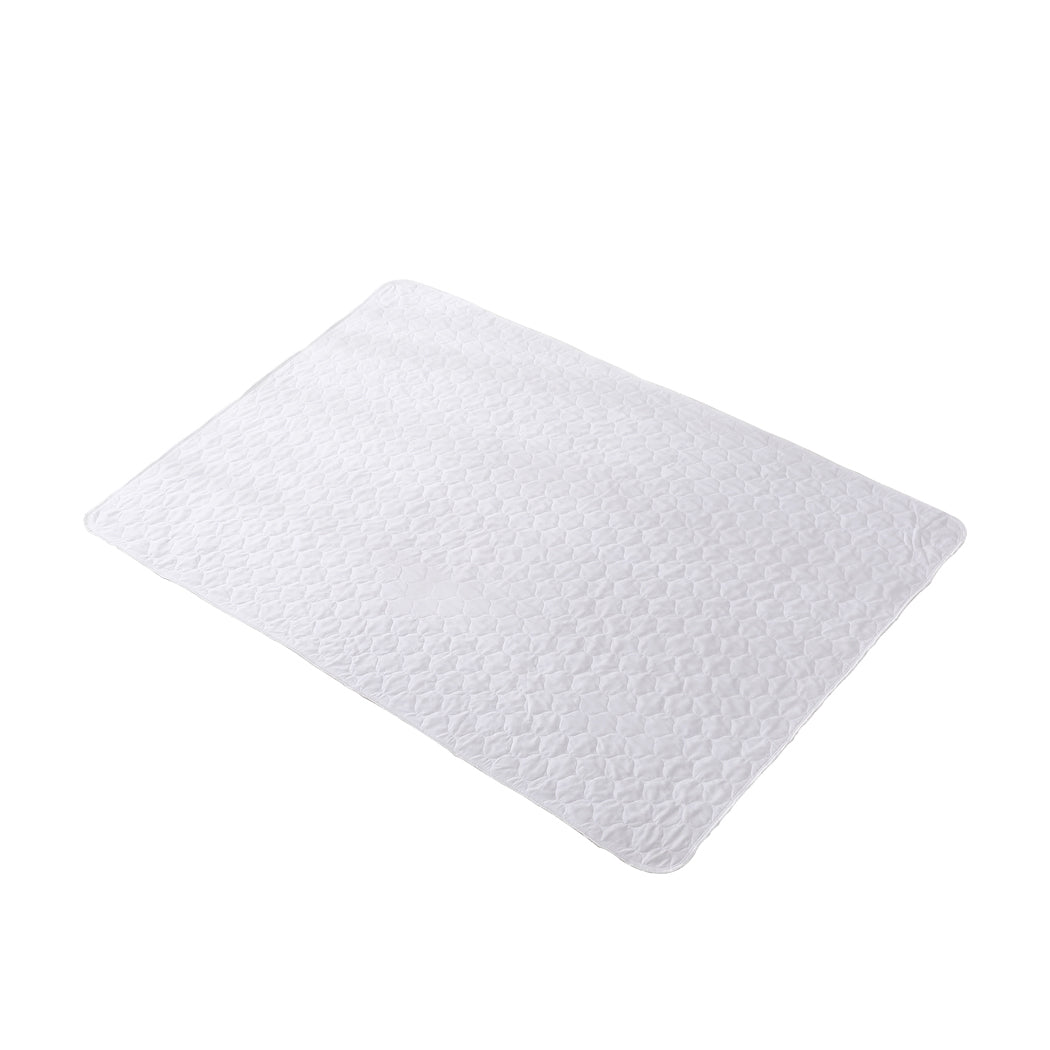
Waterproof Bed Pad, Single, White, Set of 2 – Dreamz
Regular price $21.70 AUDRegular priceUnit price per$61.70 AUDSale price $21.70 AUDSale -
 Sale
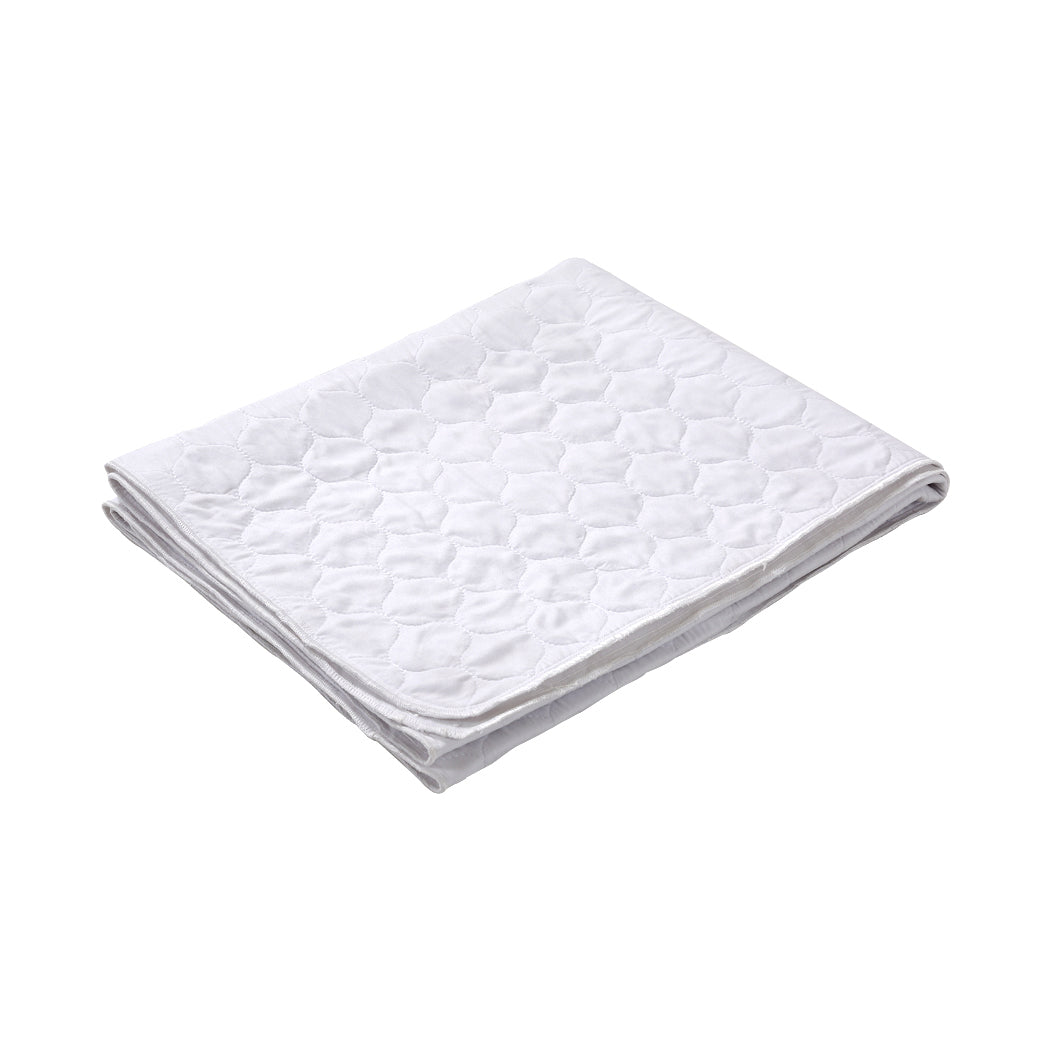
Waterproof Bed Pad, King, White, Set of 2 – Dreamz
Regular price $36.70 AUDRegular priceUnit price per$91.70 AUDSale price $36.70 AUDSale -
 Sale
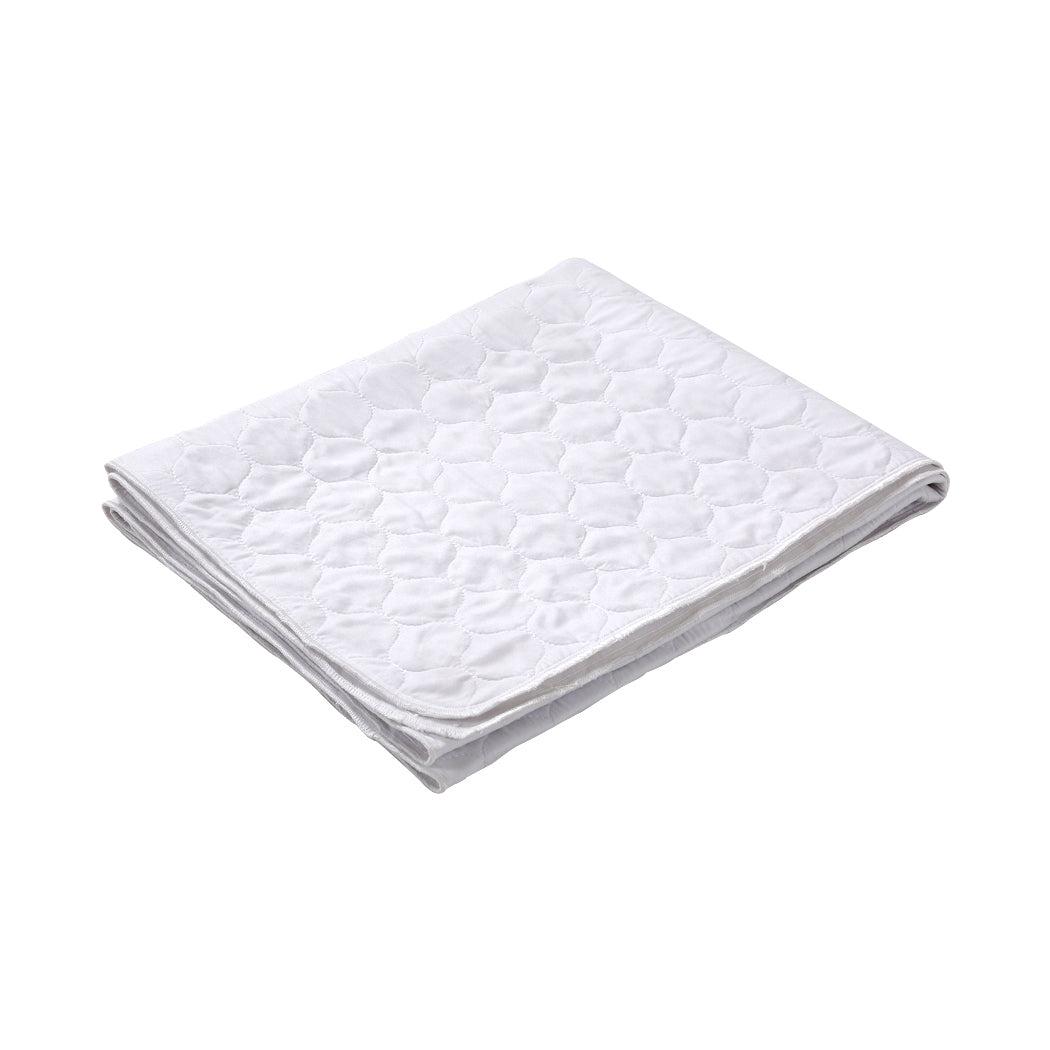
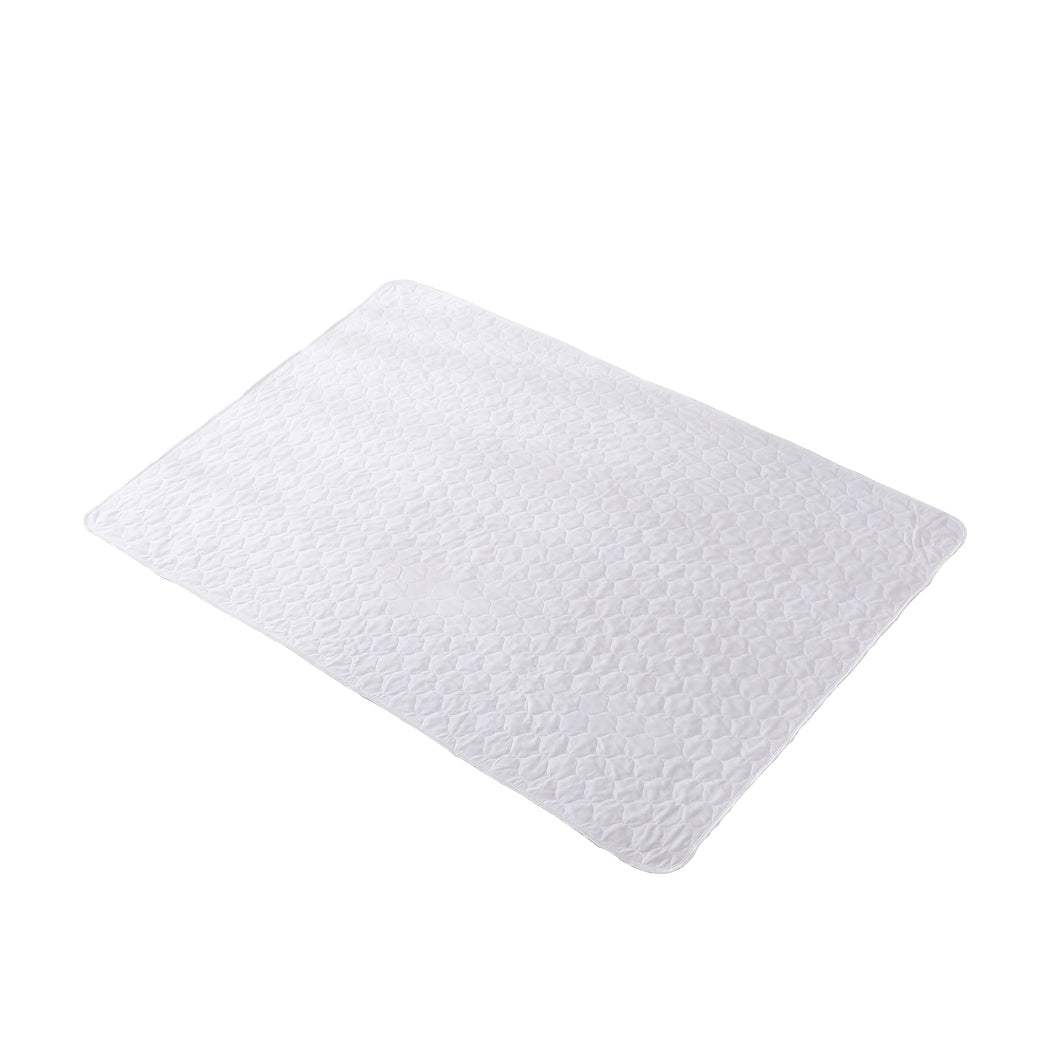
Waterproof Bed Pad, Queen, White, Set of 2 – Dreamz
Regular price $26.70 AUDRegular priceUnit price per$73.70 AUDSale price $26.70 AUDSale -
 Sale
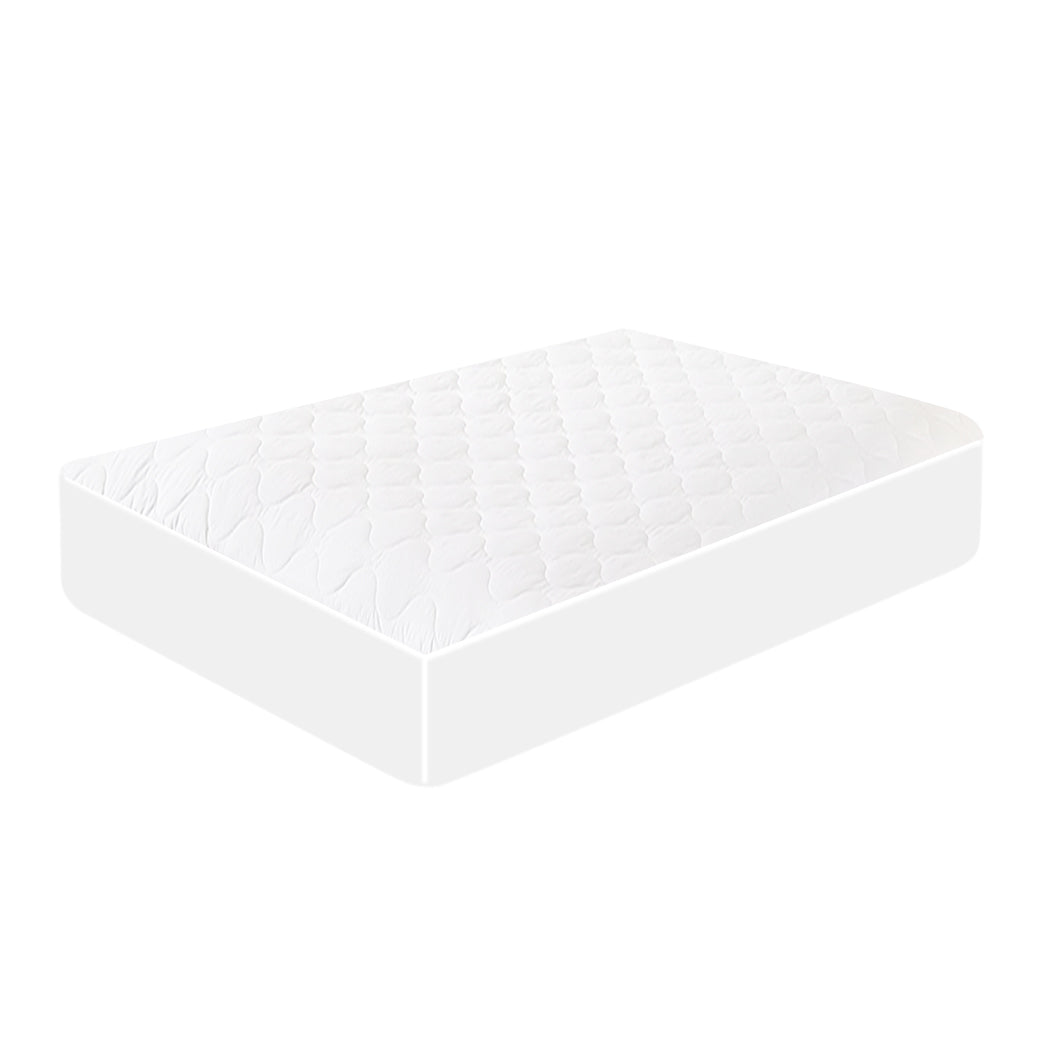
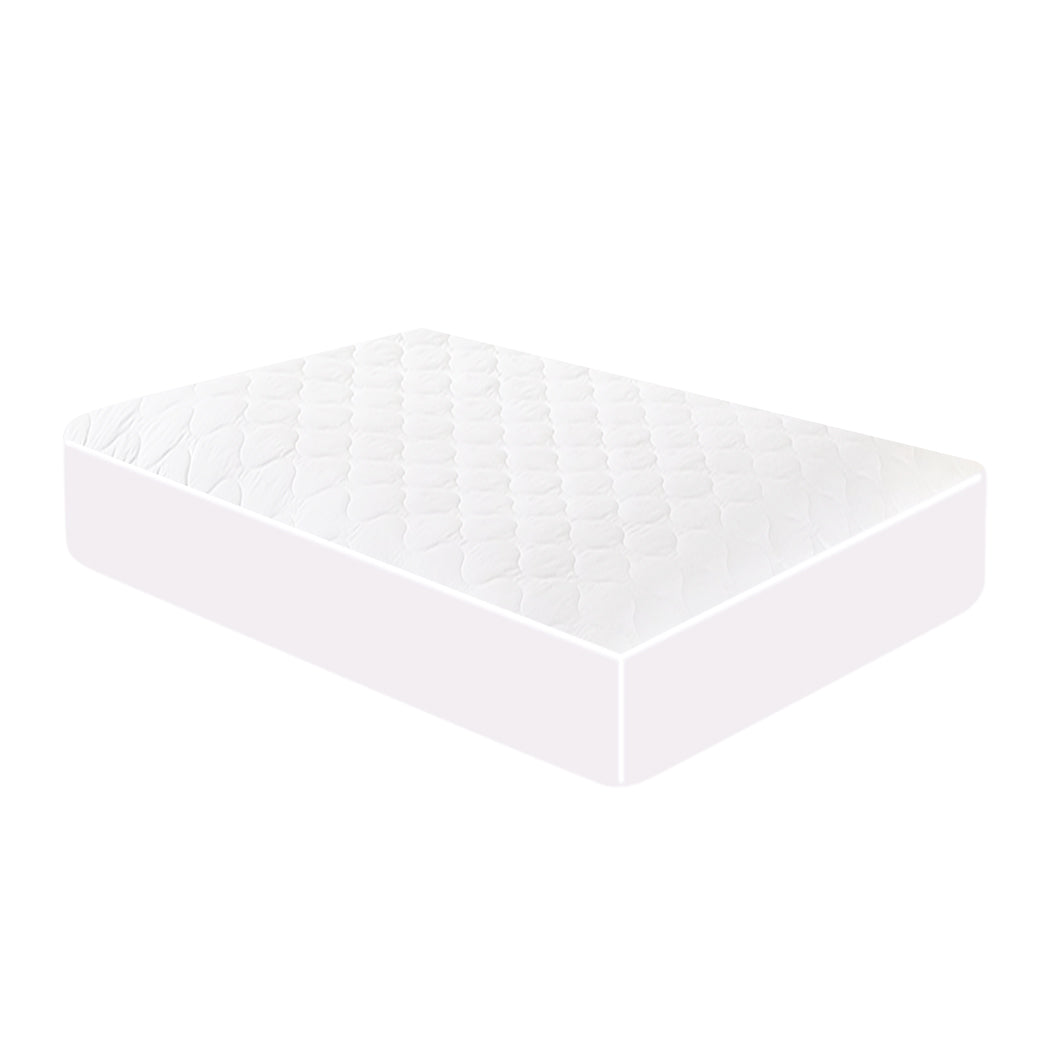
DreamZ Fitted Waterproof Bed Mattress Protector Super King
Regular price $66.70 AUDRegular priceUnit price per$100.70 AUDSale price $66.70 AUDSale -

 Sale
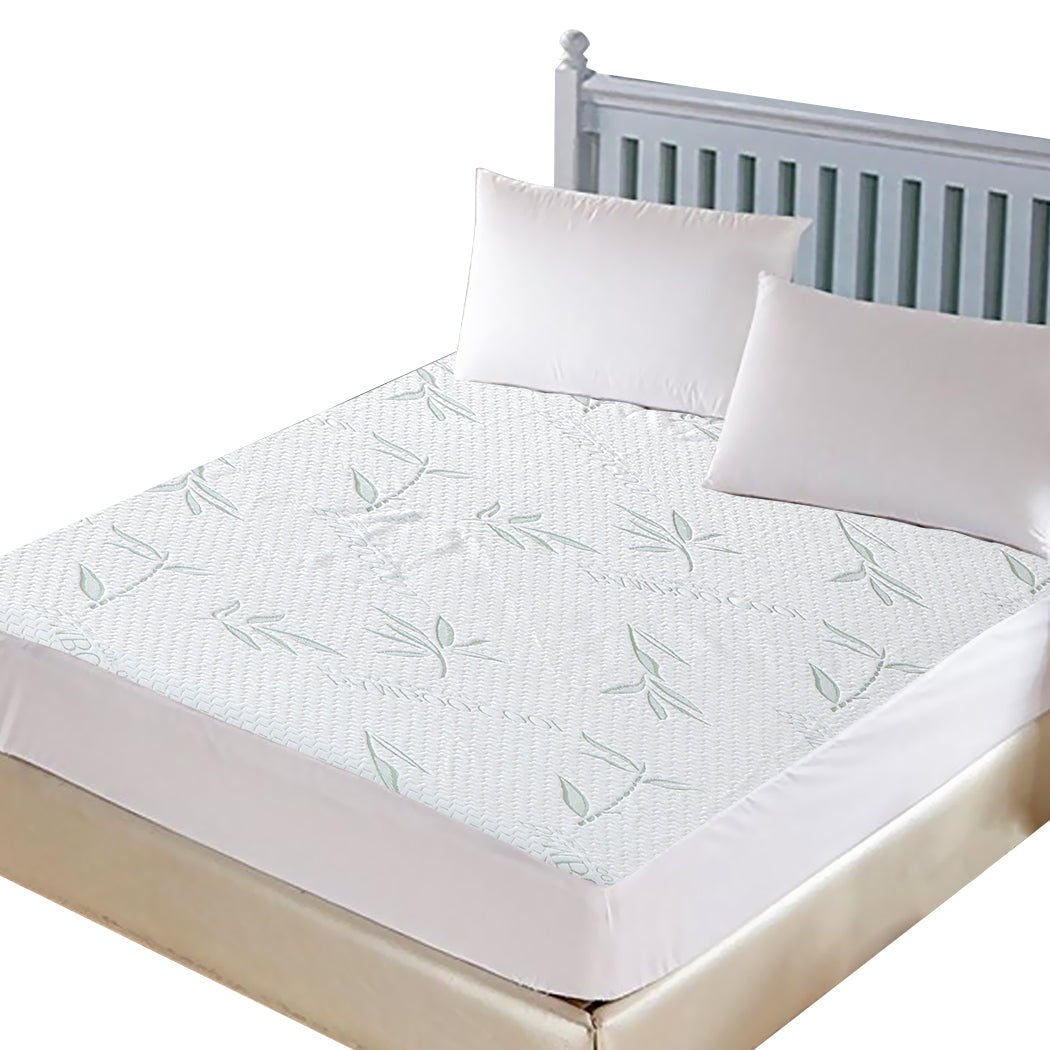
Single Fitted Waterproof Microfibre Mattress Protector, White – Dreamz
Regular price $19.70 AUDRegular priceUnit price per$58.70 AUDSale price $19.70 AUDSale -
 Sale
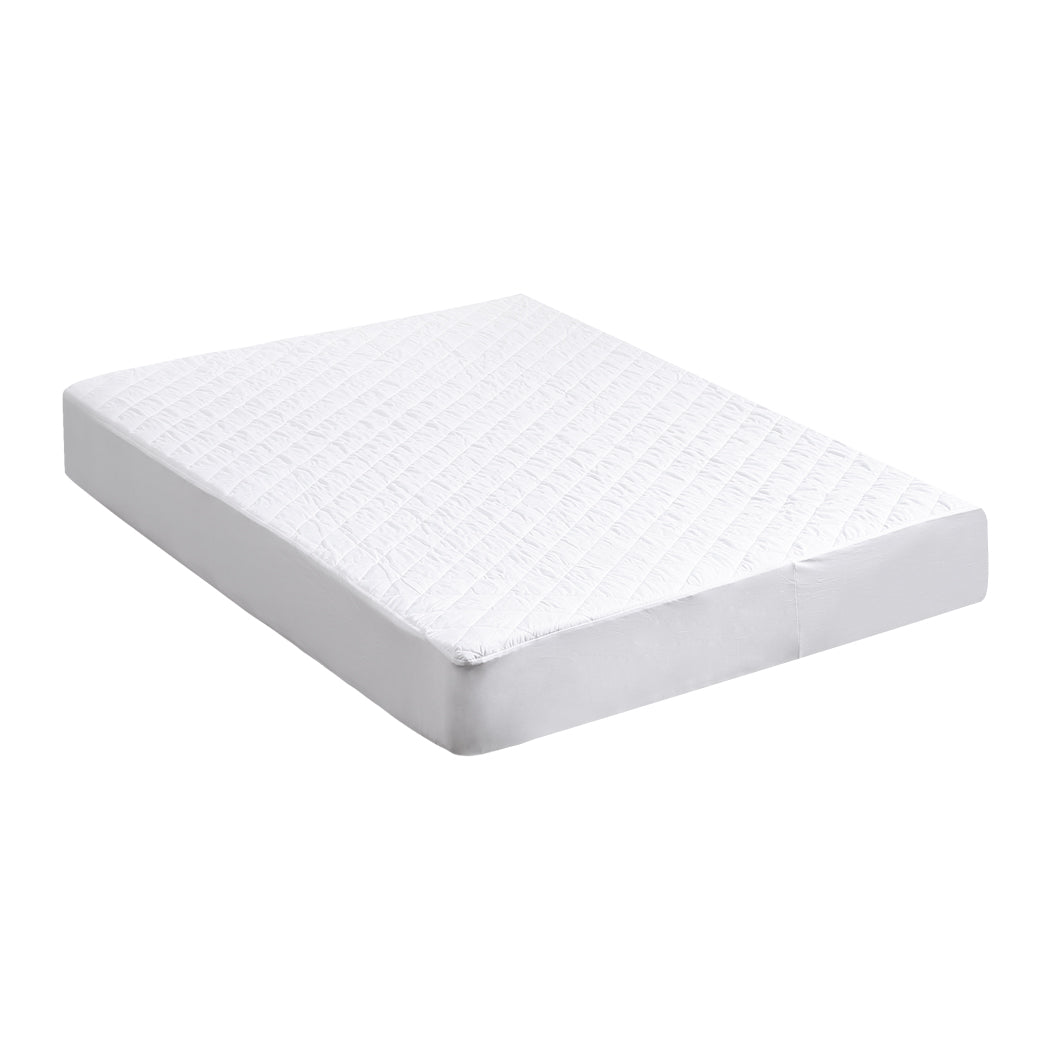
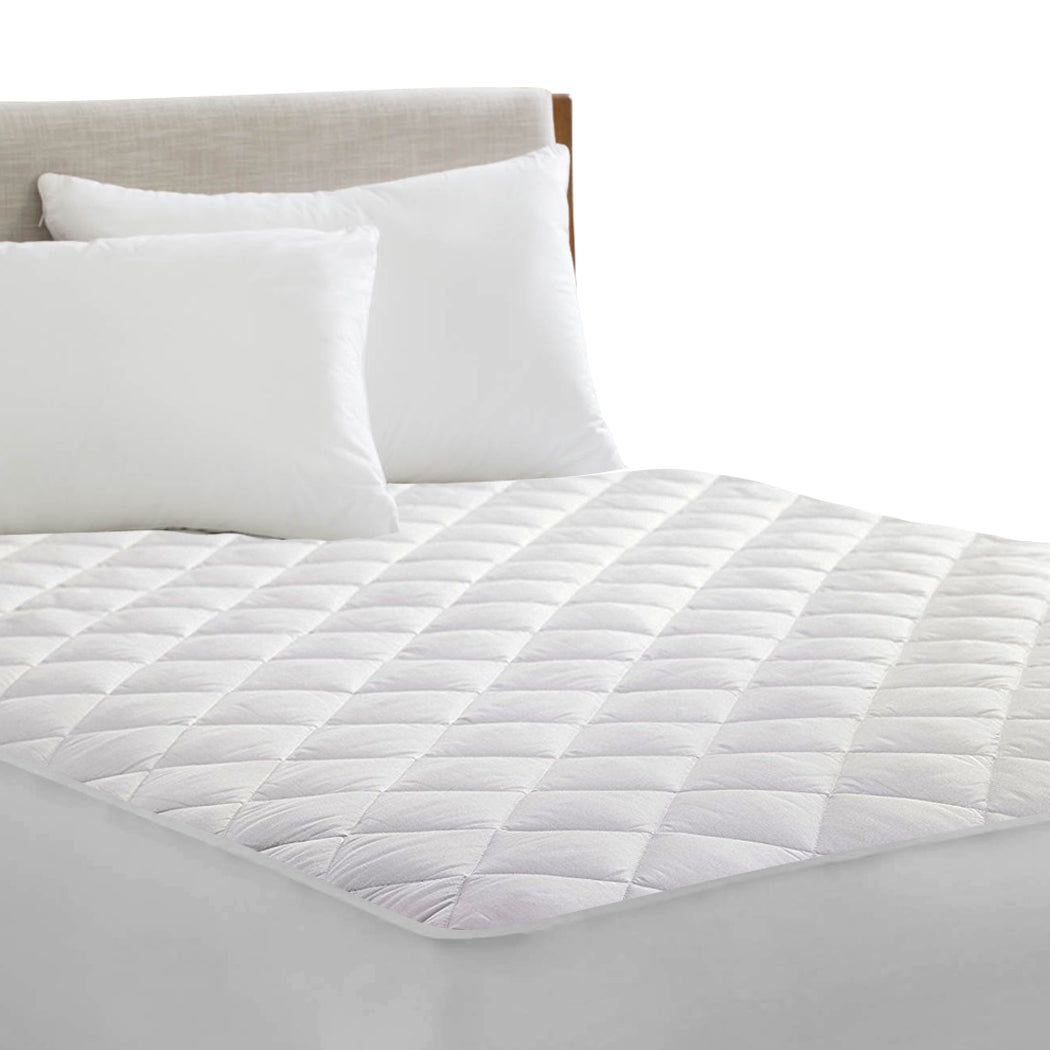
King Fitted Waterproof Mattress Protector, White – Dreamz
Regular price $35.70 AUDRegular priceUnit price per$89.70 AUDSale price $35.70 AUDSale -
 Sale
Queen Fitted Waterproof Microfibre Mattress Protector, White – Dreamz
Regular price $28.70 AUDRegular priceUnit price per$76.70 AUDSale price $28.70 AUDSale -

 Sale
Double Fitted Waterproof Microfibre Mattress Protector, White – Dreamz
Regular price $26.70 AUDRegular priceUnit price per$73.70 AUDSale price $26.70 AUDSale -

 Sale
King Single Fitted Waterproof Microfibre Mattress Protector, White – Dreamz
Regular price $22.70 AUDRegular priceUnit price per$62.70 AUDSale price $22.70 AUDSale -

 Sale
Double Fitted Waterproof Mattress Protector, White – Dreamz
Regular price $26.70 AUDRegular priceUnit price per$73.70 AUDSale price $26.70 AUDSale -

 Sale
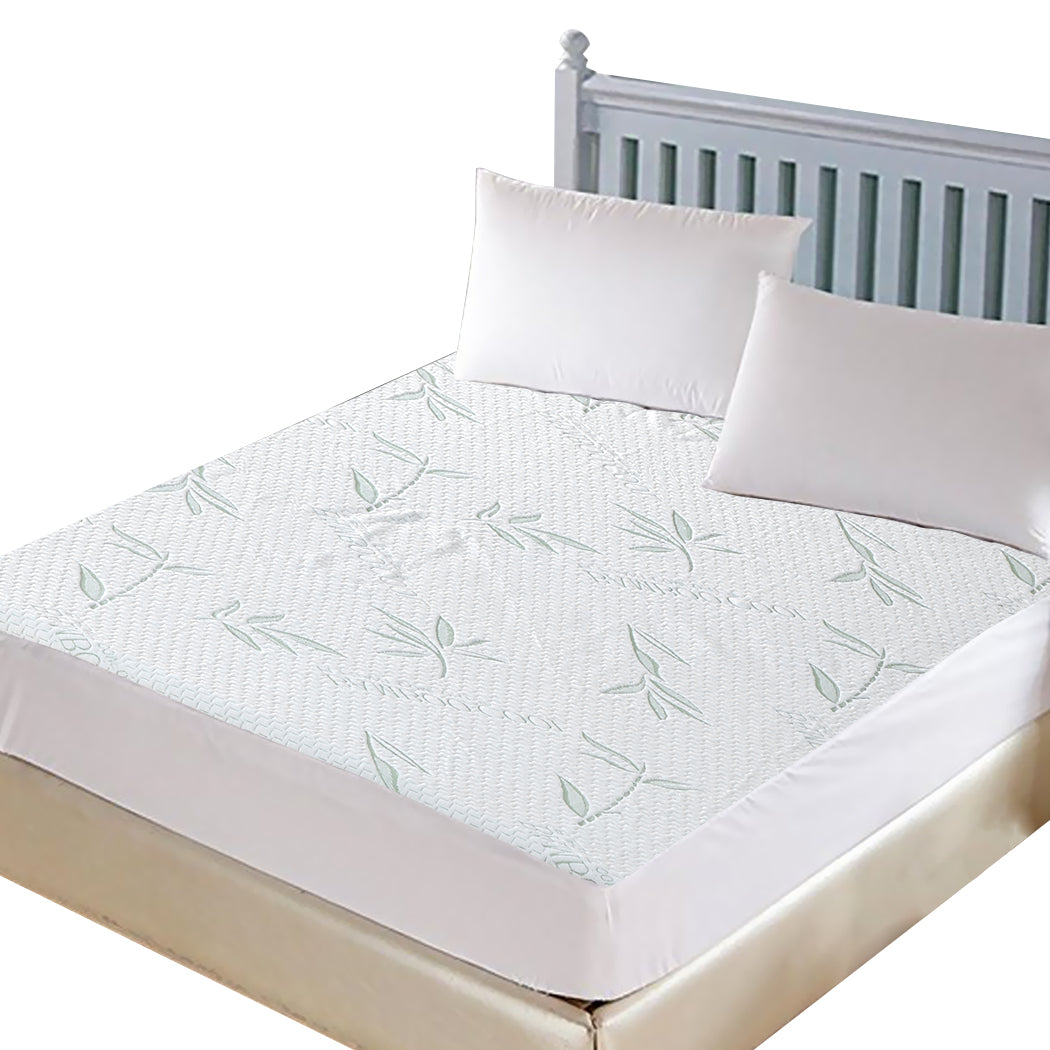
Super King Fitted Waterproof Mattress Protector, White – Dreamz
Regular price $37.70 AUDRegular priceUnit price per$94.70 AUDSale price $37.70 AUDSale -
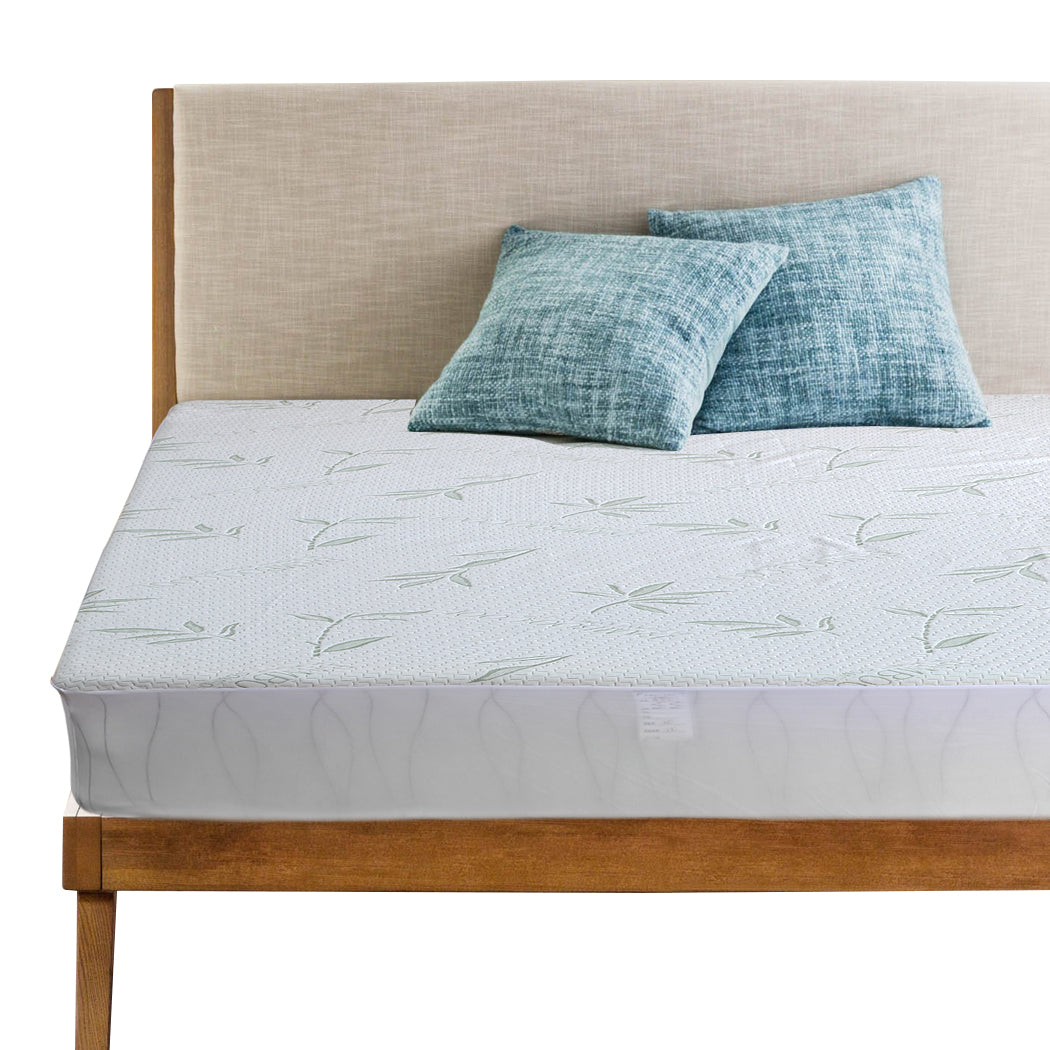 Sale
Queen Fitted Waterproof Mattress Protector, White – Dreamz
Regular price $27.70 AUDRegular priceUnit price per$74.70 AUDSale price $27.70 AUDSale -
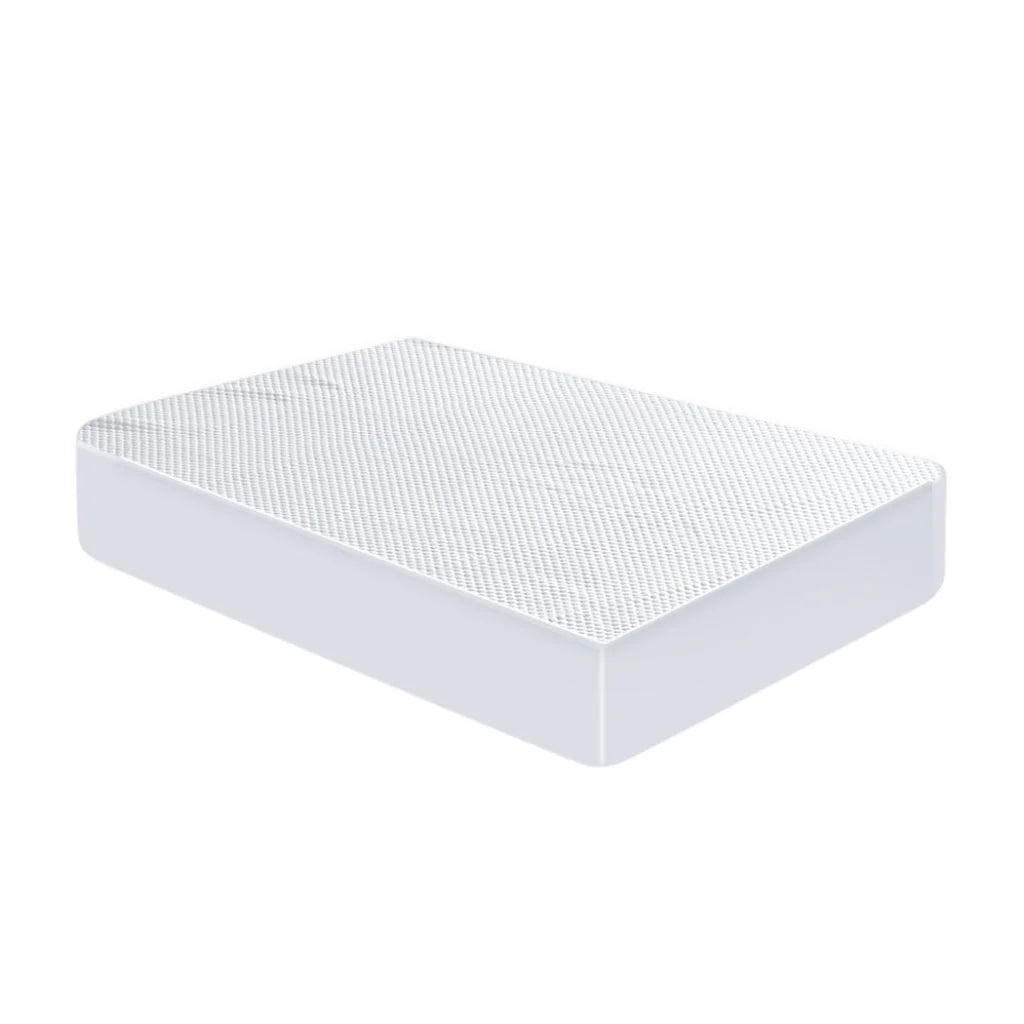
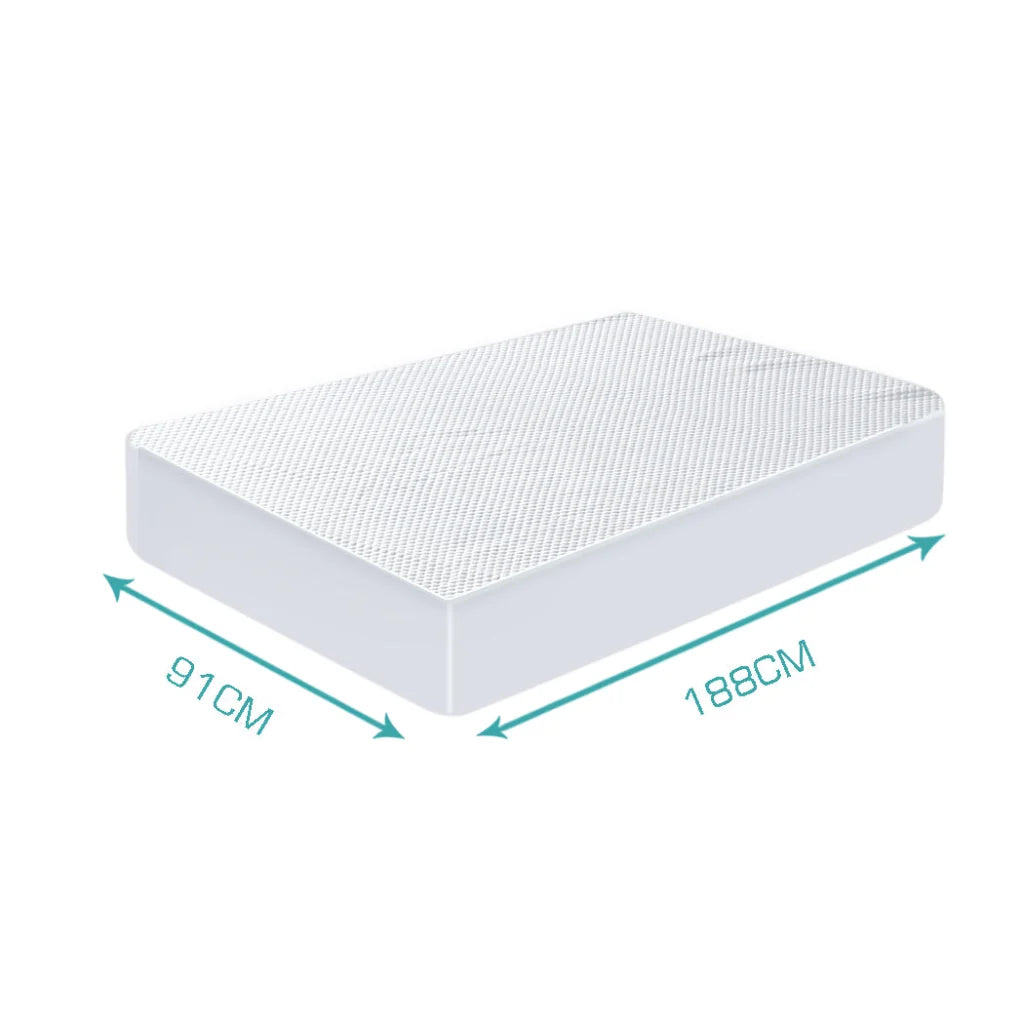 Sale
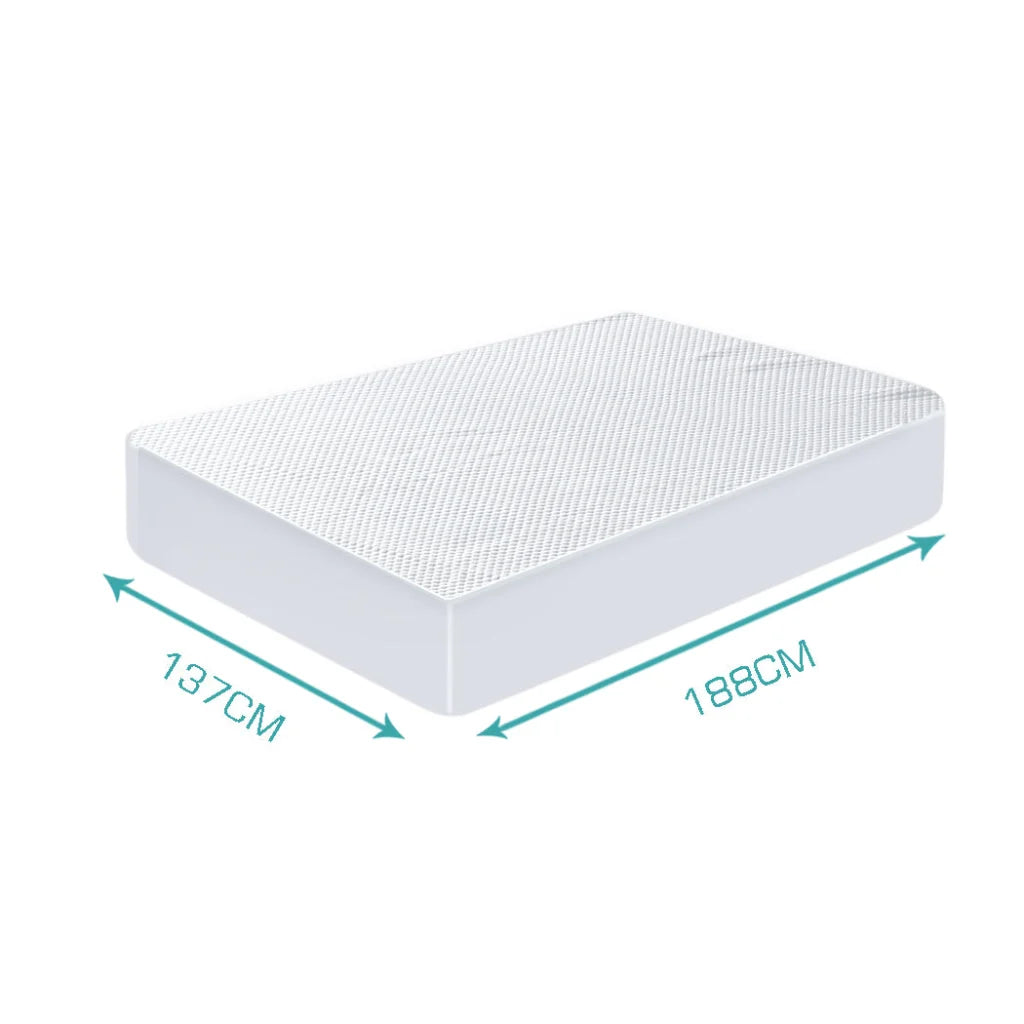
Cooling Waterproof Fitted Mattress Protector, Single – Dreamz
Regular price $30.70 AUDRegular priceUnit price per$98.70 AUDSale price $30.70 AUDSale -
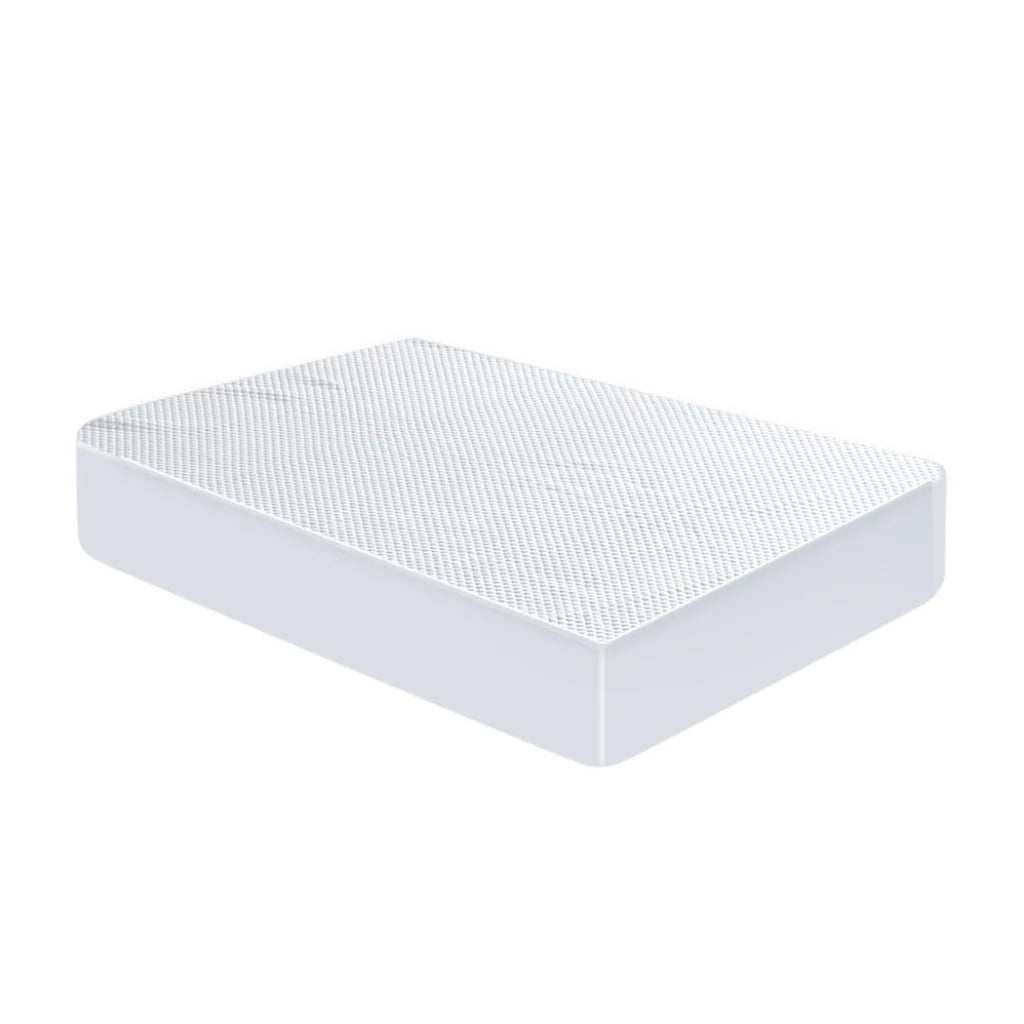
 Sale
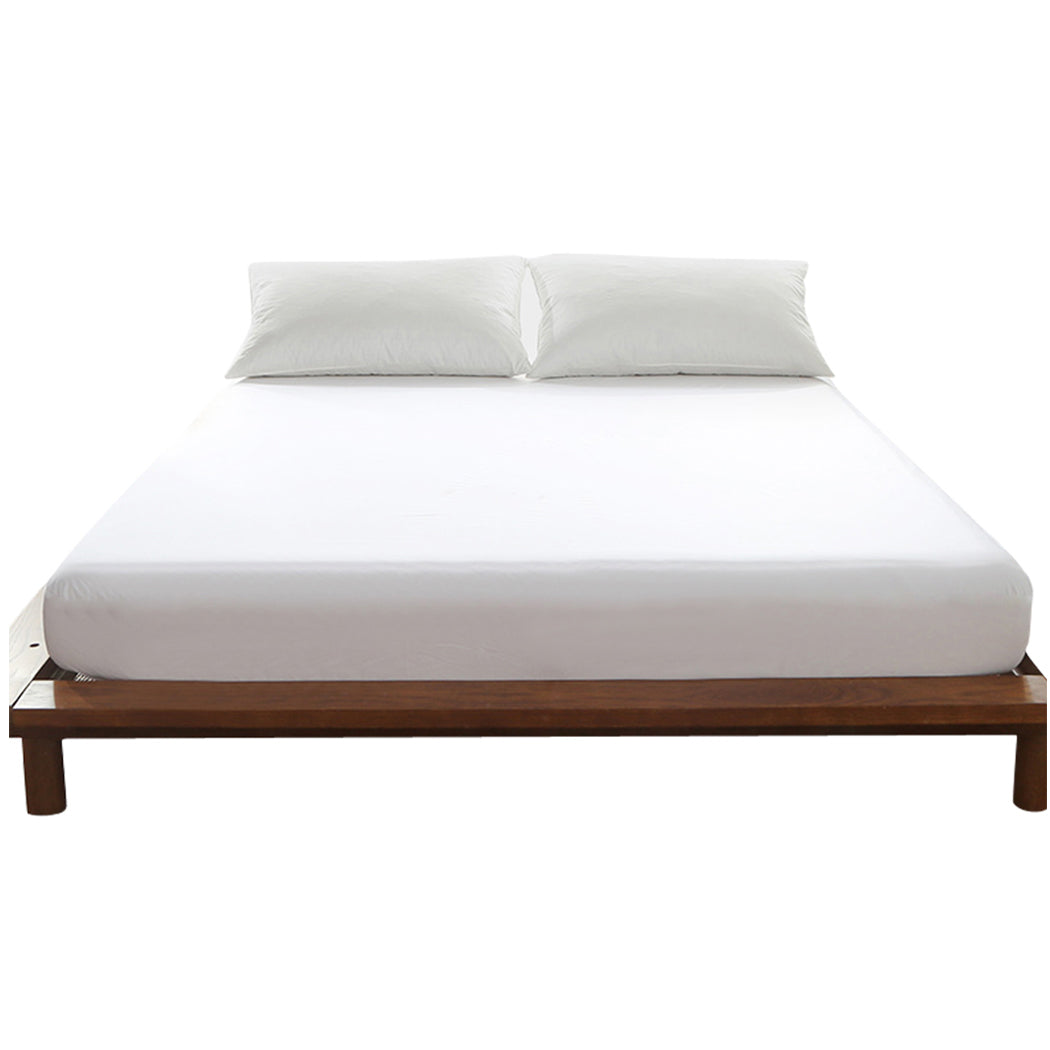
Cooling Waterproof Fitted Mattress Protector, Double – Dreamz
Regular price $38.70 AUDRegular priceUnit price per$122.70 AUDSale price $38.70 AUDSale -

 Sale
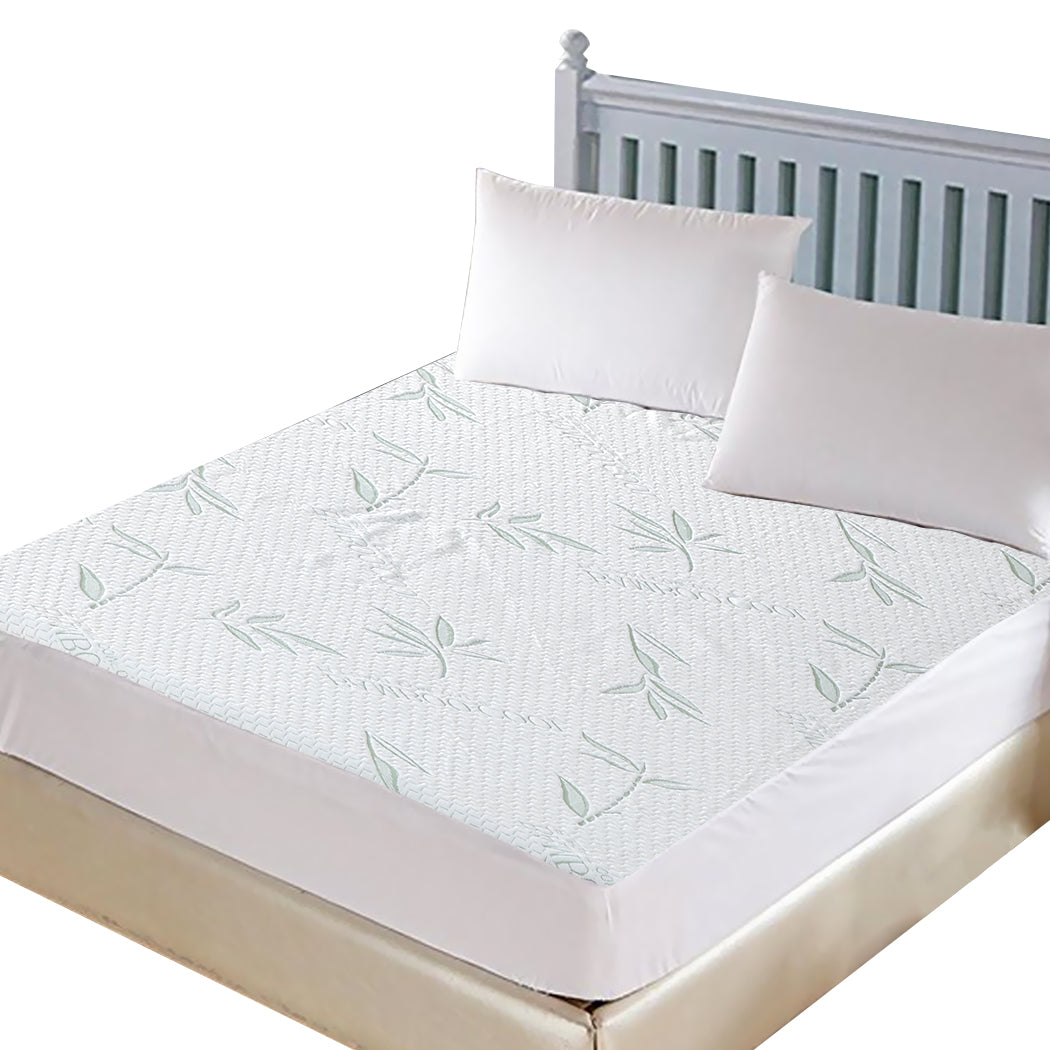
Waterproof Terry Cotton Mattress Protector, Large – Dreamz
Regular price $19.70 AUDRegular priceUnit price per$58.70 AUDSale price $19.70 AUDSale -
 Sale
King Single Fitted Waterproof Mattress Protector, White – Dreamz
Regular price $23.70 AUDRegular priceUnit price per$65.70 AUDSale price $23.70 AUDSale -

 Sale
Waterproof Terry Cotton Mattress Protector, Medium – Dreamz
Regular price $17.70 AUDRegular priceUnit price per$53.70 AUDSale price $17.70 AUDSale -

 Sale
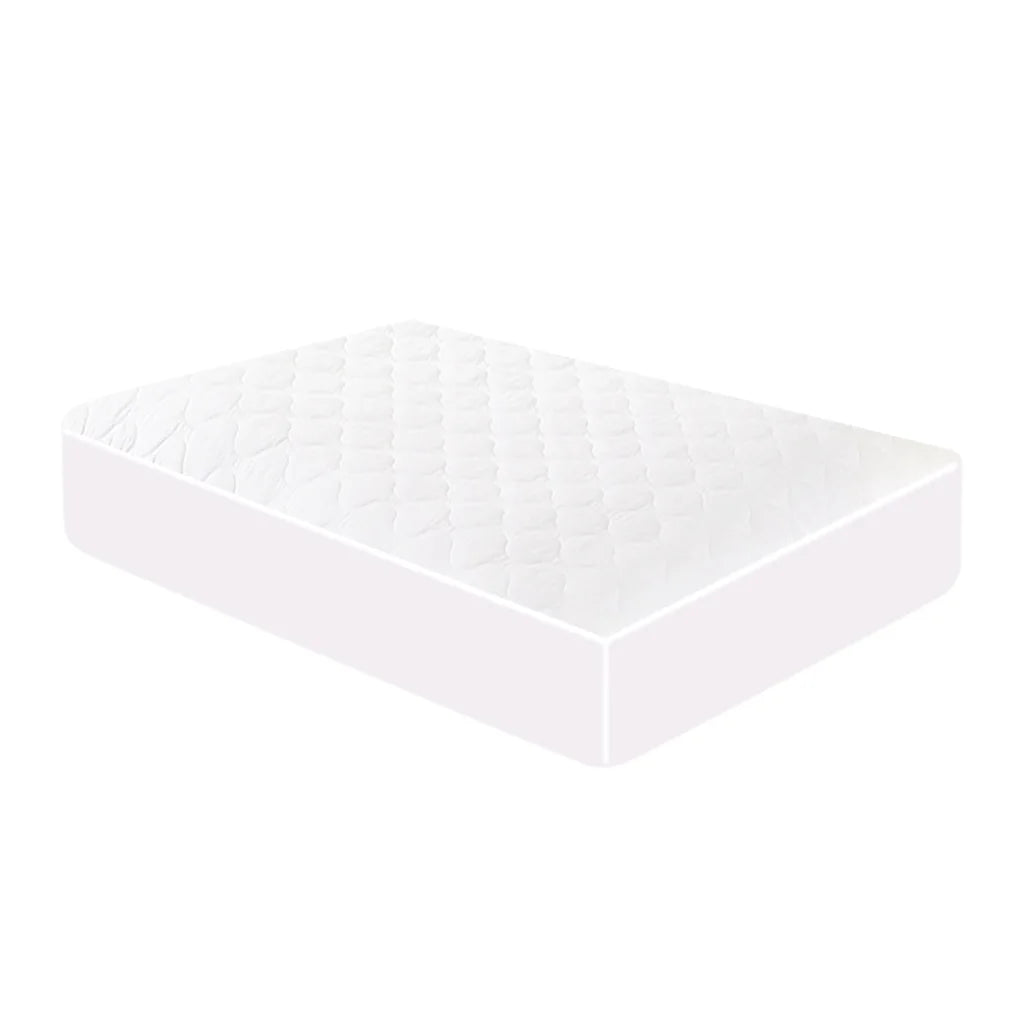
100% Terry Cotton Fitted Mattress Protector Waterproof Queen
Regular price $32.90 AUDRegular priceUnit price per$55.60 AUDSale price $32.90 AUDSale -
 Sale
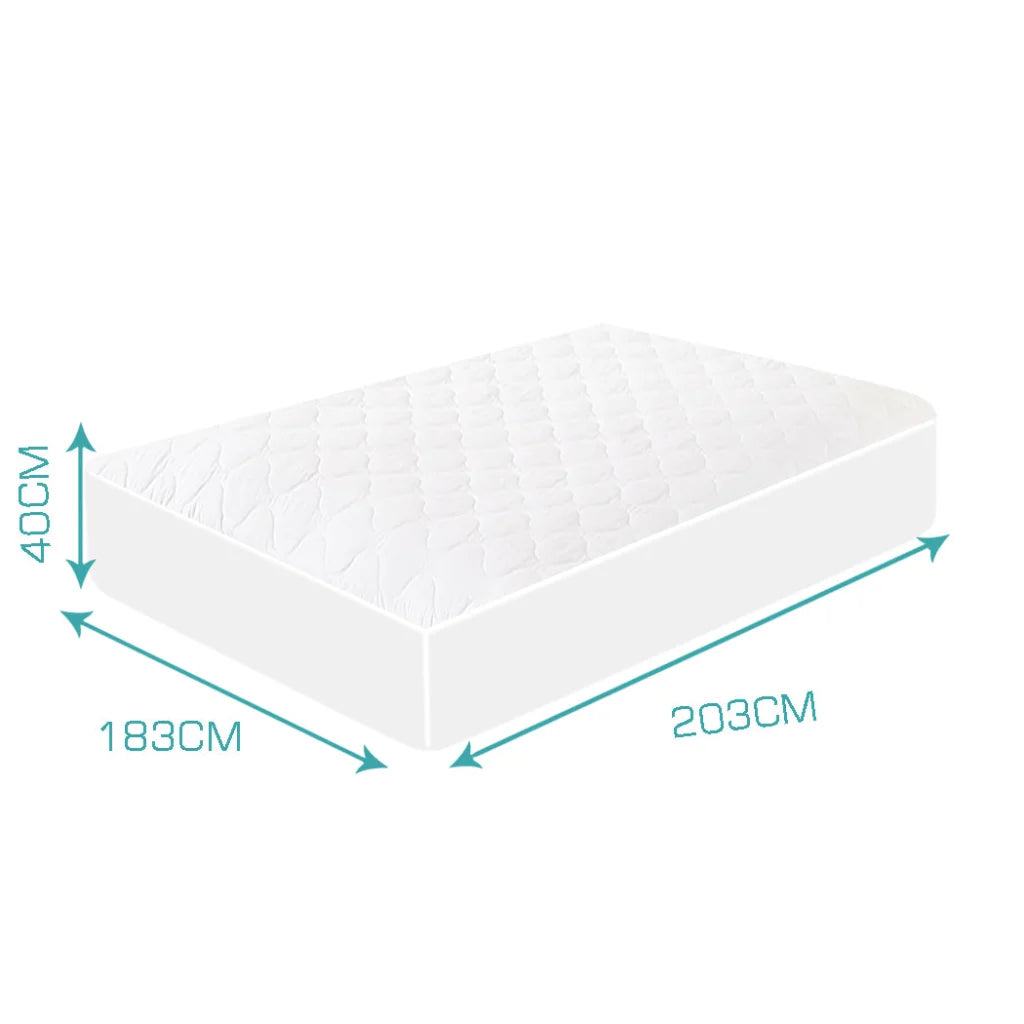
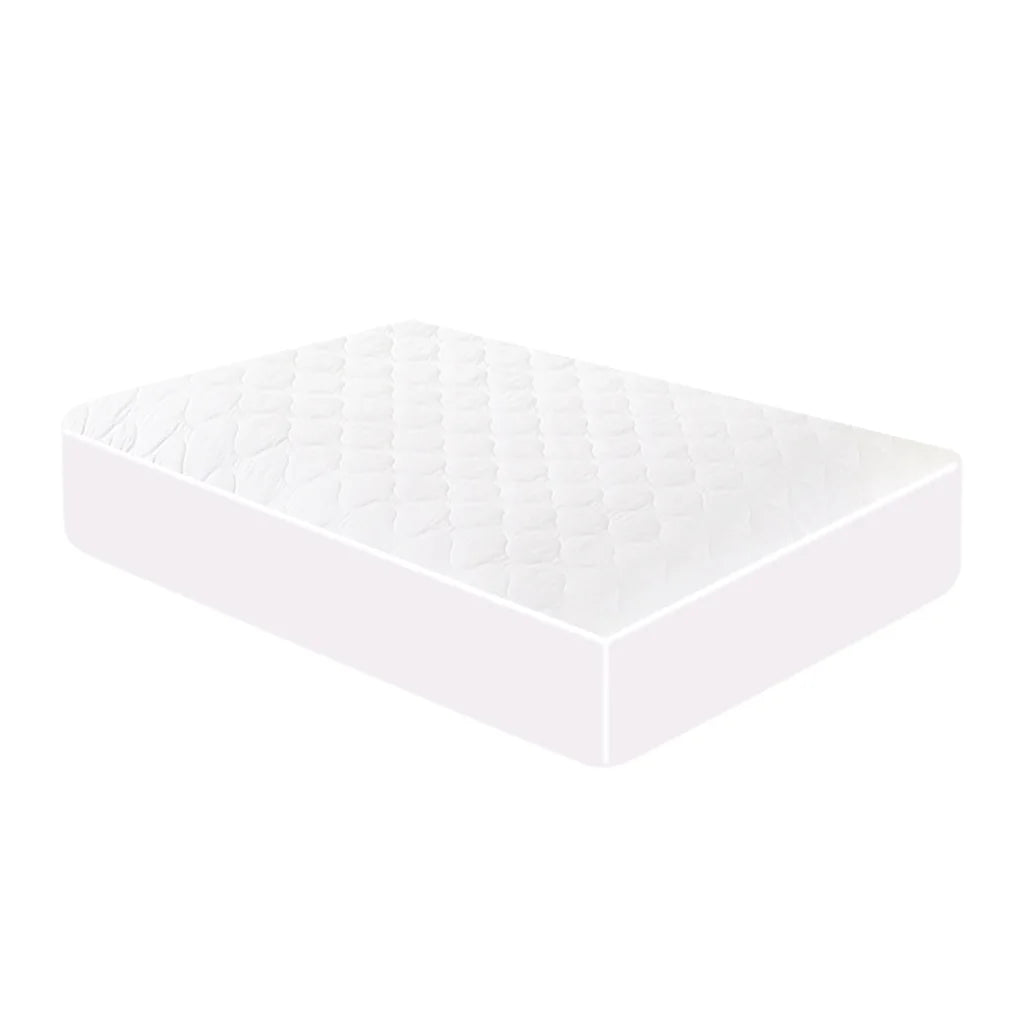
DreamZ Fitted Waterproof Bed Mattress Protector King
Regular price $28.70 AUDRegular priceUnit price per$91.70 AUDSale price $28.70 AUDSale -
 Sale
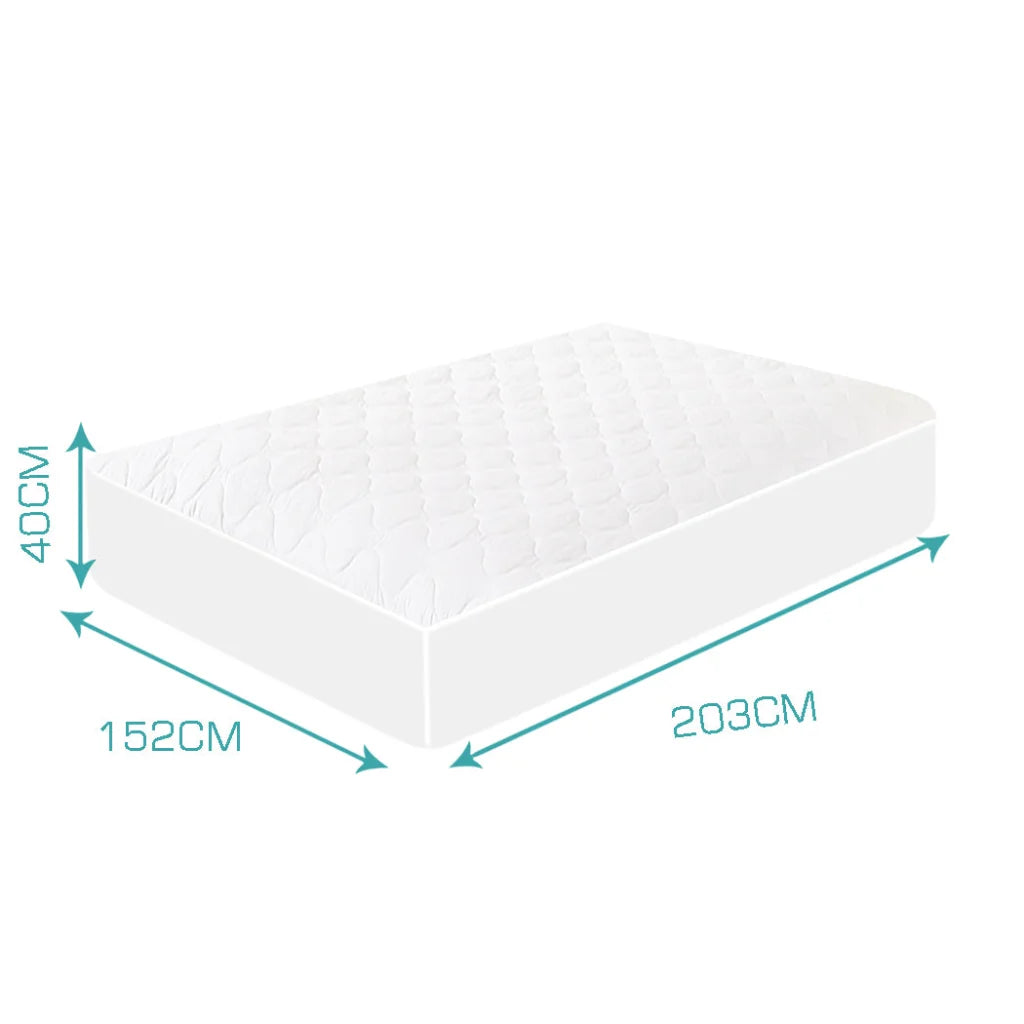
DreamZ Fitted Waterproof Bed Mattress Protector Queen
Regular price $25.70 AUDRegular priceUnit price per$91.70 AUDSale price $25.70 AUDSale


1. Locate the protected area
A fitted protector may have a waterproof top with a different fabric on the sides; that is not the same as an all-round encasement. Identify where protection is needed, then look for explicit information about the barrier and the surfaces it covers. A quilted appearance alone does not prove waterproofing.
2. Fit around mattress and topper
Measure the mattress width, length and total depth. A deep-pocket skirt needs to hold securely beneath the mattress without bunching across the sleeping surface. Use the centimetre measurements when size names differ between suppliers, especially for imported hotel-style bedding.
3. Protect the waterproof layer during care
Follow the stated wash temperature and drying method because a waterproof membrane may need different care from a plain cotton sheet. A second protector makes changeovers easier while one dries. Replace a damaged layer rather than assuming a washed-out or torn barrier still protects against spills.
Further reading: Sealy — Mattress protector buying guide · Sheridan — Product care guides
Useful answers
Mattress Protectors: your questions
Compare the protected area as carefully as the bed size.
Does a waterproof mattress protector cover the sides as well?
Not necessarily. A fitted design may have a waterproof top panel and a different skirt fabric. An encasement surrounds more of the mattress but still needs a clearly specified barrier and closure. Choose according to where spills or moisture could reach, rather than assuming waterproof in the name means all-round coverage.
Should my mattress protector cover the topper too?
If you want to protect both from everyday spills, look for a protector intended to fit around their combined depth, following the topper’s care guidance. A protector underneath leaves the topper exposed. Whichever arrangement is suitable, the sleeping surface should lie smoothly and the skirt should secure beneath the mattress.
Can I wash a waterproof protector like an ordinary sheet?
Use the protector’s own instructions. Its barrier layer and skirt can have different washing or drying limits from your sheets. Plan a spare for changeovers if drying takes time, and inspect the barrier for damage. A soft quilted surface on top does not show whether the protective layer underneath is still intact.