
Cat Trees & Scratching Furniture
Cat furniture can bring a lookout, resting platform and scratching surface into one footprint.
Shop the collection
-
i.Pet Cat Tree 143cm Tower Scratching Post Trees Scratcher Condo House Beige
Regular price $86.90 AUDRegular priceUnit price per$126.99 AUDSale price $86.90 AUDSale -
Cat Scratching Post Tree Scratcher Pole 130 cm Blue
Regular price $77.90 AUDRegular priceUnit price per$145.00 AUDSale price $77.90 AUDSale -
Cat Tree Scratching Post Scratcher Tower Condo House - Grey 135cm
Regular price $69.90 AUDRegular priceUnit price per$119.99 AUDSale price $69.90 AUDSale -
Cat Tree Scratching Post 141cm Tower Condo House Furniture Wood - Beige
Regular price $70.90 AUDRegular priceUnit price per$126.99 AUDSale price $70.90 AUDSale -
142cm Large Tall Cat Tree Tower with Soft Flower Perch & Condo - Multi-Level Cat Furniture for Kittens & Adult Cats
Regular price $292.90 AUDRegular priceUnit price per$271.99 AUDSale price $292.90 AUD -
Large Cat Scratching Board Sofa Scratch Resistant Nest for Cats and Kittens - Grey
Regular price $67.90 AUDRegular priceUnit price per$82.71 AUDSale price $67.90 AUDSale -
1-Piece Coconut-Style Cat Scratching Post, Green
Regular price $79.90 AUDRegular priceUnit price per$95.47 AUDSale price $79.90 AUDSale -
Cat Couch Sofa Scratch Guard Stickers Pet Furniture Anti-Scratching Protector - 2PCS
Regular price $16.90 AUDRegular priceUnit price per$20.48 AUDSale price $16.90 AUDSale -
170cm Cat Tree Scratching Post Tower Trees Scratcher House
Regular price $147.90 AUDRegular priceUnit price per -
Cat Tree 244cm, Wood Scratching Post Tower Condo
Regular price $91.90 AUDRegular priceUnit price per$192.99 AUDSale price $91.90 AUDSale -
Cat Climbing Frame Wooden Cat Rack Multi Cat Play and Sleep Net for Indoor Use
Regular price $52.90 AUDRegular priceUnit price per$63.34 AUDSale price $52.90 AUDSale -
Red Mushroom Cat Climbing Frame Vertical Scratching Post Board Pet Furniture
Regular price $46.90 AUDRegular priceUnit price per$57.34 AUDSale price $46.90 AUDSale -
Cat Climbing Frame Rope Leash Jumping Platform for Cats Interactive Play Set
Regular price $54.90 AUDRegular priceUnit price per$67.41 AUDSale price $54.90 AUDSale -
Cat Climbing Frame Wall Post Flax Rope Scratcher Hanging Toy Furniture Kittens
Regular price $43.90 AUDRegular priceUnit price per$52.68 AUDSale price $43.90 AUDSale -
Record Player Cat Scratching Board Corrugated Cardboard Cat Toy
Regular price $42.90 AUDRegular priceUnit price per$50.71 AUDSale price $42.90 AUDSale -
1-Piece Triangular Cat Scratcher and Hideaway
Regular price $47.90 AUDRegular priceUnit price per$56.85 AUDSale price $47.90 AUDSale -
Cat Scratcher Turntable Toy Large Round Corrugated Board Nest Scratch Resistant - Pink
Regular price $57.90 AUDRegular priceUnit price per$71.43 AUDSale price $57.90 AUDSale -
Vertical Wall Mounted Non Shedding Cat Scratcher Corrugated Paper Durable
Regular price $61.90 AUDRegular priceUnit price per$73.77 AUDSale price $61.90 AUDSale -
2In1 Cat Scratching Board Round Cat Scratcher Pad Lounge Bed Bowl Pet Sofa House - Blue
Regular price $36.90 AUDRegular priceUnit price per$44.59 AUDSale price $36.90 AUDSale -
Cat Tree Scratching Tower Post Pet Climbing Board Scratcher Furniture Pet Toy
Regular price $41.90 AUDRegular priceUnit price per$50.88 AUDSale price $41.90 AUDSale -
Sunflower Shaped Cat Scratcher Cat Tree Non-Shedding Durable Cardboard Material
Regular price $47.90 AUDRegular priceUnit price per$57.79 AUDSale price $47.90 AUDSale -
L-shaped Cat Scratching Board Vertical Claw Toy Cat Scratcher for Pet Playtime - Grey
Regular price $74.90 AUDRegular priceUnit price per$91.59 AUDSale price $74.90 AUDSale -
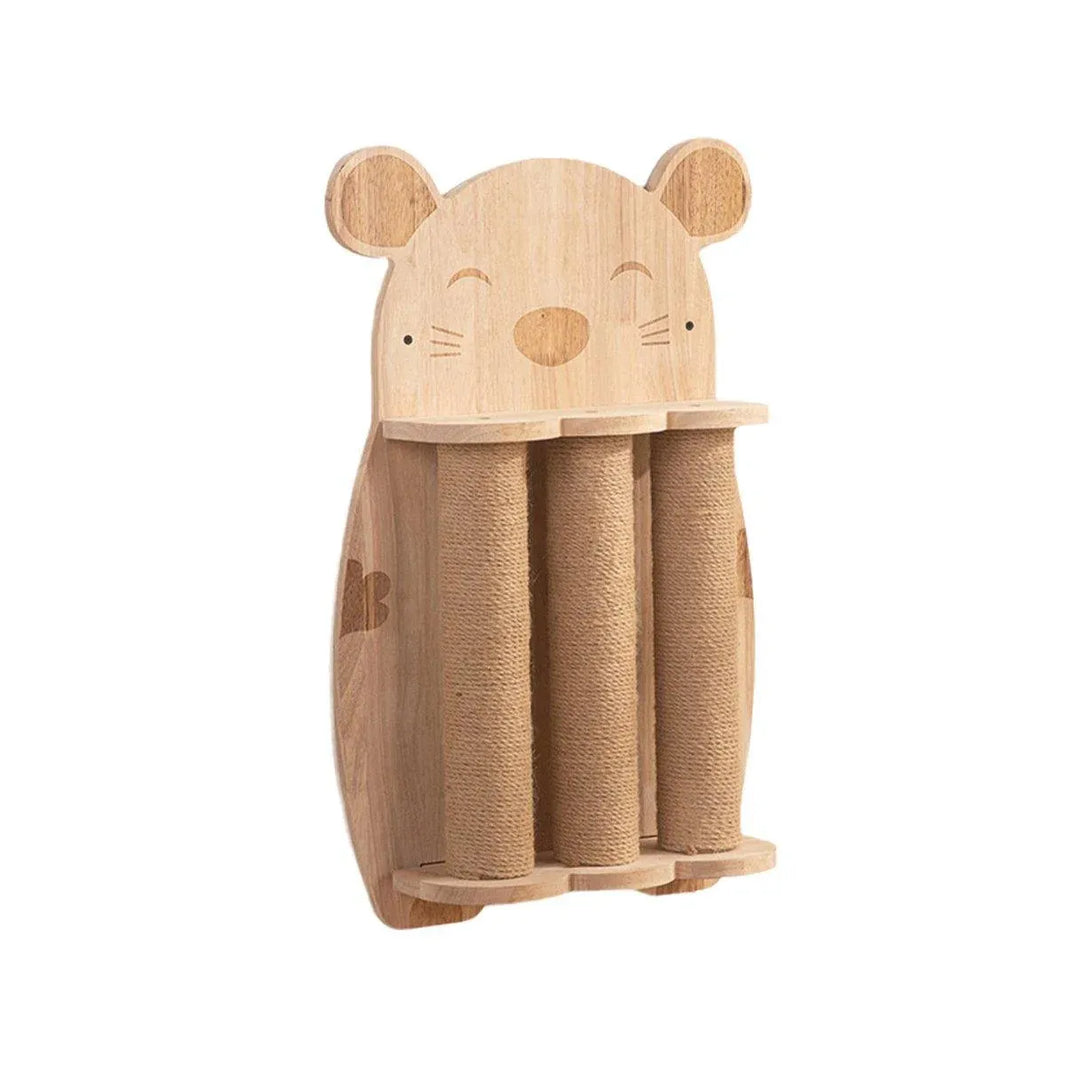

2Style Wood Wall-Mounted Natural Sisal Rope Cat Scratching Claw Grinding Pet Toy - Mouse-Solid Wood
Regular price $53.90 AUDRegular priceUnit price per$64.18 AUDSale price $53.90 AUDSale -
Durable Cat Scratcher Lounge Corrugated Scratching Wood Board - Square
Regular price $43.90 AUDRegular priceUnit price per$53.15 AUDSale price $43.90 AUDSale


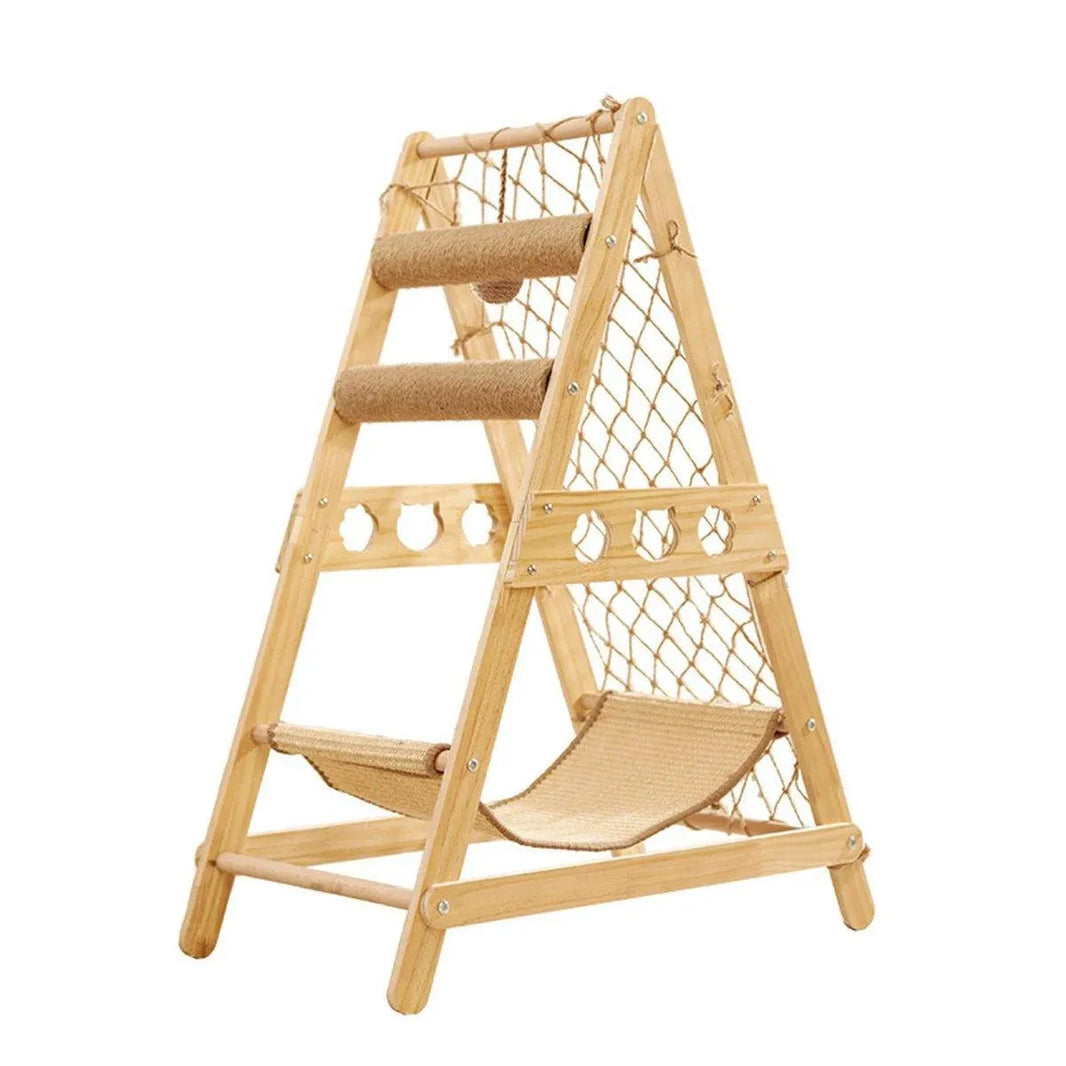


Cat furniture can bring a lookout, resting platform and scratching surface into one footprint. The useful question is how your cat will move through it. Compare the route between levels, the size of each resting area and the stability of the base, rather than choosing by total height alone.
Trace the route from floor to top
Look for manageable transitions between platforms and a practical way back down. A tall tree with narrow, offset landings may suit a different cat from a broad, low arrangement. Account for any reduced mobility and for the space needed beside the furniture.
Enclosed cubbies should be assessed by their entrance and internal dimensions. A large overall tree can still contain a small sleeping compartment.
Give scratching enough usable length
The wrapped section of a post matters more than the full height of the furniture. A cat needs a surface it can reach and use while stretching, with enough stability to lean into the action.
If your cat already prefers horizontal scratching, add a board along a familiar route rather than expecting a vertical tower to satisfy every preference. A large tree and a small scratcher can serve complementary roles.
Position and maintain the structure
Place the furniture where it provides a useful viewpoint without blocking a door or escape route. Follow assembly and any anchoring instructions, then check joints and fittings as the furniture is used.
Remove loose fibres and inspect heavily used posts, platforms and fabric. Worn scratching sections may need replacement before the frame itself does, so consider the availability of serviceable parts.
Further reading: RSPCA: understanding scratching behaviour · RSPCA: keeping cats safe and happy at home
Useful answers
Cat Trees & Scratching Furniture FAQs
How do I choose a cat tree for a cat that avoids big jumps?
Trace a complete route from the floor to each useful platform and back down. Closely spaced, stable landings can be more accessible than one tall post with a small top bed. Compare the actual gaps and landing areas; overall tree height does not describe how your cat will use it.
Does a large cat tree always have a large sleeping cubby?
No. Overall dimensions combine the frame, posts and platforms, while the enclosed cubby may be much smaller. Check its internal space and entrance separately. A broad tree can still have a cramped hideaway, or a generous top platform reached only by awkward jumps.
Should I choose a cat tree or a separate scratching post?
Choose a tree when climbing routes, lookouts and resting platforms are part of the goal. A simple post or board can be placed precisely where scratching already happens and takes less room. They can complement one another; a tall tree does not guarantee that its usable scratching section suits your cat.