
Cycling isn’t just a sport anymore; it’s a lifestyle. For some, it’s a way to stay fit, for others, it’s the weekend escape into nature, and for families, it can mean days out together exploring trails. Whatever your reason for riding, one challenge comes up time and again: how do you actually get your bikes to the starting point?
For many people across Australia, the answer is simple: bike racks. And over the years, two designs have become particularly popular: tow bar racks and towball racks. They're convenient, practical, and they save you from trying to balance bikes in the back of the car. But popularity doesn't always equal peace of mind. If you've ever looked in your rearview mirror on an Australian road and seen your bikes bouncing along behind you, you've probably asked yourself the big question: Are tow bar bike racks safe? And, more specifically, are towball bike racks safe?
Let’s take a closer look at how these racks work, why they’re considered safe, and the things you need to keep in mind before relying on them for your next ride.
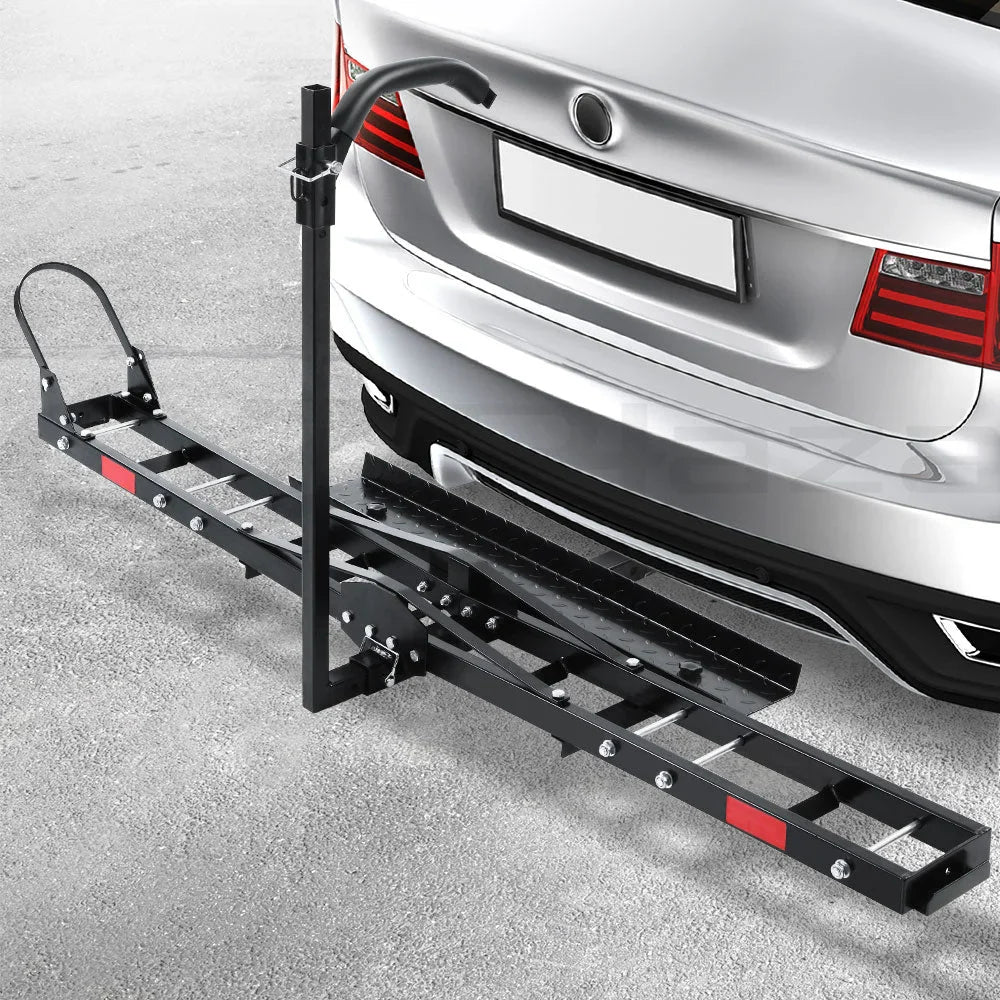
Understanding Tow Bar and Towball Racks
Before we dive into safety, it helps to understand the difference.
-
A tow bar bike rack connects to the tow bar of your car, the same sturdy mount used for towing trailers.
-
A towball bike rack locks directly onto the rounded towball itself, clamping over it securely.
Both types sit at the back of your car, meaning you don’t have to lift bikes overhead like you would with a roof rack. They also carry more weight than boot-mounted racks, making them ideal for heavier models such as e-bikes.
Are Tow Bar Bike Racks Safe?
The short answer is yes. Tow bar racks are designed specifically for the purpose of carrying bikes and are tested to handle weight and road vibrations. The tow bar itself is one of the strongest points on your vehicle. If it’s capable of pulling a caravan or a trailer, it can certainly cope with a few bicycles.
Why They’re Safe
-
Solid foundation: The tow bar is bolted directly to the vehicle’s chassis, giving the rack a secure anchor.
-
Weight capacity: Tow bar racks are rated for specific loads, usually far higher than roof or boot racks.
-
Better stability: Because the weight is carried low and close to the vehicle, the risk of sway is reduced, even at motorway speeds.
What Can Make Them Unsafe
-
Overloading: Every rack has a maximum weight rating. Exceeding it puts stress on the bar and risks failure.
-
Poor installation: If the rack isn’t attached correctly, movement during travel can cause damage.
-
Ignoring bike security: Even the best rack won’t help if bikes aren’t strapped down properly.
So the real issue isn’t the rack itself but how it’s used.
Are Towball Bike Racks Safe?
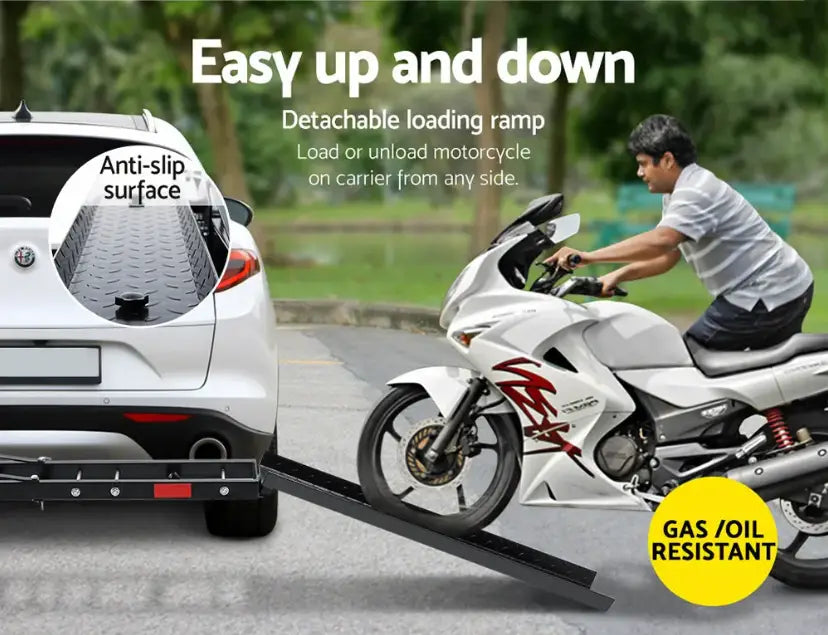 Towball racks are just as safe, provided they’re fitted to a properly rated towball. Many modern racks actually prefer this system because it’s quick to install and remove.
Why Towball Racks Are Trusted
-
Ease of attachment: They clamp firmly over the ball, locking into place.
-
Tilt function: Many towball racks tilt down so you can still access the boot without unloading bikes.
-
Compact design: Some models fold away neatly when not in use, making them less intrusive.
Safety Considerations
-
Towball quality: Not all towballs are equal. Only use one that’s designed for load-bearing.
-
Regular checks: Over time, bolts and fasteners can loosen. A quick check before every trip keeps things safe.
-
Visibility: Depending on design, bikes can block lights or number plates. Using a light board is often a legal requirement as well as a safety precaution.
When used properly, towball racks are among the most secure ways to carry bikes.
General Safety Tips for Both Types
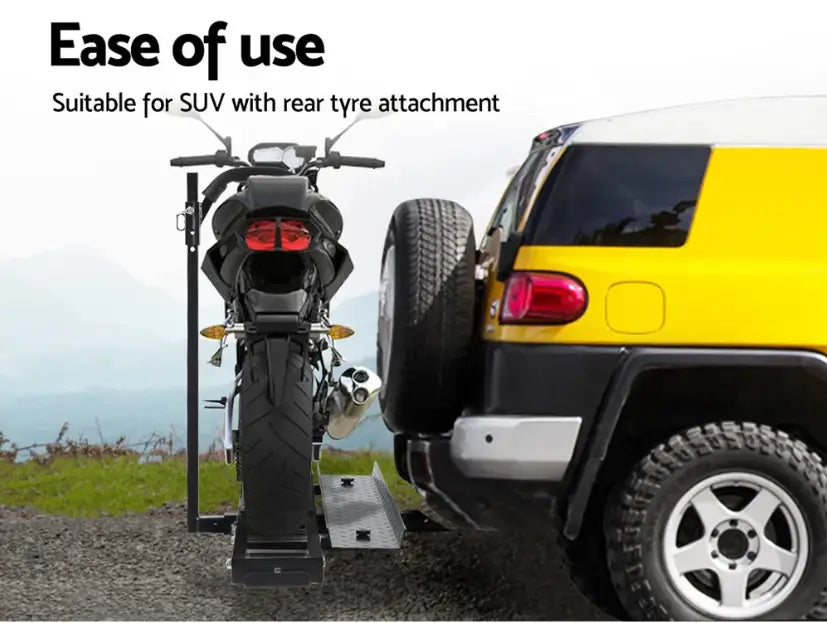 Whether you choose a tow bar or towball rack, safety depends on your approach. Here are some habits worth adopting:
-
Respect weight limits. Add up the weight of your bikes, especially if you’re carrying electric models, and check against the rack’s maximum load.
-
Use all straps and locks. Don’t assume “good enough” will do. Secure wheels and frames as instructed.
-
Check stability. After loading, give the rack and bikes a firm shake. Nothing should wobble or shift.
-
Mind the road rules. If your lights or number plate are covered, fit a board. It’s safer for you and for everyone else on the road.
-
Drive with awareness. Remember, your car is longer and heavier at the back. Leave extra room when reversing or turning.
These steps may sound obvious, but they’re what separate safe trips from dangerous ones.
Tow Bar and Towball Racks vs Other Options
You might still wonder: why choose these over other rack types?
-
Roof racks: Keep access to the boot free, but lifting bikes overhead is difficult, especially for heavier models. They also increase wind resistance.
-
Boot-mounted racks: Affordable but less stable. They rely on straps that can shift mid-journey.
-
Tow bar/towball racks: Strike a balance between convenience and safety. They’re strong, stable, and don’t demand heavy lifting.
For many cyclists, the safety and ease of use make tow bar and towball racks the clear winners.
Why Choose HomeMyGarden Tow Bar Racks
At HomeMyGarden, we know peace of mind matters as much as performance. That’s why the tow bar and towball racks we recommend are selected for reliability and tested safety. Whether you’re carrying one bike for yourself or four for the whole family, our racks are designed to handle the load securely while keeping your car practical and easy to use.
Final Thoughts
So, are tow bar bike racks safe? Yes, they are one of the most secure systems available, provided they’re installed correctly and not overloaded. Are towball bike racks safe? Also, yes, as long as the towball is rated for the job and bikes are properly secured.
The takeaway is simple: the racks themselves are safe, but the user plays a big part. With proper installation, regular checks, and respect for limits, tow bar and towball racks offer a safe, stress-free way to get your bikes where they need to be. That means less time worrying about the drive and more time enjoying the ride once you get there.