
Cycling is more fun when you can take your bikes beyond the neighbourhood. Whether it’s a weekend trail, a holiday by the coast, or simply a ride in the hills, transporting bikes safely matters. That’s where bike racks come in. But here’s the tricky part: choosing between different rack styles. The most common debate is the tow ball vs the hitch bike rack. Which one makes more sense? Which keeps your bikes safe, and which makes your life easier? Let’s dig into the details.
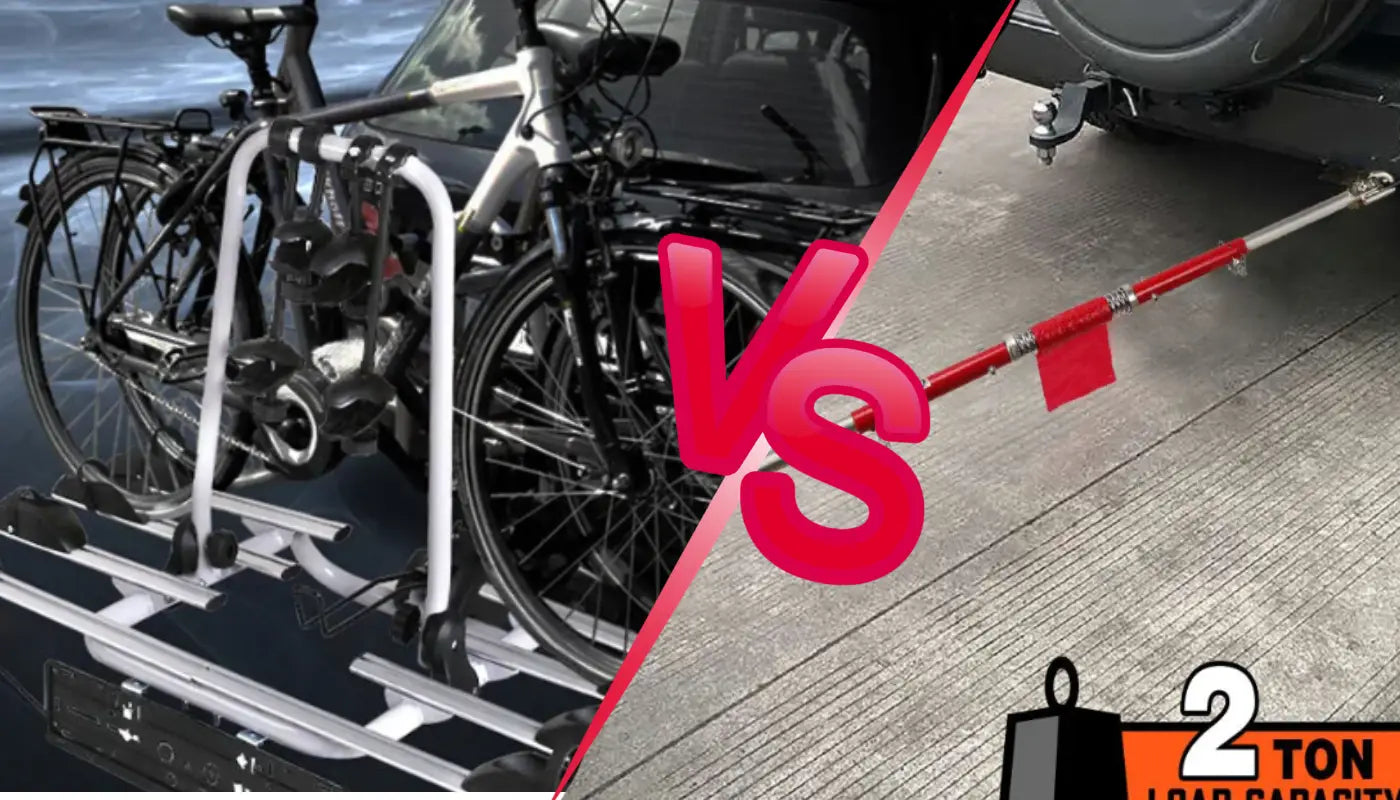
Tow Ball vs Hitch Bike Rack: Understanding the Basics
Before comparing, it helps to know what each type actually is.
-
Tow ball bike rack: Designed to fit onto the tow ball of your vehicle. The rack slides or clamps over the ball, and bikes are mounted on arms or a platform.
-
Hitch bike rack: Built for vehicles with a hitch receiver. The rack slides into the receiver tube and locks in place, often with a pin system.
At first glance, they look similar, but the way they attach and the way they hold bikes have key differences for Australian cyclists. That's why the tow ball vs hitch bike rack debate exists in the first place.
Tow Ball vs Hitch Bike Rack: Installation and Ease of Use
When it comes to fitting the rack, ease matters.
-
Tow ball bike racks are simple to install. If your car already has a tow bar with a ball, you’re good to go. Most designs clamp or lock onto the ball, and the process is fairly quick. This makes them attractive for people who want a straightforward setup.
-
Hitch bike racks need a hitch receiver. If your vehicle doesn’t already have one, you’ll need it fitted, which can be an extra cost. But once you have it, sliding the rack in and securing it with a pin is also very straightforward.
So in the tow ball vs hitch bike rack comparison, tow ball racks are easier if you already have a tow ball. Hitch racks are easier if you already have a hitch receiver.
Tow Ball vs Hitch Bike Rack: Safety and Security
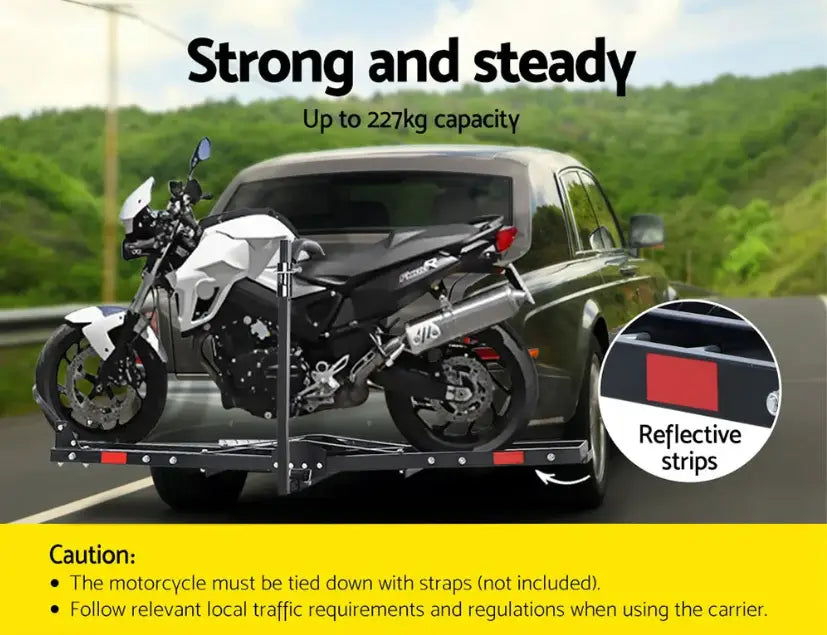
This is one of the biggest concerns for any cyclist: Will the rack hold the bikes securely?
-
Tow ball racks generally use clamps and tightening mechanisms to grip the ball. Quality racks are very stable, but cheaper models can wobble if not tightened properly. Some also include locking features to keep bikes secure.
-
Hitch racks have the advantage of sliding directly into a receiver. This connection feels solid and usually eliminates side-to-side movement. Higher-end models include integrated locks for both the rack and the bikes.
When weighing tow ball vs hitch bike rack on safety, hitch racks often edge ahead, especially for people transporting multiple or heavier bikes.
Tow Ball vs Hitch Bike Rack: Bike Loading
Loading bikes is where convenience really shows.
-
Tow ball racks come in two main types: hanging arm racks and platform racks. Hanging arm designs are lightweight but can make bikes bump together. Platform tow ball racks, on the other hand, let you rest each bike on its own tray, which reduces scratches.
-
Hitch racks also come in hanging and platform styles, with platform models often rated best for ease of use. They allow you to load bikes without lifting them too high, and each bike has its own slot.
In the tow ball vs hitch bike rack debate, platform styles (whether tow ball or hitch) win for easy and safe bike loading.
Tow Ball vs Hitch Bike Rack: Vehicle Compatibility
Compatibility can be a deal breaker.
-
Tow ball racks require a vehicle with a tow bar and ball. They’re popular in regions where tow bars are common on cars, SUVs, and utes.
-
Hitch racks need a hitch receiver, which is standard on many SUVs and trucks but not always on smaller cars.
So in tow ball vs hitch bike rack discussions, your vehicle setup matters most. If you already have a tow ball, stick with a tow ball rack. If you already have a hitch receiver, a hitch rack makes more sense.
Tow Ball vs Hitch Bike Rack: Capacity and Bike Types
How many bikes do you need to carry?
-
Tow ball racks usually carry 2,4 bikes, depending on the model. Some platform tow ball racks are designed for e-bikes, which are heavier than standard bicycles.
-
Hitch racks often offer more capacity, with some carrying up to 5 bikes. They also handle a wider variety of frame shapes and sizes thanks to adjustable trays.
For families or groups, the tow ball vs hitch bike rack comparison usually tilts in favour of hitch racks.
Tow Ball vs Hitch Bike Rack: Cost Considerations
Budget plays a role in any decision.
-
Tow ball racks can be more affordable if your car already has a tow bar. Entry-level hanging racks are especially cheap, though platform versions cost more.
-
Hitch racks may require installing a hitch receiver if you don’t already have one, which increases the initial cost. But once you have it, the racks themselves are competitively priced and often sturdier.
So, in the tow ball vs hitch bike rack, cost really depends on your vehicle’s current setup.
Tow Ball vs Hitch Bike Rack: Storage and Everyday Use
Another detail people forget: what happens when you’re not carrying bikes?
-
Tow ball racks are usually smaller and easier to remove when not in use.
-
Hitch racks, especially platform models, can be bulky and heavy, making them harder to store. Some fold up against the vehicle, but they still add weight.
If quick removal and compact storage matter to you, tow ball racks are a bit more convenient in the tow ball vs hitch bike rack conversation.
Tow Ball vs Hitch Bike Rack: Which One Wins?
So, where does that leave us?
-
If you already have a tow ball, want easy installation, and plan to carry 2–3 standard bikes, a tow ball rack is a smart, simple choice.
-
If you have a hitch receiver, carry multiple or heavier bikes (like e-bikes), and value maximum stability, a hitch rack is the better investment.
In short, the answer to tow ball vs hitch bike rack depends less on the rack itself and more on your vehicle, your bikes, and how often you’ll use it.
Final Thoughts on Tow Ball vs Hitch Bike Rack
Cyclists love debating gear, and the tow ball Bike Rack vs hitch bike rack discussion is no different. Both styles have strengths and drawbacks. What matters most is choosing the one that fits your setup and lifestyle.
At HomeMyGarden, we believe bike racks should make life easier, not more complicated. If you’re looking for a quick, budget-friendly way to carry bikes occasionally, a tow ball rack will do the job well. But if cycling trips are a regular part of your life and you carry multiple bikes often, a hitch rack is worth the extra investment.
Either way, the right rack means more time riding and less time worrying about transport, and that’s what really matters.