
Bird Cages & Aviaries
A bird’s housing needs to suit its species, movement and daily care.
Shop the collection
-
Bird Cage Pet Cages Aviary 173CM Large Travel Stand Budgie Parrot Toys
Regular price $148.90 AUDRegular priceUnit price per$259.99 AUDSale price $148.90 AUDSale -
Bird Cage Large 160cm Parrot Aviary with Stand & Castor Wheels
Regular price $187.90 AUDRegular priceUnit price per$282.99 AUDSale price $187.90 AUDSale -
Bird Cage Wooden Pet Cages Aviary Large Carrier Travel Canary Cockatoo Parrot - XL
Regular price $157.90 AUDRegular priceUnit price per$249.99 AUDSale price $157.90 AUDSale -
Bird Cage Large 168CM Pet Cages Aviary Travel Stand Budgie Parrot Toys
Regular price $222.90 AUDRegular priceUnit price per$399.99 AUDSale price $222.90 AUDSale -
Parrot Bath Box Grey Bird Cage Accessory Bathroom Bird Bathtub for Small Birds
Regular price $44.90 AUDRegular priceUnit price per$54.44 AUDSale price $44.90 AUDSale -
1-Piece Multicolour Bird Cage Climbing Net Toy, 28 x 21 cm
Regular price $35.90 AUDRegular priceUnit price per$42.97 AUDSale price $35.90 AUDSale -
Bird Cage Feeder Hanging Clear Plastic Anti Spill with Hook
Regular price $15.90 AUDRegular priceUnit price per$18.76 AUDSale price $15.90 AUDSale -
i.Pet Bird Cage Outdoor Aviary 180cm Walk In Access Galvanised Metal Green
Regular price $269.90 AUDRegular priceUnit price per$499.99 AUDSale price $269.90 AUDSale -
Parrot Gnawing Toys Woven Grass Nets Colourful Chewing Bird Cage Play
Regular price $30.90 AUDRegular priceUnit price per$38.05 AUDSale price $30.90 AUDSale -
Non-Slip Silicone Parrot Perch Stand Stick Grinding Claw Bird Cage Accessories - Pink Grey
Regular price $15.90 AUDRegular priceUnit price per$19.10 AUDSale price $15.90 AUDSale -
L Size Shell Skirt Mesh Cover Pet Bird Cage Guard Nylon Net Seed Catcher - White
Regular price $26.90 AUDRegular priceUnit price per$32.20 AUDSale price $26.90 AUDSale -
104cm Open Top Large Bird Cage with Stand Hanging Parrot Bird Cage for Parakeets Cockatiels Budgies Lovebirds Finches Canaries Quaker Conures with Swing Perch
Regular price $106.90 AUDRegular priceUnit price per$110.99 AUDSale price $106.90 AUDSale -
Bird Cage Double Layer Metal Villa Large Size Aviary House for Parrot Pet Indoor
Regular price $203.90 AUDRegular priceUnit price per$246.20 AUDSale price $203.90 AUDSale -
Non-Slip Silicone Parrot Perch Stand Stick Grinding Claw Bird Cage Accessories - White Blue
Regular price $15.90 AUDRegular priceUnit price per$19.15 AUDSale price $15.90 AUDSale -
Parrot Relieve Boredom Stand Pole Rack Chew Play Simulation Fake Bird Cage Toys
Regular price $23.90 AUDRegular priceUnit price per$29.04 AUDSale price $23.90 AUDSale -
Pet Stainless Steel Bird Parrot Cage Skewer Food Meat Stick Spear Fruit Holder - 12CM
Regular price $15.90 AUDRegular priceUnit price per$19.55 AUDSale price $15.90 AUDSale -
Heavy Duty Metal Bird Cage Parrot Transport Carrying Cage Large Pet Cages Aviary
Regular price $165.90 AUDRegular priceUnit price per$157.99 AUDSale price $165.90 AUD -
Parrot Rope Perch Colourful Bird Cage Toy Cotton Bungee Swing for Pet Birds - 105CM
Regular price $22.90 AUDRegular priceUnit price per$27.97 AUDSale price $22.90 AUDSale -
Non-Slip Silicone Parrot Perch Stand Stick Grinding Claw Bird Cage Accessories - White Grey
Regular price $15.90 AUDRegular priceUnit price per$19.15 AUDSale price $15.90 AUDSale -
Wooden Bird Stand Perch Cage Mounted Play Toy For Parrot Budgie Cockatiel Cage
Regular price $12.90 AUDRegular priceUnit price per$14.50 AUDSale price $12.90 AUDSale -
5 Sizes Colorful Pet Bird Cage Perches Stand Platform Chew Toy For Parrot Bites - 30CM
Regular price $12.90 AUDRegular priceUnit price per$15.27 AUDSale price $12.90 AUDSale -
Spinning Windmill Bird Cage Toy 360 Degree Rotation Pecking Boredom Relief Play
Regular price $26.90 AUDRegular priceUnit price per$31.46 AUDSale price $26.90 AUDSale -
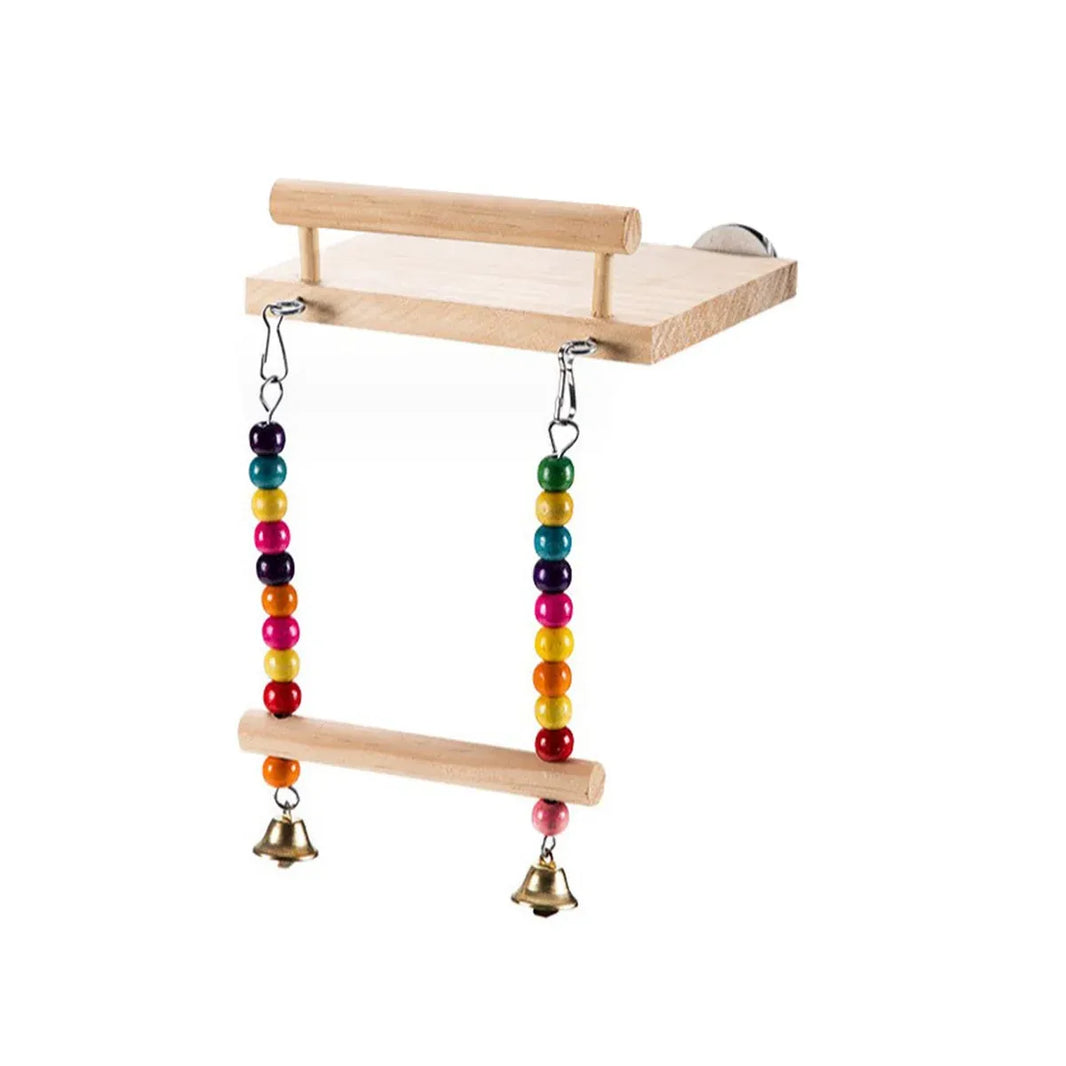
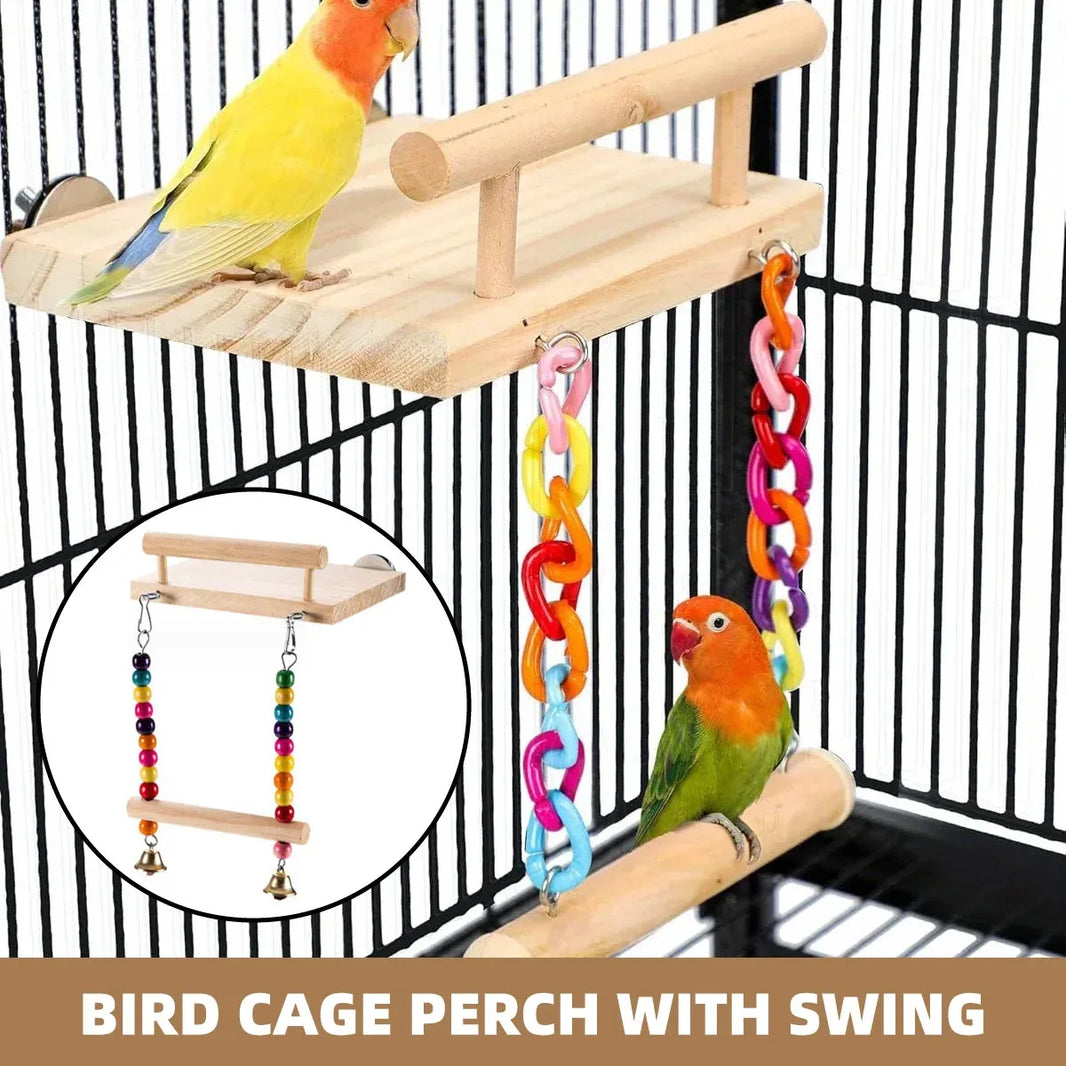
Bird Swing Parrot Cage Toy Wooden Swing with Beads and Bells Hanging Play - Bead Swing with Bells
Regular price $16.90 AUDRegular priceUnit price per$19.50 AUDSale price $16.90 AUDSale -
Large Bird Cage, 62 in, Open Top Parakeet Cage with Rolling Stand, Steel Bird Flight Cage with Removable Tray, Budgie Birdcage with 4 Perches, Parrot Cage for Lovebirds Cockatiels Pet Toy
Regular price $134.90 AUDRegular priceUnit price per$124.90 AUDSale price $134.90 AUD


Related reading


A bird’s housing needs to suit its species, movement and daily care. Compare the actual living enclosure, bar spacing and arrangement before choosing a tall stand or decorative roof. The range includes cages on stands and larger aviary-style structures, which need different placement and maintenance plans.
Measure the enclosure rather than the stand
A listed total height can include wheels, a storage shelf and the base. Those parts do not add flight space. Identify the internal width, depth and height, then account for perches, bowls and toys within them.
Useful movement space depends on the bird, not a generic small or large cage label. A tall narrow structure should not be assumed to provide the same opportunities as a longer clear flight path.
Choose bars, doors and fittings for the resident
Bar spacing must suit the species and size of the bird. Also consider the shape of feeding doors, latch security and any gaps around removable trays. A cage marketed for several animals needs a species-specific assessment.
Plan perch positions so they do not unnecessarily block movement or foul food and water below. Leave room for the bird to use the enclosure after furnishing, rather than filling every available area.
Make care accessible every day
Check how trays, bowls and the main door are reached. A large cage can be difficult to clean if positioned tightly against walls or furniture, while a rolling stand needs a stable, appropriate location.
Choose a position with suitable ventilation and shelter from hazards such as household fumes and harsh weather. A cage is one part of the bird’s care, alongside appropriate enrichment, interaction and opportunities for movement.
Further reading: RSPCA: housing pet birds
Useful answers
Bird Cages & Aviaries FAQs
Does a taller bird cage give my bird more flying space?
Not necessarily. Overall height may include a stand, wheels or a roof above the enclosure. Compare the clear width and depth inside, then picture the perches and bowls in place. A tall, narrow cage cannot create the same flight route as a wider enclosure with unobstructed space.
How do I choose bar spacing for a bird cage?
Start with guidance for the actual species and size of bird, then obtain the spacing for the individual cage. Include gaps around doors, feeder openings and removable trays in that assessment. A product title listing several birds is not enough to establish that every opening is suitable.
What makes a large bird cage easier to clean?
Look for trays and feeding bowls you can remove without dismantling the living area, plus doors that let you reach the far corners. Measure the clearance needed to pull out a tray before positioning the cage. Keep servicing access separate from the bird’s clear movement space.