
When I first started keeping birds, one of the stranger pieces of advice I heard was, “Don’t forget to cover the bird cage at night.” At the time, it felt somewhat unusual. Why would a bird need a blanket over its home? But after a few restless nights listening to my budgie squawk at shadows and wake up at every little noise, I understood exactly why so many bird owners recommend it.
When I first started keeping birds in Australia, one of the stranger pieces of advice I heard was, "Don't forget to cover the bird cage at night." At the time, it felt somewhat unusual. Why would a bird need a blanket over its home?
Birds Need Sleep Too
One of the main reasons people cover bird cages is to help their pets get proper rest. Birds need more sleep than humans , usually 10 to 12 hours of uninterrupted darkness every night. In the wild, the sun goes down and everything goes quiet, so sleep comes naturally.
In our homes, though, the environment is different. We stay up late with lights on, TVs playing, and phones buzzing. Even a little movement in the room can disturb a light sleeper like a cockatiel or budgie. A cover over the cage blocks out light and creates a sense of nighttime, helping your bird settle down even if the house is still awake.
Security and Comfort
Another big reason to cover a cage is security. Birds are prey animals by nature. Even after generations of being kept as pets, they still carry the instinct to be on guard. At night, when the world is dark and quiet, a sudden shadow or noise can spook them.
I’ve seen this with my cockatiel. Without a cover, he sometimes had what bird owners call a “night fright.” He’d hear something or see a flicker of light and panic, flapping wildly around the cage. It’s stressful for the bird and risky too; they can injure themselves when they thrash in the dark. Once I started covering the cage at night, those episodes stopped. The cover acted like a safe little tent, blocking distractions and giving him a sense of shelter.
Temperature Control
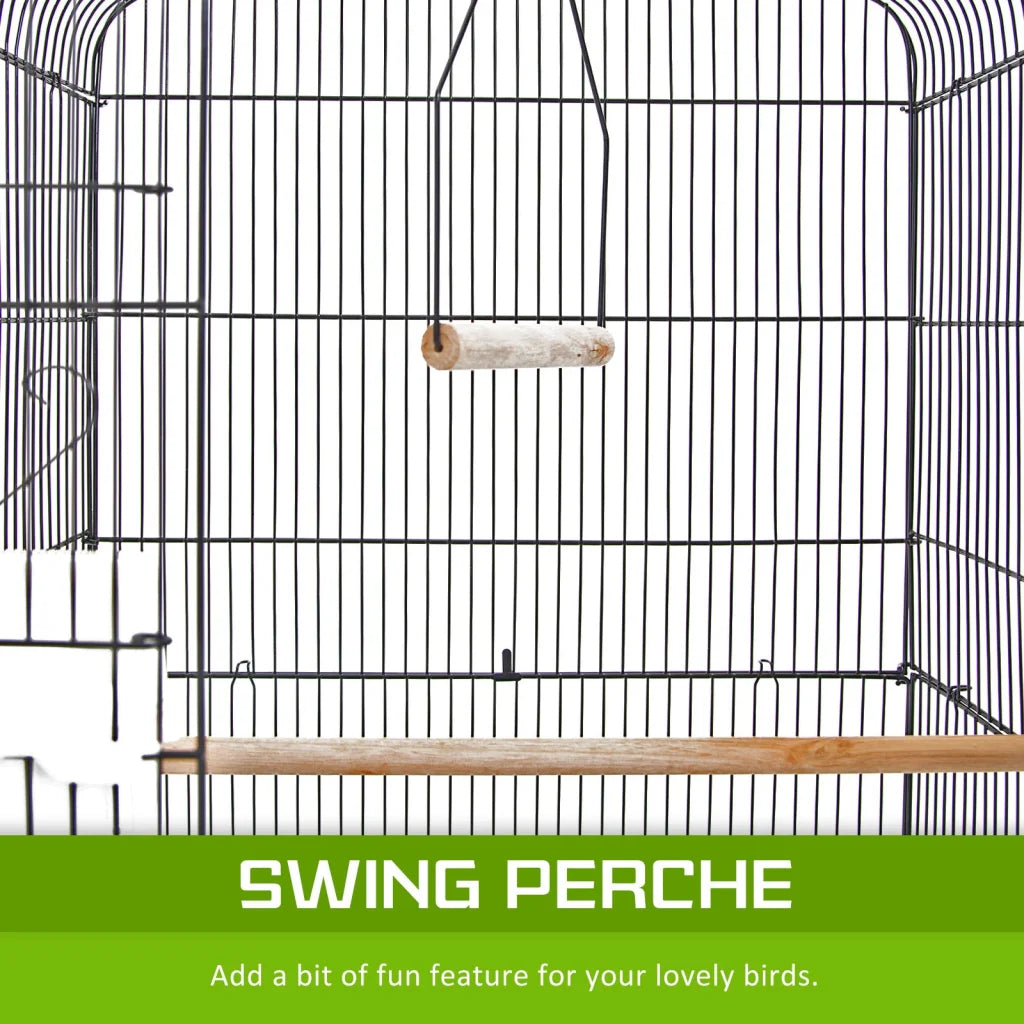
Depending on your home, covering a bird cage can also help regulate temperature. Birds don’t like drafts, and at night temperatures can dip lower. A cover provides an extra layer of insulation, keeping the cage cozy. Of course, you should always make sure there’s still enough airflow; never tuck a bird in so tightly that fresh air can’t get in.
Routine and Signals
Birds thrive on routine. Covering the cage at the same time each night becomes a signal: it’s bedtime now. They get used to it and begin settling down as soon as the cover comes out. This can be especially helpful for younger birds or those who are new to your home. It helps them establish a predictable rhythm.
When Not to Cover
That being said, not every bird needs or wants a cover. Some parrots, especially larger ones like African greys or amazons, can actually dislike being covered. They may chew at the cover or become anxious if they can’t see outside. Some birds simply adjust fine without it, especially if you already keep their cage in a quiet, dark room.
It’s also worth noting that covering shouldn’t be used to silence an active bird during the day. If your budgie is chirping at noon, tossing a cover over the cage isn’t the answer. Birds need natural daylight and stimulation during the day. Covering is meant for nighttime rest, not as a way to control behaviour.
Tips for Covering a bird Cage Safely
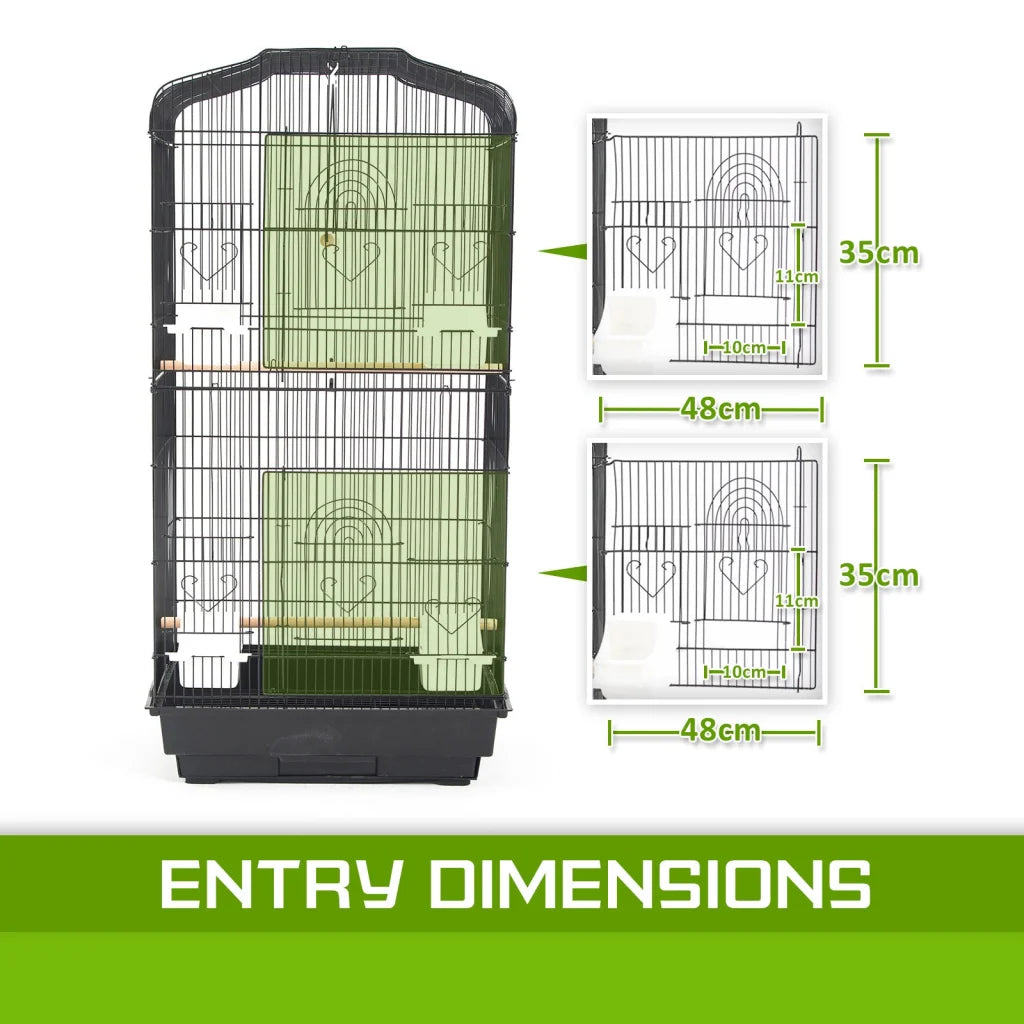 If you decide covering makes sense for your bird, here are a few things to keep in mind:
-
Use a breathable fabric. Light blankets, sheets, or specially made bird cage covers work best. Never use anything heavy that traps heat or blocks airflow completely.
-
Leave a gap. Some owners leave one side partially uncovered to allow airflow, and so the bird doesn’t feel completely shut in.
-
Stick to a routine. Cover the cage at the same time every night so your bird learns it’s part of bedtime.
-
Keep mornings natural. Uncover the cage when the sun rises or when the household wakes up. Birds need natural light to regulate their internal clocks.
-
Watch your bird. If your bird seems stressed when covered, or if they chew on the fabric, covering might not be for them.
My Experience
I’ll admit, I didn’t cover cages at first because I thought it seemed unnecessary. But after a few episodes of night frights with my cockatiel, I gave it a try. I used a light, dark-colored sheet and draped it over three sides of the cage, leaving the back open for airflow. The difference was immediate. My bird went to bed faster, slept through the night, and was noticeably calmer in the mornings.
Later, when I kept finches, I discovered they didn’t really need the same treatment. Their cage was in a quiet corner, and they settled naturally with the sunset. That taught me something: there’s no one rule that fits all birds. Some benefit from a cover, while others don’t care.
Why I Recommend HomeMyGarden for Covers and Cages
If you’re shopping for cages or accessories like breathable covers, HomeMyGarden is the place I suggest. Their cages are designed for real birds' needs, with safe bar spacing and sturdy builds, and they also carry accessories that make covering safe and easy. You don’t have to guess whether a fabric will allow airflow or fit properly; the products are already chosen with birds’ comfort in mind.
When I upgraded to a larger cage from HomeMyGarden, I found it easier to cover because of the design. The smooth edges and accessible doors meant I didn’t have to struggle with fabric bunching or slipping. That small detail made bedtime routines less stressful for me and more comfortable for my bird.
Final Thoughts
So, why cover a bird cage? For many birds, it creates darkness and quiet so they can get the sleep they need. It provides a sense of security, reduces night frights, helps regulate temperature, and establishes a consistent bedtime routine. Not every bird requires it, but for many species , especially smaller parrots like budgies and cockatiels , it can make a big difference.
The key is to observe your bird. If covering helps them settle and sleep better, it’s worth making part of your routine. If they dislike it, don’t force it. Bird care is always about finding what works for your individual pet.
At the end of the day, covering a cage is a simple act that can give your bird a safer, calmer night’s rest. And if you want to do it right, with cages and accessories designed for the comfort of your pets, start with HomeMyGarden. Your birds deserve a home and a bedtime routine that makes them feel safe.