

When I bought my first cockatiel, I was convinced the bird cage I picked out was fine. The sales assistant nodded and said, “This is perfect for cockatiels.” I brought it home, set it up, added a perch and a swing, and thought I was winning at bird parenting. Within a week, my bird was making it clear I had messed up. He’d climb the bars, chew on them, pace back and forth, and when he tried to stretch his wings, he kept bumping into the sides. That’s when I realised: a bird cage that looks fine to us can feel tiny to a cockatiel.
 The Numbers People Talk About
If you want the textbook answer, most guides will say 24 inches wide, 18 inches deep, 24 inches tall, with bar spacing around half an inch to five-eighths of an inch. That’s the minimum. I’ll be honest though: the word “minimum” is key. Minimum doesn’t mean ideal. It just means your bird won’t immediately suffer.
Think about it like apartments. Sure, you can live in a studio. You’ll survive. But will you thrive? Probably not. Same deal for cockatiels.
Why Width Beats Height Every Time
This was mistake number one for me: I picked a cage that was tall. It looked generous because it had height, but cockatiels don’t use vertical space the way finches or canaries do. They’re side-to-side flyers. They want width.
Here’s my rule of thumb now: if your cockatiel spreads both wings inside the cage and instantly hits the sides, it’s too small. A cage should let them flap, hop across, and move without feeling boxed in.
Got Two Birds? Double Your Expectations
I eventually added a second cockatiel, and that brought a whole new lesson. The cage that seemed “just okay” for one was a nightmare for two. They bickered, shoved each other off perches, and clearly weren’t happy.
For two cockatiels, you’ll want at least 36 inches wide and 24 inches deep. Bigger if you can. Think of it like siblings sharing a bedroom. If it’s small, they’ll fight. If it’s roomy, they’ll still argue sometimes (they’re cockatiels after all), but at least they’ll have their own space.
Setting Up the Inside
Now, even with a big cage, you can ruin it by stuffing it with the wrong things.
-
Perches: Don’t rely on the smooth dowels that come with cages. They’re too uniform and can cause foot problems. I use natural branches of different thicknesses. Rope perches are great too. Variety keeps their feet strong.
-
Toys: My first instinct was to buy every colorful toy I could find. Big mistake. Too many toys = no room to fly. These days I stick to two or three at a time and rotate them weekly. Shredders, chew toys, and bells are big hits.
-
Food and water bowls: Place them smartly so droppings don’t fall in. Sounds obvious, but you’ll be surprised how many setups fail this test.
-
Swings and ladders: Fun additions, but don’t clutter. Remember, open space matters more.
Where You Put the Bird Cage Matters Too
I tried the cage in a hallway once because it “fit the space.” Terrible idea. Constant traffic stressed the bird out. Cockatiels are social, but they also like feeling secure. Best spot? A corner of the living room or family room. Somewhere they can see you, hear you, and feel part of the family, but not in chaos.
Never put a cage in the kitchen; fumes from nonstick pans can literally kill a bird. Avoid drafty windows, too. And keep the cage at about eye level. Birds don’t love being stared down at all the time.
Out-of-Cage Time, Don’t Skip It
 Here’s something I had to learn quickly: even the biggest cage doesn’t replace daily freedom. Cockatiels need time outside, ideally two or three hours every day. Supervised, of course. Mine loves hanging on my shoulder while I make coffee (no hot stoves, don’t worry). He whistles while I type at my desk.
Think of the cage as their bedroom. It’s where they sleep, eat, and chill. But real life happens outside.
Mistakes I Made (So You Don’t Have To)
-
Buying a “starter cage.” Most are budgie-sized. Too small. Don’t waste your money.
-
Falling for tall cages. They look fancy but don’t work for cockatiels.
-
Overloading with toys. It’s tempting, but birds need space.
-
Bad placement. Kitchens, hallways, drafty spots… all terrible ideas.
Why Bigger Really Is Better
If there’s one lesson I can hammer home, it’s this: you’ll never regret going bigger. I’ve had cockatiels in small cages and in roomy ones. The difference is night and day. Birds in bigger cages whistle, explore, play, and seem curious. Birds in small cages scream, bite, or pluck feathers.
And remember, the cage isn’t just a cage. It’s their house. Their entire world for most of the day. More space equals a better life.
Don’t Forget Build Quality
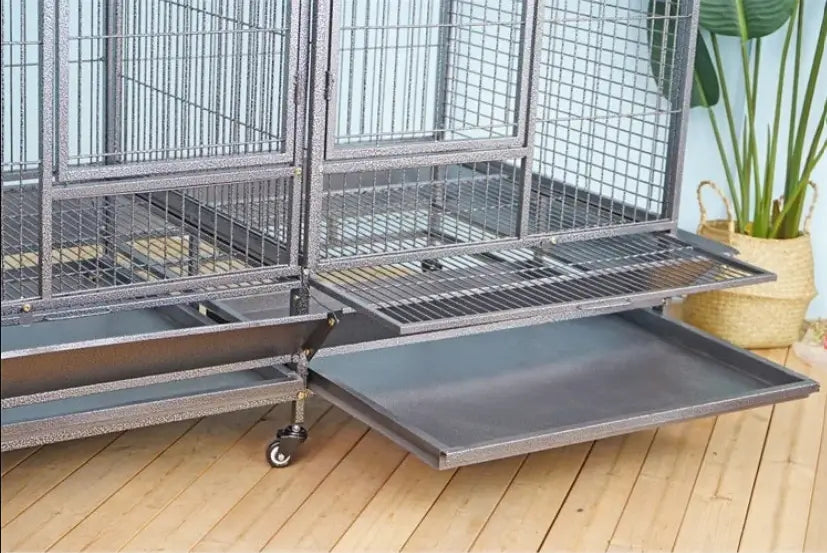
Size is crucial, but don’t overlook the build. Flimsy cages bend. Rusty cages are dangerous. Weak latches? Cockatiels are escape artists; they’ll figure them out. Go for powder-coated metal when you can. And make sure there’s a removable tray at the bottom, because cleaning is a daily job.
Why I Trust HomeMyGarden
I’ll be blunt: a lot of cages sold as “cockatiel cages” are junk. Too small, wrong spacing, badly built. That’s why I point people to HomeMyGarden. Their cages actually fit the needs of cockatiels: safe bar spacing, sturdy materials, sizes that make sense, and designs you can live with in your house. They don’t just look good in a catalogue; they work in real homes.
Final Thoughts
So, what size bird cage for a cockatiel? The short answer: at least 24 inches wide, 18 deep, 24 tall, bar spacing ½ to ⅝ inch. The real answer: bigger is better. Go wider, not just taller. Set it up with varied perches, a few toys, and space to flap. Put it in a social but safe part of your home. And give your bird daily time outside.
Your cockatiel depends on you to create its world. A roomy, safe cage is the foundation of that world. Get it right, and you’ll have a bird that whistles, plays, and bonds with you for years.